Best Attractions: From Major Landmarks to Hidden Gems










Travel websites usually focus on giving advice. They list a city's top things to do, show the most popular places, mention spots where you might have to wait, and talk about new places that have just opened.
This makes you wonder: who decides what counts as "the best"?
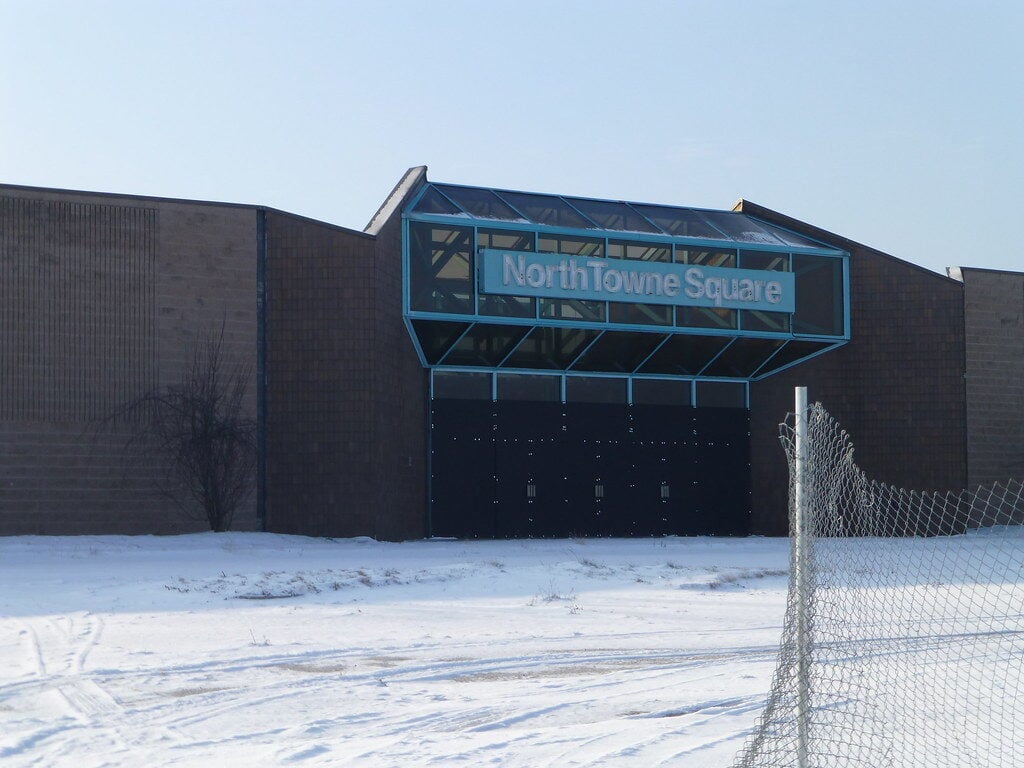
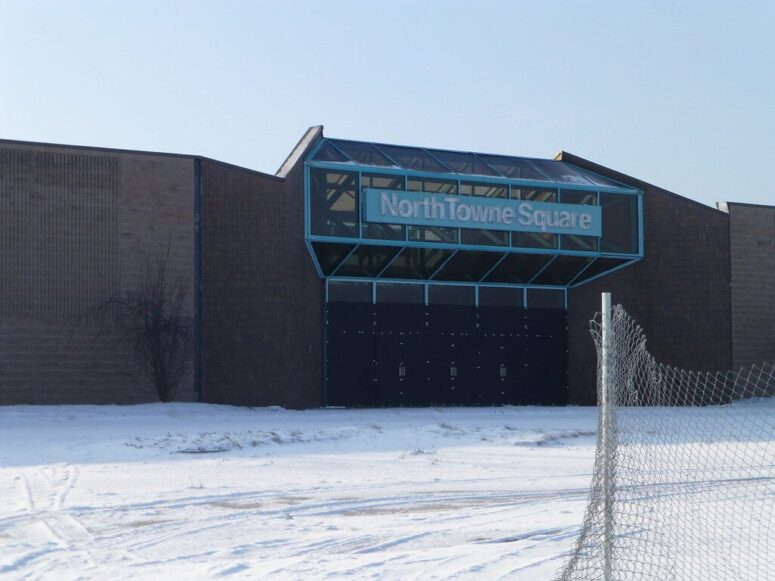
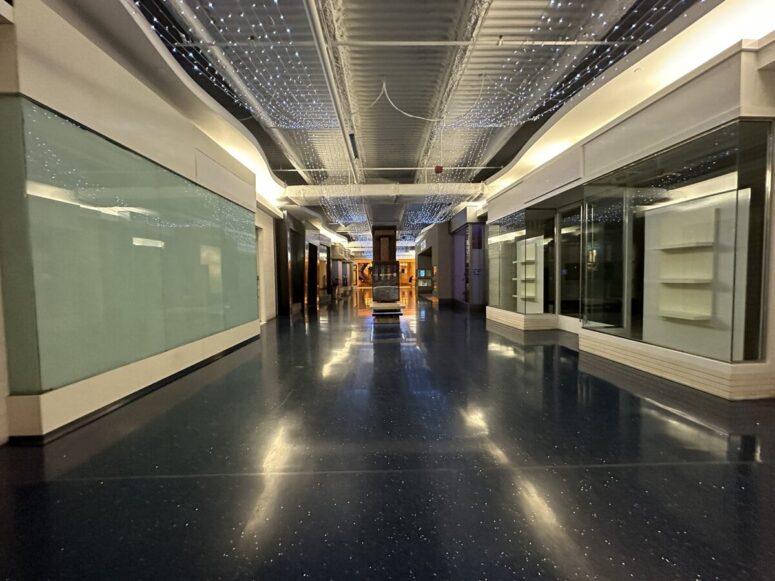
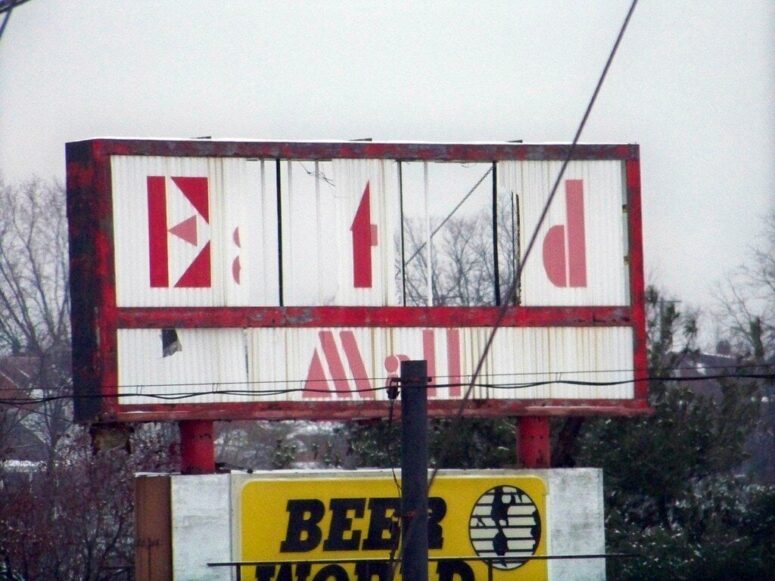
This book looks at places that had a real impact on everyday life. That can include a shopping mall that is still standing, even if many storefronts are empty, and it mostly serves as a reminder of another time.
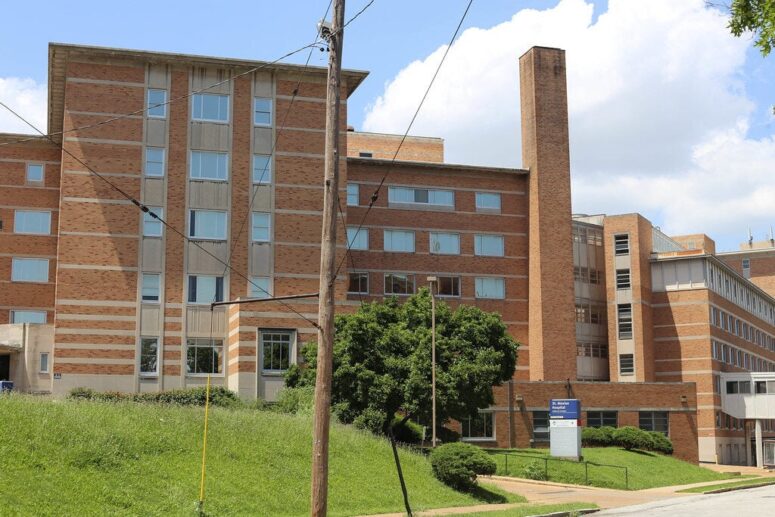
It can also include an asylum located on the edge of town that once cared for thousands of people and still appears in news coverage today.
You will visit museums that most guides skip, and see houses where famous people from history once lived.
Some of these locations remain carefully maintained. Others are closed off, abandoned, or already demolished. Even so, they remain important.
People remember the places they once gathered. A theater. A public park. A school building with peeling paint on the door.
Alongside these, you will also find practical, up-to-date guides - things to do by city and state, ideas for a weekend trip, and sights to visit if you are passing through.
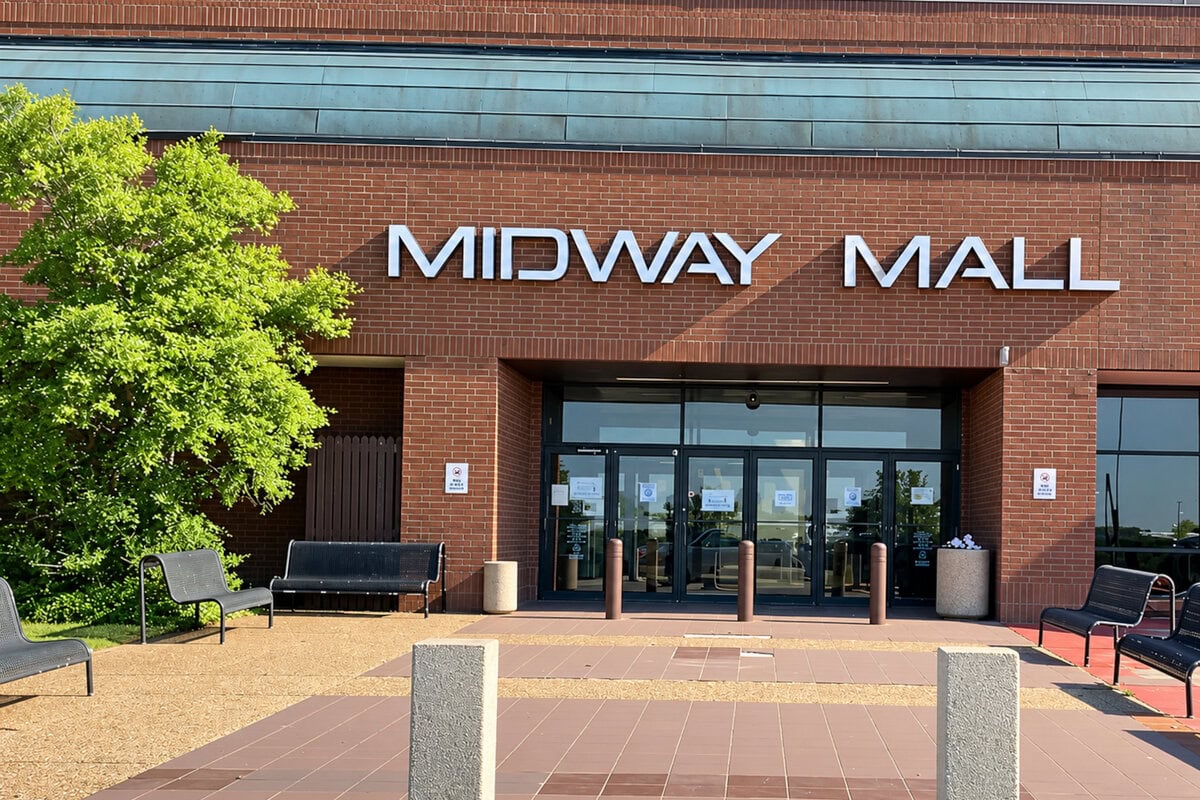
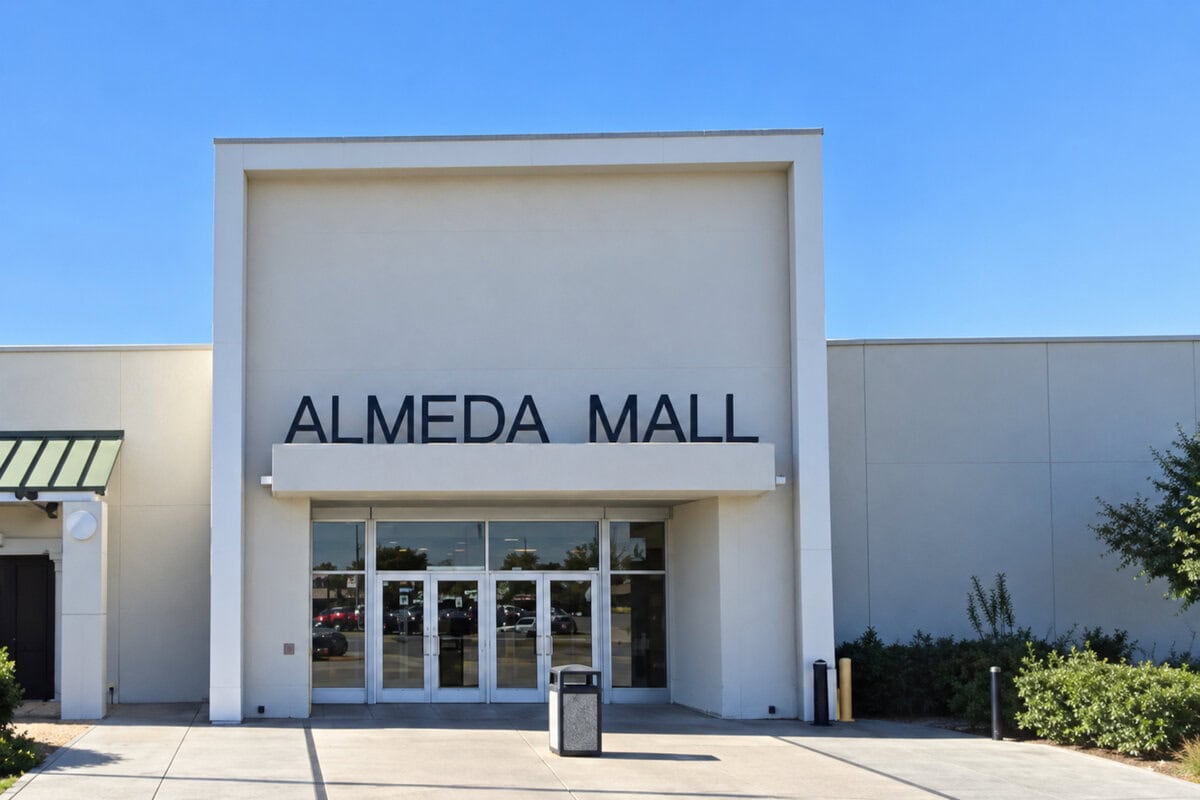
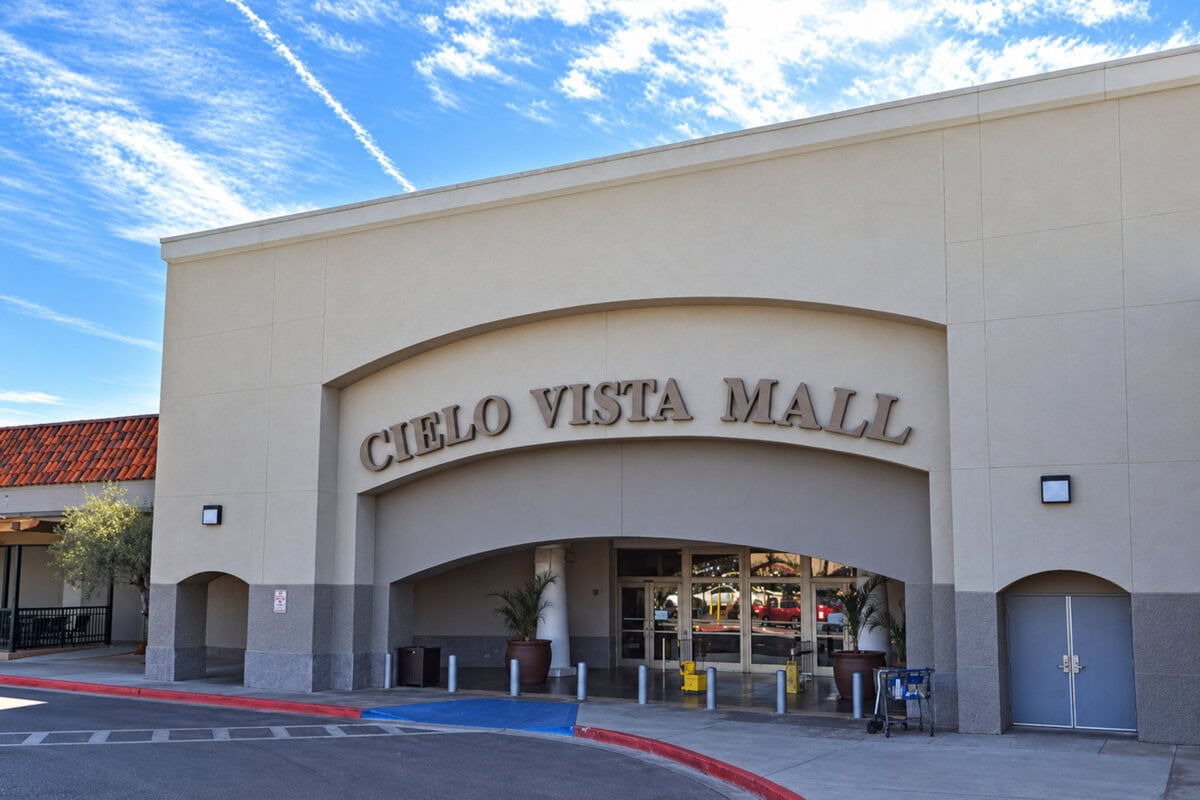
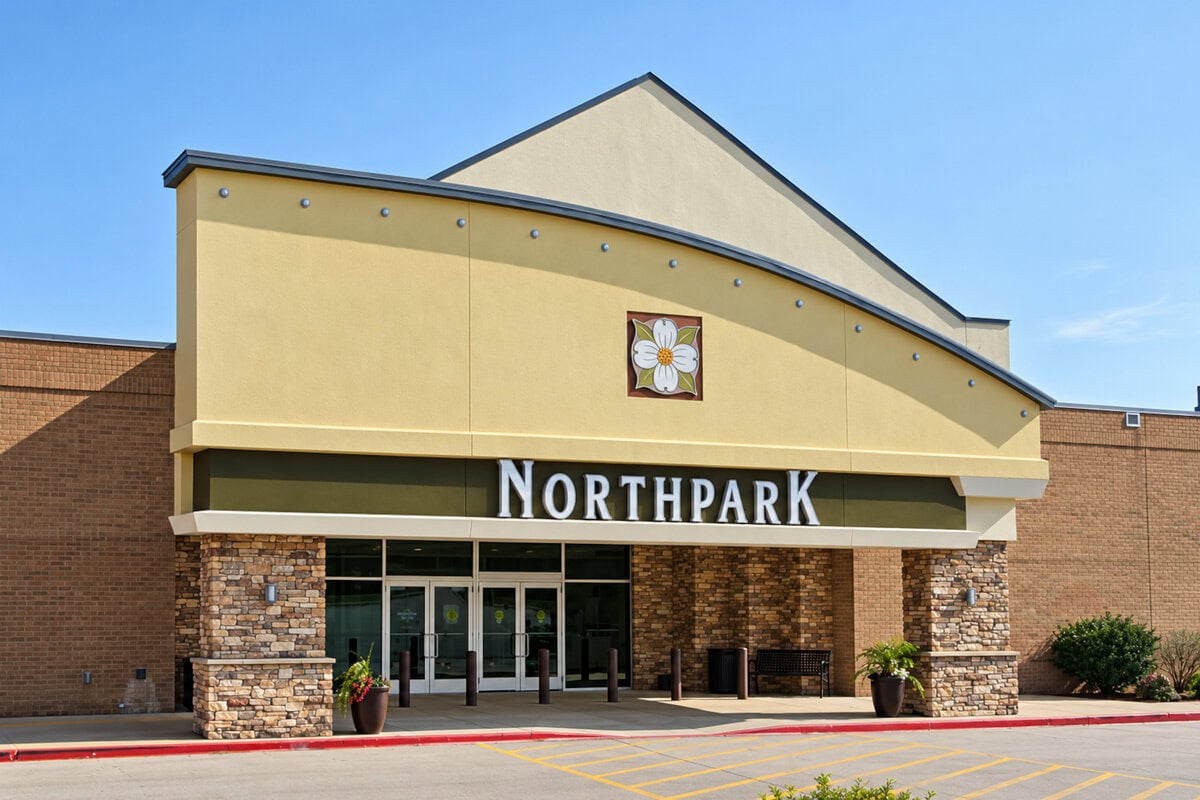
American Malls
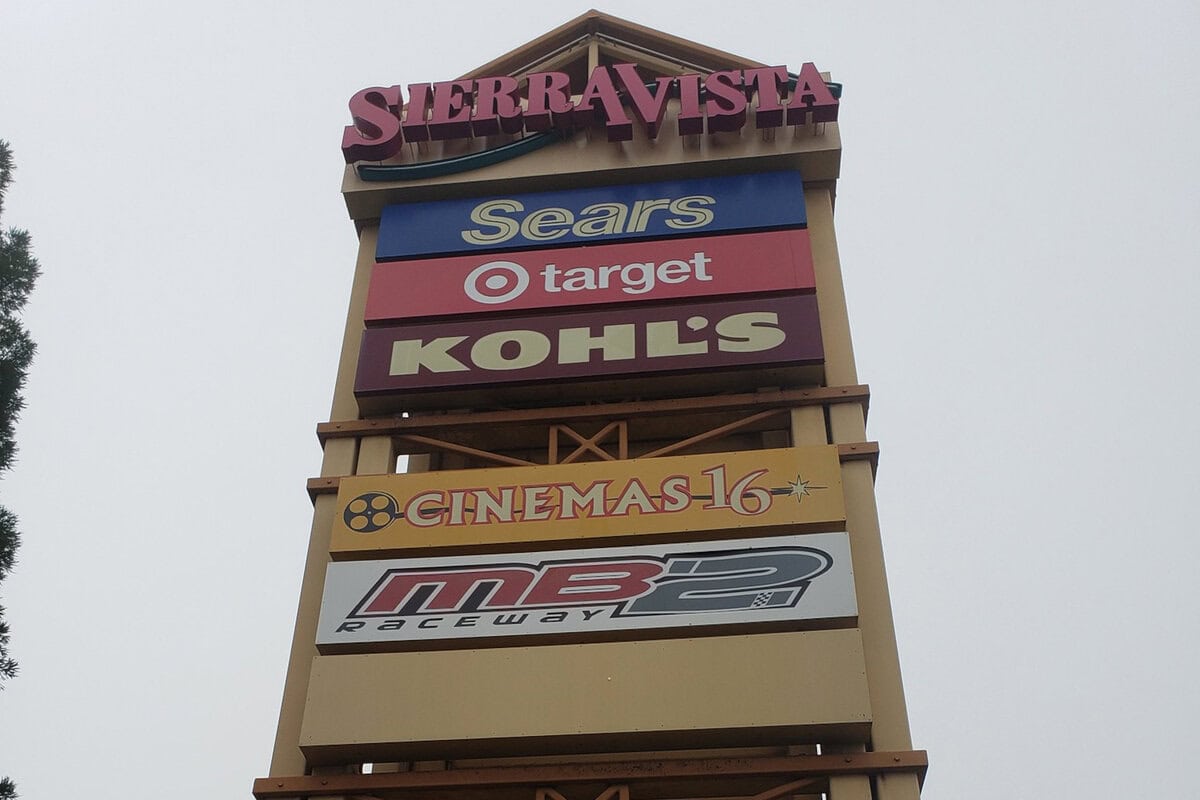
Shopping malls once served as more than retail centers. They were common gathering places. Teenagers met there after school. Friends caught up on local news.
People walked through the halls without necessarily buying anything. Many stopped for a quick meal under bright fluorescent lights before going to a movie.
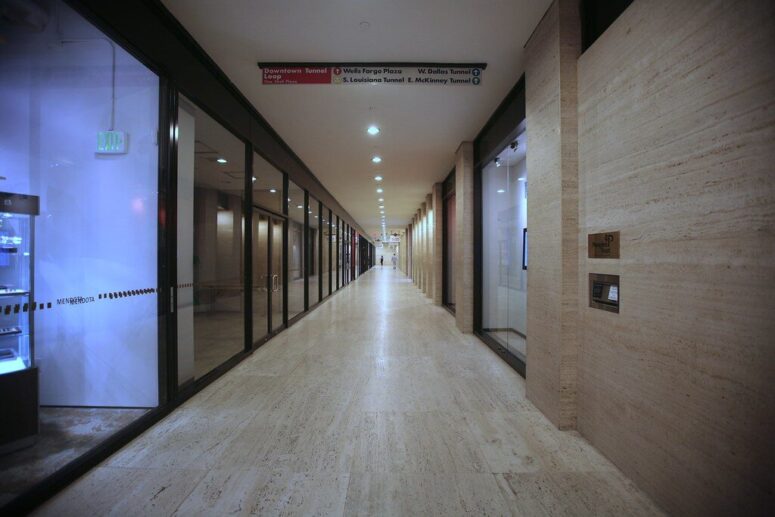
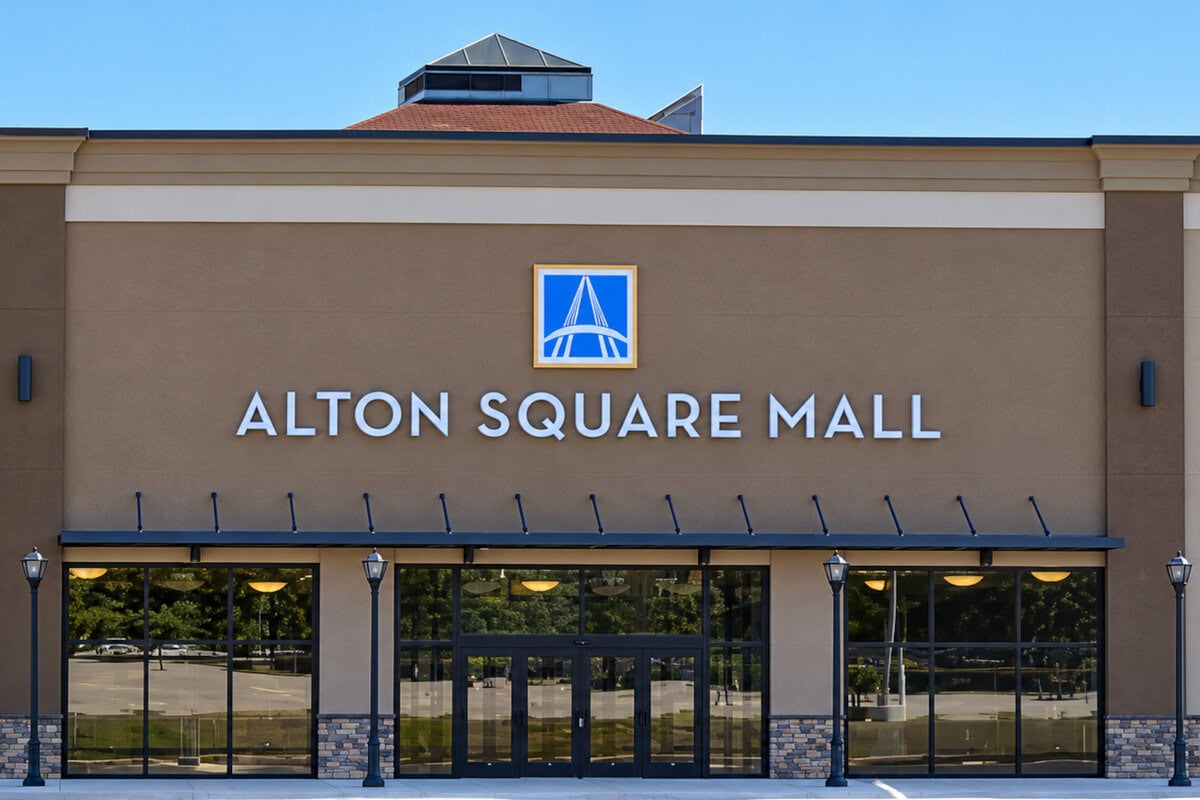
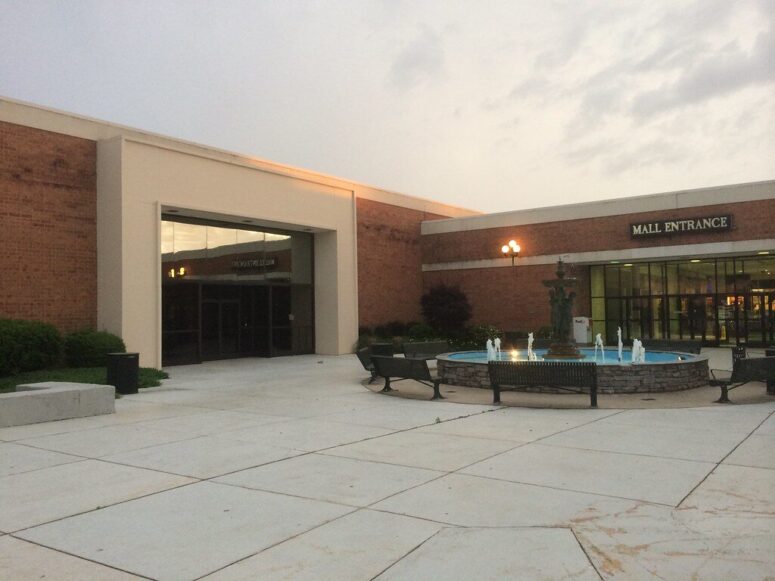
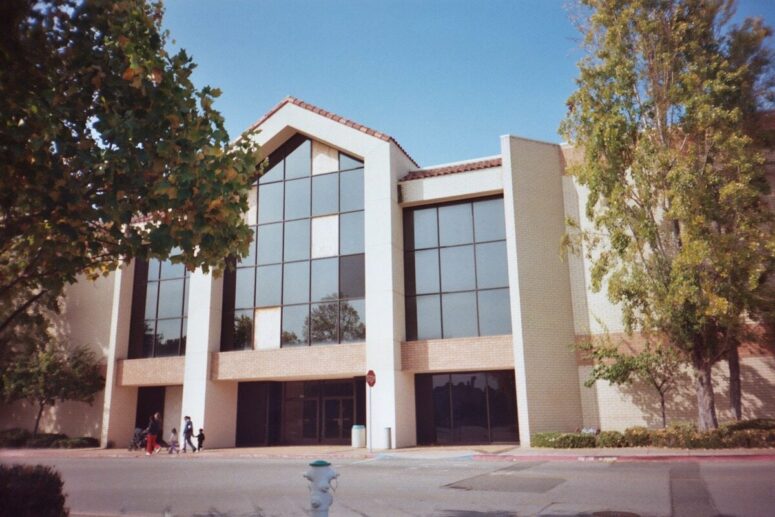
Some malls remain active today. They have been renovated, are busy, and house well-known national chain stores. Others are much quieter. Their storefronts are boarded up, and the sound inside carries through nearly empty corridors and escalators.
Visiting a busy mall or walking through the remains of an old one shows how American communities have changed over time and how people used to shape their daily lives around these places.
+Abandoned Places +Accommodation +Best Places +Crime & Safety +Entertainment +Food and Drink +Haunted Places +Health and Wellness +Houses +Industry +Local Life +Museums +Nature +Retail +U.S. cities +U.S. main cities +U.S. states Alabama Alaska Arizona Arkansas Blog California Colorado Connecticut Delaware District of Columbia Florida Georgia Hawaii Idaho Illinois Indiana Iowa Kansas Kentucky Louisiana Maine Maryland Massachusetts Michigan Minnesota Mississippi Missouri Montana Nebraska Nevada New Hampshire New Jersey New Mexico New York North Carolina North Dakota Ohio Oklahoma Oregon Pennsylvania Rhode Island South Carolina South Dakota Tennessee Texas Utah Vermont Virginia Washington State West Virginia Wisconsin Wyoming
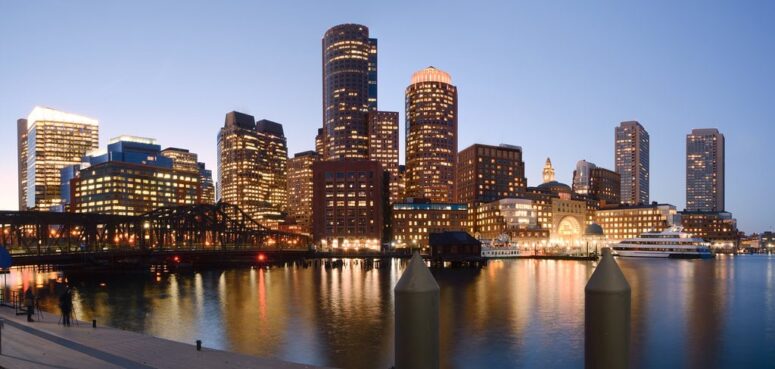
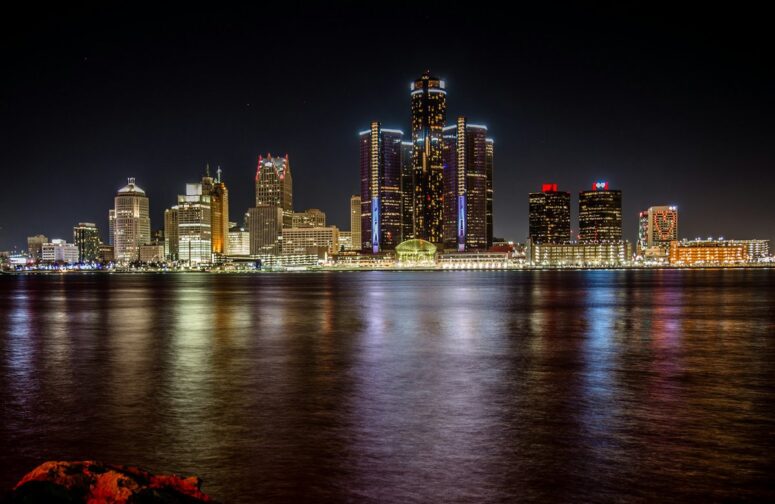
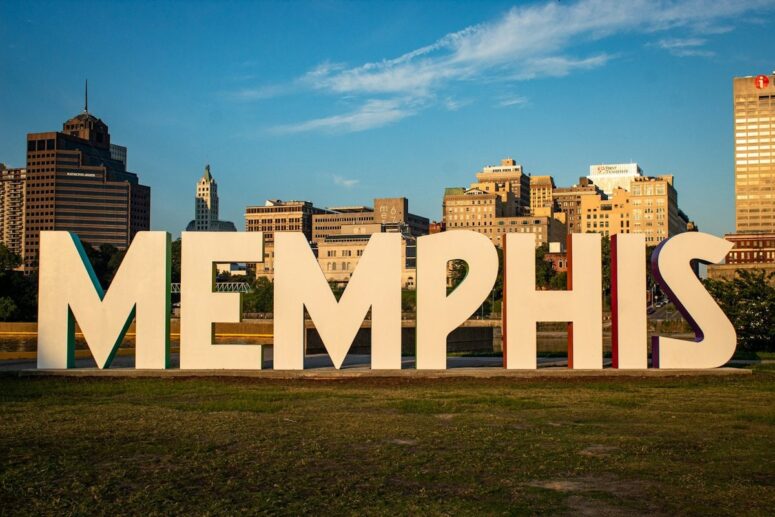
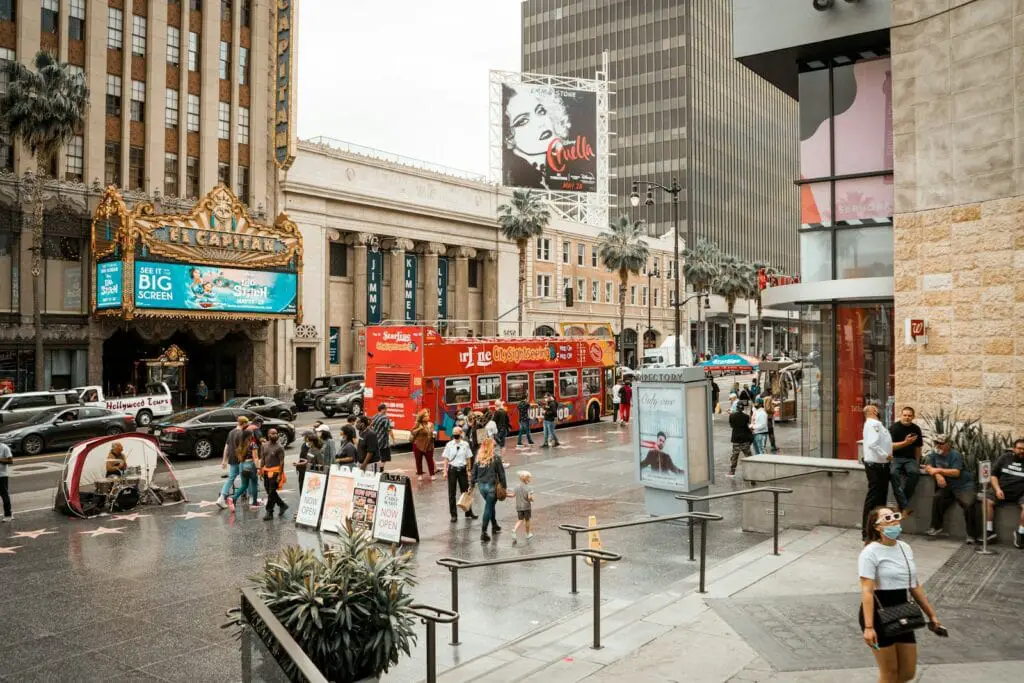
Top Cities to Visit in the USA: Things to Do in America's Largest Cities
Some American cities dominate the national conversation. They have large populations, crowded airports, and skylines that appear on postcards. But when you spend time there, the smaller details matter more than the broad image.
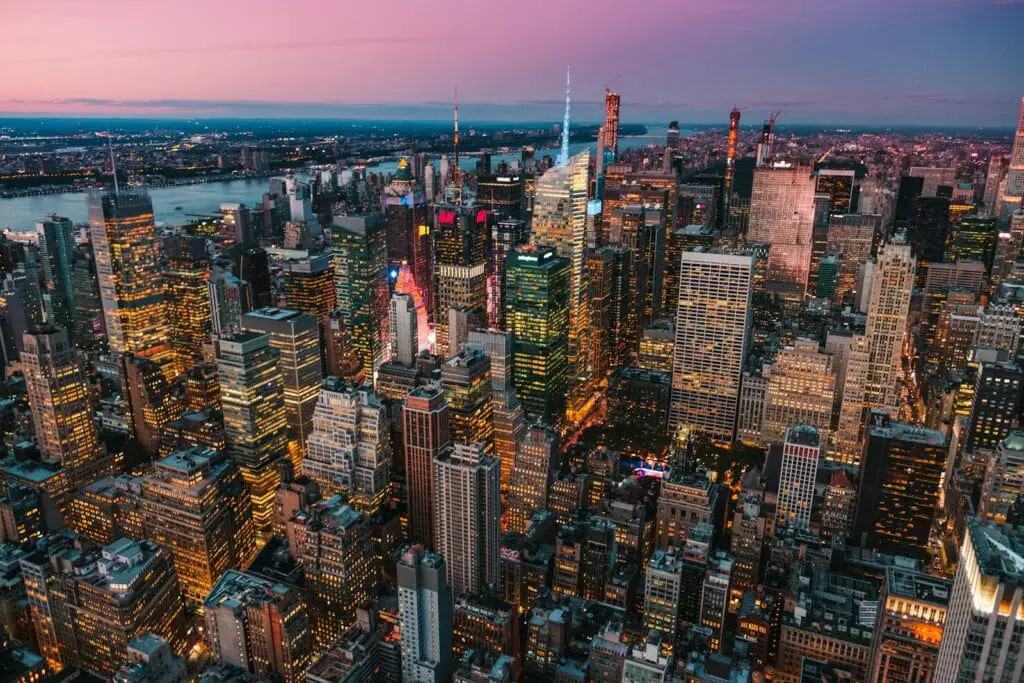
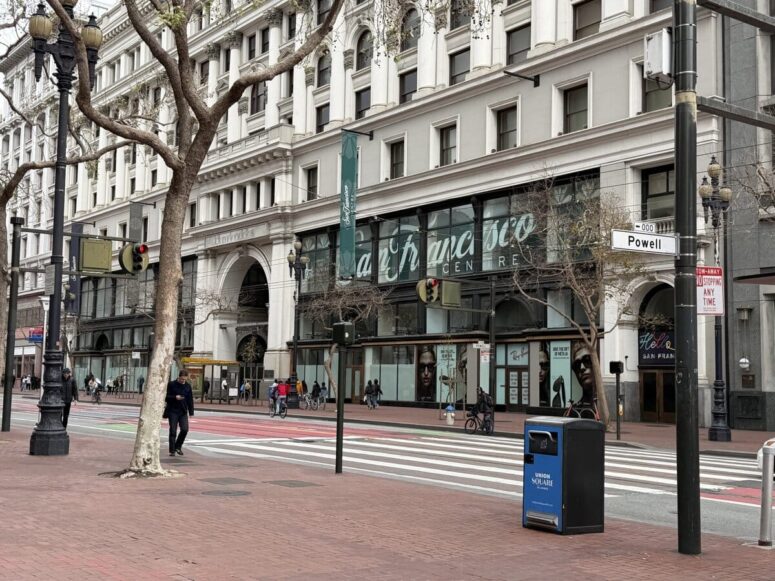
In New York City, history appears in everyday places such as street corners and subway tiles. Chicago's street grid and neighborhoods show which parts of the city endured over time and which were replaced.
Los Angeles changes character depending on the area. Houston has expanded across wide stretches of land as much as it has added tall buildings.
These cities cannot be captured in a short list of attractions. Each one developed over many years. Migration shaped them. Workers built them. Decisions about zoning laws and public transportation continue to reshape them.
For travelers deciding where to go in the United States and what to do there, these are the cities that have defined the country's physical and cultural map.
No Longer in Use: Buildings That Outlived Their Purpose
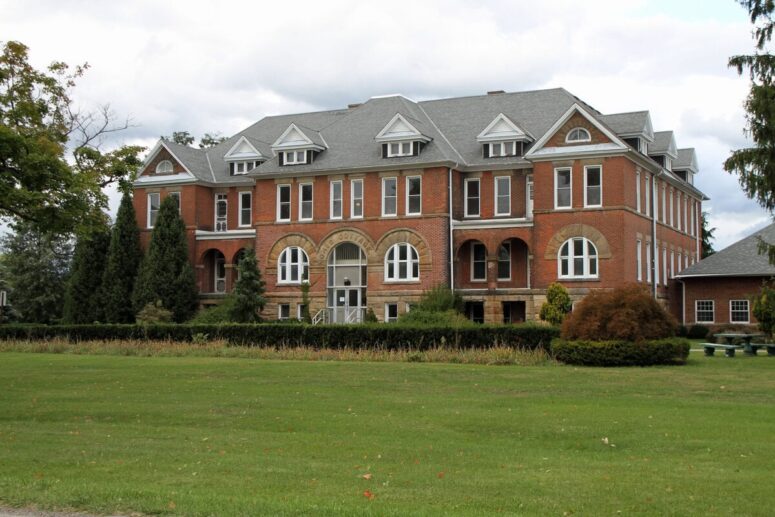
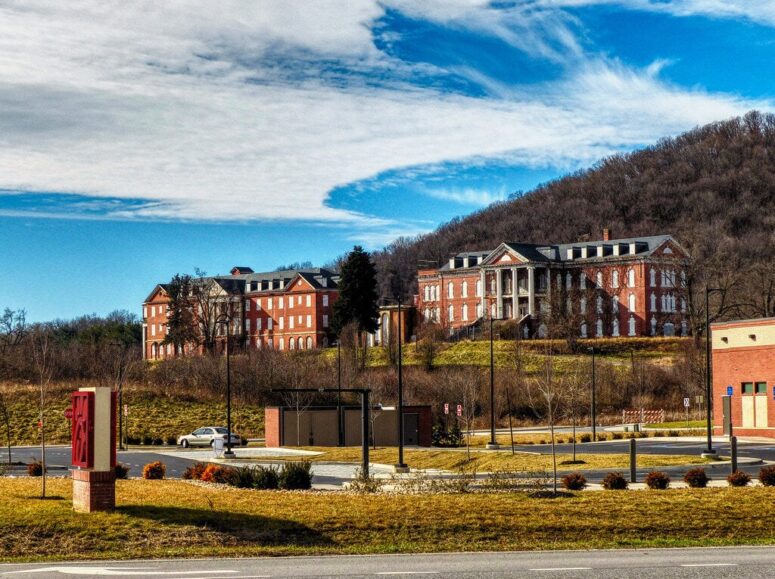
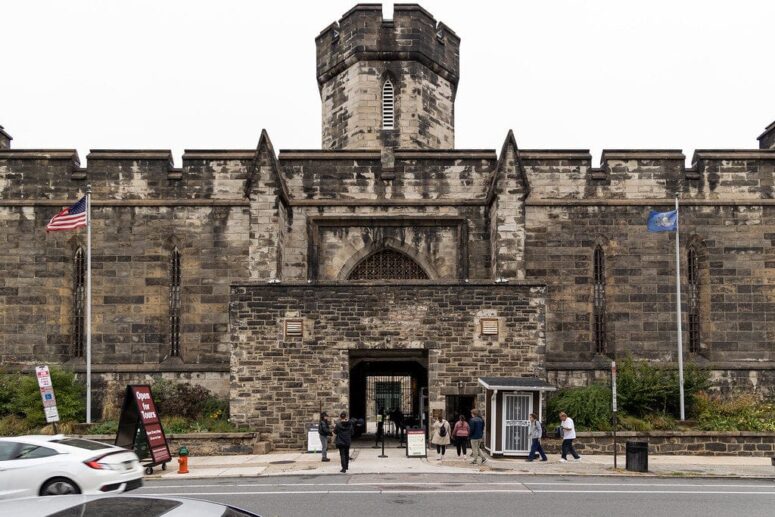
Some buildings still show small signs of what they used to be. You can see marks where doors were once held open. The paint is peeling, but the names on the lockers are still visible.
These places include former mental hospitals, closed shopping centers, and abandoned stations. They are no longer in use, but the buildings are still there. For many years, people lined up, punched time cards, and kept the rooms busy.
Now the rooms are quiet and the floors are empty. The structure remains, but nothing explains it. There are no signs and no plaques. What is left is the outline of a place built for a specific job, still standing after that job ended.
Sometimes the quiet breaks when a new redevelopment proposal is announced or when the property is listed for sale.

Haunted Places
Public buildings usually do not advertise haunted tours. Still, cleaners, security guards, and other night-shift workers often keep track of areas they pay attention to.
The elevator often stops on the wrong floor. There’s a storage room that no one wants to enter alone. While the building remains open and people continue their work, certain spots are quietly left alone.
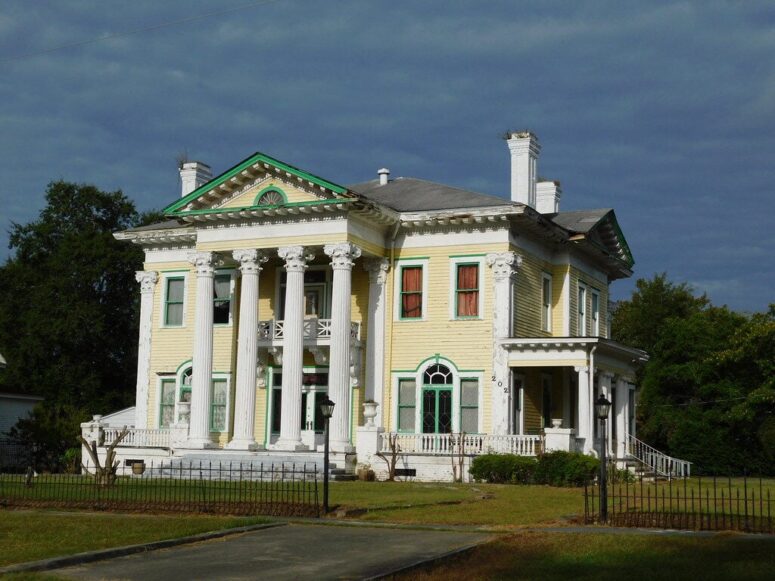
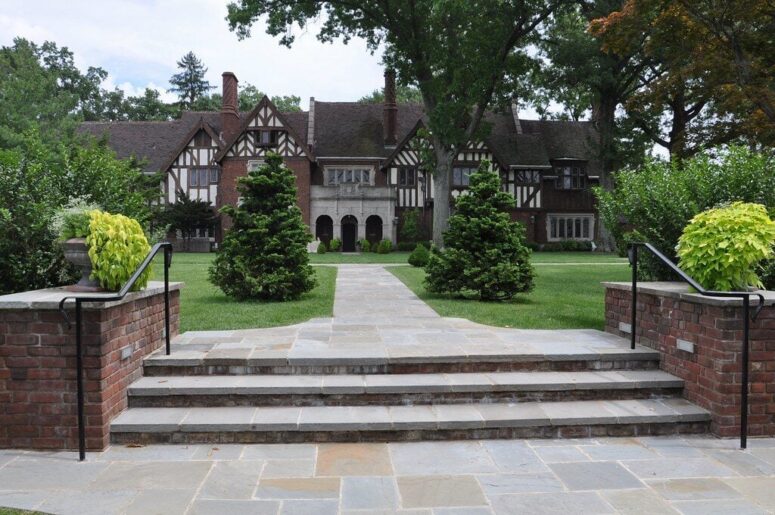
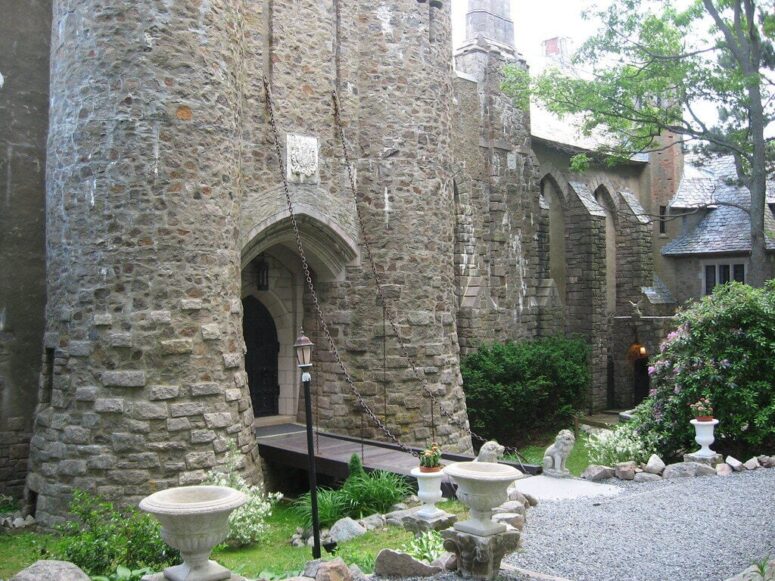
Walls That Kept the Record: Houses That Still Get Talked About
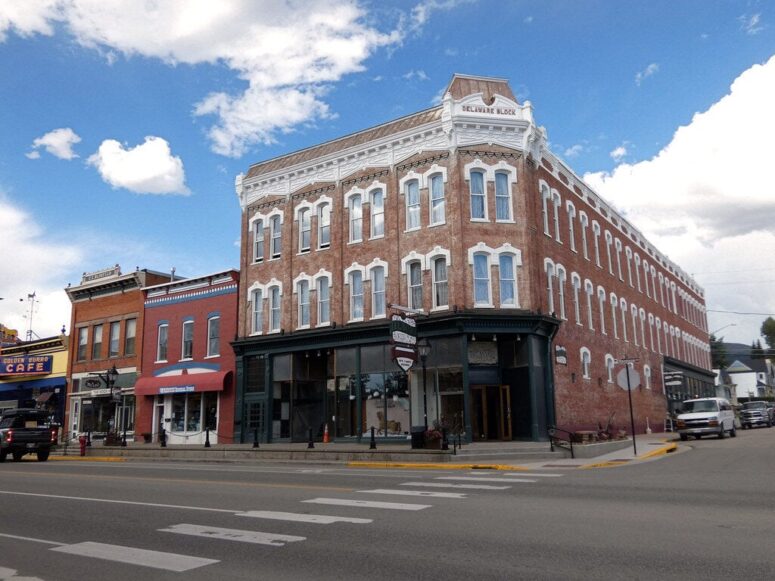
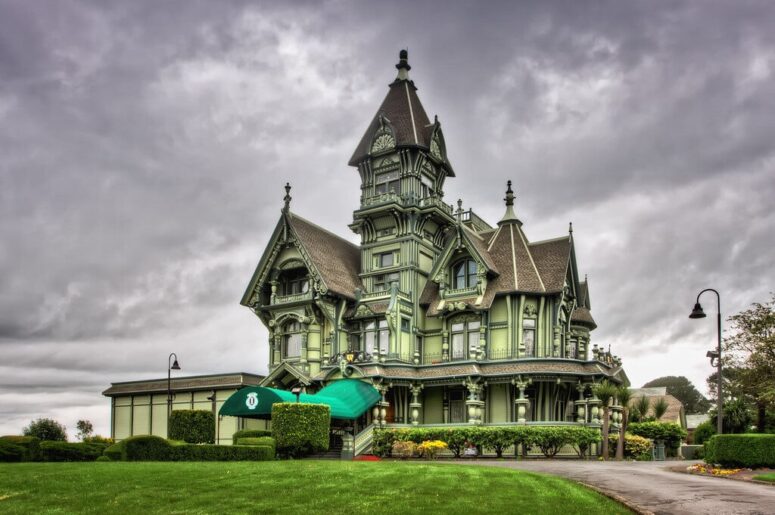
Most houses don't get documented. They rise, are inhabited, and eventually come down or are rebuilt.
But a few hold on - either because someone wrote them down, or because too many people kept bringing them up. That's what ties this section together.
There are Civil War-era homes still standing under modern zoning. Places tied to court cases, disappearances, or long-rumored sightings.
The focus isn't on legends for their own sake. It's on structures that keep turning up in research, in memory, or in the fine print on a historical marker nobody expected to find.
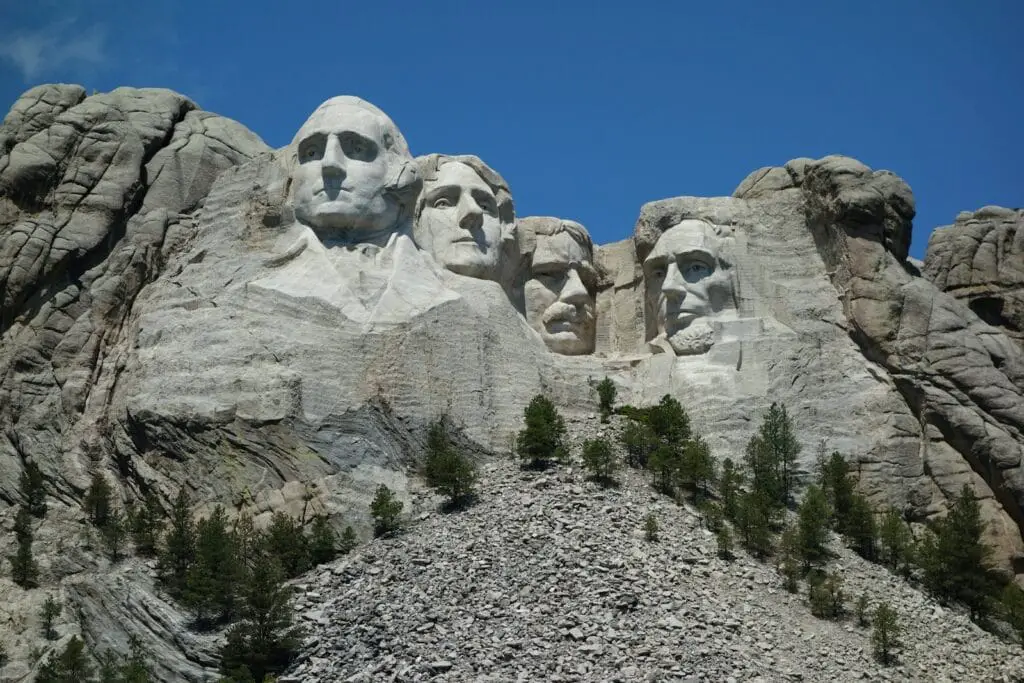
What We Choose to Keep: Museums Across the U.S.
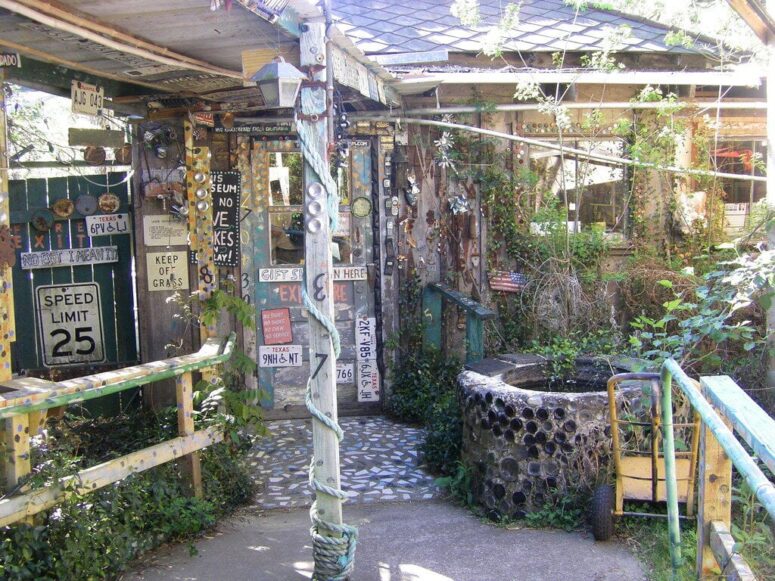
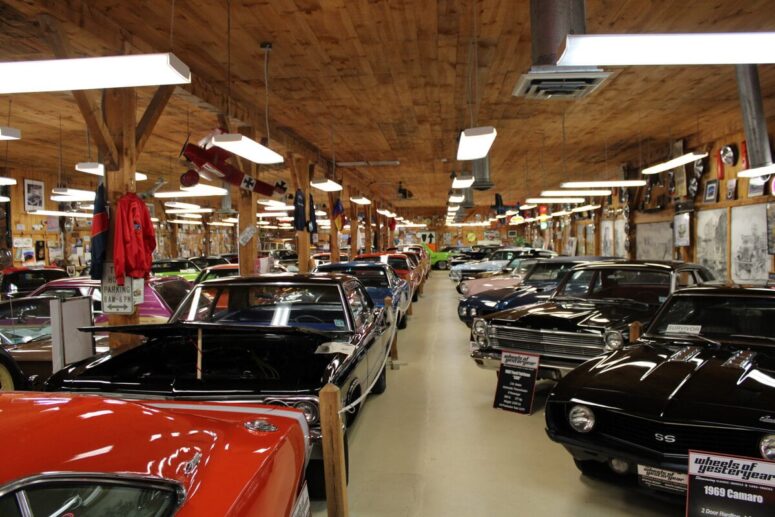
There's a rhythm to these places - fluorescent lights warming up, a latch clicking open, papers sliding from a drawer that's older than the building permit.
The front desk might be staffed by someone who knows every name on the exhibit tags because half of them lived down the street. The displays are close to the ground, and the stories are even closer.
Old uniforms. Black-and-white portraits. Flyers for events that never got rained out. Nothing's been polished for drama.
What you see is what the town kept, sometimes out of duty, sometimes by accident, but always because someone thought it still mattered.
Green Space That Tells You What the Land Was First
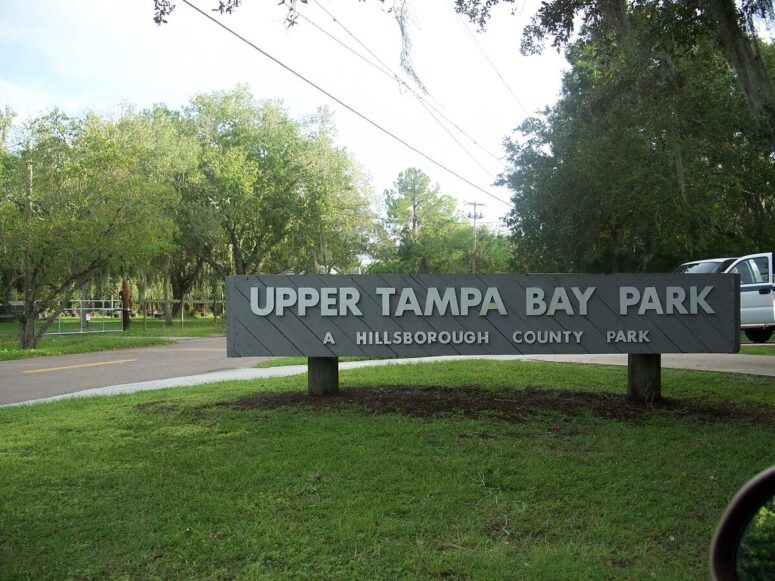
You don't have to go far to see what came before pavement. Some of these parks started as back lots, drainage zones, or floodplains.
Others were always set aside, carved into town plans before the houses filled in. What they share is clarity.
You can walk the edge of a pond and know it's been there longer than the road beside it. You can sit in a pine grove and hear the wind before you hear traffic.
The land hasn't gone untouched. But it still speaks. These spots let you hear it, if only for the time it takes to finish the loop.
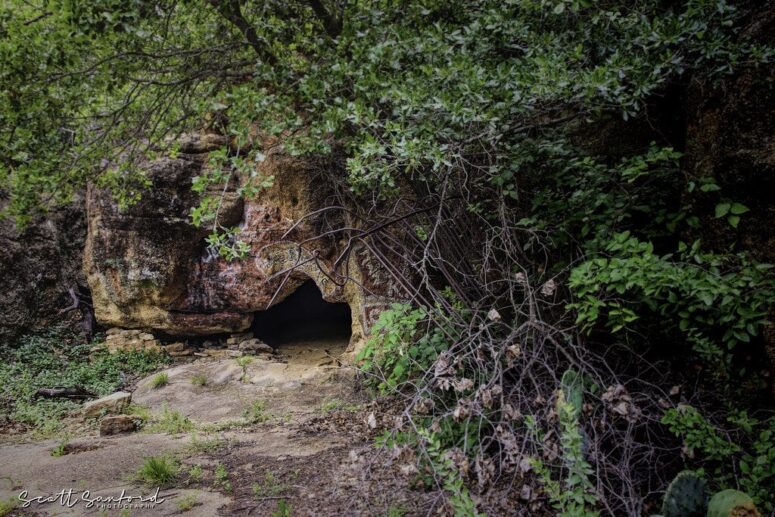
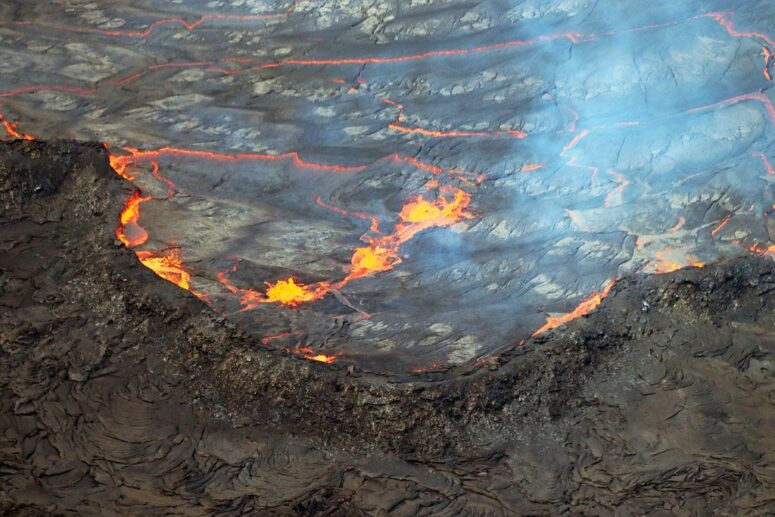
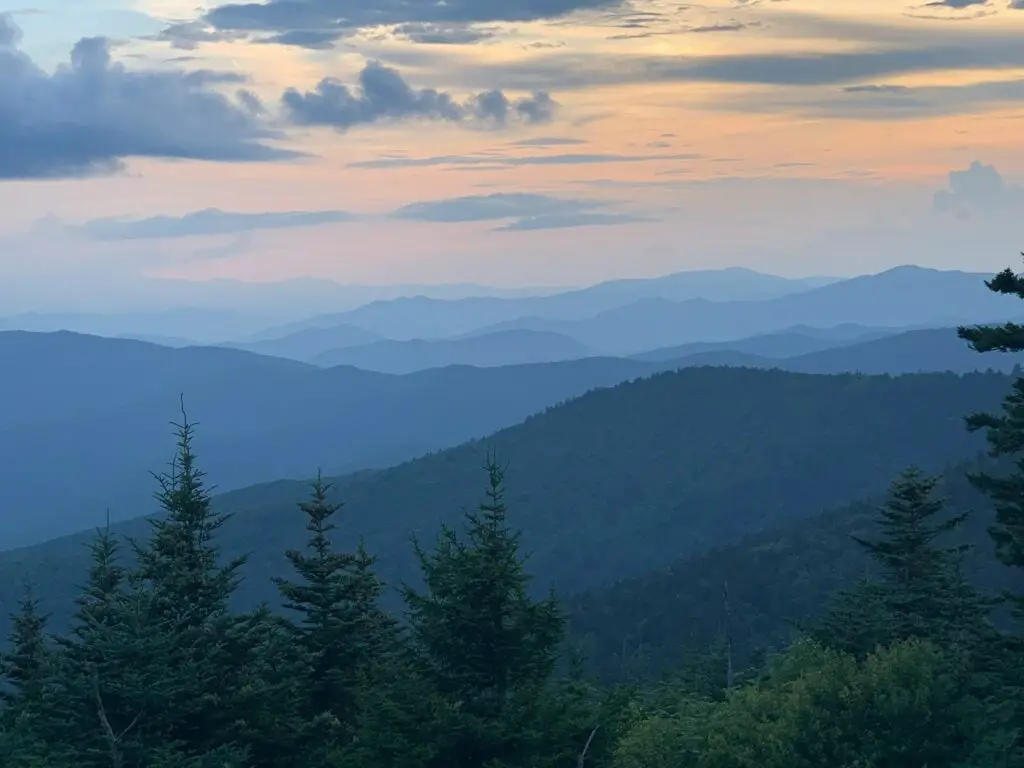
A Land of Endless Possibilities
The United States covers a wide range of places and climates.
Some of the best-known attractions include the Grand Canyon, Yellowstone, New York City, San Francisco, Las Vegas, and Chicago. Each region presents a different experience.
Washington, D.C., features many historical landmarks. Los Angeles is known for its cultural venues and events. Major cities and quiet towns both appear on lists of popular destinations.
Travelers can visit these sites for a range of reasons, from seeing well-known buildings to enjoying parks and museums. Planning a route across the country usually means choosing from a long list of stops.
A map helps with navigation and planning. Starting points and schedules depend on personal interests and the season.
A trip through the United States can take in famous locations or less-known neighborhoods, depending on preference.