
Miami suits a long weekend or a full week, and the right length comes down to one question: do you want the city itself, or the city plus the wider region of beaches, wetlands, and islands that surrounds it?
The core of Miami sits in a fairly compact band of neighborhoods you can cover in a few days.
The day trips, the Everglades to the west and the Florida Keys to the south, each pull a full day out of your schedule and reward an overnight.
Direct answer
Most first-time visitors get the essence of Miami in three to four days.
That window covers South Beach and its Art Deco district, the Cuban culture of Little Havana, the murals of Wynwood, a bay cruise, and a night out, with a fourth day free for a morning in the Everglades or a slower beach day.
Two days work if you only want the headlines.
You can hit South Beach and Little Havana, sample a couple of strong restaurants, and still feel the city, though you will skip most of the wider region.
Five to seven days is the right call if you want to add the Everglades, drive the Keys, reach Key West, and fold in calmer neighborhoods like Coconut Grove and Coral Gables without rushing.
A week also leaves room for poolside downtime, which matters more than it sounds in a hot, humid climate where pacing yourself is part of the trip.
How the days break down
The reason three to four days is the common recommendation is that Miami's must-see sights cluster by area, so you can plan each day around one part of town and avoid backtracking through traffic.
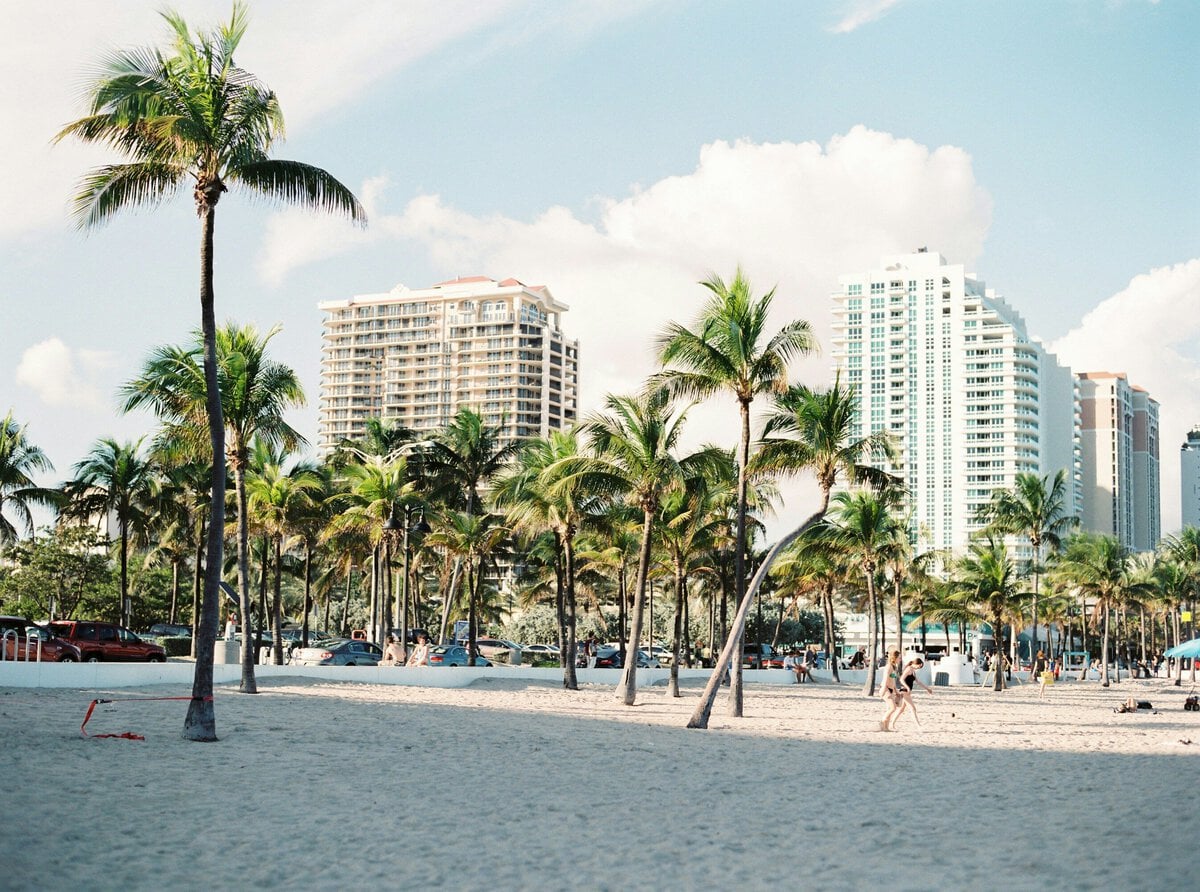
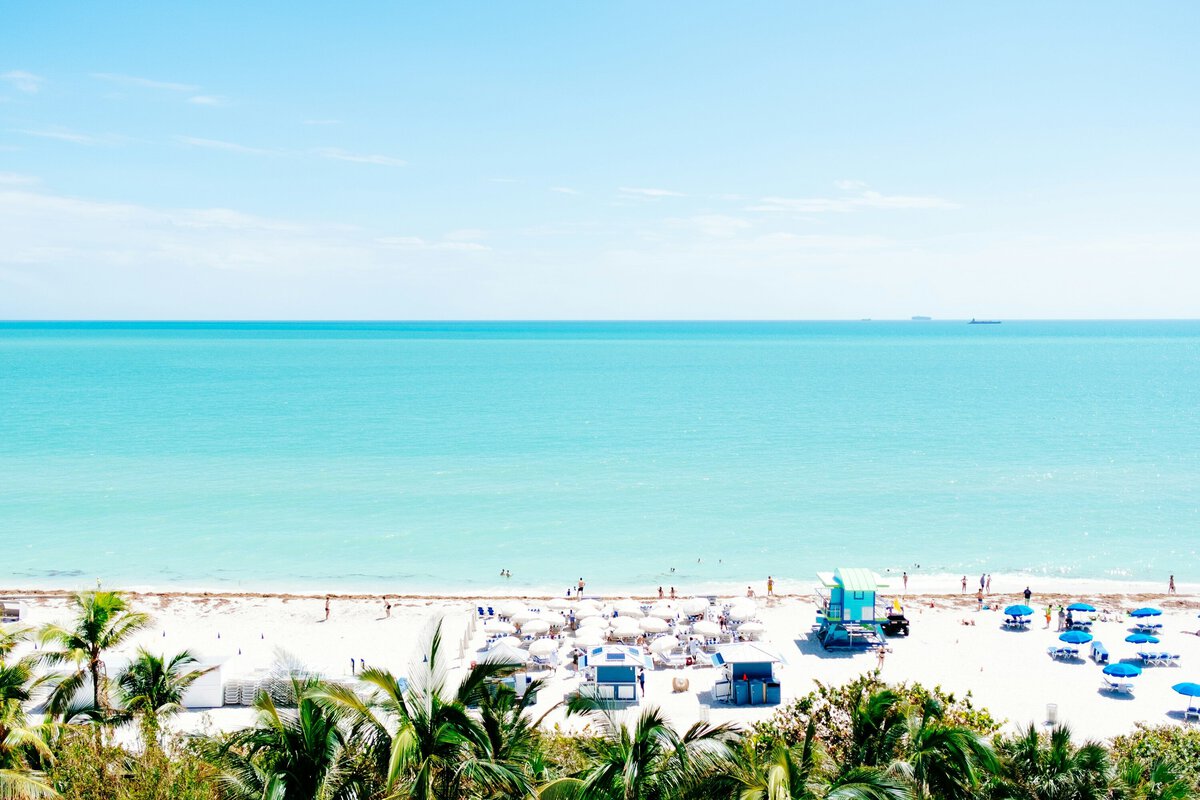
A typical first day goes to South Beach: the beach itself, Ocean Drive, the pastel Art Deco buildings between roughly 5th and 23rd streets, Lincoln Road for walking and eating, and the Miami Beach Beachwalk, an oceanfront path running the length of Miami Beach.
A second day usually mixes Wynwood and the Design District in the morning and afternoon with Little Havana later, since Calle Ocho (Southwest 8th Street) comes alive in the evening with music, cigars, and Cuban coffee at places like Versailles and Café La Trova.
A third day often adds a Biscayne Bay cruise past the skyline and the islands, plus time downtown for the Pérez Art Museum Miami or the Frost Museum of Science, or a half day at Vizcaya Museum and Gardens.
A fourth day opens up the Everglades or a beach day on Key Biscayne.
If you only have two days, drop the bay cruise and the museums and keep South Beach, Little Havana, and Wynwood.
If you have five or more, you stop compressing and start adding the day trips below.
Neighborhoods and core sights
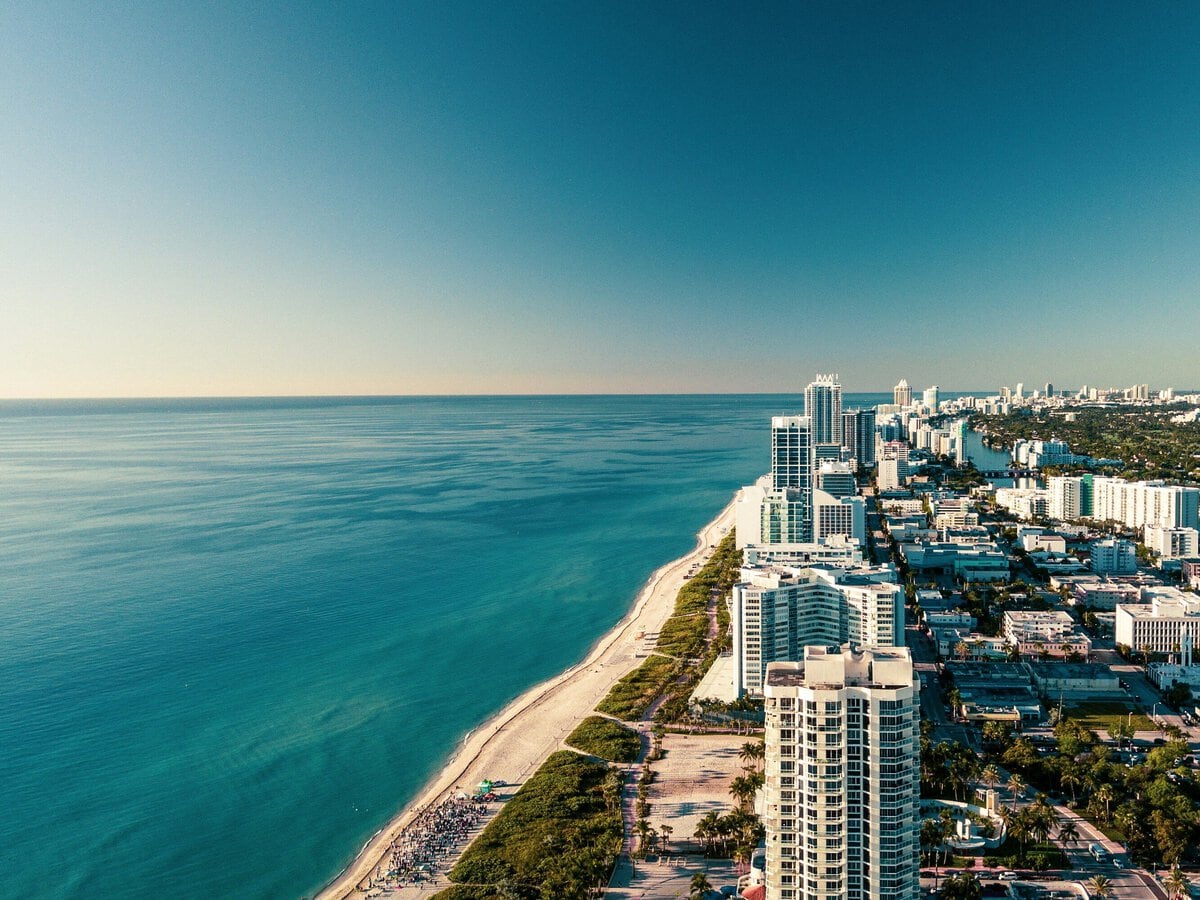
Miami Beach is a barrier island connected to the mainland by causeways, and South Beach is its southern, busiest stretch.
This is the Miami of postcards: white sand, the Art Deco Historic District with the world's largest concentration of Art Deco buildings, and the late-night scene along Ocean Drive.
North of there, Mid Beach and North Beach run quieter: Mid Beach has the Fontainebleau resort, while North Beach has a more residential feel.
Across the bay on the mainland, Wynwood turned a former warehouse zone into an open-air street-art district, anchored by Wynwood Walls and its rotating collection of more than 35 large murals, surrounded by galleries, breweries, and restaurants.
The adjacent Design District handles luxury shopping and architecture.
Brickell is the high-rise financial core, with newer hotels and the Brickell City Centre mall.
Little Havana, centered on Calle Ocho, is the heart of Cuban Miami, with Domino Park, guava pastries, mojitos, and live salsa.
Farther south, Coconut Grove keeps an older, leafy, bohemian character around the CocoWalk complex and the waterfront.
At the same time, Coral Gables, the planned "City Beautiful," offers Mediterranean-style architecture, the Miracle Mile shopping street, the coral-rock Venetian Pool, the historic Biltmore Hotel, and Fairchild Tropical Botanic Garden.
Vizcaya Museum and Gardens, a bayfront estate first occupied in 1916 with 34 furnished rooms and 10 acres of formal gardens, sits between downtown and the Grove and makes a strong half-day.


Day trips: the Everglades and the Florida Keys
The two big day trips both deserve their own day, and each changes how long you should stay.
Everglades National Park is the easier of the two.
The Shark Valley entrance sits about 25 miles west of Miami along Tamiami Trail (U.S. 41), roughly an hour's drive from the beaches.
There you can ride the two-hour, 15-mile tram loop or cycle the same road to the observation tower, and several airboat operators along U.S. 41 run 30 to 40-minute rides for about $30 to $50.
A half-day to full day covers it well.
Reservations for the tram are strongly advised from November through April, the park's busy season.
Add this and four days becomes the comfortable number.
The Florida Keys and Key West are a longer commitment, and this is where many trips get misjudged.
Key West sits about 160 miles south of Miami along the Overseas Highway (U.S. 1), which crosses dozens of islands and bridges, including the Seven Mile Bridge.
Driven straight through with no stops, it is roughly three and a half to four hours each way.
A round-trip day from Miami is possible, but it means between eight and ten hours behind the wheel for only a few hours in town, much of the return after dark on two-lane stretches.
Organized bus day tours solve the driving and give you around six hours of free time in Key West, and there are short flights of about an hour and direct buses that usually run about four and a half to five hours.
If Key West matters to you, the better plan is to stay overnight in the Keys, or build a two to three-day road trip with stops in Key Largo, Islamorada, and Marathon.
That choice alone can push a trip from four days to six or seven.
A lighter alternative is to drive only the Upper Keys, such as Key Largo and John Pennekamp Coral Reef State Park, and return the same day.
Getting there and getting around
Your airport choice affects how much of your time disappears into transfers.
Miami International Airport (MIA) sits just west of downtown.
It is the closest major airport to the city, roughly 20 minutes from downtown and Coral Gables and 30 to 45 minutes to South Beach, depending on traffic and where you're staying.
Fort Lauderdale-Hollywood International (FLL) is about 25 miles north; it often has cheaper fares on carriers like JetBlue, Southwest, and Frontier, but the drive to South Beach can run over an hour in traffic.
Between Fort Lauderdale and Miami, the Brightline train connects to MiamiCentral downtown in about 35 minutes, a useful option if you land at FLL but want to skip I-95.
Within Miami, the free Metromover loops around downtown and Brickell, and the Miami Beach Airport Express (bus route 150) links MIA to South Beach for $2.25, with travel time usually closer to 30 to 45 minutes depending on the stop and traffic.
For South Beach, Wynwood, and Little Havana, you can manage with rideshare and walking.
For the Everglades, the Keys, Coral Gables, and Coconut Grove, a rental car saves time, though Miami traffic and toll roads (ask about the rental company's SunPass or toll-billing setup) factor into every drive.
Heading to the Lower Keys or Key West for several days is the one case where flying into Key West International Airport can beat driving from Miami.


When to go, and how it changes the length
Miami runs on two seasons rather than four, and the season shapes both how long you'll want to stay each day outdoors and how the city feels.
The dry season, roughly November through April, brings warm, drier days, comfortable evenings, and low rain, and it is peak tourist season.
December through March sees the highest crowds and prices, drawing winter-sun travelers and snowbirds.
Late winter into spring, around February through April, is the sweet spot for weather, with highs in the 70s and low 80s and manageable humidity.
The wetter summer season usually begins in late May and winds down by October, while the Atlantic hurricane season runs June 1 to November 30.
Summer highs run into the 90s with high humidity and near-daily showers or thunderstorms, often in the afternoon.
Statistically, September carries the highest hurricane risk, while June and November sit at the lower end.
The trade-off is real value: hotel rates drop and crowds thin from late spring through early fall, with May, September, and October standing out as quieter, cheaper shoulder months.
This practically matters for trip length.
In summer, plan outdoor sights for mornings and indoor options for stormy afternoons, which effectively shortens your usable outdoor hours and can make a packed three-day plan feel tight.
In the dry season, you can run fuller days, so the same itinerary fits more comfortably.
Major events also tighten availability and are worth planning around: Art Deco Weekend in January, the Miami Open tennis and Ultra Music Festival in March, the Formula 1 Miami Grand Prix in May, Miami Spice dining in August and September, and Art Basel Miami Beach in early December, which fills hotels citywide.
Recommended approach
For a first visit focused on the city, plan three to four days, ideally in the dry season, basing yourself in South Beach for beach access and nightlife, in Brickell for a central high-rise base, or in Coral Gables for a calmer, leafier stay.
Give one day to South Beach, one to Wynwood plus Little Havana, and a third to a bay cruise and a museum or Vizcaya, then use a fourth day for a morning in the Everglades at Shark Valley.
Stretch to five to seven days if you want Key West done properly, which means treating the Keys as an overnight or a two to three-day road trip rather than a same-day round trip.
Two days is enough only if your goal is the highlights and you accept skipping the wider region.
Current status and conditions
Miami's main neighborhoods, beaches, airports, and the main Everglades and Keys routes are generally open year-round as of June 2026, with routine construction, traffic, weather, and attraction-level closures still possible.
Specific details that change, such as tram and airboat reservation requirements, museum hours, hotel rates, event dates, toll arrangements on rental cars, and any storm-season advisories, should be confirmed close to your travel date, especially for trips planned between June and November when tropical weather can disrupt outdoor plans and Keys driving.
References
- National Park Service, Shark Valley, Everglades National Park: https://www.nps.gov/ever/planyourvisit/Shark-Valley-Tamiami.htm
- National Park Service, Shark Valley Tram Tour: https://www.nps.gov/thingstodo/shark-valley-tram-tour.htm
- Greater Miami & Miami Beach (official tourism), Neighborhoods: https://www.miamiandbeaches.com/neighborhoods
- Visit Florida, Explore Little Havana: https://www.visitflorida.com/travel-ideas/articles/explore-little-havana-in-miami/
- Everglades Safari Park: https://www.evergladessafaripark.com/


Independent Publisher Notice
BestAttractions is an independent editorial publisher. We are not affiliated with, endorsed by, or acting on behalf of any location, business, property owner, manager, government agency, or organization described in this article. Comments posted on this page are not forwarded to, reviewed by, or acted upon by any entity mentioned in the article. For official inquiries, complaints, applications, bookings, or other requests, please contact the relevant entity directly through its official website or other verified channels.