
Miami has a reputation as a pricey city, and the numbers back it up.
Common cost-of-living indexes put Miami above the national average, with housing carrying the biggest resident cost. Insurance adds another hit for owners and drivers, and visitors feel the premium most around Miami Beach and South Beach.
The catch is that "expensive" depends on who is asking. A winter visitor staying in South Beach and a long-term renter in Allapattah face very different math.
This report gives the direct answer, then explains what makes Miami costly, where it is cheaper than its reputation suggests, and how the bill changes by season, neighborhood, and lifestyle.
Direct answer
Yes, Miami is expensive relative to the United States as a whole, but it is not in the same tier as New York or San Francisco.
For residents, the overall cost of living sits roughly 20% above the national average, with current 2026 estimates clustering around 17% to 21% depending on the index.
Housing is the single biggest reason.
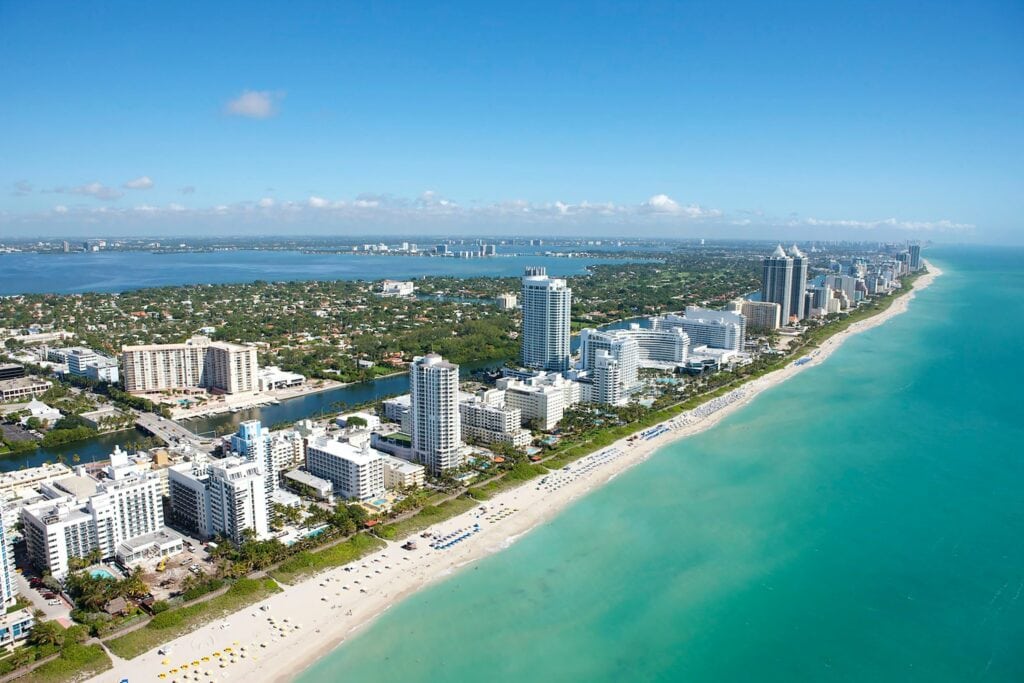
For visitors, Miami is one of the more expensive U.S. travel destinations, especially from December through April, though daily costs swing widely based on where you stay and how you get around.
Two things soften the picture.
Florida has no state income tax, and a few categories, healthcare in particular, run below the national average.
The harder edge is that local wages have not kept pace with housing, so Miami feels more expensive to people who live and earn there than the headline index suggests.
Why Miami is expensive: the core drivers
Housing
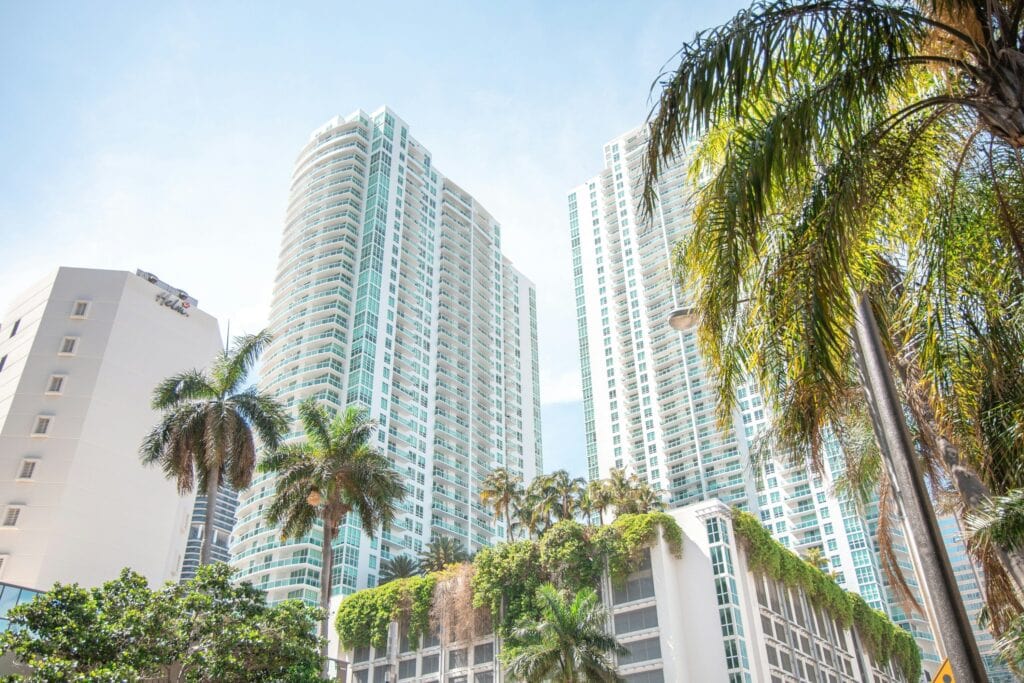
Housing is where Miami separates from the national average.
The U.S. Census Bureau now puts the median value of owner-occupied homes in the City of Miami near $518,100, about 56% above the national figure, while current real estate sites put Miami's listing and sale medians closer to the low-to-mid $600,000s.
Rent tells the same story with a wide spread by source and date.
Citywide one-bedroom averages in 2026 run from the low $2,000s to about $3,000, with broader all-rental figures clustered around $3,000 to $3,200.
Compared with national rent figures, current broad Miami rent measures run closer to 57% to 64% higher, depending on source and month.
Downtown Miami's median rent sits near $3,500, about 83% above the national figure.
The shortage behind those prices is real.
In the Greater Miami metro, housing costs have kept pulling away from local incomes, and a 2026 affordability study found only about 27 affordable and available rental homes for every 100 very low-income households, one of the worst ratios among large U.S. metros.
Home insurance
For Miami homeowners, insurance is its own shock.
Florida already sits at or near the top of the country for home insurance, with current 2026 estimates for $300,000 in dwelling coverage ranging from $5,800 to $7,100 a year statewide, depending on the index and hurricane deductible.
In Miami-Dade, estimates for that coverage vary widely: county-level ranges run from $5,300 to $7,500, while city-level carrier averages can push past $7,000.
Hurricane wind exposure, an older housing stock, and a history of litigation all price into those numbers.
Premiums stabilized somewhat in 2026 after state insurance reforms, and the state-backed insurer of last resort cut its rates, but South Florida remains one of the country's most expensive places for this line of coverage.
The wage gap
The reason Miami "feels" expensive to locals is the gap between earnings and prices.
Current Census data puts the median household income in the City of Miami at $62,500 to $66,300, 19% to 23% below current national figures.
Across Miami-Dade County, the figure is closer to $71,800 to $76,200, depending on the Census series.
Basic-needs and comfort-budget studies produce very different numbers: MIT's 2026 living-wage model puts a single adult near $54,000 and a two-working-adult family of four near $116,000, while SmartAsset's 50/30/20 comfort target puts a single adult above $100,000 and a family of four above $230,000.
One widely cited analysis put the "comfortable" target for a family of four above $230,000, several times Miami-Dade County's current median household income.
The prices look like a major coastal city; the paychecks, on average, do not.



What is actually cheaper than the reputation
Not everything in Miami is above average, and a few categories work in residents' favor.
Healthcare services such as routine doctor and dental visits run about 18% below the national average.
Groceries land closer to the national average than housing does, with stronger current estimates running about 5% to 9% higher.
Utilities sit only a few percent above average, and official EIA data showed Florida residential electricity prices slightly lower year over year in March 2026.
The biggest structural saving is Florida's lack of a state income tax.
For a household earning $150,000 relocating from a high-tax state like New York, California, or New Jersey, the annual income-tax saving can run from several thousand dollars to more than $10,000, enough to offset a meaningful share of higher housing and insurance costs over a few years.
Taxes a visitor or newcomer should understand
Florida's tax structure shifts a lot of the cost burden onto consumption and tourism rather than income.
The combined sales tax in Miami and across Miami-Dade County is 7%, made up of the 6% state rate plus a 1% county surtax.
Groceries for home preparation and prescription drugs are exempt, so the 7% applies mostly to restaurant meals, taxable retail purchases, admissions, rentals, and select taxable services.
Hotel taxes are where visitors feel the system most.
The taxes added to a hotel bill come to about 13% in the City of Miami and about 14% in Miami Beach: the 7% sales tax and surtax, plus 6% local transient rental taxes in most of Miami-Dade, or a 3% county convention tax and 4% Miami Beach resort tax on the beach.
Many properties also charge a separate resort or destination fee, often $30 to $50 a night and sometimes more, set by the hotel rather than the government.
| Charge | City of Miami | Miami Beach |
|---|---|---|
| Sales tax and county surtax | 7% | 7% |
| Local transient rental taxes | about 6% | 3% county convention tax plus 4% city resort tax |
| Municipal resort tax | none | included in the 4% city resort tax |
| Total tax on a hotel room | about 13% | about 14% |
| Common resort or destination fee (set by hotel, not a tax) | $30 to $50+ / night | $30 to $50+ / night |
What a Miami trip costs a visitor
Daily spending varies widely, which is why a single "average" figure is misleading. Reported per-person daily budgets cluster into three tiers in 2026:
| Travel style | Per person, per day | What it covers |
|---|---|---|
| Budget | $85 to $160 | Hostel or budget hotel shared by two, casual meals, free attractions, transit |
| Mid-range | $215 to $355 | Mid-range hotel room shared by two, sit-down dining, mixed transport, paid attractions |
| Luxury | $420 to $705+ | High-end oceanfront stay, fine dining, private transport, premium tours and beach clubs |
One travel cost tracker reports averages of $106 a day for budget travelers, $258 for mid-range, and $597 for luxury.
A one-week trip for one person therefore ranges from a few hundred dollars at the low end to several thousand at the top.
Lodging is the swing factor. Budget hotel rooms near South Beach can land under $200 on good dates, with mid-range properties often around $250 to $350; Downtown and Brickell can run cheaper, depending on the season.
Hostel dorm beds often start around $30 to $55 a night, though major events can push cheap beds and basic rooms much higher.
Two hidden costs catch first-time visitors.
The first is the season. Peak winter demand from December through April adds 35% to 50% to hotel rates, while summer and early fall can cut accommodation costs by 40% to 60%.
The second is the car cost: hotel parking on the beach runs $35 to $55 a night, and rideshare between districts adds up quickly, so a traveler who budgets for the room alone often spends far more than planned.
Where the prices live: neighborhoods
Miami's averages hide a steep range from block to block.
The priciest rental districts are Brickell, with one-bedroom averages near $3,600 and higher, along with Wynwood, Edgewater, and a handful of luxury bayfront buildings where one-bedrooms reach $4,000 to $5,000.
The lowest listed one-bedroom rents tend to sit inland and away from the water, including areas around Hadley Park, Southeast Overtown, Model City, Little River, and Citrus Grove, where rents can start in the $1,350 to $1,650 range.
For visitors, staying in Little Havana, Coconut Grove, or parts of Downtown instead of South Beach can lower the room rate and cut transport costs, especially when the trip is centered on mainland Miami rather than the beach.



How to spend less
Several choices change the total meaningfully.
Visiting in May, June, September, October, or November instead of the winter peak is the largest single lever on hotel cost.
Using the free Metromover through Downtown and Brickell, plus the free Miami Beach and Coral Gables trolleys, removes a chunk of rideshare spending.
Eating in Little Havana or other residential corridors rather than the Ocean Drive tourist strip cuts meal prices sharply, with happy-hour windows knocking another large share off drink prices.
For residents, buying can still work in some cases, but Miami's rent-versus-buy math depends heavily on the exact property, mortgage, insurance, taxes, and how long the owner plans to stay.
Comparisons with other cities
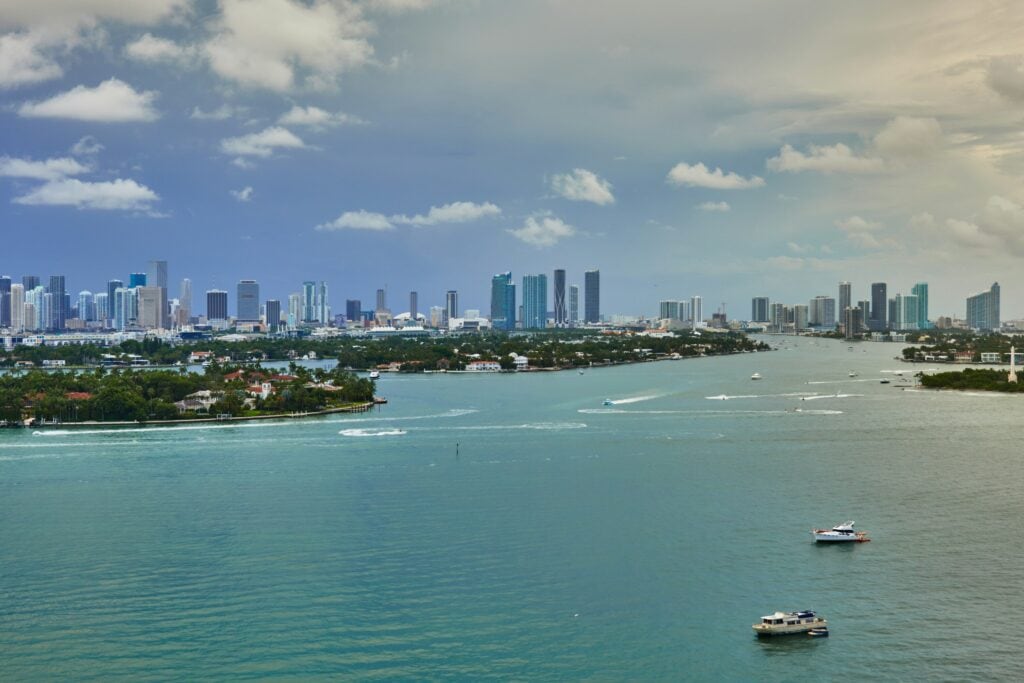
Against the most expensive U.S. metros, Miami looks moderate.
On one RentCafe comparison, Miami works out to about $1.21 for every $1 in an average U.S. city, versus roughly $1.87 for New York City, while listing-based calculators put Miami's home prices far below Manhattan.
Compared with Los Angeles, some day-to-day categories look close, but most cost-of-living calculators still put Los Angeles higher overall, mainly because of housing and transportation.
The picture flips against the rest of Florida and most of the South and Midwest, where Miami is clearly the costlier choice.
Within Florida, Miami is consistently one of the most expensive major rental markets, with Miami Beach often close behind or higher depending on the source and unit type.
Current status
As of mid-2026, Miami's cost of living continues to run about 20% above the national average, with local prices rising in the low-to-mid single digits year over year.
Rent growth has cooled from the sharp spikes of 2021 and 2022, with recent sources showing one-bedroom rents mostly flat or only modestly changed over the past year.
Home insurance premiums stabilized after state reforms and modest carrier rate cuts, though South Florida remains among the highest-cost regions.
The structural tension is unchanged: prices sit at major-coastal-city levels while local incomes remain below the national figure, which keeps housing affordability among the tightest in the country.
Hotel rates, taxes, and seasonal swings mean a visitor's experience of "expensive" still depends heavily on timing and neighborhood.
References
- Florida Department of Revenue, Local Option Taxes: https://floridarevenue.com/taxes/taxesfees/Pages/local_option.aspx
- Florida Department of Revenue, Local Option Transient Rental Tax Rates (DR-15TDT): https://floridarevenue.com/Forms_library/current/dr15tdt.pdf
- Florida Office of Economic and Demographic Research, Local Option Tourist / Food and Beverage Tax Rates: https://www.edr.state.fl.us/Content/local-government/data/county-municipal/2025LOTTrates.pdf
- Miami-Dade County, Tourist and Restaurant Taxes: https://www.miamidade.gov/global/service.page?Mduid_service=ser1499797928395868
- City of Miami Beach, File/Pay Resort Tax: https://www.miamibeachfl.gov/city-hall/finance/filepay-resort-tax/
- MIT Living Wage Calculator, Miami-Dade County: https://livingwage.mit.edu/counties/12086


Independent Publisher Notice
BestAttractions is an independent editorial publisher. We are not affiliated with, endorsed by, or acting on behalf of any location, business, property owner, manager, government agency, or organization described in this article. Comments posted on this page are not forwarded to, reviewed by, or acted upon by any entity mentioned in the article. For official inquiries, complaints, applications, bookings, or other requests, please contact the relevant entity directly through its official website or other verified channels.