
Whether you are visiting Arkansas or just a resident, it is essential to know the weather. The weather in Arkansas can be humid and sub-tropical, with a high risk of tornadoes.
Humid sub-tropical climate
Located on the eastern coast of the United States, Arkansas has a humid subtropical climate. The Gulf of Mexico, which is close to the area, influences the climate. The climate is humid and warm in the summer and cool and dry in the winter. The weather in Arkansas is also influenced by the proximity to the Great Plains, which plays a vital role in the state's weather.
In the summer, the statewide average high temperature ranges between 90degF and 100degF. In the winter, temperatures range between 40degF and 50degC. The winters in Arkansas are generally dry and short. The northern part of the state can see snow, while the southern part is wetter.
The southern part of Arkansas is often warm and humid because of its proximity to the Gulf of Mexico. The Ouachita Mountains also affect this area, which blocks northward-moving precipitation. It also has a humid continental climate in the northern highland areas.
Little Rock, Arkansas, is the state's capital. The city is in USDA Hardiness Zone 8a.
Seasons in Arkansas
Whether you live in Arkansas or visit, you'll find a variety of activities to enjoy during the fall. The weather in Arkansas is relatively mild during this time of year, making it an ideal time for outdoor activities. It's also an excellent time for fishing.
You'll find a variety of different game species in Arkansas. Some of the most popular species include deer, turkey, and waterfowl. If you're interested in hunting for any of these species, check with your local Game and Fish Commission to learn more.
The most popular time for hunting in Arkansas is in the fall. Arkansas boasts a population of several game animals, including deer, turkey, and elk. However, the elk population is not as healthy as other species.
![Arkansas National Guard Flood Response [Image 4 of 23]](https://bestattractions.org/wp-content/uploads/arkansas-national-guard-flood-response-image-4-of-23-.jpg "What You Need to Know About Arkansas Weather 3")
Arkansas weather varies a lot throughout the year. It can be freezing in the winter, ranging from single digits to the mid-sixties. During the summer, the state's temperatures can be hot.
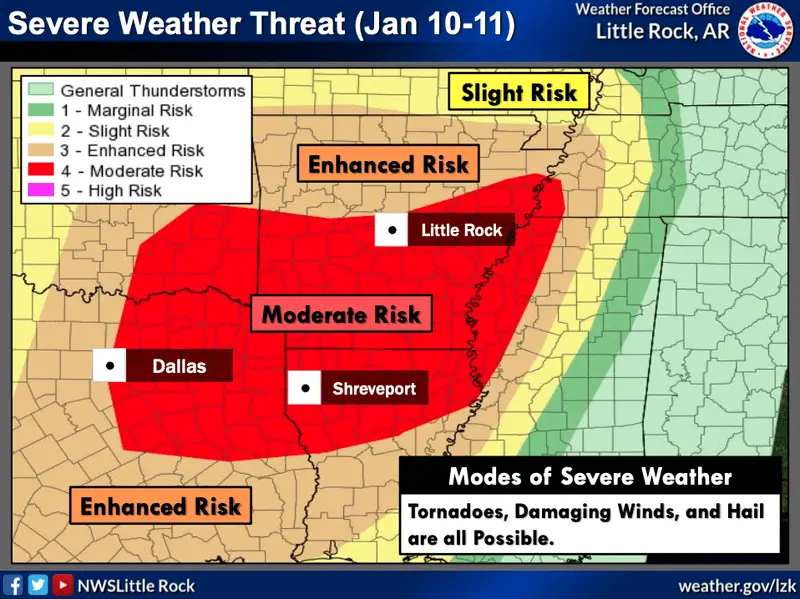
Probability of tornadoes in Arkansas
Typically, people think of tornado season as April, May, and early June, but the reality is that tornadoes are found throughout the year. In fact, in the last 70 years, Arkansas has averaged about 33 tornadoes per year. The number of tornadoes increases during parts of the fall. In addition, tornadoes are more likely to form in dark, low-lying areas. This makes it harder to see.
One of the most recent studies suggests that tornadoes are becoming more common in the South. This may be caused by manmade climate change, according to researchers at the Gensini Institute. Unlike tornadoes on the Great Plains, tornadoes in the South are more likely to hit populated areas.
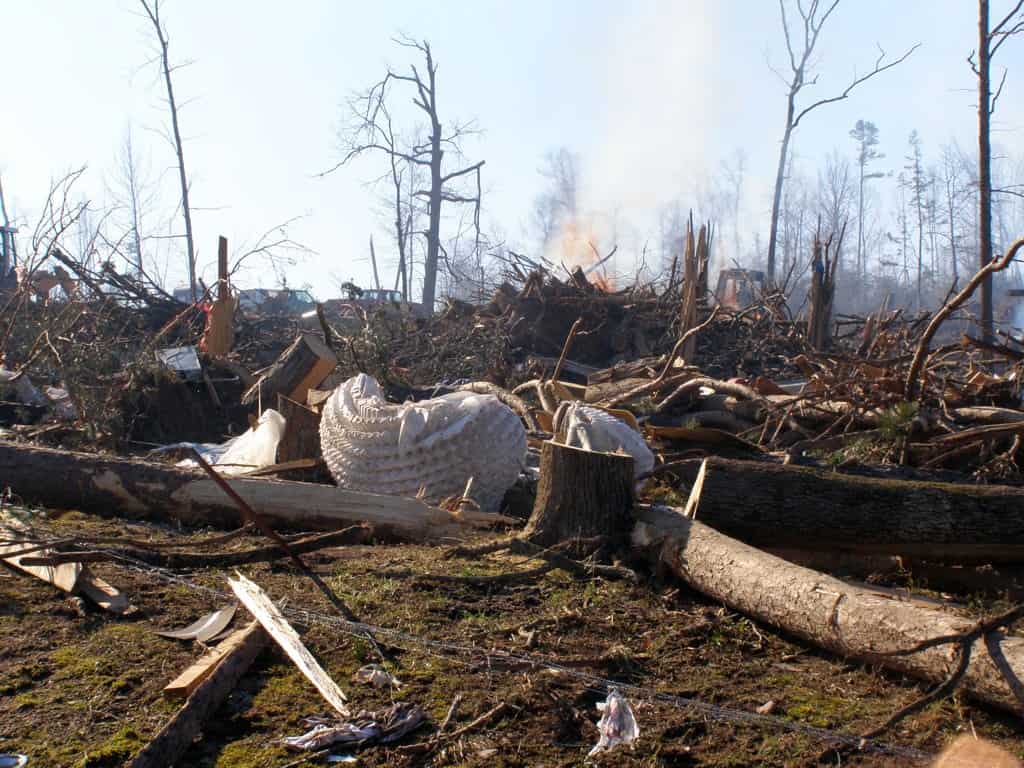
The study also suggested that more powerful storms in the South could emerge in the next few decades. It followed research from Northern Illinois University.
The researchers found that tornadoes were becoming more common in the Midwest and the South. They also concluded that the South would see more supercells in the coming decades.
Little Rock, Arkansas weather
Located at 34deg43'N, 92deg13'W, Little Rock, Arkansas, has a humid subtropical climate. It is classified as Cfa by the Köppen-Geiger climate classification system.
Little Rock weather is generally warm and humid. The average temperature is around 47degF during the day. At night, the temperature is around 33degF. The hottest month is July, while the coldest month is January.
The average rainfall is around 4.8 inches per month. The driest month is August, with an average rainfall of 2.4 inches. The rainiest month is May, with an average of 11.8 days of rain.
The average wind speed is around 6.1 miles per hour. The predominant average hourly wind direction is west-southwest. The north-northwest can gust to 14 MPH. The prevailing wind direction is variable, depending on local topography.
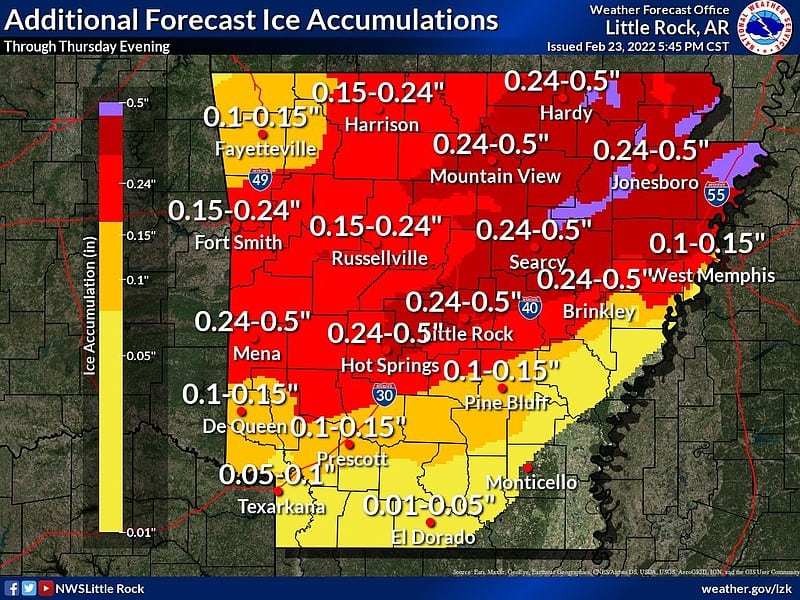
Little Rock weather is affected by the alternating incursions of warm, moist air from the Gulf of Mexico. This leads to muggy conditions in the winter months.
Little Rock experiences a secondary wet season that peaks in November. This season can bring torrential rain, tornadoes, hail, and damaging thunderstorm winds. It can also bring snow and sleet.
The growing season in Little Rock usually lasts around 249 days. It rarely starts before February 21 and rarely ends before October 28. This is the time of year when the first blooms occur. The weighted average of station contributions computes the temperature estimate.
The cool season in Little Rock lasts for 2.9 months. It begins around August 5 and ends around March 15.
-
Missouri Pacific, Cotton Belt, and Kansas City Southern Once Called at the Now Abandoned Texarkana Union Station in Texarkana, AR
Add to Preferred Sources Standing at the south end of State Line Avenue in Texarkana, Arkansas, sits a brick railroad terminal that crosses into Texas. The Amtrak address is 100 East Front Street. Four railroads built it. The Missouri Pacific, Texas and Pacific, Cotton Belt, and Kansas City Southern opened the station on April 17,…
-
Everyone in Fort Smith remembers Central Mall's glory days. Nobody's talking about how it actually survived
Add to Preferred Sources Central Mall is an enclosed shopping mall at 5111 Rogers Avenue in Fort Smith, Arkansas, built by Warmack & Company and opened in stages from 1971. In 2006, it was Arkansas's largest mall at 864,600 square feet. Years later, it was still advertising itself as the only indoor mall within 60…
-
Park Plaza Mall in Little Rock Is Really a Dillard's Mall
Add to Preferred Sources Park Plaza Mall sits at West Markham Street and North University Avenue in Little Rock, Arkansas, with a Dillard's store anchoring each end. The chain's tie to the place goes back to 1965, when a Gus Blass department store opened at the open-air Park Plaza Shopping Center. The name became Dillard's…
-
McCain Mall in North Little Rock Is Still Open, But You Wouldn't Recognize It From 1973
Add to Preferred Sources McCain Mall has outlasted nearly every reason people first went there. The department stores that gave it its original shape have been renamed, converted, or closed. The two-screen theater from 1973 is long gone. The cafeteria, the ice cream parlor, the music stores, and the five-and-dime that filled the original concourse…
-
The Mall at Turtle Creek in Jonesboro, AR: Built, Destroyed, and Sold
Add to Preferred Sources The Mall at Turtle Creek was an indoor regional shopping center in Jonesboro, Arkansas, in Craighead County in the northeastern part of the state. It stood at the intersection of Highland Drive and Stadium Boulevard on a 73-acre property, with direct access from the main roads serving the greater Jonesboro area.…
-
How Indian Mall in Jonesboro, AR, Went From Shopping Landmark to Redeveloped Site
Add to Preferred Sources Indian Mall Beginnings and Early Vision October 1967 marked the quiet beginning of something big for Jonesboro. A few storefronts opened early inside a still-unfinished complex on Caraway Road: Sears, Blass, and the five-and-dime TG&Y among them. The idea of an enclosed, air-conditioned shopping center was still new to Arkansas, but…
Independent Publisher Notice
BestAttractions is an independent editorial publisher. We are not affiliated with, endorsed by, or acting on behalf of any location, business, property owner, manager, government agency, or organization described in this article.
Comments posted on this page are not forwarded to, reviewed by, or acted upon by any entity mentioned in the article.
For official inquiries, complaints, applications, bookings, or other requests, please contact the relevant entity directly through its official website or other verified channels.