From Washington street to Old Capitol Mall
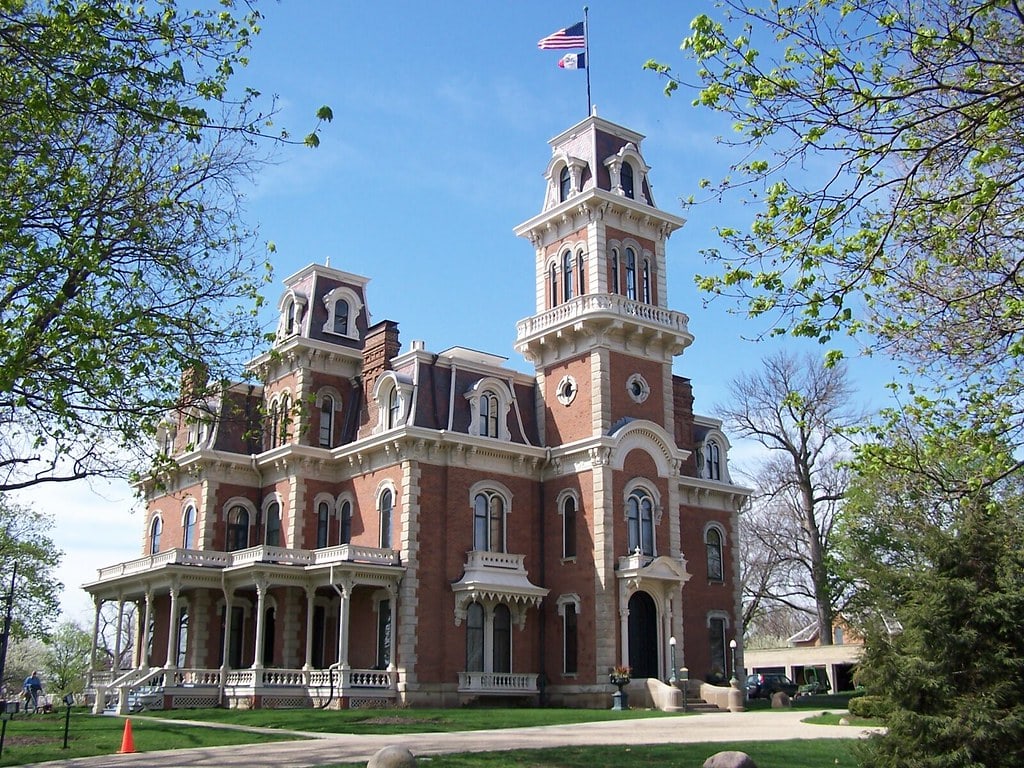
Before it was a mall with Orange Julius cups sweating onto tile, the land just south of the University of Iowa's Pentacrest was a typical Midwestern street with small brick shops.
Early in the twentieth century, the blocks along South Clinton and Washington had hotels like the Burkley-Imperial European, bars, tire shops, clothing stores, and small businesses that did well because of passing cars.
By the early 1960s, people already saw this area as a problem. Like many other downtowns, Iowa City joined a plan to fix up the city, deciding that to keep up with the suburbs, it needed to get rid of its old buildings.
A 1962 plan showed a place to walk, parking ramps, and a shopping mall. Lawsuits about environmental reviews and who would get the work slowed down the tearing down, but only for a short time.
By the late 1970s, the old buildings on the 100 block of South Clinton were being torn down, the city was putting in brick for a new walking mall to the north, and General Growth Properties was pouring concrete for what would be called Old Capitol Center, an indoor answer to the pull of the highway.
Arcades, anchors, and the golden mall years
The mall opened in early 1981. Before that, arguments with workers and a broken water pipe in the utility room almost ruined the grand opening.
It started with a small opening in January, then had a big ceremony in March, calling itself Old Capitol Center.
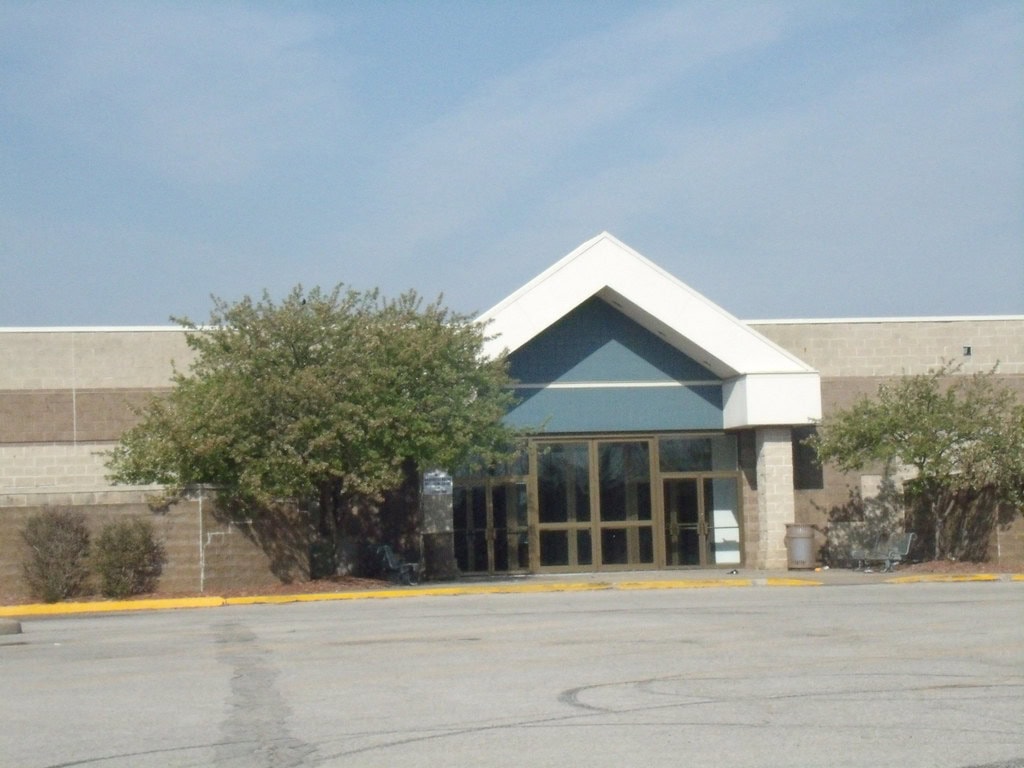
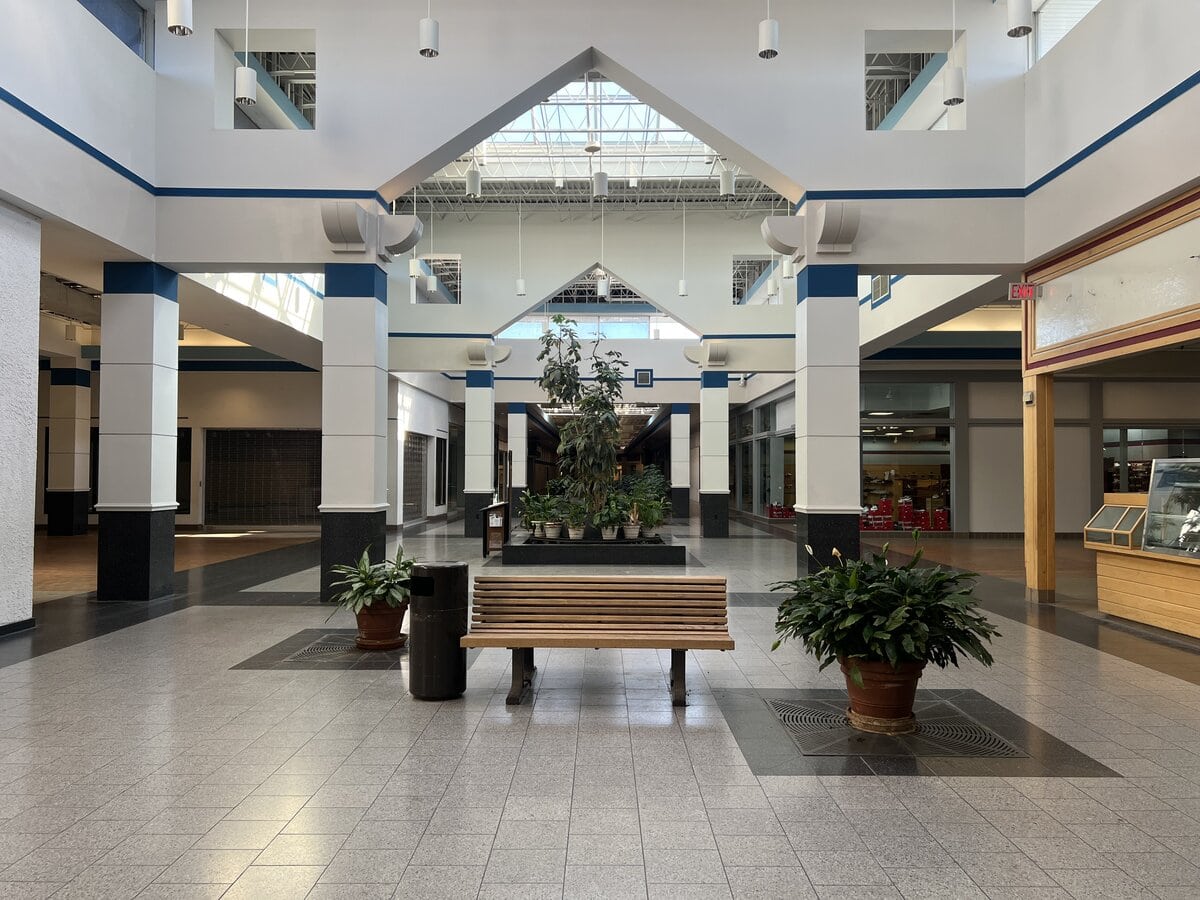
Inside, it offered the dream of the era: two levels wrapped around an atrium, with JCPenney on one side and Younkers on the other, Campus Theaters glowing in the dark and Osco Drug anchoring the lower level with the smell of rubbing alcohol and shampoo.
National chains colonized the concourse.
There were B. Dalton, Musicland racks that later became Sam Goody, Claire's ear piercings, Victoria's Secret, County Seat, Zales, Radio Shack cables, Foot Locker sneakers, and cookies at Cookies & More.
Aladdin's Castle, the second-floor arcade, swallowed quarters from local teenagers and university students.
Orange Julius drinks were bubbled in plastic cups. The mall held Easter egg hunts, fashion shows, and, in 1991, auditions for America's Funniest People.
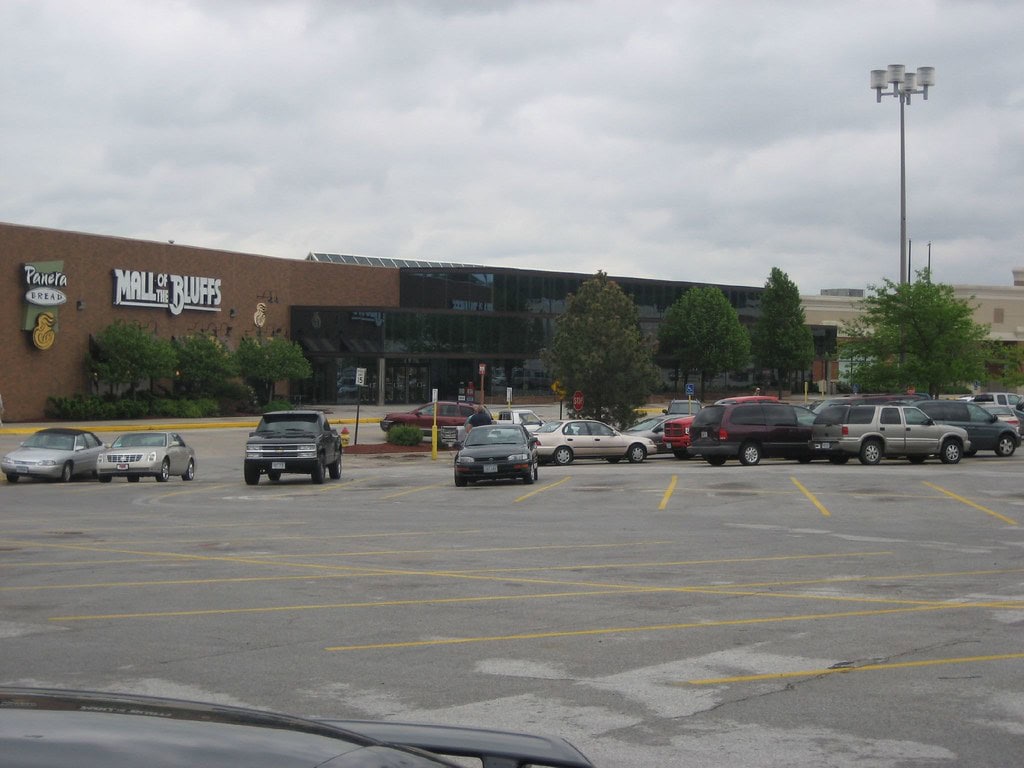
In 1992, the north end was changed into a more open center area. By the mid-1990s, the name changed to Old Capitol Mall, with a logo showing the Old Capitol dome to highlight its downtown roots.

Free parking, Coral Ridge, and collapse
For almost twenty years, Old Capitol Mall was the main shopping spot downtown. Still, the same thinking that built it was already leading to its replacement.
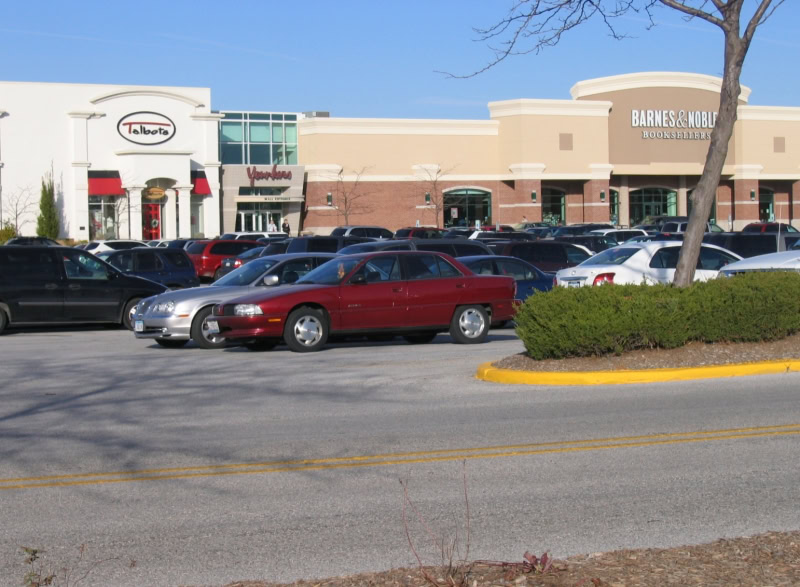
In July 1998, Coral Ridge Mall opened in nearby Coralville, just off Interstate 80, and demonstrated that there is always a bigger, newer mall with more parking.
Coral Ridge was a huge mall with one crucial amenity Old Capitol could not match: acres of free parking. Within weeks, JCPenney shut its Old Capitol doors and reopened in a larger box at Coral Ridge.
Other chains that had been hedging their bets at both locations began to let their downtown leases lapse.
Fewer stores stayed open at Old Capitol, dropping to about 80 percent, then even lower, especially on the upper floor, where more and more stores were empty.
In 1998, General Growth sold the property to Madison Realty. This company from Pittsburgh tried to give the place a new name, Old Capitol Town Center, and started calling it "mixed-use" instead of a mall.
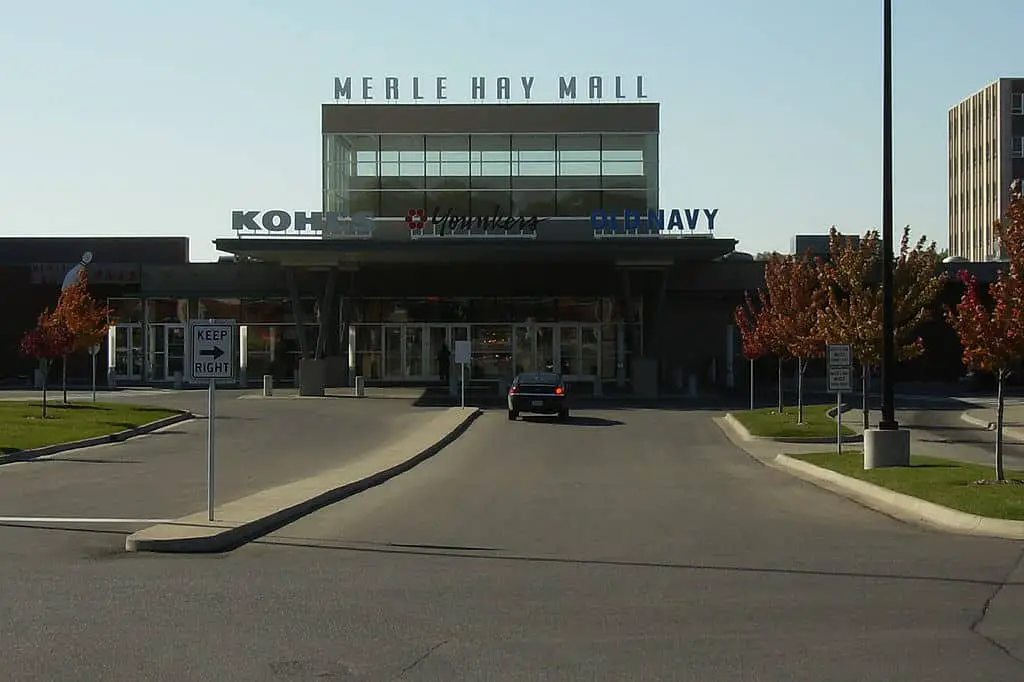
The rephrasing did not impress Younkers' accountants. By January 2005, after years of not doing well, the last department store closed, leaving an empty space.
The only real benefit it had over Coral Ridge was that you could walk there from a class.
Foreclosure, Planet X, and first UI incursions
When the anchors walked out, the financial structure followed. Madison Realty's ownership ended in foreclosure and bankruptcy proceedings in the early 2000s.
By 2003, a local investor group had taken over. They inherited a building with about twenty tenants, where sixty once paid rent.
The lower level still worked. Osco Drug, the only full pharmacy downtown, continued to pull in customers. Sweets and Treats sold sugar in bulk.
There were haircuts at Regis, flowers at Eicher Florist, games at Gamers and Linx, wireless dealers, Hallmark cards, Buffalo Wild Wings, Quizno's, China Star, Sbarro, and an improbably busy J's Fish & Chips.
Upstairs, the old JCPenney space was harder to love. The Iowa City Public Library flirted with the idea of moving in, then chose to expand its existing home.
An out-of-print book fair briefly colonized part of the vacancy.
Above, the upper level resurfaced as Planet X, a family entertainment center supported by university leaders as part of a push for more student activities beyond the bar scene.
Planet X lasted only a couple of years before giving way to a young adult ministry that filled former dressing rooms with folding chairs and guitars.
In 2005, the University of Iowa bought the former Younkers building for over eleven million dollars. It turned the old department store into offices, classrooms, and administrative suites.
From mall to campus after the 2008 flood
At first, the university's purchase might have seemed like a lucky break, but the Iowa River made it a necessity.
In June 2008, flooding covered more than two million square feet of university buildings, including the arts campus and the ground floor of the Iowa Memorial Union.
The university urgently needed dry space close to the main campus. Old Capitol Town Center, once concerned about being too close to campus to feel like a real mall, became a much-needed refuge.
The university bookstore and Hawk Shop relocated from the damaged union into the first-floor retail bays.
Tech Connection, the campus electronics store, followed. Music programs and student services decamped into freshly drywalled suites.
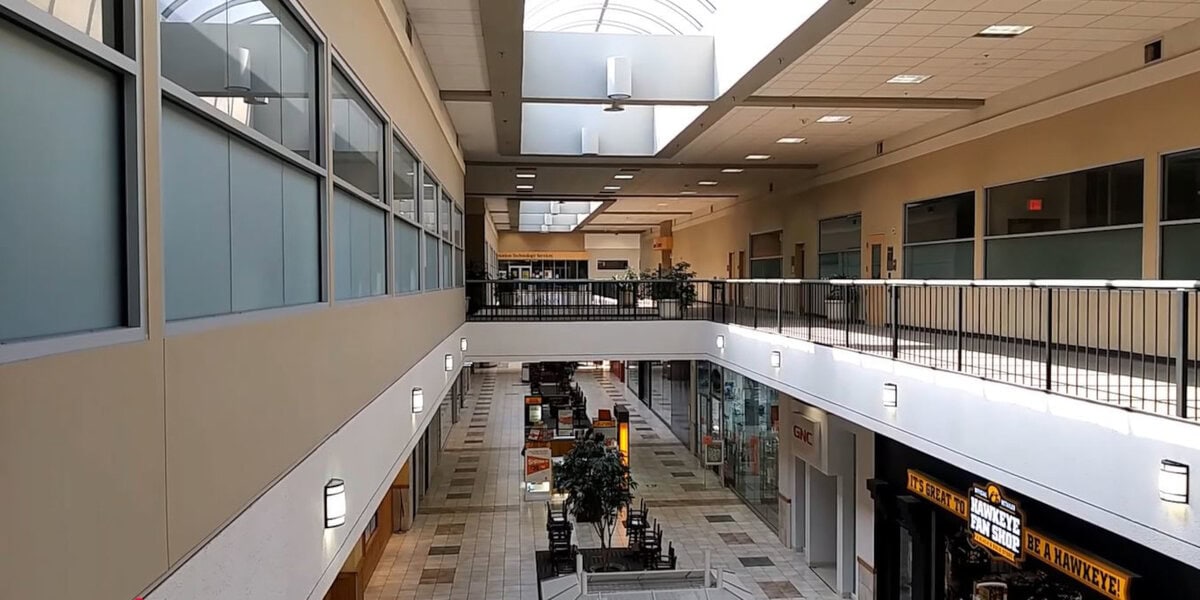
Over the next few years, the entire second level was fitted out as University Information Technology Services offices, conference rooms, and performance and rehearsal spaces, including a recital hall carved out of the mall's former lower level.
What had begun as a downtown retail experiment was taken as indispensable academic infrastructure.
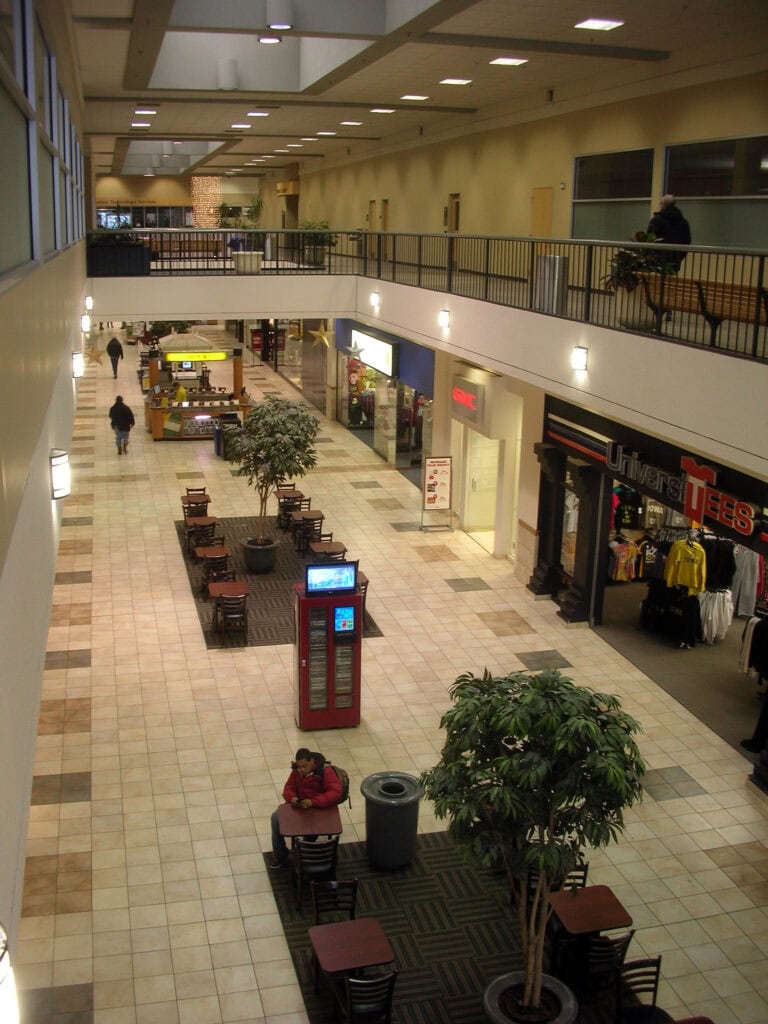
From the food court tables below, students could look up and read PowerPoint text glimmering where mannequins had previously stared out at the seasonal sales below.
Food courts, clinics, and a busy second floor
By the mid-2010s, Old Capitol Town Center had taken on a new role that it did not fully acknowledge.
Brochures for tourists still called it a mall, highlighting shopping, entertainment, and dining on the University of Iowa campus.
In reality, the second floor had become the University Capitol Centre, or UCC, with office numbers and signs that looked just like any other campus building.
International Programs, English as a Second Language, the Office of Student Financial Aid, the Registrar, and public health and diversity units all lived above the concourse.
By the 2020s, Student Disability Services put its office and lounge there. A recital hall hosted faculty concerts and student juries.
Downstairs, the old drugstore lineage continued in the form of a national pharmacy, and UI QuickCare expanded into the former bank space to provide walk-in medical care.
Hills Bank opened a branch at the northeast corner, while Blick Art Materials took part of the old main store space and made its own entrance on Clinton Street.
Around them clustered a food court that looked like a cross-section of late capitalism: Chipotle, Noodles & Company, Panera, Buffalo Wild Wings, Raising Cane's, Sweets and Treats, the occasional sushi or curry counter, and Bartertown Toys & Collectibles, Glassando jewelry, and an Iowa City Transit hub offering buses in place of escalators.
From a dead mall to a fully owned campus limb
In the 2020s, the building's story tilted away from retail and toward paperwork.
Old Capitol Town Center is legally divided into commercial condominium units, and the University of Iowa gradually bought a majority of them, ending up with roughly 55 to 60 percent of the space.
The rest remained in the hands of private commercial owners, including Hodge Commercial Development, who controlled much of the first-floor frontage and leased it to chains and local tenants.
In 2022, the university announced it planned to buy the rest of the ownership shares as soon as current agreements made it possible.
By late 2024, it was asking the Iowa Board of Regents to approve a plan to purchase the final 45 percent for roughly 20.6 million dollars, with a timeline that would leave the university as the sole owner by 2027.
The deal held out long-term space for student services and academic departments in a location that students already crossed several times a week as they went in search of noodles, art supplies, or antibiotics back there.
Existing retail leases are to be honored, at least on paper.
In the end, the building may not be a mall anymore, but something more typical for American campuses: a place that still smells a bit like fryer oil and pretzel salt, but now shows up on the campus map as just an acronym.
It has become part of the university almost by accident, and now it would be hard to remove without leaving a mark.