It was a hot afternoon in Georgia in the summer of 1969. You turned into the parking lot, went up to the glass doors, and walked inside. The air felt cool. The floor was tiled, and the hall in front of you went on and on.
Something sweet carried down the corridor from Dipper Dan, and kids took off toward it. A woman slowed down to look at the Gem Jewelry Co. window.
Farther back, shoppers were lined up at JCPenney, and the line spilled out into the walkway. Gainesville sat between rolling hills and the shores of Lake Lanier, and this kind of indoor shopping place did not exist here before.
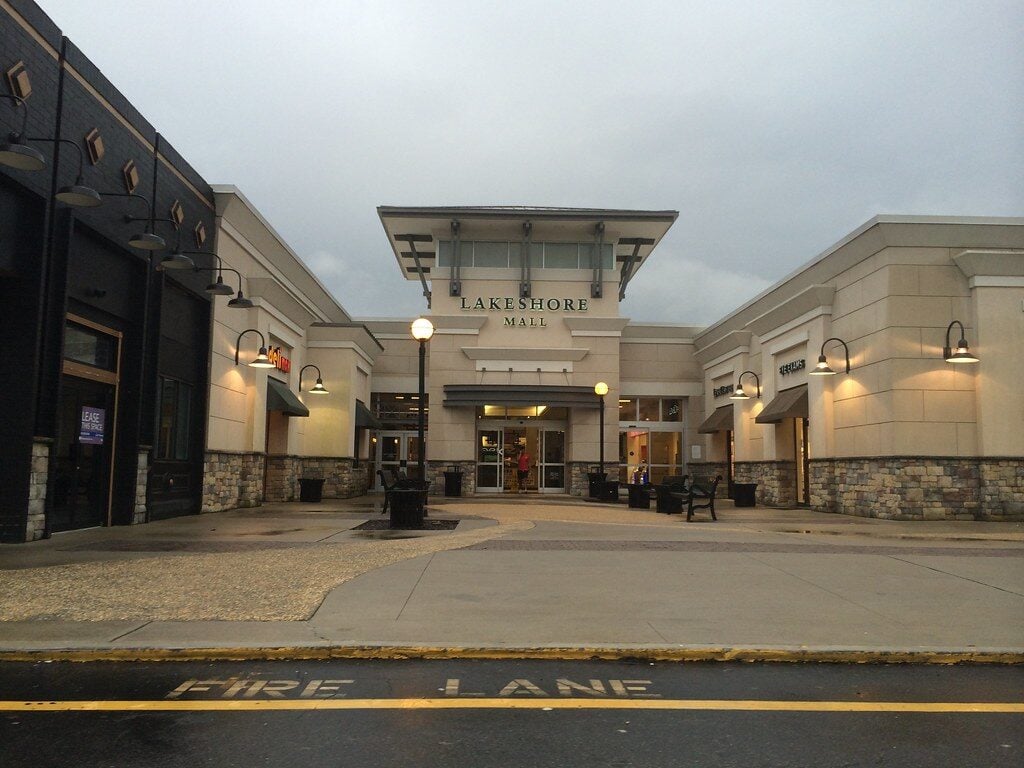
The mall opened in August 1969 at what is now 150 Pearl Nix Parkway in Gainesville, Georgia. At first, it was called Lakeshore Plaza. Later, it took the name Lakeshore Mall.
When it opened, it was the only enclosed shopping mall in North Georgia. People came in from surrounding counties just to walk the corridors.
The building looked like it belonged to that time period. It had brick walls and earth-tone colors.
High windows let in thin bands of daylight, but they did not open the place up to the summer heat. It was smaller than the malls that came later, but it mattered in 1969.
More than five decades later, the building is still there. The ice cream shop is long gone. The corridors are much quieter now.
The rest of the story starts at the beginning, with how the mall was built, how it grew, how it changed hands, how it lost its anchors, and what it is becoming next.
Building North Georgia's First Enclosed Mall
On May 11, 1968, a group of local businesspeople called Lakeshore Plaza Enterprises, Inc. broke ground on a hilly piece of land in Gainesville.
Their plan was clear: build the biggest shopping mall outside the Atlanta metro area. The total construction cost was estimated at $3 million.
Three anchor stores anchored the plan from the start. JCPenney, which was moving out of its longtime location on South and Main streets downtown, would take 110,000 square feet at the heart of the mall.
Roses, a discount retailer, would fill 24,000 square feet with room to expand later.
An A&P Supermarket, sized at 15,325 square feet, was part of the original design and came in during the mall's second phase of construction.
JCPenney held its ribbon-cutting on August 14, 1969, and the rest of the mall opened around the same time.
The smaller shops filled in quickly - Bell Shoes, Dipper Dan ice cream, Gem Jewelry Co., Jacobs Drugs, Ragland Book Store, Southern Shoes, and a shop called Whit and Bobbie's were among the first tenants through the doors.
The mall was marketed as North Georgia's only enclosed shopping destination, and for the people of Hall County and the communities around it, that was true.
For generations, downtown streets had been the center of commerce in Gainesville. Now, almost overnight, the mall on the edge of town became the place people went.
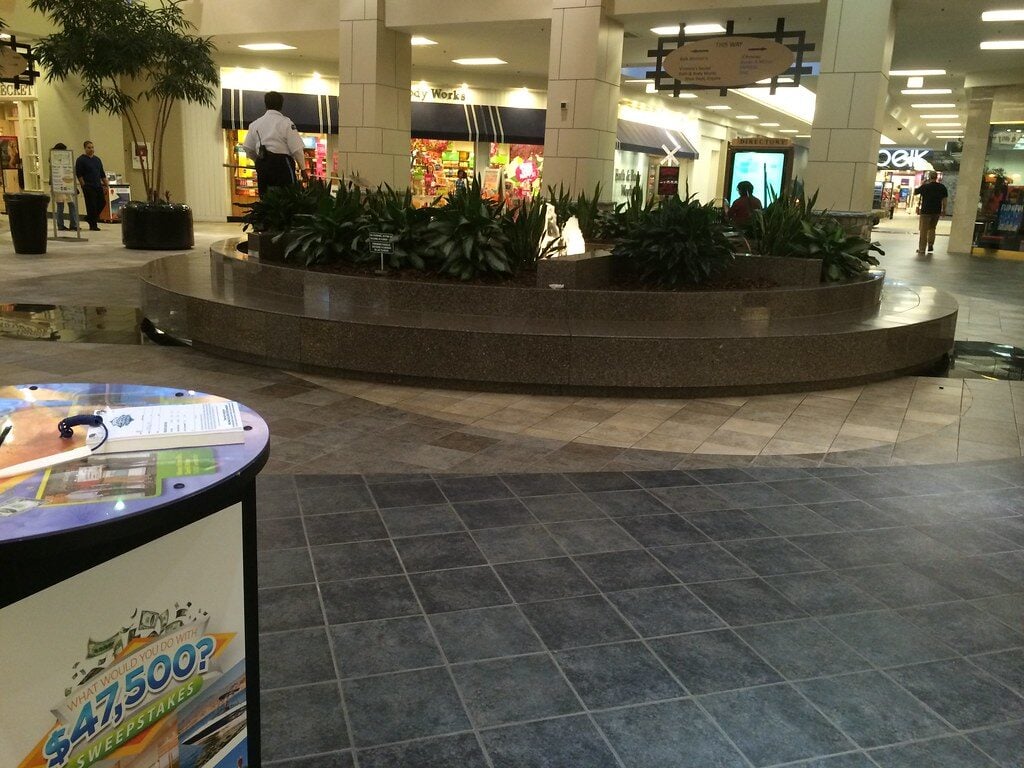
Growth, New Anchors, and a Big Expansion
The mall's early years went smoothly. In 1973, Belk-Gallant opened a store inside Lakeshore Mall, moving from its old downtown location and becoming part of the mall's growing group of stores.
The A&P Supermarket, which had been drawing grocery shoppers since the beginning, liquidated and closed in April 1980. A restaurant called Knickers moved into that space.
By 1986, the mall was still the main shopping destination in the region, but the building needed room to grow and a bigger draw to compete with what was opening elsewhere in Georgia.
Atlanta developer Scott Hudgens bought the property that year and announced an expansion right away.
The project added a new wing on the far side of JCPenney and brought in Sears as a major new anchor.
It also created a food court and a four-screen movie theater, called the GA 4 Theater, which opened in October 1987.
Roses moved into a larger 54,000-square-foot store during the construction, and Belk added 20,000 square feet to its existing footprint.
The theater became a gathering spot quickly. During its opening week, it screened "Crocodile Dundee," "Top Gun," and "The Sound of Music."
The food court, while smaller than what shoppers found at larger metro-area malls, gave people a reason to linger after shopping.
The expansion changed Lakeshore Mall from a useful local center into a place that truly felt regional.
Changing Hands and a Freshened-Up Interior
The 1990s brought a series of adjustments. Knickers closed around 1991, and Ruby Tuesday moved into that space in July 1992.
Roses, which had been part of the mall since opening day in 1969, shut its location in February 1994.
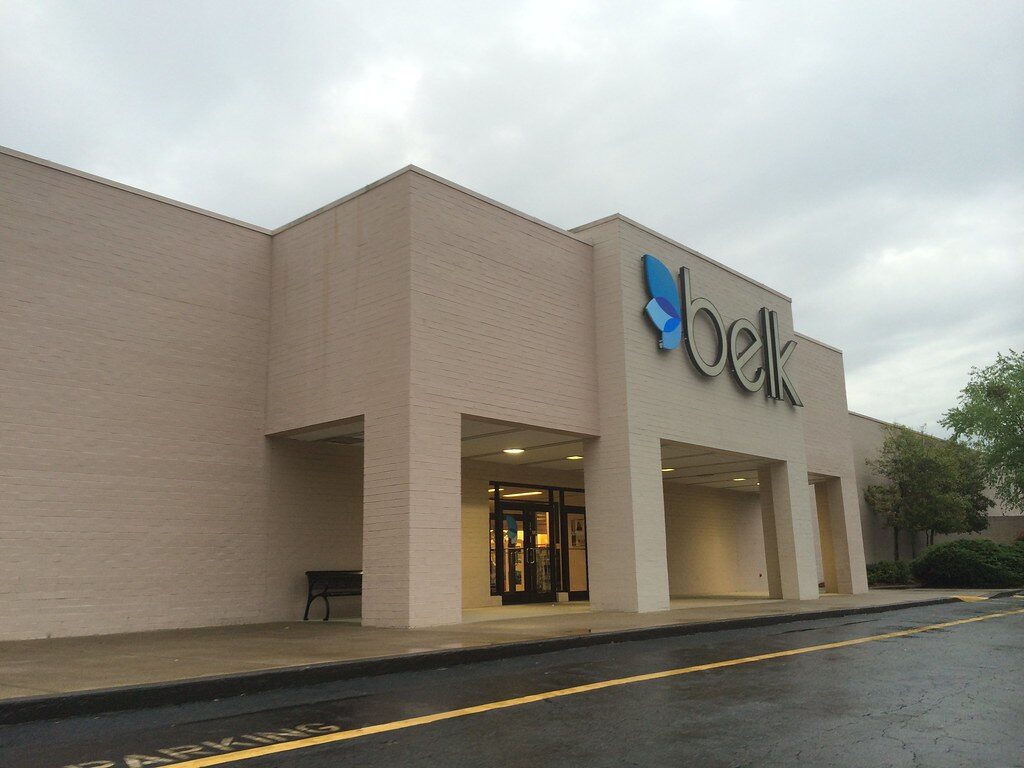
Rather than leaving the space empty, the mall converted it into a second Belk store, one focused on men's, home, and kids' departments.
Sears completed a major renovation of its own store in 1994 as well.
In 1998, Colonial Properties purchased Lakeshore Mall from Scott Hudgens. The new owners took over during a period of increasing pressure from larger competitors.
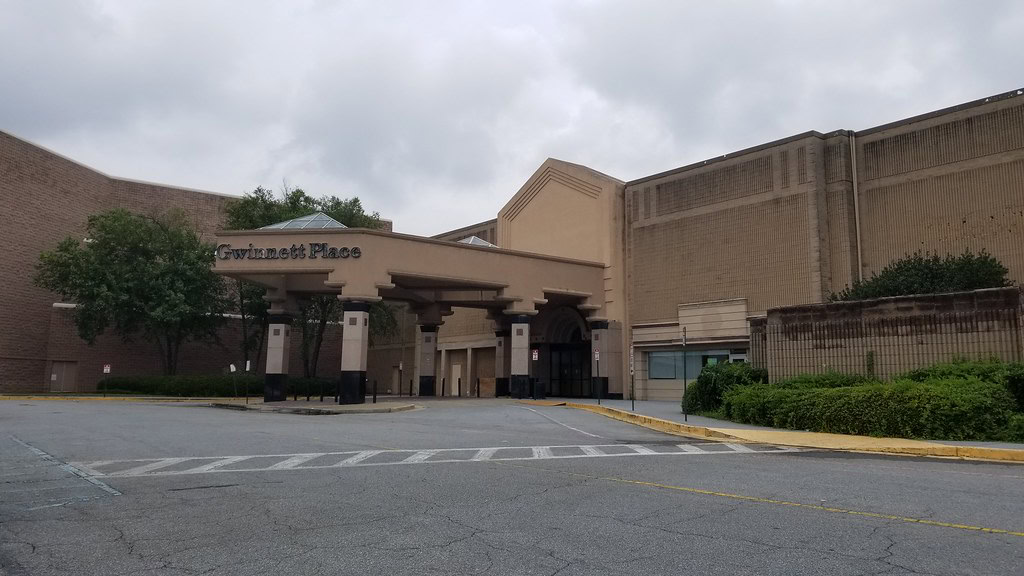
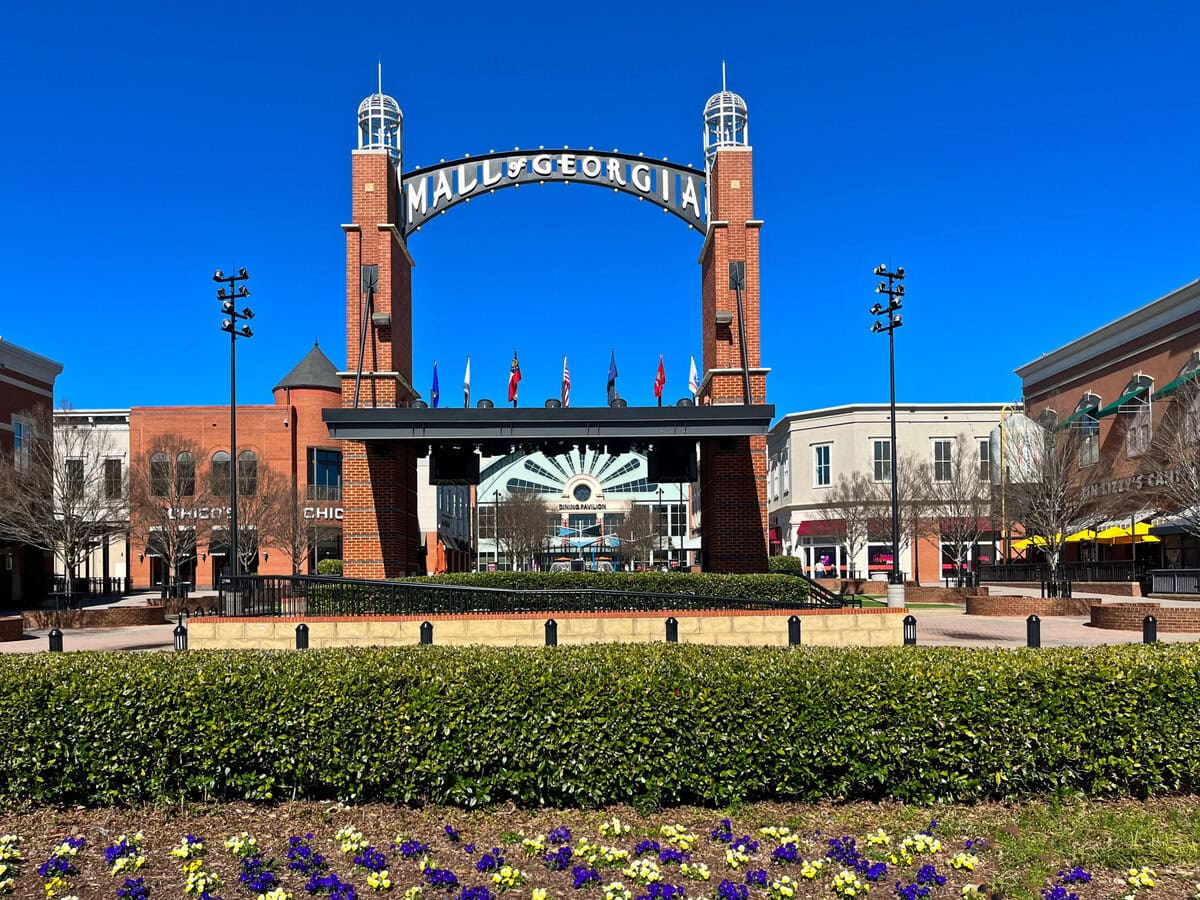
Gwinnett Place Mall, which had opened about 35 miles south in 1984, had been pulling shoppers toward the Atlanta suburbs for years. Mall of Georgia opened in 1999 and added more competition still.
Gainesville itself was changing too - growing with people moving out from Atlanta and a rising Hispanic immigrant community that became an important part of the local customer base.
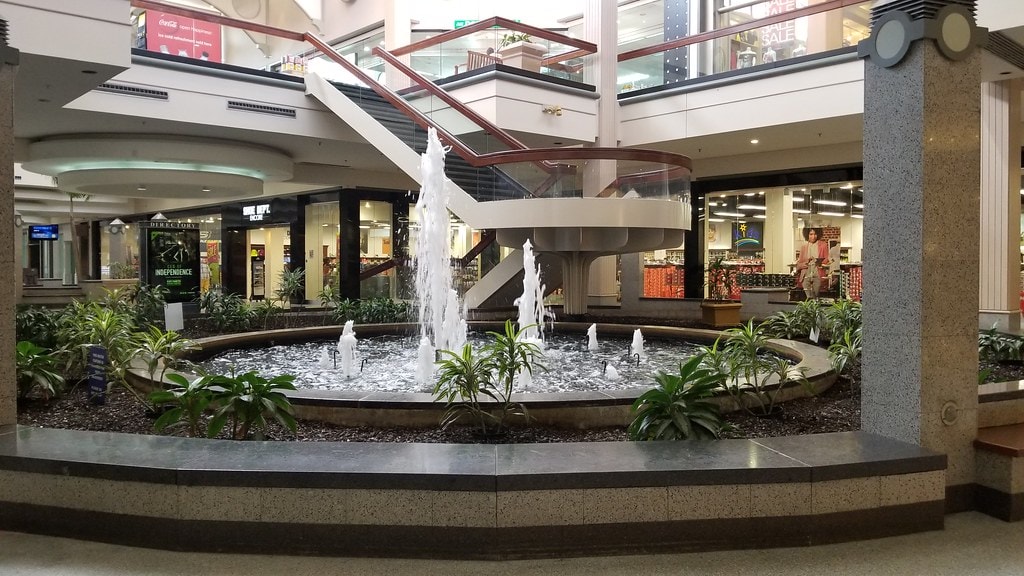
In 2006, Colonial Properties put money into a full overhaul of the mall. New flooring went in throughout the building.
Restrooms were updated, including a new family restroom. Entrances were refreshed, and new seating areas were added along the corridors.
It was the most significant physical update the mall had seen in years and helped it look competitive heading into the next decade.
From Movie Theater to Sporting Goods Store
The GA 4 Theater had been part of the mall since the 1987 expansion, and for years, it drew consistent crowds.
After a larger multiplex opened nearby, the Lakeshore Mall theater kept showing first-run movies for a time.
Georgia Theatre Company stepped in to run the operation after the previous operator, Storey, folded.
The theater shifted to a 99-cent discount model after 2000, showing films that had already run their course at the bigger screens around town.
It closed for good in September 2007, sat boarded up for several years, and was eventually demolished in 2013.
That same year, the cleared space between JCPenney and Sears - including portions of the old food court and inline mall area - was put to new use.
Dick's Sporting Goods opened a 50,000-square-foot store in October 2013. The new tenant gave the mall a fresh draw at a time when many traditional department stores were starting to struggle nationwide.
Between the theater's closing and Dick's arrival, the mall changed owners twice. Colonial Properties sold the property in 2007 to First Republic, and JLL handled management/leasing.
In 2010, the mall was acquired through a bankruptcy sale by Garrison Investment Group (with Coyote Management as a co-buyer).
Then, in April 2017, Stockbridge Enterprises, an investment group based near Detroit, Michigan, became the next owner.
Losing Its Anchors and Facing an Uncertain Future
By the late 2010s, the retail landscape across the country was shifting fast, and Lakeshore Mall felt that directly.
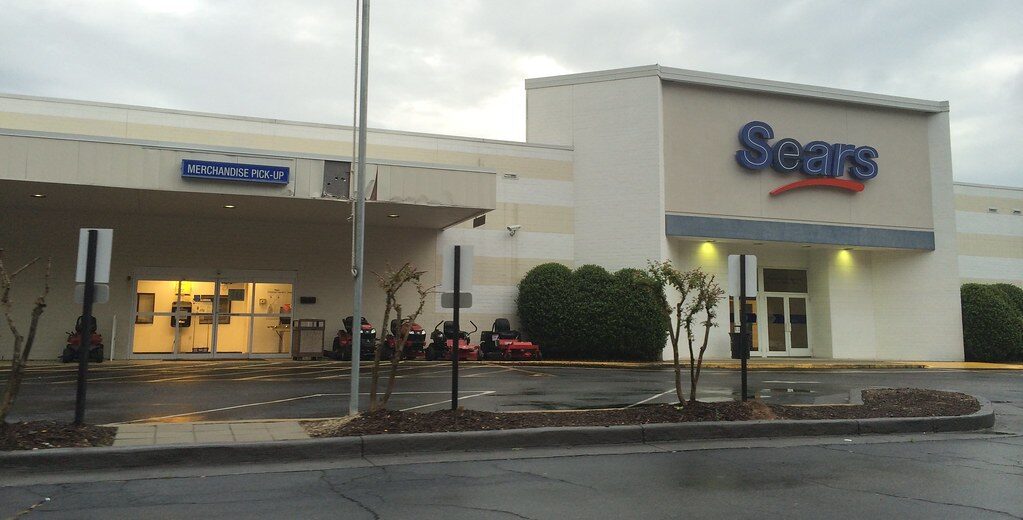
On December 28, 2018, Sears announced it would close 80 stores nationwide. The Gainesville location was among them, and it shut down in March 2019.
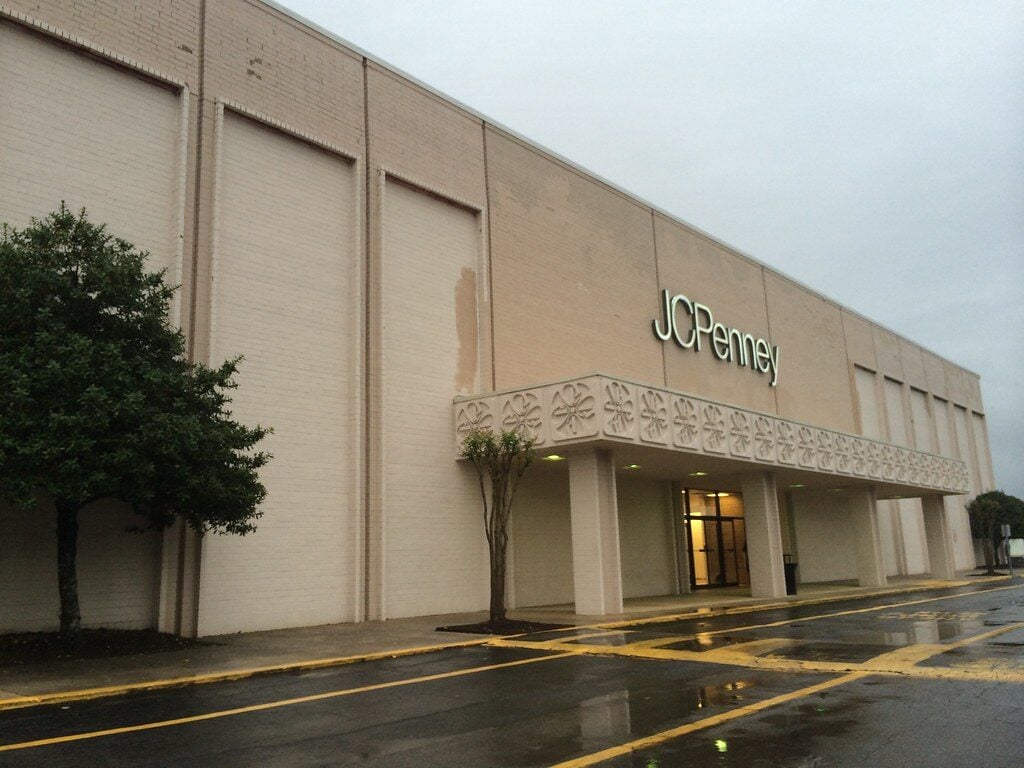
Less than two years later, on June 4, 2020, JCPenney revealed it would close around 154 stores as part of its bankruptcy proceedings. The Lakeshore JCPenney closed in October 2020.
Two anchor closures in under two years left large stretches of the building empty.
A retailer called Krazy Dealz moved into the former JCPenney space, and the mall continued to operate, but the feel of the place had changed.
Local coverage described the corridors as quiet at times - a far cry from the busier years when Sears and JCPenney anchored either end of the building.
About 25 stores and restaurants remained open, including the two Belk locations and Dick's Sporting Goods. Cell phone retailers, local eateries, and small service businesses made up much of the remaining tenant list.
Through all of it, the surrounding area was still growing. Gainesville's population had been climbing, pushed partly by people leaving the Atlanta suburbs and drawn by proximity to Lake Lanier.
The question was what kind of place the mall would become next.
A Town Center to Replace the Old Lakeshore Mall
In October 2024, Branch Properties, a company from Atlanta, shared plans to turn the 49-acre Lakeshore site into an open-air, easy-to-walk area that will also be called Lakeshore.
The company bought the property in November 2023 for $15 million from Stockbridge Enterprises.
The plan to rebuild the area is large. It includes space for stores, 652 apartments, and a big outdoor green area. In the future, there may also be townhomes and a hotel.
The idea is to have streets that are easy to walk, open areas, and places for people to gather, all designed for a city that has grown 15 percent since 2020.
The Gainesville City Council all agreed to change the zoning rules on February 4, 2025. Both Belk and Dick's Sporting Goods will keep their stores open in the new project.
In January 2025, Belk announced plans to move its men's section into its women's section as a first step in the change. Building work is set to start in late 2026 and should finish in 2028.
When it opens, the place that began as a $3 million indoor shopping area in 1968 will look very different from before, but it will still have the same name.