
Florence Mall and the interstate's big promise
In the mid-1970s, northern Kentucky was still finding out firsthand how fast a new interstate highway could change a town. Florence Mall was built with that future in mind.
It was put up along Interstate 75, very well placed just south of Kentucky Route 18, about five miles from the Ohio border, right where people driving by could easily stop and shop.
Homart Development Company, which was part of Sears, Roebuck and Company, built the project as a two-story indoor mall with 963,000 square feet of space.
Hixson, Inc. from Cincinnati did the design work, and Charles V. Maescher & Co., also from Cincinnati, was in charge of construction.
The plan was typical for the time: large department stores at the corners, smaller stores in between, all inside with heating and air conditioning and a sense of hope.
Sears opened first on March 10, 1976, six months before the rest of the mall.
The mall's official opening came later in 1976 with Pogue's as the second main store, and it took over 2 years for all four main stores to open.
At the beginning, there were 87 stores, enough to attract new growth to Florence like iron filings to a magnet. The city started to look less like a place people just passed through and more like a real destination.
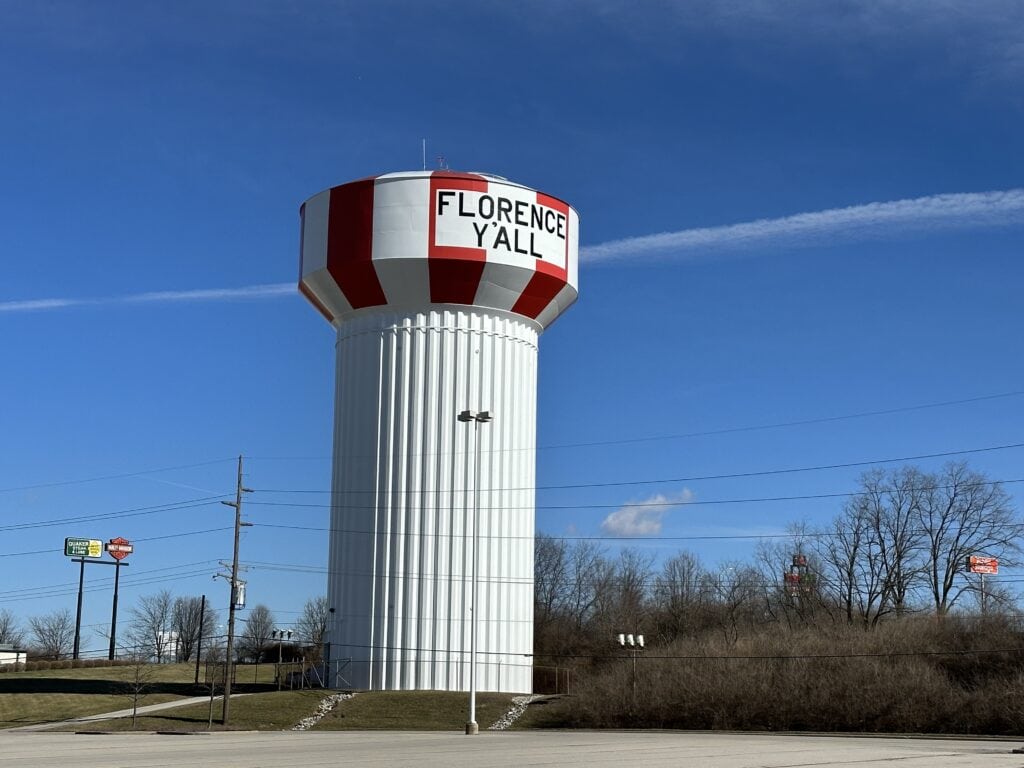
The water tower that learned to say Y'all
Before Florence Mall opened, it already had a huge billboard. Two years earlier, developers ordered a water tower to be built between the future mall and I-75.
Pittsburgh-Des Moines Steel Co. made the tower in Pittsburgh, Pennsylvania, and Virginia Erection Co. painted big, bold letters on two sides: "FLORENCE MALL," advertising a place that wasn't open yet.
In July 1974, the Kentucky Bureau of Highways stepped in.
Advertising a business that wasn't open yet was against the rules, showing that even with lots of new stores, the state still wanted things done in the right order.
Repainting the whole tower would have cost a lot, so the city looked for a cheaper, creative solution.
Mayor C.M. "Hop" Ewing sketched the fix on a napkin at Stringtown Restaurant: remove the vertical strokes of the "M" in "MALL," turn it into a "Y," and add an apostrophe.
W.T. Marx Company of Cincinnati carried out the change for $472. The result, "FLORENCE Y'ALL," did more than satisfy regulators. It gave the city a slogan that sounded like a greeting and a wink at the same time.
The tower holds about a million gallons of water and is painted with red and white stripes that form a spoke pattern you can see from airplanes.
Usually, things like water towers don't have much character. This one got it by accident.
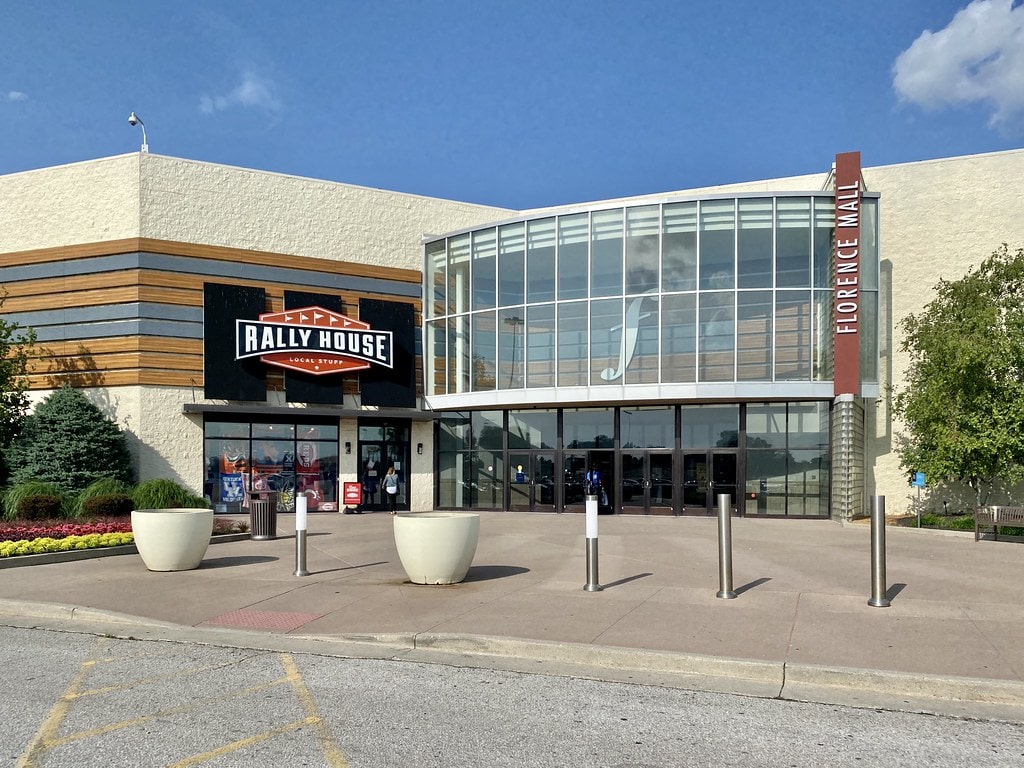
Anchors, mergers, and the long rename
Florence Mall started with four anchors, but it did not keep all four names. Retail, like weather, has its seasons, and department stores in particular learned to change coats quickly.
Pogue's, a well-known Cincinnati store that became the second anchor in 1976, changed to L.S. Ayres in 1983.
In 1988, L.S. Ayres sold the store to Hess's. Hess's stayed until 1993, leaving behind a large empty space that the mall could not just leave unused.
In 1994, Lazarus moved its home goods section into the old Hess's space, giving the empty area a new purpose.
Shillito's, which opened in 1977 and had been around since 1830, was caught up in a series of store mergers.
In 1982, it became "Shillito-Rike's" after joining with Dayton-based Rike's, a combined name that lasted until 1986.
That year, the chain became part of Lazarus, and by 2003, the Lazarus name started to change, first to "Lazarus-Macy's" and then fully to Macy's in 2005.
JCPenney, which opened in 1978, stayed in the same spot with the same name in 2025. In a mall where store names kept changing, that kind of stability seems almost stubborn or loyal.
Renovations, food courts, and the busy 1990s
Florence Mall did what most malls do when things start to look old: it paid to fix things up.
In the mid-1980s, the managers rebuilt the food court, spending money on the place where everyone ends up, even if they do not plan to.
The biggest changes came in the 1990s. An $8 million renovation brought in 64 new tenants, growing the mall from its original 87 stores to over 100 at its peak.
The hallways filled up with specialty shops and service stores, creating a mix that made Saturdays feel busy. You could browse, get your watch fixed, buy a gift, and still have time to walk around again.
Then came the official change. In December 2002, General Growth Properties and the Teachers' Retirement System of the State of Illinois bought the property.
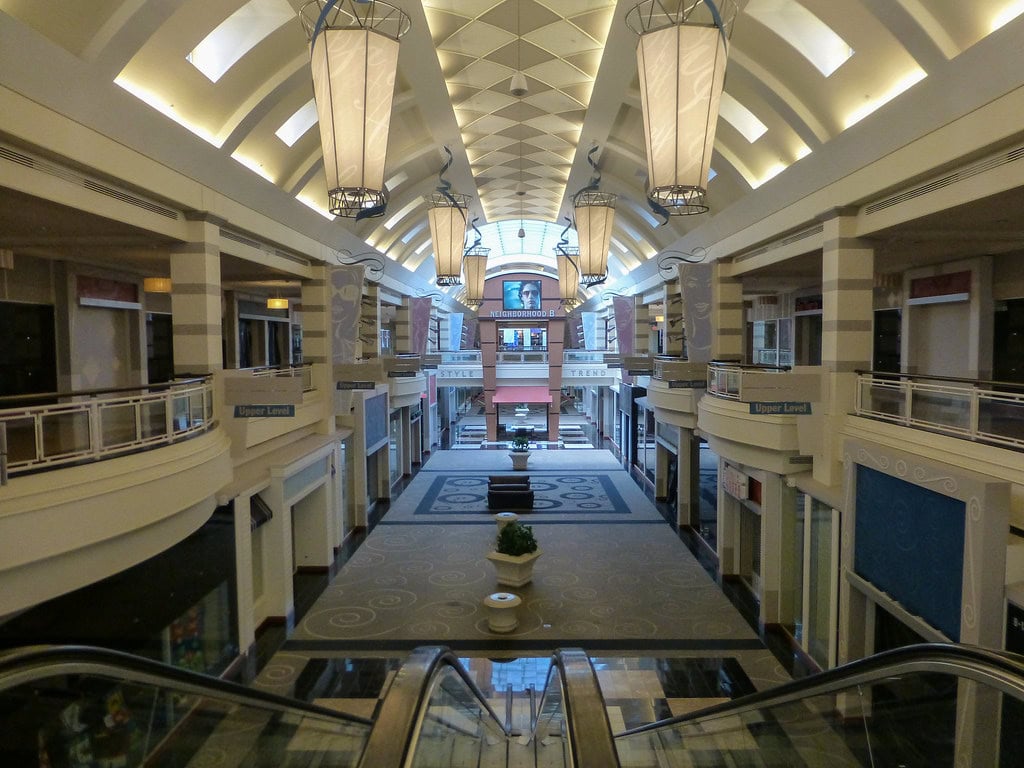
The food court got another renovation in 2004, since it was both the mall's heart and its main gathering spot.
Around this time, the anchor stores changed names to keep up with national trends: Lazarus became Lazarus-Macy's, and by 2005, just Macy's.
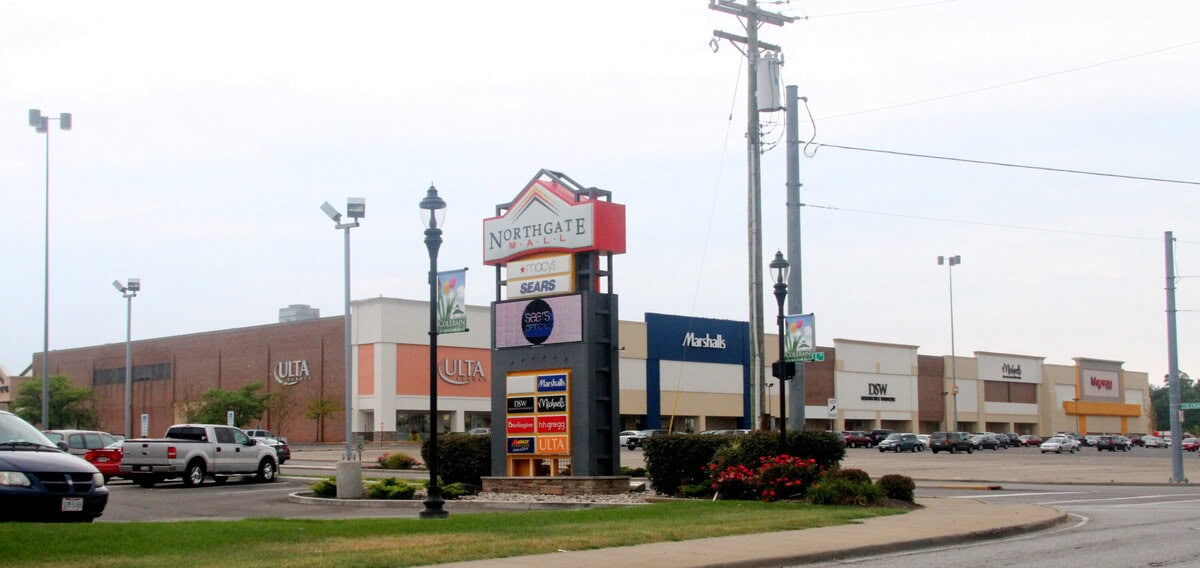
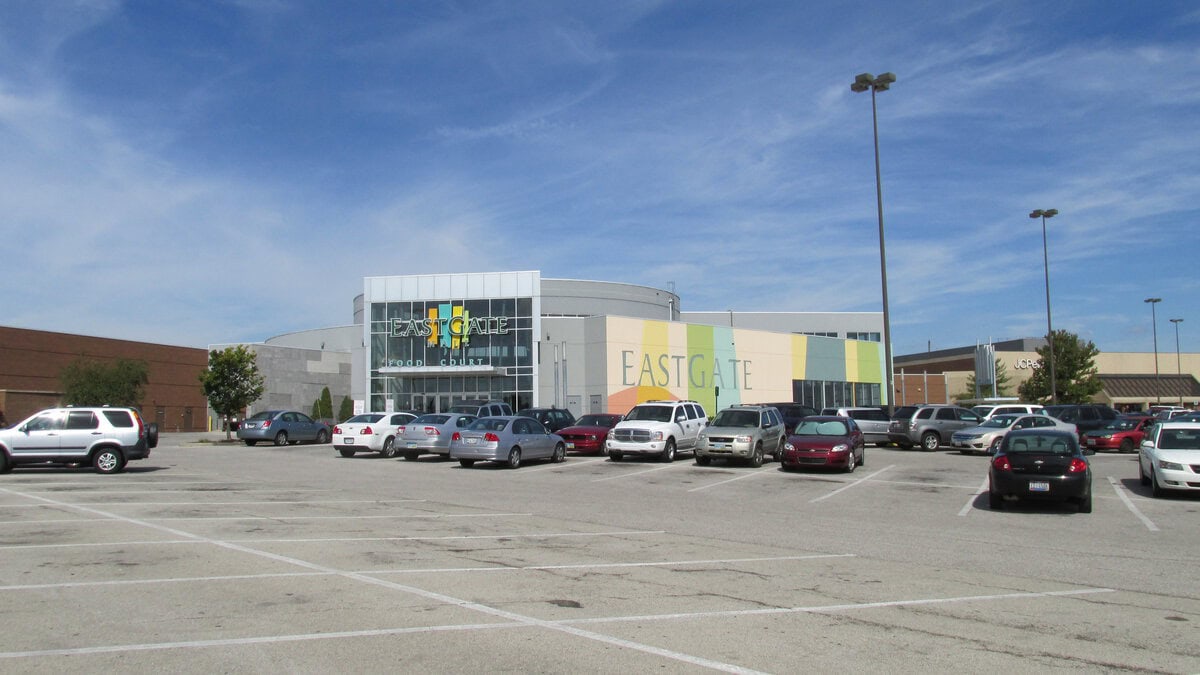
REIT stewardship, default, and a bargain sale
For much of its life, Florence Mall was owned the way modern malls often are: by companies that focus on how much rent they collect.
Brookfield Properties took over running the mall in 2018, and by March 2020, the mall had 87% of its stores filled. Then the pandemic hit and changed everything for retail.
In April 2021, Brookfield Property Partners agreed to be bought by Brookfield Asset Management for $6.5 billion, making the company private.
Around the same time, Brookfield failed to pay back $90 million in loans connected to Florence Mall and other properties, so KeyBank took over for a while during the changes.
On June 15, 2022, a group led by Mason Asset Management and Namdar Realty Group bought the property from lenders for $38 million.
Mason, started in 2010, took charge of leasing, working with more than 120 shopping centers, including 45 big malls.
Namdar handled the daily operations. It owns more than 100 malls and about 70 million square feet of space.
Its approach often involves buying centers with cash, lowering rents, and, according to critics, spending less on upkeep than most companies.
Vacancy, for-sale boxes, and the next plan
On August 22, 2018, Sears Holdings announced that the Florence Mall Sears would close in November.
A $60 million offer to buy and fix up the empty building fell through in September 2024. Sears had opened on March 10, 1976, and by 2025, its two-story building remained vacant.
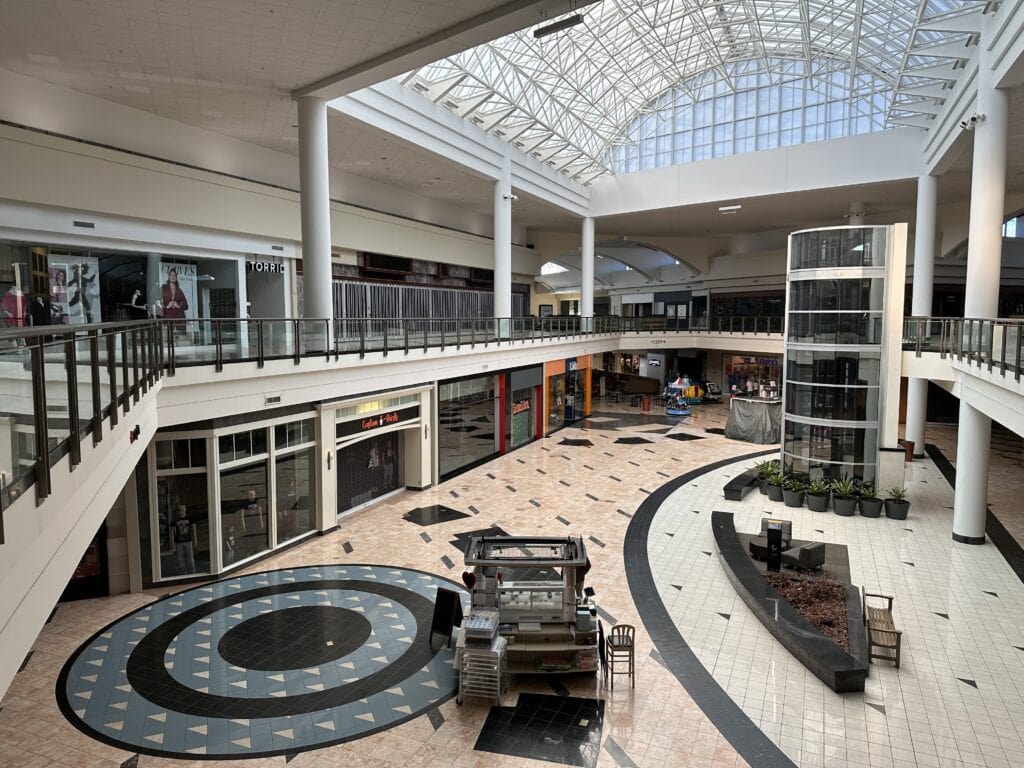
By early 2025, only about 55% of the non-anchor store spaces were filled, and all four main department store buildings were for sale or seeking buyers.
Macy's, following its February 2024 plan to close about 150 stores, included the Florence locations as possible closures.
In June 2024, the department store was listed for $8 million, and the home store for $5 million, then both were offered together for $13 million.
By January 2025, 66 store closures had been announced, and 84 more were being considered.
JCPenney's building became part of a group of 120 stores managed by a trust set up after the chain's 2020 bankruptcy.
In January 2025, Florence hired Montrose Group consultant for up to $50,000 to analyze potential new uses.
The city wants the area to have a mix of things like places to walk, entertainment and sports, hotels, and homes.
But the property is divided among four main owners and a different owner for the center of the mall, which makes things confusing and slow.
Florence Mall is among the Cincinnati area's last malls. The "Florence Y'ALL" tower is expected to outlast what comes next.
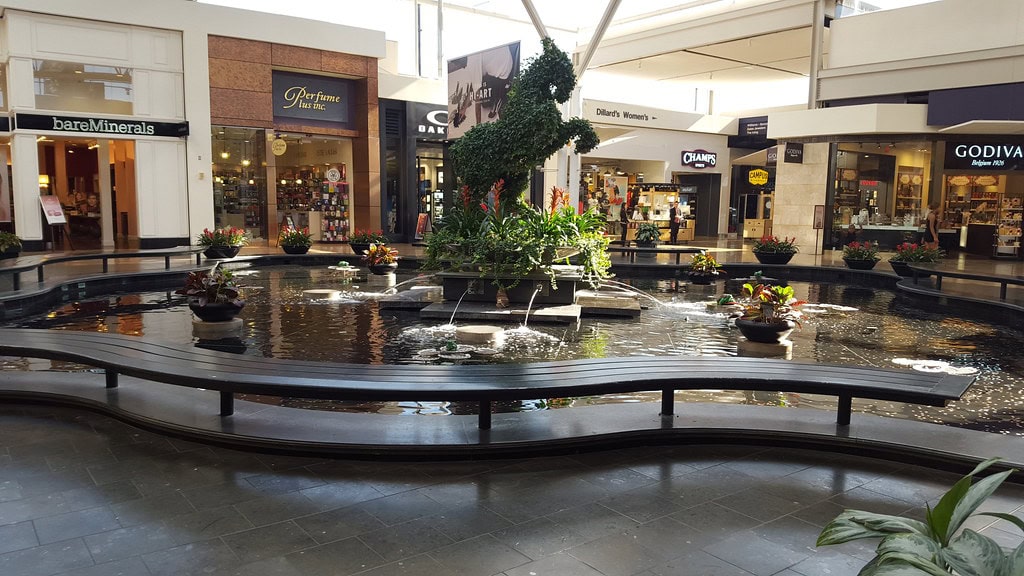
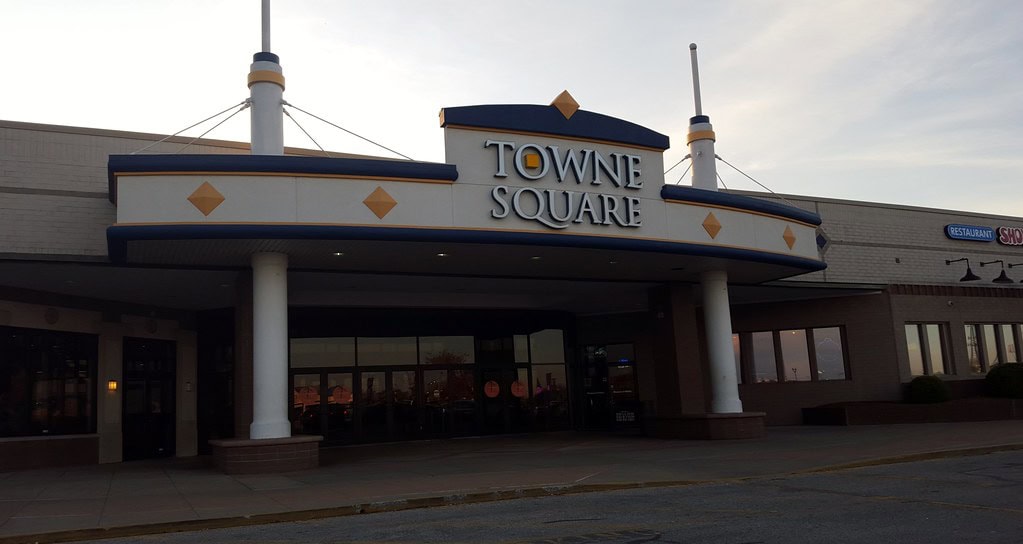
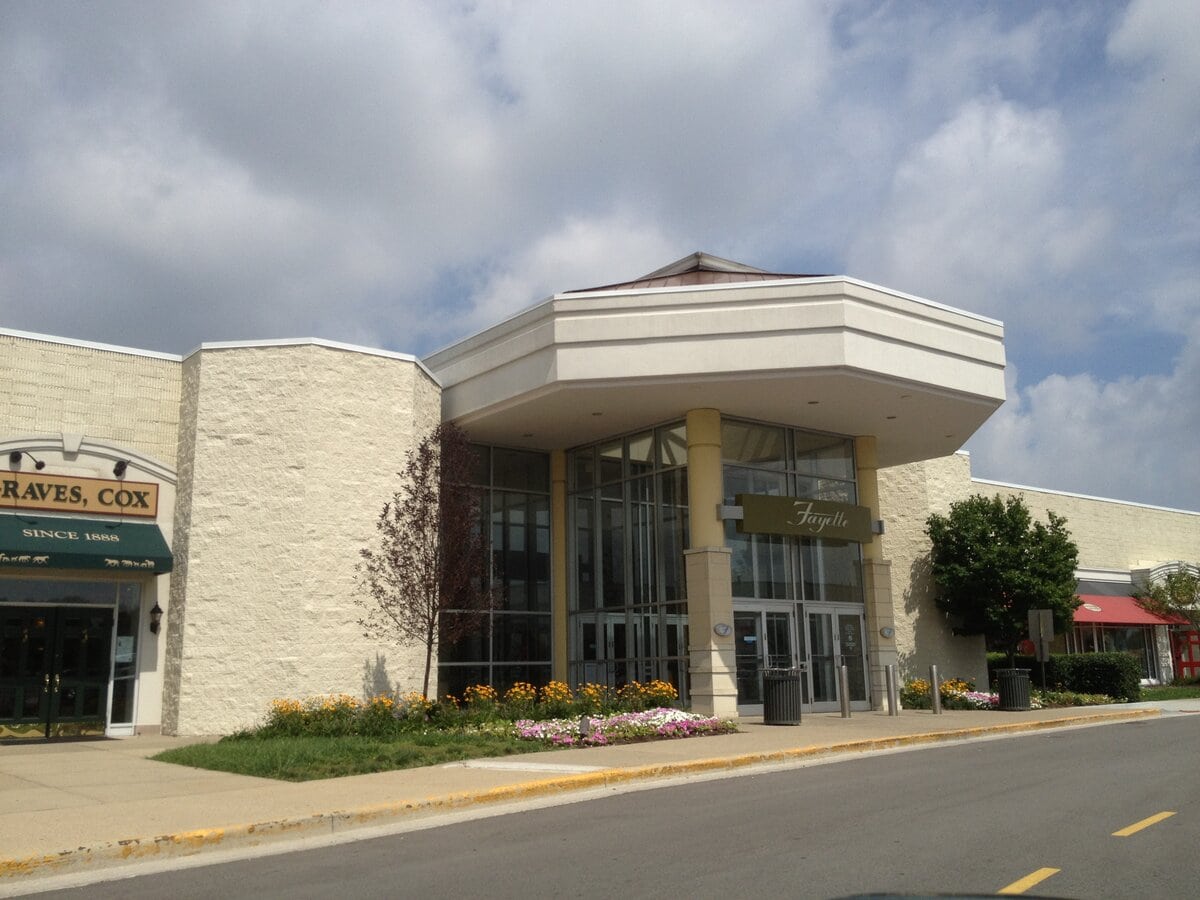
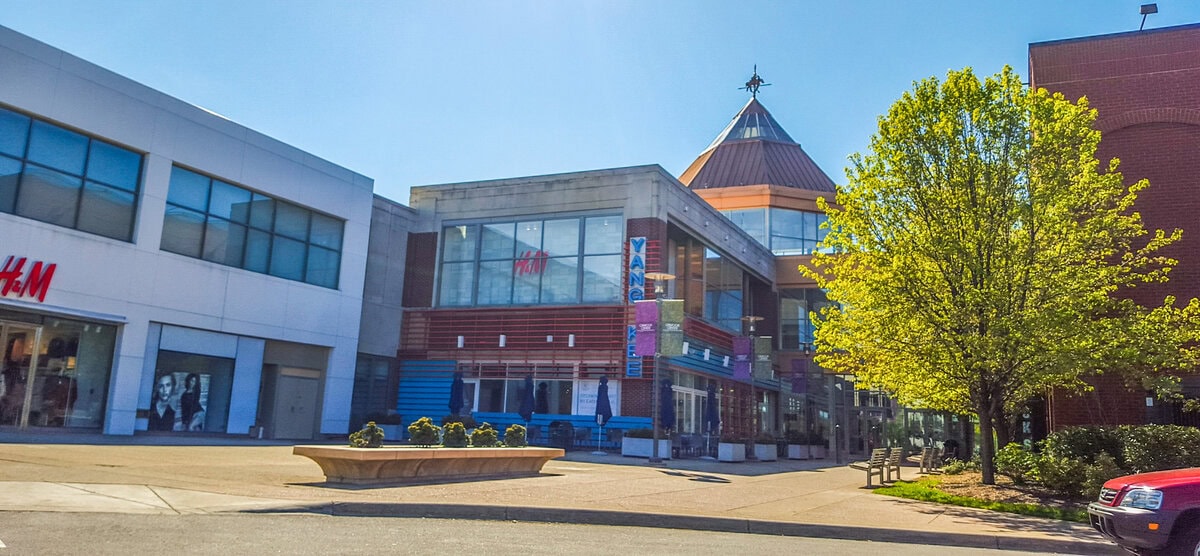
the Florence Mall is about dead. its in need of a change. like Jungle Jims buying the mall and bringing life back into the mall by turning it into Ky's first Jungle Jims. the boost to the community and area would be economically beneficial.
If not Jungle Jim's specifically, your core point stands: Florence needs a reinvention that is experiential. Food hall, entertainment, community services, even medical - anything that makes it a place you go, not a place you pass.
THATS ALL GOOD AND FINE ,BUT YOUR TITLE WAS "WHATS BEHIND THE WALLS ". AND WHAT ?
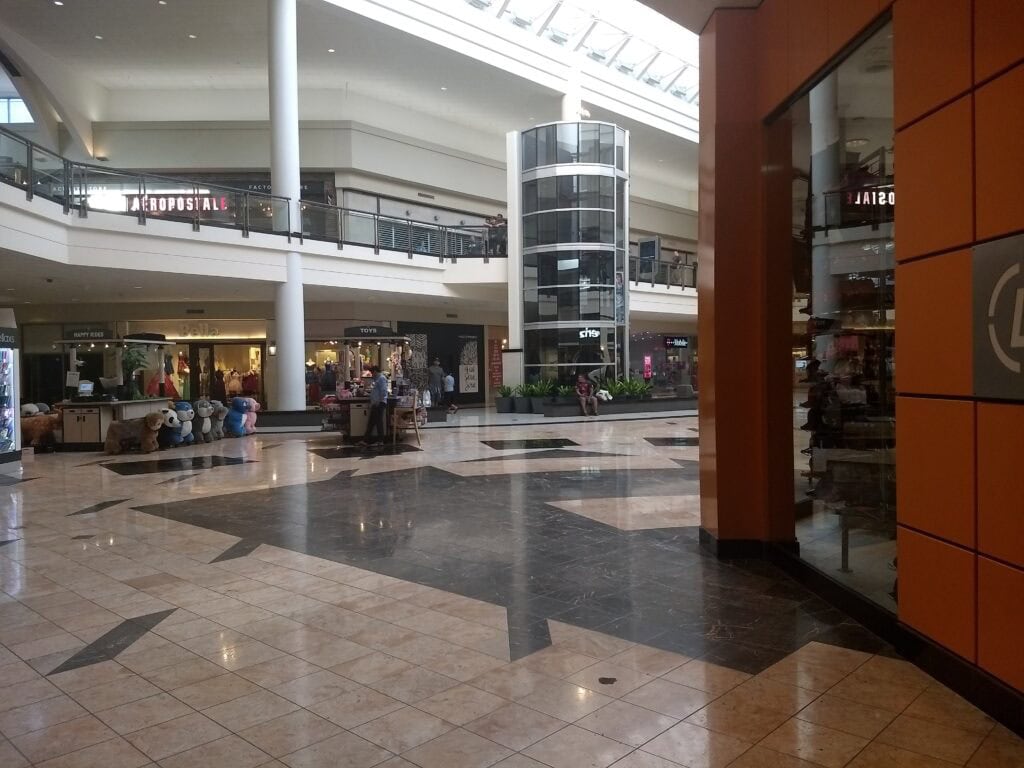
"Behind the doors" is doing double duty. One part is literal: the video lets you walk the mall and see what's still open, what's blank on the map, and the dead corners. The other part is the less visible stuff - the ownership, vacancies, anchor changes, and stalled plans that explain how it ended up in this half-alive state.
Time to bring in the bulldozers.
A lot of people feel this way once a place stops being useful. The hard part is deciding what comes next, because a dead mall site can still be a valuable location if it gets rebuilt the right way.