
Boston landmarks from Common to Harbor
Boston is a city with a long public record, and many of its best-known sites sit within a short distance of the Common and the harbor.
Boston Common, opened in 1634, remains the central green, with paths crossing the lawn toward the Frog Pond, which is used for ice skating in winter.
Across from the Common, the Massachusetts State House stands on Beacon Hill, its gold dome visible from Beacon Street and nearby corners of downtown.
The Freedom Trail begins near the Common and follows a marked route through downtown Boston.
It links historic stops tied to the city's Revolutionary-era history and continues through older commercial streets and public squares toward the North End and the waterfront.
In Charlestown, the USS Constitution remains berthed as part of Boston National Historical Park. The ship is known for its War of 1812 service and for the nickname "Old Ironsides."
Along the Charles River at Science Park, the Museum of Science operates in a large complex with interactive exhibits, live presentations, and a planetarium.
On the harbor at Central Wharf, the New England Aquarium is organized around the Giant Ocean Tank and offers behind-the-scenes programs connected to its exhibits.
Beacon Hill remains one of Boston's oldest residential neighborhoods, with narrow streets and rows of historic buildings.
The Isabella Stewart Gardner Museum houses Isabella Stewart Gardner's personal collection, including European and Asian art.
The Boston Public Library adds a major book collection, public rooms, gallery spaces, and a dedicated children's room.
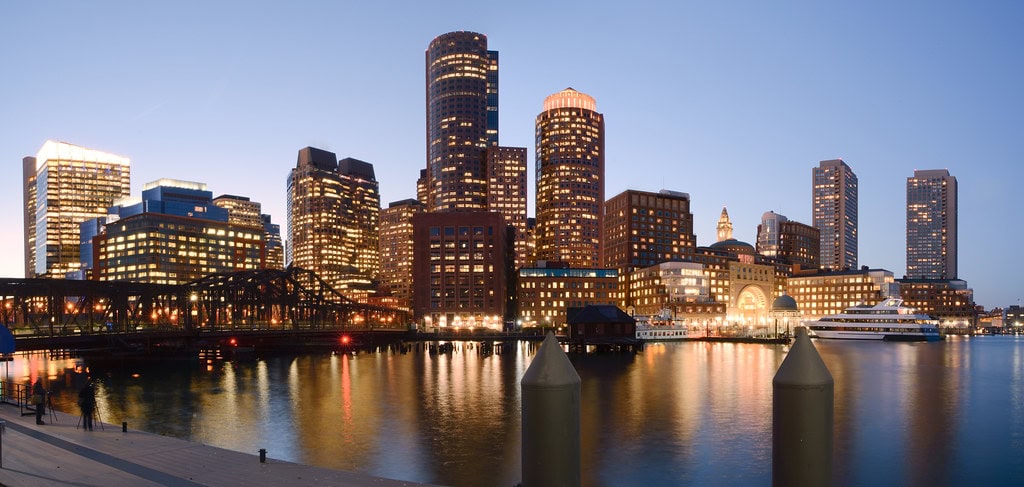
Top 15 things to do in Boston, Massachusetts
- Faneuil Hall Marketplace
- Fenway Park
- Boston Common
- New England Aquarium
- Museum of Science
- Public Garden
- Museum of Fine Arts
- Boston National Historical Park
- Harvard Square
- Quincy Market
- Isabella Stewart Gardner Museum
- Franklin Park Zoo
- USS Constitution Museum
- Cheers
- Boston Tea Party Ships & Museum
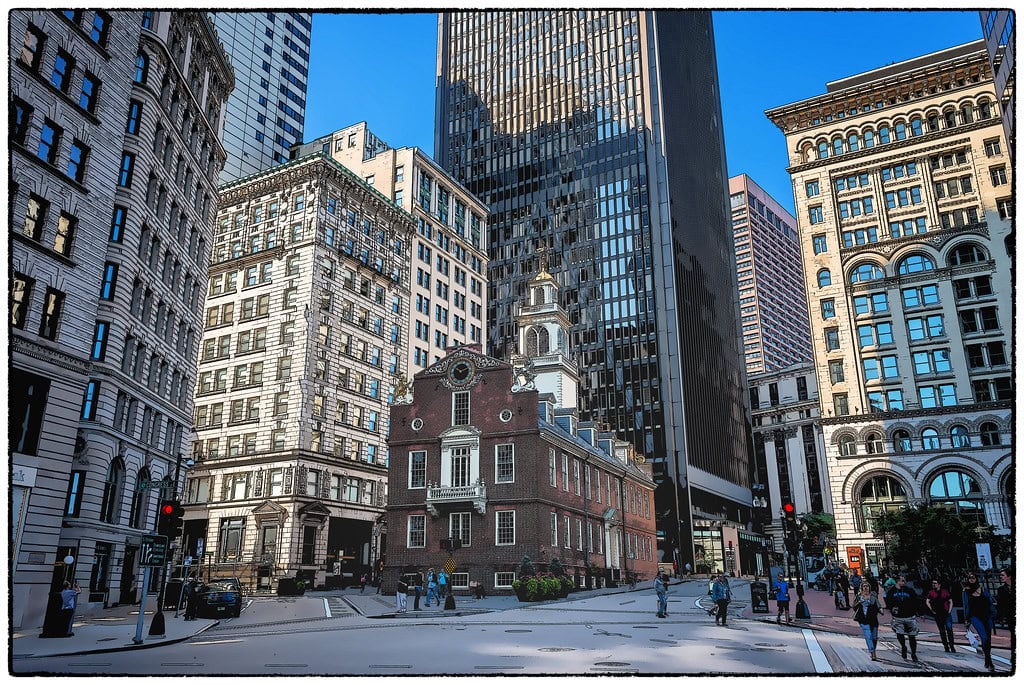
Faneuil Hall Marketplace: shops, dining, and performance space
Faneuil Hall Marketplace is an indoor and outdoor shopping center in Boston, Massachusetts.
The complex includes more than 100 retail shops, with dining and performance space mixed through the market halls and along the exterior walkways.
Restaurants and bars occupy much of the footprint, and specialty pushcarts line the circulation paths, keeping the public areas active through the day.
The marketplace began in the early 1800s. Mayor Josiah Quincy constructed the market buildings in a Greek Revival style.
The plan was modeled on London's Covent Garden and was arranged as a central marketplace intended for regular daily commerce.
By the mid-1900s, the market was losing business as patterns of commerce changed. In the late 1970s, the historic building was renovated and restored.
Architect Benjamin Thompson and his firm led the work. The renovation added a third floor and doubled the building's size, expanding interior space while retaining the historic structure.
After the restoration, Faneuil Hall Marketplace became a high-traffic visitor destination, attracting more than 18 million visitors annually.
The project's popularity contributed to the development of similar festival marketplace models in other cities.
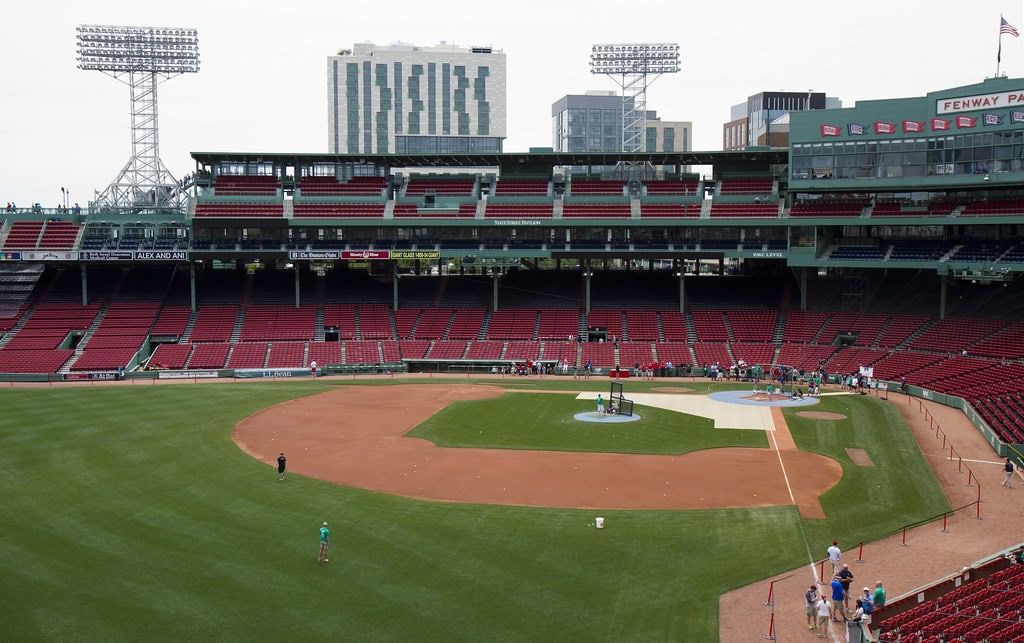
Fenway Park, Red Sox home for 100-plus years
Fenway Park has been the home field of the Boston Red Sox for more than 100 years.
On most dates, the schedule is baseball, but the building has also been used for other sporting events and concerts, and it has hosted large public gatherings over time, including political rallies and professional hockey games.
The park is best known for its long run as the Red Sox's ballpark.
Its age and constant use have made it a fixed point in Boston sports, and it is known as the "Boston Baseball Hall of Fame."
Concert crowds have filled the stands as well, with performers including Bruce Springsteen and The Rolling Stones.
Visitors reach Fenway by car or by public transportation. MBTA routes serve the area, and the MBTA website lists the lines and stops that run to the park.
Entry is controlled at every gate. People are screened on arrival, metal detectors are in place, and bags are checked.
Boston Common, monuments, and the Frog Pond
Boston Common is one of the oldest public parks in the United States. The park serves as a central open space in Boston and is used across the seasons.
In warm months, people spread out on the grass for picnics and informal gatherings.
Paths carry steady foot traffic for short walks through the park and along its edges.
Several monuments mark events tied to the Common history. The Oneida Football Monument identifies the site of the first organized football game in 1862.
The Robert Gould Shaw Memorial stands nearby as a bronze relief sculpture by Augustus Saint-Gaudens.
It commemorates the African-American 54th Volunteer Infantry and recalls the unit's march down Beacon Street in 1863.
The Frog Pond sits within the Common as a shallow pond used for different purposes during the year. In winter, it operates as an ice skating area.
In spring and summer, it shifts back to warm-weather use and serves as a place to sit nearby and cool off.
New England Aquarium, Central Wharf since 1969
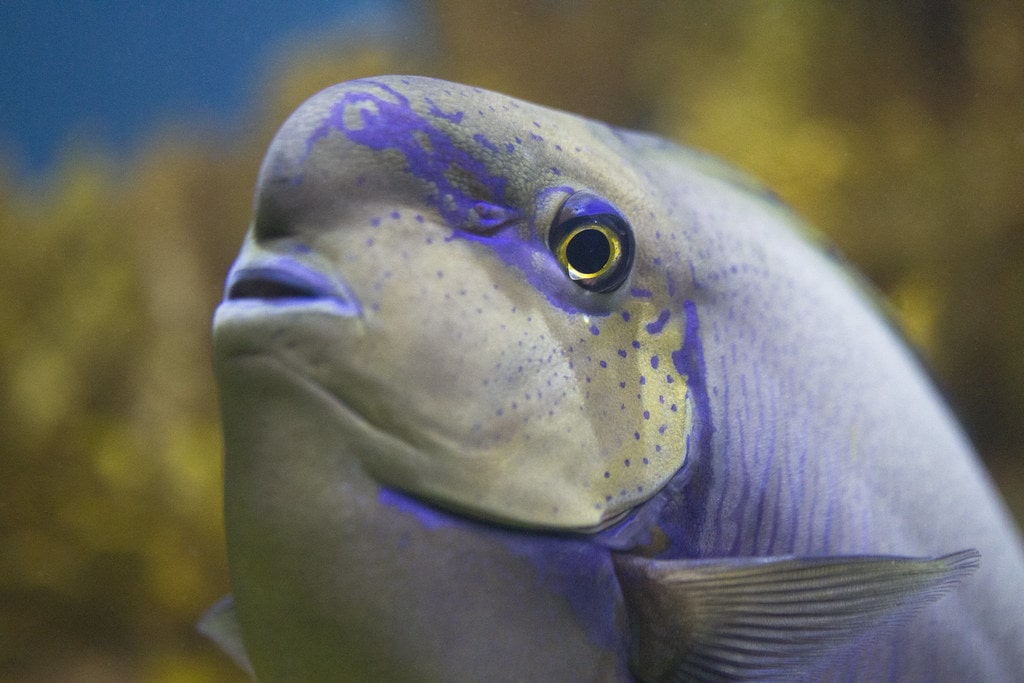
The New England Aquarium sits on the waterfront at Central Wharf in Boston. It presents an ocean-focused visitor experience and runs education and conservation programs tied to marine life.
The building draws steady tourist traffic and is often listed among the city's major attractions, with about 1.3 million visitors a year.
The aquarium opened in 1969. It was designed to give visitors a direct view into underwater environments. Over time, it expanded its exhibit lineup.
Today, the aquarium includes about 70 exhibits, with displays that range from tropical sea life to marine mammals and penguins.
Visitors move through galleries that hold thousands of fish and several well-known species. The collection includes California sea lions, giant Pacific octopuses, African penguins, harbor seals, and other marine animals.
The aquarium also operates rotating and special exhibits. One of the best-known is the Trust Family Foundation Shark and Ray Touch Tank, a 25,000-gallon exhibit that allows close viewing of sharks and rays.
Museum of Science, planetarium, and 2016 expansion
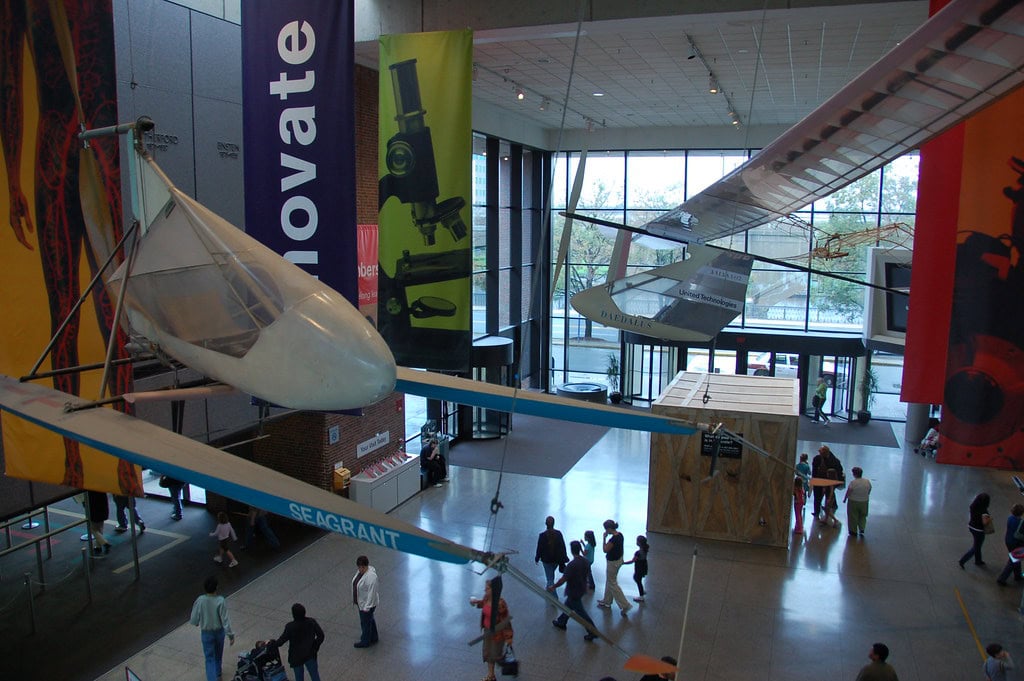
The Museum of Science in Boston operates as an interactive science museum with exhibit halls and live programming.
Visitors move through displays that cover subjects such as space exploration and the human body, with hands-on stations built into many of the galleries.
In October 2016, Bloomberg Philanthropies donated $50 million to the Museum of Science, Boston, in honor of Mike and Charlotte Bloomberg's late parents.
The funding supported the museum's global knowledge center mission and helped expand work focused on critical thinking and public understanding of science and engineering.
The gift also supported the museum's computational thinking initiative.
The Charles Hayden Planetarium remains one of the museum's main draws. It hosts planetarium presentations and connects to interactive exhibits tied to astronomy and space science.
The museum also offers live demonstrations, including a live animal program.
Public Garden paths, water, and summer boats
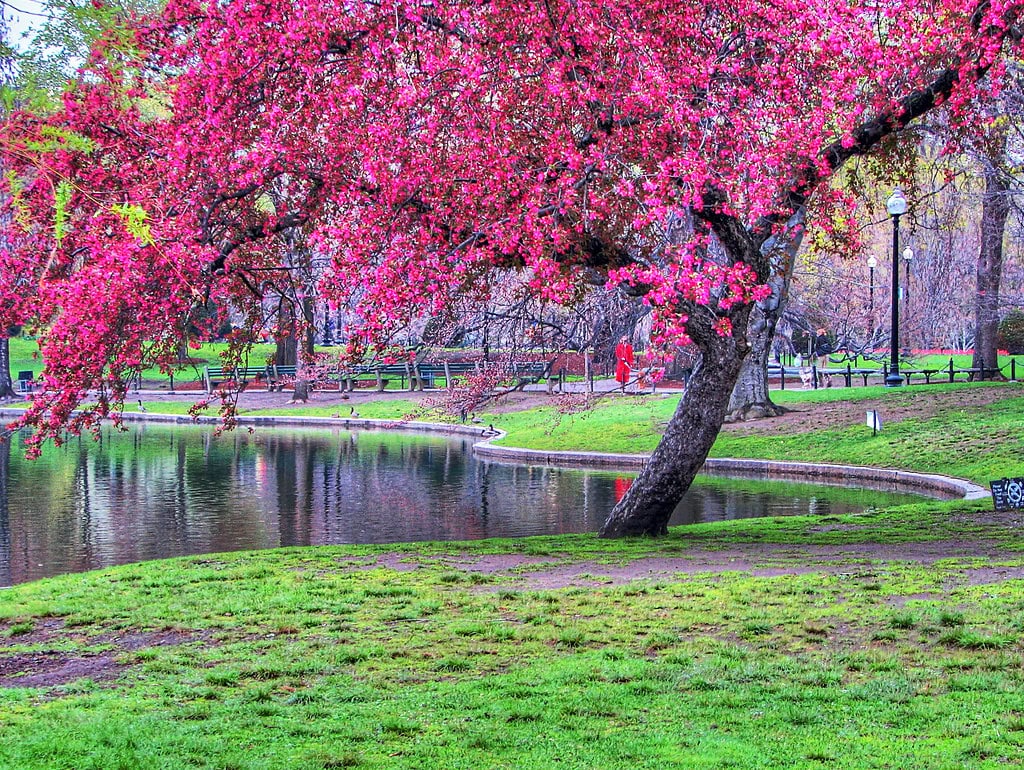
Boston Public Garden is a public park in central Boston that stays active through most days. A lagoon sits near the middle, with paths curving around the water and across lawns shaded by large trees.
Benches line the main routes, and visitors pause along the edges of the lagoon and at crossings where the paths converge.
The Haffenreffer Walk runs through the garden as a main pedestrian route. It crosses a bridge and leads toward an equestrian statue of George Washington.
A granite fountain commissioned by Massachusetts General Hospital stands nearby.
The fountain depicts the story of the Good Samaritan and sits within a formal landscaped area of paths, plantings, and open lawn.
In warmer months, the lagoon becomes the garden's busiest feature. Street musicians play along the walkways. The Swan Boats operate during the summer season and carry riders across the water.

Museum of Fine Arts, Copley Square to Fenway
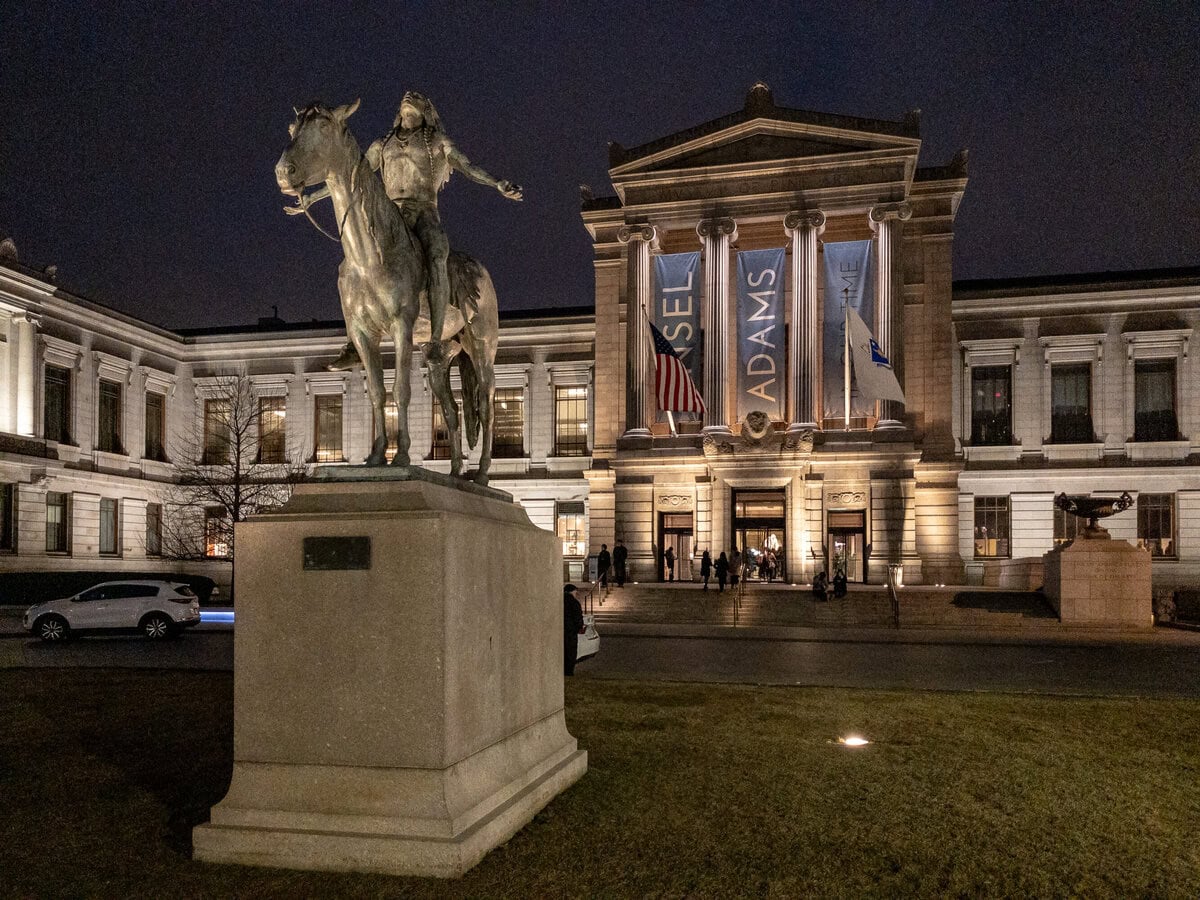
The Museum of Fine Arts in Boston holds more than 450,000 works of art and is displayed across more than 100 galleries.
The collection ranges from the ancient world to contemporary work. Holdings include material from Egypt, Greece, and Rome, along with collections from Asia, Europe, and the Americas.
The museum was first located in Copley Square. In 1907, it relocated to the Fenway-Kenmore area of Boston, where it remains.
The move placed the museum in a larger setting and expanded the amount of gallery space available for the collection.
The MFA organizes its holdings into six main exhibits, using broad groupings to structure displays throughout the building.
The museum now welcomes more than a million visitors each year.
Boston National Historical Park and its core sites
Boston National Historical Park is a group of historic sites in Boston linked to the American Revolution. The park includes major stops such as the Old State House, the Bunker Hill Monument, and Dorchester Heights.
These locations are spread across the city and sit within active neighborhoods where visitors move between them on foot and by transit.
The Bunker Hill Monument stands at the site of the first major battle of the American Revolution and is also designated as a national landmark.
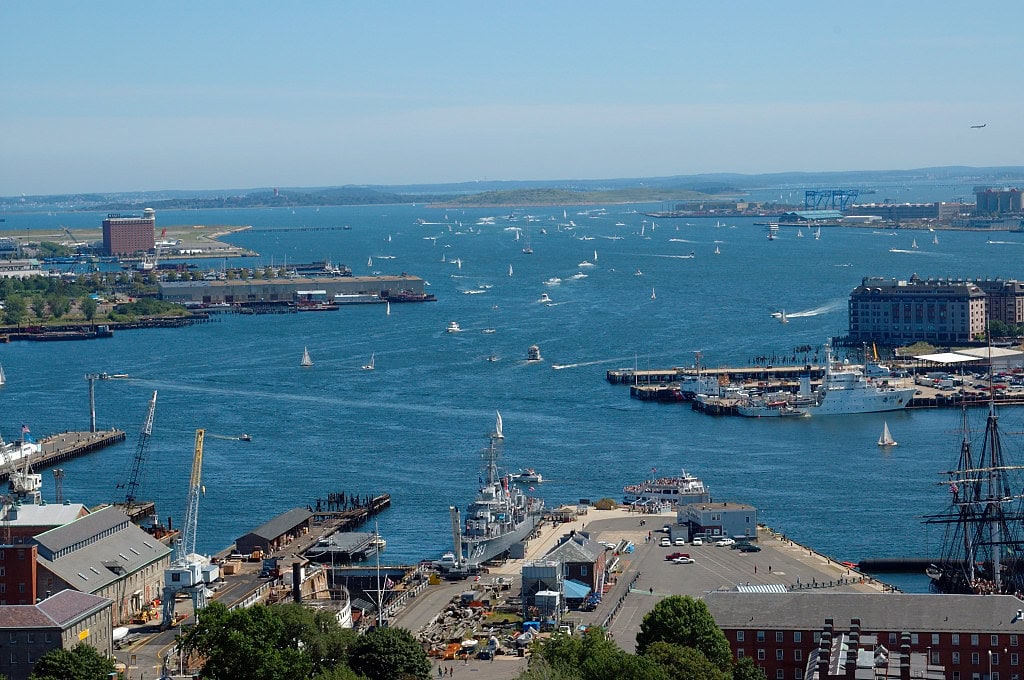
In Charlestown Navy Yard, the park system includes the USS Constitution Museum. The USS Constitution, berthed nearby in the yard, is the oldest commissioned naval ship in the United States.
Sites associated with the park are connected by Boston's Freedom Trail. The route forms a 2.5-mile walking trail that links key locations tied to the Revolutionary era.
Another related site in the National Park System is the Museum of African American History, which focuses on the history of Boston's African-American community.
Harvard Square, Cambridge, festivals, and street acts
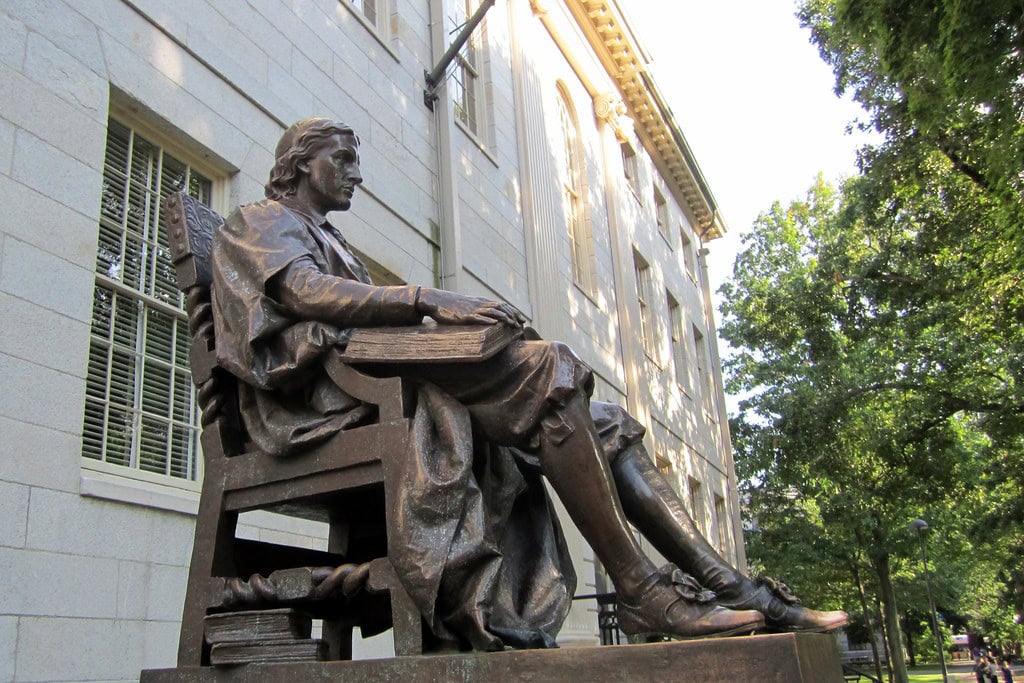
Harvard Square is a neighborhood center in Cambridge, Massachusetts, across the Charles River from Boston.
The area is built around a busy set of streets with museums, restaurants, shops, and music venues, and it draws steady traffic from students and the wider region.
In the 18th and 19th centuries, Harvard Square functioned as a neighborhood shopping center.
Over time, it developed into a regional hub, with a larger mix of visitors and a broader range of activity beyond daily shopping.
Public events are part of the square's calendar. Harvard Square hosts festivals and cultural gatherings such as Chinese New Year celebrations, Sparklefest, and Mayfair.
Some events are organized around live music and street performers, using sidewalks and small open areas as performance spaces.
A monument in the square marks that street performance tradition. The Igor Fokin Memorial honors the street performer and the wider street art scene.
The memorial was sculpted by Konstantin Simun and serves as a tribute to Fokin, his troupe, and performers who worked in Harvard Square.
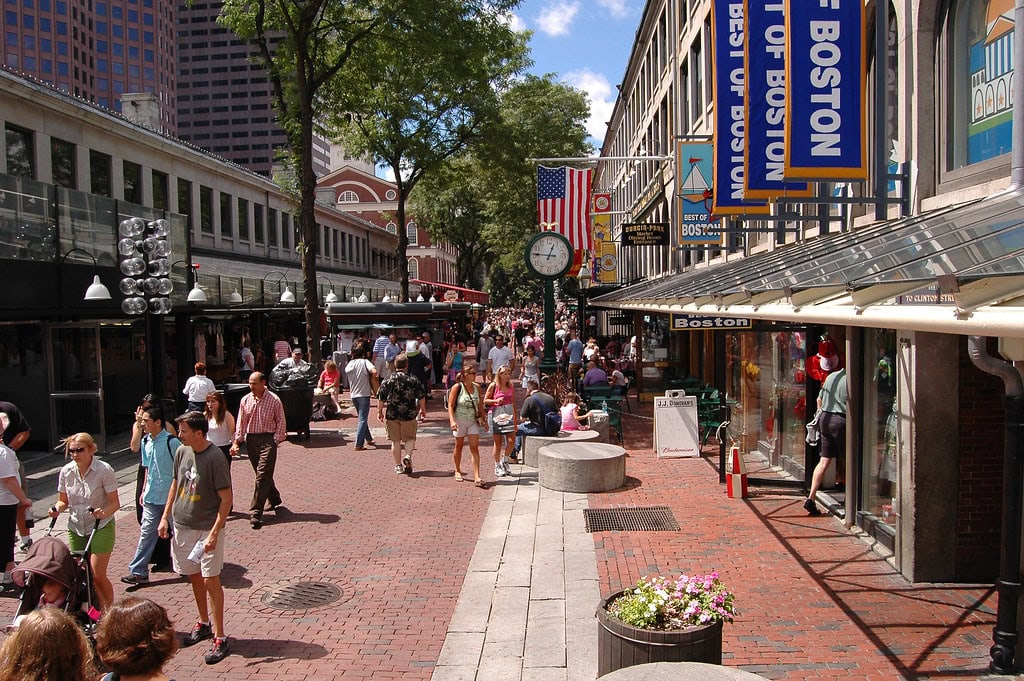
Quincy Market, from food stalls to festival retail
Quincy Market sits in downtown Boston as a historic market building that now functions as a tourist destination. Shops and restaurants fill the surrounding marketplace area.
Street performers work along the walkways, and foot traffic gathers at the entrances and moves through the open corridors.
When Quincy Market opened, it operated as a produce and food market. In the 1970s, vendors began moving to larger facilities.
As the vendor base shifted, the building moved away from grocery-style market use and was repurposed as a restaurant and retail center.
The building is two stories tall and includes an outdoor seating area.
The exterior is defined by columns and granite benches, with pediments above the main sections and lighting fixtures along the facade and entry points.

Isabella Stewart Gardner Museum, a 1903 collection
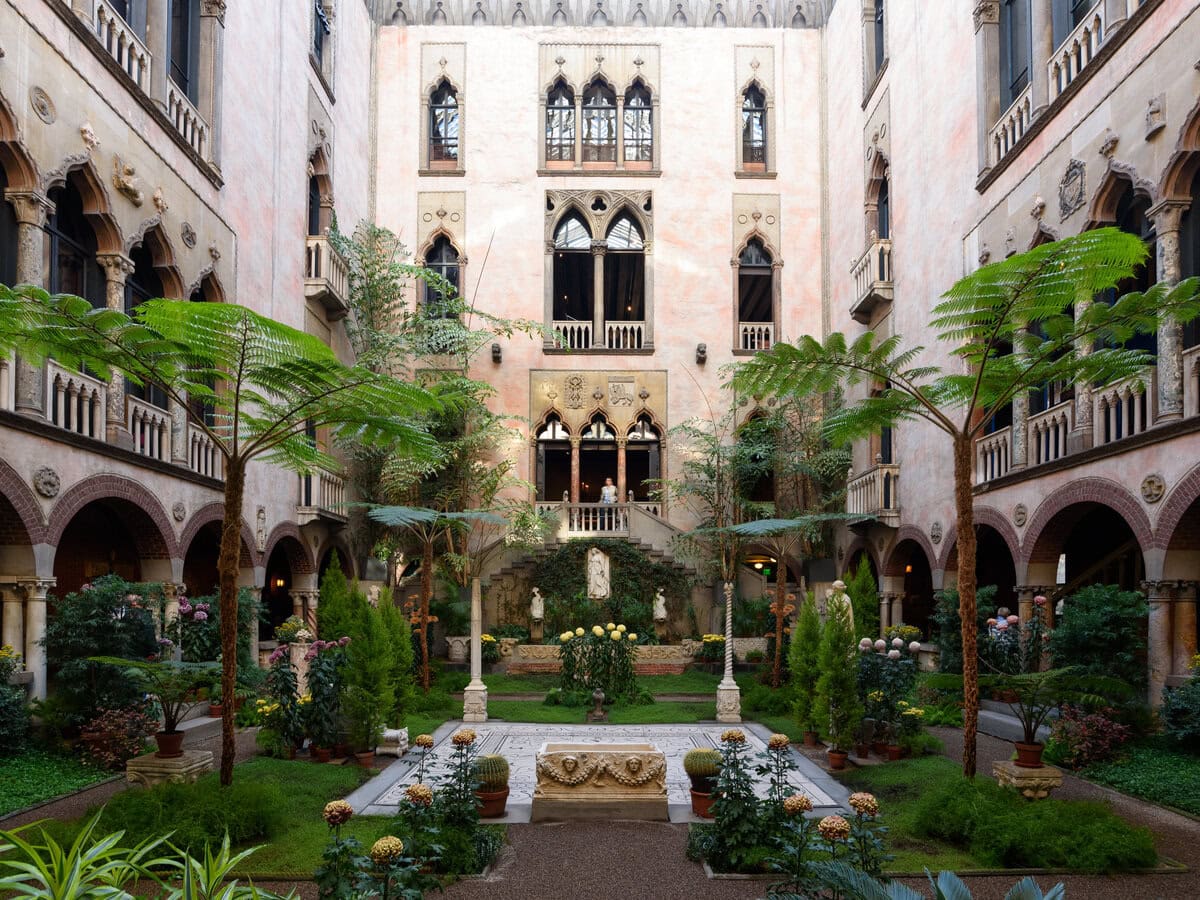
The Isabella Stewart Gardner Museum has been open in Boston since 1903. It was created around the private collection Isabella Stewart Gardner assembled over about 30 years.
She gathered more than 7,000 works, including European paintings, sculpture, and books, with additional holdings from Asian, European, and American traditions.
Gardner died in 1924. Her estate set up a $1 million endowment for the museum after her death. Works in the collection include pieces by Johannes Vermeer, James McNeill Whistler, and John Singer Sargent.
The museum sits in Boston's Fenway neighborhood and stays open year-round.
The building rises three stories and is arranged around an interior courtyard filled with plants. Tours are offered to visitors at no charge.
Franklin Park Zoo, gorillas, trails, and play
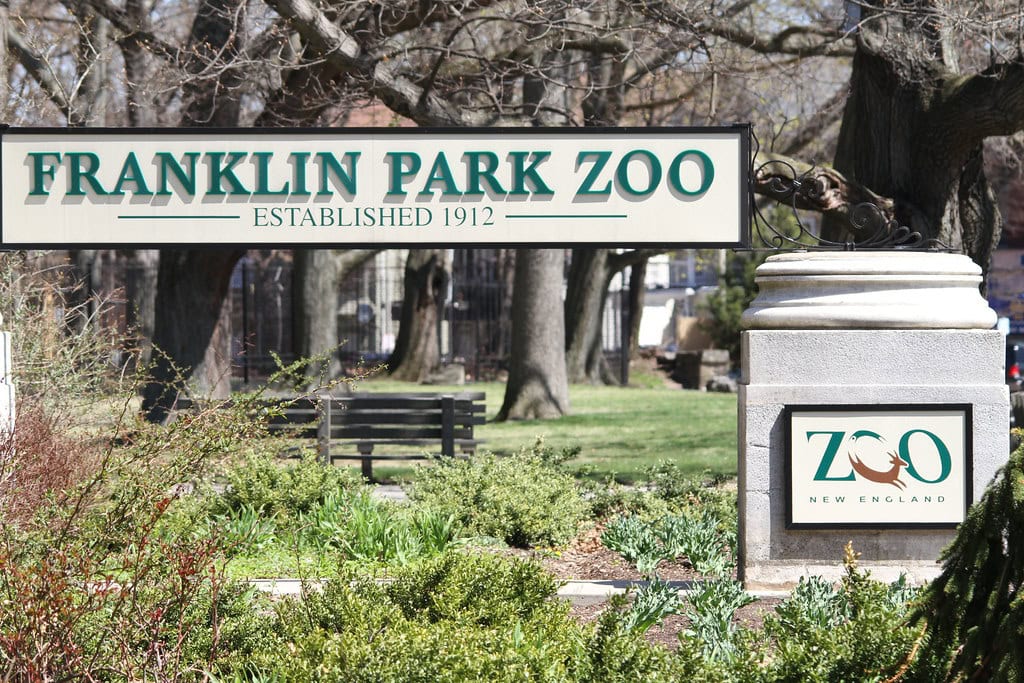
Franklin Park Zoo is a 72-acre zoo in Boston. The grounds include animal habitats along with a farm and a play area, and the site is laid out for walking between exhibits along marked paths.
Visitors pass enclosures that house animals such as gorillas, tigers, and lions, along with other species kept on the property.
The zoo runs daily zookeeper encounters and offers programs organized around specific topics, including programs aligned with National Science Education Standards.
One viewing feature is the Eagle Nest, which is set up to give an elevated look across sections of the zoo and the routes between them.
Away from the exhibits, the zoo includes a 10,000-square-foot playground. The play space is built for children and is used heavily by families during peak visiting hours.
A newer addition is an outdoor gorilla habitat built as a modern exhibit space. The habitat provides 360,000 cubic feet of space and includes a waterfall and built-in foraging opportunities.
USS Constitution Museum beside the 1797 frigate
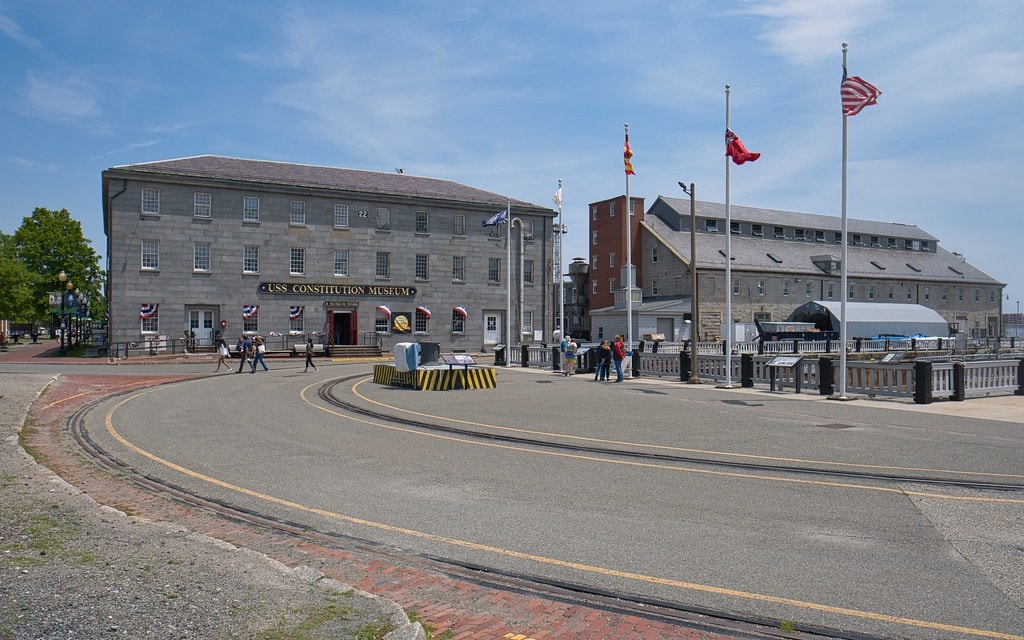
The USS Constitution Museum is a maritime museum at the Charlestown Navy Yard in Boston.
It operates as a not-for-profit educational institution and presents exhibits and archival material focused on USS Constitution and its service history.
USS Constitution is preserved and restored as a three-masted wooden frigate docked in Boston Harbor and open to the public.
The ship was built in 1797. It earned the nickname "Old Ironsides" during the War of 1812, a name that remains closely tied to the vessel and its public identity.
The museum supports visits with an archival repository that documents the ship's history.
A learning hall contains exhibits that describe life aboard the ship, including how the crew lived and worked while the vessel was in service.
Cheers in Beacon Hill, from 1969 to the TV replica
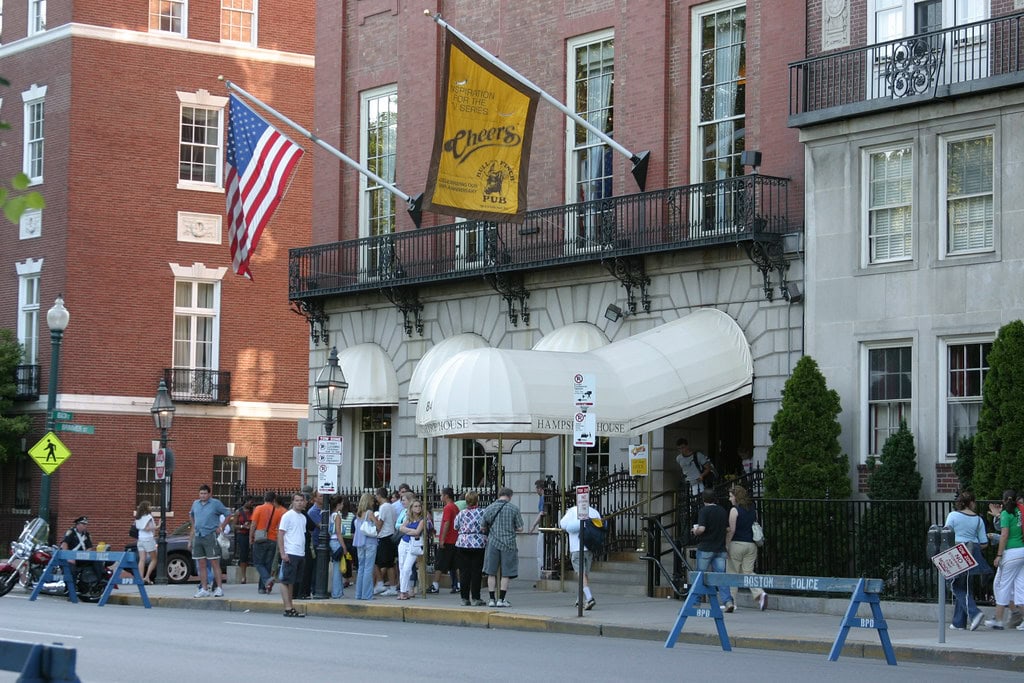
Cheers is a tourist stop in Boston's Beacon Hill area. The original bar opened in 1969 and was created by Tom Kershaw.
The space did not match the look of the television set later used for the series, but it served as the inspiration for the show.
Boston now has two Cheers locations. One sits on the north side of the Boston Public Garden and operates as a pub, known for its atmosphere and standard pub food.
The second location was built as a replica of the television show's interior. It is not the original bar, but it was designed to reproduce the look associated with the series.
Changes behind the scenes of the television production came later. During the third season, Sam Simon and Ken Estin took over as showrunners.
After that shift, the Charles Brothers delegated day-to-day writing duties to Simon and Estin.
Boston Tea Party Ships & Museum, replicas and reenactments
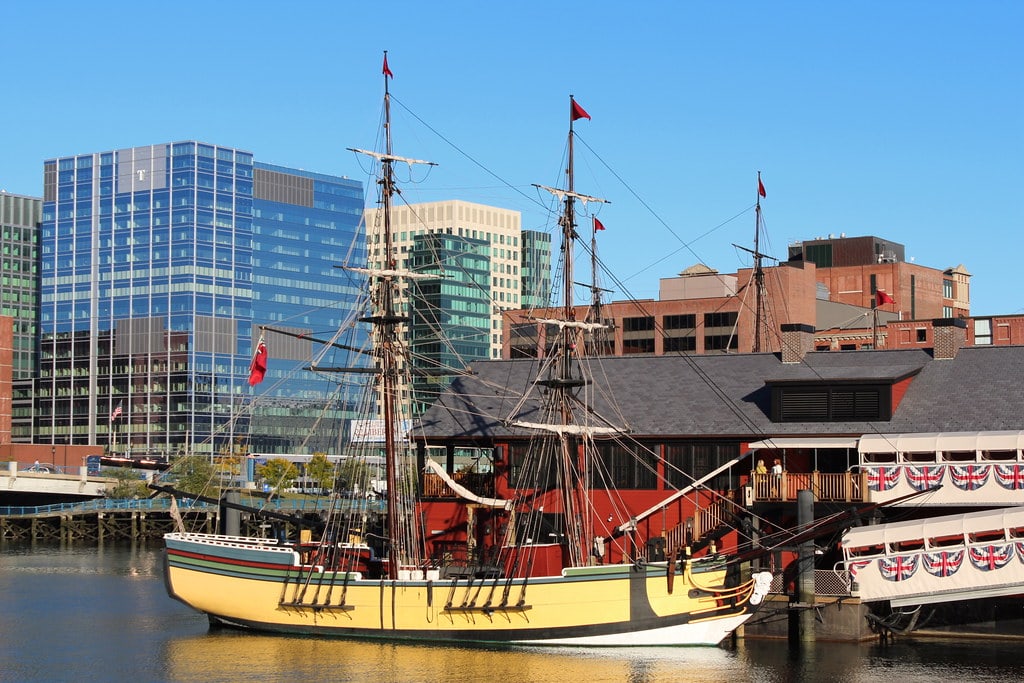
Boston Tea Party Ships & Museum is a visitor attraction in Boston built around the events that led to the American Revolution.
The museum is designed as a hands-on experience, combining guided touring with staged interpretation of the Tea Party story.
The site includes two full-scale replicas of 18th-century sailing ships. Visitors move through a set of exhibits that use living history elements, live reenactments, and interactive displays.
The tour is structured so guests can take part in staged roles, including acting as an 18th-century captain, joining a group of rebels in a mock Tea Party, and throwing tea overboard.
An interactive documentary runs as part of the experience, alongside a short dramatic film shown during the tour.
The film is framed around a battle sequence and references a "shot heard worldwide." Other display elements include holographic figures, portraits of colonists, and a gallery of historical artifacts placed along the route.
Independent Publisher Notice
BestAttractions is an independent editorial publisher. We are not affiliated with, endorsed by, or acting on behalf of any location, business, property owner, manager, government agency, or organization described in this article.
Comments posted on this page are not forwarded to, reviewed by, or acted upon by any entity mentioned in the article.
For official inquiries, complaints, applications, bookings, or other requests, please contact the relevant entity directly through its official website or other verified channels.