
Carolina Mall and the art of arrival
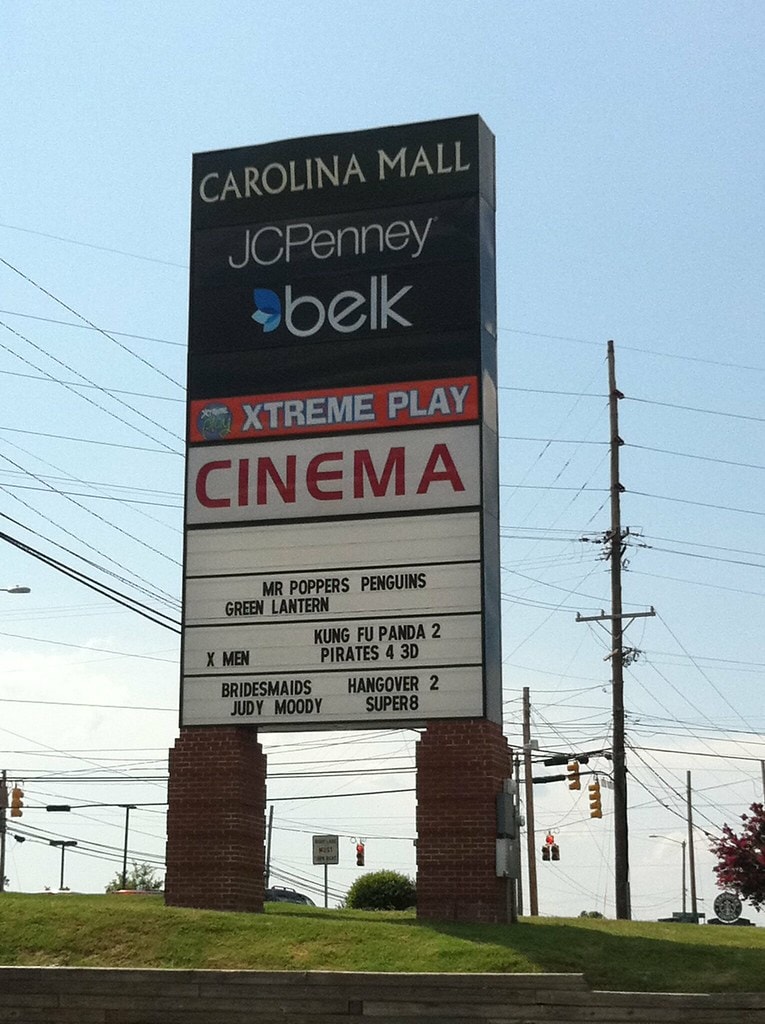
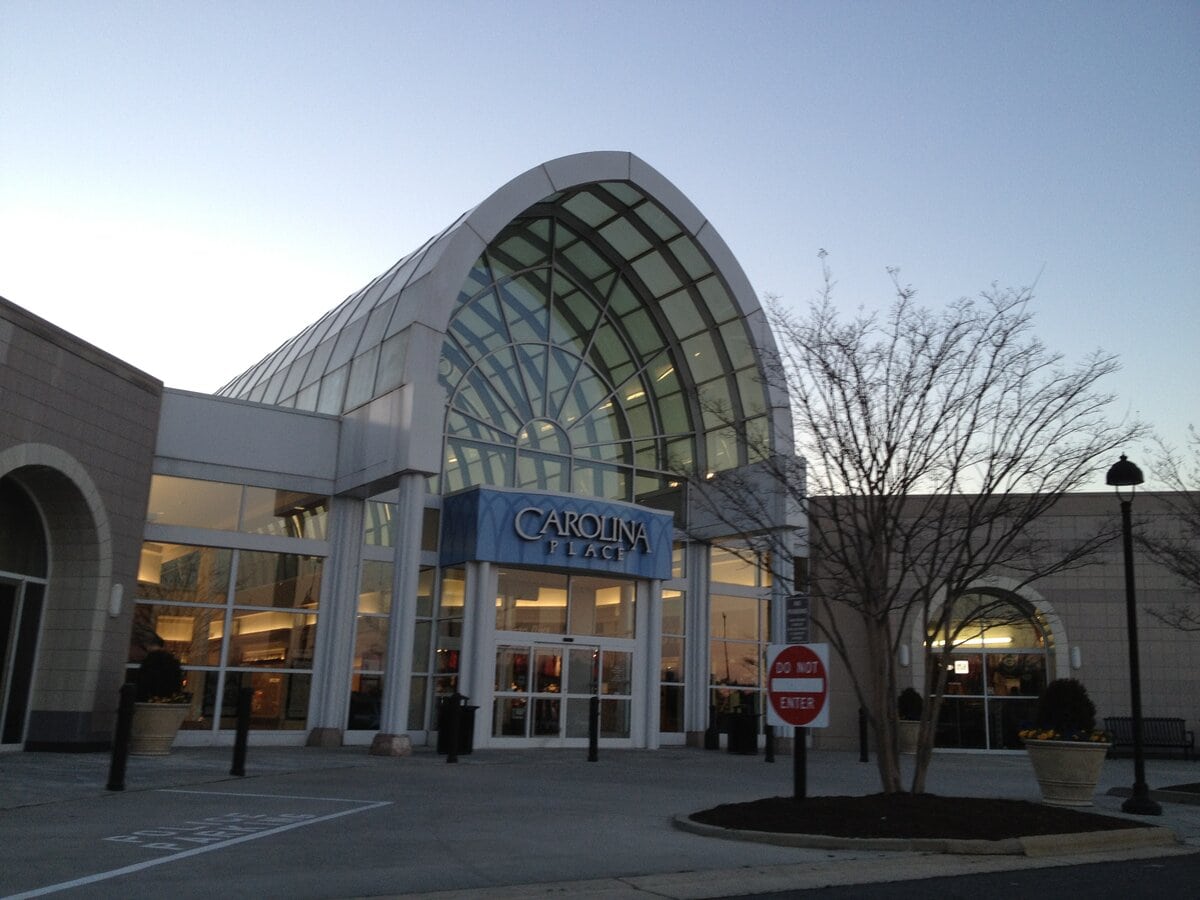
Carolina Mall is at 1480 Concord Parkway North, just off Interstate 85 at Exit 58. It has the quiet confidence of a place that has seen many changes and stayed open where people pass by.
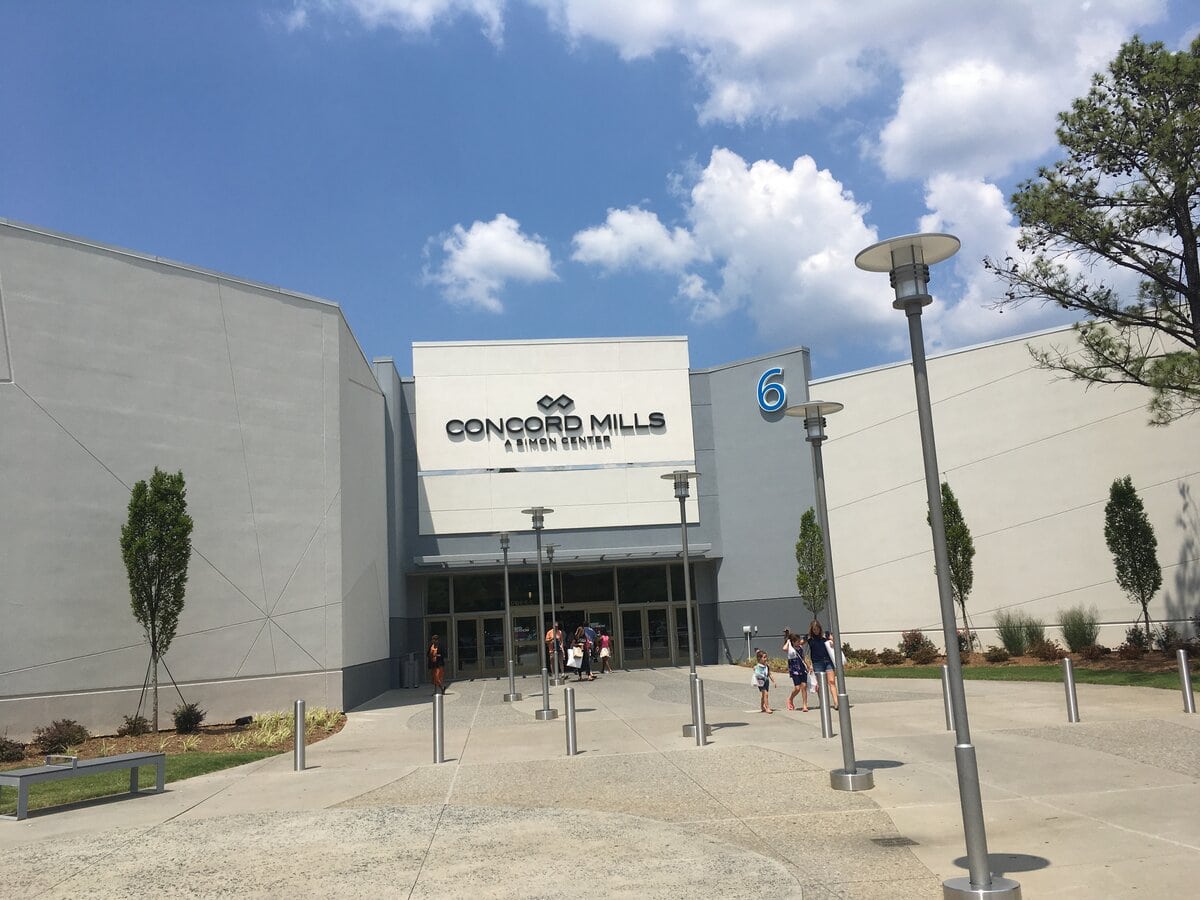
It is the older of Concord's two malls, and it shows: less showy, more routine. Concord Mills, the newer mall across town, is a place to spend the whole day. Carolina Mall is where you get things done and then go back to your day.
Inside, the setup is familiar and very practical: a closed-in, air-conditioned circle of stores, about 550,000 square feet, mostly on one floor, except for one obvious difference.
The old Sears, which was built as a two-story main store, is now empty, showing that even big stores can close. The other main stores are still open: Belk, JCPenney, and Staples.
Around them, about 50 stores and service counters keep the mall busy: American Eagle Outfitters and Bath & Body Works, LensCrafters and Foot Locker, nail salons and cell phone shops, and a food court that still brings people together for lunch.
Chick-fil-A always has a line; Subway, Dairy Queen, and fast Chinese food spots keep things moving.
Even a new balloon bar is getting ready to open. Owned and run by Hull Property Group, Carolina Mall is not a museum or a miracle.
It is a place that keeps working to be helpful, which might be the boldest thing a mall can do in the 2020s.
Carolina Mall's opening and early years
Construction started in 1968. Concord was getting bigger, and the mall was part of people choosing to shop somewhere other than downtown.
North Hills, Inc. built it as an indoor mall, which was a basic idea at the time: you could shop in the summer without getting too hot and in the winter without rushing back to your car.
It opened on September 21, 1972, with about 25 stores. Sears was there from the start and was the main store, with two floors that made it seem bigger than it really was.
Belk was the other big attraction. After that, there was the usual mix you needed for a mall to work: smaller stores, some useful services, and places you could visit without planning ahead.
The layout was simple. Most of the building was on one floor, so people did not have to deal with escalators or confusing hallways.
You could park, walk around the whole place, and leave. And once people got used to this kind of trip in Concord, they kept coming back.
It saved driving, it saved time, and it quickly became the usual way to shop.
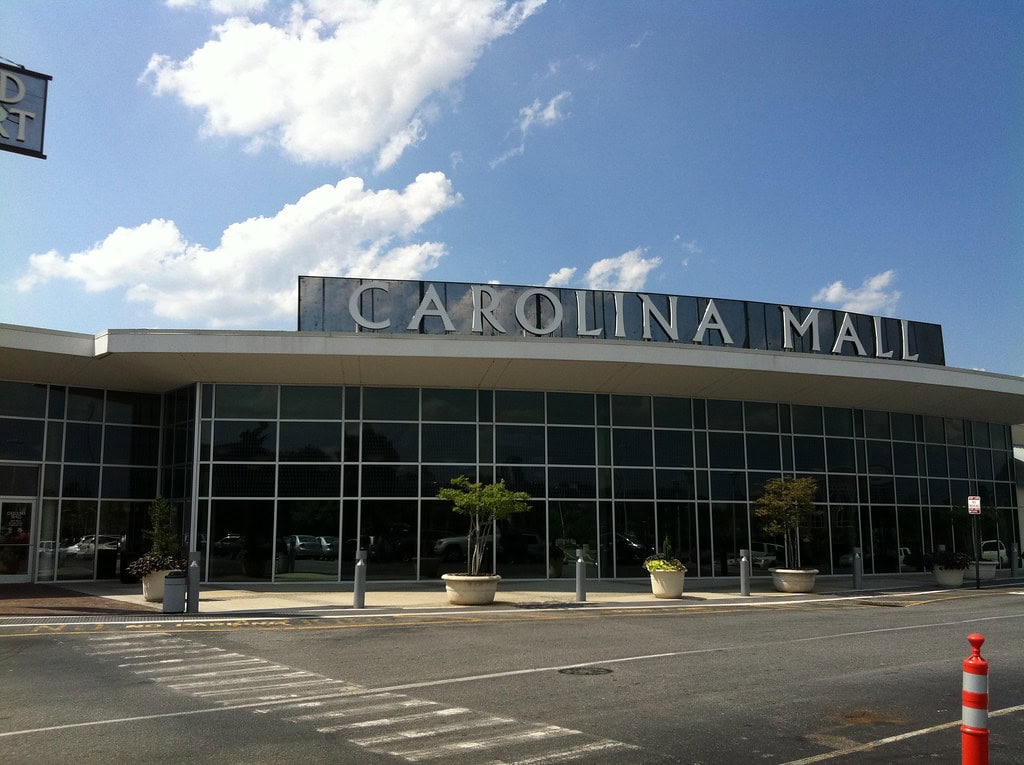
Fifteen steady years, then Penney arrives
For the first fifteen years, Carolina Mall mostly did what it was built to do.
Concord was getting bigger, many people still worked in factories, and there was no newer, fancier mall in town trying to steal customers on weekends.
So the mall fell into the routine that makes malls successful: people came for quick visits, came back often, and saw the same stores in the same order each time.
In 1987, the mall changed in a way that mattered. JCPenney came in as a new anchor. It wasn't just another tenant.
It was a decision about where shopping was going to happen from then on. When the mall Penney opened, the older JCPenney stores in downtown Concord and in Kannapolis closed.
That was the trade. The business moved out of the older retail streets and into the enclosed mall, where the parking was easy, and the foot traffic was controlled.
With JCPenney added to Sears and Belk, the mall had three anchors pulling people through the building. That mix shaped everything around it.
The big stores brought in shoppers. The smaller stores benefited from the flow. People came for one thing and left with two or three.
Throughout the late 1980s, the system seemed stable enough to last forever. That's often how it feels just before things start to change.
1998: food court dreams and new tenants
By the late 1990s, the country's malls had figured out that to stay open, you had to reinvent the routine.
In 1998, Carolina Mall overhauled the entire property, paying less mind to looks and more to a modern, linger-friendly visit there.
New stores opened, including American Eagle Outfitters and LensCrafters, and Staples arrived in a new location, bringing office supplies into the era of big-box expectations.
The renovations reached into existing anchors as well. Belk was renovated. JCPenney was expanded, improving layout and capacity.
Sears, too, received a new store as part of the same renovation push. The message was clear: the anchors were willing to reinvest, not merely occupy.
The project introduced a food court, the classic amenity that turns shopping from a transaction into a pastime.
A food court is, in its own way, a treaty with time: stay a little longer, eat something salty, and keep walking.
The combined effect was a mall that felt newly equipped for late-1990s consumer habits, when national brands mattered, the lunch option was part of the plan, and a well-lit corridor could still pass for the future.
Concord Mills looms, Hull takes the keys
A year after the 1998 renovation, Concord Mills opened and quickly changed the local shopping scene.
It was more than twice as big as Carolina Mall, and it offered something different: fun attractions and discount shopping, the kind of place where you could spend the whole day.
In theory, that should have been a problem.
In reality, the two malls managed to get along. A 2004 review showed that people were surprised: Concord Mills did not take away from Carolina Mall, mostly because it was not trying to be just like it.
Concord Mills focused on outlet stores and fun activities. Carolina Mall stayed the classic indoor mall, a place for well-known stores and simple shopping trips.
This difference let both malls attract different types of shoppers from the same area.
During this change, the mall got a new owner. In April 2002, Carolina Mall was sold to Hull Property Group from Augusta, Georgia, which took over as both owner and manager.
Hull usually owns indoor malls in smaller and medium-sized towns, and likes to keep them for a long time and make steady improvements.
After Hull Property Group took over, the changes came in the way most shoppers only notice when they do not happen.
The mall got an interior renovation in 2009. The common areas were redone with new lighting, new ceilings, and new flooring.
No big rebrand, no new identity. Just the basic work that keeps an enclosed mall from looking tired and keeps people from feeling like they are walking through yesterday.

Sears departs, leaving a quiet two-story void
The announcement came on November 8, 2020: Sears would close at Carolina Mall as part of a plan to close seven stores across the country.
The news felt expected, more like a ripple from a bigger story than a local shock.
Sears had been important to the mall since the start, got a new look in 1998, and was so familiar it felt like part of the building itself.
The brand was already cutting back after bankruptcy under Transformco. When the doors finally closed on January 24, 2021, the mall lost a store that once showed what the mall could be.
The empty space left behind is hard to miss, a two-story area that stands out.
Now that there are fewer big stores and more people shop online and get things delivered, an empty main store gets a lot of attention.
Still, Carolina Mall kept going. Belk, JCPenney, and Staples stayed open, and the smaller stores kept doing what they always do: sell everyday things, then do it again the next week.
The feel of the place matters more now, too. Shoppers notice if it is clean, if the parking lots are safe, and if it seems like someone is taking care of things.

Community events and a pop-up shop program
Carolina Mall's present-day strategy is as much social as commercial.
The property hosts community programs that turn the concourse into a civic hallway: "Camp Connect" showcases local summer camps, spring egg hunts pull in families, and the holidays bring Santa, gift-wrapping, and Christmas performances by local dance studios.
The point is not spectacle. It is the reassurance that this building still belongs to its town.
Hull has also leaned into the small-business angle. A pop-up shop program offers about 2,100 square feet of ready retail space for a 12-week holiday run, October 1 through December 31.
Rent is covered. Up to $1,000 goes toward design and build-out. The mall adds marketing support, signage, and promotion to more than 4,000 subscribers.
Safety, convenience, and survival
The mall is in a growing area with many long-time residents. The average household makes $62,000 a year, the average home is worth $214,500, and most people are in their mid-40s.
Big employers like Atrium Health Cabarrus and Cabarrus County Schools help support the community.
Concord is also growing, with big projects like a $748 million drink factory from Red Bull and Rauch that is expected to bring over 400 new jobs.
Safety is now a selling point, with customers often saying they like Carolina Mall's clean spaces, easy parking, simple layout, and visible security, especially when compared to bigger malls that have had more problems.
Still, there have been some safety issues in the area, like an arrest in January 2024 after a robbery and shooting near the mall, and a missing-teen report in September 2024 mentioning someone walking toward Carolina Mall.
The future, simply put, depends on what takes the place of Sears and whether the mall can keep finding new ways to bring people in.
For fifty years, Carolina Mall has stayed important by always finding ways to be useful.

I usually don't like Malls cause of the crowds the parking 🤷 I moved to Concord NC 10 years ago from Charlotte NC, I love Carolina Mall cause its convenient not to crowded, especially the Parking , I hope it stays open Its a Wonderful place to Shop Eat and just Chill.
I hope it stays open, too. What you described is a mall that still works as a practical community space, not just a retail stop. That is hard to replace once it is gone, and your comment explains that really well.