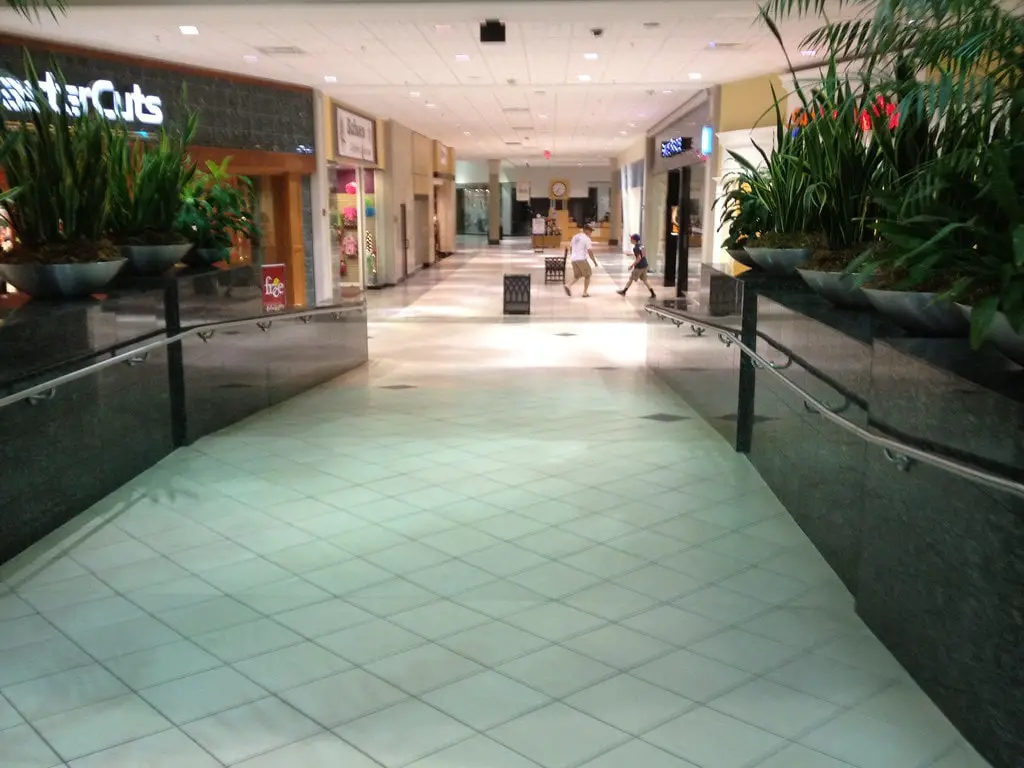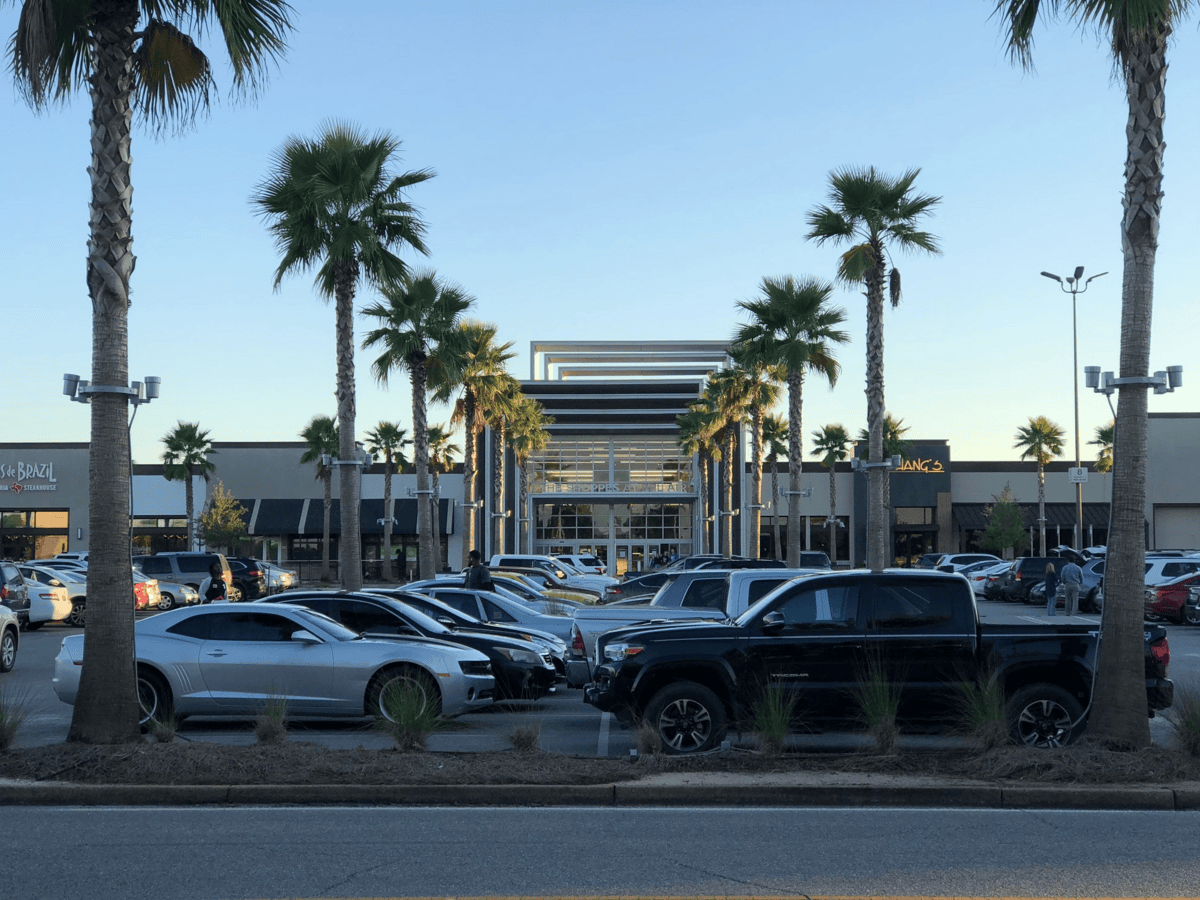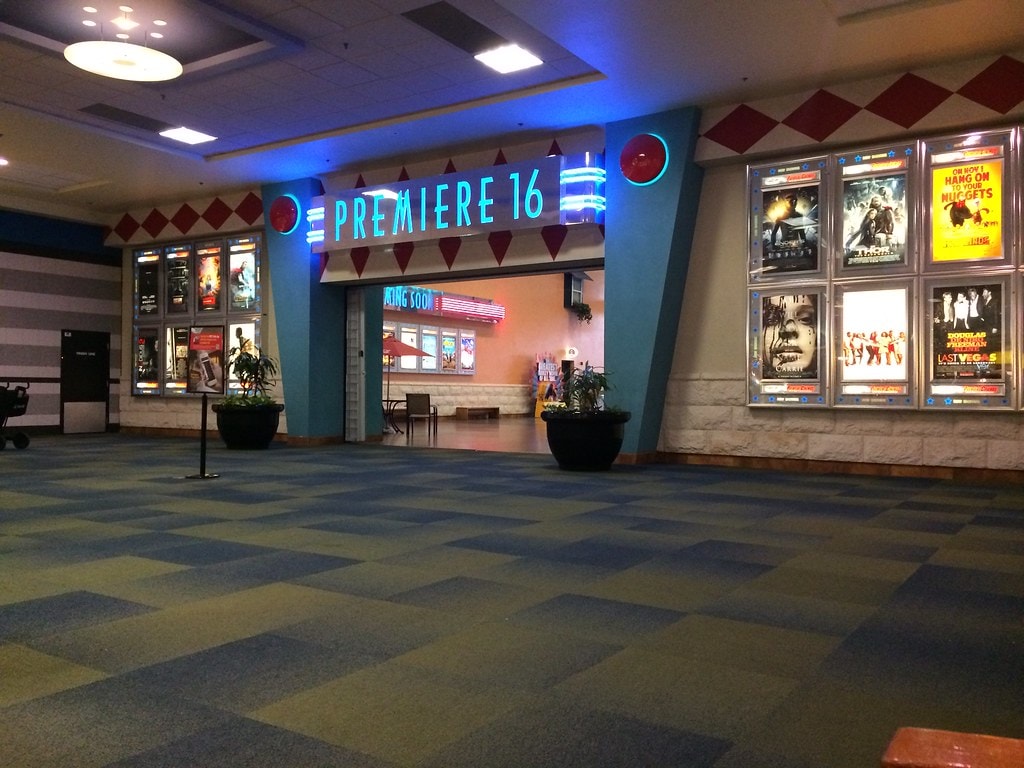
McFarland Mall opened at 900 Skyland Boulevard East on February 19, 1969. Tuscaloosa had its first fully enclosed shopping mall, set near the Interstate 20/59 interchange with McFarland Boulevard, U.S. Route 82, where drivers could exit straight into large parking lots.
The opening began at the main entrance with a ribbon-cutting.
Tuscaloosa Mayor George Van Tassel and Tuscaloosa County Probate Judge John Puryear took part, and Mary Katherine Hinton, 7, and Elizabeth Russell Hinton, 5, cut the ribbon.
Ward Wharton McFarland and James Hinton developed the mall. Ward Morrow McFarland, the son of Ward W. McFarland, managed operations.
Brandon Crawford and Associates designed the building. N.C. Morgan Construction Company served as the general contractor, and McGiffert and Associates handled engineering.
The mall replaced Woods Square Shopping Center and Leland Shopping Center as the city's main retail center.
It was among Alabama's early fully enclosed malls.
After Birmingham's Eastwood Mall was demolished in 2006, McFarland was often described as the state's second-oldest enclosed mall still standing, behind Mobile's Bel Air Mall (opened 1967).
McFarland Mall: The first anchors and the 1969 store mix
The mall opened with major anchors already in place. Woolco had opened in November 1967 and became a main anchor for the new enclosed mall.
Gayfers anchored the other end. A Winn-Dixie grocery store opened in 1968 on an out-parcel site next to the mall.
McFarland Mall launched with about 30 stores. Those included stops most people used all the time: the U.S. Post Office, City National Bank, and the ABC (Alabama Beverage Control) Store.
Then came familiar shopping names like Pizitz, Paul Brown Hallmark Cards Shop, and Orange Julius.
Clothing and shoes took up a big share of the lineup. That included Webster's Men's Wear, Eleanor Shop, Raymon's, Myrl's Boutique, and V.J. Elmore 5 & 10.
Shoe stores included Bell Shoes (or Bell Brothers Shoes), Butler's Shoes, and Wagner's Shoes.
Home and practical purchases filled in the rest.
Shoppers could pick up appliances at Postle Appliance Center, furniture at McArthur Furniture, hardware supplies at Munford Do-It-Yourself, and car-related items at Auto-Lec.
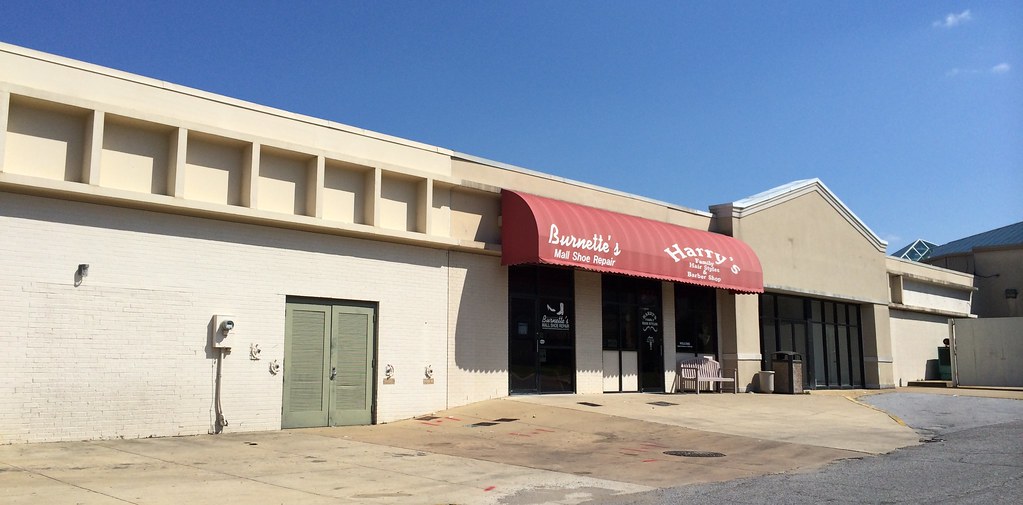
The mall also had the small services that kept people coming back. That included the Mall Barber Shop, Mall Shoe Repair, and Northington Laundry.
For gifts and specialty shopping, there were Lawson's Gifts, Lorch's Diamond Shop, Gilberg's Fabrics, and the Drapery Shop.
Entertainment and media had a place too, with Newsom Record Shop and the WTBC Radio Station.
Other stores opened shortly after, including Baskin-Robbins, Chuck Collins Studio, Color Corner Photo Service, Jacobs Drug and Cafeteria, Lee Roy Jordan's Flaming Steakhouse, Loft Candy, NGC Twin Theaters, Spiller's Pet Center, and The Swiss Colony.
Skylights, banners, and 1970s expansion
McFarland Mall was built as an L-shaped shopping mall. Over time, it measured 459,000 square feet on roughly 42 acres.
Its location near the highway interchange made it easy to reach, and it helped push commercial growth toward the south side of Tuscaloosa.
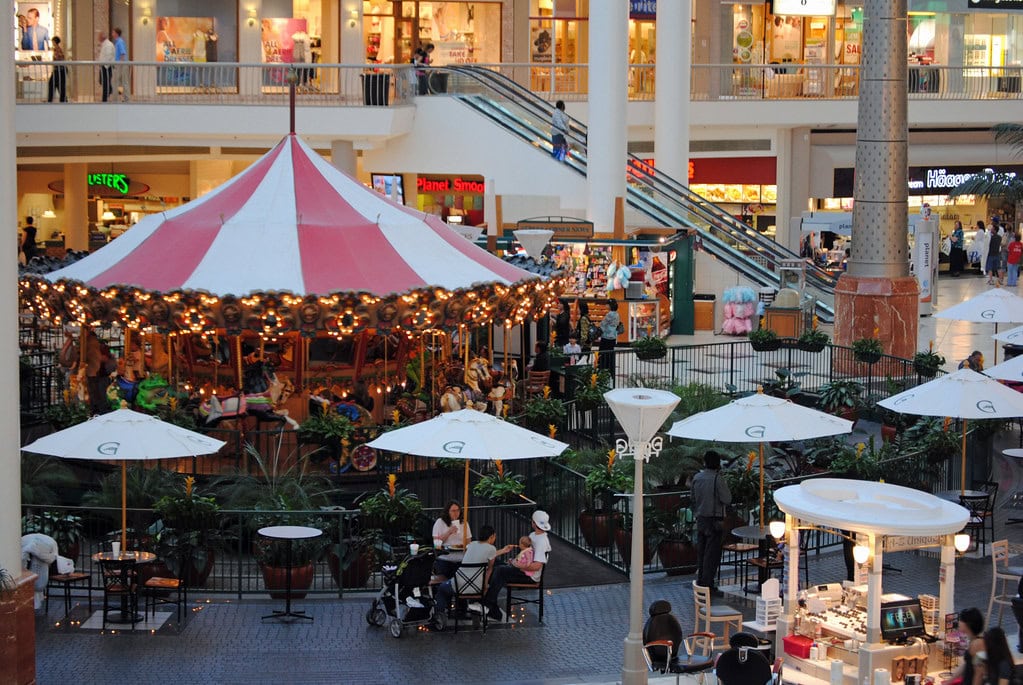
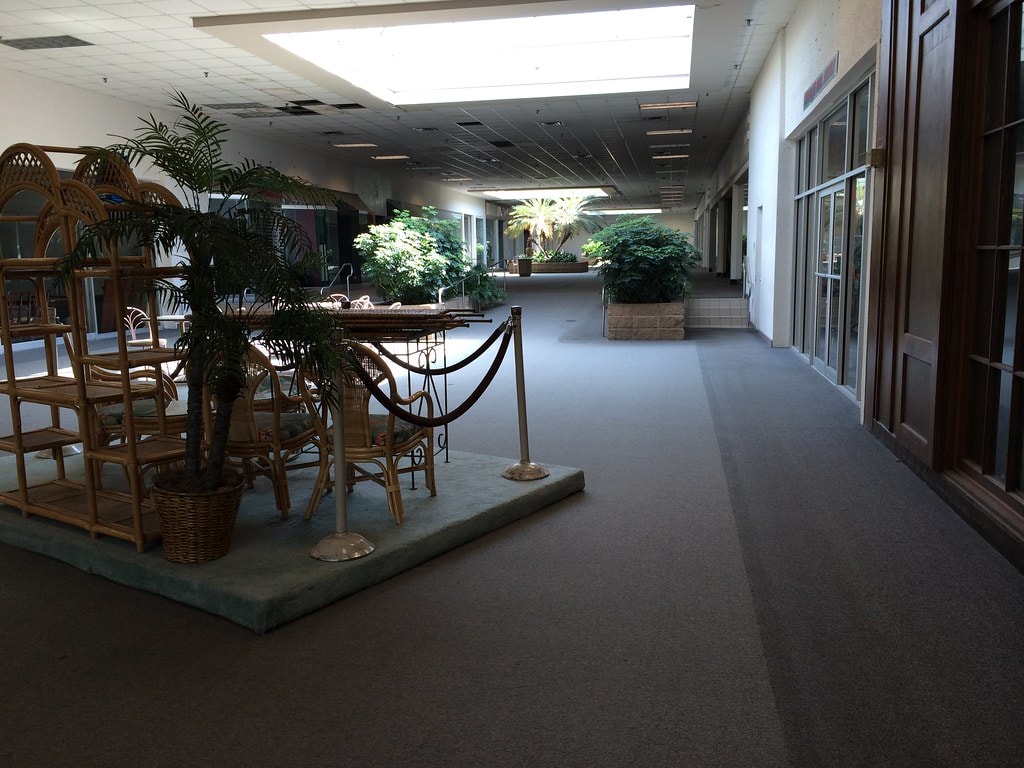
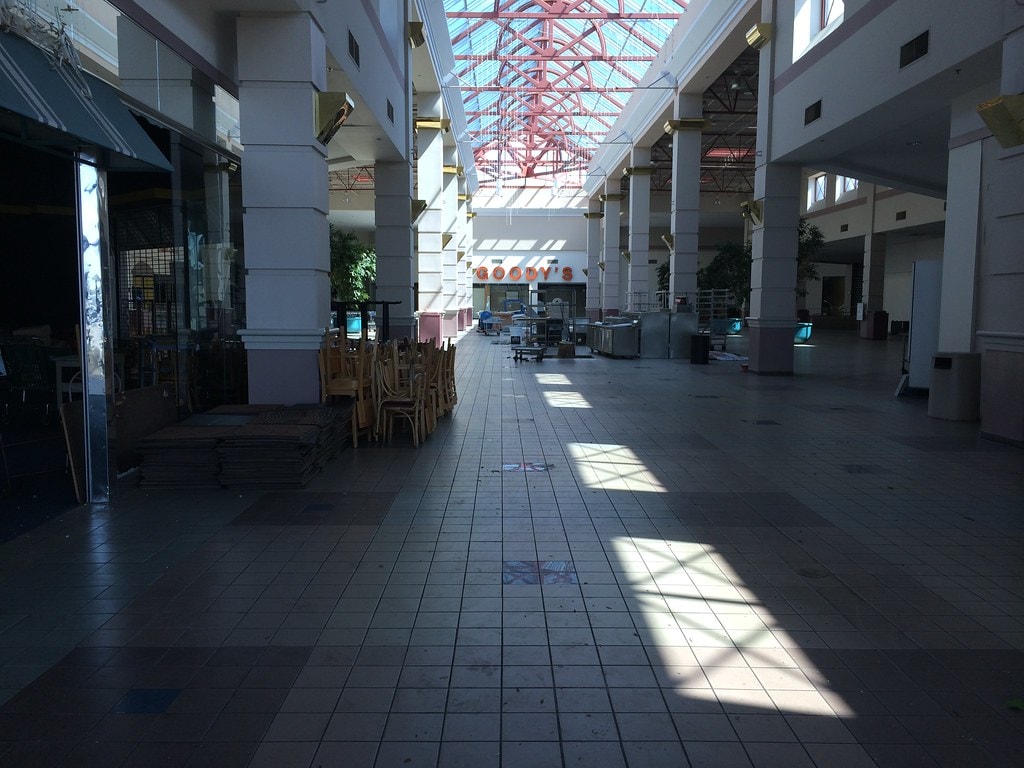
Inside, the mall had shiny, hard floors and skylights that formed small atriums. Columns carried triangular banners or inverted pyramids at the top.
One original entrance included a small ornamental tower that resembled a water tower, and that feature was later replaced.
Early advertising leaned hard on Woolco, and the mall promoted itself as a way to keep local shoppers from driving to Birmingham malls such as Eastwood and West Lake.
The mall also offered everyday services beyond shopping. It had a post office branch, a laundromat, and a shoe repair shop. It hosted special events as well, including boat shows.
In 1975, Gayfers added a second floor. That made it the only two-story tenant in the mall.
Renovations, food court, and bigger competition
In 1980, McFarland Mall received a facelift renovation, including new landscaping, an interior makeover, and a newly commissioned logo.
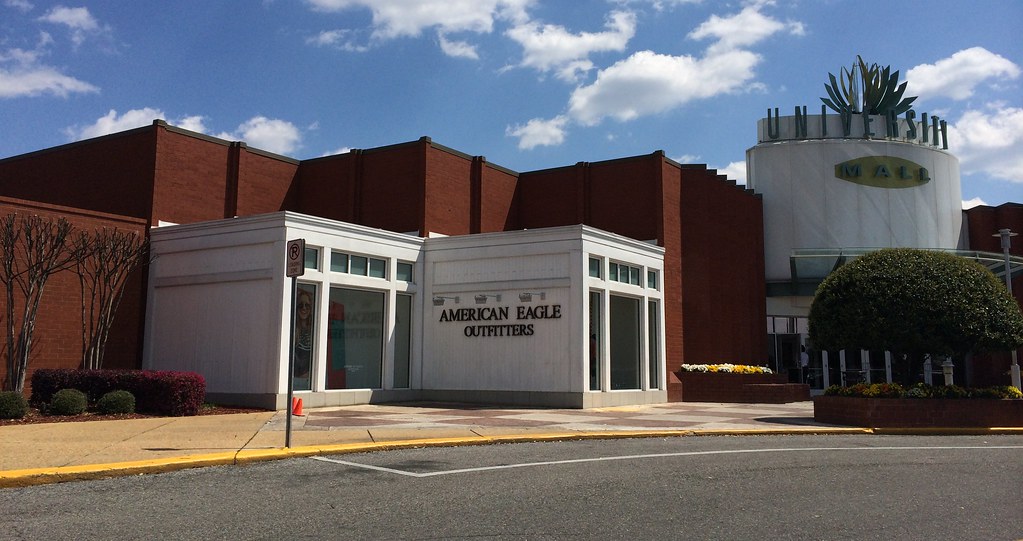
That same year, University Mall opened in Tuscaloosa, bringing direct competition from a newer enclosed mall.
After the renovation, store changes kept coming. Pizitz operated as a 10,000-square-foot junior anchor, independent from Birmingham's Pizitz, and it closed in 1980.
Woolco closed in 1983, and Zayre moved into the space the same year.
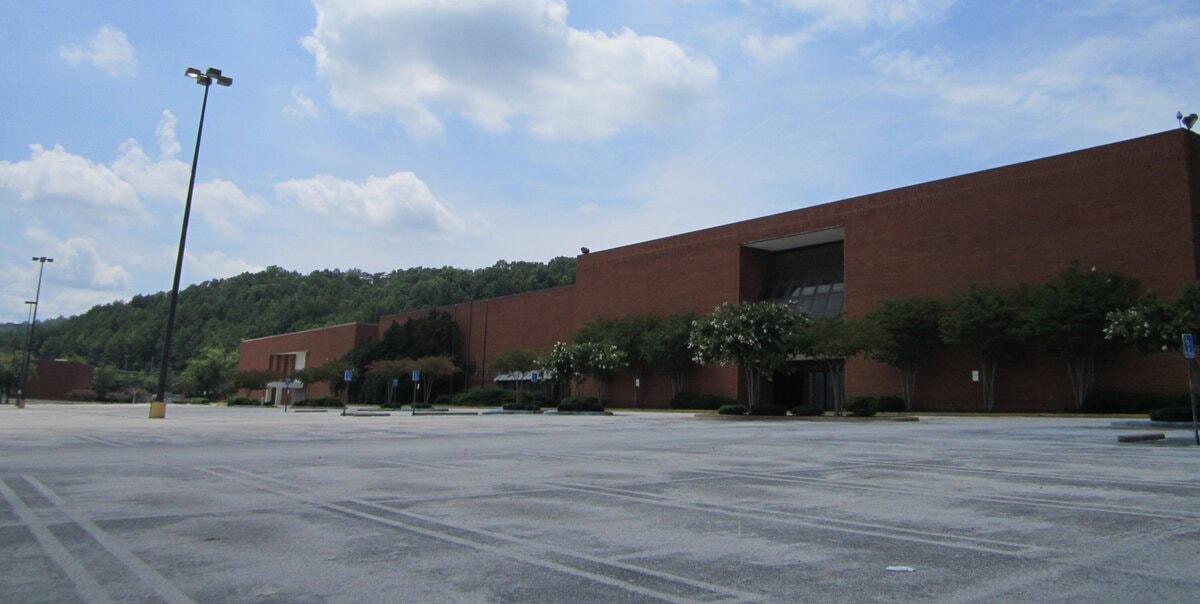
McFarland Mall underwent a major reconstruction and expansion in the early 1990s, running from February 1992 through August 1994.
1992-94 project increased the mall from 459,000 to 497,000 square feet and added more anchor space and a movieplex.
By the 1990s, the mall offered a wide mix of everyday shopping and practical stops.
It included books and music, electronics, diamonds, liquor, greeting cards, fabrics, appliances, furniture, groceries, and small services like the post office and shoe repair.
1989-1998: reshuffles and new names
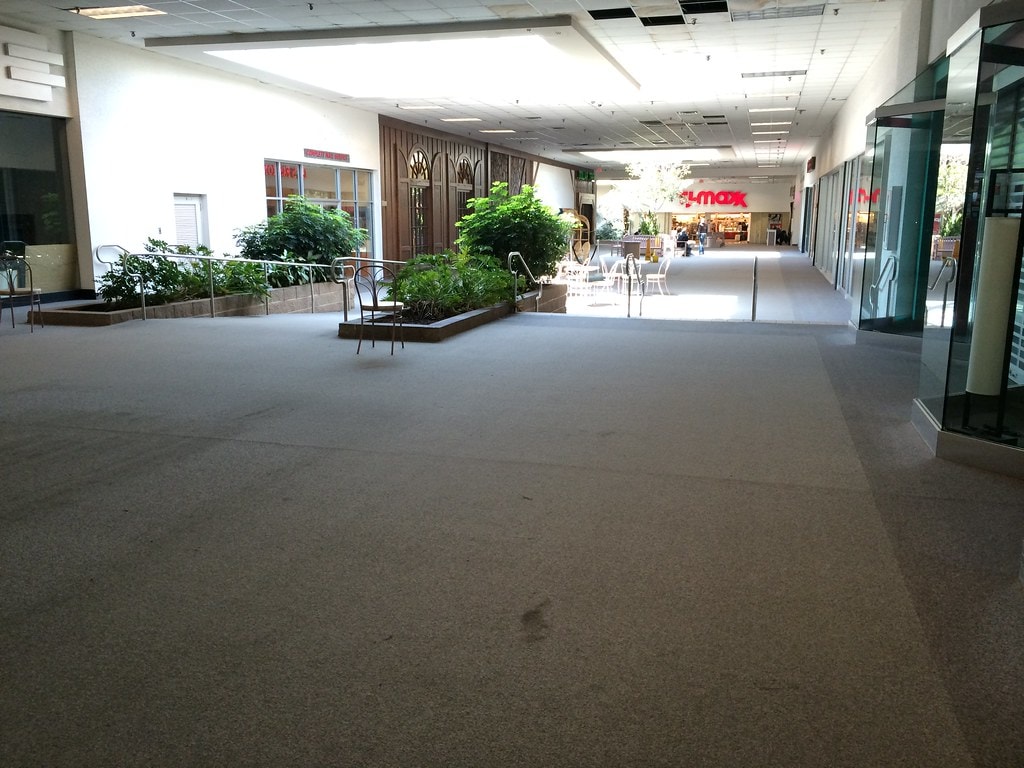
After Zayre closed in April 1989, the former Woolco/Zayre space was divided into smaller units: T.J. Maxx opened in October 1989, and Drug Mart began business in 1990.
Between Drug Mart and Heilig-Meyers, a Crafts, Etc. store filled space that later became Michaels.
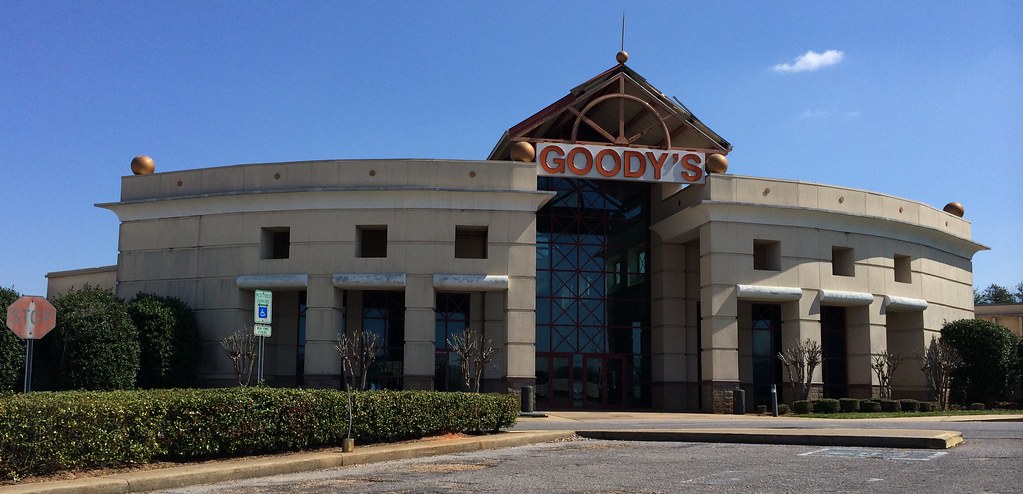
In 1994, Goody's Family Clothing opened in a new anchor space. A major anchor change followed in 1998, when Gayfers became Dillard's.
Around the property, Winn-Dixie relocated, and Books-a-Million moved into an out-parcel building.
At its peak, McFarland Mall had four anchors, about 60 stores, a 12-screen movie theater, and a food court. The theater ran as Fox 12 and later as Regal.
Food court names included Fair-Snak and Orange Julius, with later offerings such as Pasquale's Pizza and Pasta.
The mall's footprint and tenant mix made it a long-running retail hub in West Alabama.
It also served as a place for community programming, including "Great Day Tuscaloosa," a public access TV show filmed near the food court with white wicker furniture and ferns and hosted by city councilor Kip Tyner.
The 2000s slide as anchors disappear
University Mall opened in 1980, and McFarland Mall now had a stronger local rival. The decline that followed got worse in the 2000s.
Midtown Village, a shopping center with stores outside, added more competition. In 2004, Pate's Hollywood 16 multiplex opened, giving the area a separate movie draw.
During the same period, major closures piled up inside the mall. Heilig-Meyers closed in 2001. The Fox 12 theater closed in 2004. Dillard's closed in June 2008, and Goody's closed in February 2009.
An arcade remained open until the mid-2000s, but this did not change the mall's overall decline.
Even with more empty space, parts of the mall kept operating into the late 2000s. The food court stayed open, but its selection was different from previous decades.
The mall included urban clothing stores, a dollar store, a curio shop, and kiosks selling phone accessories and jewelry.
Sale to Stan Pate and the last open doors
Ownership stayed with the McFarland family through Ward McFarland Inc. until May 2009. That month, the property was sold to Tuscaloosa developer Stan Pate, ending the family's direct connection to the mall.
Changes followed quickly. After Dillard's closed in 2008, its wing was blocked off in 2010. Pate weighed renovations or full demolition as the mall continued to lose tenants.
In December 2012, he announced plans for Encore Tuscaloosa, aimed at redeveloping the property.
Early tenant names connected to those plans included Cheddar's Casual Cafe, Texas Roadhouse, and a relocating Books-a-Million, with Bed Bath & Beyond showing interest.
Books-a-Million closed at the site in May 2013 and relocated. Cheddar's opened in April 2013 and later closed in 2016. Michaels had moved to McFarland Plaza years earlier.
By June 2015, the T.J. Maxx wing had three indoor tenants - T.J. Maxx, Classy Threads, and IT'S Fashion - and three exterior tenants.
IT'S Fashion moved to University Mall in 2015. In March 2016, T.J. Maxx left for McFarland Plaza, moving into a former OfficeMax.
Shoe Station closed around the same time and later moved to McFarland Plaza into a former Shoe Carnival space.
McFarland Mall fully closed on September 1, 2016.
By 2018, the mall was often called a "lost mall" and an "eyesore." Still, the mall was in a busy area near interstates, so people kept wondering what would happen to it.

Years of demolition, down to Dollar Tree
Demolition began on March 19, 2014, and it started with the Dillard's anchor.
Work later restarted on December 15, 2020, when crews took down the former Chili's. On February 23, 2021, demolition shifted to the old Woolco wing.
That wing had held Sticks 'N' Stuff, Michaels, Shoe Station, and the former T.J. Maxx. The former Goody's came down on April 20, 2022.
Even as the site changed, parts of the old structure still had short-term uses for a while.
The former Sticks 'N' Stuff space hosted Spirit Halloween every year until 2020. After that, the seasonal store moved to University Mall's former Sears building.
The former Books-a-Million out-parcel later became Roadside Antiques, and that building was demolished in 2024.
By May 2022, the property looked like a construction site, with bare frames, piles of broken concrete, fences, and building machines.
About 2.5 acres had been cleared by then, with plans to clear another three acres.
Dollar Tree was the last business on the site. It closed in July 2025, and the building was torn down on August 6, 2025.
Encore Tuscaloosa and the quiet "Project X"
The old mall site is cleared now, and the work has moved into the early stages of rebuilding.
Instead of tearing down structures, the focus is on planning and preparing the land. The redevelopment is called Encore Tuscaloosa.
It covers about 35 to 42 acres. The plan includes a full-service hotel and a smaller hotel, along with casual restaurants, coffee shops, fast food places, and stores.
City support for the project took shape in May 2024, when the Tuscaloosa City Council approved a $65 million performance-based incentive package for Encore LLC.
The agreement provides no upfront cash or debt. It can run until December 31, 2048, or until the incentives are fulfilled.
The deal also blocks certain uses on the site, including bars, flea markets, etc. The project is expected to create nearly 850 jobs.
The timeline shifted again by December 2025. Work stopped to make room for a confidential large tenant called "Project X," which could use about 20 acres.
Stan Pate asked the city to change the incentive agreement so the project could wait up to five more years to land "Project X" before the main incentive period starts, and so the incentives would no longer be limited by the original cap.
The finance committee approved these changes in December 2025, and the full council voted on January 6, 2026.
As of early 2026, work on the property focused on drainage and building the base for future construction, with bigger buildings expected later.
Encore Tuscaloosa advances alongside the Alberta, NorthRiver, and Springbrook projects, and the city presses ahead with its vision for sweeping redevelopment.