
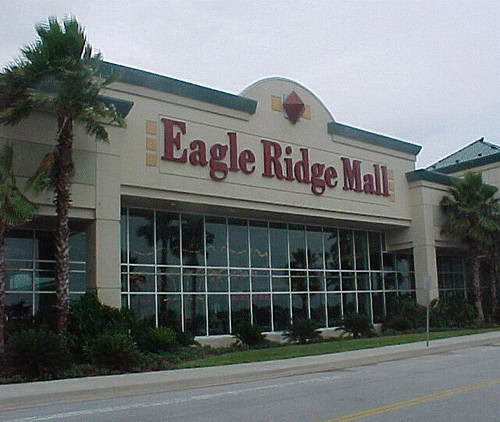
On the morning of February 22, 1996, something remarkable happened in Lake Wales, Florida. Before the doors of the brand-new Eagle Ridge Mall had been open for 30 minutes, 3,700 people had already pushed through the entrance.
By the time the lights dimmed that night, over 20,000 shoppers had walked the mall's corridors - an opening day that felt less like a retail launch and more like a town coming alive.
The mall was built on Eagle Ridge Drive by developer General Growth Properties at a cost of around $100 million.
It covered 660,000 square feet on a single floor, and it came loaded with the things families in a working-class community had been waiting for.
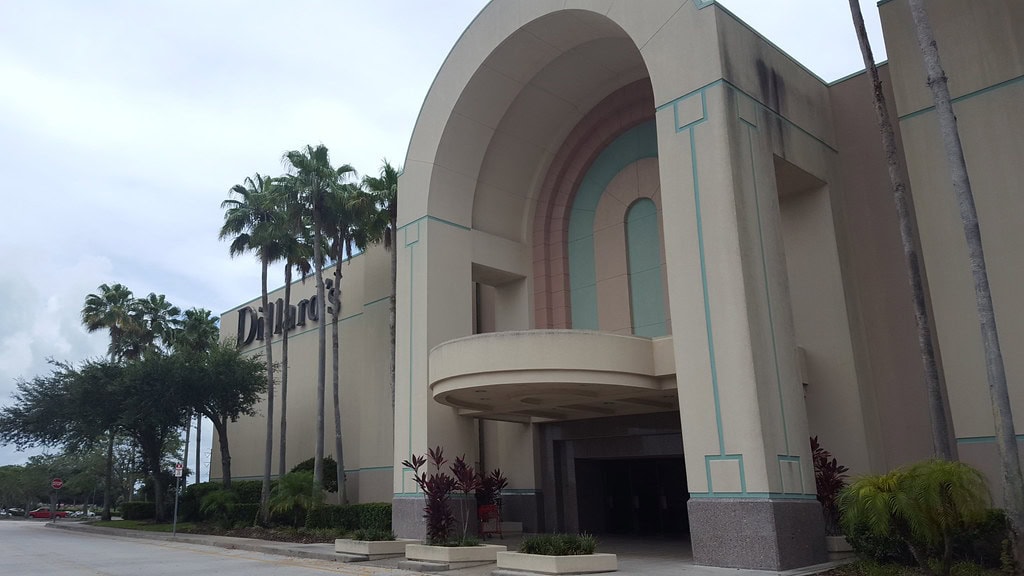
Three anchor stores - Sears, which had relocated from the nearby Winter Haven Mall, JCPenney, and Dillard's - lined the mall from end to end.
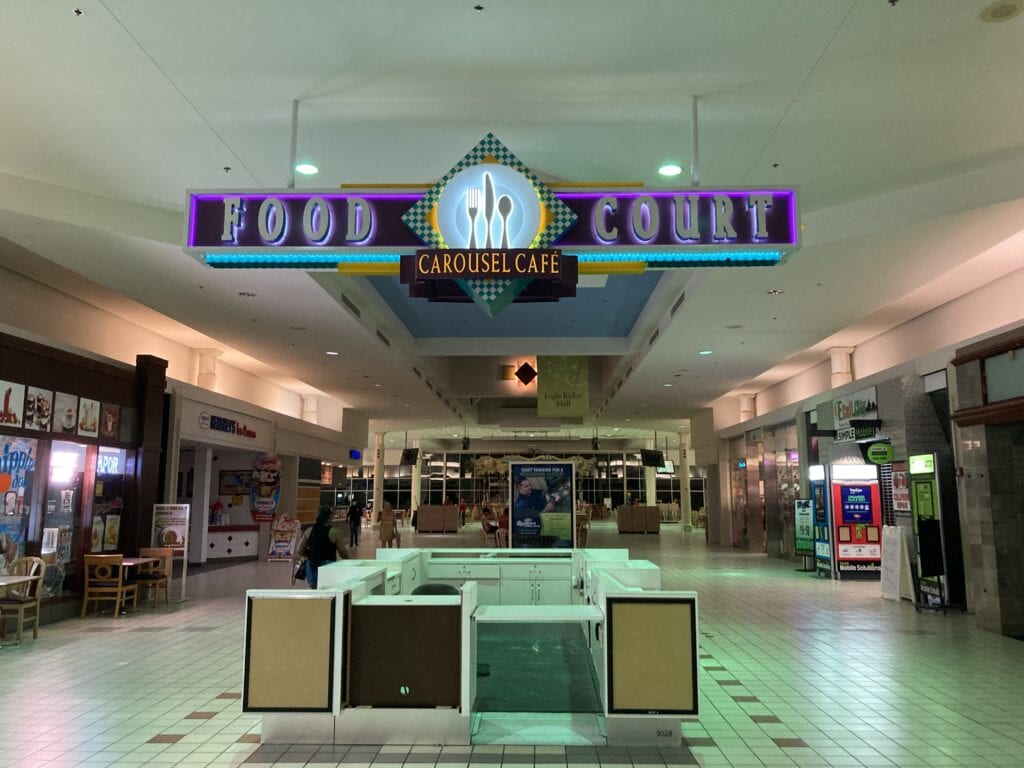
Inside, shoppers found roughly 90 stores, a large food court on the north side, a carousel, and a bowling alley. A movie theater opened a few months later under the name Cobb Theatre, bringing 12 screens to the area.
The mall was designed with families in mind. There was a children's play area, a video arcade, and plenty of fun things to do for an afternoon.
For Lake Wales, a city in the middle of Florida between Tampa and Orlando, this was a real boost for the community.
The excitement of that first day lasted for years, and people who were there still remember it.
The Ground Gives Way: Two Sinkholes in 1998
Just two years after opening, Eagle Ridge faced a crisis that nobody had planned for. In June 1998, the floor of the children's play area cracked and dropped.
A sinkhole opened up in the central pedestrian corridor, which was one of the busiest parts of the mall.
The hole measured 80 feet across and 14 feet deep. While workers were still trying to figure out how to fix it, a second sinkhole appeared under the floor of the Sears store.
Sinkholes are common in central Florida, where the ground is made of limestone that can wear away over time, creating empty spaces underneath.
But two of them opening up inside a busy shopping center was a completely different situation.
The repair work required 12,000 cubic yards of concrete to stabilize and fill the affected areas. It took more than a year to complete before all areas of the mall were reopened.
The job was significant enough to be detailed in a study published by the American Society of Civil Engineers in October 1999, describing how engineers had approached the repairs.
The sinkholes also hurt the mall's reputation. One shopper who had been coming since opening day later said the decline seemed to start then, as the sinkhole damage and a weak local economy affected the mall for years.
Ownership Changes and a Record Bankruptcy
The years that followed brought calmer times for Eagle Ridge. In 2000, the department store chain Belk looked at relocating to the mall from its location at Northgate Shopping Center in Winter Haven.
Belk ultimately decided against it, choosing instead to build a new store on the site of the former Winter Haven Mall after that property was torn down.
The mall kept operating under General Growth Properties, which by 2009 owned over 200 malls and shopping centers across 44 states.
Then, in March 2009, the company filed for Chapter 11 bankruptcy. It was called the largest real estate bankruptcy in United States history at that point.
Eagle Ridge was one of hundreds of properties caught up in the filing.
The mall came out of that process and was sold to Madison Marquette. In April 2013, a Texas-based company called T Eagle Ridge FL took over the 660,000-square-foot property when it was sold again to the Tabani Group.
These were years when the retail world was starting to shift in ways that would affect malls everywhere.
Online shopping was growing, foot traffic was softening, and major department stores were reviewing which locations made financial sense to keep open.
Eagle Ridge, like hundreds of similar properties across the country, was beginning to feel that pressure with each passing year.
The 20th Anniversary: Still Standing, but Changing
By February 2016, Eagle Ridge had been open for 20 years. The mall was sitting at 90 percent occupancy.
General Manager Edward Bean celebrated the anniversary by showing clear signs that the place was still active.
He talked about a plan to hold entertainment events every week or two - magicians, balloon artists, face painters - to keep families coming through the doors.
A few longtime tenants were still there. GameStop, which had opened under the name EB Games on the mall's first day, kept a steady stream of younger shoppers coming in.
Some tenants saw steady, slow improvement and said the mall was gaining ground over time.
A newer food tenant said the lease terms were unusually good and made opening there an easy decision, and that the mall still had room to grow and was performing better than people assumed.
Other visitors did not agree. A longtime shopper said she came much less often than she used to, and she blamed the shift on two turning points: the sinkhole incident and the wider economic downturn that followed.
Late that same year, 2016, Sears announced it would close its Eagle Ridge location as part of a nationwide reduction in stores.
Auctions, Flares, and a Department Store Exit
The two years following the Sears announcement brought more trouble for the mall. In January 2018, two signal flares were set off inside the building.
The flares produced a large amount of smoke but caused no injuries. That same year, Eagle Ridge was sold at auction.
The opening bid was set at $2.7 million. A Michigan company called Stockbridge Enterprises bought the property for $7.8 million.
By the time of that sale, the mall was only 71 percent occupied. Its appraised value in 2017 had been $2.6 million - down from $4.1 million in 2013.
The building that had cost $100 million to construct two decades earlier was now selling at auction for a fraction of that.
Then came June 2020, and with it an announcement from JCPenney. The chain said it would be closing 154 stores nationwide as part of a bankruptcy reorganization.
Eagle Ridge's JCPenney closed around October 2020. The mall had now lost its second anchor tenant in four years.
Dillard's, present since opening day in 1996, became the only anchor store still operating. The two large spaces left by Sears and JCPenney sat empty, and the mall was beginning to look like it had no clear path forward.
A New Manager Brings the Air Back On
The COVID-19 pandemic left Eagle Ridge with about 40 businesses still open in its huge building, much less than the busy scene in the late 1990s.
Then, new managers took over, and people in Lake Wales began to notice.
Charles Caraway took over as mall manager in June of that year. His first move was practical: fix the air conditioning. Complaints about the heat had been stacking up from shoppers for a long time.
Caraway spent $40,000 to fix the system, and for the first time in years, it was comfortable to walk through the mall again.
His second move was to make the mall affordable for small businesses. He set rental rates as low as $1,000 a month and covered electricity and water in the lease.
New stores started arriving: a juice bar, a tattoo salon, an art gallery, an insurance agency, a toy store, a comic books and collectibles shop, three boutiques, and a hair salon.
Spirit of Halloween opened from July to November and pulled in a wave of foot traffic ahead of Halloween.
The mall climbed from near-empty to 56 stores out of 95 available spaces, with roughly one new business arriving every month.
The Bowling Alley Returns, the Community Rallies
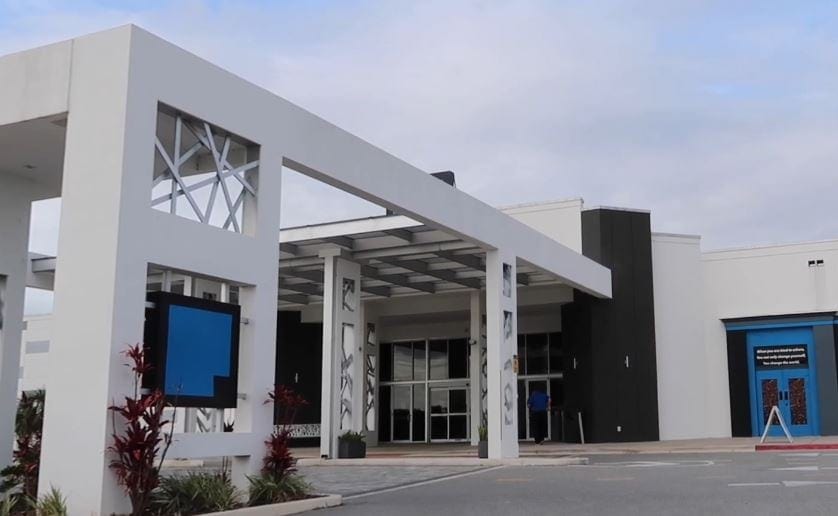
A major step in the mall's recovery happened when the old bowling alley and entertainment center reopened.
Before COVID, that space had run as Kings Burgers and Imperial Lanes and had been shut for years. When it came back, it was rebranded as Lake Wales Bowl.
The new setup included 14 bowling lanes, 15 arcade games, and a refurbished restaurant that began serving pizza, hot dogs, and wings, with a full-service menu following.
The revival spread beyond entertainment. The former Sears building - a large empty space since 2017 - became a distribution center for The Freedom Tour, a charity operation running food drives.
Eagle Ridge Mall's 70+ Tenant Rebound
After Caraway's tenure, Curtis Gibson stepped in as general manager.
Gibson had deep local roots - he grew up in Lake Wales, later served as a city commissioner, and had worked at the mall's movie theater earlier in his life.
He knew what this place had meant to the community.
When Gibson spoke to more than 100 business leaders at a Business After Hours event co-sponsored by the Lake Wales and Winter Haven Chambers of Commerce, he said the mall "belongs" to the people of the Ridge, from Frostproof to Winter Haven.
When he had taken over management after COVID, roughly 35 businesses were operating in the building. Under his watch, that number climbed past 70, even with the two large anchor spaces still sitting empty.
Gibson settled on a rental rate of roughly $16 per square foot with water and electricity included - still well below the Tampa-area average of about $25 per square foot. Entrepreneurs responded.
El Pilon Loko, a Puerto Rican restaurant, moved into a large space next to the food court. A new pizzeria opened in the food court as well. Regal Cinemas, with its 12 screens, was operating again.
Mall management actively marketed the two empty anchor spaces as housing development in the surrounding area continued to grow.
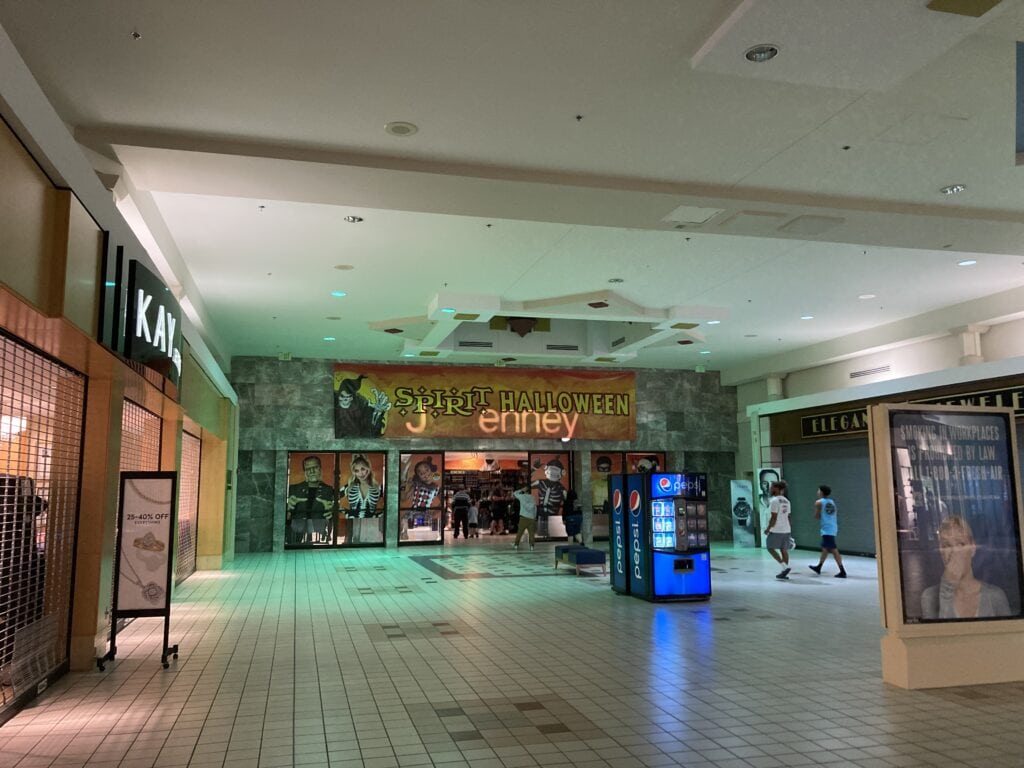
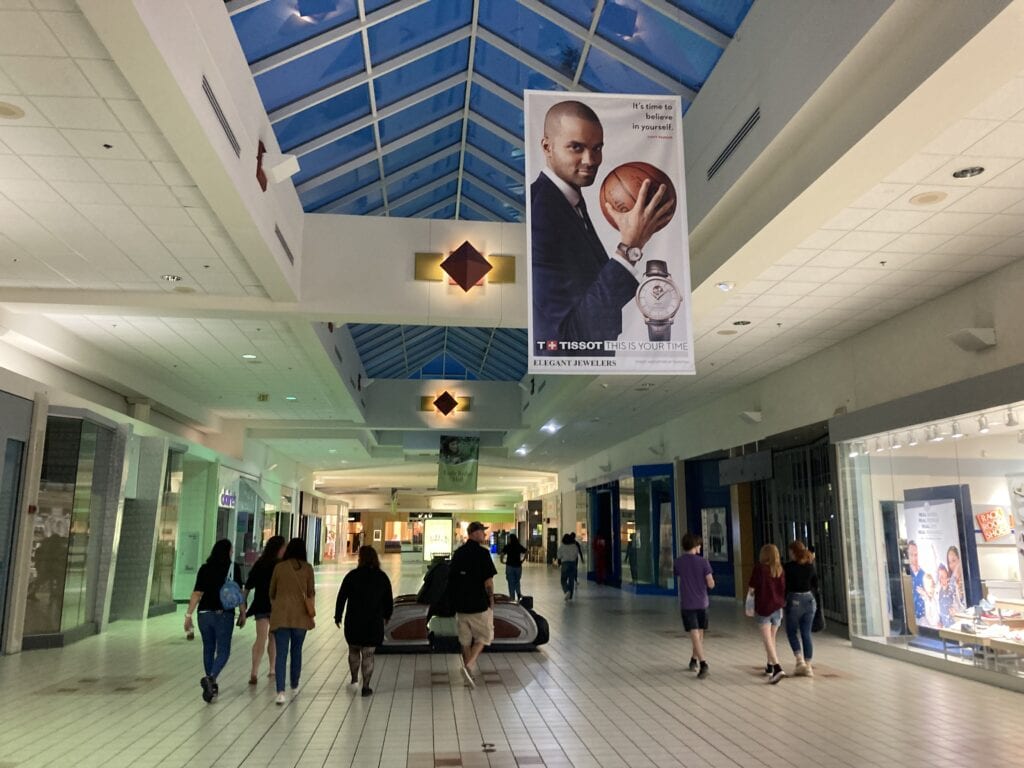
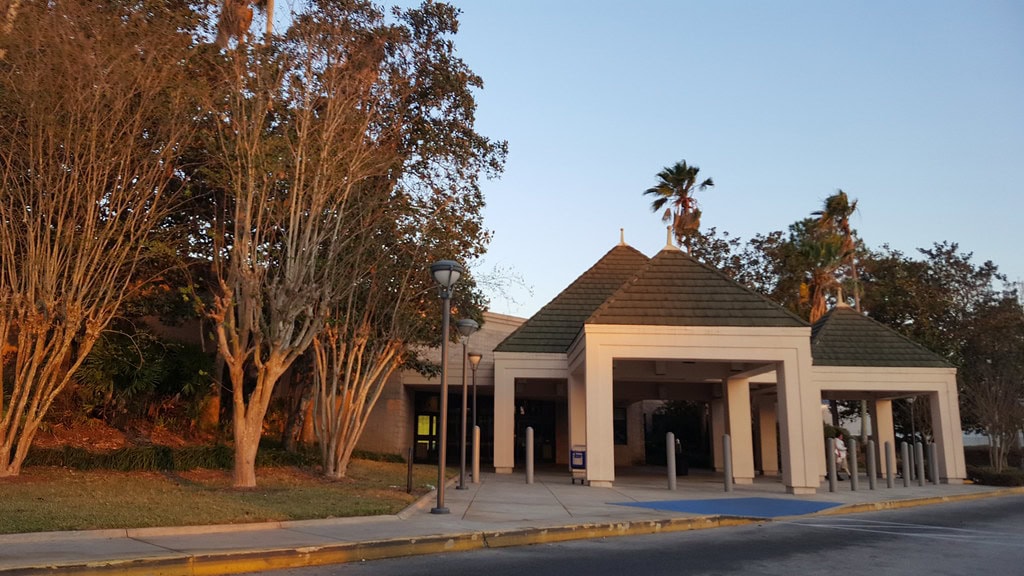
Eagle Ridge Mall looks worn in places, but it is still operating. Some interior areas appear dated, and the condition is not consistent from one section to the next.
Parts of the building also look like they need more routine maintenance. Even so, the mall does not come across as empty or shut down.
The entertainment area continues to attract visitors, which helps keep the mall active instead of feeling empty. Some sections are better maintained and busier, especially where people have a reason to spend time.
Overall, the mall is still being used, with signs of wear, but there are enough open and working areas so it does not feel deserted.
When I moved to Florida 10 years ago from the West Coast, I immediately went in search 🚗 of a Mall. For more than 30 years, that's all I knew was Mall shopping: Del Amo Mall, Lakewood Mall, Carson Mall, Cerritos Mall. I didn't have anything against Strip malls, I just enjoyed being enclosed. No matter the weather, I could park, do all my shopping 🛍️get a bite to eat and then return home with the "goods".
2020 is when I personally noticed the decline in shoppers at Eagle Ridge Mall and I worried. I hoped for the Best, but prepared for the Worst. I would have to drive 30 miles to Lakeland Center. So, if Eagle Ridge is slowly but surely making a comeback just in time for Summer break - Great ‼️
Wishing each Department, Specialty store, Restaurant and Kiosk the best.
I really appreciate your perspective. It's true, there's something nostalgic and comforting about mall shopping. So here's to hoping for a successful season for all the shops at Eagle Ridge.
Thank you!
Mall shopping is perfect for Florida. I the hear it is a great place for leisure time.
Walking is nice cool place at Eagle Ridge, especially now that the covid threat has lessened for most all of us. Take advantage again😉, enjoying the time to window shop, eat, whatever.
I'm glad to know that you enjoy spending time at Eagle Ridge Mall. It's indeed a great place to unwind, take a leisurely walk, and indulge in some retail therapy.
I worked there in JC Penney when they first open the mall then I worked in one of the jewelry store now we just open a spanish church Ministerio Unidos en Amor
yes we’re bringing Gods presences to the mall and we’re opening The Promise Christian Store I know we’re going to be a blessing to this mall praying for everyone thank you MR Curtis
Thank you for sharing your story and positive contributions to Eagle Ridge Mall. It's heartening to see individuals like you making a difference and creating spaces catering to diverse needs and promoting community and spiritual well-being.
Moving from NJ to FL was a culture shock. We have so many malls and I prefer to shop indoors, eat a little something then continue with shopping. I have been praying that Eagle Ridge makes a come back as it’s the closest mall to Winter Haven and only mall! PLEASE BRING BACK INSIDE MALL SHOPPING
Thank you for sharing your experience of moving from New Jersey to Florida. The transition must have been significant, especially in terms of shopping culture. Your comment resonates with many who prefer the traditional mall experience.
I don’t believe the mall will make a comeback! It is very disappointing to go there! Dillard’s is the only place to shop! There just aren’t any good stores at Eagle Ridge! I think they should knock it down, keep Dillard’s and make a strip mall like Lakeside Villages in Lakeland!
Thanks for your feedback! It’s disappointing when a mall doesn't have enough good stores to make it worth the trip. Your idea of turning it into a strip mall might bring some new life to the area.
My wife and I moved from Maine to Florida in 2003 and the first place we went shopping was the Eagle Ridge Mall. It was a great place, you could spend the whole day there because of the great places to eat and shop, and even get some exercise walking around from store to store. I hope that someone brings it back to life again. 😊🙏
Thank you for your lovely memory! It’s clear that Eagle Ridge Mall held a special spot in your heart. I’m hopeful it can come back to life as well.
When my husband/I first moved to Central Florida from Long Island we would visit Eagle Ridge Mall and shop there. However, as time moved on we slowly moved away from the mall due to closures and quality of some of the stores. My own suggestion bring in a Homegoods, Marshalls, Ross Store and perhaps have Bath and Body expand to a larger store similar to the one at The Florida Mall. Recently visited the new Primark Store where prices are reasonable. Those are my thoughts.
Great feedback! Thanks for commenting. Those are some great ideas—Homegoods, Ross, and Marshalls would be awesome additions. I’d love to see Eagle Ridge Mall thrive again with those kinds of stores.
I'd like to see an area used for a public market, as in Philadelphia, New York, Seattle. Local farm produce, seafood, beef could be featured.
Great idea, thanks for sharing! A public market would be such a unique and fresh addition to Eagle Ridge. It would be amazing to see local produce and goods showcased like that.
I've shopped at Eagle Ridge Mall for decades. however. I often think about driving out there to see if it's still in operation. I've bought plenty of merchandise from Sears, Dillard, J,C, Penny. several things out of Footlocker. Bath & Beauty. Vitamin world, coffee shop on corner going into the mall . food court. even seen movies with my daughter. it sure use to be a nice place to shop.
Your memories really capture how special Eagle Ridge Mall once was! You’ve experienced so many wonderful moments at the mall. I think many people share your nostalgia. Thanks for reminiscing with us.