In spring 1970, the land along La Grange Road in Orland Park, Illinois, was still being farmed.
That year, workers from Illinois Lawn Equipment came to the Rafacz Sod Farm for outdoor field days. The area was open and flat, with no notable buildings around it.
Within five years, the same land looked very different. Aerial photographs from 1975 show steel beams rising where rows of sod had once grown.
The farmland along the La Grange Road corridor was being replaced by a construction site and a new kind of development.
Orland Park was incorporated in 1892. In the early 1970s, it was still a small village surrounded by open land.
The choice to build a large enclosed regional shopping mall on the Rafacz site was a major decision about the future of the southwest corridor.
For a community that still had close ties to its rural past, the change along La Grange Road was dramatic.
Orland Square and nearby Orland Park Place helped Orland grow in the 1970s. Then it became one of the fastest-growing communities in the Chicago suburbs.
The mall was built first, and the group of businesses that grew around it influenced Orland Park's future for years to come.
Orland Square Opens Its Doors in 1976
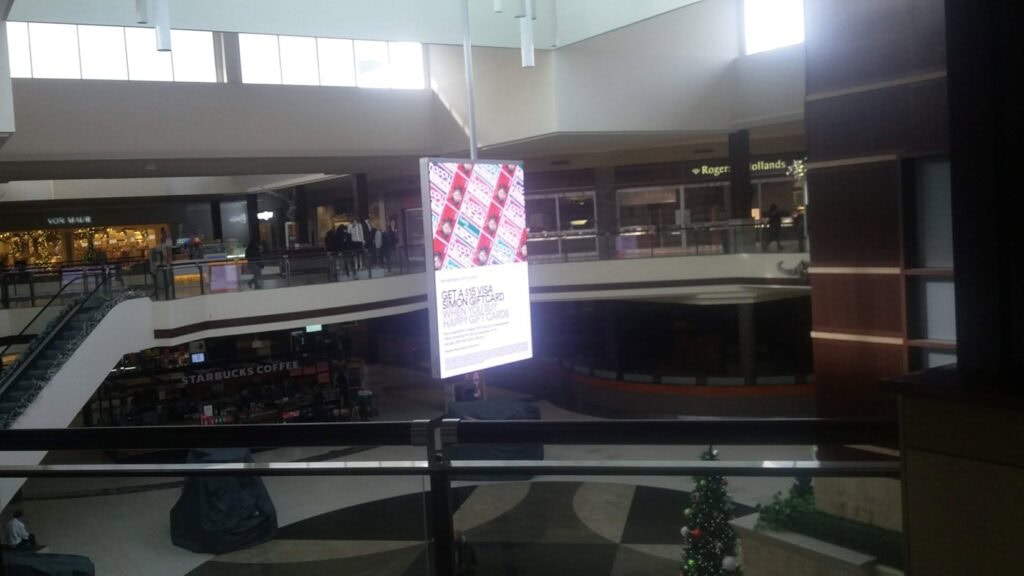
Today is exactly fifty years since Orland Square opened to the public. The mall began operating on March 15, 1976, at the corner of 151st Street and La Grange Road as a large enclosed regional shopping center.
Homart Development Company developed the project, and Skidmore, Owings & Merrill was the architect. Two anchor stores were there from the beginning: Sears and Marshall Field's.
Both were major names in Chicagoland retail, and their presence showed that the mall was built to attract shoppers from across the southwest suburbs.
The rest of the anchor lineup came the next year. JCPenney opened in April 1977, and Carson Pirie Scott opened later in 1977.
By the end of that year, Orland Square had four department store anchors: Sears, Marshall Field's, JCPenney, and Carson Pirie Scott.
That four-anchor layout followed the model used by the largest suburban malls in the Chicago area, and it shaped Orland Square's identity for decades before the retail business began to change.
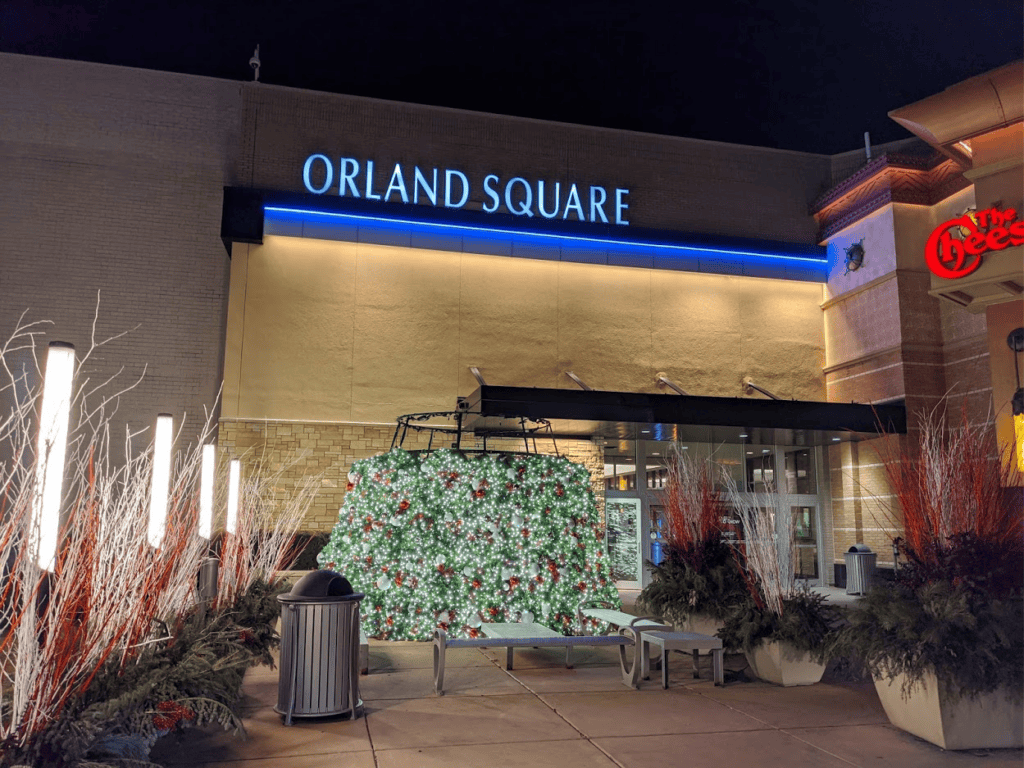
A Renovation, a New Owner, and New Plans
Orland Square kept the same owners until the 1990s. The biggest physical change during that time came in 1995, when the mall went through a major renovation.
Not much detail about that project has survived, but the date is clear.
In 2011, plans for another update made clear that the mall had not had a major makeover in 17 years.
Two years after that renovation, the mall changed owners. Simon Property Group, the largest mall operator in the United States, bought Orland Square in 1997.
From that point on, the mall's future was in the hands of a company that managed one of the largest commercial real estate portfolios in the country.
The 2011-2013 Makeover Changes Everything
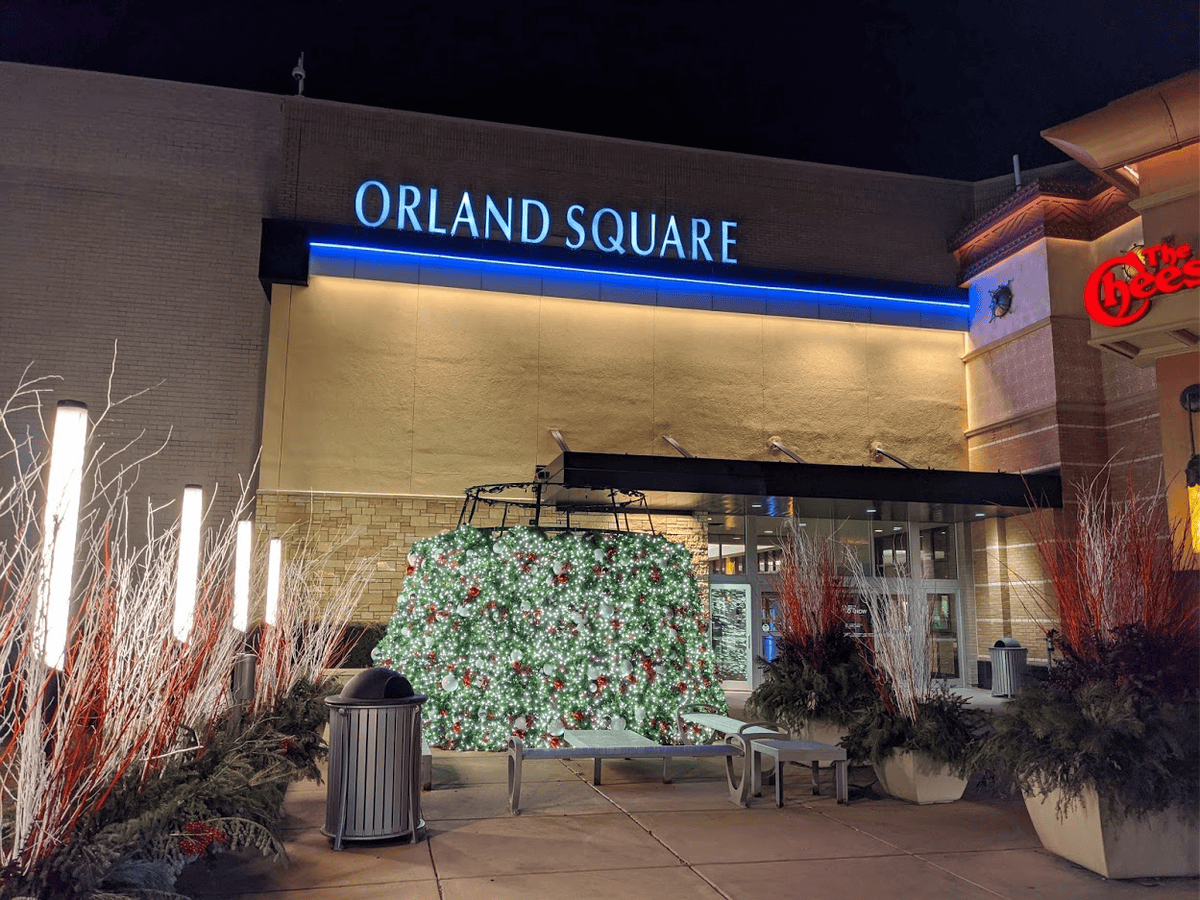
Simon made a major physical investment in Orland Square in 2011, fourteen years after the acquisition. The renovation plan announced that spring was detailed and wide-ranging.
It called for a redesigned food court with a new main entrance and fountains, new doors and landscaping at all four pedestrian entrances, replaced flooring and lighting, freshened bathrooms, a new children's play area, and a family lounge.
Out went the old turquoise color scheme, and in came wood accents and neutral finishes. By November 2011, the teal awnings were already coming down, and new black-lettered signs were going up.
The bigger additions came in 2012. Dave & Buster's opened a 25,000-square-foot entertainment venue at 49 Orland Square Drive in the fall, becoming the chain's 60th large-format location.
The Cheesecake Factory followed on December 5, 2012, in a roughly 9,400-square-foot restaurant at 304 Orland Square Drive with seating for 255 guests.
Simon logged both in its 2012 development activity report as anchor-level additions alongside the broader renovation.
Entertainment Becomes the Mall's Main Draw
Dave & Buster's and The Cheesecake Factory were not one-off additions. They marked the start of a clear move toward entertainment and experience-focused uses.
That shift continued through the mid-2010s. Gizmo's Fun Factory opened on November 4, 2016, with seven attractions and more than 70 arcade games.
Texas de Brazil followed in 2019. It became the chain's third Chicagoland location and its 62nd worldwide.
Family attractions, restaurants, and large entertainment venues were no longer side features. They became a central part of what Orland Square offered.
This fit a broader change happening at malls across the country.
As online shopping reduced traffic at traditional stores selling clothing and household goods, the malls in the strongest position were the ones that could keep people there for hours.
Orland Square started moving in that direction early.
Simon's current materials call the center a "shopping, dining, and family entertainment destination," and the mall's own promotional materials now place entertainment and dining on par with traditional retail.
The Mall Loses Its Anchors and Waits for Answers
In January 2018, Orland Park announced that Sears would close its Orland Square store. Sears had been one of the original anchors since the mall's 1976 opening - more than four decades at the same address.
The village estimated the closure would cost roughly $890,000 in annual sales and property-tax revenue, and redevelopment plans started immediately.
Seritage Growth Properties, which owned the Sears building, unveiled an ambitious plan: a 181,900-square-foot project with a 10-screen AMC movie theater holding about 1,000 reclining seats, a 24 Hour Fitness, and additional retail and restaurant space.
The AMC deal fell apart during COVID-19, and by 2021, the village's mayor called it a "COVID casualty." Seritage sold the vacant 200,000-square-foot building for $4.3 million in 2023.
Also in 2018, the Carson Pirie Scott chain - by then owned by Bon-Ton - announced liquidation.
The Orland Park location closed along with the other south-suburban stores, removing one more of Orland Square's original four anchors from the lineup.
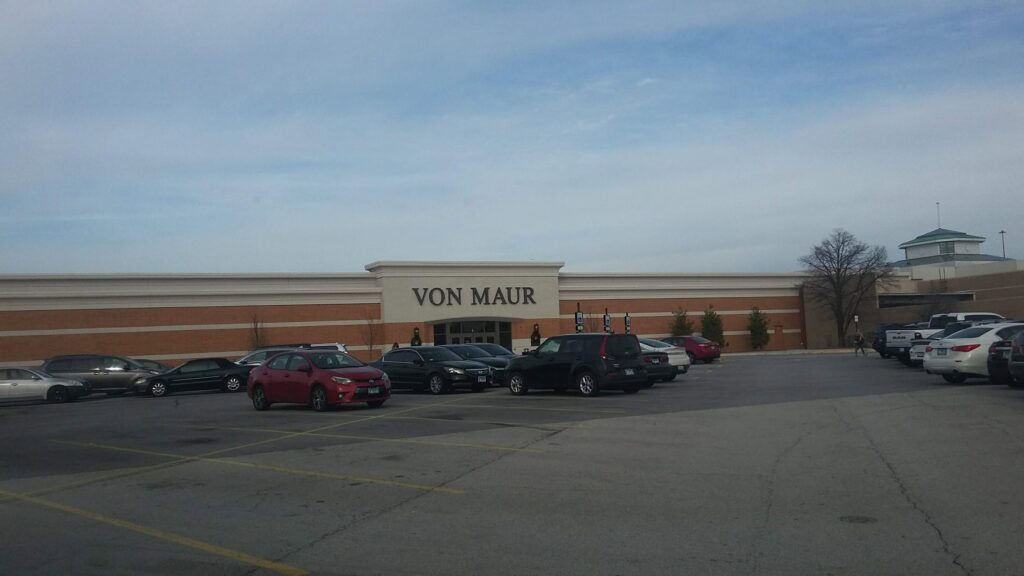
Von Maur then opened a 130,000-square-foot store at Orland Square on November 2, 2019, as the company's seventh Illinois location.
Where Orland Square Stands in Its 50th Year
Fifty years after it opened, Orland Square is not the same mall that first welcomed shoppers in 1976.
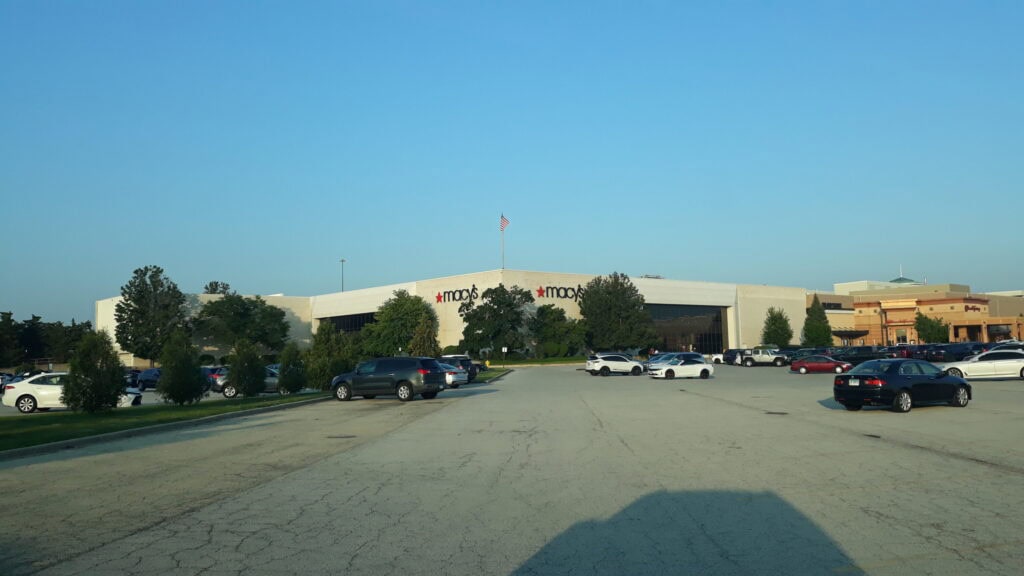
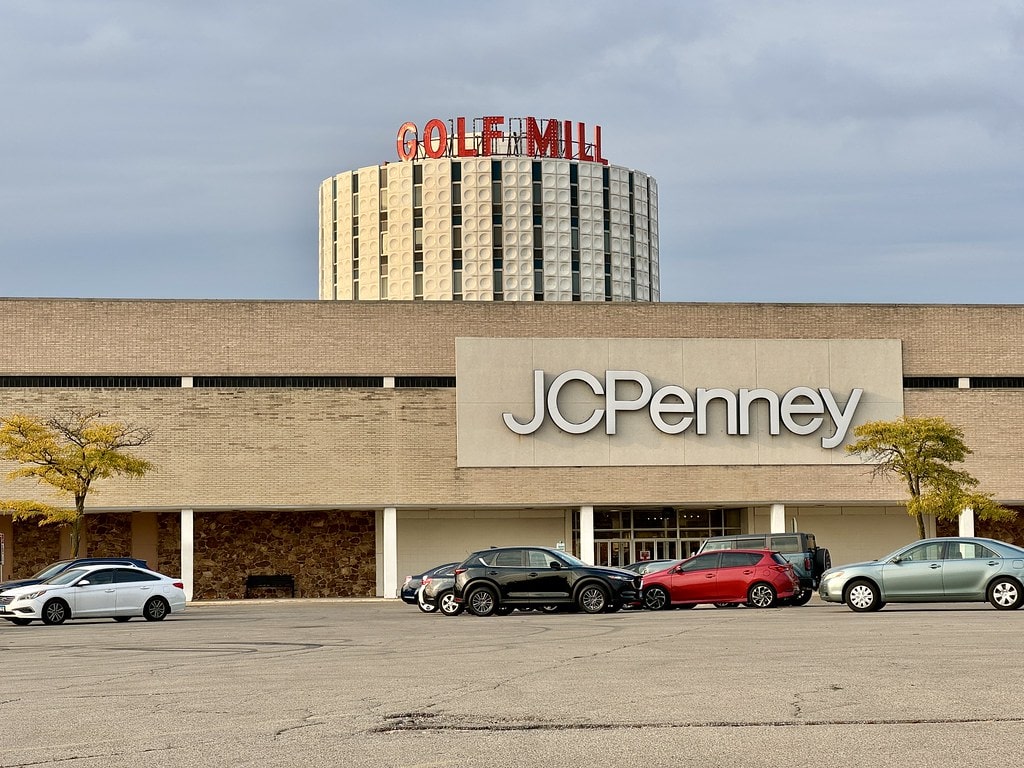
Three anchor stores remain: Von Maur, Macy's, and JCPenney. On the entertainment side, Slick City opened in October 2025.
The 55,000-square-foot indoor action park took over the former Gizmo's Fun Factory space. The current mix of specialty retailers includes Apple, Lululemon, Coach, Sephora, Urban Outfitters, and Savage X Fenty.
Savage X Fenty opened its first Illinois location at Orland Square in July 2024 in a 3,600-square-foot space.
The former Sears site now has a new redevelopment plan in place. In December 2025, the Village Board approved a redevelopment agreement with Dick's Sporting Goods.
The project calls for a Dick's House of Sport with about 90,500 square feet of retail space and nearly 29,000 square feet of non-sales features.
Those features include a climbing wall, batting cage, golf simulator, yoga area, running track, and outdoor athletic field.
In February 2026, the village approved a $96,130 engineering contract for stormwater work tied to the project.
Construction may begin in 2027 and finish in 2029. After nearly six years sitting dark, the south end of the mall is moving again.