Willow Grove Park: Philadelphia's classic trolley park idyll
At the end of an hour-long trolley ride from Philadelphia, where the tracks finally stopped, Willow Grove Park opened in 1896 as a reward for patience.
The Peoples Traction Company, one of the city's traction firms, had built the place for the most prosaic of reasons - to fill weekend seats on its streetcars.
From this transactional impulse grew a carefully tended idyll of lakes and lawns, picnic groves and walking paths, pavilions for dancing and band concerts.
It was Victorian in its self-conscious decorum. Guards enforced a dress code and rules of behavior.
The city's grit was supposed to fall away somewhere north of Broad Street, and the scrapbooks and postcards that survive show landscapes so gentle they might as well be advertising soap.
The Pennsylvania & Reading Railroad erected a station nearby, obligingly disgorging its own customers into the same pastoral theater.
The phrase "trolley park" was coined for places like this, but Willow Grove Park rapidly became something more: the rare excursion where the journey, the destination, and even the way you behaved on arrival were all part of a single, orchestrated day off.
Sousa, scenic railways, and Willow Grove's heyday
If the park looked calm and elegant, the sounds were anything but.
In the middle of the park, a music pavilion became the main attraction, and from 1901 to 1926, John Philip Sousa and his band came back every year, turning warm nights into big patriotic sing-alongs.
On busy days, up to 50,000 people packed the lawns, and the park was called, with only a little embarrassment, the "Music Capital of the World." Around that pavilion, the rides and attractions kept growing.
The Nickel Scenic, a train ride built in 1896 and rebuilt in 1939 and 1940, rattled through painted scenes and was the last ride like it in America.
The Thunderbolt, a wooden roller coaster, took riders down a curved drop and over a series of hills and dips.
All of this relied on Route 6 streetcars, which brought crowds straight from the city until new highways stopped the service in 1958.
By the 1960s, the park was packed with a Ferris wheel, Tilt-A-Whirl, Cuddle Up, Trabant, Flying Bobs, bumper cars, three different funhouses, and the classic Tunnel of Love.
But cars quietly changed everything. People could drive to the beach or to newer parks instead of riding an old trolley to Montgomery County.
In 1972, Willow Grove Park made one last attempt to change by becoming Six Gun Territory. They put up fences, added a train ride and western stunt shows, and started charging one price to get in.
New rides came in, like the Super Satellite Jet, Octopus, Rock-o-Plane, and a new Roll-o-Plane, but the western theme started just as movies were moving away from cowboy stories, and fewer people came after a short burst of interest.
Fires, inspections, and the long unwinding of Willow Grove Park
The 1970s closed the ledger with a series of fires and a brutal cost estimate.
In 1974, during test runs for a promotional film, an electrical fire in the Alps coaster killed a park employee; the ride went on to suffer three more electrical fires in a single month in 1974.
A state inspection followed and itemized the damage: roughly $200,000 in repairs for the Nickel Scenic, $250,000 for the Thunderbolt, and $500,000 for the Alps itself.
That same year, a separate blaze destroyed the old casino building, one of the last structures from the park's original pastoral side.
In April 1976, shortly after the repair figures came in, closure was announced.
Six Gun Territory's operator walked away from its long-term lease after the 1975 season, and the land was later contracted to be sold for about $7.65 million.
The brothers who owned the property then spent years in court, divided into rival factions, until a 1979 settlement began carving up a family real-estate empire worth more than $70 million, with Willow Grove Park just one tract in the pile.
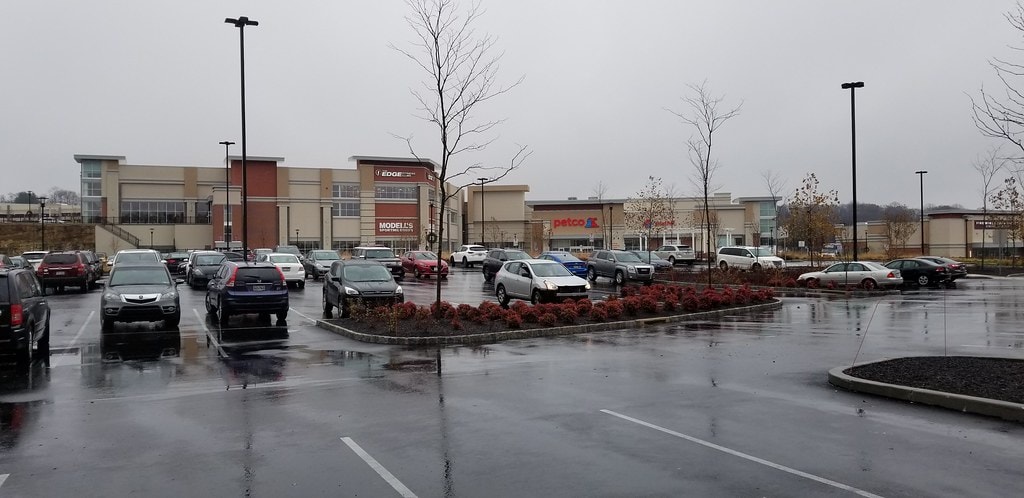
How Willow Grove Park became a mall
By the late 1970s, the rides were gone, and the old park was mostly an expanse of possibility, which is to say, an expanse of asphalt waiting to happen.
In 1978, Federated Department Stores joined forces with the Rubin Organization and floated a plan for a $25 million enclosed mall on the site.
Neighbors and township officials, not thrilled at the prospect of a retail battleship landing in Abington, pushed back on the scale.
By the time approvals came through in 1979, the blueprint had slimmed from four anchors to three.
RTKL, the architects, answered the problem of what to do with all that history by draping the building in a polished Victorian motif: not a resurrection of the old amusement park, exactly, but a knowing reference to it.
Willow Grove Park Mall opened on August 11, 1982, with Bloomingdale's, Abraham & Straus, and B. Altman holding down the corners.
Bloomingdale's arrived from a freestanding Jenkintown address, carrying roughly 237,000 square feet of ambition with it.
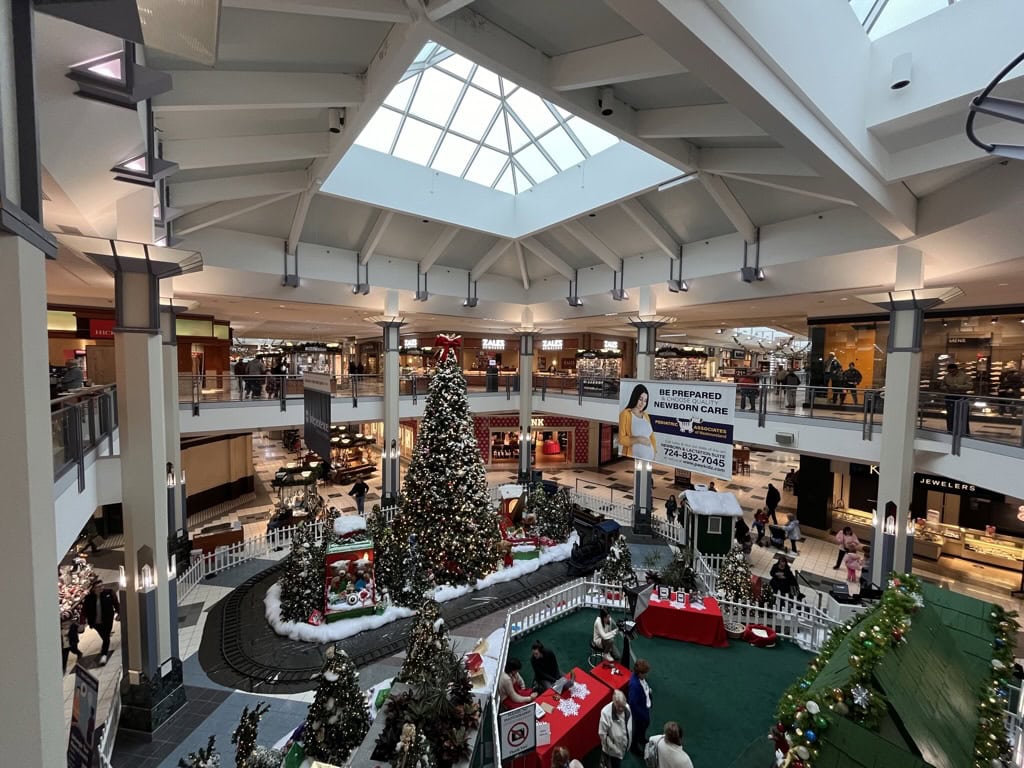
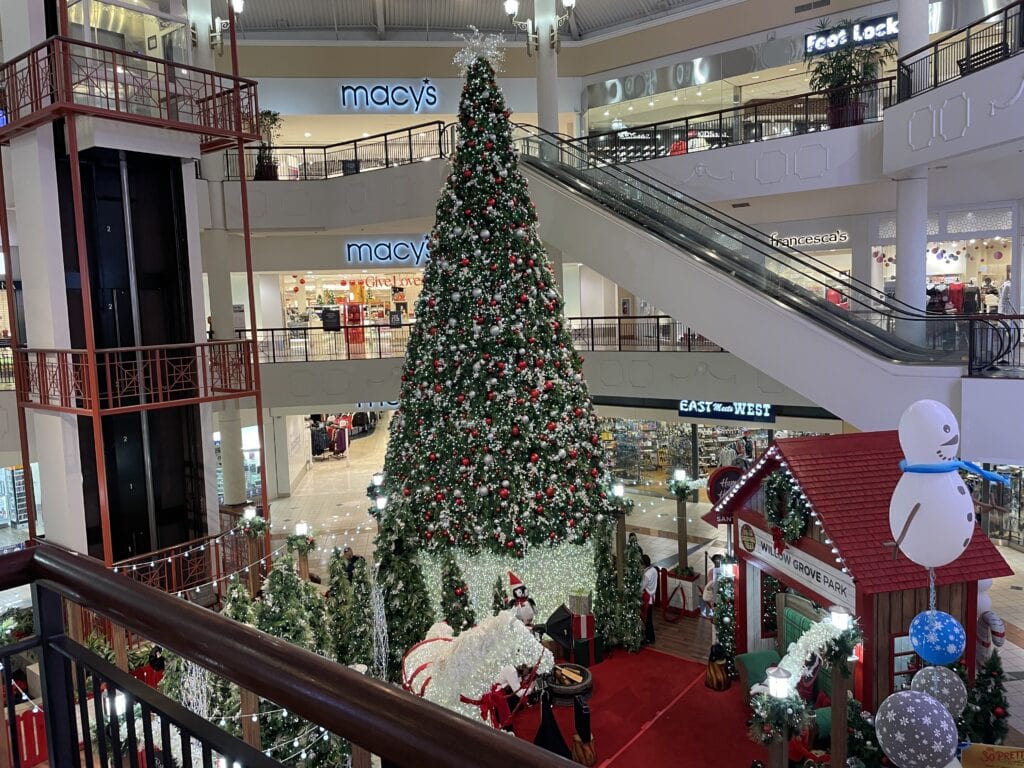
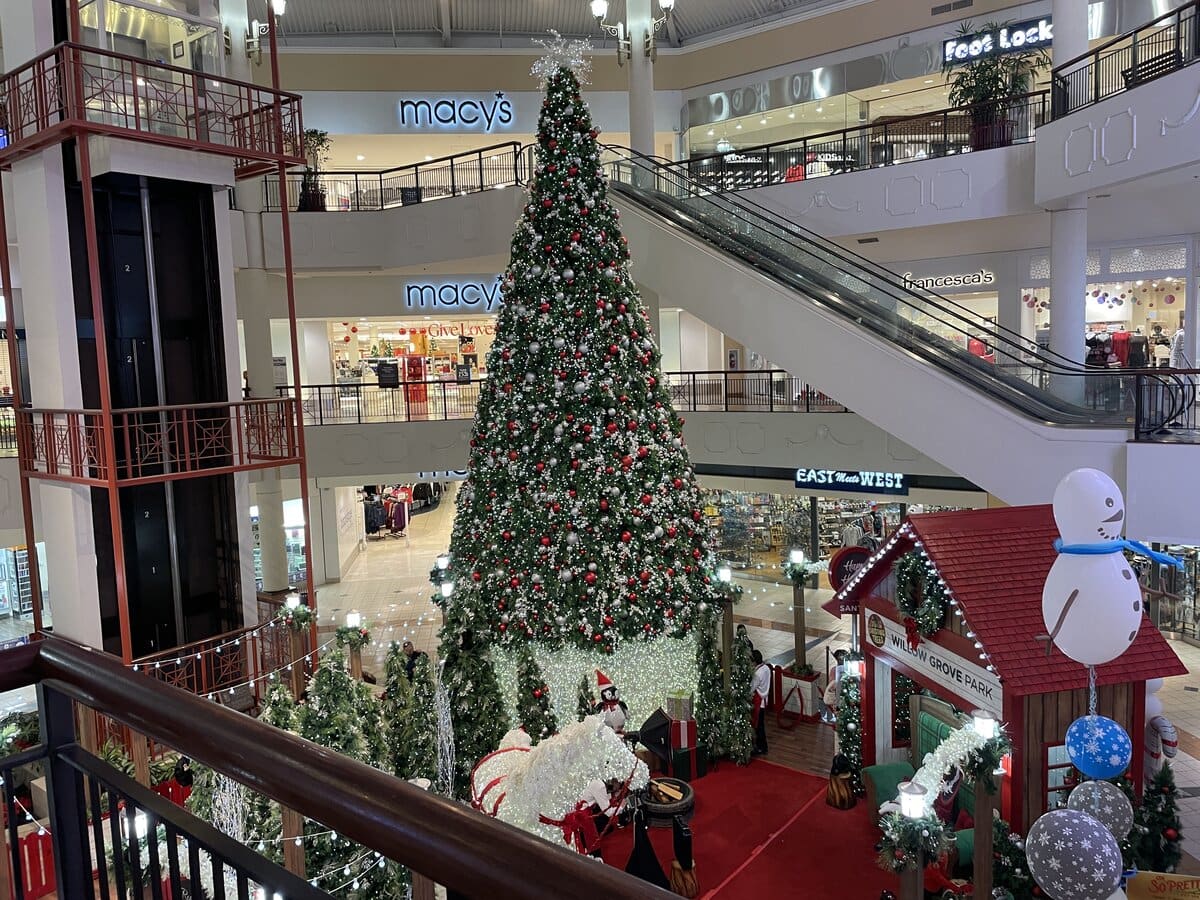
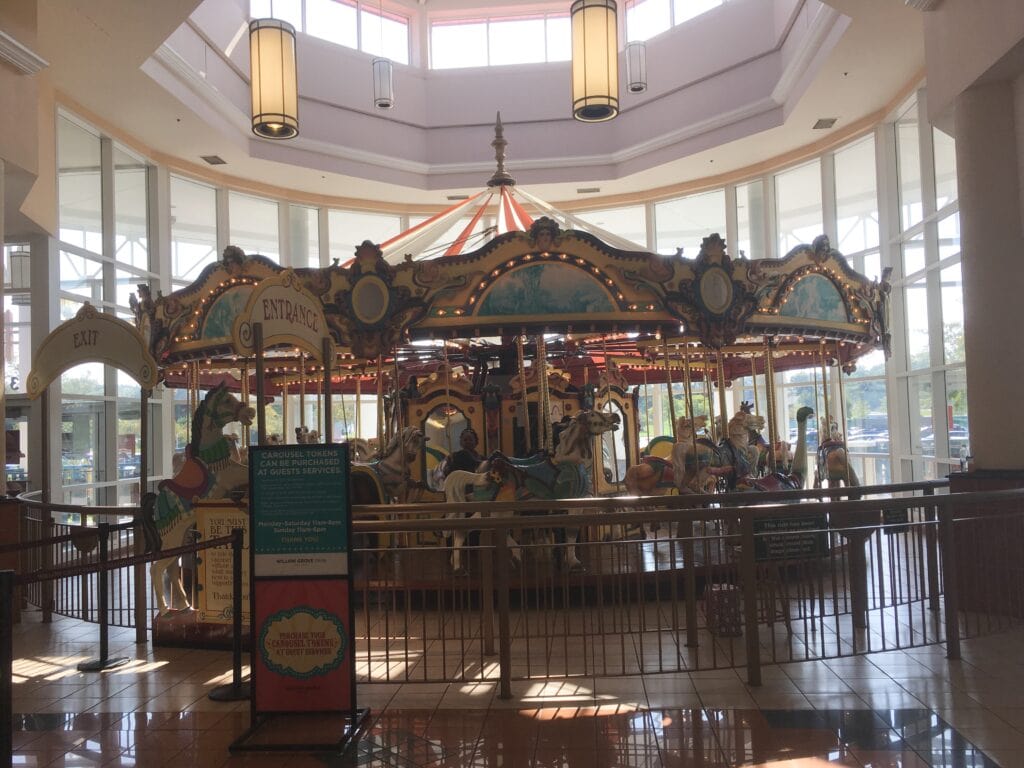
Inside, skylights washed three levels of shops; a glass elevator glided theatrically through the atrium; banners nodded to the vanished carousels and coasters; later, an actual carousel would spin under the roof, a souvenir of the old business of going in circles.
Very quickly, the gravitational pull of this sealed, air-conditioned world began to drain life from Old York Road, where Bloomingdale's, Sears, and Strawbridge & Clothier abandoned traditional streetfront stores for the safer climate of the mall.
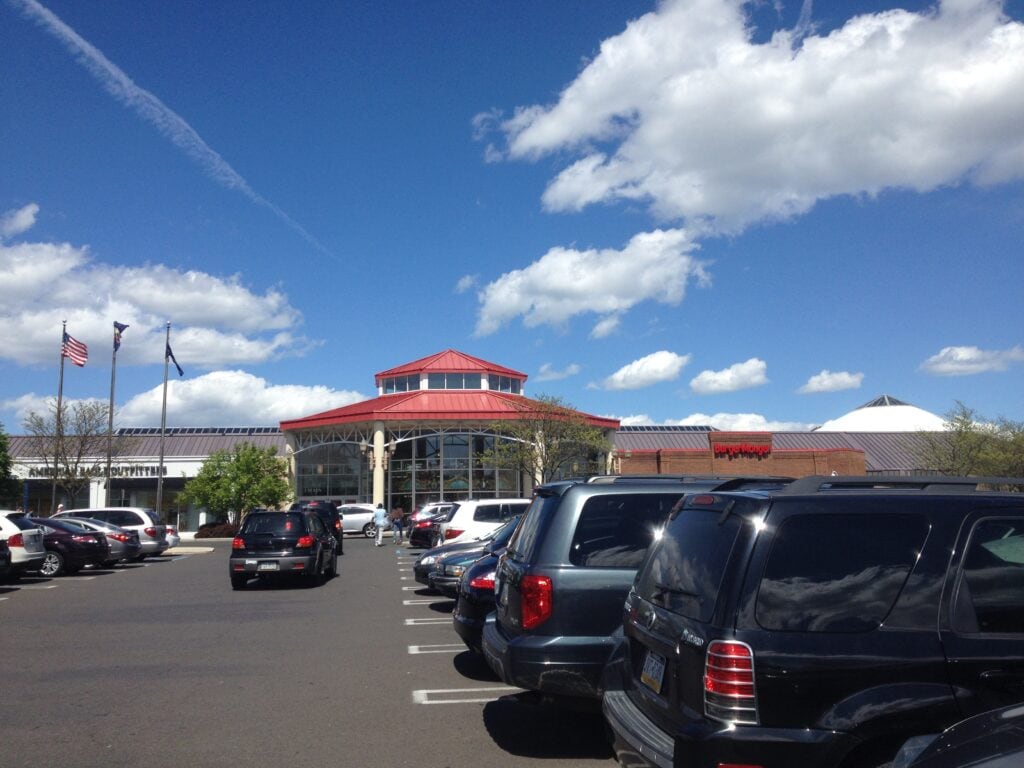
PREIT's makeover and the mall's mosaic memory
By 2000, the mall had settled into regional habit, and the Pennsylvania Real Estate Investment Trust, or PREIT, decided it could do better.
PREIT, which had been involved in development and management for nearly two decades, joined with the Pennsylvania State Employees' Retirement System to buy the property for $140 million from pension funds managed by Lend Lease.
The plan was straightforward: add value through expansion and polish without, ideally, touching anyone's taxes.
A $25 million renovation in 2001 installed a new Macy's, with about 225,000 square feet, as a fourth anchor; built a 212,000-square-foot parking garage with 800 spaces beside Sears and the food court; and added a new carousel at the third-floor entrance opposite that same court.
In 2003, PREIT bought out its pension partner's 70 percent stake for about $32 million, taking full control.
The building slowly accumulated layers of memory.
A mosaic wall, installed in 2005 and designed with help from local youth programs and artist Carol Strinton-Broad, reproduced images of the lost amusement park in ceramic fragments.
When Strawbridge's closed in 2006, a casualty of its corporate parent's absorption by Federated, a sliver of its upper floor reemerged as The Cheesecake Factory in 2007.
The lower floors were promised to Boscov's in 2008, but that chain's bankruptcy kept the escalators still.
JCPenney eventually took the lower levels, after a 2011 announcement and a 2012 opening, while the third floor was filled with Bravo!
Cucina Italiana, Nordstrom Rack, and a larger Forever 21.
Sears, meanwhile, began its long process of shrinking, leasing much of its floor space to the Irish fast-fashion chain Primark in a 2016 opening that left the legacy retailer wedged into its own building like an afterthought.
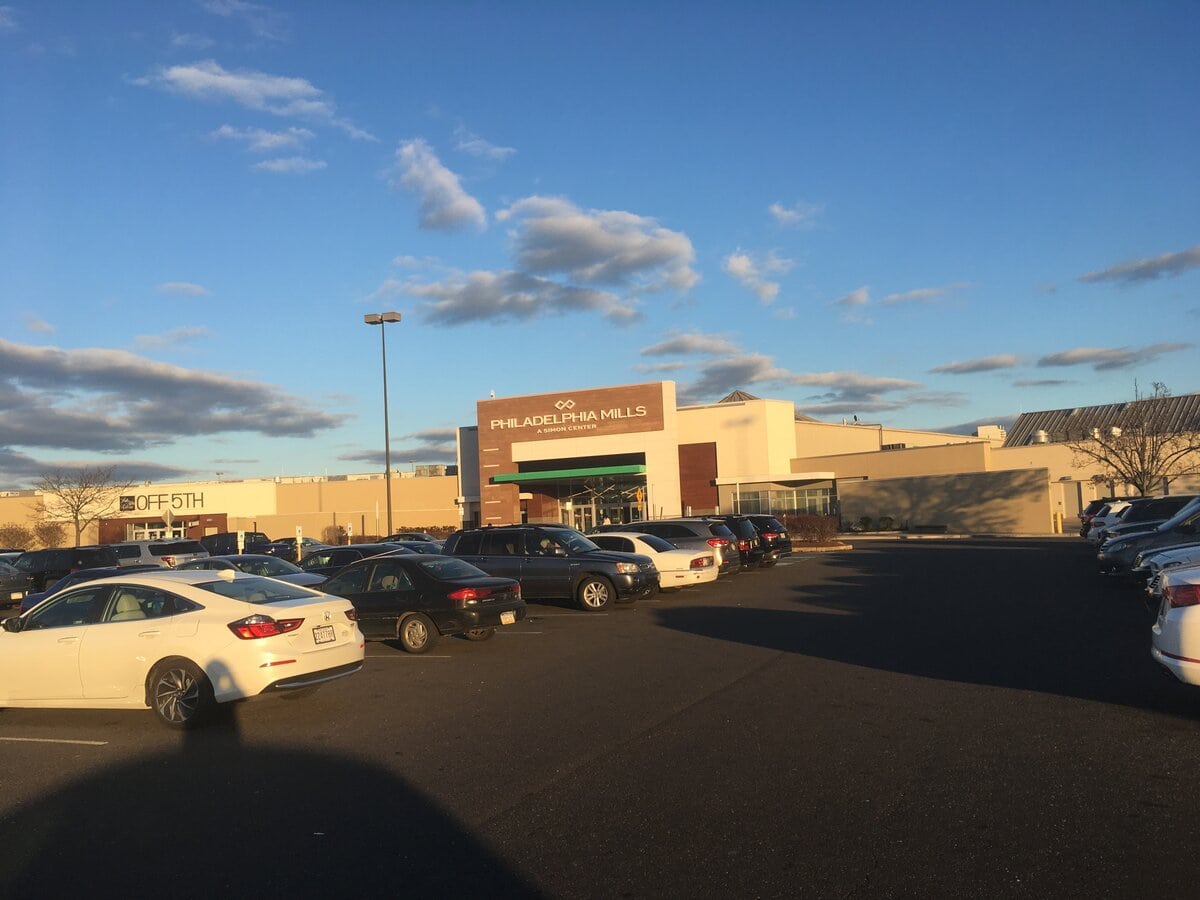
Closures, Primark pressure, Sears bows out
The last decade turned the mall into a case study in American retail improvisation.
Macy's tucked a Macy's Backstage discount concept into its sales floor in June 2018, happy to sell both the dress and its marked-down cousin.
JCPenney itself closed in 2017, part of a nationwide pruning of 138 stores.
Plans were approved in early 2018 for a Studio Movie Grill - an 11-screen dine-in theater in the former JCPenney space, promising cocktails with your franchise reboot - but the project died quietly before opening day.
Sears, whose Willow Grove Park outpost had opened in 1987, announced in January 2022 that it would close as well, giving up its claim as the last full-service Sears in Pennsylvania.
By then, Primark had been occupying most of the upper floors for years, compressing Sears into a ground-level warren of mattresses, rugs, and boxed appliances.
Mall representatives insisted that the department store's demise did not reflect the mall's health, pointing out instead that Primark's presence had simply made traditional operations awkward.
Real estate executives spoke more candidly of "strong redevelopment potential" for the space.
Tilted 10, brand power, and faded gloss
The empty JCPenney box did not stay empty.
In March 2023, Tilted 10 opened there, an indoor entertainment center with bowling, laser tag, and minigolf - the sort of all-ages distraction that malls now lean on as hard as trolley parks once leaned on bandstands.
Yard House had already replaced Bravo! by 2019. The tenant roster was filled with national brands: Apple, H&M, Lucky Brand, Sephora, Victoria's Secret, Build-A-Bear, and GameStop.
By 2019, the mall was the third most profitable in the Delaware Valley, second only to King of Prussia on the Pennsylvania side, with sales of $763 per square foot and more than 2,000 employees, about 7.8 percent of all jobs in Abington Township.
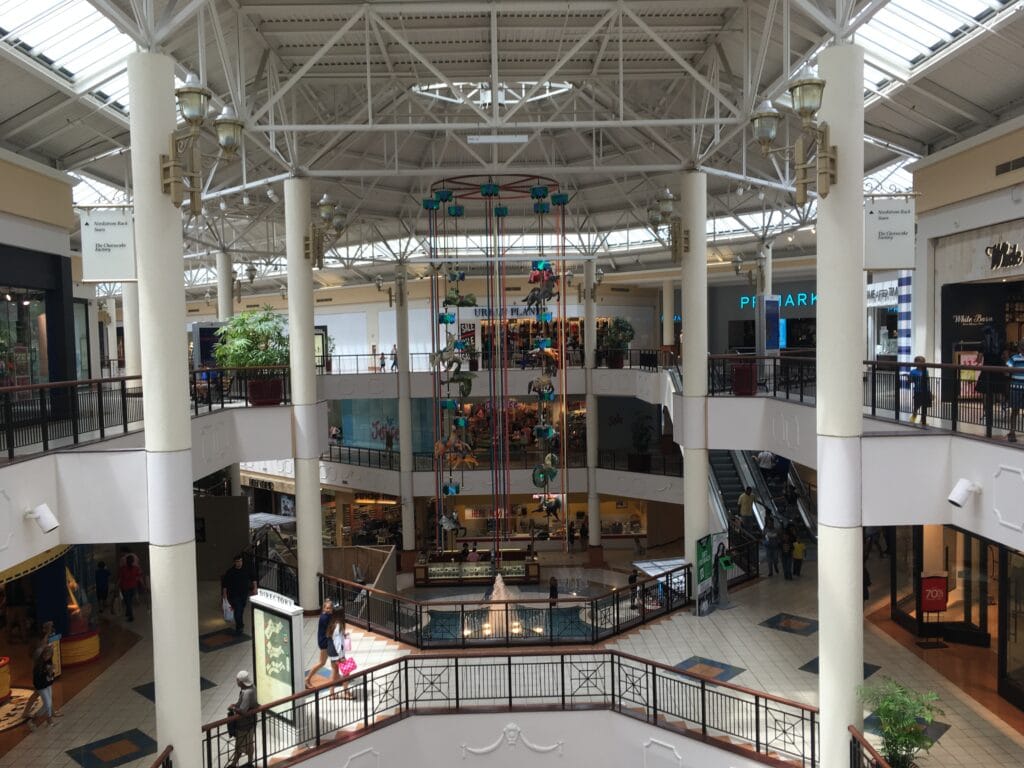
And yet, regulars noticed that the fountain was gone. Fashion shows that once paraded along the tiles disappeared. Lighting grew patchy.
For a property that maintained more than 96 percent occupancy, especially compared with laggards like Exton Square Mall with around 60 percent, Willow Grove Park Mall had started to cultivate an air of slightly tired competence - busy, but no longer dazzled by itself.
Bankruptcy, and the slow pivot
PREIT ran into trouble again in late 2023.
In December, the company filed for bankruptcy a second time in three years, struggling with higher interest rates and the burden of too much debt on a group of malls that, at least in reports, were still doing fairly well.
This time, the company planned things ahead of time with its lenders, making a deal that cut about $880 million from what PREIT owed.
On April 1, 2024, the company went bankrupt as a private business instead of a public one, with less debt and basically admitting that the old way of handling its money no longer worked.
Right next to the main property, at the separate Willow Grove Shopping Center on Park Avenue, Federal Realty has the go-ahead to build a six-story building with stores on the ground floor and about 260 apartments above.
The area will have wider sidewalks, places to eat outside, and entrances designed to look more like homes than mall doors.
The old trolley stop is slowly becoming a place where people bowl, eat, watch shows, and live, and maybe shop after all that.