Westfield Valley Fair, drawn in Gruen ink
On July 20, 1955, a crew started construction on forty acres at what was then the edge of San Jose, about five and a half miles southwest of downtown.
Macy's California and San Francisco's Capital Company were building a new kind of shopping center, designed with the bold style of the 1950s.
Victor Gruen, the Austrian architect who helped create the modern shopping center, designed the walkway; the main Macy's store was designed by San Francisco architect John Savage Bolles.
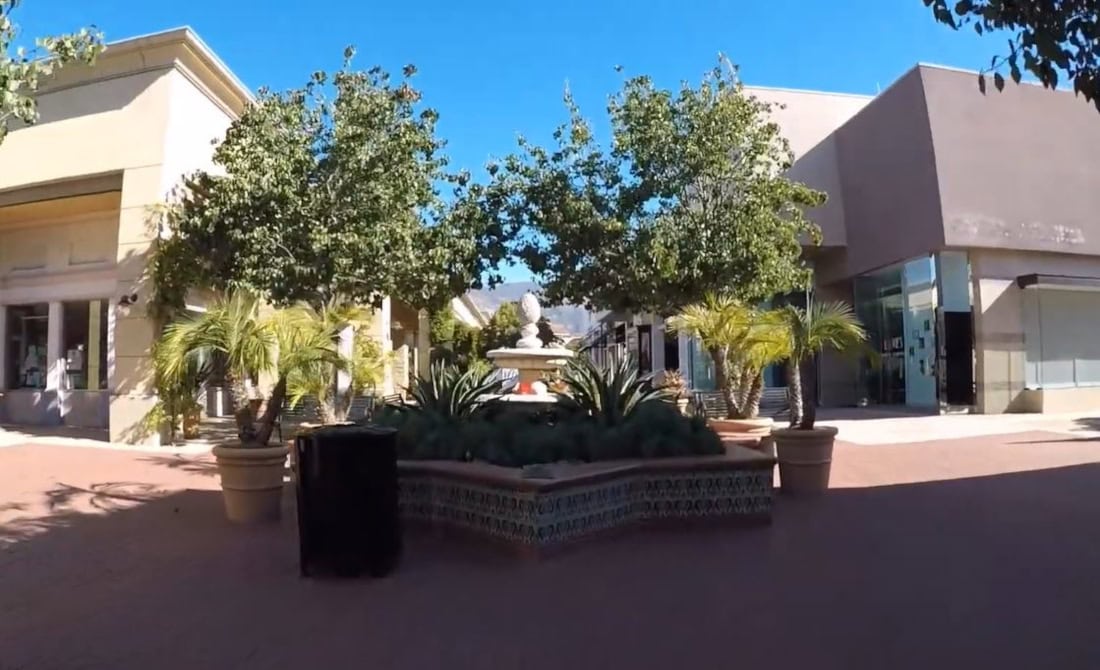
Together, their plans created an open-air center that made shopping feel like an important part of daily life.
The main store opened on August 10, 1956: three floors, 157,300 square feet, and a ribbon cut by Joseph C. Kresse, the store's manager, with "Miss California 1956," Joan Beckett.
Ernest L. Malloy, president of Macy's California, and Harry McClelland, president of the Capital Company, watched the ceremony looking pleased, as if they believed the future would be easy, comfortable, and successful.
Valley Fair was not just a name but a promise: plenty, made neat and organized.
Shoes, sweets, and that rooftop ferris wheel
When the first inline stores opened on April 5, 1957, the list of shops sounded like a typical mid-century shopping trip: C.H. Baker Shoes, Leeds Qualicraft Shoes, Thom McAn Shoes, Webster's Shoes, Grodins, See's Candies, Kathy Don children's wear, and a two-level F.W. Woolworth 5 & 10.
Sommer & Kaufmann Shoes opened on March 22, 1957; Joseph Magnin came next on August 8, 1957.
When finished, the open-air center covered 488,000 square feet and had fifty-five stores and services, designed for well-off suburban shoppers.
It also offered excitement. On top of Macy's was a forty-foot ferris wheel, a merry-go-round, and a small train, fun attractions meant to make shopping trips feel special.
The rides were taken out in late 1957, but the mall kept the main idea: shopping wanted to be fun, and families wanted a place that felt, even for a short time, like a community.
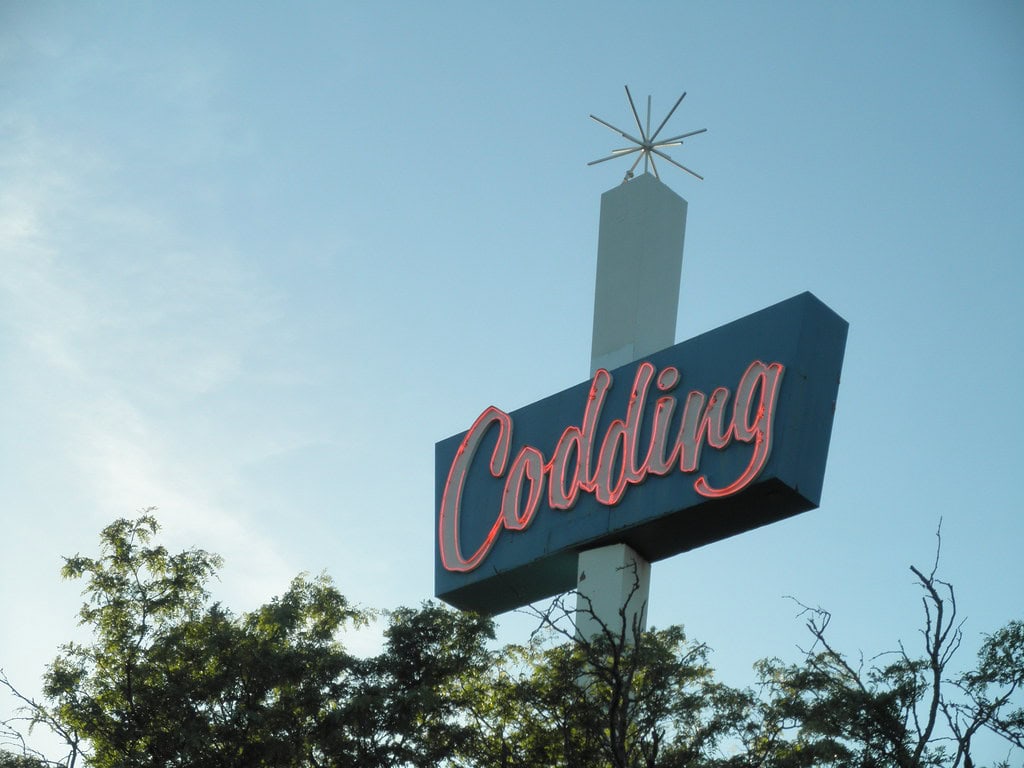
Even the signs made you feel welcome.
Freeway access and Macy's rising ambition
The mall opened at just the right time, in that classic mid-century way that made luck look like planning.
On April 30, 1959, an 8.8-mile stretch of Route 17, the San Jose-Los Gatos Freeway, opened to traffic and basically connected Valley Fair to the new neighborhoods spreading over what used to be orchards.
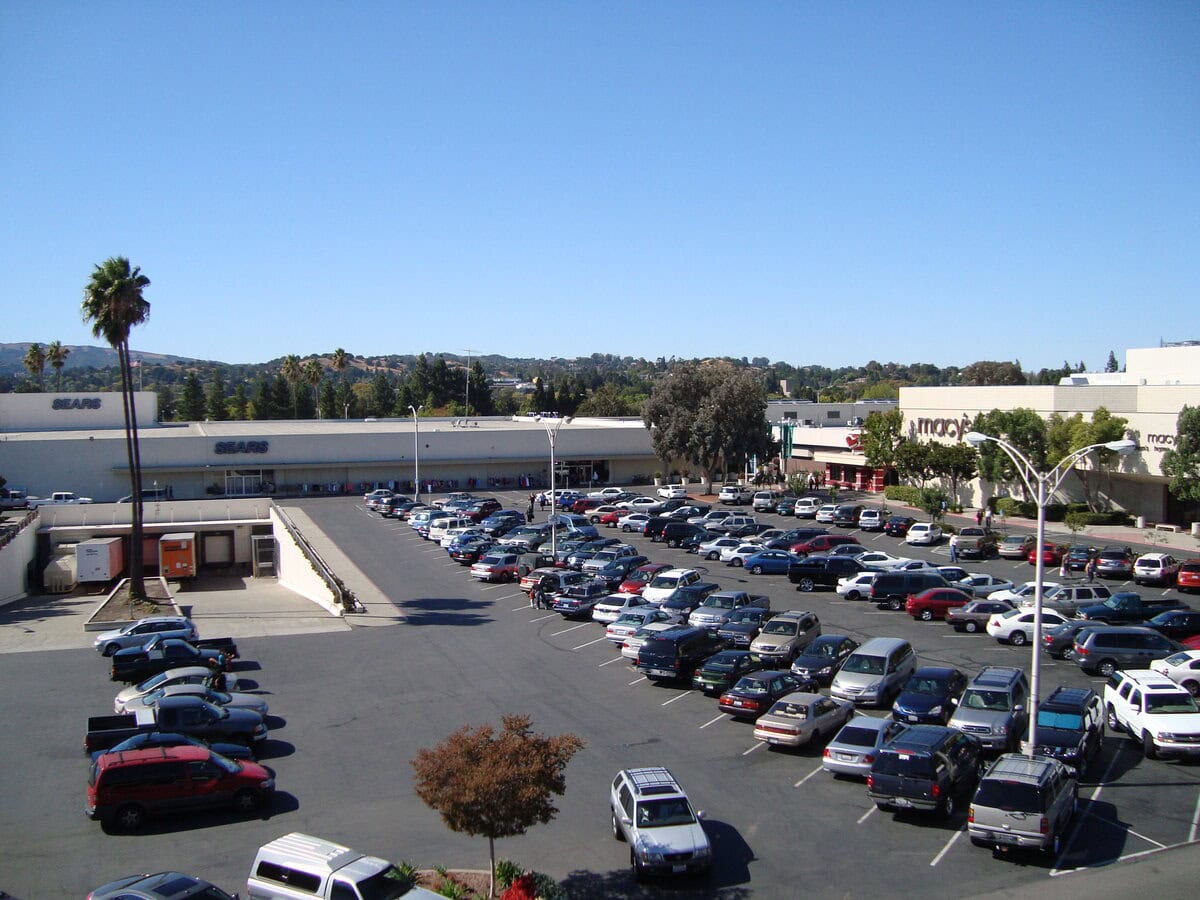
In a place where people were starting to think about distance in terms of minutes and freeway exits, the mall's huge parking lots were not just an extra but a statement.
You could get there easily, leave easily, and, if you were feeling especially American, come back an hour later for something you forgot.
Macy's, meanwhile, acted like it planned to stay for good.
By 1965, Macy's California had taken full ownership of the shopping center and added a fourth floor with 78,600 square feet, turning the space that used to be for the rooftop fair into more stores.
The store eventually grew to 235,900 square feet, a steady growth that showed the department store still thought it could be the main place for people in the suburbs.
By 1970, the property was being called "Valley Fair Mall," a small change in name that quietly admitted this was no longer just a quick stop.
Stevens Creek Plaza and the rivaling mall age
The mall's strangest feature was about city boundaries.
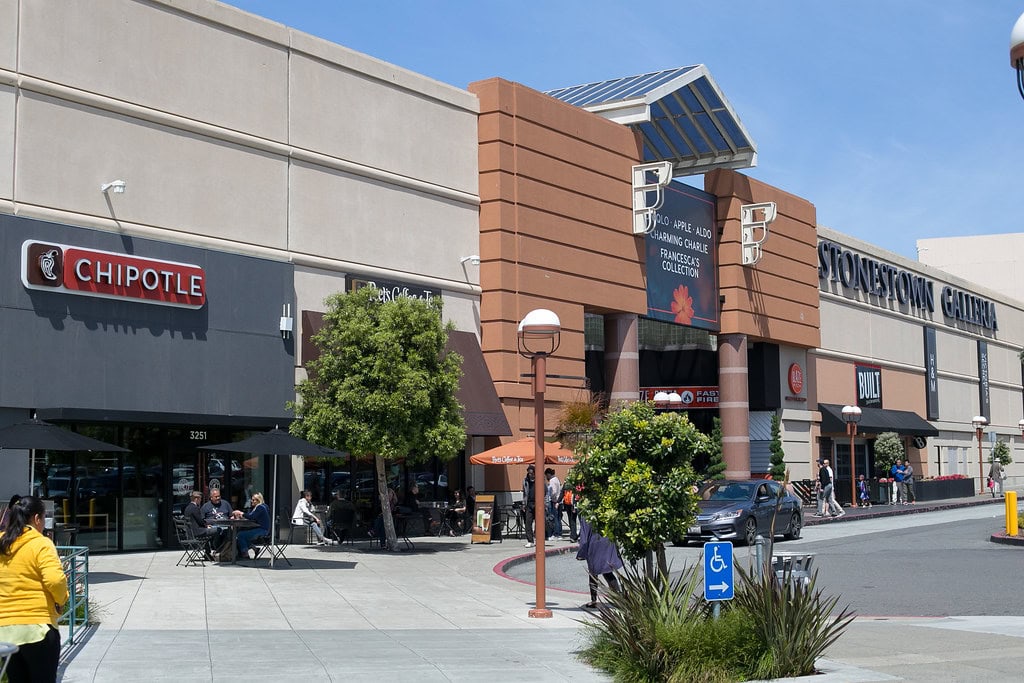
To the west was Stevens Creek Plaza, an outdoor shopping center in Santa Clara with The Emporium and I. Magnin as its main stores, while the original Valley Fair was on the San Jose side.
The line between the cities ran through the shopping area, and you only noticed it when it became important, which happened a lot later on.
By the seventies and eighties, Valley Fair also had to deal with new malls opening nearby. Eastridge opened in 1971, 9.3 miles east in southeast San Jose.
Oakridge opened in 1973, 9.1 miles southeast. Vallco Fashion Park opened in 1976, 4.8 miles west in Cupertino.
Sunnyvale Town Center (1979-2007) was 9 miles northwest. Westgate Mall had opened earlier, in 1960, 4.3 miles southwest in Campbell. The Great Mall opened in 1994, 8.8 miles northeast in Milpitas.
People in the valley were finding out that new malls could appear faster than shoppers could stay loyal, and that older malls would eventually need to be indoors.
The 1986 enclosure: Valley Fair and Stevens Creek Plaza merge
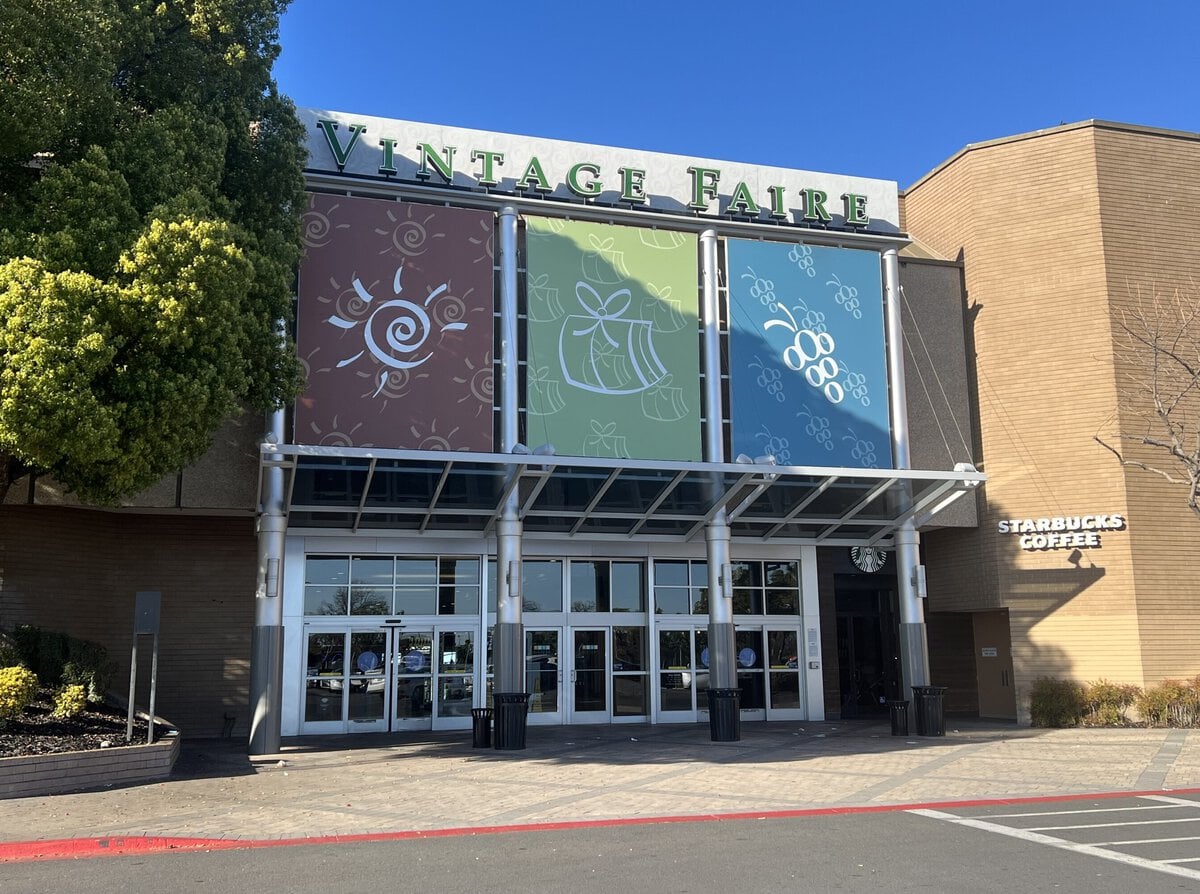
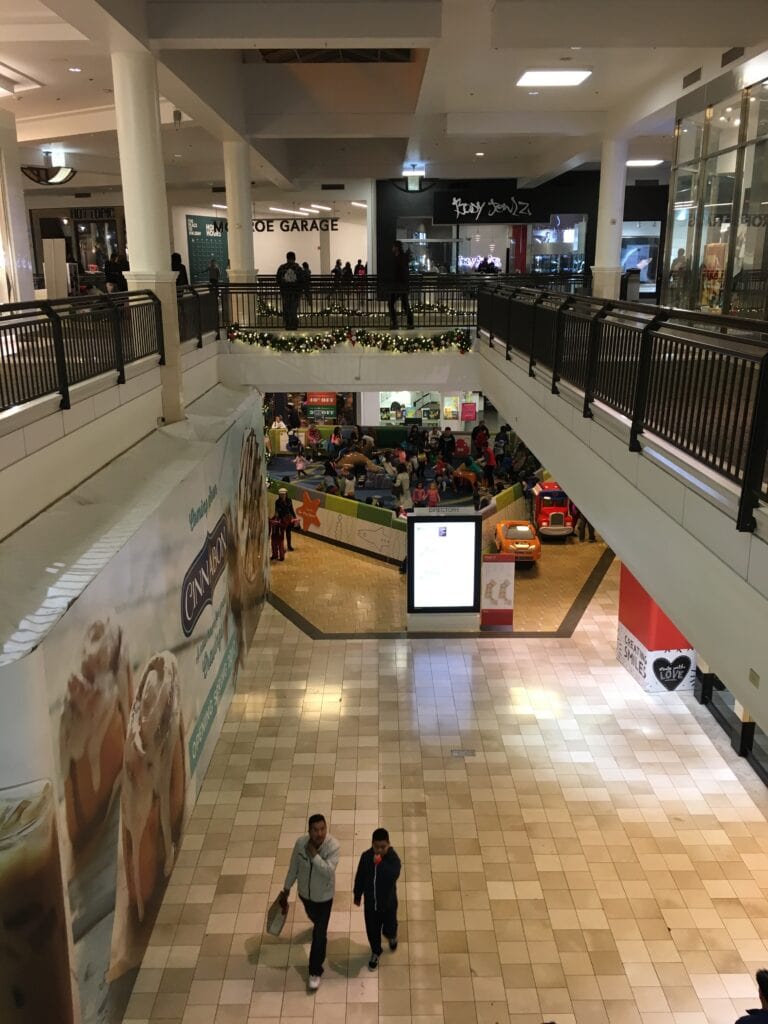
By the mid-eighties, the open-air model was becoming a charming inconvenience.
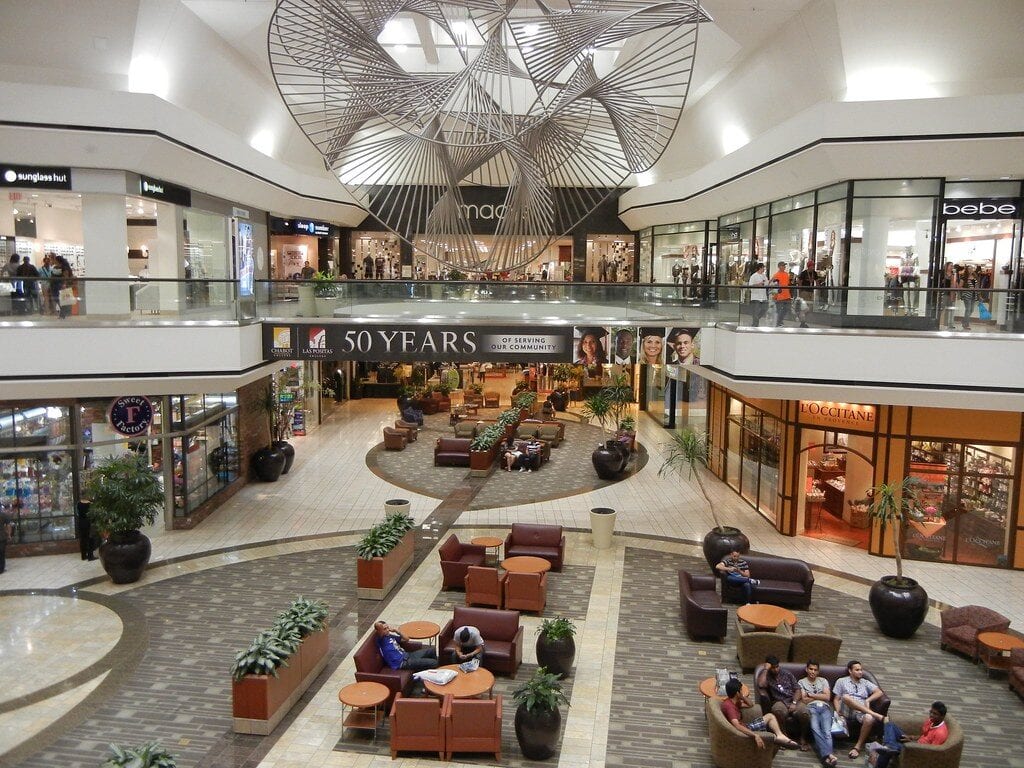
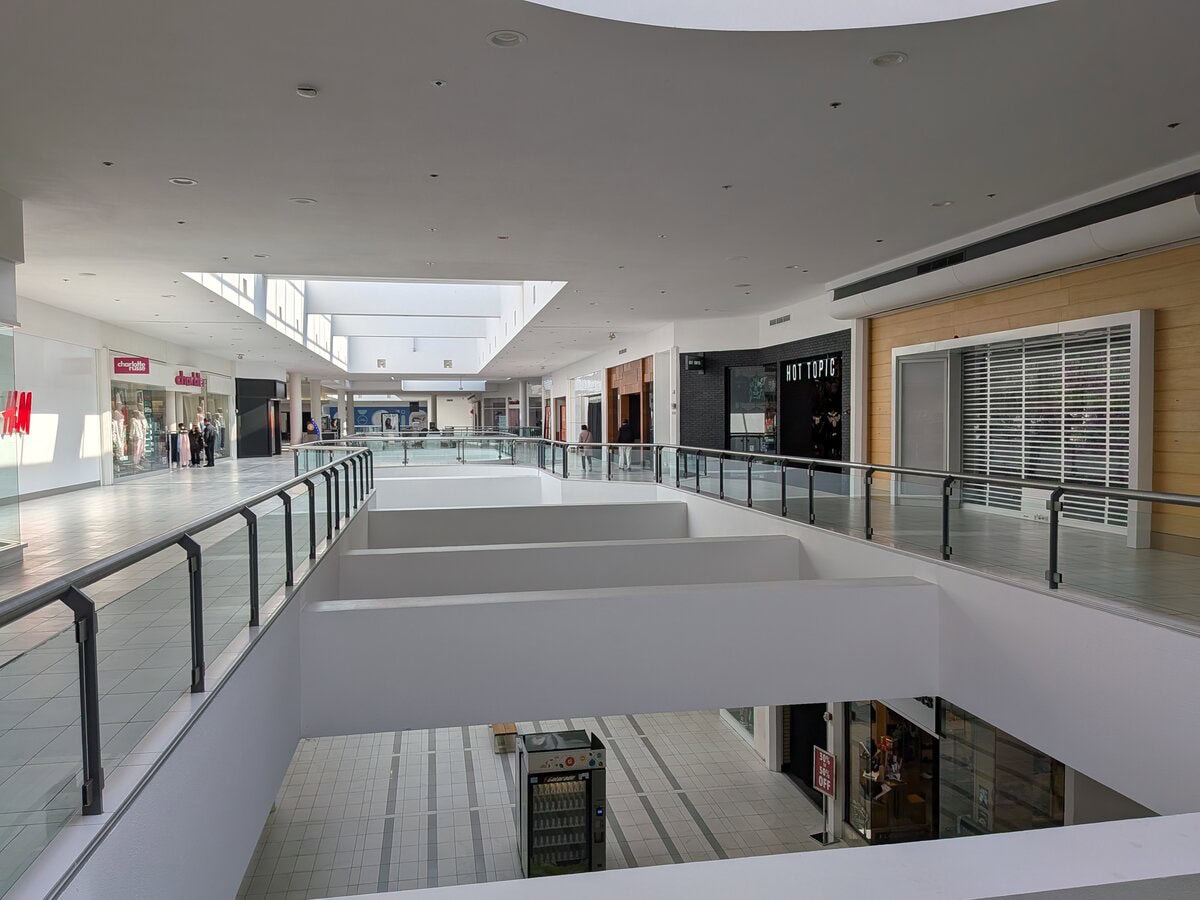
In 1986, the Hahn Company acquired both Valley Fair Shopping Center and Stevens Creek Plaza and merged them into one unified, two-level enclosed mall.
The project, a $100 million bet, created a complex of roughly 1.2 million square feet. It opened in October 1986, with an official dedication on October 15: 112 stores ready at the start, on the way to an eventual 175.
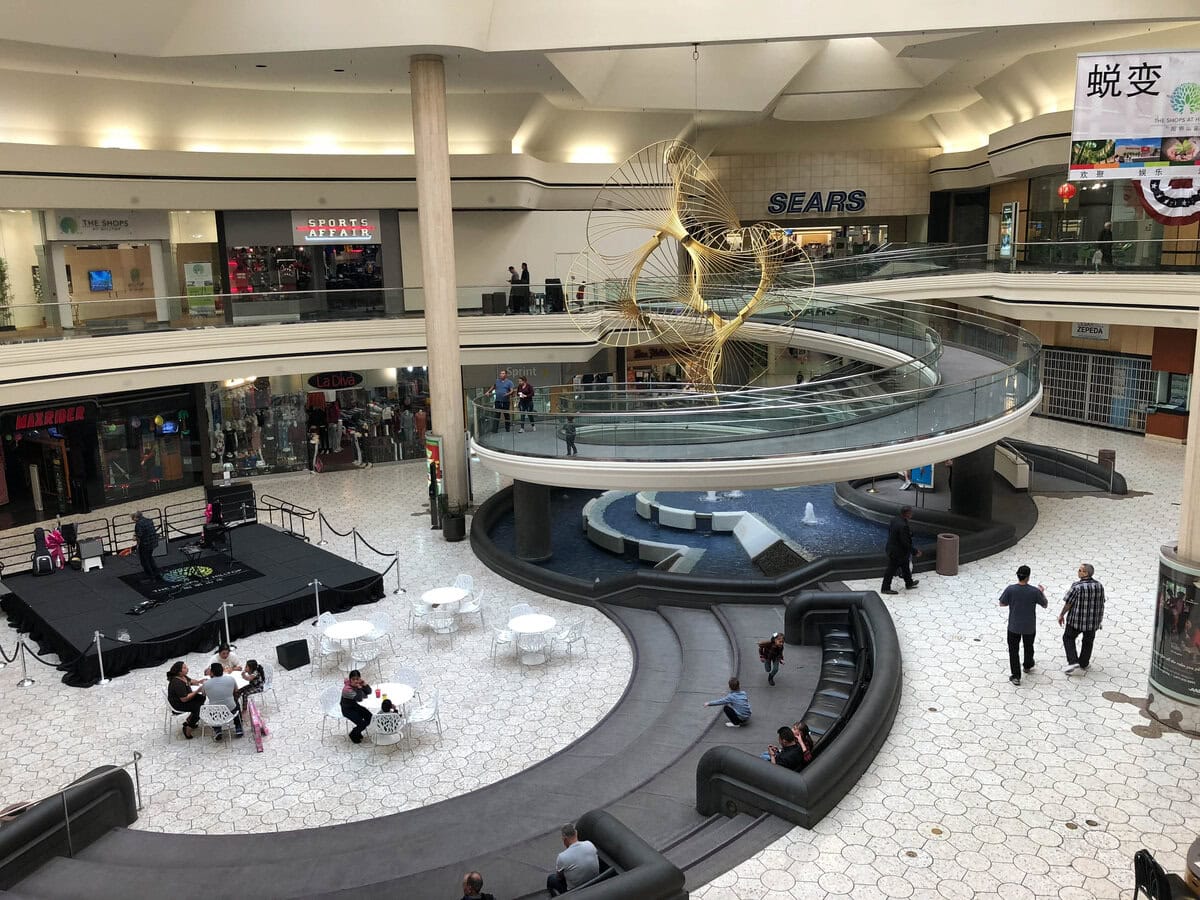
A climate-controlled concourse linked Macy's with The Emporium and I. Magnin, and at the center sat a planned new two-level Nordstrom, 232,000 square feet, positioned like a neutral capital.
Comfort was the obvious upgrade, but the bigger change was bureaucratic: the mall physically spanned San Jose and Santa Clara, contributing sales tax revenue to both and answering to both governments.
A shopper could cross a border without noticing. A payroll department could not.
Magnin fades, Emporium swells, names shift
Enclosure did not freeze the tenant list; it sped it up. Nordstrom joined the anchor roster in 1987, and the mall's center of gravity tilted toward polished, valley-wide aspiration.
I. Magnin, a legacy anchor from the Stevens Creek Plaza side, closed in May 1992.
The building then lived other lives - Copeland Sports, then Sports Authority - before later renovations demolished it, retail's version of reincarnation, followed by amnesia.
The Emporium, by contrast, expanded with an additional 85,000-square-foot third level, reaching 316,000 square feet, and in 1996, it was rebranded as a Macy's Men's & Home Store.
The change made a larger truth visible: department stores were reorganizing into niches, and malls were adjusting their choreography around that shift.
Westfield takes over and builds its new loops
In 1998, TrizecHahn sold Valley Fair to a joint venture of Australia-based Westfield Holdings and Maryland-based The Rouse Company.
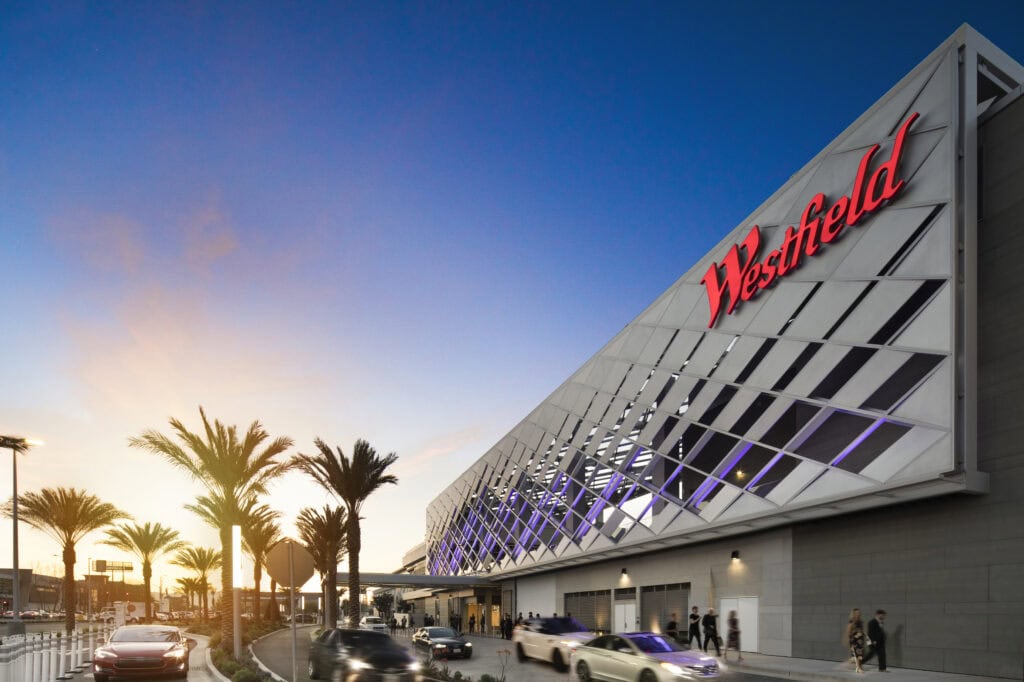
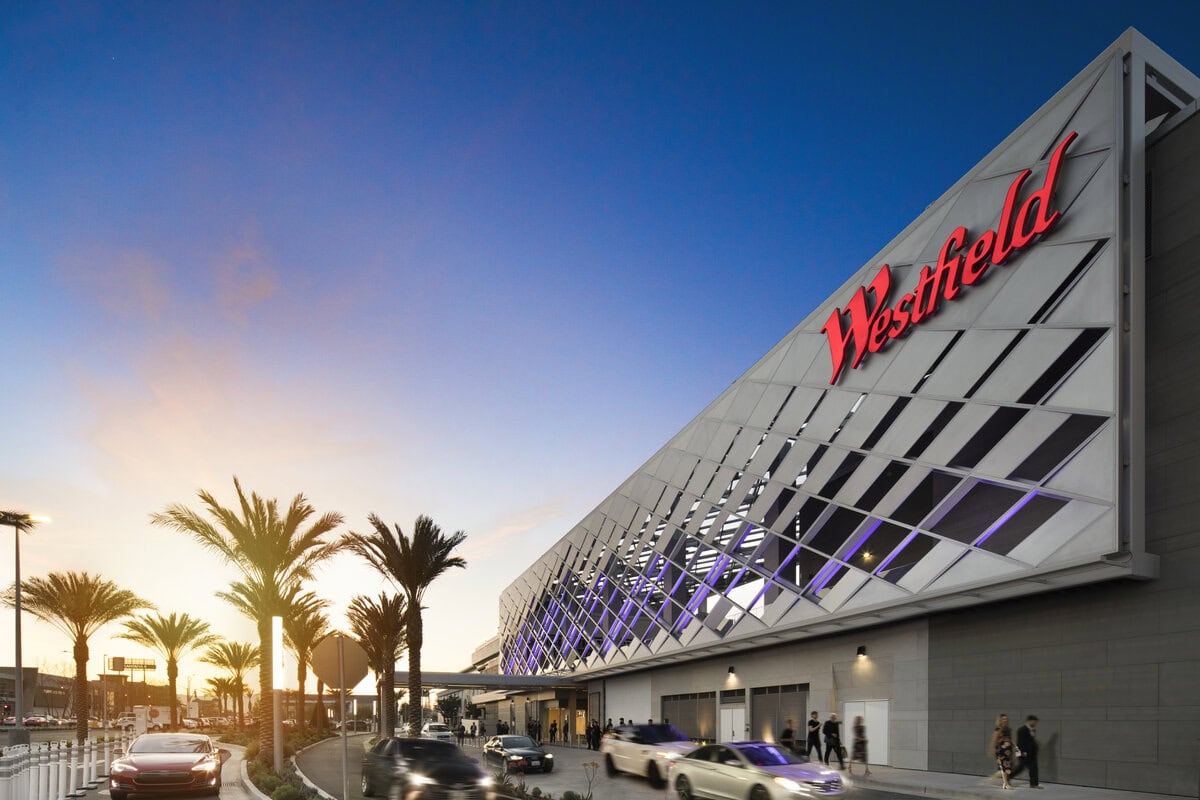
Westfield bought out Rouse in 1999 and renamed the property "Westfield Shoppingtown Valley Fair" in 1998, then dropped the "Shoppingtown" moniker in 2005, leaving the leaner "Westfield Valley Fair." The name was a brand, but the strategy was concrete.
A $165 million expansion began in late 1998 and unfolded in phases.
Phase one added a second-level Dining Terrace, roughly eighty new stores, three multi-level parking garages, and relocated Nordstrom to a new three-level flagship at the northwest corner, roughly 225,000 to 230,000 square feet.
Phase two redeveloped the old Nordstrom and food court into about thirty new store spaces and added The Cheesecake Factory.
A fifty-store, wrap-around concourse was dedicated in 2001. On May 22, 2002, the renovated hub was re-dedicated, as if a mall needed a ceremony to admit it had become a new place.


Recession delays, then wages and luxury
By 2006, Westfield was ready to add another ring.
Valley Fair, then about 1,475,600 square feet with 262 stores, proposed a south-side wrap-around concourse: roughly 650,000 leasable square feet and seventy-two additional stores, plus a 120,000-square-foot Neiman Marcus and a 150,000-square-foot Bloomingdale's.
The plan included relocating outparcels like Safeway and CVS and building new parking structures. Cities approved it in November 2007, imagining completion by September 2011.
Then the Great Recession did what recessions do: it made the future smaller. In May 2009, the expansion was postponed indefinitely, and the mall waited.
In 2012, a different boundary drew attention. San Jose raised its minimum wage to $10 an hour while Santa Clara did not, creating a $2 disparity inside the same mall.
The Gap, sitting on the city line, chose the least theatrical option: it raised wages for all employees, refusing to let municipal cartography become a time clock. Overnight.
Bloomingdale's, COVID timing, and Eataly
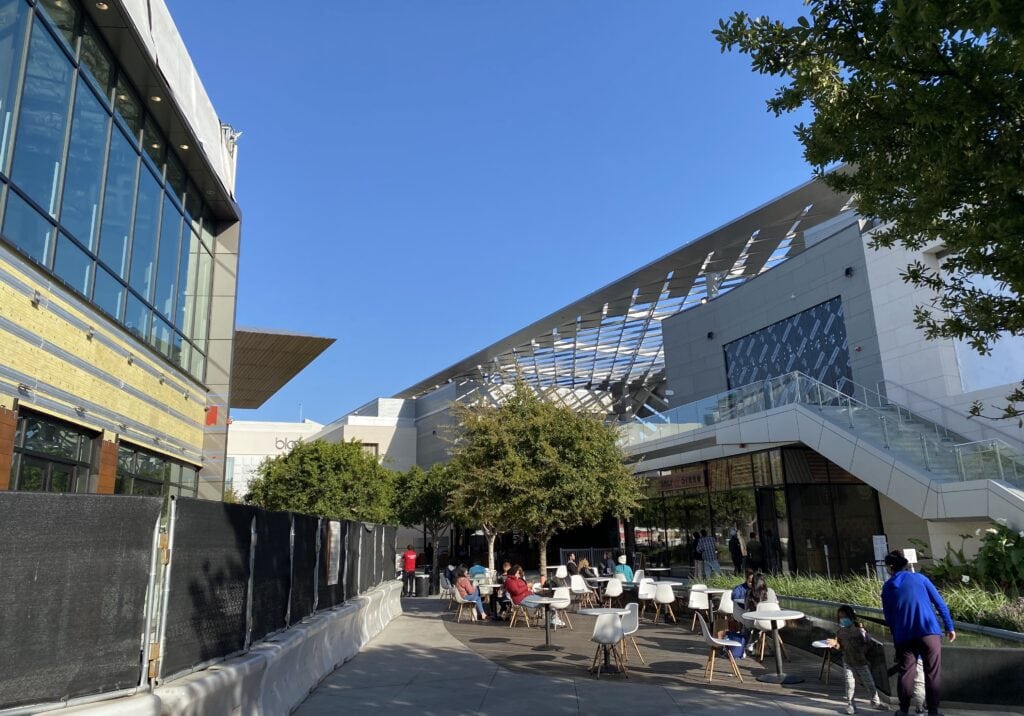
Westfield's luxury pivot began in September 2012. The level-two food court was gutted and rebuilt as a more upscale Dining Terrace: 23,000 square feet with eighteen eateries.
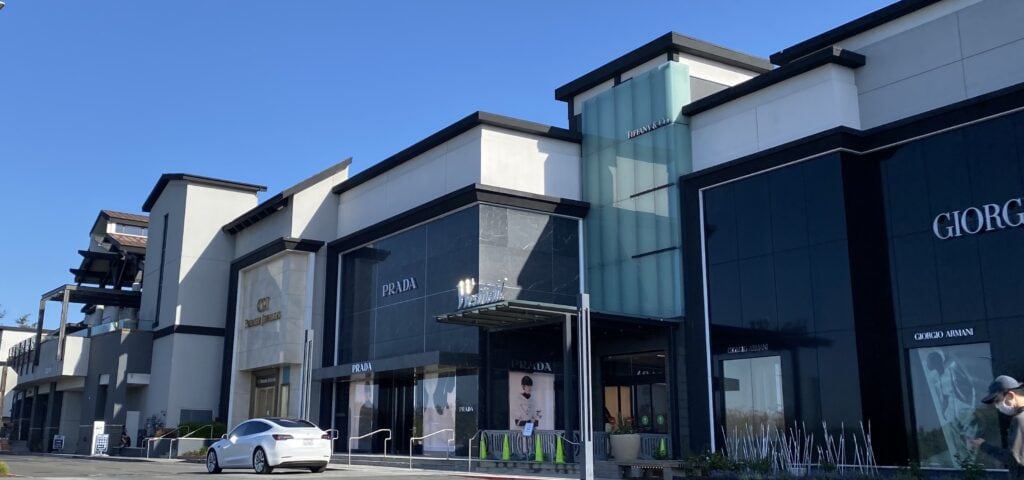
Nearby, east of Nordstrom, the concourse was reimagined as a "Luxury Collection," bringing in Cartier, Burberry, TAG Heuer, Wolford, and Prada to join Louis Vuitton and Tiffany & Co.
The redesigned sections were dedicated on November 1, 2013, and the intent was unmistakable.
The delayed expansion returned in early 2015 as a revised $1.1 billion wager. It centered on a three-level, 150,000-square-foot Bloomingdale's.
Plans also included a Showplace ICON luxury cinema, about 500,000 square feet of new interior retail, and more than a hundred new stores. Outside, an added restaurant row was planned for Stevens Creek Boulevard.
More than 3,000 new parking spaces were built around "digital garages." Showplace ICON opened on January 17, 2019. The expansion debuted on March 5, 2020, just days before COVID-19 closures.
By the end of 2020, forty-two new stores and restaurants had opened.
Luxury and novelty arrived in lists. Bvlgari, Golden Goose, Gucci, Jimmy Choo, Montblanc, Tiffany & Co., and Versace opened, with Christian Louboutin and Panerai signing on later.
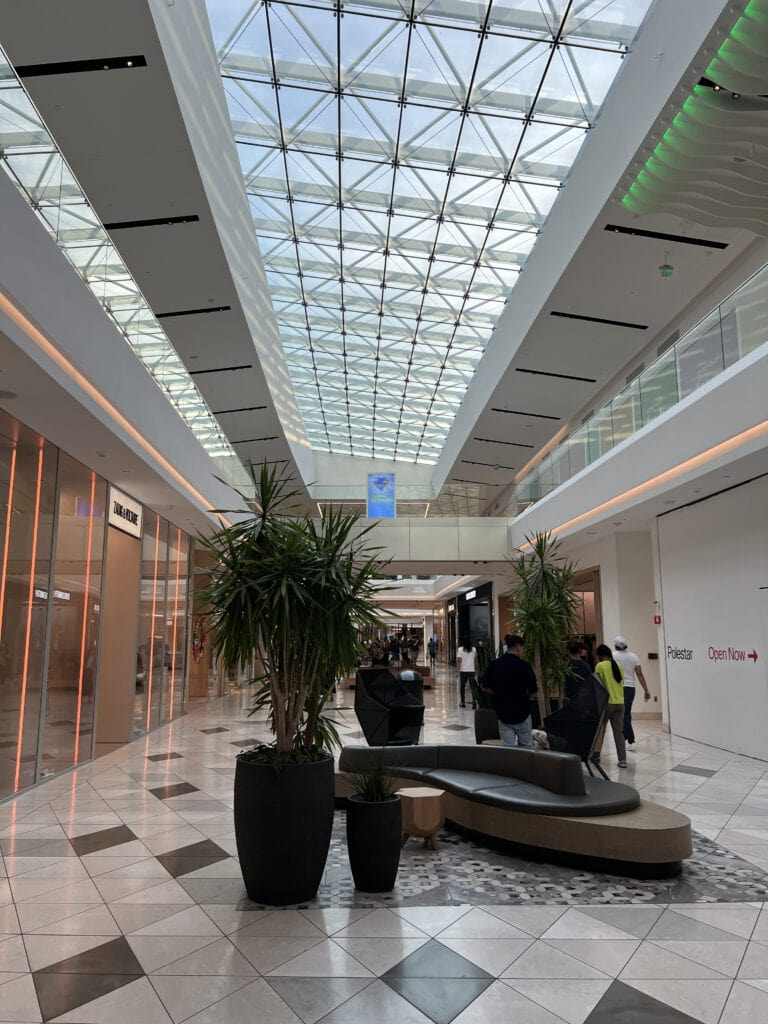
A new "Digital District" followed, built around brands like Tempo, Brik + Clik, Capital One Cafe, Polestar, Reiss, and Dr. Martens.
Dining expanded just as fast. King's Fish House and Shake Shack joined Salt & Straw and Bamboo Sushi. The lineup also grew to include Rooster & Rice, Uncle Tetsu, Ramen Nagi, Pokeatery, Somi Somi, Vietmons, and Lucky Tea.
Eataly Silicon Valley opened June 16, 2022, three stories, roughly 45,000 to 51,000 square feet, with La Pizza & La Pasta, rooftop Terra, and 1,200 wines.
Cinema swaps, new tenants, and a Black Friday
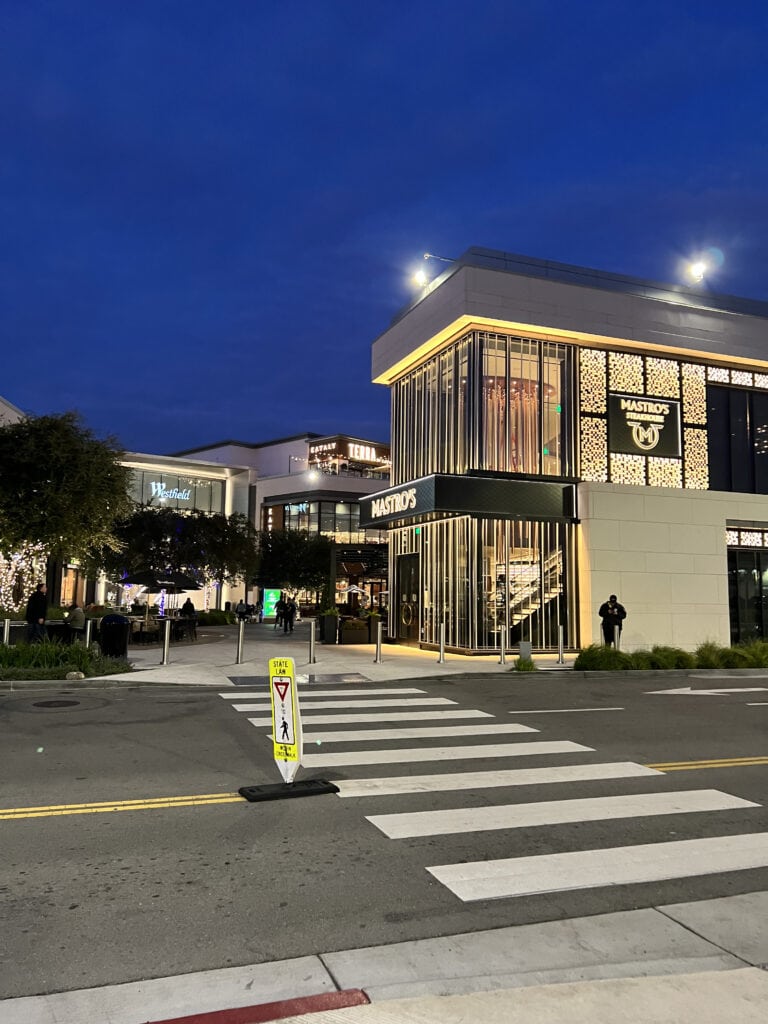
In late 2025, Westfield Valley Fair covers about 2.2 million square feet, with roughly 220 stores, 60-plus dining and beverage options, and about 8,500 parking spaces with wayfinding.
Split between Santa Clara and San Jose, it still leans on four anchors - Macy's, Macy's Men's & Home, Nordstrom, and Bloomingdale's - and carries Northern California's only Balenciaga.
It ranked as the region's largest by area, the 14th largest mall in the United States, and the highest-sales mall in California.
Since 2018, it has been held by Unibail-Rodamco-Westfield, and it stayed through the U.S. sell-down that began in 2022.
Bowlero opened in October 2023. ICON closed in July 2024; in June 2025, Alamo Drafthouse took over the 62,000-square-foot cinema with ten auditoriums, about 1,500 reclining seats, and its "No Talking / No Texting" policy.
2025 kept adding draws: JOEY opened in April; Hello Kitty Cafe was open as of July 11; Asia Live was announced January 7 for a fall opening (13,000 square feet, 350 seats, rooftop views, and Chinese, Indian, Japanese, and Korean menus).
Other planned openings included Sichuan Bistro, Mong Q, Blue Bottle Coffee, Studs, Kiehl's, Columbia, Dreame, Nespresso, Rolife, a 2,800-square-foot Great Big Game Show, and Mango, while Dolce & Gabbana made a pop-up permanent.
On November 28, 2025, around 5:40 p.m., a Black Friday shooting wounded three people; police later called it gang-related, said two victims were hit by stray gunfire (including a 16-year-old), arrested a suspect on December 1, and saw prosecutors move to charge the teen on December 3.
The mall reopened the next day at noon.
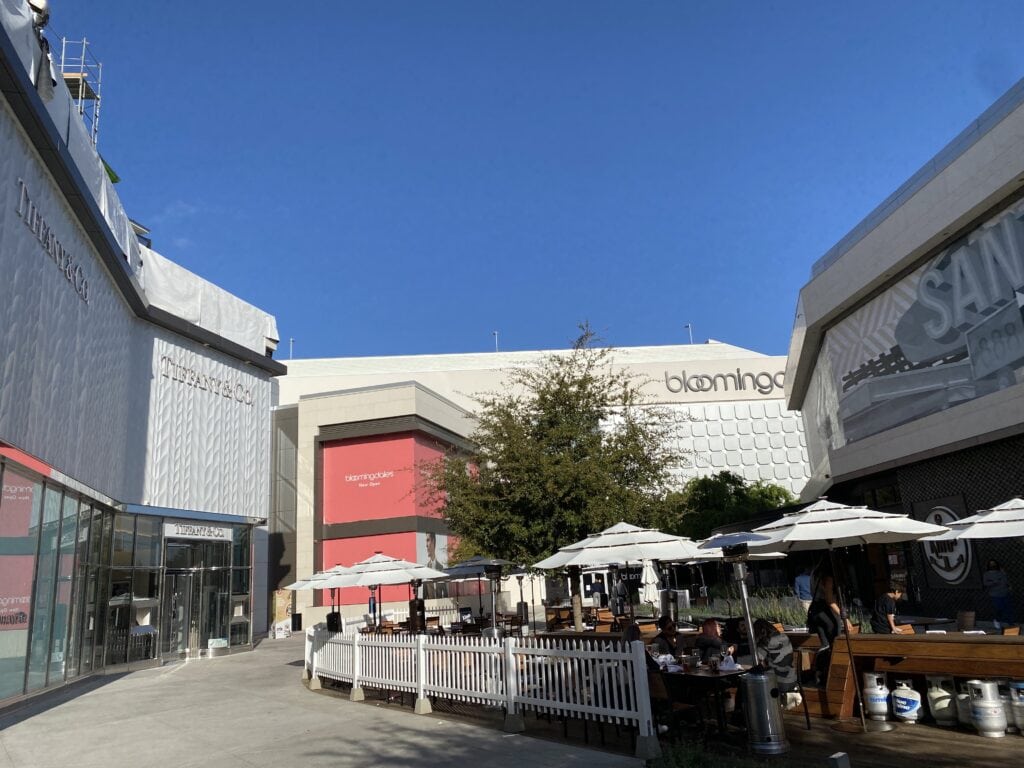
A glossy mall with rough edges
Valley Fair looks great at first. It feels new, fancy, and carefully arranged.
The lighting is bright, the walkways are noticeably clean, and the whole place has that high-end feel where you almost expect someone to hand you a sparkling water just for being there.
It is large, crowded, and set up to keep you moving from one tempting thing to another.
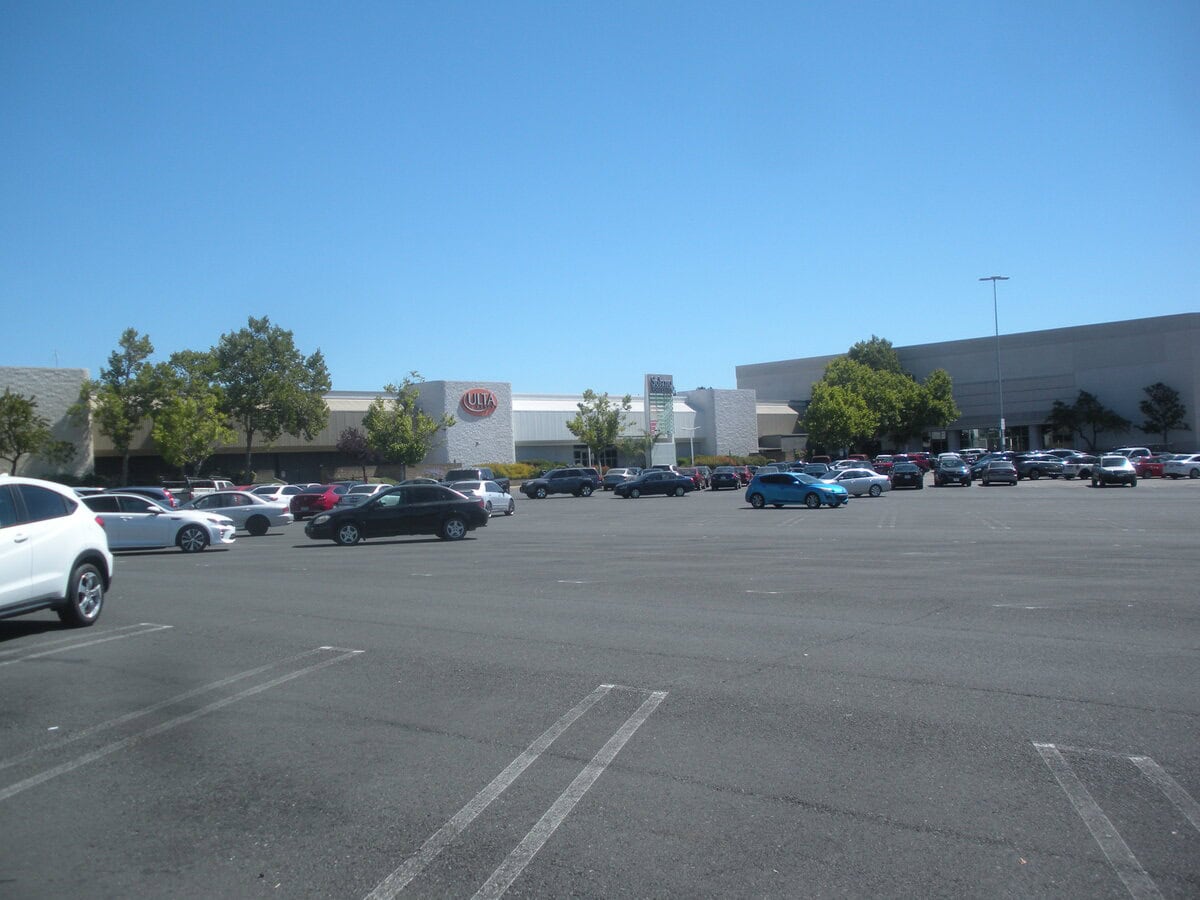
But a mall cannot just rely on looking good. The parking is the part that feels most challenging. Finding a spot can take time, and leaving can take even longer.
The garages send everyone into crowded areas, and the end of your visit can feel stressful, even if shopping went well.
With the feeling that you need to be more careful around crowds these days, the place can feel a bit tense when it is busy.
Still, Valley Fair is mostly in good condition. It just has a few simple problems that stop it from being as easy as it looks.