
Old Orchard Center: how an orchard became a mall site
Before the parking lots and glass storefronts, the Skokie site was an apple orchard, a place that grew apples well for many years.
The trees were cared for by the family of Philip Morris Klutznick, a Chicago developer who had a rare background for a mall builder, including work on government housing during the Roosevelt and Truman years and later serving as Secretary of Commerce under Jimmy Carter.
He chose this location, thinking about the North Shore. The land was about eighteen miles northwest of downtown Chicago, close enough for an easy drive, near Interstate 94, and right next to wealthy neighborhoods that would keep a shopping center busy without much effort.
The first plan was bold. Klutznick imagined four main stores: Marshall Field's, The Fair, Carson Pirie Scott, and Sears.
This group was meant to make the mall seem like a sure thing. Only two stores opened at first, but the big idea stayed the same.
He also saw design as more than just putting up walls.
Richard M. Bennett of Loebl, Schlossman & Bennett made the building plans, and Laurence Halprin designed the outdoor areas to be part of the experience.
The main idea was to make it open-air: a shopping center set up like a park, where people would walk outside on purpose.
1955-56: an open-air center takes form
Construction began in March 1955, with development costs around $20 million, and the site was laid out as outdoor walks and courtyards rather than an enclosed corridor.
It was meant to serve a trade area of about 1.2 million residents with high household incomes.
Marshall Field & Company opened first, on October 22, 1956, in a three-level, 310,000-square-foot building set at the center of the plan.
Old Orchard Shopping Center officially opened on October 25, 1956, divided into districts: the North Mall with a seven-story professional building and twenty-two retail spaces; the South Mall with three store blocks and thirty-six stores; and the underground Arcade Shops with nine stores and services.
On November 1, 1956, The Fair Store opened as the second anchor, a two-level, 83,000-square-foot counterweight at the south end.
The outdoors were not a theme yet; they were simply where shopping happened.
Bread, barbers, and the 1958 Saks effect
Old Orchard's first tenant roster made it feel like a routine, not a treat.
Clothing and shoes led the lineup - Lerner Shops, Chandler's Shoes, Baker's Shoes, Kay Howard, Broadstreet's - and Burny Brothers Bakery did what bakeries do best: it made the place smell like home.
The major inline stores leaned practical. A 19,200-square-foot S.S. Kresge five-and-dime handled the small purchases that multiplied into an afternoon.
A 16,100-square-foot Walgreens covered the everyday emergencies. A 27,000-square-foot Kroger supermarket made the center part of weekly life.
Under the promenades, the underground Arcade Shops provided services that felt a bit like city offices. There was the Arcade Barber Shop, a currency exchange, and a convenient travel bureau.
On November 6, 1958, Saks Fifth Avenue opened as a third anchor in a three-level, 58,000-square-foot building.
But the early layout still did not have a good walkway from north to south. The mall was outdoors, but walking through it could feel broken up.
From theatre nights to a bigger Ward store
In 1960, Old Orchard gained an after-dark neighbor. The 1,700-seat Old Orchard Theatre opened on September 2, 1960, with Judy Holliday in "Bells Are Ringing," a short distance south on Skokie Boulevard.
Shopping could now be paired with an evening out.
In March 1964, The Fair Store was rebranded as Montgomery Ward. The following month, Ward announced an expansion that would bring the store to three levels and 114,000 square feet.
Marshall Field's expanded, too, adding a fourth level and reaching about 385,000 square feet.
These store additions showed the center was doing well, but they also made a layout oddity more noticeable. With Field's in the middle, the place could feel like two separate spots with the same name.
This break in the layout would later become important when shoppers wanted to walk around more easily and have more reasons to stay longer.
Garages, relocation, and a north-end upgrade
By the close of the 1970s, Old Orchard had enlarged itself in suburban fashion: more cars appeared, and buildings went up solely to hold them.
Parking decks rose overhead, and the car entered the pageant of shopping.
In 1978, Saks Fifth Avenue relocated to a new three-level, 114,000-square-foot building on the northeast corner, with a preview opening on November 10.
The earlier Saks building reopened as Lord & Taylor on July 30, 1979, adding another fashion anchor to the north.
This led to a clearer split inside the mall. More expensive fashion stores gathered near Saks and Lord & Taylor.
Stores for everyday shopping and services were mostly to the south near Ward. Old Orchard was busy, but it was also starting to feel like two different places in one.
The eighties: vacancy, rivalry, thin choices
By the mid-1980s, Old Orchard had been a top spot for so long that it started to look outdated.
The center had created thousands of jobs over the years, about 3,000 during construction and around 4,000 ongoing by the 1980s, but being well-known did not stop it from losing its edge.
In 1988, Montgomery Ward closed and left a big empty space.
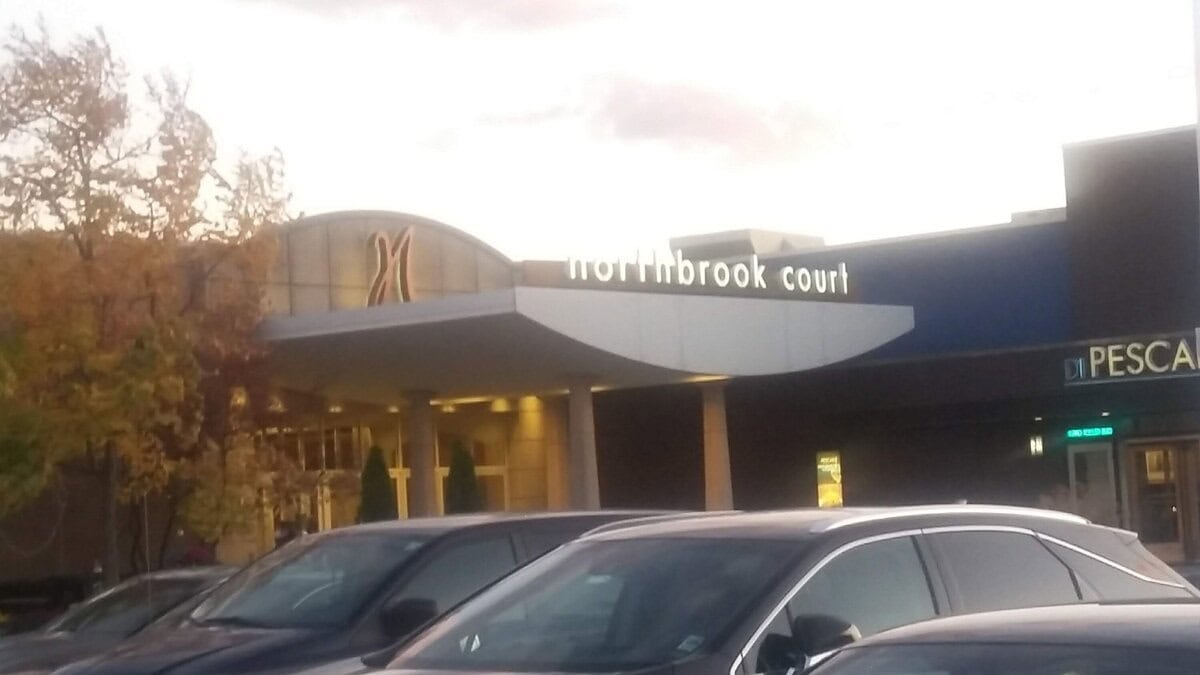
Competition grew as newer malls, especially Northbrook Court, about seven miles away, with Neiman Marcus as its main store, went after the same wealthy neighborhoods with newer buildings and more choices.
Old Orchard's group of smaller stores, sometimes fewer than seventy-five, seemed weak compared to its competitors.
It also did not have what newer malls saw as must-haves: places to eat and things to do built into the shopping area.
The original design made things worse. Marshall Field's large size in the middle broke up the flow, and the mix of stores split around the main stores.
1991-1995: the great promenade reconstruction
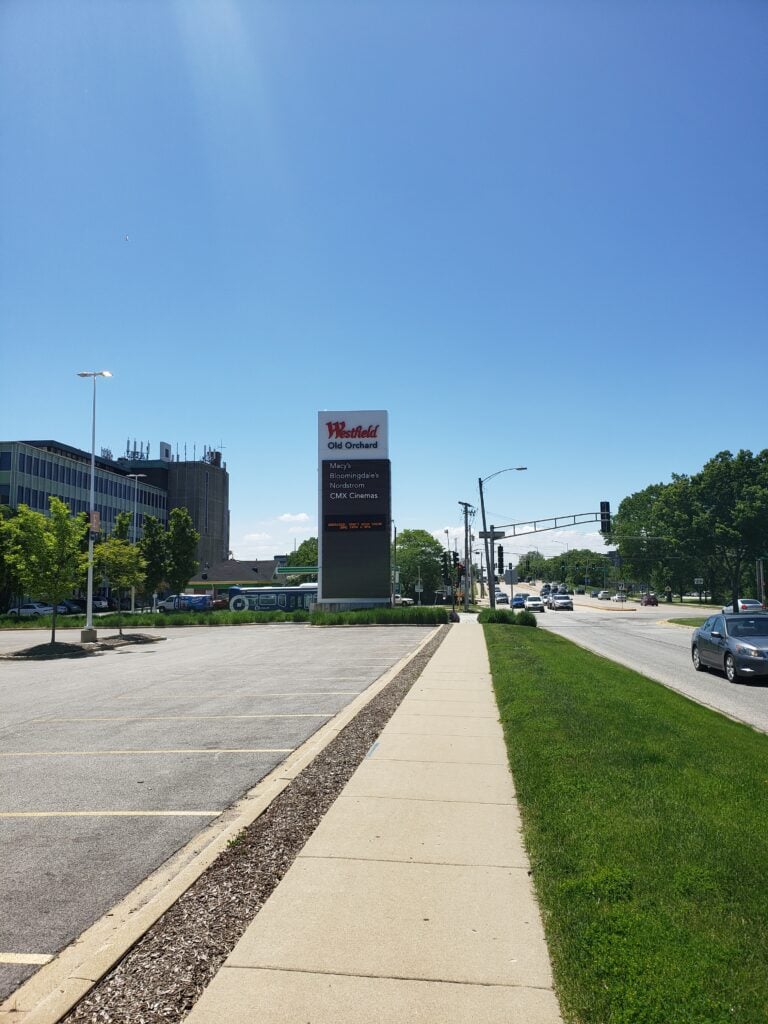
The comeback began with a commitment that made other commitments possible. In 1991, Nordstrom announced plans for its second Chicago-area store at Old Orchard, and redevelopment shifted from wishful to inevitable.
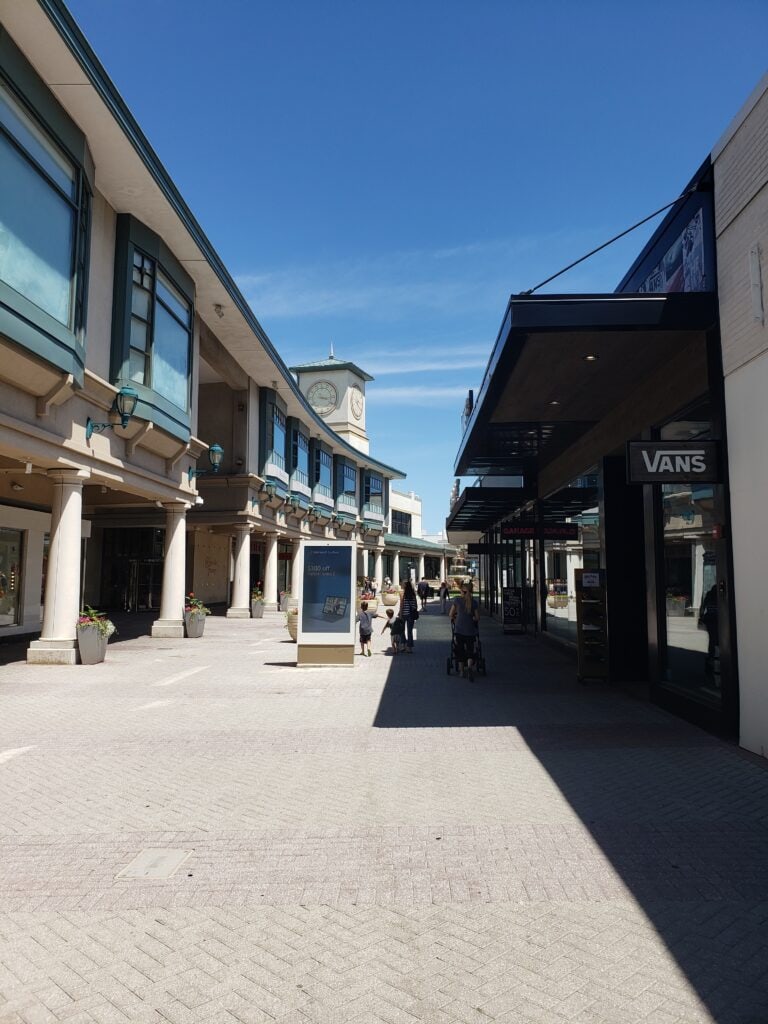
The goal was to add variety and fix circulation, creating a continuous outdoor pedestrian path linking the anchors.
Phase I ran from January 1993 to October 1994. A two-level, 200,000-square-foot Nordstrom replaced the vacant Ward site.
The south end was demolished and rebuilt as a new promenade with a food court, plus a seven-screen cinema that opened on December 16, 1994, and a five-level, 1,175-space parking structure.
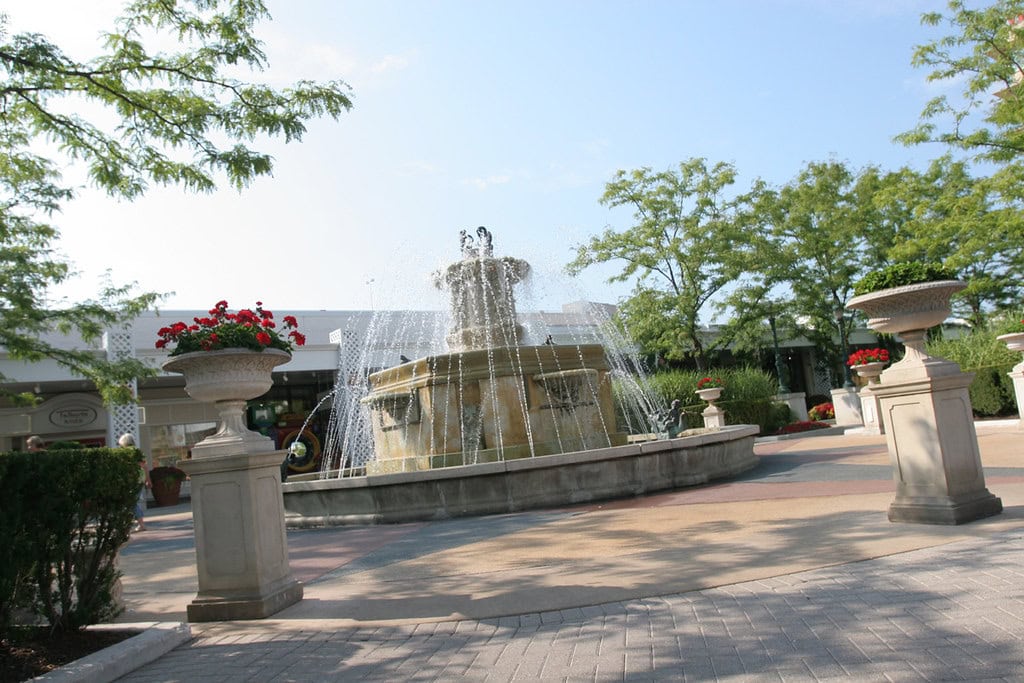
Common areas were rebuilt from surfaces to seating, with landscaping and fountains used to emphasize the open-air character.
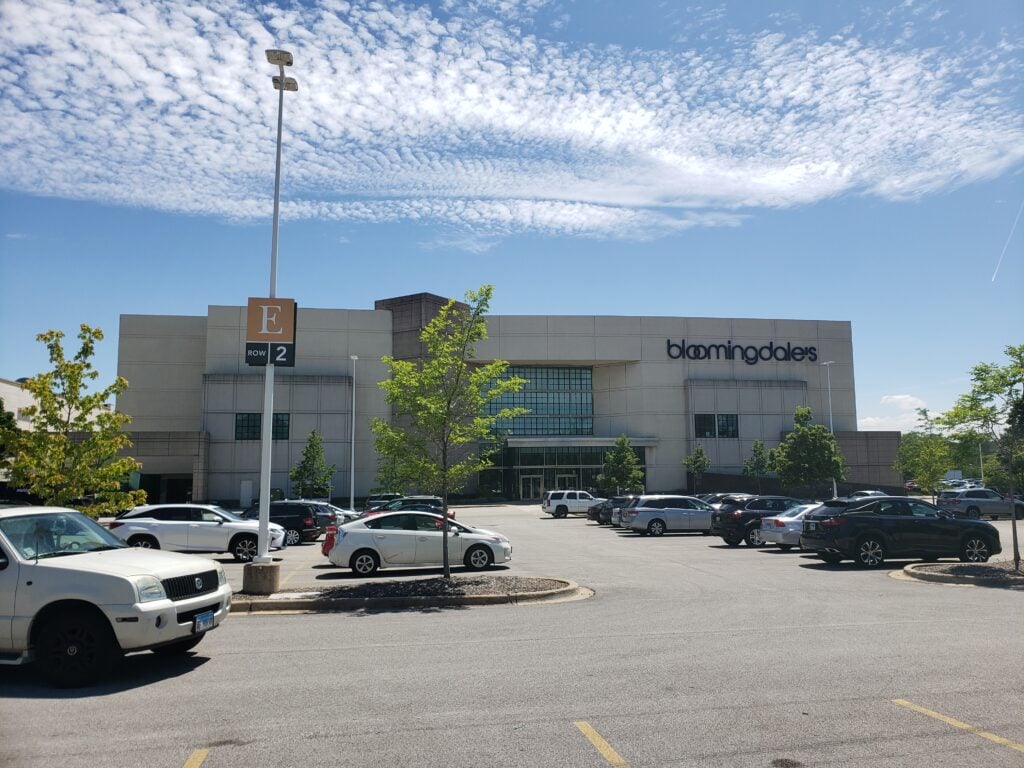
Phase II ran from August 1994 to September 1995. Bloomingdale's opened as a three-level, 200,000-square-foot anchor at the northwest corner.
New shop space and additional parking reshaped the north side, and tenants arrived in waves, including Maggiano's Little Italy on October 28, 1994, Barnes & Noble, and later specialty openings through 1995.
Ninety-four mature trees were transplanted, and the project separated storm and sanitary sewers and added stormwater retention.
Total redevelopment costs came to about $134 million.
Westfield arrives, Macy's replaces Field's
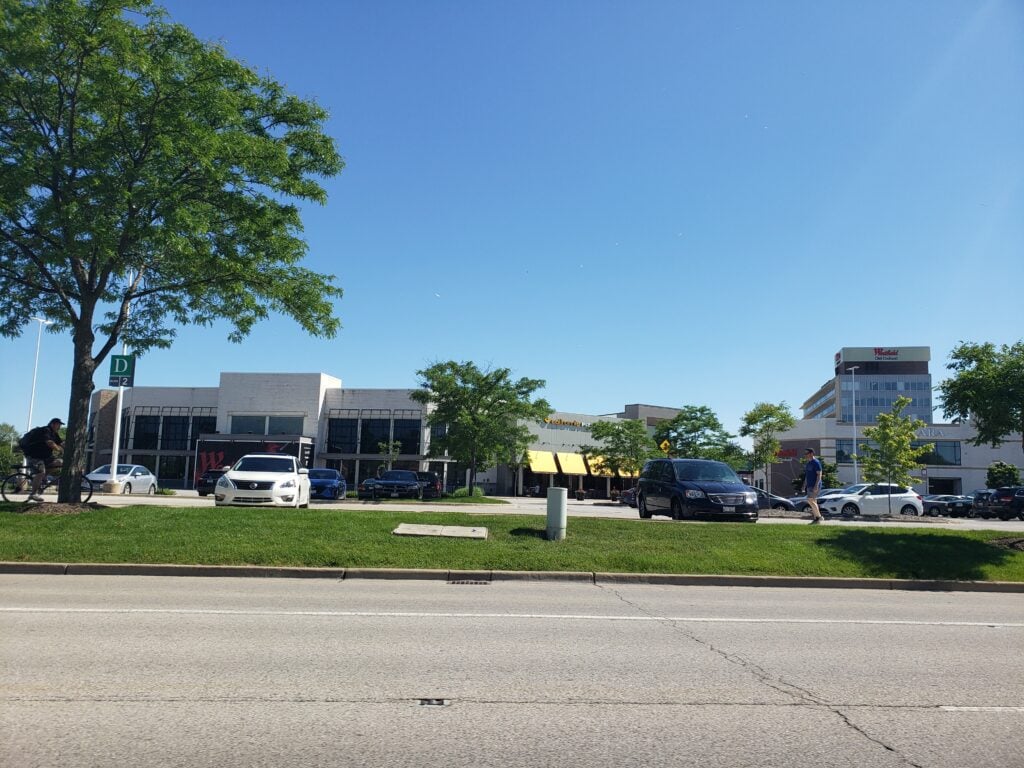
In 2002, Westfield Group purchased Old Orchard and renamed it, briefly inflating the brand into "Westfield Shoppingtown Old Orchard" before shortening it to Westfield Old Orchard.
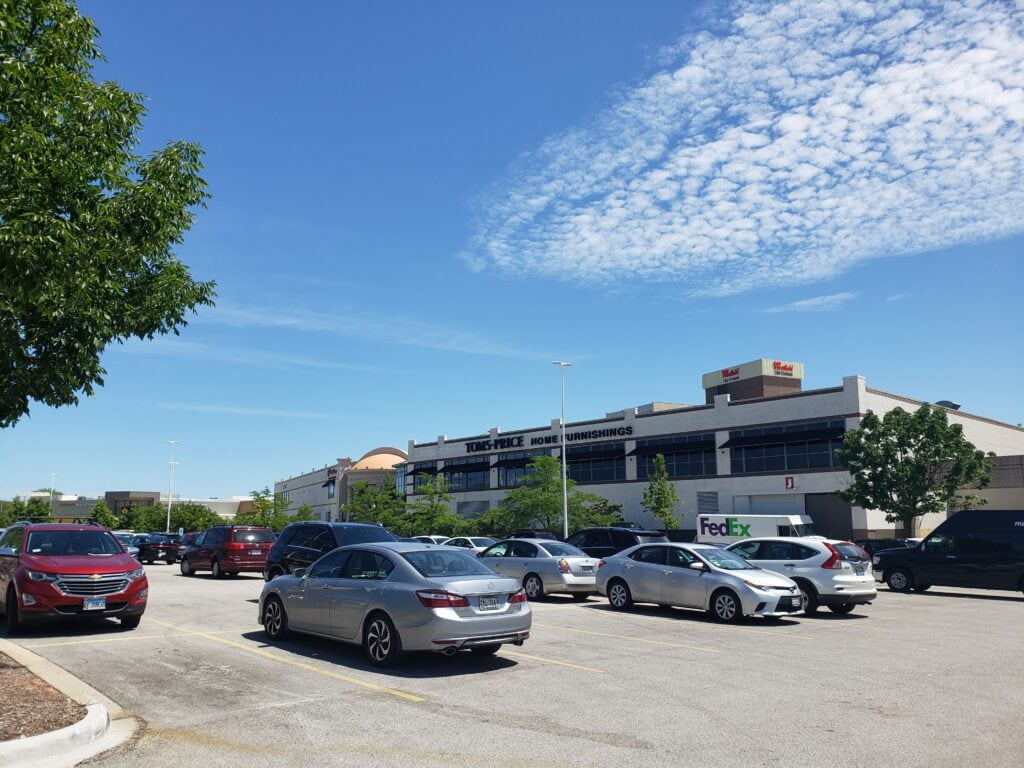
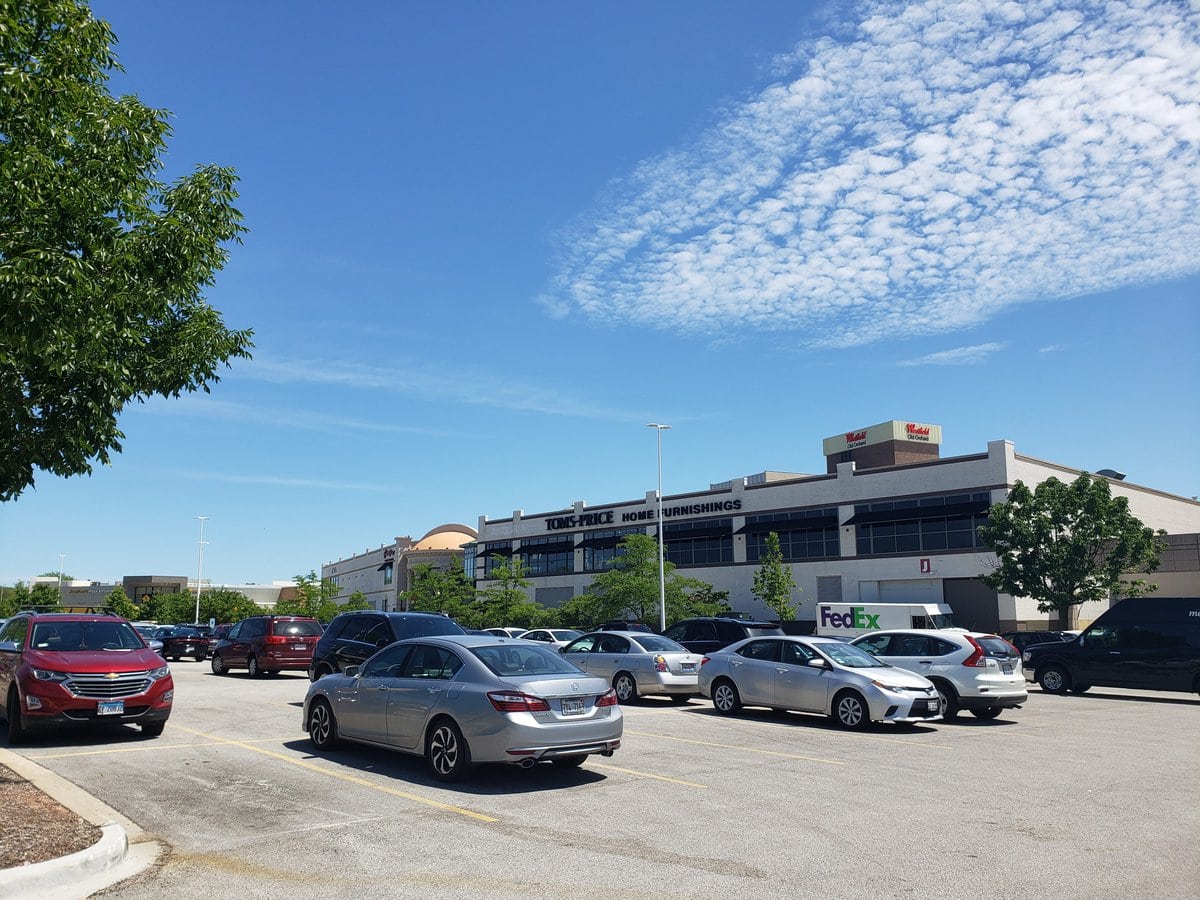
The early years brought targeted improvements, including additions like Toms Price Furniture in 2004, a Foot Locker renovation in 2005, and a Cold Stone Creamery opening.
Saks Fifth Avenue closed in July 2005 after forty-seven years, and its building was demolished in 2006 to create new retail and restaurant space.
On September 9, 2006, Marshall Field's converted to Macy's, replacing a Chicago institution with a national brand at the center of the site.
A second theater complex opened in 2006 at the west end of the South Promenade.
In late 2007, the center reopened after a $50 million expansion and renovation that brought new stores, added Lucy in July 2007, relocated California Pizza Kitchen, and welcomed McCormick & Schmick's on December 6, 2007.
By 2012, the multiplexes had taken on Regal branding.
Wilde & Greene, cinemas, and anchor churn
The 2010s pushed Old Orchard further toward dining and experience.
In July 2011, the food court became Wilde & Greene, a 30,000-square-foot natural market and restaurant with eighteen stations and a rooftop bar; it closed in June 2013.
Uncle Julio's opened in 2014, Buffalo Wild Wings in 2015, and Shake Shack on September 9, 2015.
The cinemas cycled through operators, then both were shuttered in June 2016 and later reopened under CMX: a CineBistro soft opening on December 15, 2017, and a second venue on July 27, 2018, with fewer seats and more dining.
Anchor churn continued. Lord & Taylor announced its closure in December 2017 and closed in April 2018, with 119 employees laid off.
Barnes & Noble announced a permanent closure in November 2021 when a lease was not renewed, then reopened in a new location.
In 2022, Bloomingdale's closed its full-line store and shifted to a smaller Bloomie's format; the former anchor site was slated for reconstruction with apartments and a town-square-like public space.
Mixed-use approvals and late-2025 leasing
Ownership had consolidated in 2018 under Unibail-Rodamco-Westfield. In December 2022, the company outlined a two-phase transformation aimed at turning the property into a live-work-shop district.
Phase 1 would replace the former Bloomingdale's area with five- and seven-story buildings, more than 400 apartments, about 16,000 square feet of restaurant and retail space, and a new public common area for events.
Phase 2 would add roughly 250 more residential units and preserve an option for a hotel.
Skokie's Village Board approved key plans on December 2, 2024, including on-site affordable units for at least twenty-five years.
The company has described a $100 million commitment, with openings expected to begin in 2026 and a tentative full buildout stretching toward 2030.
Meanwhile, leasing did not pause. 2023 and 2024 updates highlighted additions like Louis Vuitton and Tory Burch, and plans to repurpose the former Lord & Taylor space for Arhaus, Puttshack, and a relocated Zara.
On July 29, 2025, the center went into lockdown after a report of a gun; no shots were fired, and no injuries were reported.
Holiday announcements in November 2025 pointed to arrivals including Abercrombie & Fitch, LEGO, Sweetgreen, Blue Bottle Coffee, and POP MART.
LEGO opened in early December 2025, and Sweetgreen is scheduled for December 18, 2025, with sneak-peek days December 16-17.
Old Orchard, amid a larger overhaul that may take years to complete, is becoming Skokie's outdoor downtown; the direction is no longer a question.
It sells dinners and apartments with the same confidence it once sold shoes. The orchard did not vanish. It simply learned a new crop.
I find two things utterly ridiculous regarding the mall. The first is that the elevators have not worked in years. The second is the bogusness of the village charging people an extra 1% sales tax to revitalize the mall. While I like to shop there, I shouldn't have to pay a cover charge!
Doug
Thank you for sharing your concerns about Westfield Old Orchard Mall. The issue with the elevators is indeed frustrating, and the additional sales tax is a matter of concern for many shoppers. Such issues need to be addressed.