
How Alpena Mall made a corridor on US-23
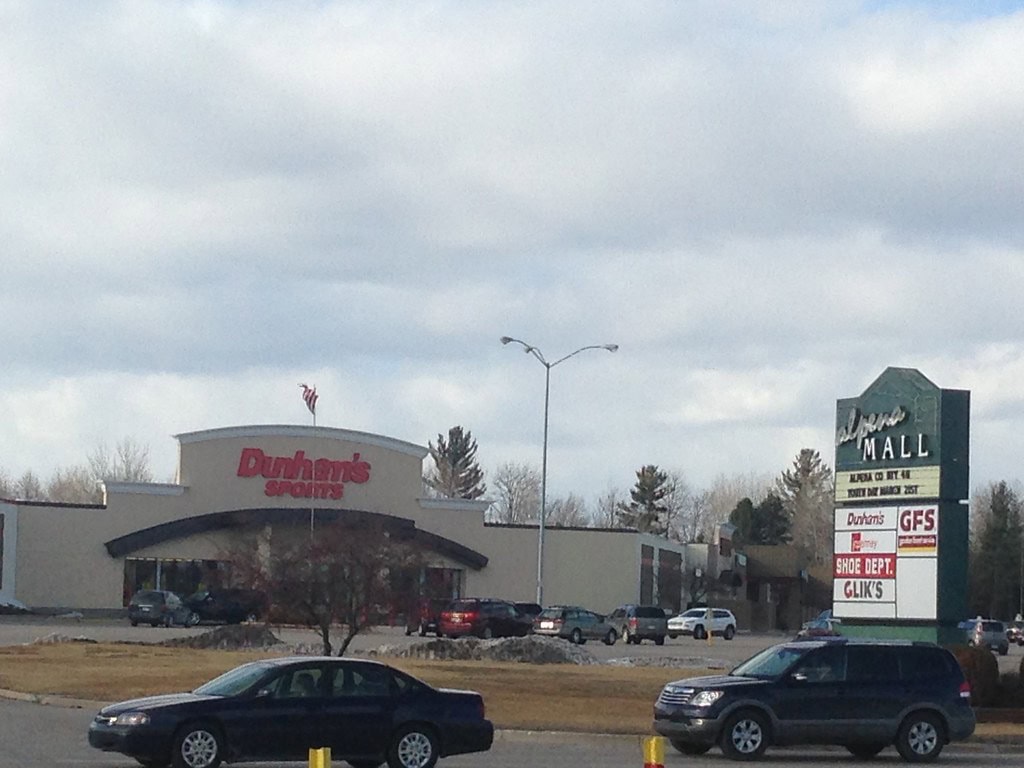
If you follow U.S. 23 South out of Alpena today, past the shuttered big boxes and the stubborn survivors, you eventually come to an oddly proportioned hulk at 2380 U.S. 23 South.
That concrete rectangle, 183,000 square feet of it, is Alpena Mall, once the only enclosed shopping mall in all of Northeast Michigan.
Before it became a monument to a certain kind of American optimism - air-conditioned, fluorescent, and carpeted - the town had already dipped a toe into modern retail.
In 1962, the Alpena Shopping Center opened at the base of State Avenue at Chisholm Street, with a Kresge store anchoring a modest strip and teaching local residents to park in front of their shopping rather than above it.
By the early 1980s, the Schostak Brothers, a Michigan real-estate firm operating out of Lansing and other locales as needed, were ready to supersize the idea.
They built Alpena Mall directly in front of an existing Kmart, forcing discount hunters to enter through the mall to reach the blue-light bargains.
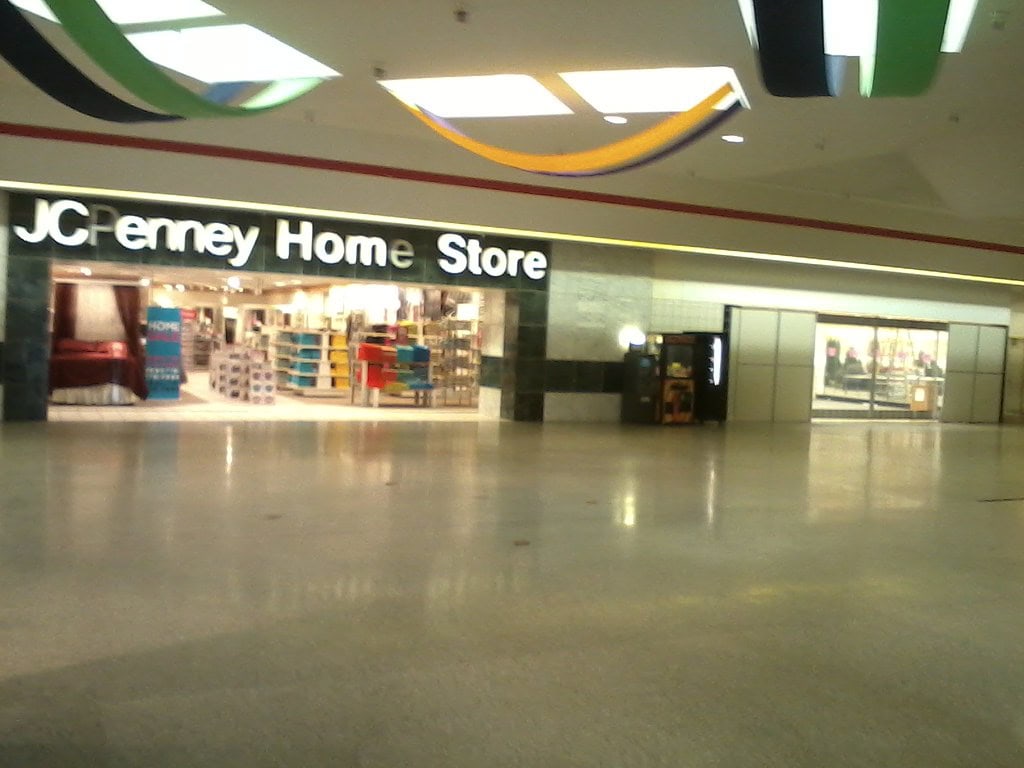
JCPenney joined as a second major anchor in 1983, squaring the circle of middle-class respectability. In one move, a quiet stretch of U.S. 23 became a retail corridor and, more subtly, a social one.
In a town where winter is a serious hobby, having a climate-controlled promenade suddenly felt like progress itself.
Bookstores, pretzels, and a simpler time
Alpena Mall was never as large as malls in other towns, but in a place where most roads led to forests or lakes, that was enough.
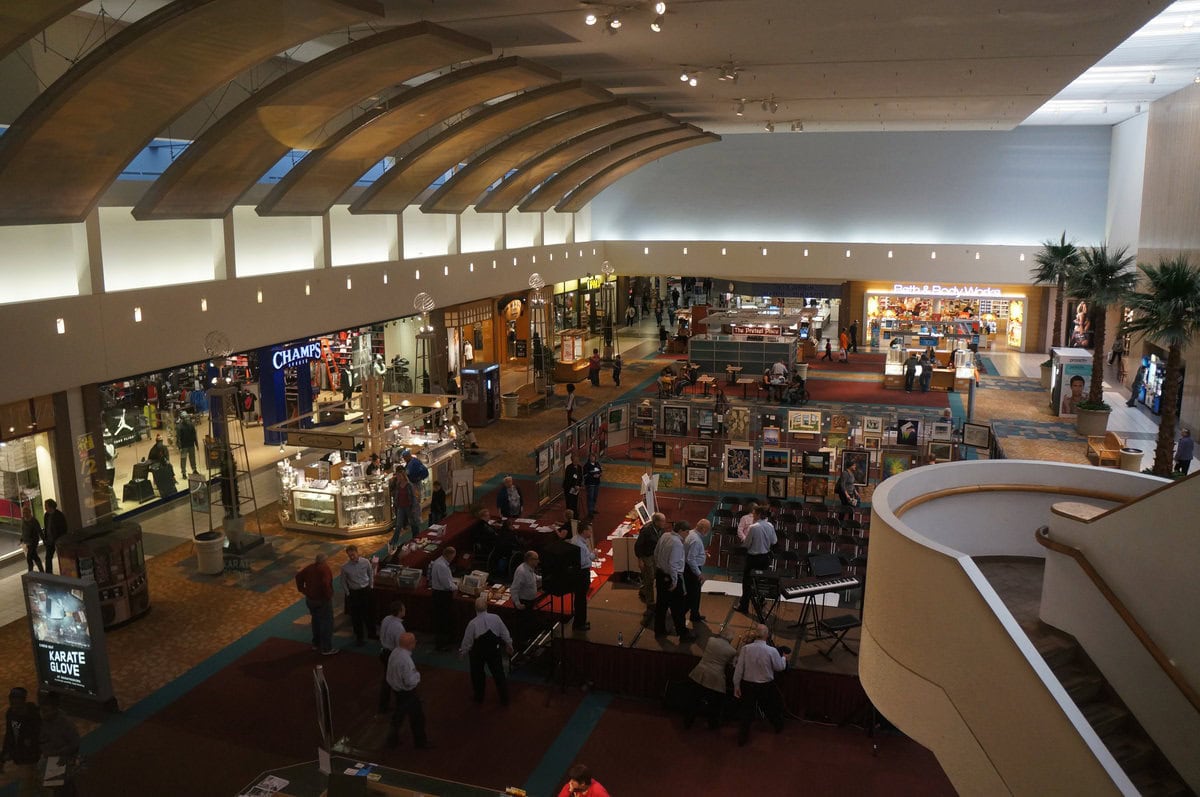
At its peak, about 30 stores filled the mall. Some were big names you'd find in cities, while others were local favorites.
Waldenbooks and B. Dalton made it a spot for book lovers, and Hallmark and Zales Jewelers were nearby for cards and jewelry.
Circus World, which later turned into KB Toys, gave small plastic toys to kids who behaved while their parents shopped.
Charbonneau's restaurant was a place to sit down for a meal, and First of America Bank and Shifrin-Willens Jewelers were there for the adults.
You could find Fannie Farmer chocolates, Lerner for clothes, Kinney Shoes for practical buys, and Hot Sam Pretzels for a quick snack.
Maybe you came in for snow boots but left with a book, a gold chain, and a cinnamon-sugar pretzel. The mall became part of everyday life.
On Friday nights, teenagers walked the halls, looking at each other and spending time together.
Older adults used the same route to walk inside every morning, long before anyone called it 'wellness.' Alpena Mall was small enough that you couldn't get lost, but big enough to let you dream for a while.
Kmart walks out, new anchors move in
The first big change happened in 1995, when Kmart decided it didn't need to stay in the mall anymore.
The store moved to a new standalone building farther down U.S. 23 South, leaving a huge empty space at the edge of the mall.
This move meant more than just lost square footage. Without Kmart, shoppers no longer had to walk through the mall, and the smaller stores lost the extra foot traffic that had helped them survive.
Mall management tried to solve the problem by splitting up the old Kmart space. Some of it went to Gordon Food Service, some to Stage, a store for average-income shoppers, and about a third stayed empty.
This was more of a short-term fix than a real solution. People still came to buy groceries and clothes, but the mall no longer felt as connected as before.
At the same time, the original developers left. The Schostak Brothers sold the mall, and it was sold a few more times before Cocoa Capital Corp. took over. During this time, Stage was replaced by Glicks.
Glicks soon saw that the old Kmart space was too large for what it needed and moved into a smaller spot that used to be Maurices, becoming a smaller main store instead.
Dunham's Sports eventually took over the empty Kmart space, filling the last of the gap and even taking part of the mall's hallway.
What used to be a shared area became part of the sporting-goods store, showing early signs that the mall was starting to get by with less.
Emptying corridors and the late-2010s attempts at a fix
By the 2010s, the decline was obvious. New big-box stores opened along M-32 West, drawing shoppers to a newer area, while online shopping made it easy to shop from home.
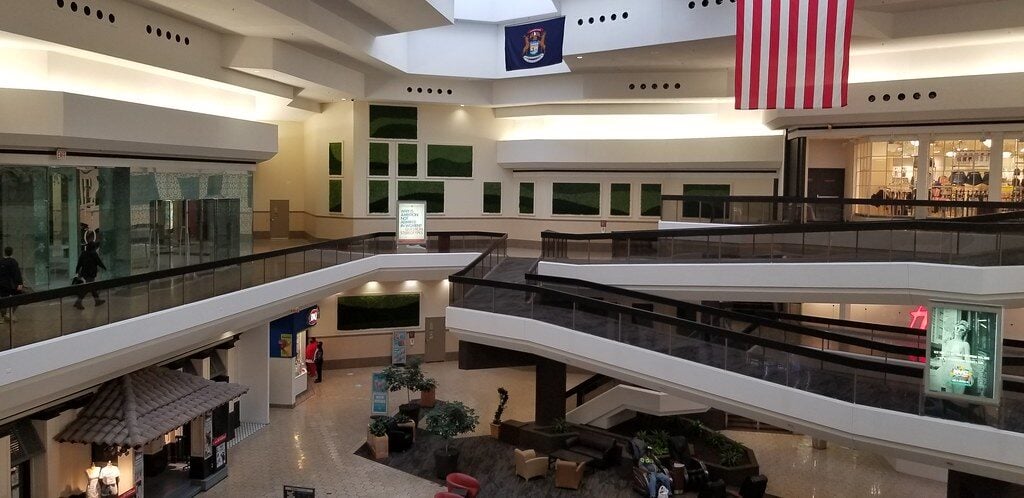
Alpena Mall lost more stores, and the empty spaces grew. Big national stores left, and empty storefronts filled the halls with 'For Lease' signs and hopeful floor plans.
There were still some efforts to bring new life to the mall. In 2014, Shoe Dept. opened, becoming one of the last new stores to do well.
Michigan Works!, the local job group, helped bring the store in, which was seen as a small win for keeping jobs and helping workers.
The new shoe store joined Gordon Food Service, JCPenney, Dunham's, and a few small shops that were still hanging on.
In December 2018, the mall got a new owner from out of state. Molla Investments, a company from Shreveport, Louisiana, bought the property.
Its leader said that malls had changed and stores were struggling, but he tried to stay hopeful.
His team supported the current shop owners and looked for good new ones. Shops like Karma's A Fish!
and Little Bit of Everything had fewer customers, though some weekends were still busy. Alpena Mall was no longer a shopping "destination." It was something more fragile: a habit.
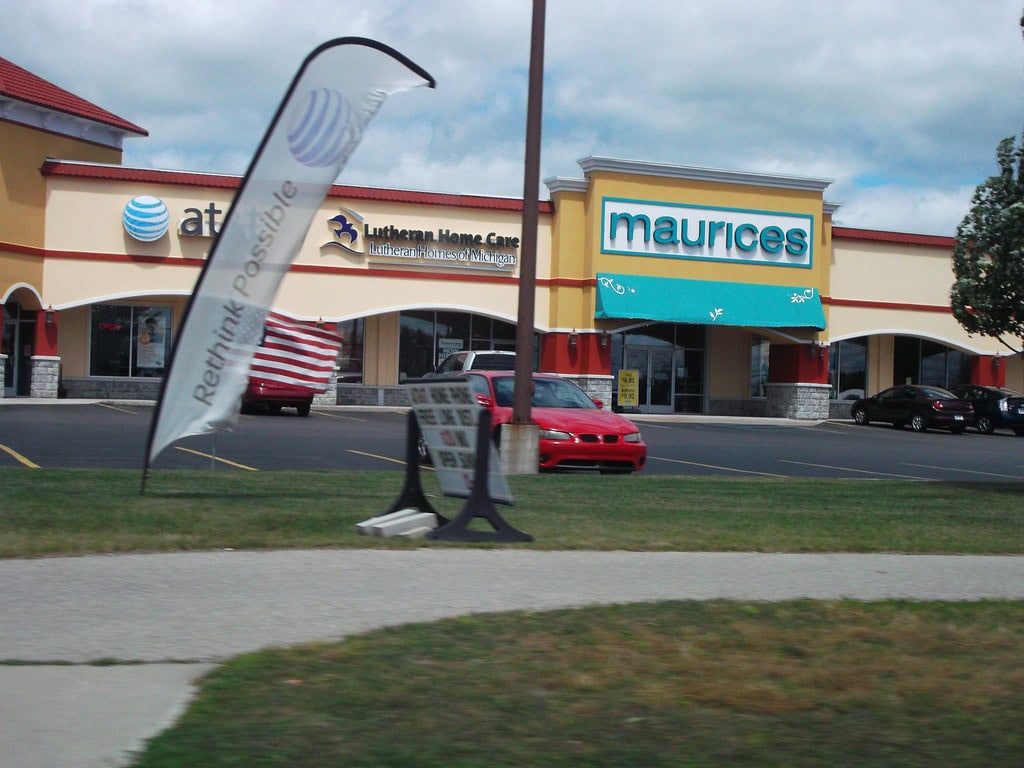
Ideas to Production and Alpena Mall's Last Tenants
If the late 2010s were about managing decline, 2020 was about conceding it.
On June 4 of that year, JCPenney announced that it would close its Alpena Mall location as part of a national plan to shutter 154 stores after bankruptcy.
Local economic development officials warned that the loss could be catastrophic for the mall, and they were not overstating it.
By the time the store went dark that fall, only Gordon Food Service and Dunham's Sports remained as true anchors, and Gordon Food Service had the added advantage of owning its own box.
At the same time, another kind of tenant was eyeing the space. I2P - short for Ideas to Production - had been operating a manufacturing hub out of the former Kmart building across U.S. 23.
It signed a purchase agreement to take over Alpena Mall, with plans to convert the property into a mixed-use industrial complex: storage, light manufacturing, offices, and workspaces for firms trying to get new products into the world.
On October 12, 2020, after nearly four hours of presentations, public comment, and deliberation, the Alpena Township Planning Commission unanimously approved a special-use permit for the project.
The I2P representative told officials that there would be little change to the exterior and only limited alterations inside.
The company even hoped to maintain a retail presence of sorts, leasing to businesses that fit its innovation-minded mission.
But he also said the quiet part aloud: the mall was only one piece of I2P's larger puzzle, and future growth would demand at least three more properties of similar size.
As the deal moved forward, many remaining retailers were told they would have to renew their leases at market rates after the new year or move.
Stores with longer-term contracts were allowed to run out the clock. Over late 2020 and into 2021, tenants migrated downtown, and the mall's roster thinned from about 20 shops to nine.
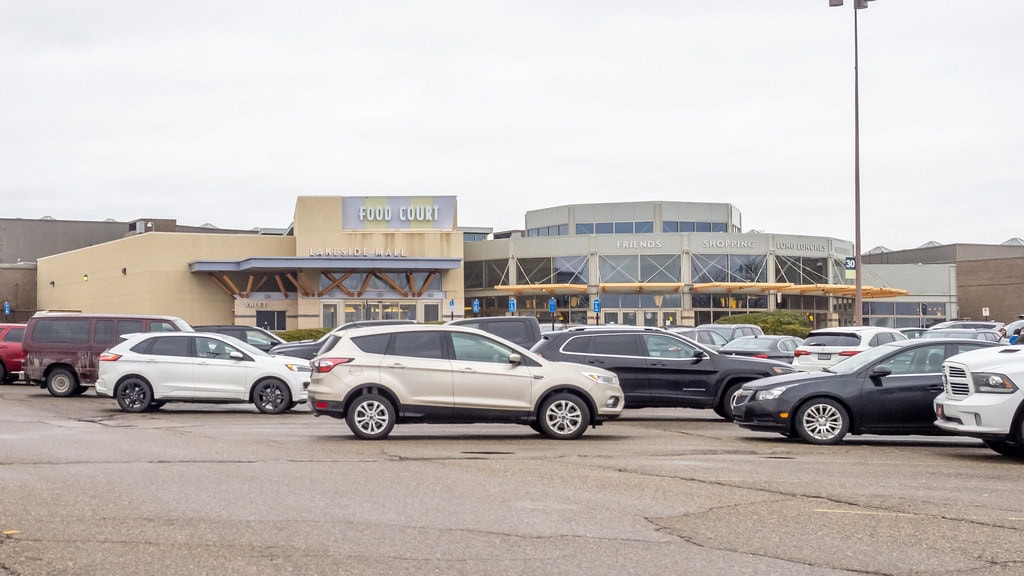
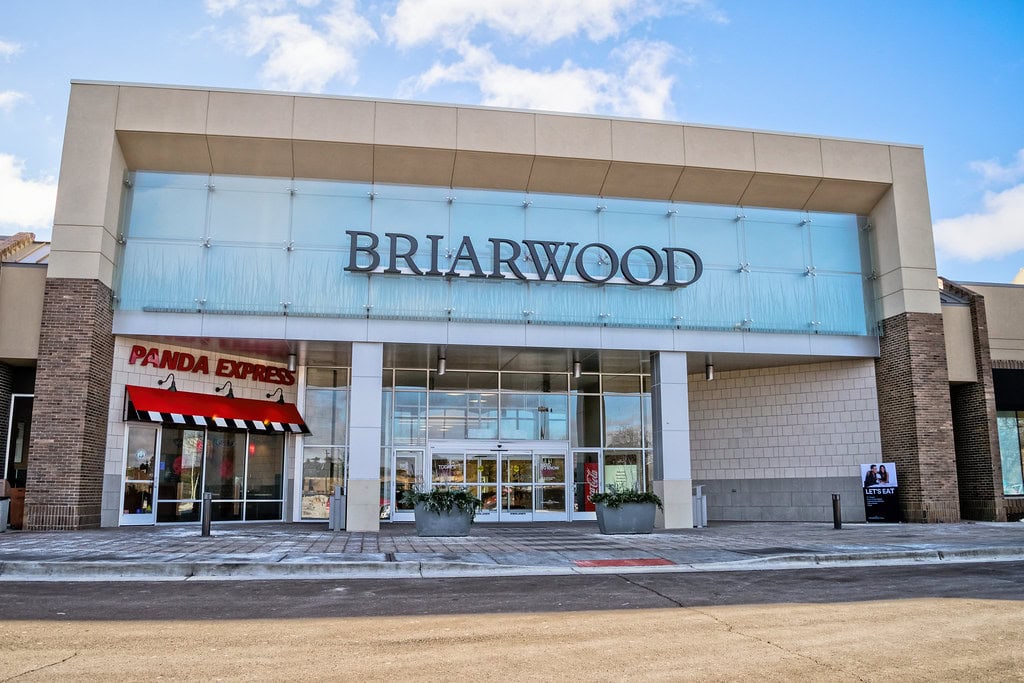
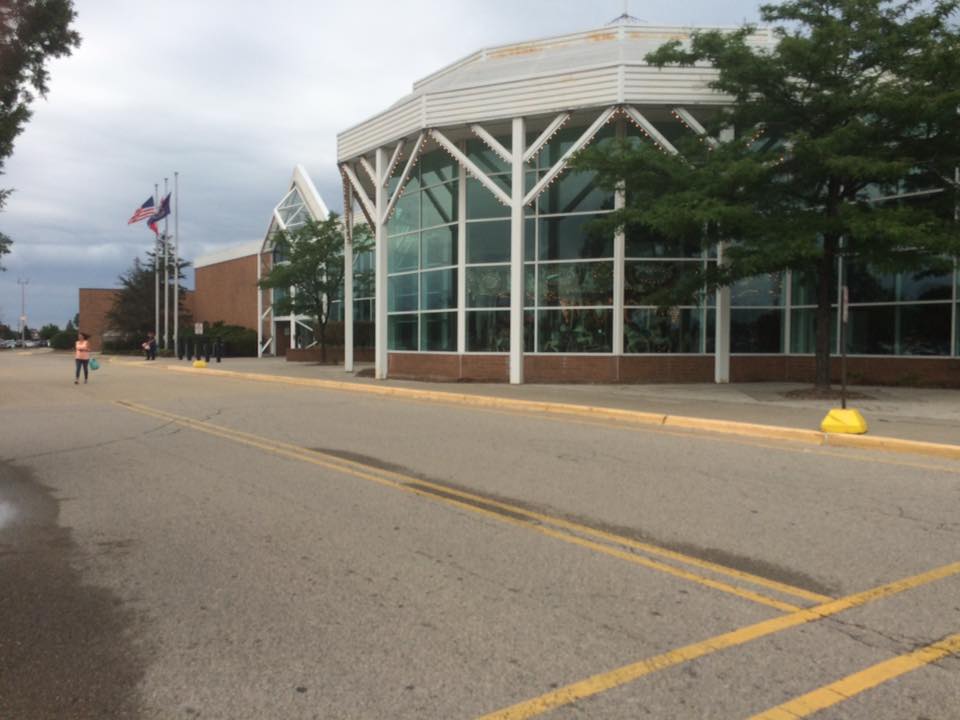
Afterlife of a mall in a shrinking strip
By September 2021, Alpena Mall was down to something like a whisper. Dunham's Sports and Shoe Dept. no longer opened onto the interior corridor at all; they functioned as exterior-facing boxes.
Inside, the mall proper hosted just three tenants: a nail salon, Stitches and Blooms, and Prattscape's home goods and antiques.
On one of Prattscape's final days, merchandise was already being moved toward back rooms in preparation for a relocation.
The common spaces, once a winter refuge, had the spaciousness of an empty gym.
There was one final gesture of civic generosity before the lights went out. Over the years, the mall had amassed a large collection of Christmas trees and decorations, enough to stage an entire season in-house.
As closure loomed, those ornaments were gifted to the Besser Museum for Northeast Michigan.
They now live on in the museum's Season of Light exhibit, where trees representing different nations and cultures are arranged for visitors each winter.
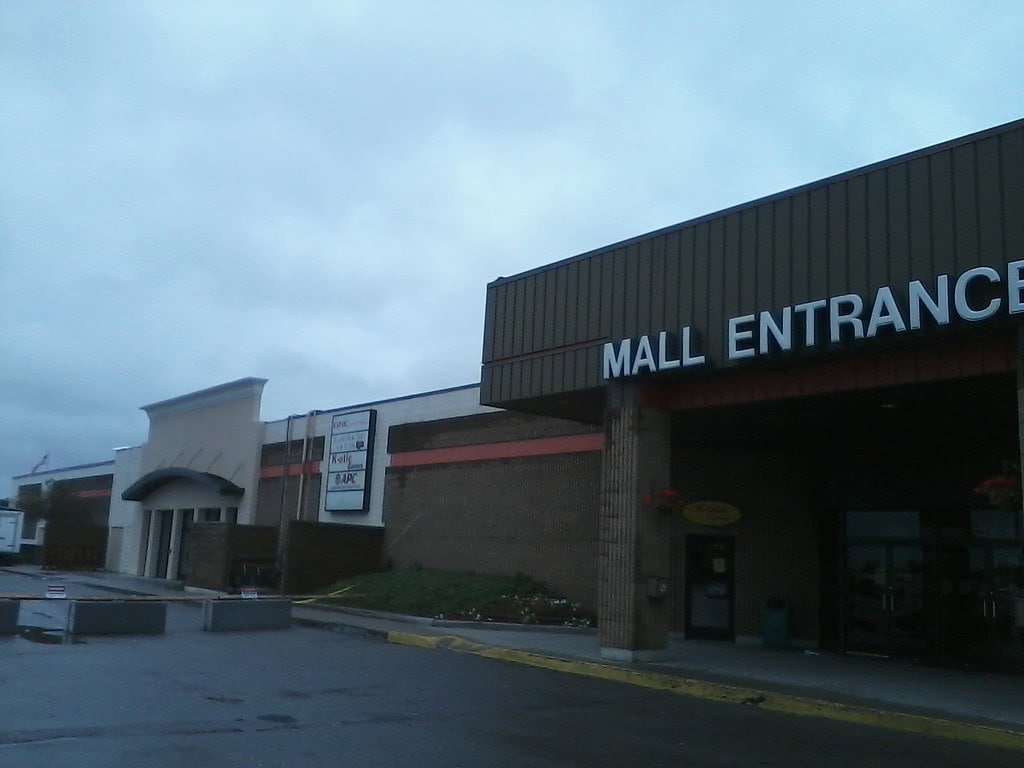
The mall itself officially closed in December 2022. Gordon Food Service, Dunham's Sports, and Shoe Dept. remained open in their respective spaces, but the interior was locked.
In the years since, I2P has used the former mall structure as part of its manufacturing operations.
The building functions less like a public square than a sealed workshop. From the road, it looks much the same; inside, the logic has flipped from browsing to production.
The farmers market, which once moved indoors to the mall in winter, is now primarily listed at Mich-e-ke-wis Park on State Avenue, though some event directories still reflexively point to the old address.
From dead mall to corridor-wide reinvention
Today, Alpena Mall sits among a group of old, boxy buildings along U.S. 23 South that city planners see as both a challenge and a chance for something new.
The area used to be the main place to shop, where people went for stores like Kmart, Midway, Giantway, Neiman's Family Market, Peebles, and the mall itself.
Over the past ten years, many of those stores have disappeared. Rite Aid closed, Big Lots and JOANN Fabric and Crafts left, and Burger King shut down.
A new Ollie's Bargain Outlet has opened in the nearby Thunder Bay Shopping Center, and smaller businesses have moved in to fill some empty spots, but the area does not attract as many people as it used to.
Officially, Alpena Mall is no longer a mall at all; it is an industrial site that occasionally remembers its past. Community use of the property has become intermittent and improvised.
One weekend, a holiday craft and vendor show might be advertised for a Saturday in November, doors open from morning until early evening.
The rest of the time, the parking lot is just another expanse of asphalt facing the lake wind.
Meanwhile, downtown Alpena has quietly become the main place where people gather again. The Downtown Development Authority, started in 1980, has spent years fixing up the old part of town.
Now, more than 200 businesses. Some of these are run by people who used to have stores in the mall and chose buildings with brick fronts instead of metal ones when their leases ended.
In that way, Alpena Mall did not just fade away; it sent its energy back to the streets it once tried to replace.
The building on U.S. 23 South is still a long, low sign that, even in small towns, shopping does not always have to be inside.
it's so sad that they are peanut ball sets with so many empty spaces, and we have people sleeping on park benches with sleeping bags out in the cold
The contrast you are pointing at is hard to ignore: big buildings, big parking lots, and then human need right out in the open.