
Fairview Training Center opens its first doors
In 1908, a new institution opened in Salem, Oregon, on a large piece of land that was still mostly field, not a full campus.
The Oregon Legislature created it the year before, in 1907, as the State Institution for the Feeble-Minded. It was set up as a school-like institution for the "feeble-minded, idiotic, and epileptic."
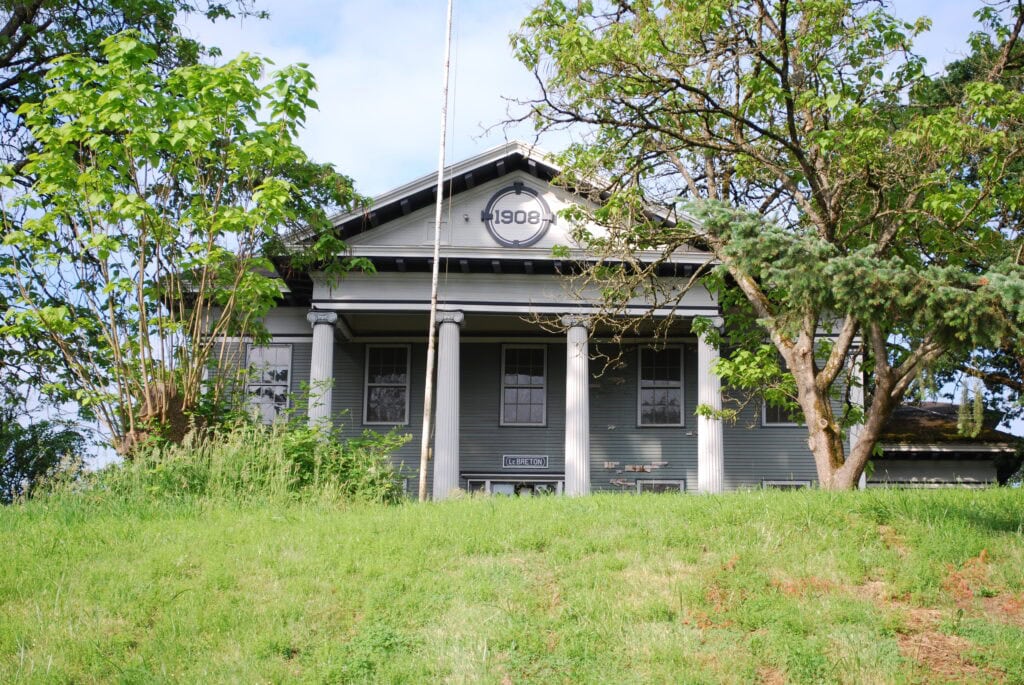
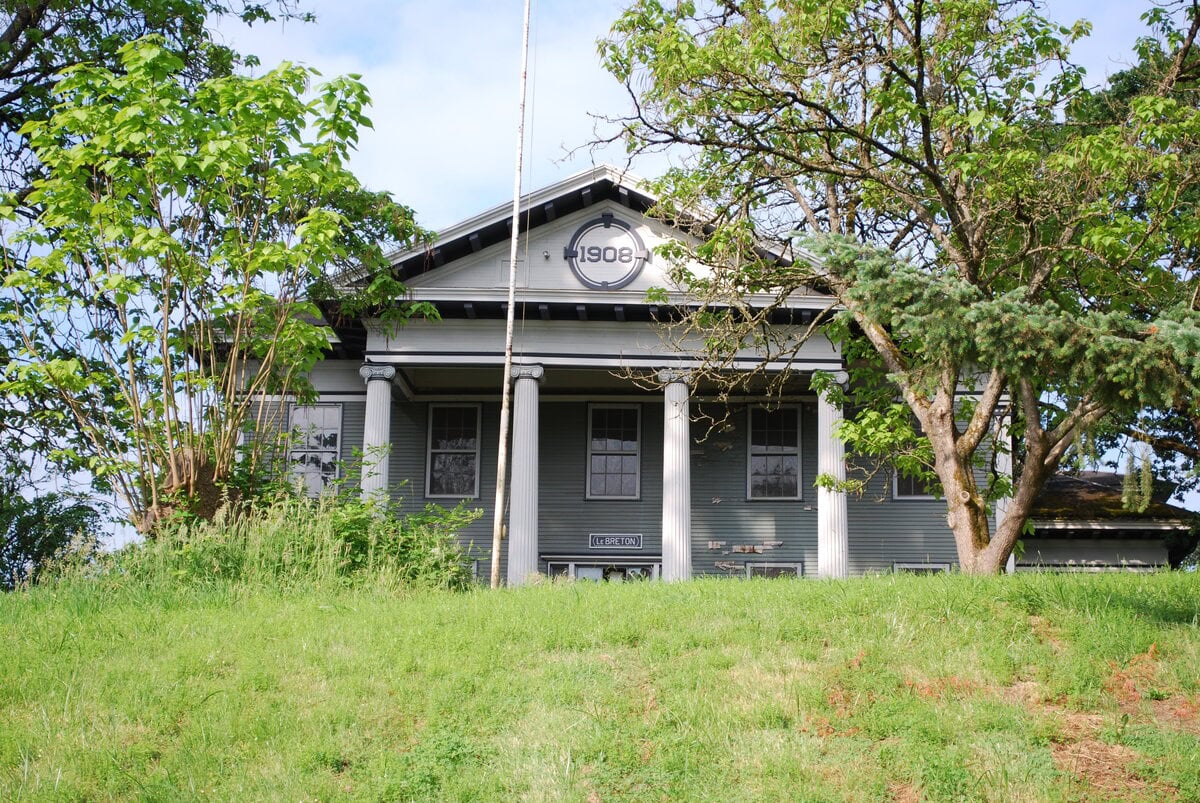
The first buildings were basic and built for daily needs: an administration building called LeBreton Cottage, a dormitory, a laundry, a boiler house, and a barn. Construction began in March 1908.
On December 1, the first 39 patients arrived. They were transferred from the Oregon State Hospital for the Insane.
Superintendent Harry E. Bickers oversaw the transfer and the early work of running the facility. The facility began under a board of trustees that included the Governor, Secretary of State, and State Treasurer.
At first, men and women lived in separate dormitories. Later, children were placed into small family-style groups of about 20 to 25 people, based on how staff judged their intelligence.
School rooms and the attending physician's office were in the main building. Daily life followed a strict routine built around control, work, and long stays.
New cottages rise, and admissions get formal
By 1913, the campus was growing, and two more cottages were added. That year, the Oregon State Board of Control took over, giving the state more direct control of the institution.
In 1917, Oregon passed a commitment law that set clear rules for admissions.
It set an age limit of five years or older. It also aimed to keep Fairview for people labeled "feeble-minded," and to separate it from institutions meant for people labeled "insane." That age limit did not last.
In 1921, the age limit for admissions was removed.
Daily life followed the institution's routines, and residents were treated as people expected to stay for long periods.
Residents were often called "inmates." They lived in cottages that later took the names of Oregon governors, including Benson and Pierce.
The campus ran as a closed place, with rules about leaving, getting permission, and returning. Fairview's early growth followed a bigger state plan.
Farm work grows as eugenics takes hold
Farming became a main part of Fairview's work and its daily routine. The surrounding land, about 700 acres in total, was put into farm use.
By 1920, most of the land planned for farming had been cleared. About 400 acres were planted in crops and 45 acres were planted in orchards.
The farm also raised hogs, chickens, dairy cattle, and beef cattle. The farm supplied food for the institution, and residents worked on it as part of training and daily assigned work.
In 1923, Oregon re-established its State Board of Eugenics after an earlier 1917 sterilization law and board were invalidated in 1921.
Fairview's superintendent served on it as an ex officio member.
The law allowed sterilization of "feeble-minded, insane, epileptics, habitual criminals, moral degenerates, and sexual perverts" when the person consented or when a court order allowed it.
By 1929, 300 residents had been sterilized under these policies.
Control also extended outside the campus. In 1931, parole systems began, including home parole and industrial parole.
The requirements included sterilization, a surety bond filed by a guardian or overseer with at least $1,000 in net worth who had lived in Oregon for at least six months, and inspections of the home or workplace.
About two-thirds of sterilized residents were paroled, which opened beds for new admissions.
Renames, routines, and a busy mid-century campus
In 1933, the institution was renamed Oregon Fairview Home. Changes continued from 1935 through the 1960s, including better medical care, better nutrition, and improved buildings and equipment.
The farm stayed a major part of the site for decades. At its peak, it supplied all the ham, bacon, sausage, eggs, broiler chickens, and pork chops used by the institution.
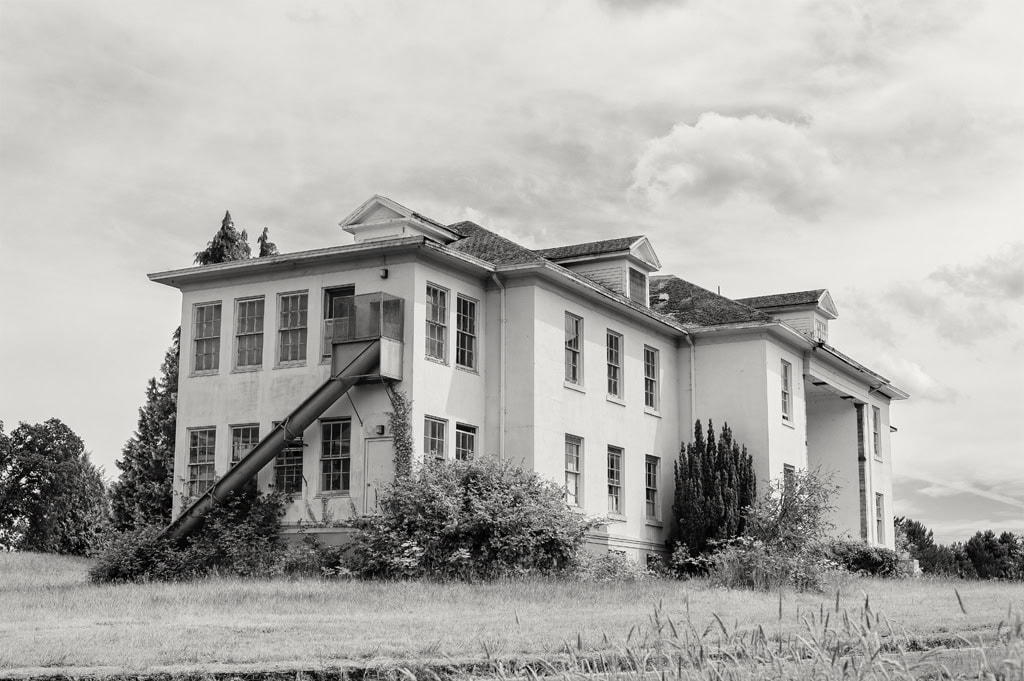
Over the years, the campus added medical and support services in one place. The site had a hospital.
It also had a brace shop for making and adjusting braces. Staff used a special chair with several hydraulic parts to position a person exactly.
They then made a mold from that fit and used it to create a foam back for the person's wheelchair.
The campus also had hydro tubs for water-based care. The dental department did many procedures while patients were under general anesthesia.
The institution kept changing its name as terms changed over time, while the basic setup stayed in place. In 1965, it became Fairview Hospital and Training Center.
Residents continued living in cottage units, and the campus operated like a small city, with buildings, workshops, medical rooms, and constant activity that usually stayed inside the grounds.
The 1960s peak and the first big shifts
In 1963, President Kennedy encouraged care for people with mental disabilities to take place in their communities.
Fairview reached its highest population in the same era. In 1965, when it was called Fairview Hospital and Training Center, the population rose to more than 3,000 residents.
At its height, the property had 61 buildings on 275 acres.
The farm still set much of the daily schedule, but it began to shrink. In the late 1960s, the orchard, beef raising, and general farming were eliminated.
In 1969, the Board of Control was dissolved, and oversight moved to the Mental Health Division of the Executive Department.
Although management changed, the campus still kept people apart from the community, often for many years.
Residents lived in cottages and followed strict routines. The institution used control methods that would later be challenged in lawsuits and lead to reforms.
The move away from farm work continued into the next decade. Hog raising ended in 1975. Poultry processing ended in 1977. The campus remained large, but parts of its self-sufficient system were taken apart step by step.
1970s reforms and the rise of People First
In the 1970s, reform efforts reduced Fairview's population to about 2,000 as residents moved into the community.
During this period, the institution focused on helping people become more independent, learn job skills, and move into community homes.
Daily life at Fairview still relied on strict control. Staffing was about one staff person for every 41 residents. Locked time-out rooms, restraints, and psychotropic drugs were used often.
In 1974, residents formed People First. The first convention was held at Otter Crest on the Oregon Coast, with more than 500 attendees.
This meeting is widely considered the start of the United States self-advocacy movement for people with developmental disabilities.
Linda Gheer lived at Fairview as a teenager. She pushed for basic choices in everyday life, including sleeping in when she wanted, eating what she wanted, and spending time with friends.
Linda Gheer:
"People First was to help people get out on their own and not live in a group home anymore and speak up for themselves."
In 1979, the institution was renamed Fairview Training Center. The name pointed to training and improvement, but the campus remained locked.
Lawsuits, decertification, and a forced overhaul
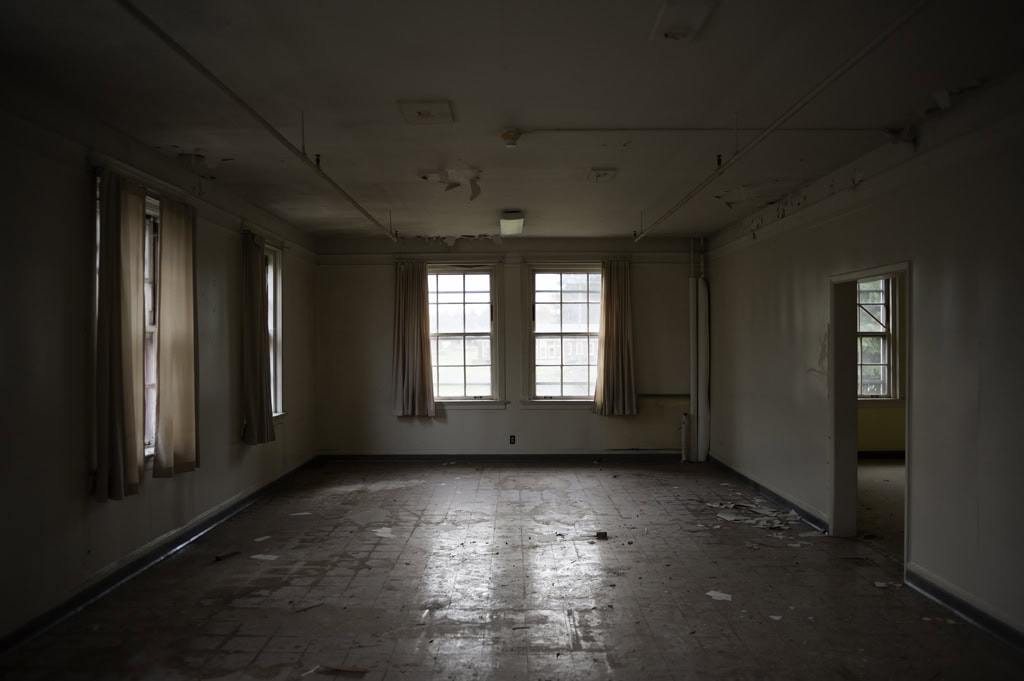
By the early 1980s, Fairview was one of Oregon's biggest problems. The campus was overcrowded. It did not have enough staff.
Abuse and neglect were common. Forced sterilization linked to being allowed to leave the institution remained part of its history.
In 1986, a U.S. Justice Department investigation found conditions that put lives at risk.
Disability Rights Oregon, then called the Oregon Advocacy Center filed a class action lawsuit because residents were not being protected, including residents who hurt themselves.
U.S. Department of Justice filed a civil rights case because residents were not being kept safe, and DRO joined.
In 1987, the Health Care Financing Administration decertified Fairview and cut off Medicaid funding for 14 weeks.
The state covered a $7 million loss. About $30 million was spent to hire more staff and upgrade buildings and services.
In 1989, Oregon agreed to reduce the size of the institution. The work culture shifted from guarding residents to caring for them.
Abuse cases, then the long walk to closure
In 1994, eleven employees were indicted on charges of abusing residents. By August 1995, guilty charges covered nine out of 82 counts, with three trials still pending at that time.
The cases led to new ways of reporting abuse, ending a long-time rule among employees not to speak up.
By 1996, Fairview's population had dropped to about 300 residents. Costs climbed to nearly $200,000 per resident per year.
About 30% of Oregon's developmental disability budget went to serve about 3% of the population living at Fairview.
In July 1996, Oregon adopted a Long Range Plan for Developmental Disability Services that aimed to close Fairview by July 2000 and shift money into community services.
The Legislature adopted the plan in 1997, despite opposition from a parents' association and the employees' union.
On February 17, 2000, the last residents left. Fairview Training Center officially closed on March 1, 2000.
After the gates: lawsuits, housing, and memory
After Fairview closed, Oregon had a waiting list of over 7,000 people who needed help in the community.
Disability Rights Oregon sued the state to require Medicaid-funded community supports to be provided quickly to eligible people.
The case was called "Staley" after lead plaintiff Jim Staley. It created a brokerage service system for Oregonians eligible for intellectual and developmental disability services.
A later lawsuit focused on work. Years after the Staley case, many people receiving support in the community still worked in sheltered workshops for pay below minimum wage.
Another lawsuit argued that the Americans with Disabilities Act did not allow vocational services in an unnecessarily isolating setting.
The Fairview property began changing hands. In 2002, Sustainable Fairview Associates bought 275 acres of the former grounds for $12.5 million.
A 2005 plan for rebuilding the area included 1,600 homes, parks, stores, and protected natural areas like wetlands and forests.
The plan also included walking paths and ways to save energy, such as using extra heat that would otherwise go to waste.
In 2004, 32 acres were sold for Pringle Creek Community. The rest of the vision unfolded slowly and unevenly over the next two decades.
Redevelopment slows, then art returns in 2025
The redevelopment plan ran into trouble. In 2007, master developer PJM Fairview went bankrupt, and the property went to auction.
Ownership became divided. In 2014, it split again when Sustainable Fairview Associates broke into two entities.
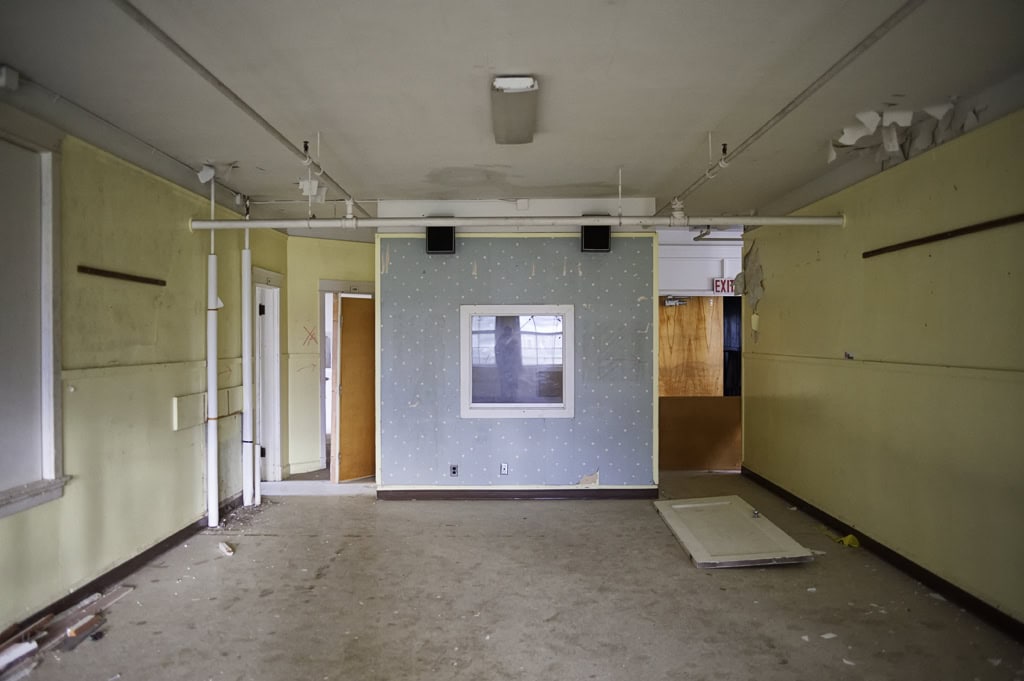
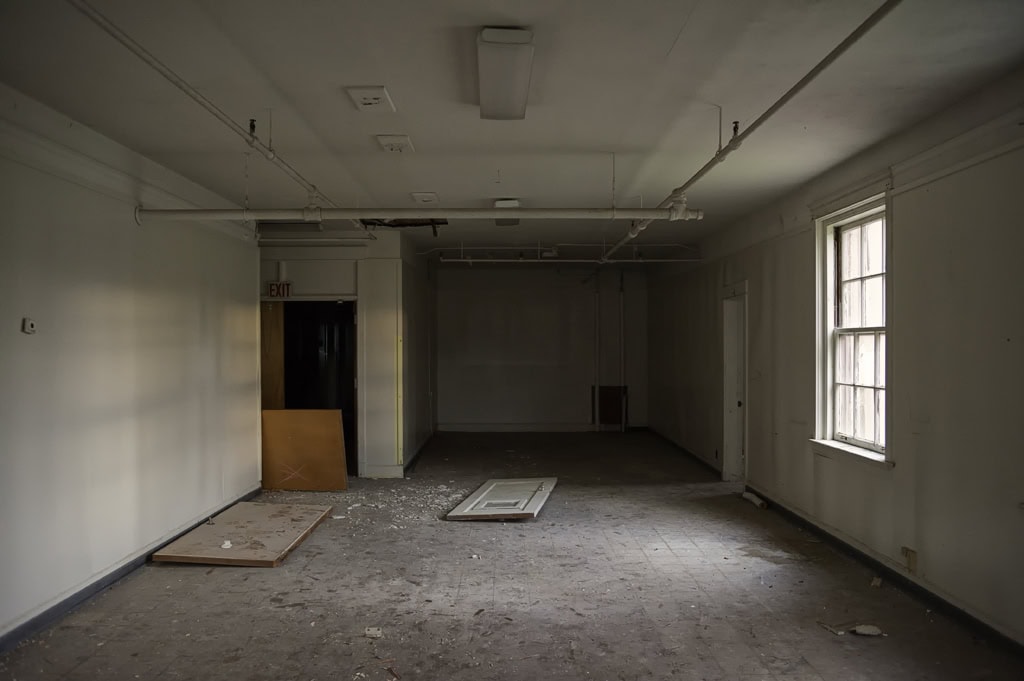
Old buildings were left in bad shape, and safety worries grew.
In January 2010, Pierce Cottage was gutted by a suspicious fire, and two men were charged with arson the next month. In 2016, the remaining cottages were demolished.
By 2019, redevelopment was moving forward in separate projects. Pringle Creek Community expanded on the north end. Fairview Addition grew near Leslie Middle School.
A Mountain West Investment Corporation project on the old Fairview site near Heritage School finished the first part of The Grove, which has 180 apartments in several three-story buildings.
A 26-acre city park also moved forward, with funding tied to a $2 million payment by Salem to Sustainable Fairview Associates.
In 2020, Oregon Public Broadcasting aired "In the Shadow of Fairview."
In 2025, the art project "Our Fairview…" held workshops and exhibits about trauma and legacy, including "Entwined: Legacy and Memories" on June 7, 2025, at Portland Arts Collective.
My mom was a nurse on Kozer Cottage for several years while I was growing up in Salem. She worked her way up to be charge nurse before quitting. I had made some good friends during my visits with some of the youngsters. I’m so sorry to hear of the alleged abuse. Had no idea this was going on. History was surely not a good thing then.
Thank you for sharing your personal connection to Fairview Training Center. Your mother's experience and your friendships there add a unique perspective to the conversation.
I've been to this mental hospital I went about 10 or so years ago. The hospital definitely doesn't look like that anymore and it didn't back then either It was literally falling apart everything was boarded up and half the buildings were missing. you couldn't even get into any of the buildings the main ones because they were locked up. It did have a very eerie feeling to it and it constantly felt like you were being watched. I talked to the owner of the property and he said unfortunately a lot of bad stuff did happen while the hospital was open and after. The property had been in his family for years. My mom knows the guy who owns the property. there's one building we didn't make it to before we got caught and it was up on the hill and we heard that's where a lot of bad stuff happened like abuse physical and sexual. I'm honestly happy It's closed.
Thank you for sharing your experience at Fairview Training Center. It's important to acknowledge and remember the history of such places, especially the challenging aspects.