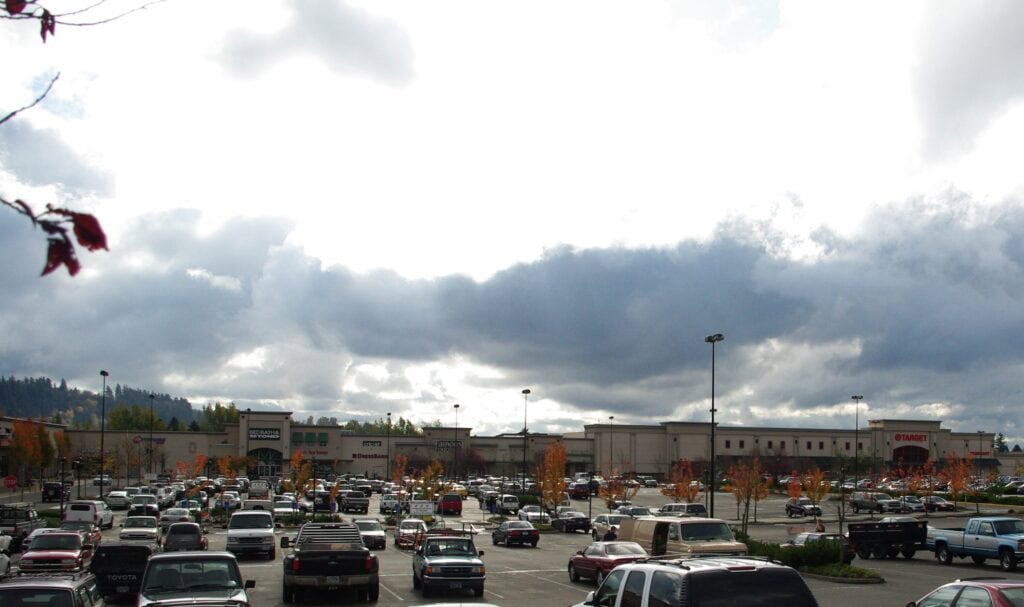
Park your car in the lot off SE Washington Street in East Portland, and the scene looks completely ordinary.
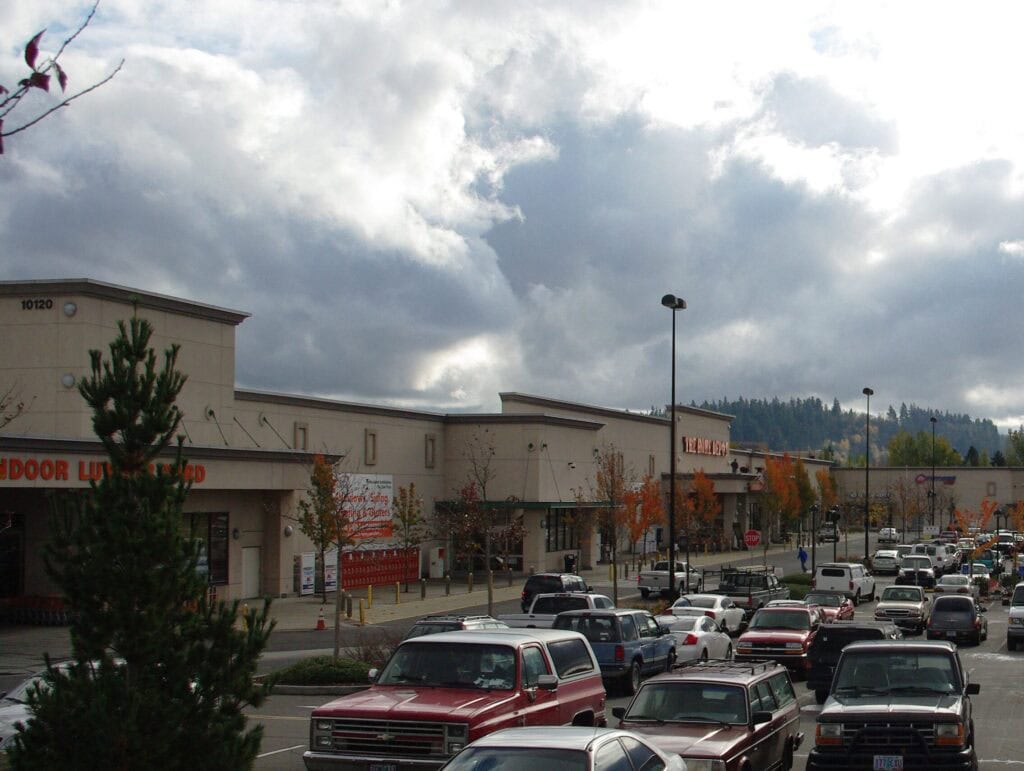
Target at one end. Home Depot at the other. A few chain restaurants along the edges and a wide stretch of asphalt in between. Everything about it says this place has always looked this way.
It has not. The ground under your feet once held the buildings of a large psychiatric hospital that shipped patients in from Alaska.
Before the mall opened, this was a working farm. Before the parking lots were poured, there were patient wards and gardens.
The property at 9800-10120 SE Washington Street has been rebuilt more than once.
It started as a hospital campus, became one of East Portland's first enclosed shopping malls, survived the failure of all its original anchors by completely reinventing itself, and is still changing today.
This is not a simple story about a mall that opened and then slowly died.
The Ground Under Mall 205's Parking Lot
Before there were any stores on this site, it was the last Portland campus of Morningside Hospital.
The property covered about 47 to 50 acres between SE 96th and 102nd avenues and Stark and Main streets. The campus was developed between about 1910 and 1912.
It included patient buildings and a working farm, which was common for large psychiatric hospitals at that time.
Morningside stood out because many of its patients came from far away. For decades, the hospital cared for psychiatric patients from Alaska under federal and territorial contracts.
After World War II, Alaska began building its own healthcare system and stopped renewing that contract after 1960.
The hospital stayed open for a few more years, but without that regular stream of patients, it could no longer keep operating. It closed for good in 1968.
By that point, the farmland around the hospital had already been replaced by new housing. The area became suburban during the 1950s and 1960s.
When the hospital shut down, it left behind a large vacant property in a place where developers wanted to build a new generation of shopping centers.
Built on a Hospital and Named for a Ghost Road
New York-based Lenrich Associates announced the mall project in March 1969, just one year after the hospital closed.
The plan called for an enclosed shopping center with roughly 50 stores, at a projected cost of about $10 million.
Construction started on June 12, 1969. Victor Gruen Associates, the firm most closely associated with the American enclosed mall format, handled the design.
The name itself came with a small mystery. "Mall 205" was chosen before Interstate 205 had been built.
Nobody could later confirm whether the developers already knew the freeway's future designation or were simply anticipating it.
The mall may well have been named for a road that did not exist yet.
The center opened in September 1970 with two anchors: Montgomery Ward at one end and White Front at the other.
White Front's Portland location was the company's first store in Oregon, and the opening drew heavy promotion.
The mall covered roughly 430,000 square feet and sat on a large superblock with surface parking on all sides.
After White Front: Mall 205 in the 1970s-1990s
White Front closed in June 1974, only four years after the mall opened. Its large anchor space stayed mostly empty until 1978.
That year, the old store was divided and rebuilt for two new tenants, Emporium and Pay Less Drug Stores.
This changed the mall's original setup. Instead of having one department store and one discount retailer, it moved toward a more typical enclosed mall layout with smaller tenants.
For most of the 1980s, the mall stayed open and kept operating without any major disruptions. Then a new competitor changed the situation. Clackamas Town Center opened in 1981, a few miles to the south.
It was newer and larger, and it drew many regional shoppers away from Mall 205. It did not fail, but it slowly moved into a secondary role.
The mall remained open and usable through the 1990s. But it no longer pulled in the kind of crowds that fill a shopping center on a busy Saturday afternoon. More and more shoppers were heading south to the newer mall.
A Theater Was Planned, Then the Anchors Closed
In 1996, the owners came up with a plan to add a 75,000-square-foot multiplex theater and a food court.
The theater was meant to bring in people at night and give them another reason to come to the property besides shopping. The food court did get added. The theater did not.
Then, in early 2001, the mall was hit hard.
Montgomery Ward, which had been one of the original anchor stores since 1970, closed as the company shut down its stores across the country. Emporium closed around the same time.
That left two major anchor spaces empty almost all at once, and the smaller tenants started leaving soon after. This was the same problem many malls had already run into.
After that, Mall 205 was not dealing with something that could be fixed with a small update. The property either needed a major rebuild, or it was going to keep fading over time.
Big-Box Stores Moved In, and the Mall Survived
Center Oak Properties of Torrance, California, later known as CenterCal Properties, acquired the mall and put roughly $20 million into a renovation.
The approach was not to look for new department stores. It was to replace the old anchor footprints with large-format retailers that still drew reliable crowds in the early 2000s.
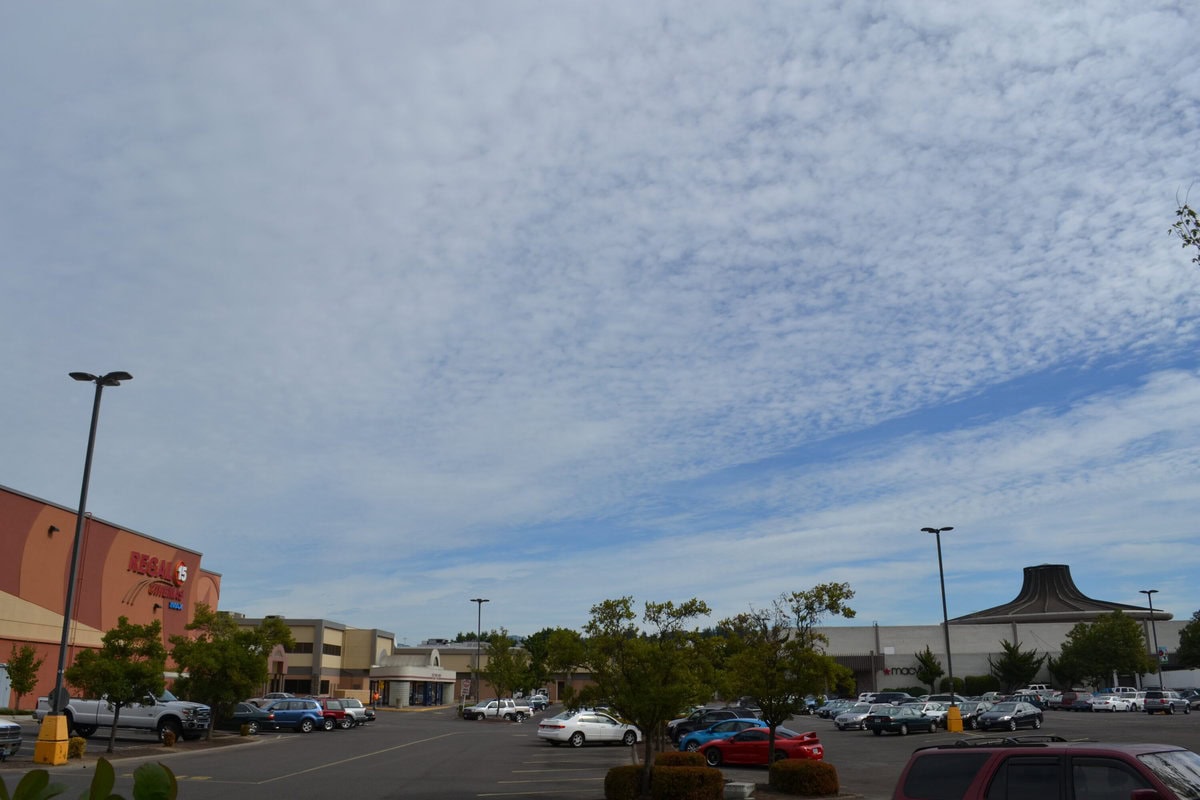
Home Depot moved into the former Emporium space in 2001. The former Montgomery Ward building became a two-level Target, which opened in 2002.
Additional tenants filled in around both anchors, including Bed Bath & Beyond, 24 Hour Fitness, Circuit City, and Famous Footwear.
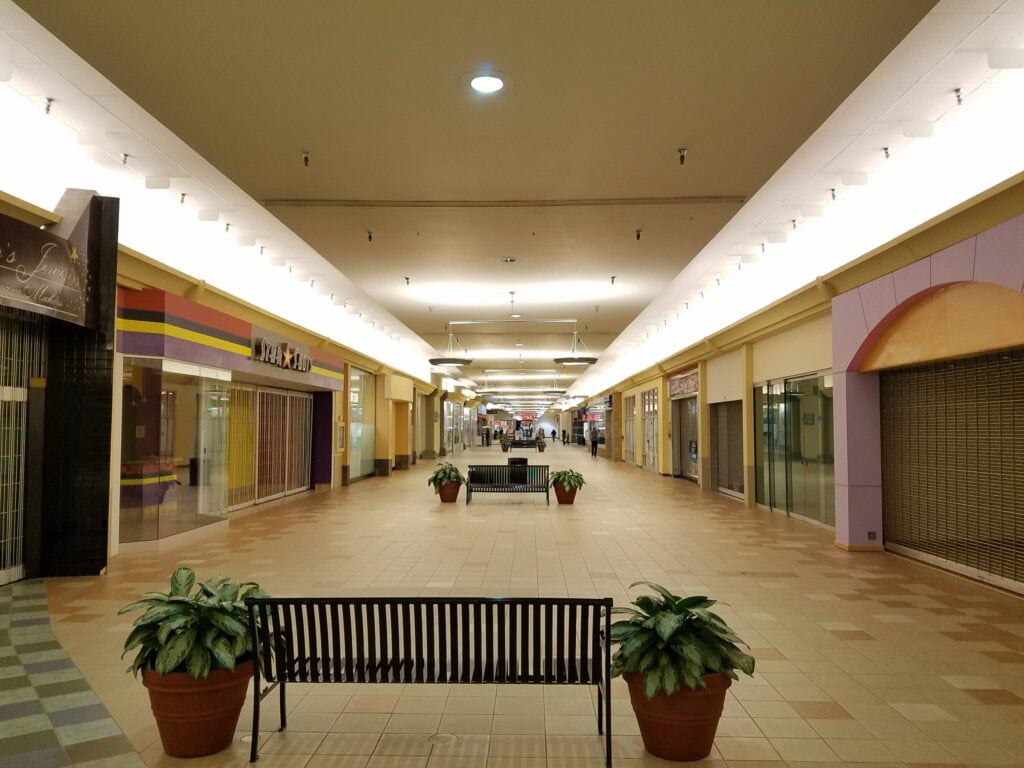
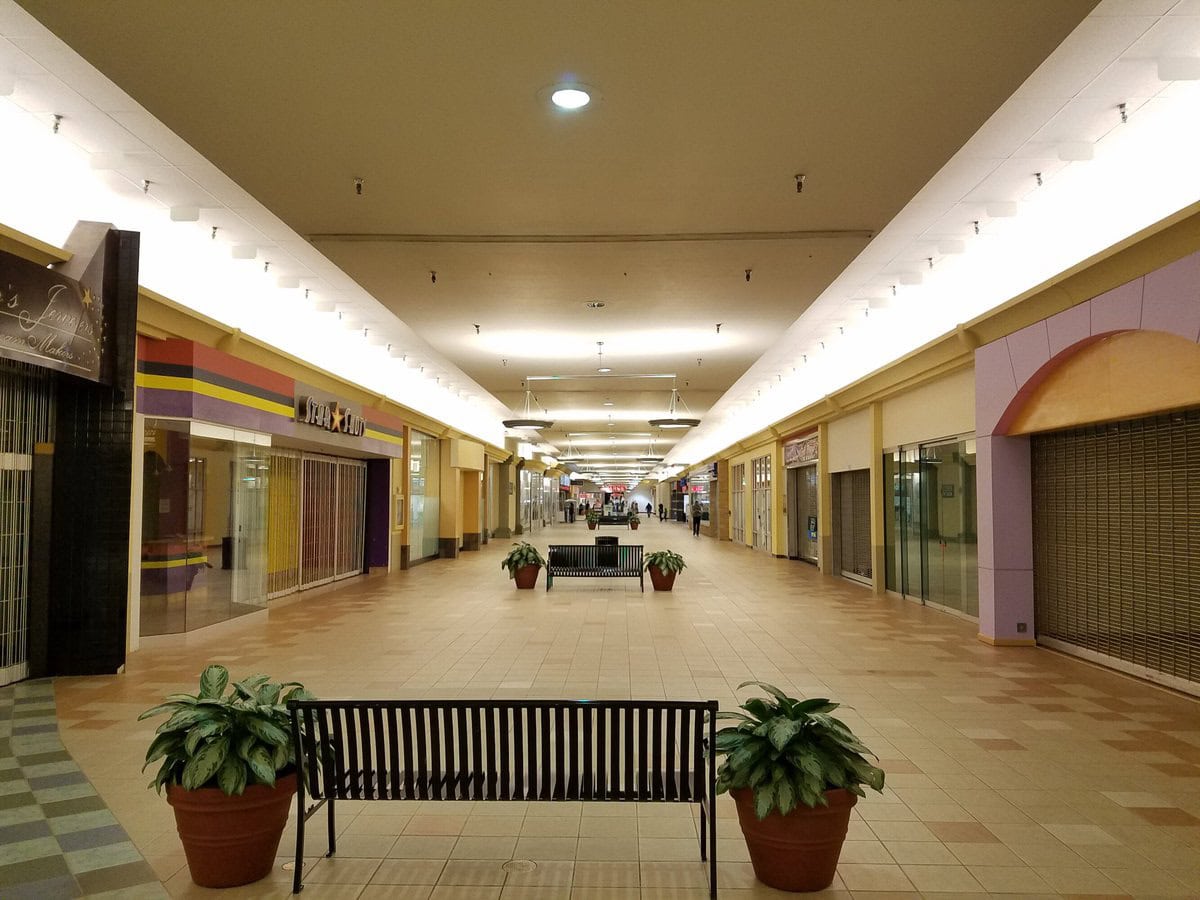
Part of the old interior mall stayed in place and kept operating, so the property became a hard-to-label hybrid - big-box anchors along the outside, enclosed corridors still running through the middle, and chain restaurants around the edges.
It was an unusual arrangement, but it kept the site commercially alive while enclosed malls across the rest of the country were struggling.
What Is Still on the Property Today
In July 2014, Gerrity Group bought Mall 205 and nearby Plaza 205 for $76.5 million. Eight years later, Gerrity sold Mall 205 to Rhino Investments Group for about $43.2 million.
Target was not included in that sale because it owned its own building and parking lot separately.
The property was already called Marketplace 205 when Rhino bought it. It also told the small businesses still operating inside the interior hallways to leave by the end of March 2022.
By then, Target and Home Depot had already closed off their interior entrances to reduce theft. That cut off most of the foot traffic inside the mall.
The last two indoor tenants, Demba and All-American Magic, moved out on schedule. March 31, 2022, marked the end of Mall 205 as an indoor mall.
The Oregon DMV kept an office there until January 31, 2025. In its last year, that office served nearly 95,000 customers.
It became impossible to keep operating because of building problems. Chipotle opened at the north end of the property in July 2024.
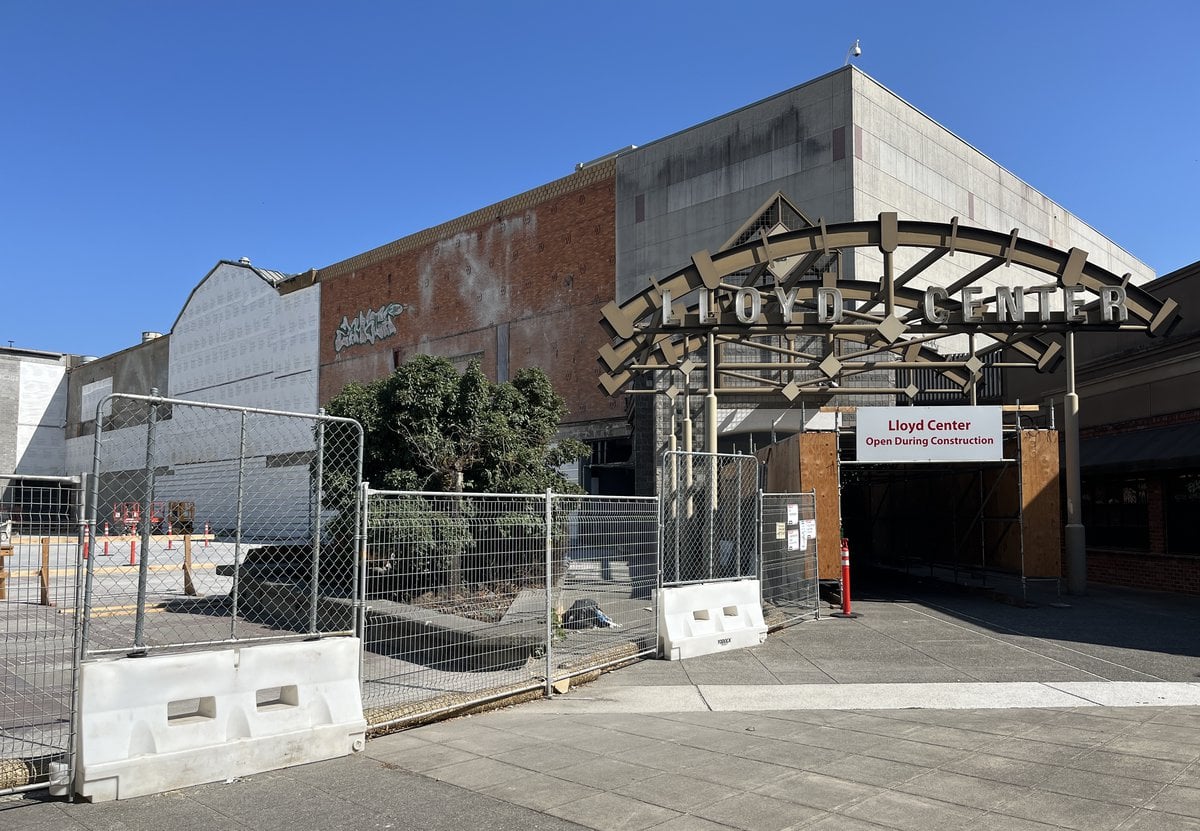
Burlington and Urban Air are planned for future space. The remaining indoor square footage is being rebuilt for tenants that will have direct entrances from outside.