
The oil that made Wichita Falls famous was mostly not in Wichita Falls. The wells were out at Electra, out at Burkburnett, spread across farms and ranches where cattle had grazed, and cotton had grown.
But the money, the paperwork, the pipe orders, the bank loans, the refinery smoke - all of it funneled into the city.
By 1913, the fields around it were pulling up 46 percent of all the oil produced in Texas. By 1920, the city itself had gone from 8,200 people to 40,000.
Pre-existing railroad and infrastructure advantage: Wichita Falls had rail connections, banks, hotels, and legal offices in place before the big discoveries hit, which meant it handled the boom as a functioning city rather than an improvised camp.
The Electra field opening in 1911: The first major commercial discovery in Wichita County rewired the city's economy away from cattle and grain and toward petroleum within a matter of months.
Discovery of the old Burkburnett field in 1912: A second producing area expanded the county's output to 8.13 million barrels annually by 1913, nearly twice the 1912 figure.
The 1918 Fowler well and the Burkburnett Townsite boom: A single well flowing 2,500 barrels a day triggered one of the most frenzied town-lot drilling rushes in Texas history and put twenty trains a day running between Burkburnett and Wichita Falls.
The city's role as the boom's commercial center: Banks, refineries, supply houses, and oil offices concentrated in Wichita Falls, which turned every well drilled in the surrounding county into business running through the city.
The Railroad Network That Made Wichita Falls Ready
Joseph Kemp and Frank Kell spent the years between 1884 and 1911 promoting rail lines outward from Wichita Falls into the ranching and farming country of Northwest Texas and southern Oklahoma.
The Fort Worth and Denver City Railroad had already reached the city in 1882. By the time oil arrived, four separate lines converged there.
Other boomtowns that appeared overnight near a new well had one thing: oil. They had no banks to handle lease transactions, no hotels for the geologists and speculators, no rail to bring in equipment or move out crude.
Wichita Falls had all of that in place before anyone knew the county sat on a petroleum basin. The No. 1 Fowler well came in in 1918. Rail service had been running for thirty-six years.
How the Electra Field in 1911 Changed the City's Economy
Two miles north of Electra, on January 17, 1911, the Producers Oil Company No.
5 W. T. Waggoner well came in at 1,825 feet deep and started flowing fifty barrels a day. Eight months later, the field was producing 6,000 barrels daily.
By November, 12,000. By year-end, nearly 900,000 barrels total.
The Texas Company laid a four-inch line straight from Electra to its Dallas refinery. Another carrier tied the field to Fort Worth. The first refineries went up inside Wichita Falls in 1915.
Every well drilled near Electra generated a chain of transactions - lease filings, drilling contracts, pipe orders, bank loans, legal services - and most of those transactions ran through the county seat fourteen miles to the east.
Wichita County had more than 1,025 producing wells by January 1915.
Old Burkburnett and the Steady Build Before the Famous Boom
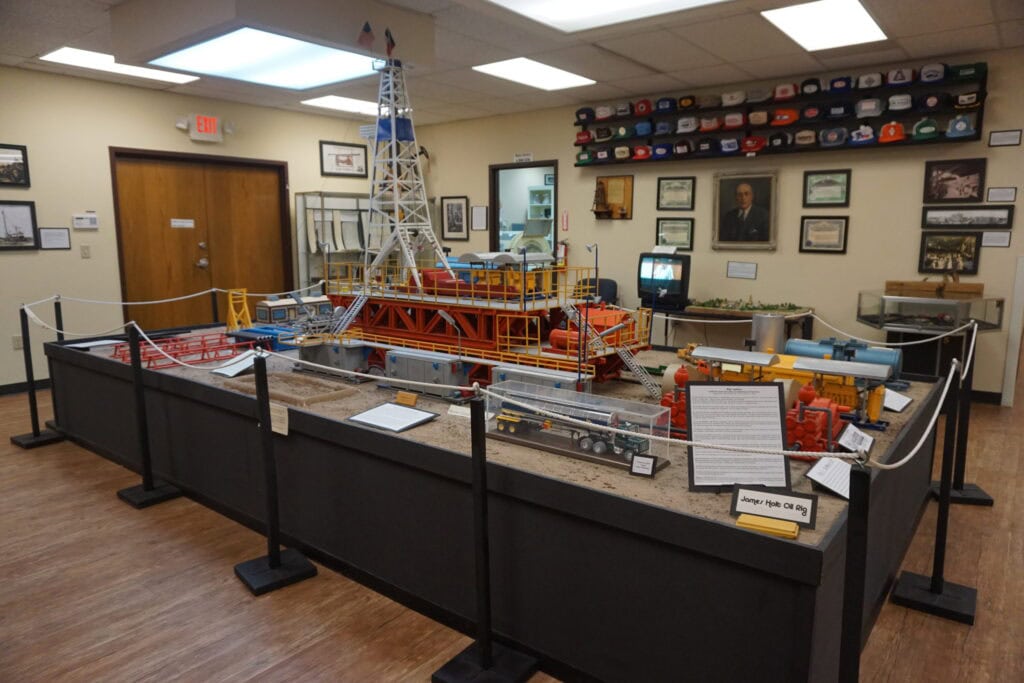
On June 24, 1912, the Corsicana Oil Company's No. 1 Schmoker well came in at about 1,800 feet on a farm owned by Chris Schmoker. Eighty barrels a day. Crude was trading near one dollar a barrel. Nobody rushed in.
Small independents drilled anyway. By the end of 1912, Wichita County had produced more than 4.2 million barrels.
Two additional shallow pools appeared in 1913 - one west of old Burkburnett, one six miles south of Iowa Park.
Annual county yield reached 8.13 million barrels, and North Texas fields combined were producing 46 percent of all Texas oil.
Wichita Falls carried the reputation of an oil city before the Fowler farm was anything more than a cotton patch.
The Fowler Well and the Burkburnett Townsite Boom
S. L. Fowler needed money and drilled for it the way you did in Wichita County in 1918 - by passing the word around town.
Neighbors put in $100 to $500 each or contributed materials. Walter Cline, who owned drilling equipment, traded a rig and crew for an interest in the well.
They staked the No. 1 Fowler at the north edge of the Burkburnett townsite and sent it down to 1,735 feet.
July 28, 1918: 2,500 barrels a day out of the Cisco sands. Fifty-six rigs were drilling in Burkburnett within three weeks.
Lot leases hit $1,000. Crude was $1.93 a barrel - more than double what it had been when the old Burkburnett field came in.
The investors who backed Fowler sold their interests to Magnolia Petroleum for $1.8 million in cash. Twenty thousand people poured into the oilfield region.
Twenty trains ran daily between Burkburnett and Wichita Falls. County production for 1918 crossed 11.5 million barrels.

Wichita Falls: Where the Boom's Money Went
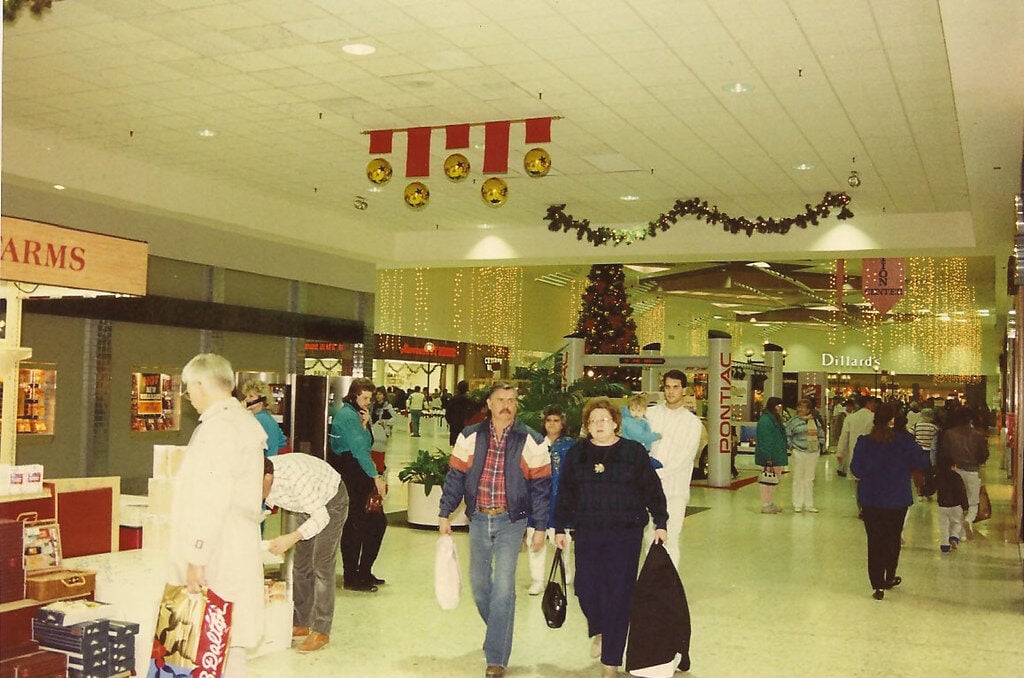
In 1919, bank deposits in Wichita Falls increased by 400 percent.
Oil companies needing rail access, communications, and county-seat services for mineral filings put their offices in Wichita Falls, not in the field towns.
Nine refineries were operating inside the city by 1920. Forty-seven factories.
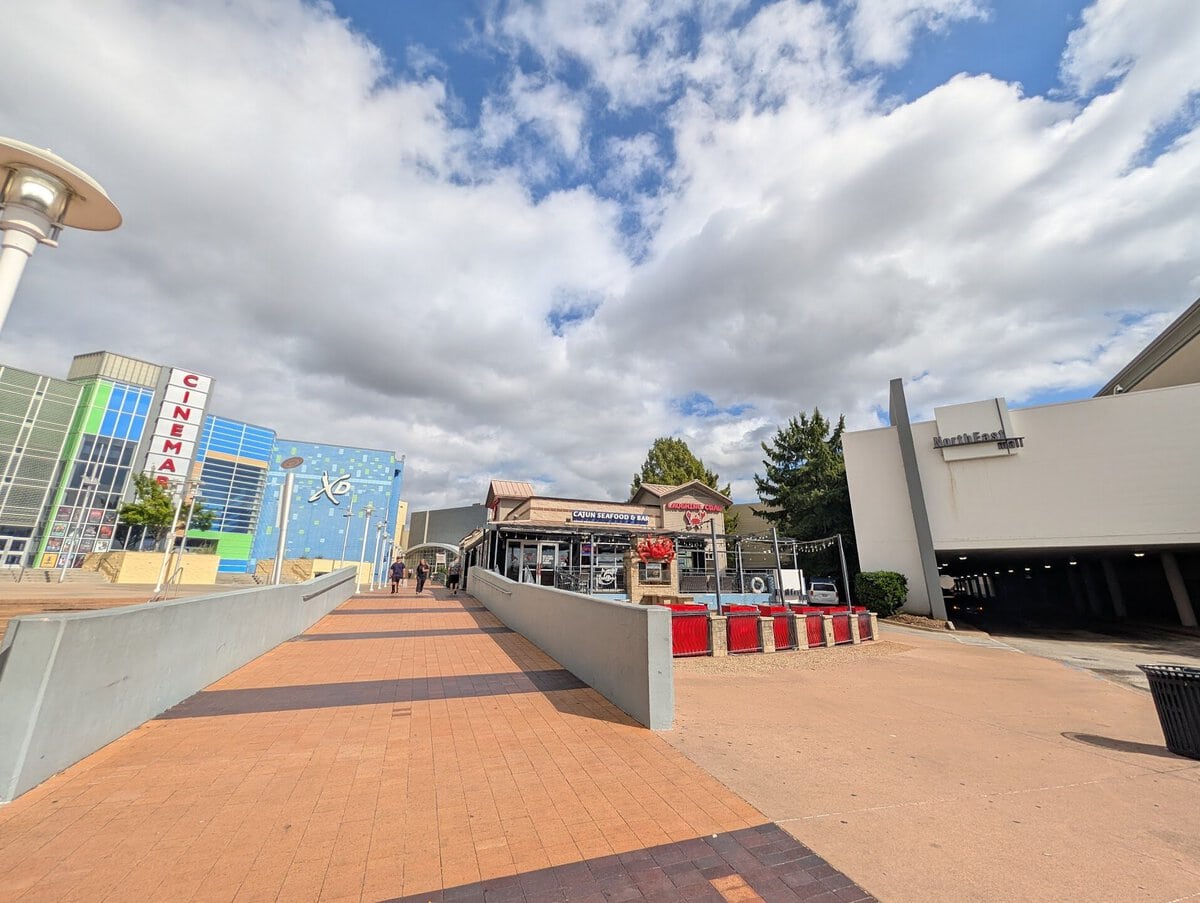
The city that Kemp and Kell had wired into the regional rail network in the 1880s and 1890s was now the processing and finance center for one of the most productive oil counties in the United States.
By 1930, the city had 43,600 residents, four railroads, twenty schools, forty-seven churches, thirty-two parks, and 118 industrial establishments.
A municipal auditorium opened in 1927. Airline passenger service started in 1928.
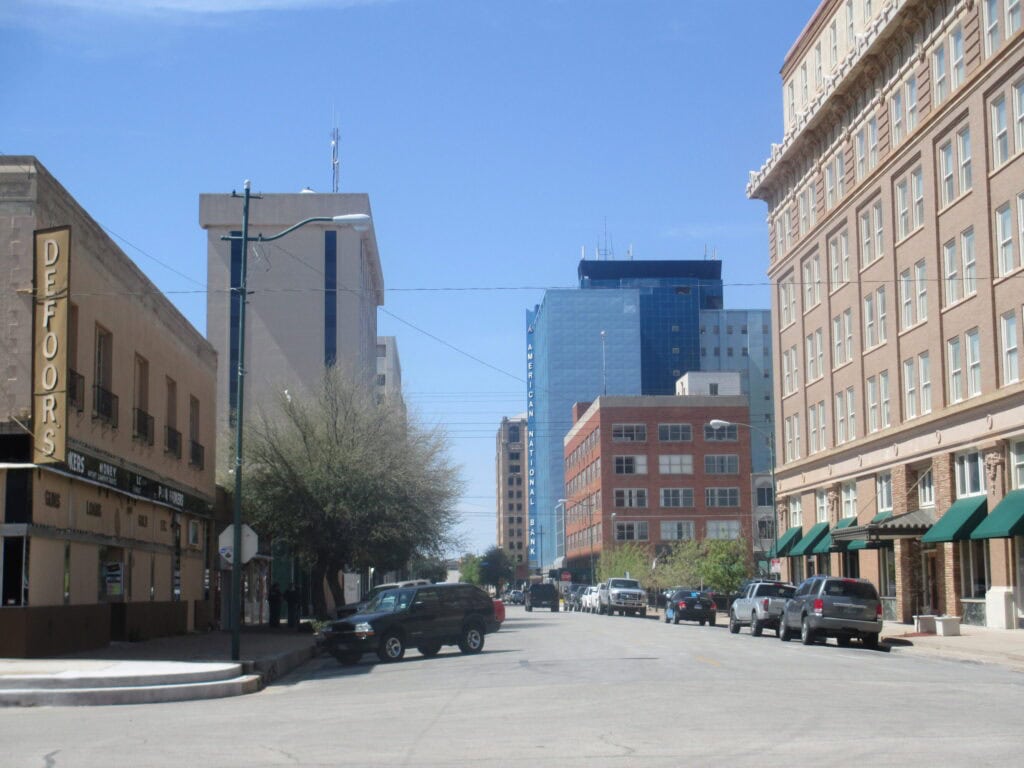
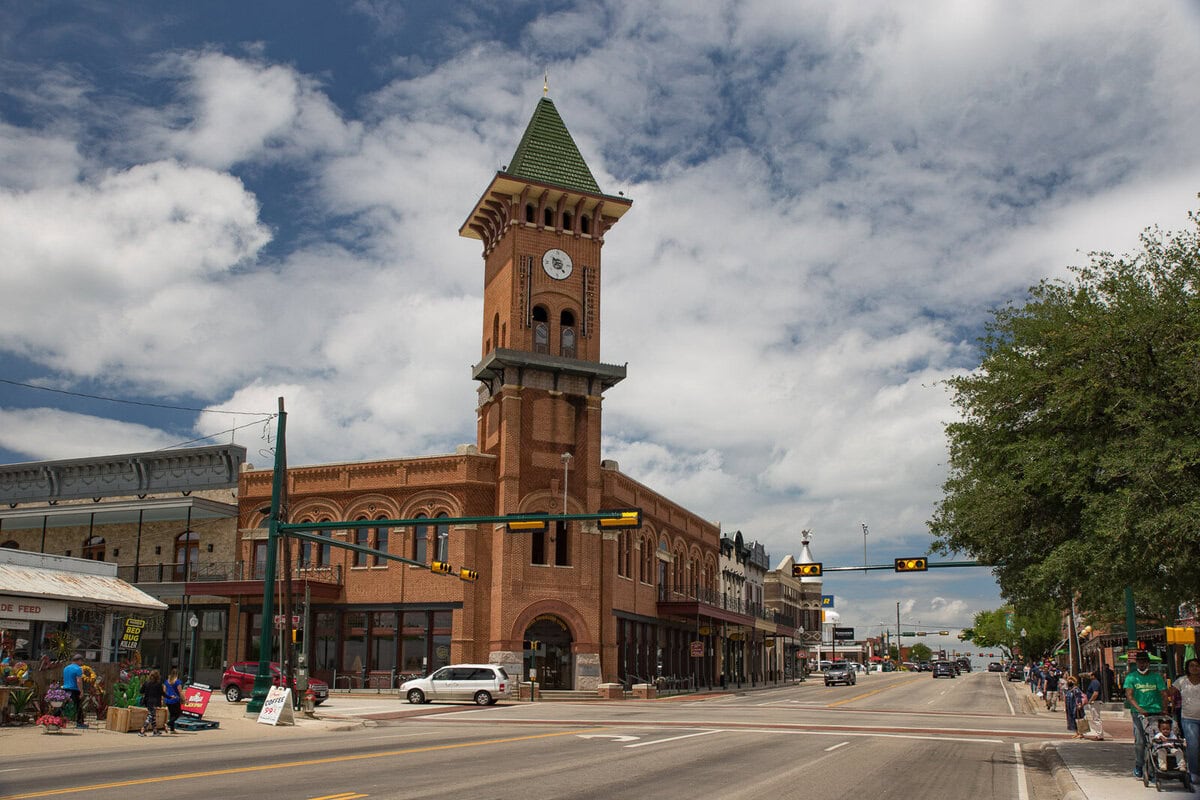
The commercial district built during those years survives in the Depot Square Historic District, which still shows the scale of what the oil money built.
Speculation, Fraud, and the Limits of a Boom
A developer raised $200,000 from investors during the rush and built the Newby-McMahon Building in 1919. Four stories. Forty feet tall.
Floor space so cramped that the building became famous not as a skyscraper but as the "World's Littlest Skyscraper," a story about what happens when fast money and vague blueprints meet.
It still stands in downtown Wichita Falls.
Closely spaced wells were already depleting parts of the Burkburnett Townsite pool by early 1919, less than a year after the Fowler well came in.
The Northwest Extension field appeared on April 26, 1919, 3.5 miles west, and kept the district alive a while longer.
By June, operators were calling the area the "World's Wonder Oilfield." More than 850 producing wells. Burkburnett's population dropped below 3,500 by 1939.
Wichita County's cumulative production since 1910 reached 827,590,411 barrels by 2004 - a number that captures both the scale of what was there and how long it took to drain it.
The reputation of Wichita Falls as an oil boomtown rests on a specific combination: extraordinarily productive fields, a city that was already positioned to handle the business, and a boom that built itself in stages over nearly a decade before it peaked.
The Electra field came in 1911, old Burkburnett in 1912, and the Fowler well in 1918. Each wave moved more money through a city that had the infrastructure to absorb it.
The population nearly quintupled in ten years, which is the clearest evidence of what that combination produced.
Independent Publisher Notice
BestAttractions is an independent editorial publisher. We are not affiliated with, endorsed by, or acting on behalf of any location, business, property owner, manager, government agency, or organization described in this article.
Comments posted on this page are not forwarded to, reviewed by, or acted upon by any entity mentioned in the article.
For official inquiries, complaints, applications, bookings, or other requests, please contact the relevant entity directly through its official website or other verified channels.