
Las Americas Premium Outlets opened with no department store to anchor it; in the same season, the border beside it slowed to a crawl. It filled anyway.
It sits in San Ysidro, the southernmost edge of San Diego, a block from one of the busiest crossings in North America. It opened in November 2001 as the retail piece of a binational district.
That district was supposed to include a hotel, a conference center, a library, and a footbridge into Tijuana. None of those got built. The stores did, and they kept leasing.
Twenty years on, occupancy still runs above 97 percent. The reasons it survived are also the reasons most of the original plan never happened.
One block north of the busiest crossing in North America
The Blue Line trolley ends at the San Ysidro Transit Center, steps from one of the busiest border crossings in North America, and the outlet stores sit one block north.
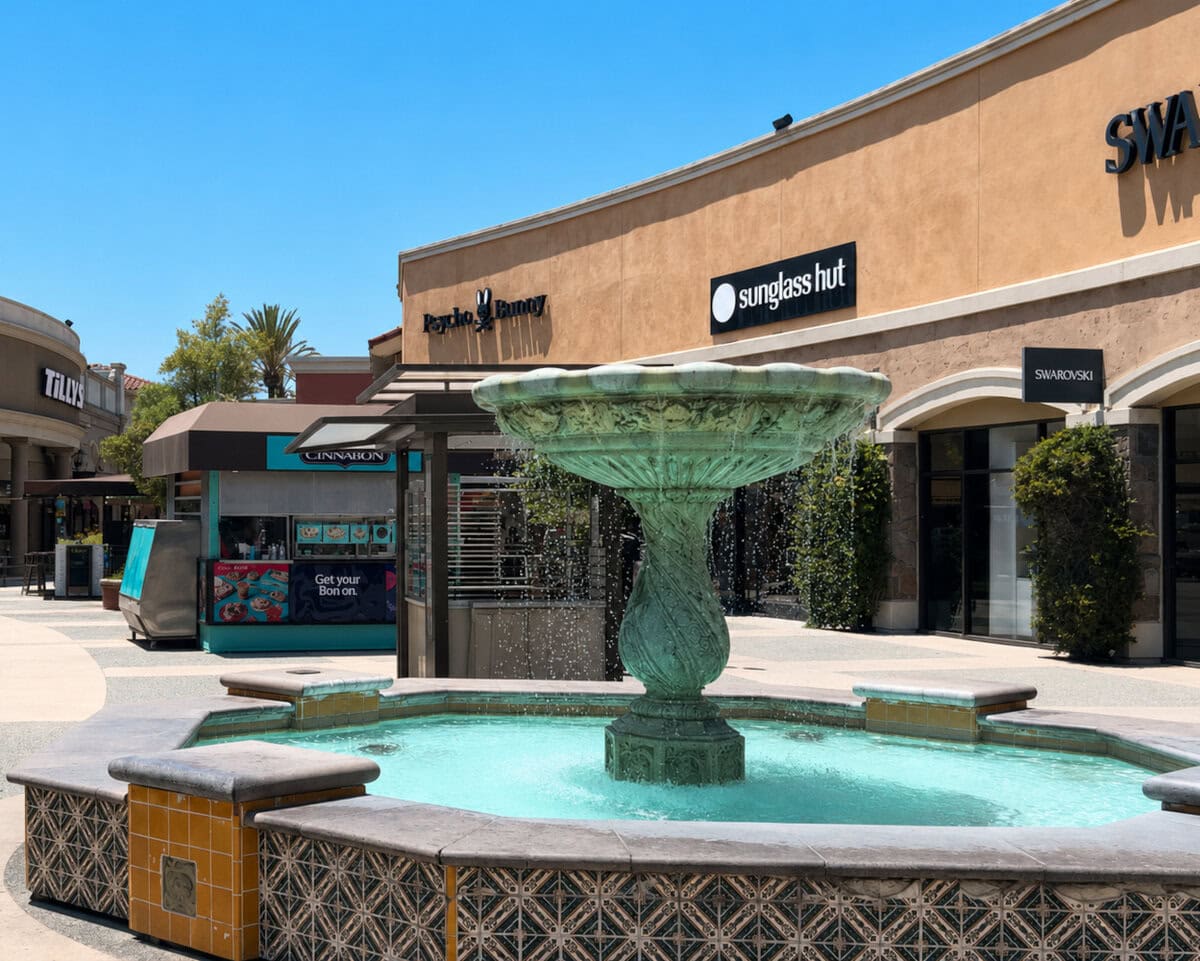
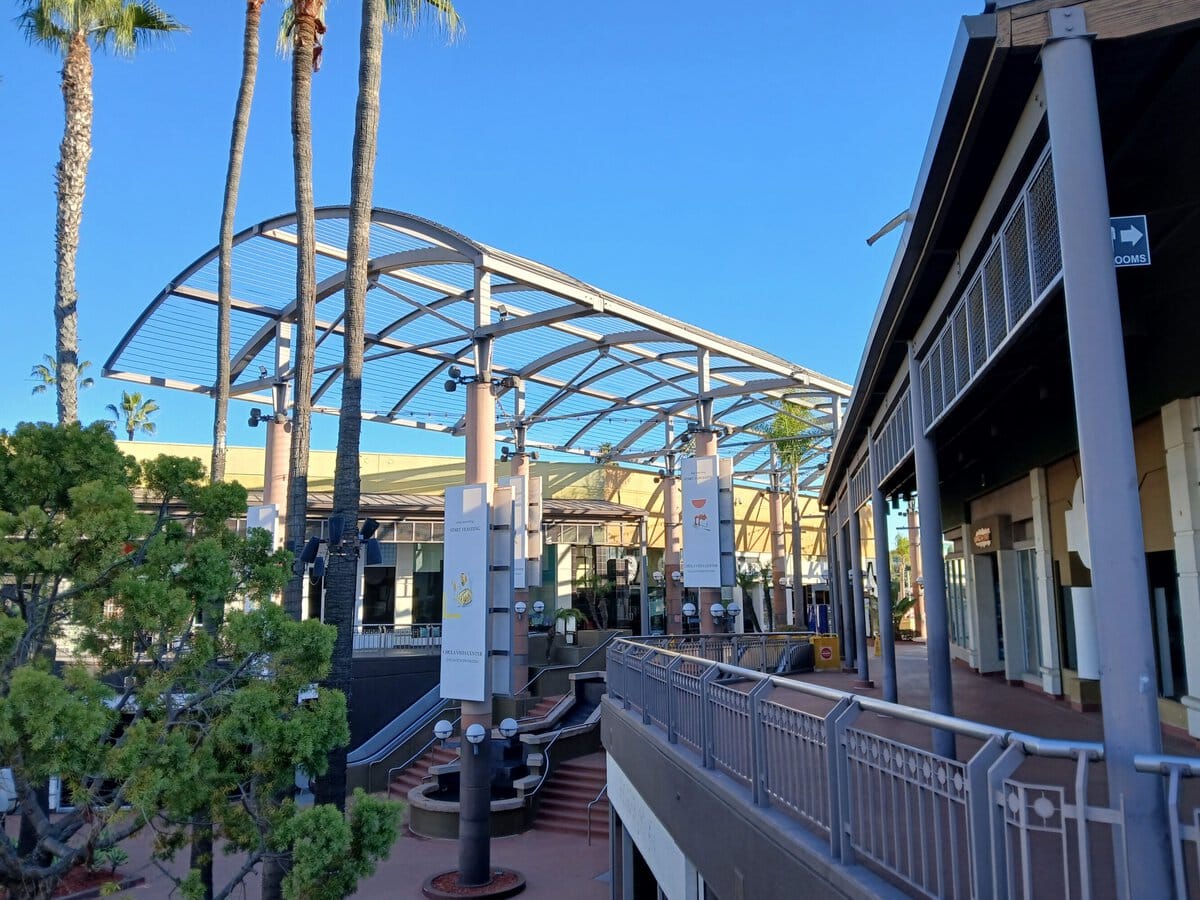
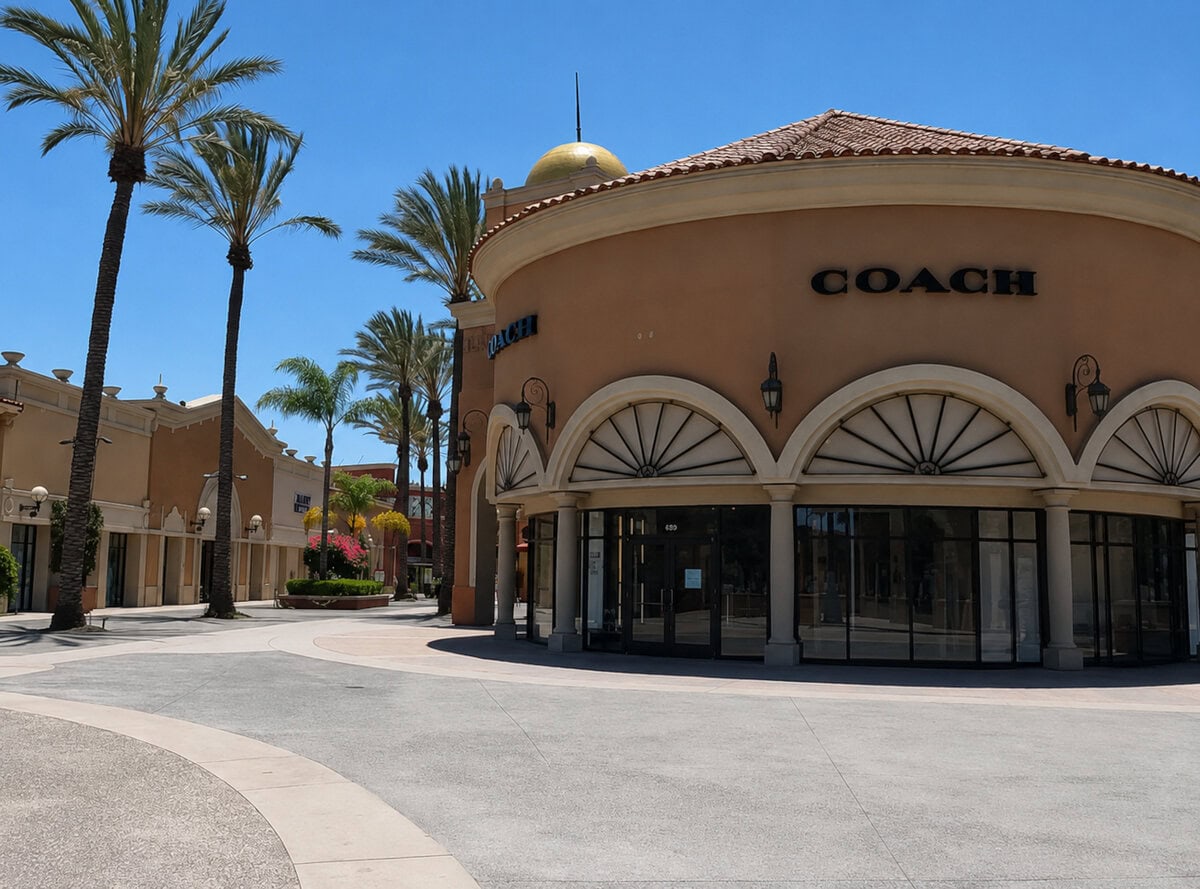
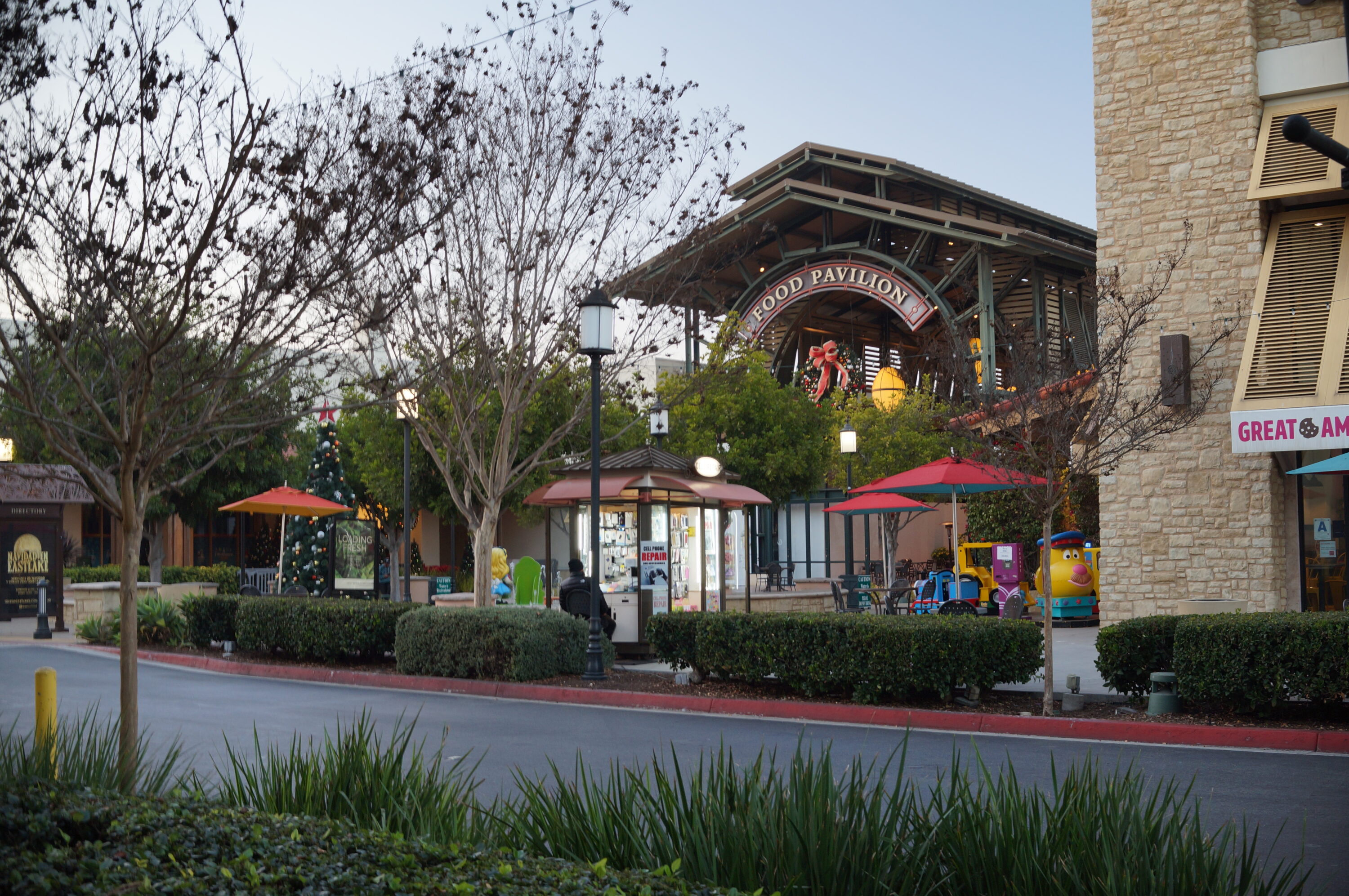
They occupy Spanish-style courtyards and open-air plazas rather than a single enclosed corridor.
The central court borrows from the Agua Caliente, the 1920s Tijuana resort. One pedestrian district takes its details from Barcelona's Las Ramblas.
The line dividing San Diego from Tijuana runs just south of the storefronts, and the design wants you to notice.
The place opened in November 2001 as The Shops at Las Americas. It was the small, finished piece of something much bigger.
The International Gateway dream that never fully arrived
LandGrant Development bought the 66-acre property near the San Ysidro crossing in 1994 and spent the rest of the decade working with the city's Redevelopment Agency on a plan called the International Gateway of the Americas.
The vision ran to 1.4 million square feet of retail, office, and hotel space, with a conference center, federal inspection facilities, public parking, cultural space, and a river pedestrian bridge running from Louisiana Avenue in San Ysidro to Avenida Revolucion in Tijuana.
Projected value: $192 million.
The bridge was the centerpiece. San Diego and Tijuana presented it jointly to the International Bridges and Border Commission in September 1998.
San Diego filed for a Presidential Permit in January 1999 and pitched it to the State Department that March.
The footbridge collided with a federal question about reopening vehicle capacity at the old truck crossing to relieve congestion, and Tijuana merchants raised concerns about what the plan would do to them.
The bridge stalled in that debate and stayed there.
Opening into a closed border
The first phase opened two months after the September 11 attacks. Daily vehicle crossings at San Ysidro had dropped to 35,000 and pedestrian crossings to 23,000 as security tightened.
A project built around cross-border movement opened into a moment when that movement had shrunk.
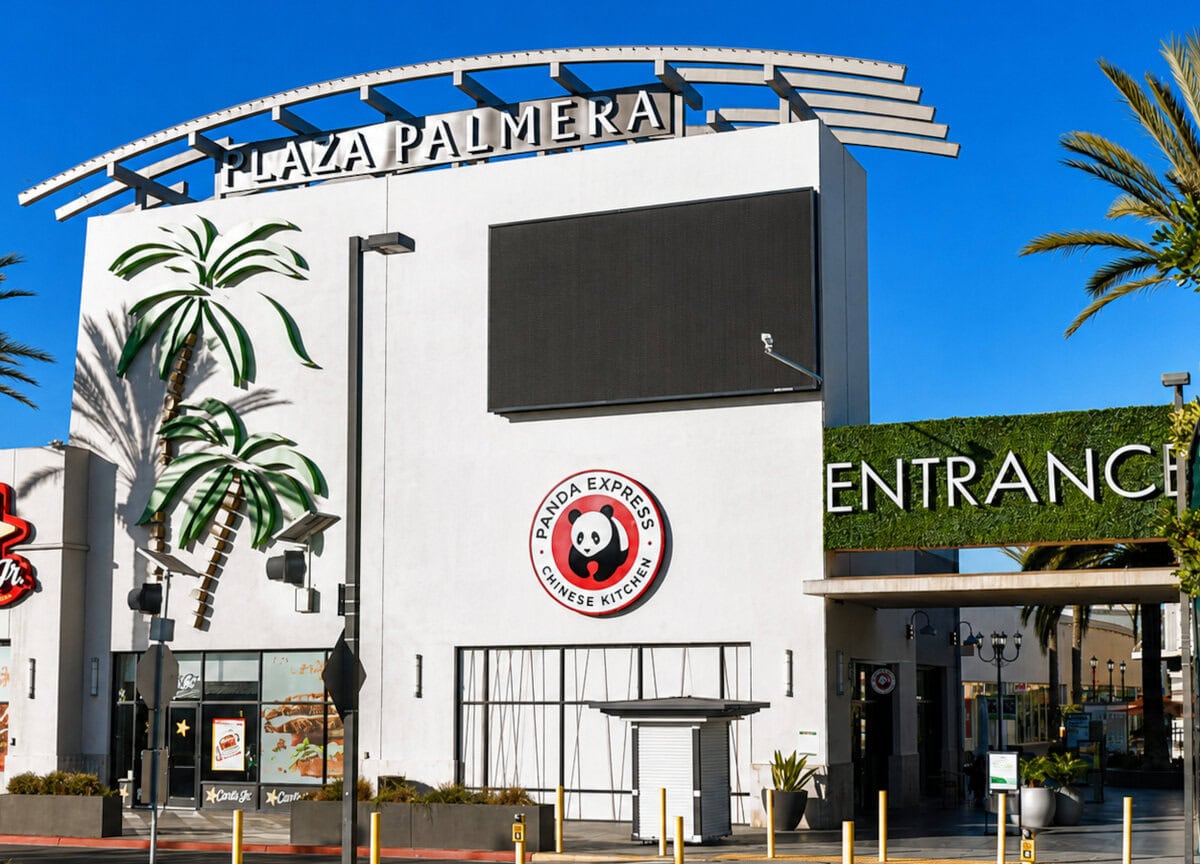
It worked anyway. The first phase ran 370,000 square feet and 75 stores, part of a $260 million project, with Brooks Brothers, Liz Claiborne, Ralph Lauren, Gap, and an Outback Steakhouse among the early tenants.
At the time, it was described as an outlet and specialty shopping center.
What attracted people were the brand-name stores, an outdoor courtyard design, and a location that brought shoppers from all over the San Diego area and Mexico through the still-open crossings.
The bridge, the hotel, the library, the houses
After September 2001, the permit for the pedestrian bridge slowed, and the whole plan had to be reorganized around the part that already worked.
A 2002 agreement let the main retail parcel be split into smaller phases and floated the idea of putting a public library on the site.
The library turned into a fight. Many San Ysidro residents wanted it near the historic center of town, not out at the retail edge.
The disagreement, tangled with local politics, helped the project miss a September 2003 deadline for state grant funding.
In 2004, the agency and developer tried a residential pilot called Mi Pueblo, up to 350 units of market-rate and affordable housing, linked to the stores by walkways named Pathways of Knowledge.
A 2004 agreement traded one retail subparcel for residential use and handed the agency a civic parcel.
The bridge, hotel, conference center, and office space all remained dependent on border approvals.
Plans for the library and other cultural projects stalled because of community disagreements and funding problems. The stores kept opening.
Phase II, and how retail became the whole point
The second retail phase got design approval in spring 2004, broke ground that June, and finished in May 2005 at 189,000 square feet.
The retail kept moving while the rest of the plan waited on approvals and consensus that never came.
The original plan combined public, private, local, and international problems in one package, with little room for a market that changed or a border that tightened.
What remained was an outlet center that could open, fill, and expand by itself, which is exactly what it did. It became the largest retail generator in the San Ysidro planning area.
Simon buys in and renames the place
By the mid-2000s, the center had passed through a joint venture involving Stoltz Real Estate Partners and investors advised by Pacific Coast Capital, carrying an $180 million mortgage placed in 2006.
Simon Property Group bought it on August 23, 2007, for $283.5 million including that mortgage, renamed it Las Americas Premium Outlets, and folded it into the Premium Outlets platform run by its Chelsea outlet arm.
The sale moved the center from a local border-redevelopment story into a national brand portfolio.
By 2007, the tenant list already read national: Banana Republic Factory Store, Coach, Gap Outlet, Kenneth Cole, Neiman Marcus Last Call, Nike Factory Store, Polo Ralph Lauren Factory Store.
In 2008, the center was 98.2 percent occupied across 525,300 square feet, high occupancy entering the financial crisis. Simon held a full ownership interest.
The border itself gets rebuilt
While the center settled into Simon's portfolio, the federal government rebuilt the crossing next door.
The San Ysidro Land Port of Entry modernization took nearly 10 years and $741 million, replacing 1970s infrastructure with 63 vehicle inspection booths across 34 lanes and two pedestrian inspection facilities.
A 1,200-car lot south of Camino de la Plaza disappeared in the process.
The PedWest pedestrian crossing and the Virginia Avenue Transit Center opened in July 2016, strengthening the western pedestrian route among the border, the trolley, buses, taxis, and the stores.
Retail developers paid attention. The adjacent eastern project estimated 15,000 to 20,000 pedestrians a day entering the United States through PedWest.
San Ysidro remained the leading personal-vehicle crossing from Mexico in 2024, handling 14.8 million incoming vehicles and 6.8 million incoming pedestrians.
A retail district grows on both sides
The center's success changed what got built around it.
In 2010, Las Americas held 125 stores in roughly 570,000 square feet and generated more than $227 million in taxable sales, more than the rest of the San Ysidro planning area combined.
Apparel sales there grew from $143.9 million in 2005 to $168.2 million in 2010, helping Las Americas post overall growth between 2005 and 2010 despite the recession.
That momentum pulled new buildings to either side of Las Americas along Camino de la Plaza.
The Plaza at the Border was completed to the west in 2012, a roughly 98,100-square-foot center with T.J. Maxx, Ross Dress for Less, and Ulta Beauty.
San Diego Outlets at the Border opened to the east in October 2014, 44 stores on an 8-acre parcel, financed with a $40 million construction loan.
By 2016, four shopping locations stood within a short walk: Las Americas, the two newer centers, and the older San Ysidro Village Shopping Center.
What is gone, what remains, why people keep coming
The bridge to Avenida Revolucion was never built. The hotel, the conference center, the office space, the cultural facilities, and the library never went up at the site.
The big mixed-use Gateway shrank to its retail core and the centers that copied its format nearby.
That core held. A $180 million loan landed in special servicing in early 2015, with payments current, and matured in June 2016.
By 2024, the property carried no encumbrance and showed 689,200 square feet of leasable space at 97.5 percent occupancy, close to its 2008 number.
BoxLunch opened in March 2025. Fabletics and lululemon now operate there too.
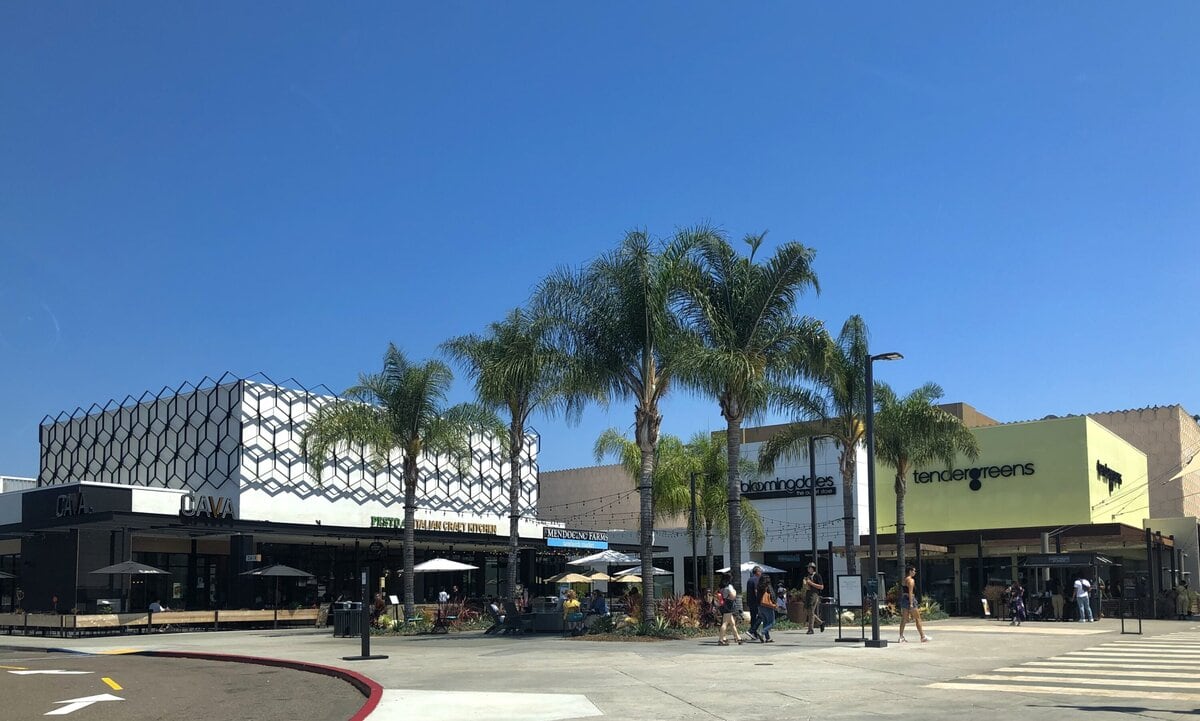
The 2026 store list runs Adidas, Coach, Nike, Kate Spade New York, The North Face, and Tommy Hilfiger, among more than 160 stores, plus H&M, Achiote Mexican Restaurant, and a food court.
It still works as much as a gathering place as a shopping center. In 2024, the Abrazo 5K and 10K started and finished near the Tommy Hilfiger store, with the route running along the San Ysidro-Tijuana border.
People come from both sides, off the trolley and across the pedestrian bridge that did get built, to a binational project that ended up being mostly outlet stores.
That turned out to be enough.
Independent Publisher Notice
BestAttractions is an independent editorial publisher. We are not affiliated with, endorsed by, or acting on behalf of any location, business, property owner, manager, government agency, or organization described in this article. Comments posted on this page are not forwarded to, reviewed by, or acted upon by any entity mentioned in the article. For official inquiries, complaints, applications, bookings, or other requests, please contact the relevant entity directly through its official website or other verified channels.