
Indian Springs Mall Opens, 1971 Weekend
Indian Springs Mall opened in 1971 in Kansas City, Kansas, under the official name Indian Springs Shopping Center. The property was developed by Copaken, White & Blitt as a two-level enclosed mall.
It sat along the recently completed Interstate 635 corridor, with direct highway access and proximity to Kansas City International Airport (opened in 1972).
At the time of opening, it ranked among the largest enclosed malls in the Midwest. The opening was organized as a multi-day promotional rollout rather than a single event.
Activities included Kansas and Missouri Miss USA preliminaries, boat shows, pet shows, fashion shows, world trade shows, art fairs, and truck shows.
These events were designed to establish the mall as a regional destination from the start.
The original anchor tenants were JCPenney, Montgomery Ward, and Macy's, each occupying large corner spaces intended to structure traffic through the interior corridors.
The Macy's location would later be taken over by Dillard's, but the initial lineup reflected standard national department store strategy for the period.
The mall opened while downtown Kansas City, Kansas, was undergoing major redevelopment and losing retail concentration. Shopping patterns were already shifting away from the downtown core.
Indian Springs opened into that shift and absorbed it quickly, drawing both retailers and customers toward the highway-based site.
Sales Growth and Signature Attractions at Indian Springs
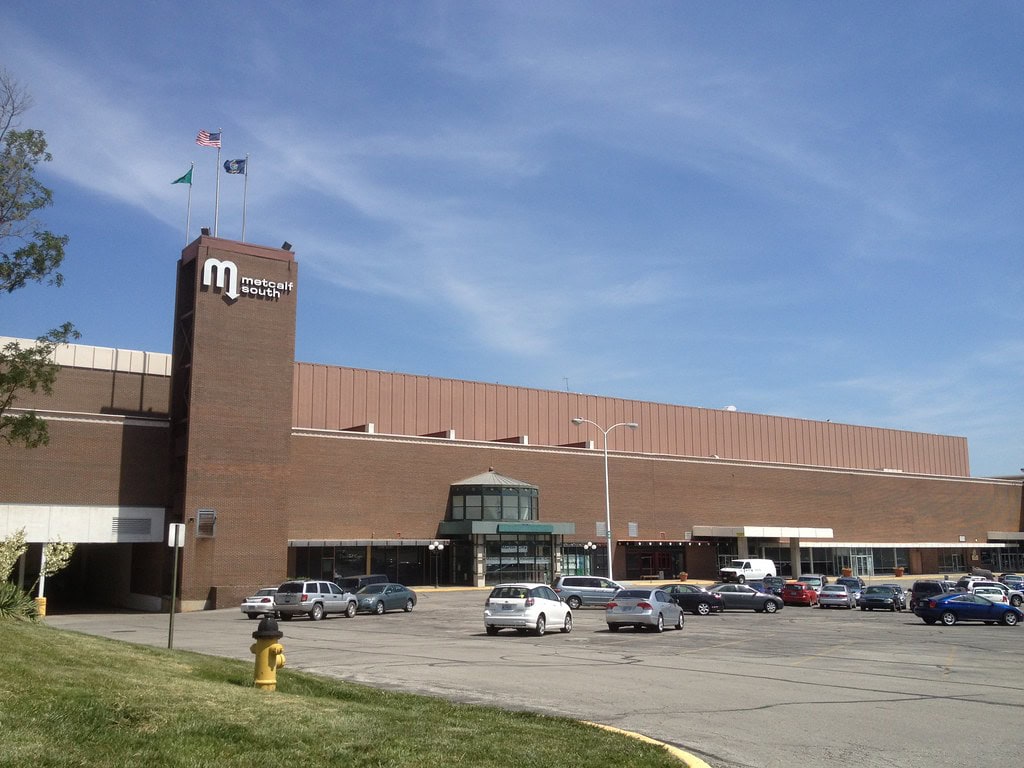
Indian Springs Mall recorded strong sales growth during its first decade. In 1972, the Kansas City metropolitan area's dominant retail centers remained downtown Kansas City, the Country Club Plaza, and Metcalf South.
Indian Springs ranked below those centers in its early years. By 1977, retail sales at the mall had doubled, and the property ranked eighth among all shopping centers in the metro area.
The interior layout was built to keep shoppers inside for extended periods. The mall contained numerous fountains, many set nearly flush with the floor surface.
In the early years, these fountains lacked guardrails or protective barriers, placing water directly along pedestrian paths.
Barriers were added later. A full-sized indoor walking maze was located on the lower level and drew families and children.
During the holiday season, the mall installed a large talking Christmas tree. Children spoke into an intercom and heard responses from a voice inside the structure.
These features encouraged longer visits and repeat traffic.
Throughout the 1970s and into the early 1980s, Indian Springs operated as both a shopping destination and an indoor gathering space, supporting consistent foot traffic and continued retail performance.
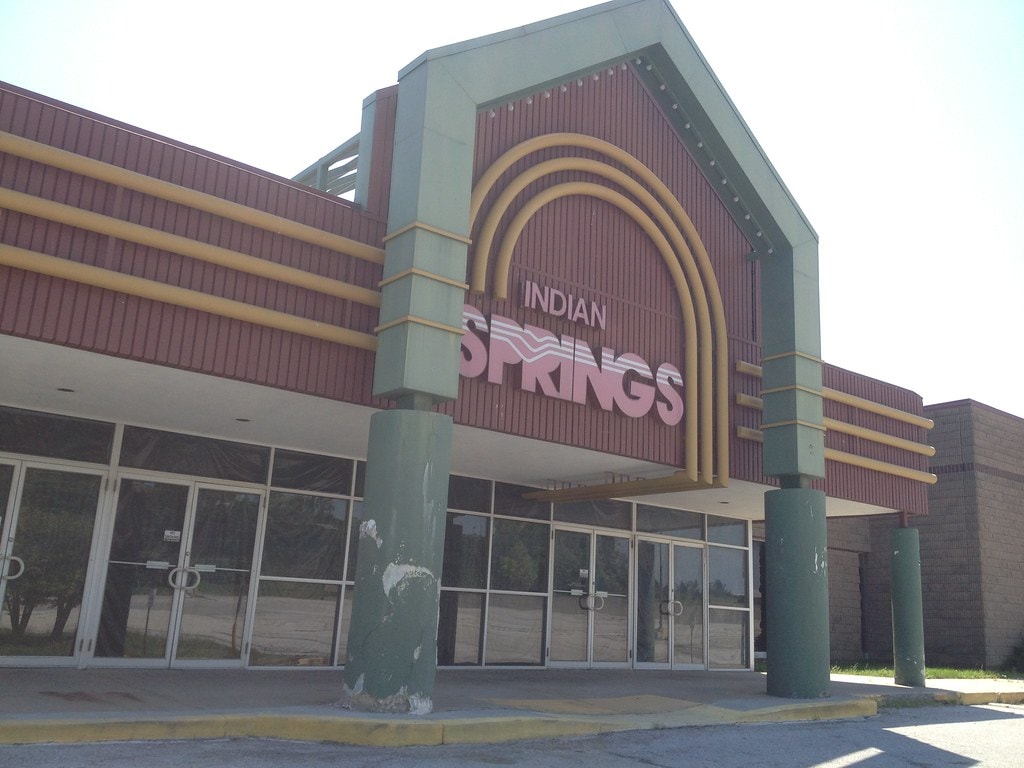
AMC Adds a Second 6-Screen Complex at Indian Springs
Indian Springs Mall included a movie theater as part of its original tenant mix. The first cinema, built in the early 1970s, consisted of four screens.
It featured a small concession area and long, narrow auditoriums with center aisles and relatively small screens.
The layout used the usual theater design of that time and made good use of space.
In the early 1980s, a second theater complex was added on the lower level of the mall. This newer facility contained six screens and was designed as a substantial upgrade.
It included a larger lobby with marquee-style lighting, a full-service concession stand, larger screens, and upgraded surround sound stereo systems.
Seating was also improved to accommodate longer feature presentations.
When the six-screen theater opened, the original four-screen cinema stayed open and became a discount theater. It primarily showed second-run films and children's movies.
The two theaters operated together as AMC Indian Springs Theaters, with a combined total of ten screens across two locations within the mall.
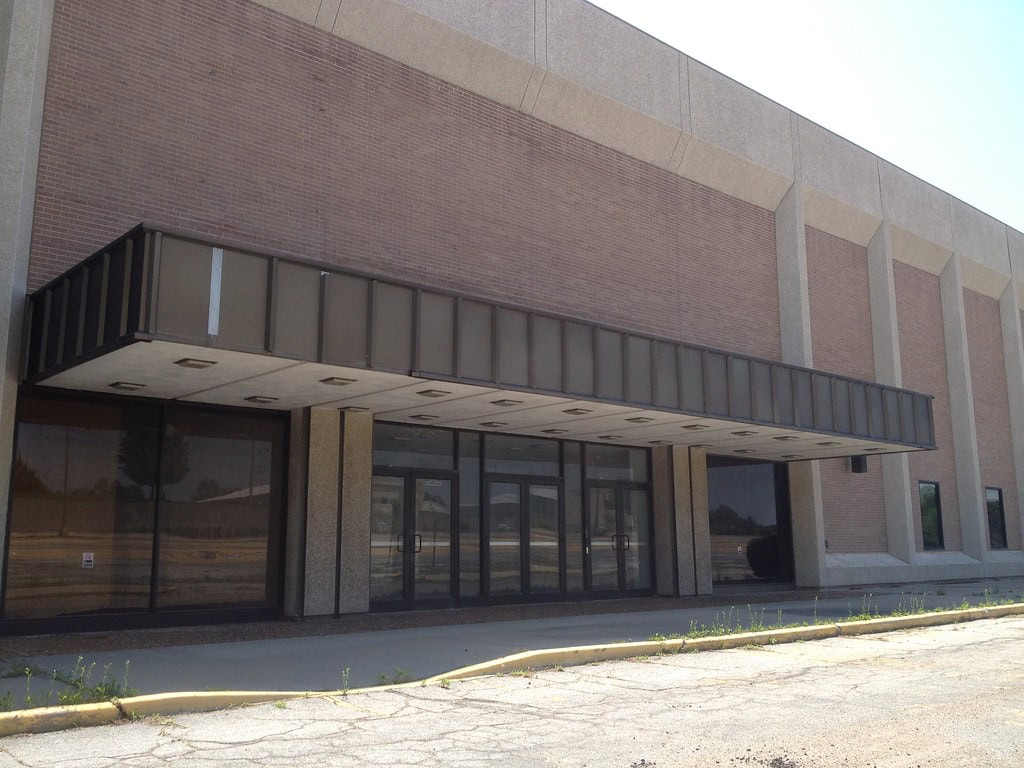
Chrome Canopies and a Mid-80s Refresh
In the mid-1980s, Indian Springs Mall completed a major renovation that updated the entrances and the interior public areas.
New entrance canopies were installed with metallic finishes and details in chrome, glass brick, and neon lighting. The changes were visible from the parking lots and gave the exterior a more current look for the period.
Inside, the renovation removed the large 1970s light sculpture chandeliers and replaced them with indirect lighting. The concourses were refitted with revised planters and new benches.
Fountains were redesigned as part of the same work, and the interior color palette shifted from the earlier look to mauve and teal, with later changes moving to green and gold.
The renovation also altered the mall's water features in practical ways. Many fountains had been set nearly flush with the floor and originally had no guardrails.
Barriers were added to separate the fountains from the main walking paths and reduce hazards in high-traffic areas.
1989 Arcade Shooting Changes the Mood
On a Saturday night in 1989, a shooting at Indian Springs Mall altered how the property was viewed across the region.
The incident began at the Fun Factory video game arcade, where eighteen-year-old Patrick Sills broke the screen of "The Empire Strikes Back" arcade game.
A security guard pursued him from the arcade area into the parking lot. The guard opened fire and killed Sills.
After the shooting, Indian Springs drew fewer visitors. Some families stopped making trips to the mall, and parents restricted teenagers from going there.
The security presence inside and around the building became more pronounced, and visitors noted a change in the makeup of the teen crowd and the general atmosphere in the corridors.
Indian Springs entered the decade with a weakened regional reputation and fewer advantages in a crowded mall market.
Indian Springs Hosts Wonderscope in the 1990s
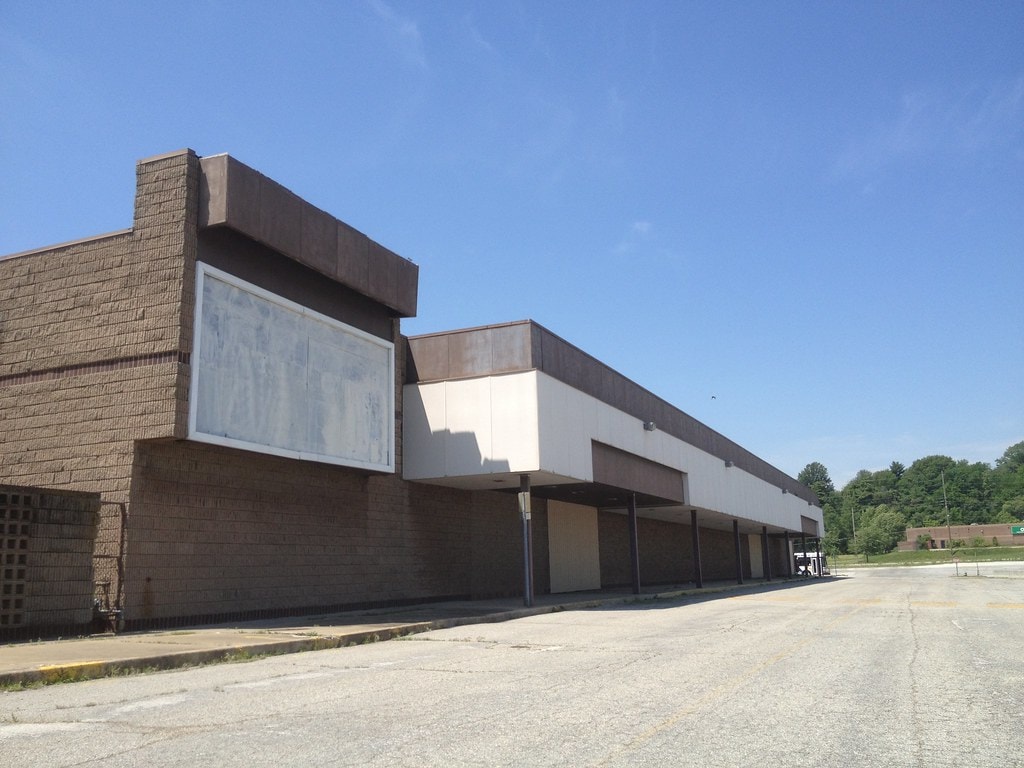
In 1990, Wonderscope, the Children's Museum, relocated to Indian Springs Mall. It remained there until 1998.
The museum added a family destination alongside the existing stores and the mall's theaters. During the week, school groups visited.
Families came at other times, using the building as a place to be with their children indoors.
Wonderscope's presence increased repeat traffic during the 1990s. The museum offered hands-on exhibits and interactive programming that supported longer visits.
For much of the decade, Indian Springs functioned as a retail center with an added educational use, and museum visitors contributed to regular movement through the corridors.
During the same period, competition increased in the Kansas City metropolitan area. Shopping centers expanded, and the market was described as oversaturated, with multiple malls carrying similar national tenants.
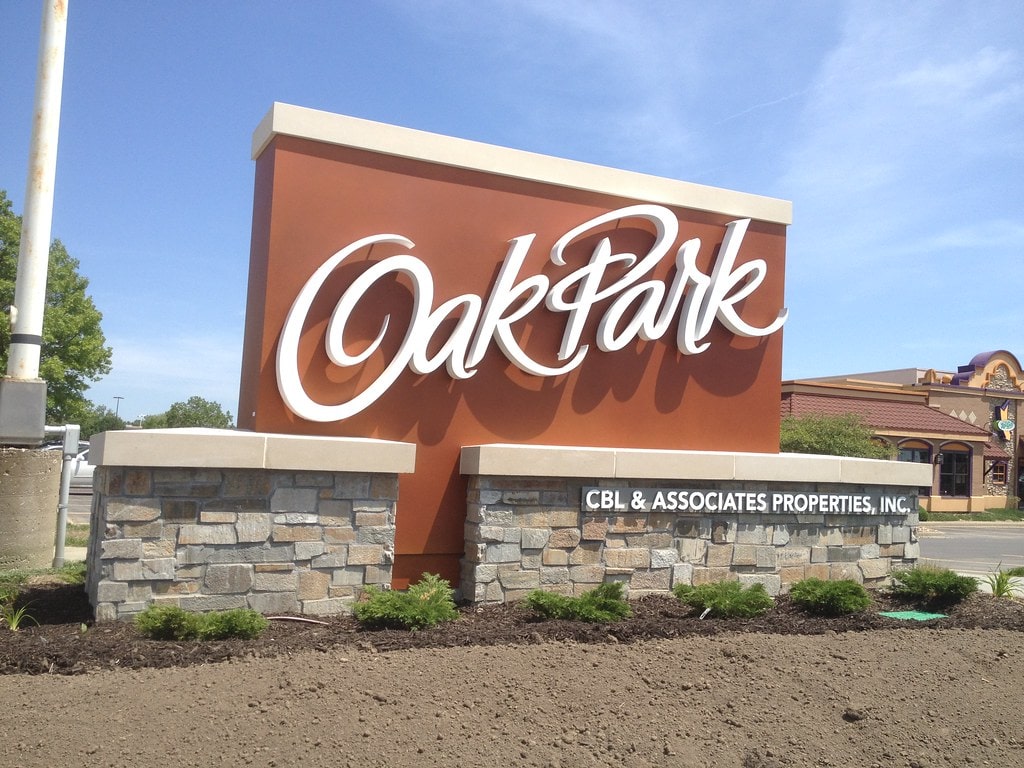
Oak Park Mall, roughly a twenty-minute drive from Indian Springs, expanded to about 1.5 million square feet with four anchor stores and competed for customers and retailers.
From Indian Springs Mall to Park West Business Center
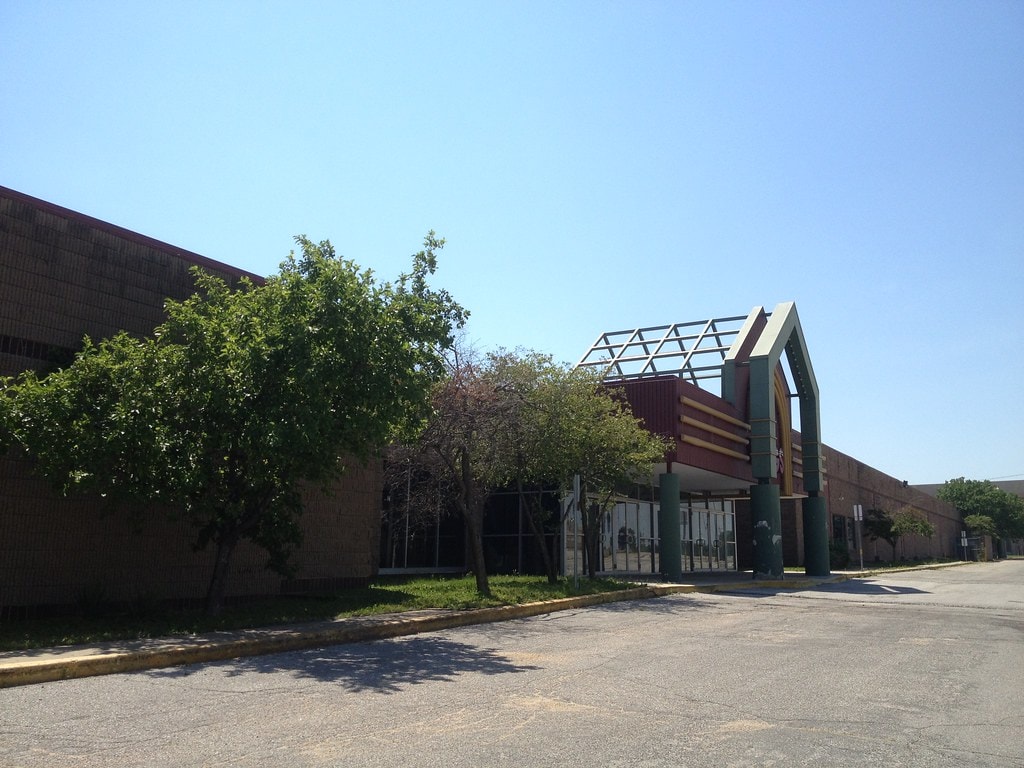
The big stores closed one after another, almost like it was on a schedule. Dillard's closed in 1997. JCPenney left later that year after not doing well.
Montgomery Ward stayed until early 2001, then closed when the company went out of business across the country.
With the last big store gone, the mall lost what brought in customers for the smaller shops. Indian Springs became an empty mall by the early 2000s.
By the late 1990s, people were suggesting new uses, like an aquarium or a community center, ideas that sounded hopeful because they were not about shopping.
In 1995, the Kashani family bought the property through Kansas City Mall Associates, saying they would fix it up.
They brought in government offices as renters, worked with private companies, including a telemarketing company, and set up a plan to keep property taxes the same for ten years starting in 1998.
In 2005, their tax appeal said the main mall was worth $1.5 million, the old Dillard's building was worth $1 million, a former Franklin Bank building was worth $100,000, and a former Brotherhood Bank building was worth $50,000, for a total of $2.65 million over 57 acres.
In 2005, the site was changed from retail to business park use.
By late 2006, signs said "Park West Business Center," and the mall had offices, including a post office customer service area and space for the Kansas City, Kansas School District.
Public Ownership, Costs, and Demolition
On June 20, 2007, the Unified Government of Wyandotte County and Kansas City, Kansas, acquired the former Indian Springs Mall property through eminent domain for $8.4 million.
The acquisition covered approximately 57 acres. The former owner, Kansas City Mall Associates, contested the valuation and argued the land should be treated as a business park development site.
The dispute went to trial. The compensation was set at roughly $7 million and was later upheld through a 2012 Kansas Supreme Court decision.
After the acquisition, the property remained largely inactive while the structure continued to deteriorate. Environmental remediation was required, including asbestos removal.
By 2011, no full redevelopment had occurred. The building was repainted in a green and gold scheme during this period, replacing earlier interior palettes.
Public costs continued to accumulate. By 2019, records showed more than $19.3 million spent on the property, including more than $9.6 million in debt service payments from February 2011 through February 2019.
Demolition of the mall began in February 2016, with several million spent to remove the structure.
Redevelopment proposals were reviewed over the years. In 2016, the Unified Government hired Lane4 Property Group to solicit development plans.
In 2017, Lane4 presented a flex and tech light industrial park concept that was rejected by city leadership.
In 2018-2020, Scavuzzo's Foodservice Company proposed a $140 million headquarters plan that did not proceed.
Midtown Station Selected for Former Indian Springs Site
In November 2024, the Unified Government selected Eastside Innovation Kansas LLC, partnered with Arnold Development Group, to redevelop the former Indian Springs site as "Midtown Station" on roughly 90 acres.
The proposal replaces the old single-purpose footprint with a mixed-use neighborhood: 1,475 apartments, 63 single-family homes, and 150 townhomes, plus more than 280,000 square feet of retail and restaurant space.
Plans also include a 168-room hotel with convention facilities, an innovation hub projected at 31,000 to 50,000 square feet, a grocery store, community amenities, a 30-acre solar microgrid designed to power the residential and commercial spaces, and about 2,900 garage parking spaces with additional surface parking.
The cost went up as the plans grew, starting at $700 million and later reaching about $1 billion.
The developer has focused on affordable housing built to very high energy-saving standards, with energy costs expected to be up to 85% lower than those of normal buildings.
The plan originally called for a finalized development agreement by February 2025, permits and approvals in spring 2025, and construction starting in mid-2025, with first homes targeted for late 2026 or early 2027 and remaining phases running from 2027 through 2035.
The plan stays transit-oriented. The KCATA bus transfer center is expected to remain and potentially expand, with routes tied to major employers, including the General Motors plant.
Unified Government and Eastside Innovation are still working to finalize the development agreement, with negotiations slowed by the land price.
The developers plan to start construction next summer and build in stages over about 10-12 years.
I love Wyandotte County. But, its past and it's politics are holding ir back.
Thank you for your candid thoughts on Wyandotte County and its challenges. The growth potential is enormous. Thank you for speaking up.