
Birchwood Mall near Port Huron's Blue Water Bridge
Fort Gratiot Township is not the kind of place known for tall buildings. It is known for its roads. M-25 goes past chain restaurants and parking lots, and just north of the I-69 and I-94 interchange, a long indoor building fits into the area as if it had always been there.
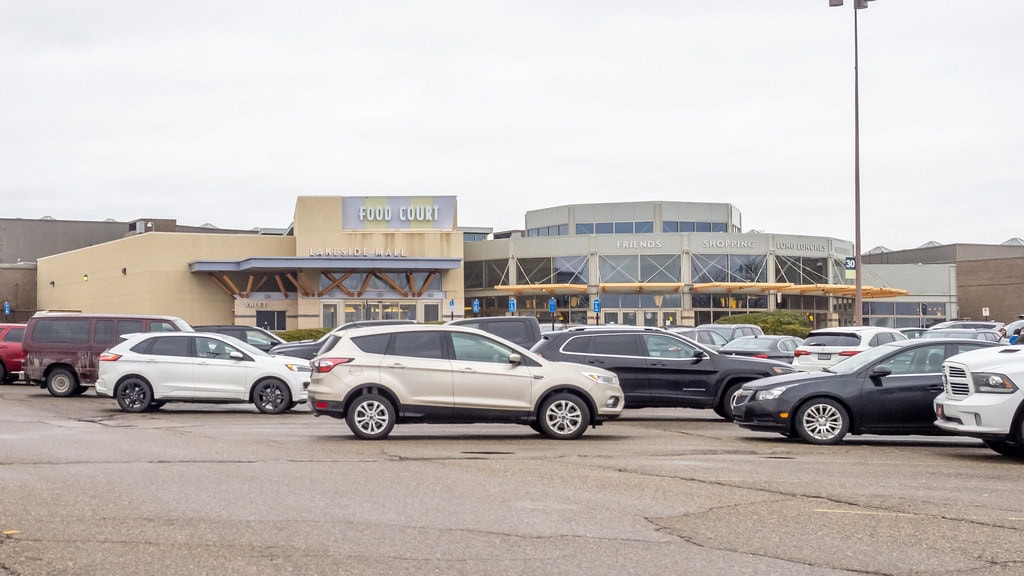
This is Birchwood Mall, at 4350 24th Avenue, the region's biggest indoor mall, built on almost eighty acres, a short drive from the Blue Water Bridge and the Canadian border. It serves the Blue Water region's three counties and, in reality, two countries.
The idea in 1990 and 1991 was simple but bold: build a comfortable indoor shopping area just five minutes from an international border, and shoppers will come to find things they cannot get at home.
When Birchwood Mall opened in April 1991, it delivered on that idea in a big way, with about seven hundred thousand square feet inside and space for five main stores.
It also offered something harder to measure and very Midwestern: a dependable place inside.
In winter, when the cold wind from the lake makes running errands feel unpleasant, an indoor mall is not just a place to shop. It is a solution.
General Growth's bet on a border trade hub
Birchwood Mall was built by General Growth Properties, a company started in 1954 that later became the second-biggest mall owner in the country.
In Fort Gratiot, the choice was about location, not style. The mall was just outside Port Huron, close enough to draw people from the city, and close enough to Canada that exchanging money became something fun to do.
On opening day, the stores were the familiar mix of late twentieth-century American shopping: Target, Sears, JCPenney, and Prange's, a department store from Wisconsin known for being reliable instead of flashy.
The mall's opening helped bring more businesses to the township in the 1990s, as more stores gathered around the new popular spot.
The effect on downtown Port Huron was not as positive. The old shopping area started to lose visitors to the mall in the suburbs with its easy parking.
People later said the mall had "leeched the life" out of downtown, which may sound dramatic until you see empty stores piling up like unanswered mail.
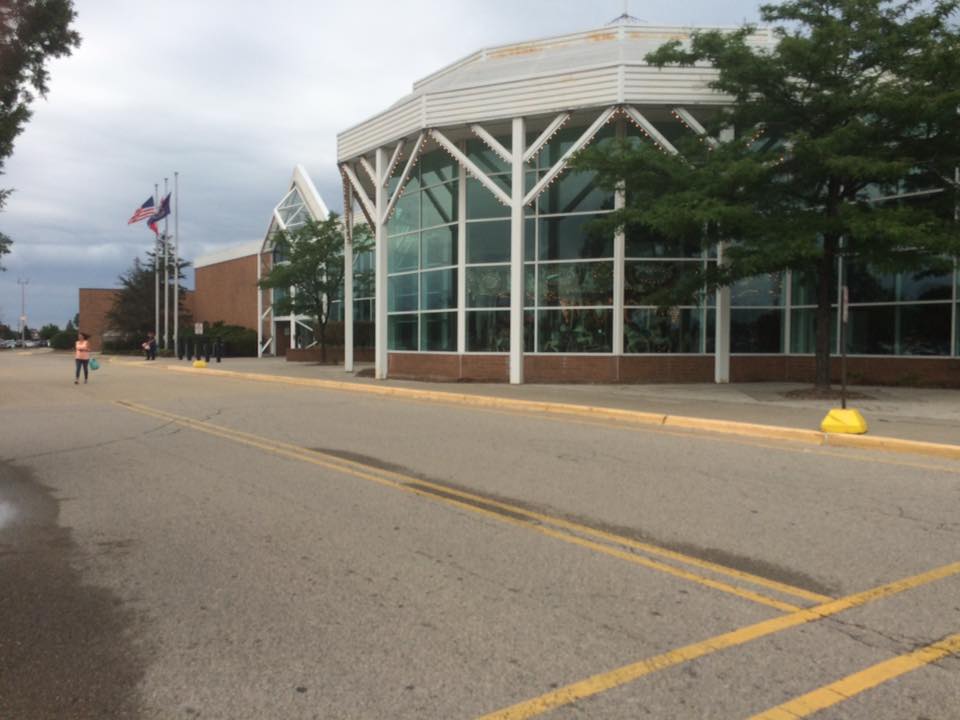
Younkers, Hudson's, and the long nineties
The first big change happened fast, and it involved a lot of paperwork.
In 1992, Prange's was bought by Younkers, Inc., which paid $67 million in cash for H.C. Prange Co.'s twenty-five department stores and agreed to cover about $9 million in debts.
In Birchwood Mall's wing, the new sign did what new signs usually do: it promised something new while offering the same thing, section by section.
By the middle of the decade, Birchwood Mall was still adding new stores.
In 1995, Detroit's Hudson's announced plans for a store, and the new main store opened in 1997, which felt like both an improvement and a sign that the mall mattered to the community.
The mall was not just a test; it was now a place that big stores thought was worth building in.
In the late 1990s, more stores opened in the smaller spaces: Old Navy in the Younkers wing and Dunham's Sports.
On February 2, 1999, Lowe's Home Improvement opened next to the mall, a separate building that made shopping there more of a regular stop and less of a special trip.
Marshall Field's turns into Macy's, eventually
In the early 2000s, Birchwood Mall's changes began to feel like a running lesson in corporate consolidation.
In 2001, Hudson's became Marshall Field's after Dayton-Hudson rebranded its Hudson's and Dayton's locations under the Chicago name.
The store itself did not change. But the sign told a different story about who owned what, and why.
The mall kept finding new ways to keep people around. In 2004, Chuck E. Cheese's opened as a family entertainment spot, making the mall a place for birthdays and weekend gatherings.
By 2006, national changes started to have a bigger impact.
On September 9, Marshall Field's converted to Macy's, part of Federated Department Stores' acquisition of the May Company.
For longtime customers, the change landed as a loss of personality, a reminder that "local" brands could be erased with a memo.
Old Navy closed in late 2007. The space later became Rainbow Shops, and then turned into a Planet Fitness, a new use for a place that once sold lots of jeans.
When Sears left, the mall learned new tricks
By the 2010s, the main stores started to seem less permanent and more unpredictable. In January 2013, Younkers became Carson's, another name change caused by company changes at Bon-Ton.
The mall's identity, once built around well-known department stores, began to feel like a shelf of jars with new labels.
The first big closing happened in 2016. On January 13, Sears said it would close, ending a twenty-five-year run that began when the mall opened in April 1991.
The store closed in March, and the old Sears space stayed empty, with no plan for what to do with it.
That spring, the mall's movie theater, then run by Carmike, closed for 3 months to be remodeled and reopened with new owners.
On July 8, 2016, Five Below opened in the old Chuck E. Cheese's spot, a discount store taking over the place that used to host kids' birthday parties with robot performers.
2018's double hit and the Kohan interlude
If 2016 was an injury, 2018 was a season. On January 3, Macy's announced it would close the Birchwood Mall location as part of a nationwide plan to shutter stores; it was gone by March.
A month later, on April 19, Carson's faced a more existential problem: its parent company, The Bon-Ton, said it could not find a buyer and would liquidate after filing for Chapter 11 bankruptcy in February.
The Birchwood Mall Carson's closed on August 29, 2018, and only Target and JCPenney remained from the original anchors.
Even in decline, the old numbers explain why the place mattered. Canadian purchasing once accounted for about 30% of overall sales, a cross-border habit that kept the bridge humming.
At its peak, the anchors generated $60 million a year, drawing shoppers from forty miles away in Michigan and over seventy-five miles from Canada, from a 250,000-person base within twenty miles.
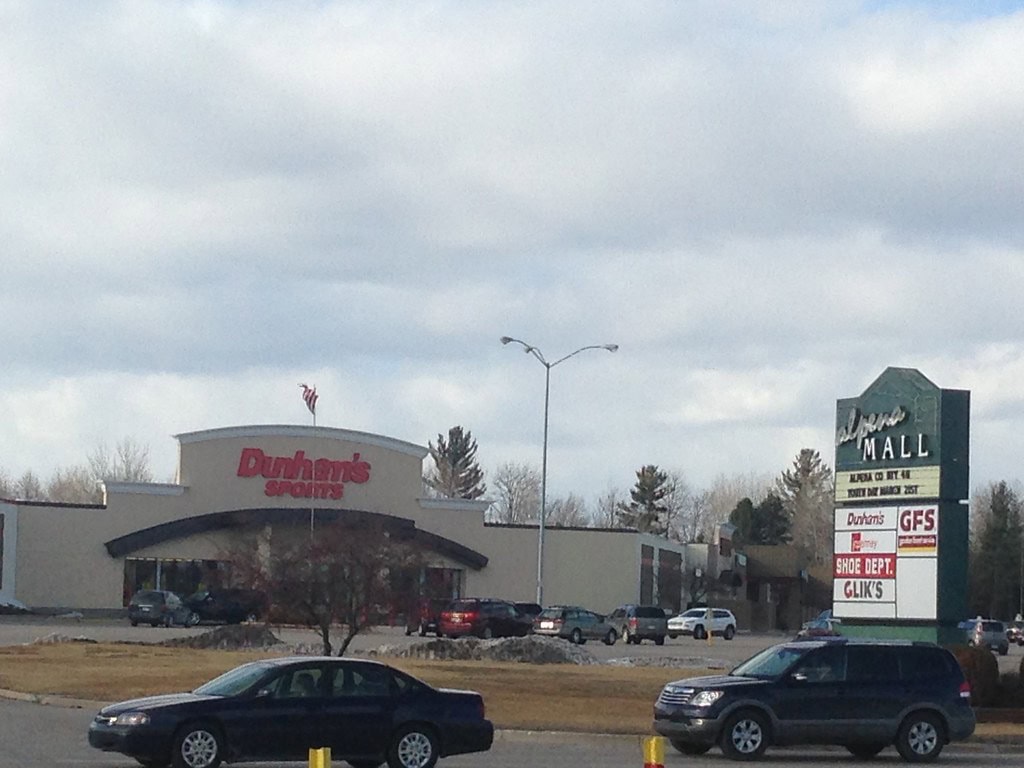
The 2020s brought improvisation. In September 2020, Dunham's Sports moved into the former Carson's space.
In February 2021, Birchwood Mall sold for $5.6 million to Kohan Retail Investment Group, a buyer known for acquiring struggling malls with a stated plan to revive them as hybrids of food, entertainment, and retail.
Kohan representatives said they would keep the mall's staff and make capital improvements.
Critics call it "the last owner a mall sees," and say it invests little. Later that year, the former Macy's became CubeSmart Self Storage.
A leaner tenant list, still a local habit
By late 2024 and into 2025, Birchwood Mall's main stores showed what shopping was like at the time: Target and JCPenney still brought in regular crowds, Dunham's Sports had moved to a new spot, CubeSmart took over an old department store, and AMC Birchwood 10 was still open.
Around them, the mall had well-known chains like Bath & Body Works, Maurices, Kay Jewelers, LensCrafters, Buckle, Planet Fitness, and Five Below, along with local businesses that used the mall as a low-cost place to set up shop.
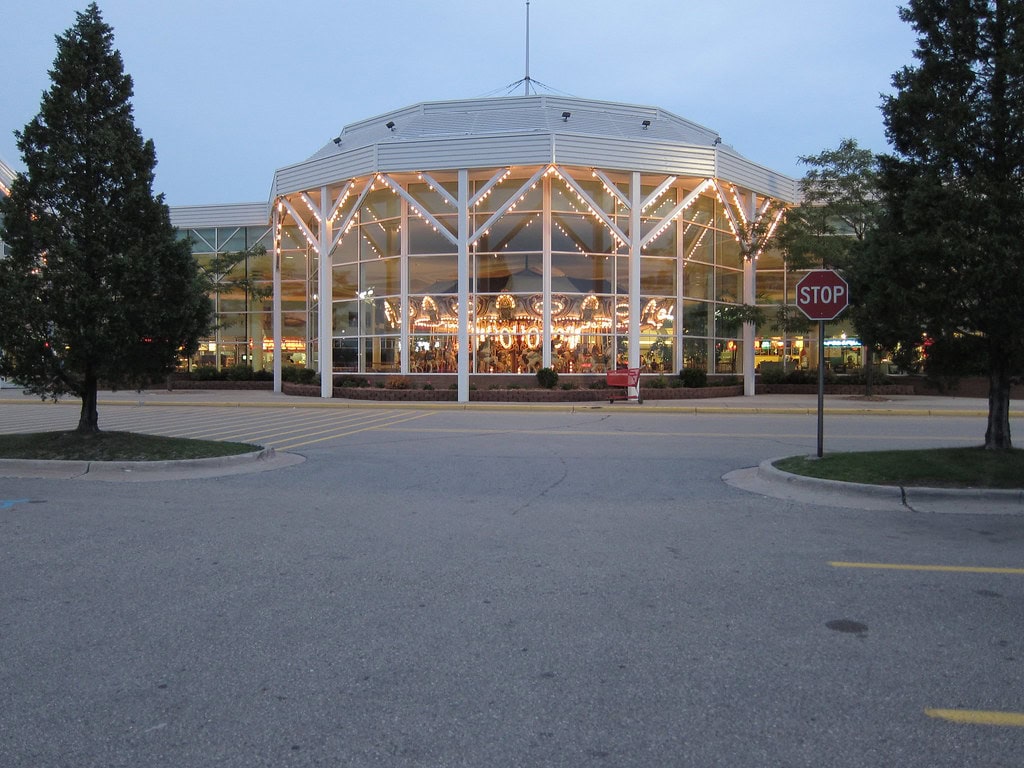
The mall worked hard to stay family-friendly. There was still a food court, a soft play area, and a carousel that could make shopping with kids easier.
The directory still listed about a fifty stores, even though stores came and went so often that the number was hard to trust.
Ruby Tuesday, which used to be the main sit-down restaurant, closed, so now most food options were fast instead of places where you could relax and stay awhile.
New stores came in with a new idea: instead of shopping all day, they wanted people to keep coming back. Fire Up Grill grew from a food truck to its first real restaurant inside the mall in February 2024.
A Little Hobby Ceramics Studio moved in and reopened in early January 2024 after it got too big for its old spot.
MI Creator's Cove opened quietly on October 1, 2024, and planned a big opening for November 16. Between Thanksgiving and Christmas 2024, shoppers filled the mall with a short burst of busy, old-fashioned holiday feeling.
Plans, politics, and the next life of space
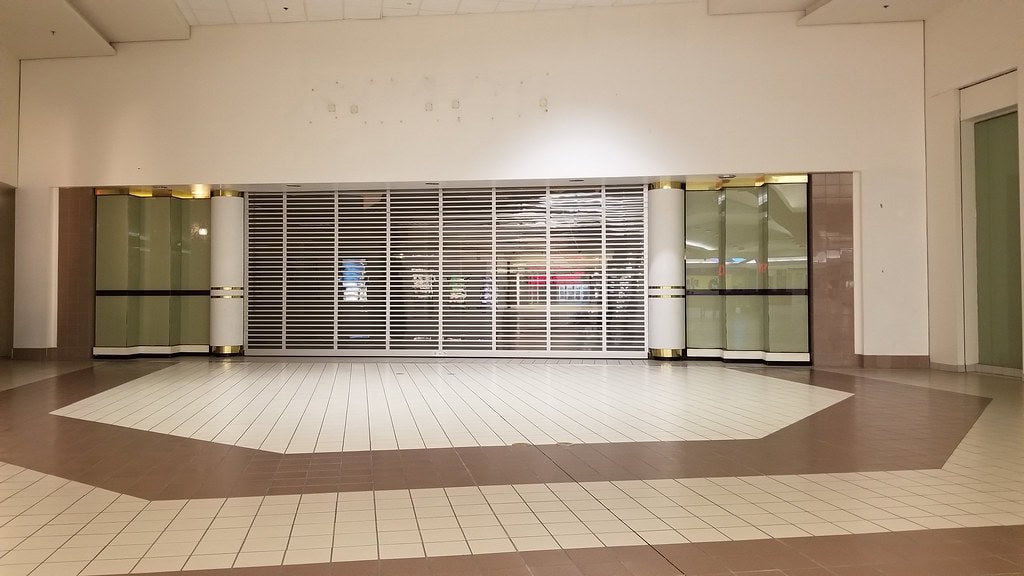
Birchwood Mall's present is easiest to measure in vacancies.
In June 2025, a leasing listing marketed blocks of space inside the mall, with availability running from about 22,000 to roughly 90,000 square feet, big enough to be noticed.
Headlines arrive, too. On February 2, 2025, a retail-fraud incident beginning at Dunham's led to a vehicle pursuit onto I-69 and I-94. The T.J. Schmidt & Company carnival set up at the mall June 26-29, 2025.
Planning efforts have treated the mall as a neighborhood, not a failed store directory.
A Michigan State University practicum study described Birchwood Mall in 2018 as roughly 800,000 square feet on nearly eighty acres, about five miles north of downtown Port Huron.
It proposed three phases: first, refresh the look and recruit specialty retail and entertainment; next, add mixed-use commercial and office space, indoor recreation for winter months, and distinctive dining, including rooftop space and green amenities; finally, add a second story and a lifestyle center where people could live, work, shop, and play.
Township Supervisor and other leaders have talked about ordinance updates and "middle housing," and have warned that a full closure would risk "trickle effects of blight."
Like other regional malls, Birchwood Mall has been squeezed by oversupply and e-commerce, with the pandemic accelerating the shift.
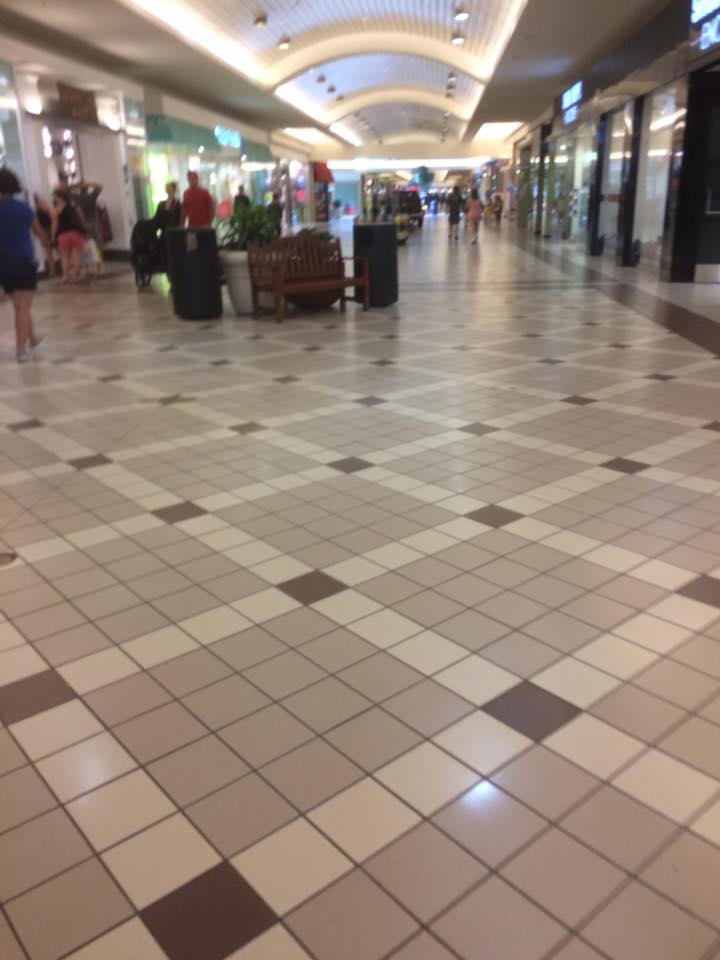
Birchwood Mall still works as a place to shop, but it does not try to act like its best days are still to come. It is mostly clean, the basics are taken care of, and it is easy to get in and out because it is not busy.
The problem is how it feels: there are too many quiet areas, too many empty stores, and it feels like you are walking through a place that used to be much busier.
The big stores and a few regular shops keep it from feeling empty, and the movie theater and small family-friendly spots help people keep coming back.
But it is hard to ignore how empty it is, and the whole mall feels more like a handy way to cut through the building than a place you would spend the whole day.
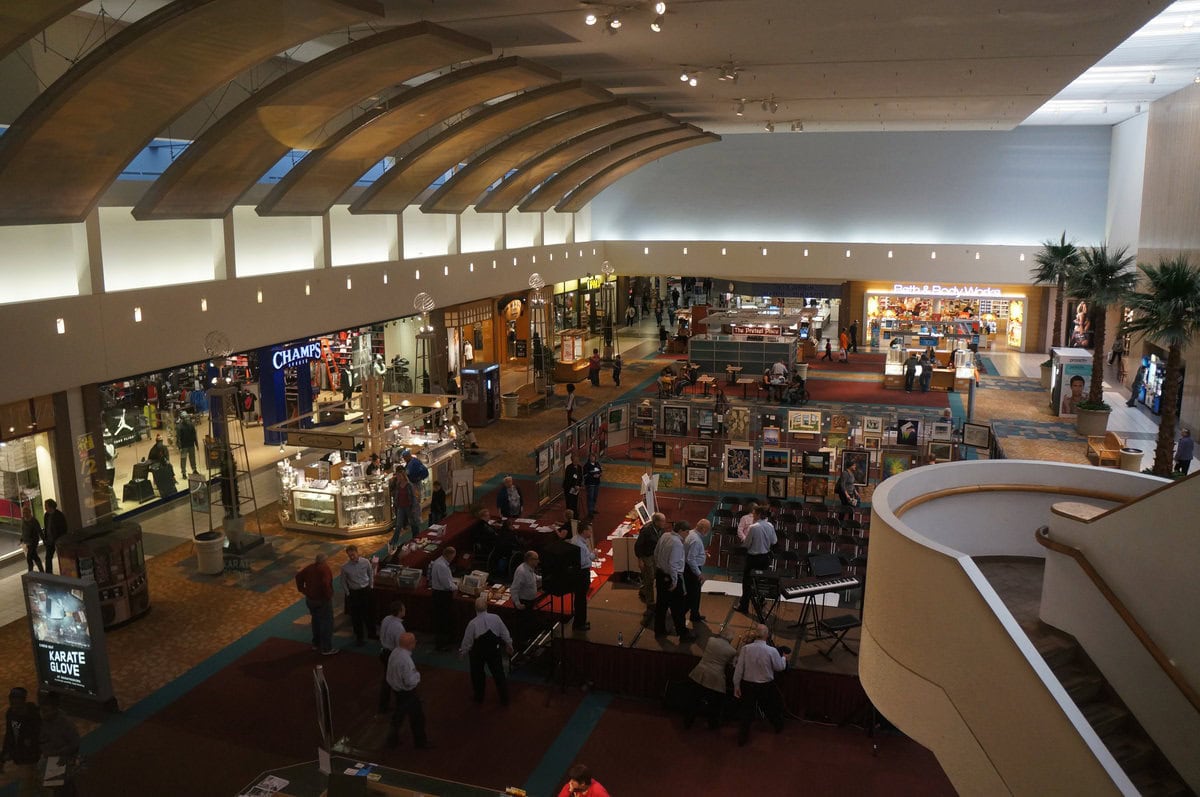
Good information but you neglected to talk about one of the most user-friendly aspects of the Mall. It is a great safe, clean, and well laid out walking venue. Lots of people, particularly seniors, use it in all seasons.
That is a strong point. Indoor malls often serve as informal walking tracks, especially in colder climates.