
Before the name, watch the platform
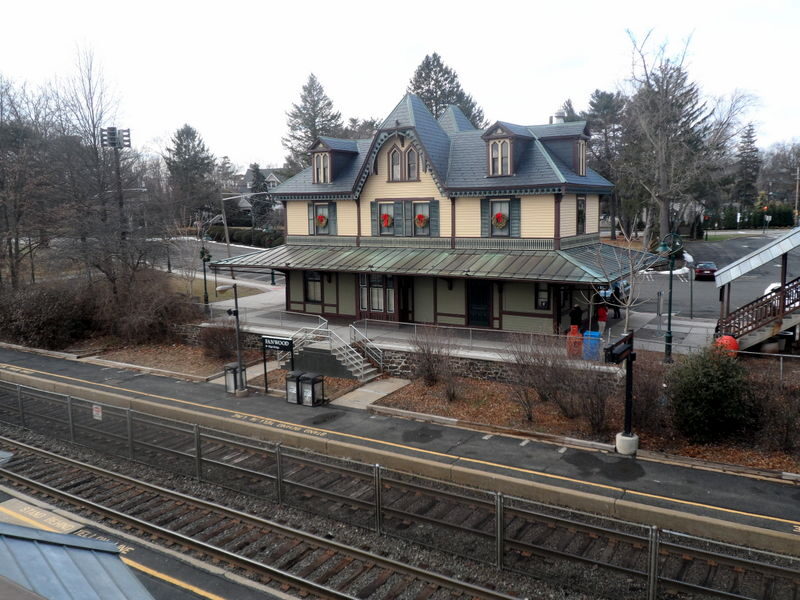
Weekday mornings begin with a familiar North Jersey calculation: coffee in one hand, train timing in the other, and a private estimate of whether Newark will be easy today. The Raritan Valley Line gives this small Union County borough a real commuter identity.
Some weekday trains continue toward New York, while many trips still require a Newark Penn transfer, a limitation the borough itself lists among its planning challenges. The streets near the station tell the rest of the story.
There are older houses, a compact downtown, mature residential blocks, and newer homes fitted into the few places where redevelopment has been possible.
Buyers come for a short local map, a respected regional school system, and the chance to keep a New York-area career without living at New York speed.
Then the asking price appears. So does the tax bill. Convenience has already been noticed and priced accordingly.
Buying a House in Fanwood, New Jersey: What to Check Before You Offer
Fanwood is a compact, high-cost housing market.
Start with boroughwide data, then test a specific house against its tax bill, financing, insurance, condition, commute, school assignment, and property-specific risks.
Fanwood covers only 1.34 square miles, and the U.S. Census Bureau counted 5,801.5 residents per square mile in 2020.
Even within that small area, two houses can produce different daily routines and ownership costs.
Move from market context to exact-address checks early.
Start with the current price scale, not a generic "New Jersey" budget
Zillow's Fanwood Zillow Home Value Index (ZHVI) was $818,512 as of July 31, 2026, up 5.1% from a year earlier.
ZHVI is a measure of typical home value. It is not a median sale price, an average sale price, or a price estimate for a particular house.
Housing data source: Zillow Home Value Index, July 2026. Data Provided by Zillow Group.
For 2020-2024, the Census Bureau put the median value of owner-occupied housing units at $635,200 and the owner-occupied housing rate at 84.9%.
Those figures describe resident housing over a multi-year period; they are not a 2026 asking-price guide.
Use ZHVI for current market scale and Census figures for broader resident context.
For an offer, use recent closed comparable sales for similar homes, then account for the subject property's condition and obligations.
Build the budget around the exact house
Purchase price is only one line in the affordability test.
Before you decide what to bid, create a property-specific monthly budget that includes the mortgage payment, the home's actual property-tax bill, a homeowners-insurance quote, any association charge, and a realistic allowance for maintenance and repairs.
Census data show why historical owner costs should not be treated as a buyer quote.
The median selected monthly owner cost for Fanwood households with a mortgage was $3,708 in 2020-2024.
That number reflects existing owners during an earlier period. A buyer financing a home at 2026 values may face a very different payment.
Set the maximum total monthly housing cost you can accept, then work backward to the purchase price.
If the tax bill or insurance quote changes, your bid ceiling should change too.
Keep inspections, closing-related charges, and immediate repairs in the cash plan rather than treating the down payment as the only upfront need.
Treat the commute as an address-level test
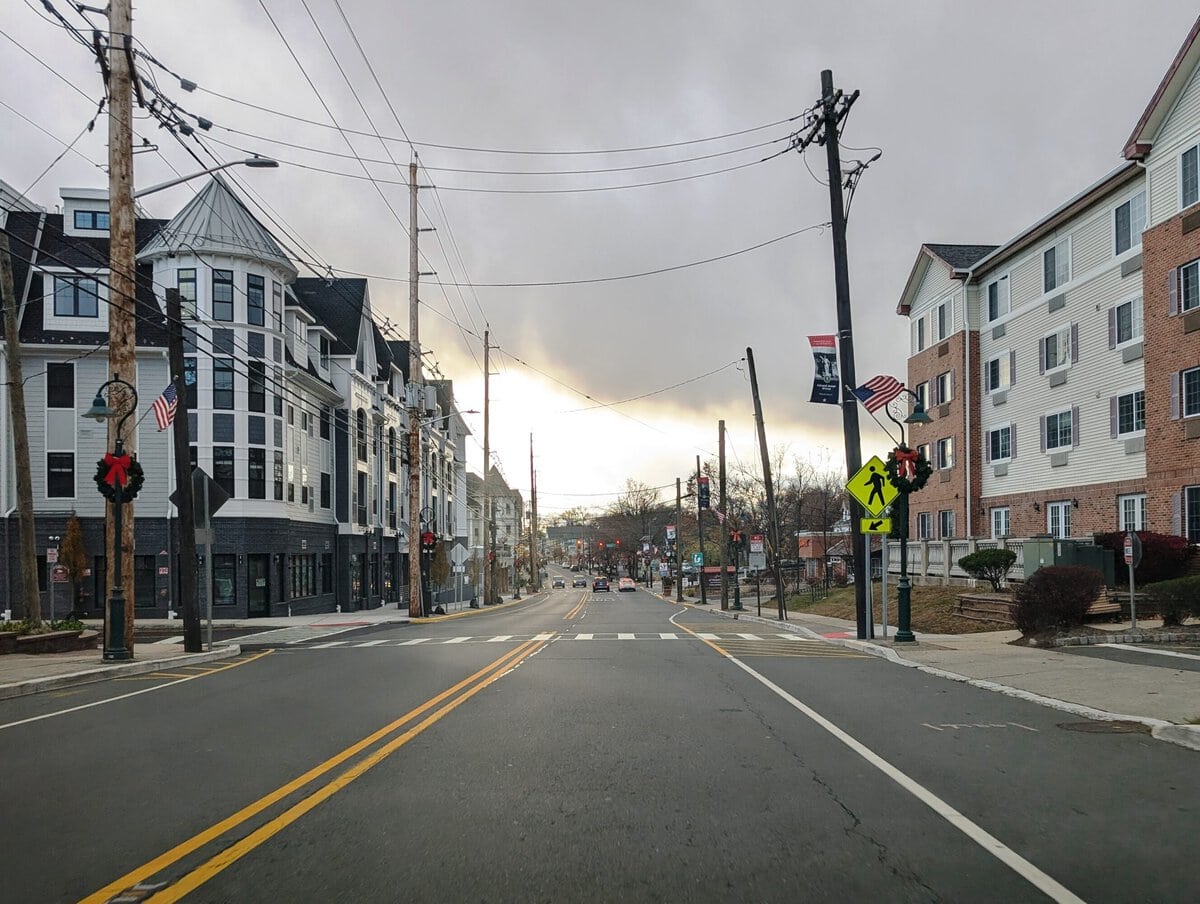
Fanwood's mean travel time to work was 41.6 minutes for workers age 16 and older in the Census Bureau's 2020-2024 data.
That is useful context, but it is not a prediction of your commute.
If access to a station, major road, school, or another daily destination is part of the reason you are considering Fanwood, test the trip from the exact property.
Do it at the times you would normally leave and return. Also visit the street during a weekday morning and evening.
A location that saves time can come with more traffic, parking pressure, or noise, while a quieter block can add time to every trip.
For a commute decision, "in Fanwood" is not specific enough. The relevant unit is the front door.
Check the school district without substituting rankings for verification
Fanwood is served by the Scotch Plains-Fanwood School District.
NCES directory information for 2025-2026 lists it as an open regular local district with eight schools and grades PK-12.
NCES district details for 2024-2025 report 5,752 students and 466.65 full-time-equivalent classroom teachers, for a student-teacher ratio of 12.33.
Those numbers describe the district, not the educational experience at a particular school and not the assignment for a particular address.
If schools affect your decision, verify the current assigned schools for the property before making the offer and confirm any program that matters to your household.
Do not assume that a Fanwood address, a real-estate listing, or a third-party school score answers those questions reliably.
Make flood and radon checks part of the offer process
Citywide housing statistics cannot tell you whether an individual property has a flood-map issue.
FEMA identifies its Flood Map Service Center as the official public source for National Flood Insurance Program flood-hazard information.
Its address search can provide the applicable Flood Insurance Rate Map information and Letters of Map Change.
For any serious candidate, search the exact street address.
Record the map panel and effective date, and check whether a Letter of Map Change affects the property or panel.
Then use that information when discussing insurance and financing.
A general neighborhood description should never substitute for the address-level FEMA record.
Radon also deserves a property-level test.
EPA recommends testing a home when buying or selling and recommends fixing a home when the radon level is 4 picocuries per liter or higher.
EPA also says its radon-zone map should not be used to decide whether an individual home needs testing.
An existing radon report is not automatically enough.
EPA notes that a buyer may reasonably seek a new test when the previous test is not recent, such as more than two years old, when the home has been altered since testing, or when the buyer plans to occupy a lower level that was not tested.
If a basement will become a bedroom, office, playroom, or regular living area, that detail changes the test question.
A general home inspection should sit alongside these checks.
Use it to examine the roof, drainage, foundation, electrical and plumbing systems, heating and cooling equipment, moisture, and deferred maintenance.
If a finding needs a specialist, price that uncertainty before the contingency ends.
Set the offer from comps, condition, and your ceiling
Fanwood's 5.1% year-over-year ZHVI increase through July 2026 shows that typical home values were higher than a year earlier, but it does not tell you what one house is worth or how much competition it will attract.
Set an offer from three inputs: comparable closed sales, the condition of the subject property, and your total-cost ceiling.
If a house needs near-term work, put a dollar estimate beside each known item rather than calling the property simply "updated" or "dated."
If you cannot price a material defect before the offer deadline, preserve room in the contract for due diligence instead of assuming the best case.
A shorter walk to a daily destination may matter more to you than an extra finished room.
A renovated interior may matter less if the tax, flood, or repair picture strains the budget.
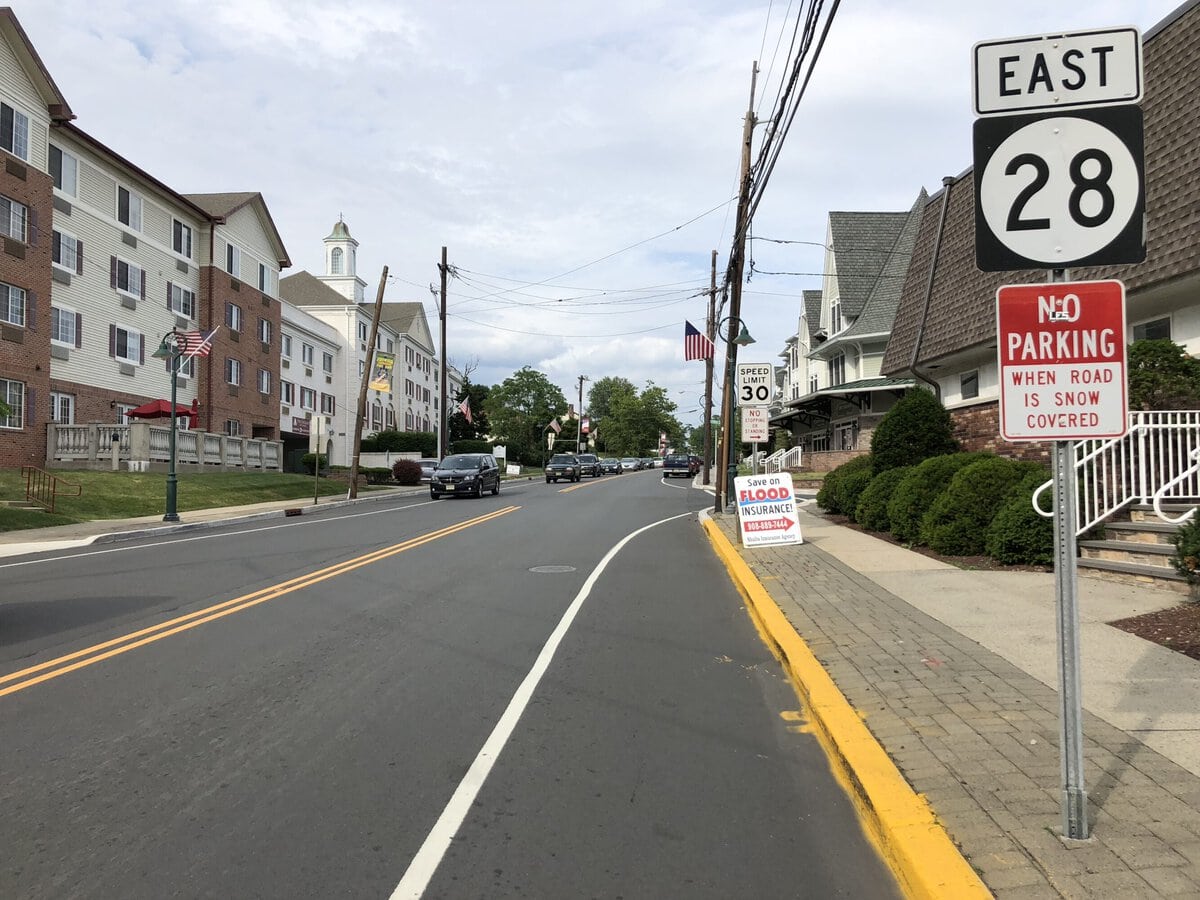
A pre-offer checklist for a Fanwood house
- Confirm the price context. Use the current ZHVI only as a broad market reference, then review recent closed comparable sales for the same property type and a similar condition.
- Get the actual tax bill. Put the property's current annual tax amount into your budget rather than estimating it from the asking price.
- Price the full monthly obligation. Add financing, taxes, insurance, any association charge, and a maintenance allowance before setting your maximum bid.
- Test the commute from the address. Check your real departure and return times and visit the block during busy periods.
- Verify school assignment. If schools matter, confirm the property's current assignment and relevant programs directly before the offer becomes binding.
- Run the FEMA address search. Note the effective flood map information and check for Letters of Map Change.
- Arrange radon testing. Treat an old or mismatched test as a reason to retest, especially if you will use a lower level differently.
- Use the inspection to price uncertainty. Separate cosmetic preferences from systems or conditions that could require substantial near-term spending.
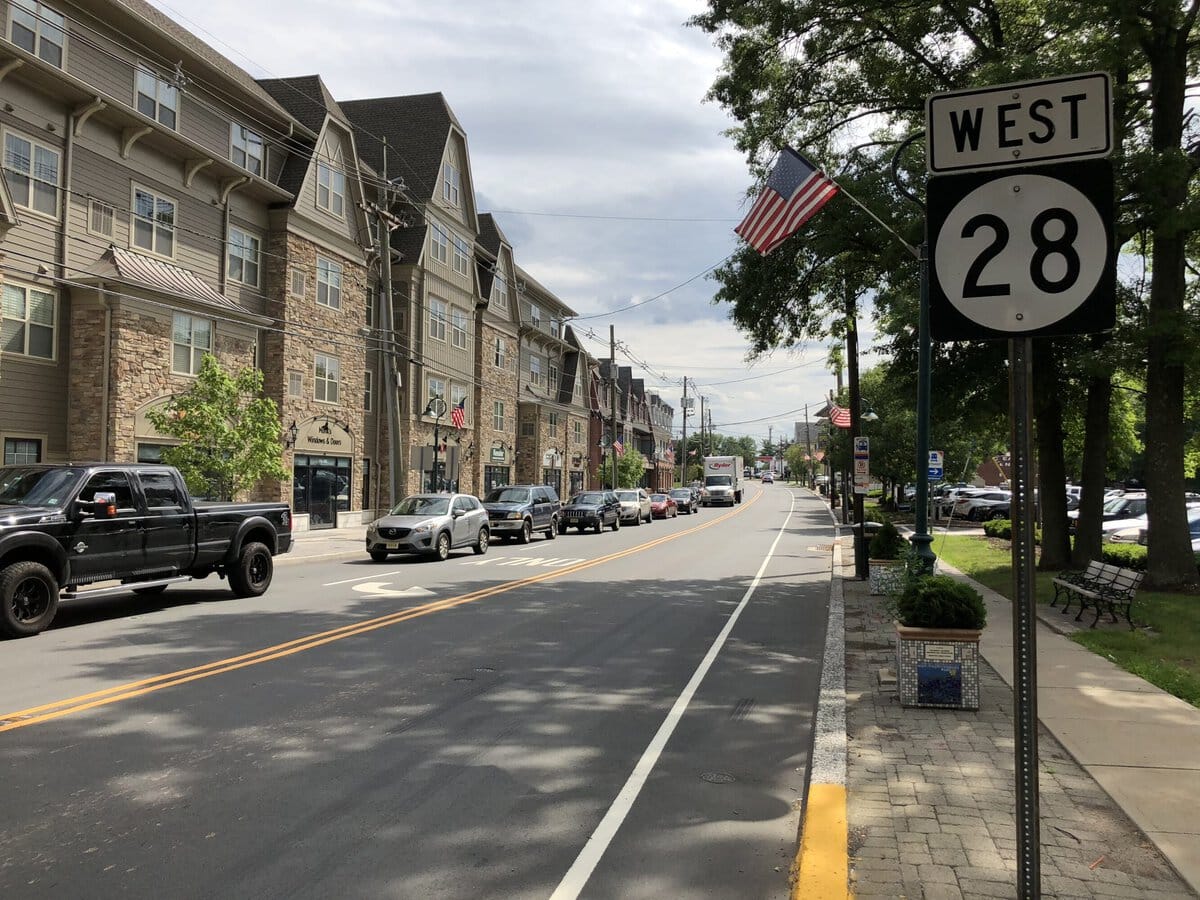
Is buying in Fanwood a good fit?
Fanwood is a better fit when the current typical-home-value scale does not stretch your total monthly budget and the exact location earns its cost.
Boroughwide numbers cannot finish that decision.
The most useful final test is property-specific: Can you afford the house after the exact tax and insurance costs are included?
Does the address work for your actual commute and school needs? Are the flood, radon, and inspection findings acceptable at the price you are paying?
If those answers hold up, the offer is grounded in the house you are buying rather than the reputation of the ZIP code.
On the map: Fanwood, NJ 07023
Sources and further reading
- U.S. Census Bureau - QuickFacts: Fanwood borough, New Jersey
- Zillow - Fanwood Zillow Home Value Index
- National Center for Education Statistics - Scotch Plains-Fanwood School District
- FEMA - Flood Map Service Center
- U.S. Environmental Protection Agency - Radon publications and Home Buyer's and Seller's Guide
- U.S. Environmental Protection Agency - When to retest a home for radon
- U.S. Environmental Protection Agency - EPA Map of Radon Zones
Independent Publisher Notice
BestAttractions is an independent editorial publisher. We are not affiliated with, endorsed by, or acting on behalf of any location, business, property owner, manager, government agency, or organization described in this article. Comments posted on this page are not forwarded to, reviewed by, or acted upon by any entity mentioned in the article. For official inquiries, complaints, applications, bookings, or other requests, please contact the relevant entity directly through its official website or other verified channels.