
Ledgewood Mall was an enclosed shopping mall on Route 10 in Roxbury Township, New Jersey, a single-level indoor center with a handful of large anchor stores and a row of smaller shops along one interior walkway.
It opened in 1972 and ran that way for decades.
The same site now operates as Ledgewood Commons, an open-air shopping center whose stores face the parking lot.
What sets it apart from most aging malls is how completely it was rebuilt.
Instead of renovating the inside, the owners demolished much of it and built around a freestanding Walmart Supercenter, a move the retail industry calls de-malling.
The familiar names changed all along, from a catalog showroom and Jamesway to Macy's and back to a returned Barnes & Noble.
The job stayed the same even as the building stopped looking like the original.
Ledgewood Mall Lost the Indoor Walk but Not the Traffic
The Macy's came down in December 2017, two years after the store had closed. It was the last full-line department store Ledgewood Mall ever carried.
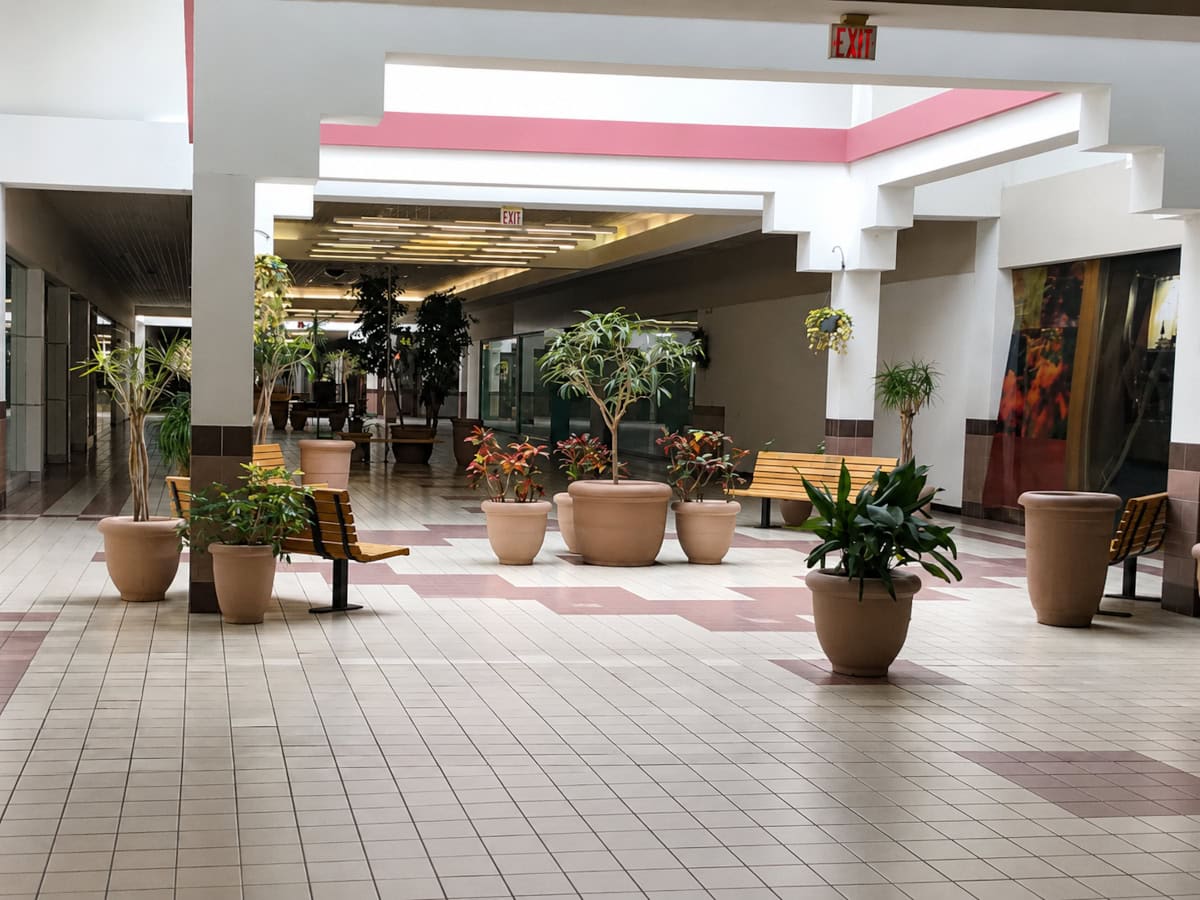
Crews worked through the old enclosed building over the months that followed, and by the middle of 2018 little of the interior was left but a short run of seating between two of the surviving anchors.
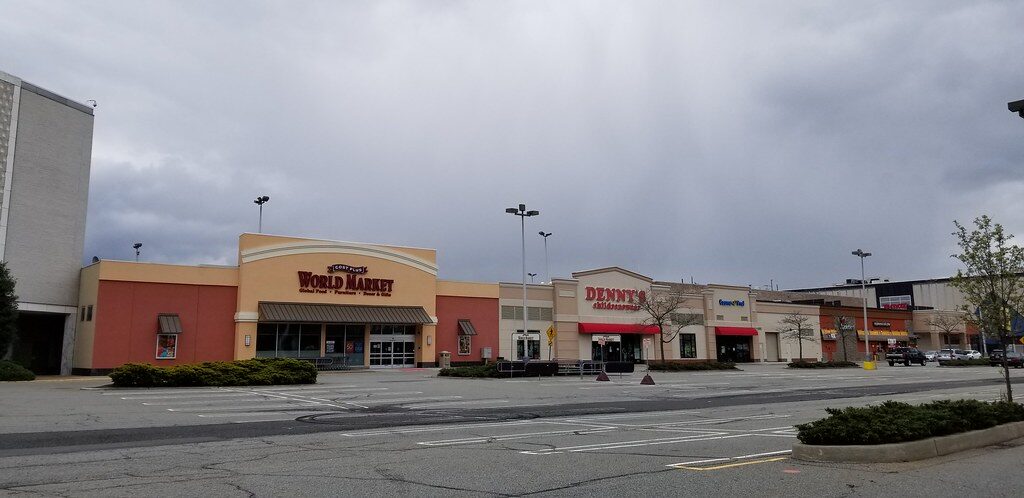
The corridor that shoppers had walked since 1972 was fenced off and then gone. In its place stands an open-air center where every store opens straight onto the parking lot.
How Ledgewood Mall Opened on Route 10 in 1972
Ledgewood Mall opened in 1972, a single-level enclosed center built by Intercoast Development on Route 10 in the Ledgewood section of Roxbury Township.
Its first anchors were a W.T. Grant variety store and a Finast supermarket, which says plainly enough what the place was for: everyday goods, not fashion.
The location did most of the work.
Route 10 crossed Route 46 a short distance away, Interstate 80 ran two miles to the north, and that knot of highways drew shoppers from Dover, Randolph, Hackettstown, Netcong, and across western Morris County.
Roxbury Mall stood close enough that the two centers together held more than a million square feet of stores along the same stretch, and over the years offices, restaurants, apartments, and senior housing built up around them.
For a wide arc of suburb between Dover and the Sussex County line, this was the corner you drove to when you needed something.
By the time anyone proposed rebuilding it, Ledgewood Mall and Roxbury Mall together anchored one of the busiest retail strips in western Morris County.
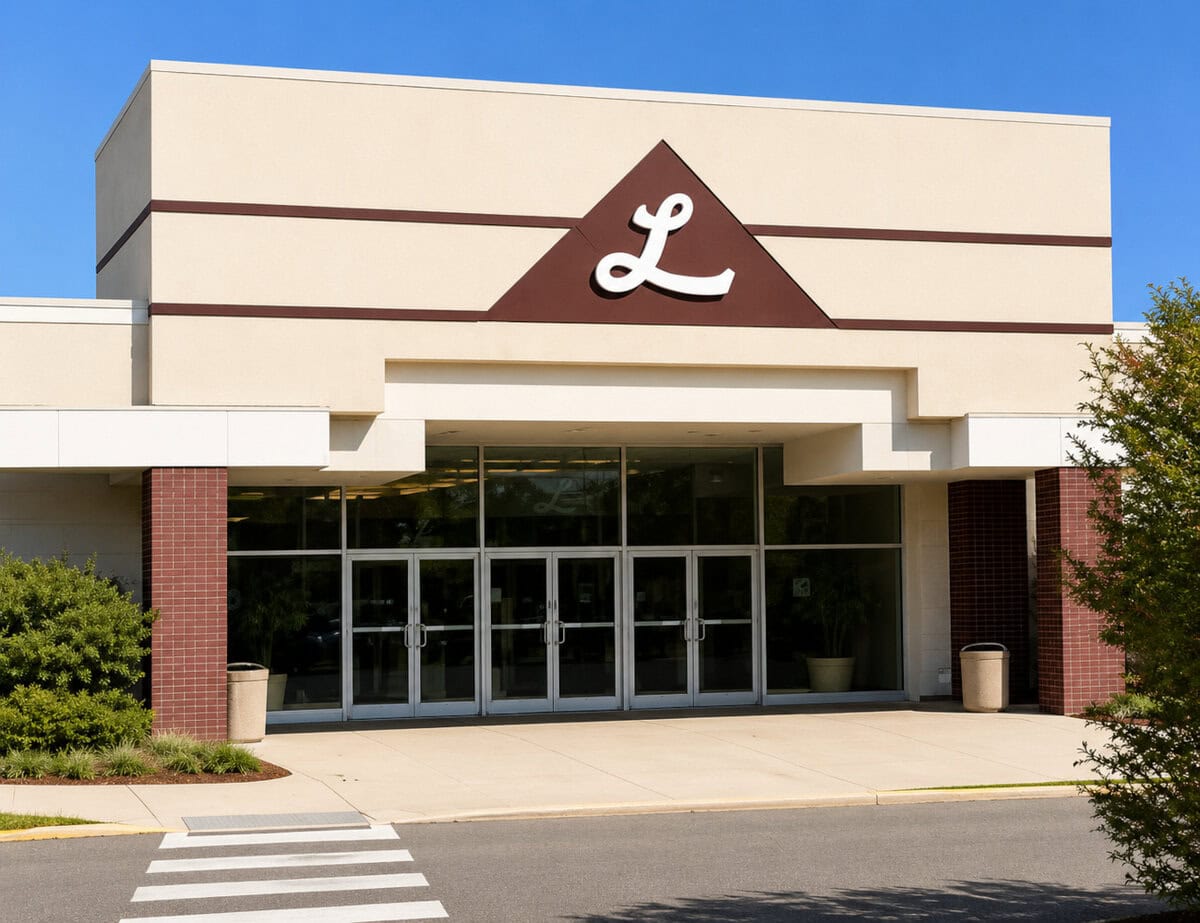
Inside Ledgewood Mall's Discount and Catalog Years
By around 1980, the anchors had turned over to Rickel, Jamesway, and Arthur's Catalog Showroom, and that trio held for more than a decade.
Rickel handled hardware and home improvement. Jamesway was a discount department store.
Arthur's was a catalog showroom, the kind of store where a shopper picked an item out of a thick printed catalog and a clerk fetched it from the stockroom in back, a format that big-box chains and online ordering would later wipe out.
It made for a practical lineup. People came to Ledgewood for a garden hose, a set of school clothes, or a small appliance, walked the enclosed concourse from one anchor to the next, and went home.
Stern's to Macy's: Ledgewood Mall's Department Store Run
The mall's one real attempt at a conventional department store came in the 1990s.
A 60,000-square-foot Stern's was planned in 1993 and opened in the mid-1990s, and Barnes & Noble took a freestanding building on the property around the same time, so the center gained a full department store and a bookstore in close succession.
Barnes & Noble would keep that standalone store for years and became one of the property's steadier draws.
Stern's gave the discount-leaning center its first traditional department-store name, the kind of anchor it had gone without since it opened.
In 2001, the Stern's was rebranded Macy's after its parent company retired the Stern's name.
Other tenants moved through the larger boxes as national chains rose and folded. Sports Authority took over the old Rickel space.
Circuit City sold televisions and stereos until the chain collapsed, and for a few autumns afterward its empty store became a seasonal Spirit Halloween before that operation moved nearby.
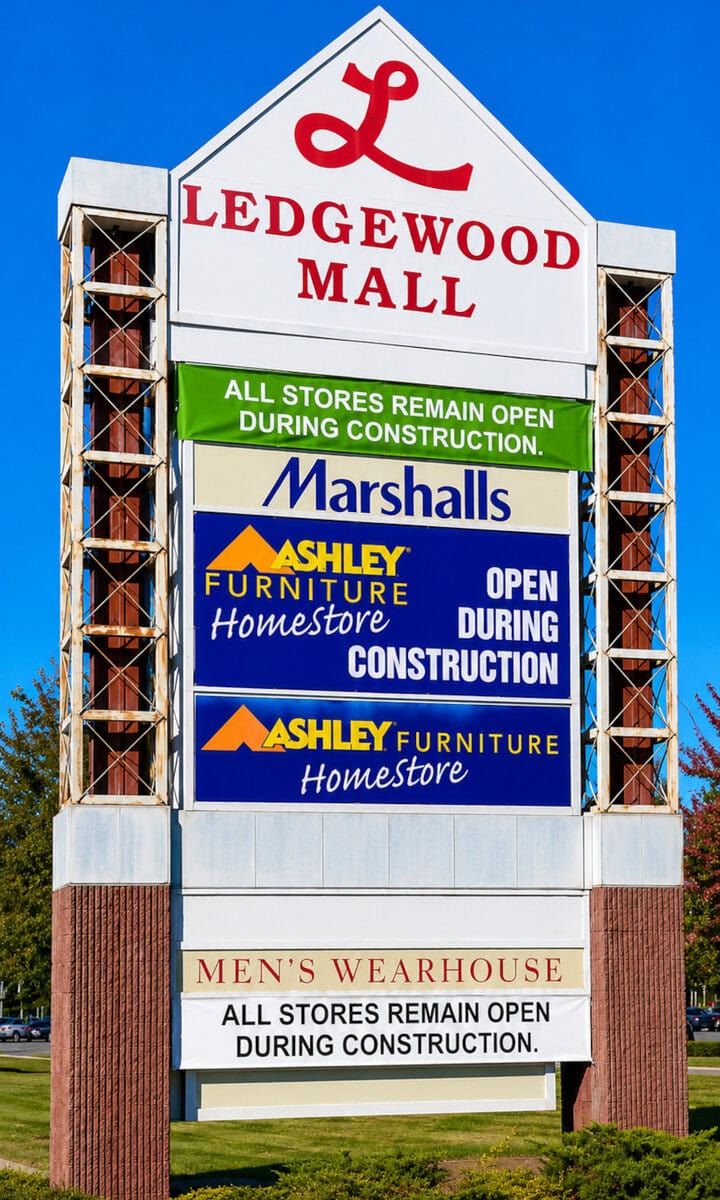
The names that quietly held on through all of it were Marshalls, Ashley Furniture, Men's Wearhouse, and a Red Lobster out by the highway.
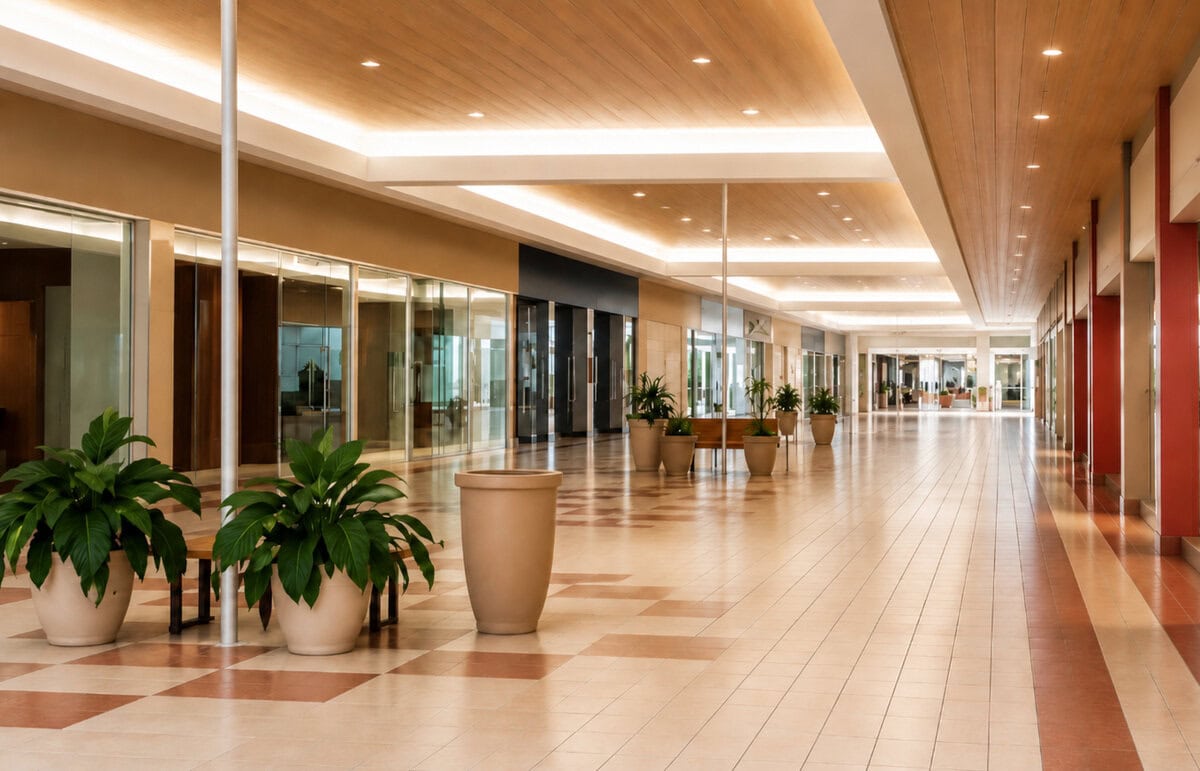
Why the Enclosed Ledgewood Mall Stopped Working
Cracks showed in the discount wing first.
Jamesway liquidated and shut its Ledgewood store in December 1995, leaving a large anchor empty, and in 1999 Walmart moved into the former large-format space, taking over part of what Jamesway and Arthur's had once filled.
It was the first Walmart in Morris County, and it would later close in 2019 to make way for the freestanding Supercenter that anchors the site today.
The vacancies were only half the trouble.
A long interior hallway with small shops strung between anchors had been an advantage in 1972.
By the 2000s, the retailers that drew traffic wanted their own outside doors, signs visible from Route 10, and parking at the threshold, and an enclosed mall could not offer all of that consistently to every tenant.
Open-air power centers and freestanding big-box stores along the same highways were pulling away exactly the tenants an indoor mall needed.
Macy's closed in 2015, the last full department store to leave.
The property had passed through a string of investment owners by then, among them Acadia Realty Trust and Baltoro Capital Management, and it was increasingly treated not as a working mall but as a well-placed parcel of land waiting for a different use.
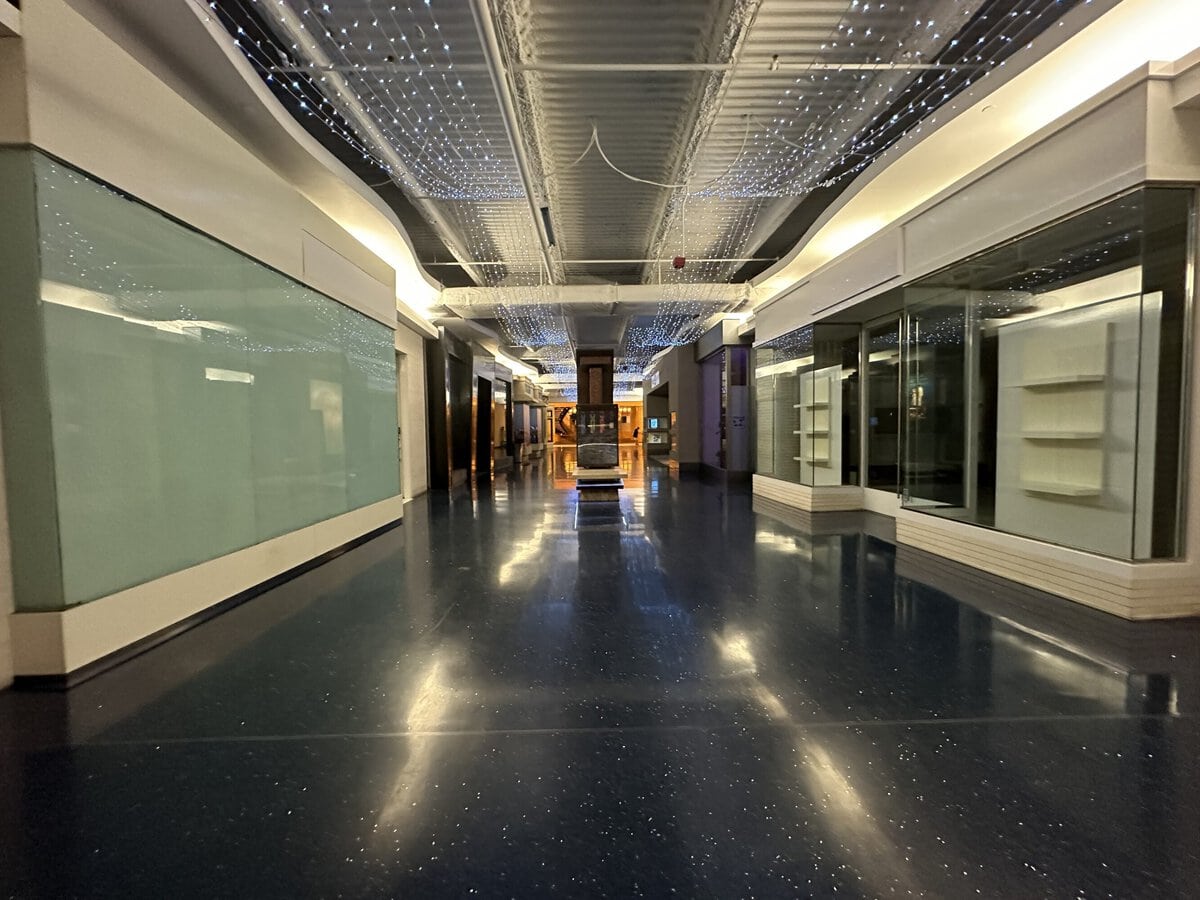
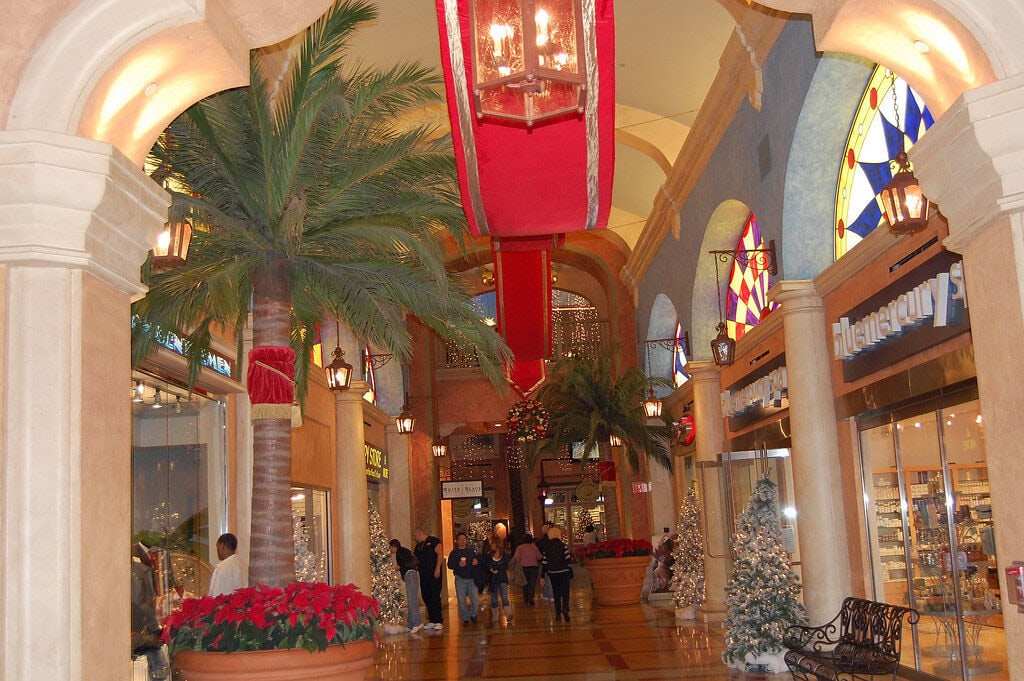
The 2015 Sale That Ended Ledgewood Mall as an Indoor Mall
A partnership of Advance Realty, DeBartolo Development, and Invesco Real Estate bought the mall in 2015 for $28.9 million, $56 a square foot for 517,000 square feet of building on 46.5 acres.
Keeping it as a mall was never the idea.
The plan was a de-malling, the industry's word for tearing out the enclosed format, and it called for rebuilding the site as a 450,000-square-foot open-air center with exterior storefronts.
Roxbury Township approved the first version in 2017.
It amended it in 2018 and 2019, signing off on demolition of much of the old structure, new parking and circulation, the conversion of interior corridors into leasable storefronts, and changes to grading, landscaping, a public courtyard, and the buildings along the lot.
Planning documents placed the site in the township's Planned Shopping Center District, hemmed by a rail right-of-way on the southeast and by offices, highway retail, and affordable and senior housing.
A fair amount of the work ran out to the road itself: turning lanes, a stormwater basin off Route 10, utility relocations, and state highway permits, since Route 10 and the Mary Louise Avenue intersection had to carry the rebuilt center.
The original timetable called for completion in 2019. Demolition began in November 2017.
How a Walmart Supercenter Reshaped the Ledgewood Site
The design kept changing while the work went on.
A 2019 revision discarded the old attached Walmart and called for a new freestanding Walmart Supercenter of 164,100 square feet, built for groceries, pharmacy, and online-order pickup, and curbside service, with separate entrances for groceries and for the home and pharmacy side, a garden entrance, a row of loading docks at the rear, and twelve pickup stalls in the lot.
The same revision dropped a planned pedestrian path between the parking fields and reworked the remaining large building into 174,100 square feet for several tenants.
A $72.5 million construction loan from Santander Bank, arranged that September, paid for the conversion, which carried on through the first COVID-19 months because Walmart's grocery stock made it essential work.
By then the project had been underway for two years and was built around tenants that recommitted to the new open-air layout.
The center opened in stages rather than all at once. The Supercenter came first, in October 2020, running around the clock at the start.
Marshalls moved to a more prominent spot, Ashley Furniture reopened after a renovation, and Barnes & Noble closed its standalone store in 2020 when its lease ended.
The bookstore returned to Ledgewood Commons years later in a new inline storefront, rather than moving directly from the old building.
Ledgewood Commons: New Owner, New Tenants, Old Address
The rest of the storefronts came in through 2021.
Burlington opened in 27,300 square feet, Ulta took 10,700, and Five Below 8,500, and a line of pad restaurants brought Chipotle, Five Guys, Panda Express, and Starbucks to the edges of the lot.
They were the chains still putting up new stores in those years: off-price clothing, beauty, footwear, low-price household goods, and fast food.
In April 2024, Urban Edge Properties bought the finished center, by then called Ledgewood Commons, for $83.2 million, and placed a $50 million mortgage on it the following month.
The sale left two small outparcels, 20,000 square feet between them, as space to build on later. The roster kept shifting in the usual way. Red Lobster, a little farther up Route 10, closed in May 2024.
At Home, in the large home-furnishings box, was marked for closing in 2025 when its parent company filed for bankruptcy, and the space reopened as Modern Homes.
What Remains of Ledgewood Mall in Roxbury Today
There has been a shopping center at 461 Route 10 for more than fifty years, and there is one now.
Ledgewood Commons covers 51.6 acres, holds more than 2,200 parking spaces, and rents out 446,500 square feet, with the Walmart Supercenter at one end and Marshalls, Burlington, Ashley Furniture, Old Navy, DSW, and the returned Barnes & Noble strung along the rest, plus a cluster of restaurants and a few service tenants: an eyeglasses shop, a nail salon, an Optimum store.
The current owner markets the place to a trade area of more than 100,000 people within five miles.
Tommy's Tavern & Tap signed a 9,200-square-foot pad lease, the first new deal struck after Urban Edge took over, and expects to open by the end of 2026.
A single bus route stops at the edge of the parking lot, but the center has always run on cars. Gone are the enclosed walkway, Jamesway, Stern's, Macy's, and the catalog showroom that set the early mall's character.
What hasn't changed is the reason people turn in off the highway, the same one that brought them in 1972: to pick up the ordinary things they need, a few stores at a stop.
Independent Publisher Notice
BestAttractions is an independent editorial publisher. We are not affiliated with, endorsed by, or acting on behalf of any location, business, property owner, manager, government agency, or organization described in this article.
Comments posted on this page are not forwarded to, reviewed by, or acted upon by any entity mentioned in the article.
For official inquiries, complaints, applications, bookings, or other requests, please contact the relevant entity directly through its official website or other verified channels.