
The Mall That Once Had Everything
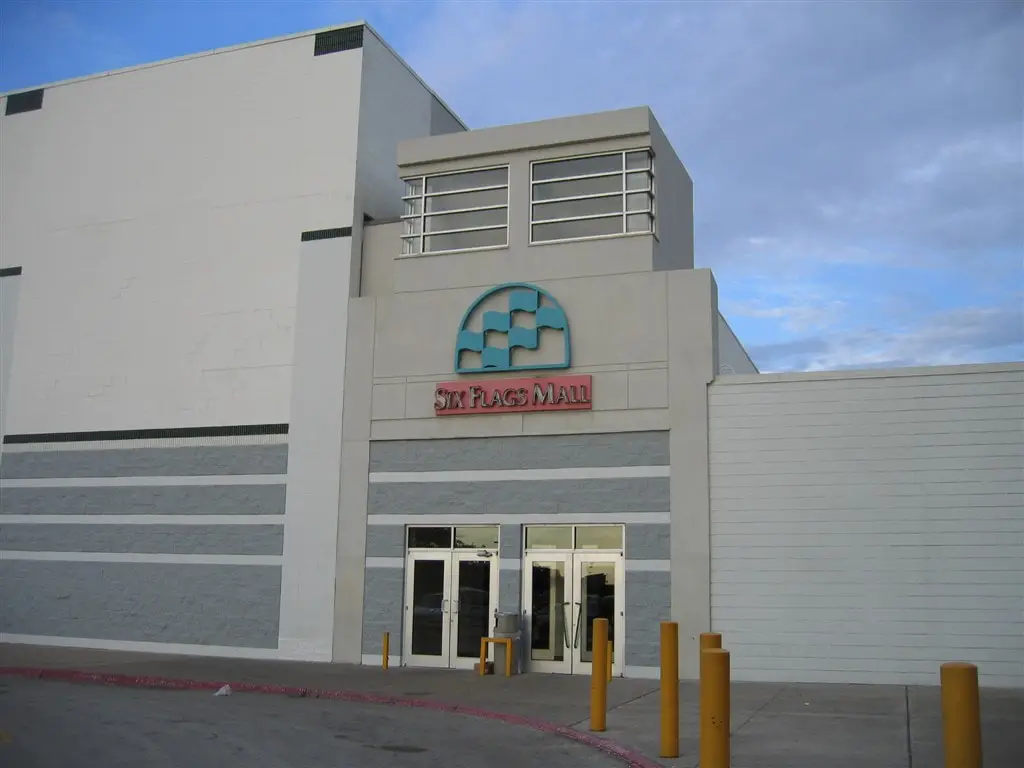
For anyone growing up in Arlington during the 1970s or 1980s, there was a time when Six Flags Mall felt like it had the gravity of a small city.
Located at 2831 East Division Street, near the thrill rides of Six Flags Over Texas, the mall pulled in families, teens, and shoppers from across the region with the same force as any landmark in the area.
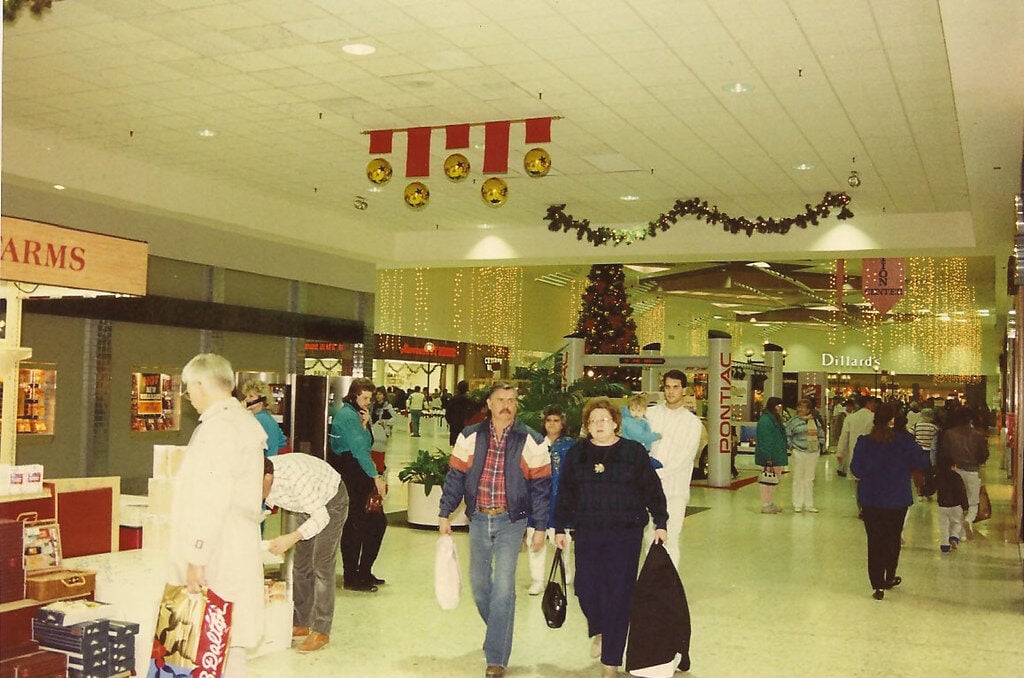
It was air-conditioned and packed with chain stores that everyone recognized. But beyond the JCPenney displays and the bustle of the corridors, the mall also held a kind of low-key confidence.
Forum 303 was already taking shape less than 3 miles south, but Six Flags Mall held its place through most of the 1970s and 1980s. The decline came later. At its height, though, it shaped what shopping looked like in this part of Texas.
If you're ever combing through Arlington's history, the memory of this mall still gets mentioned.
Retail Square Footage Hits the Ground Running
When Six Flags Mall opened in August 1970, it wasn't just the first enclosed shopping center in Arlington - it was the largest in Tarrant County.
Monumental Properties Trust developed the mall on a site spanning more than 80 acres, where U.S. 80 met SH 360.
That spot, between Fort Worth and Dallas, gave it reach.
At the start, the mall featured three anchors: Sears, JCPenney, and Sanger-Harris. Dillard's arrived with a 1990 addition.
Sanger-Harris later converted to Foley's. Together, these department stores helped cement the mall as a regional destination.
Their departments stretched from clothing to housewares, with the exact mix varying by store.
The enclosed mall gave shoppers a break from the Texas heat.
Nearly 100 stores and businesses were operating when the mall opened. That setup, now standard, was new to Arlington then.
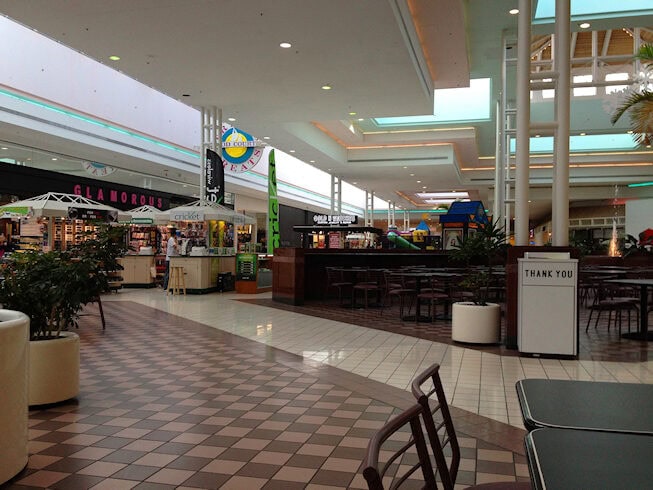
The layout stayed on one floor, with wide corridors, fountains, and decorative storefronts.
The broad corridors kept people moving, while fountains and decorated storefronts gave the interior some showmanship.
Monumental Properties had done their math. Shoppers arrived in steady waves once doors opened.
Prime Leasing Years and Anchor Pull
During the 1970s and much of the 1980s, Six Flags Mall managed to hold its market.
The presence of JCPenney, Sears, and Sanger-Harris gave the property more than just draw power - it gave the smaller in-line tenants cover.
By the 1980s, jewelry chains and national apparel retailers filled the in-line spaces alongside smaller specialty shops.
Operating on one floor with a conventional footprint, the mall stayed easy to navigate.
The location did some of the work. Arlington's population was growing, and the mall's placement between two large cities gave it utility.
There weren't many enclosed retail spaces of that size nearby.
That made Six Flags Mall a regional player from the day it opened.
The key was tenant mix, and for a while, the balance was right.
The mall didn't have to reinvent anything. It just had to open the gates, keep the lights on, and collect rent.
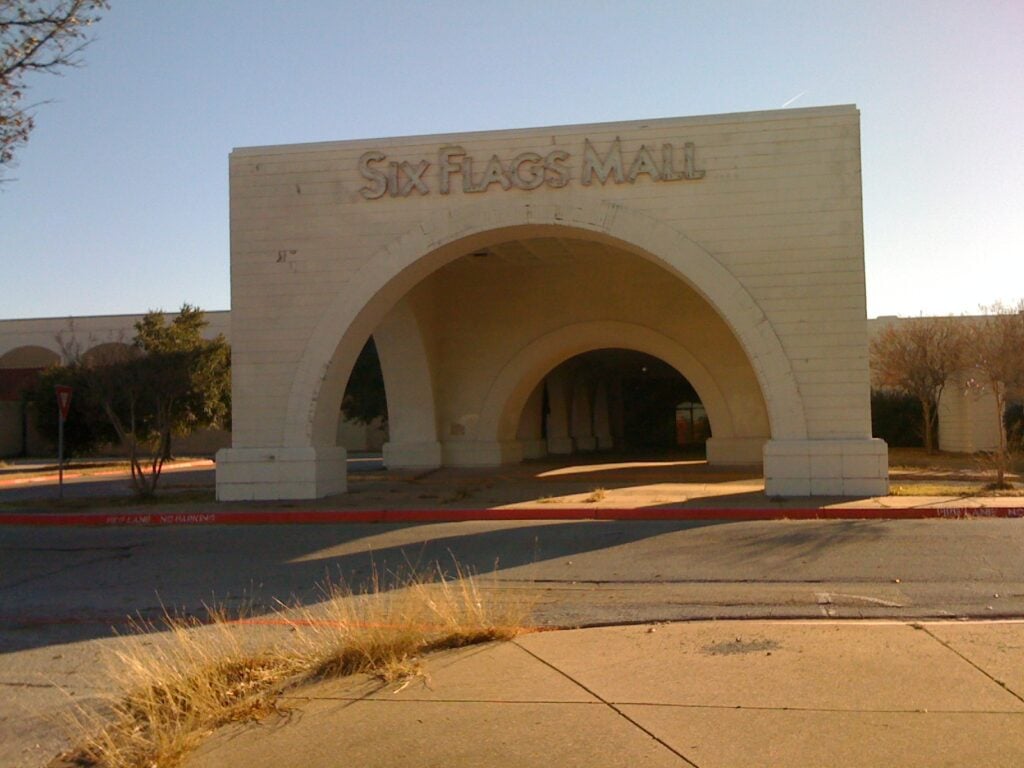
Competitive Saturation and Vacancy Pressure
By 1988, the numbers started to tilt.
The Parks at Arlington, a newer and more modern retail complex, opened in South Arlington and drew attention quickly.
It offered more space, a fresher layout, and retailers that Six Flags Mall had trouble holding on to.
By the late 1990s, the shift had started to show in the anchor lineup.
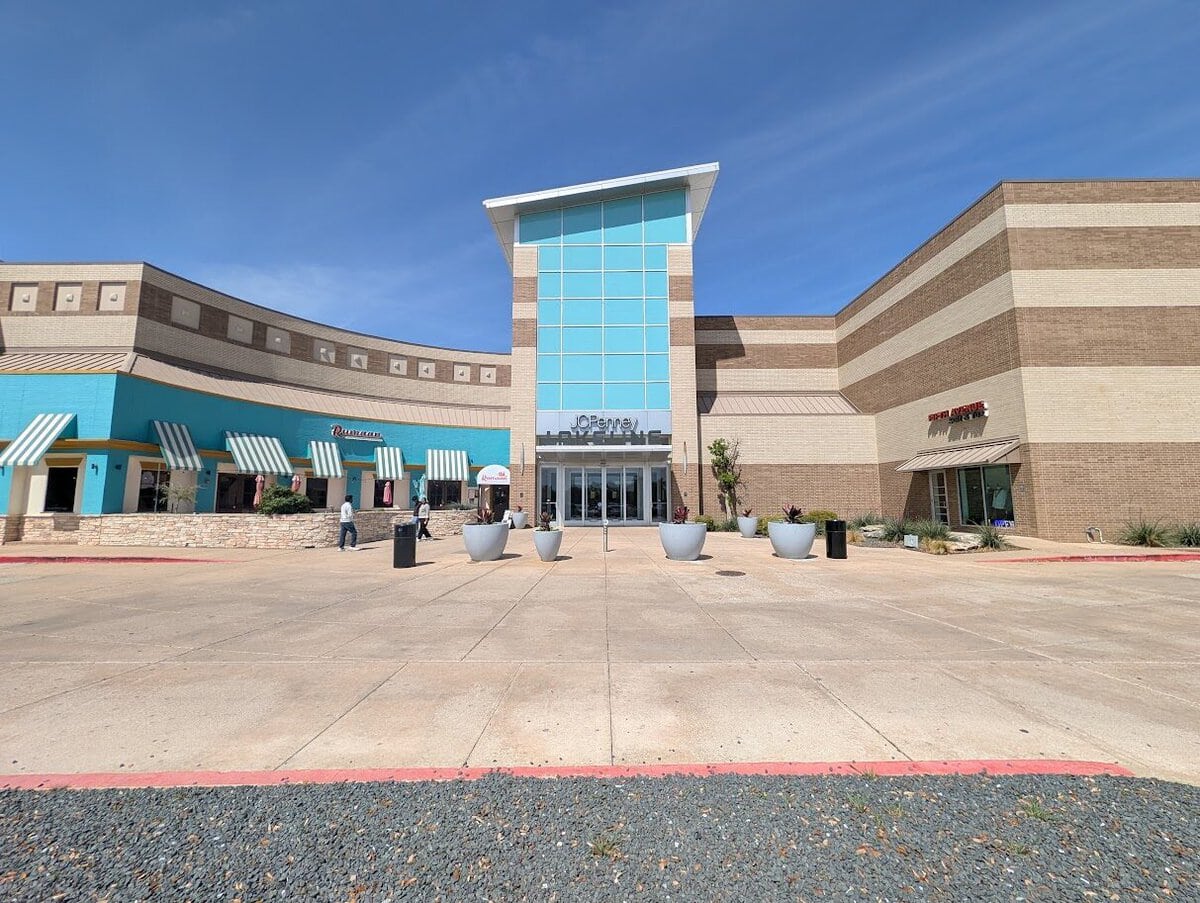
JCPenney exited the property in 1997. That marked the first major departure from the mall's peak four-anchor lineup.
The rest followed in phases. Both Sears and Dillard's shuttered their standard-format stores in 2002.
Sanger-Harris, by then rebranded as Foley's, had closed in January 2005.
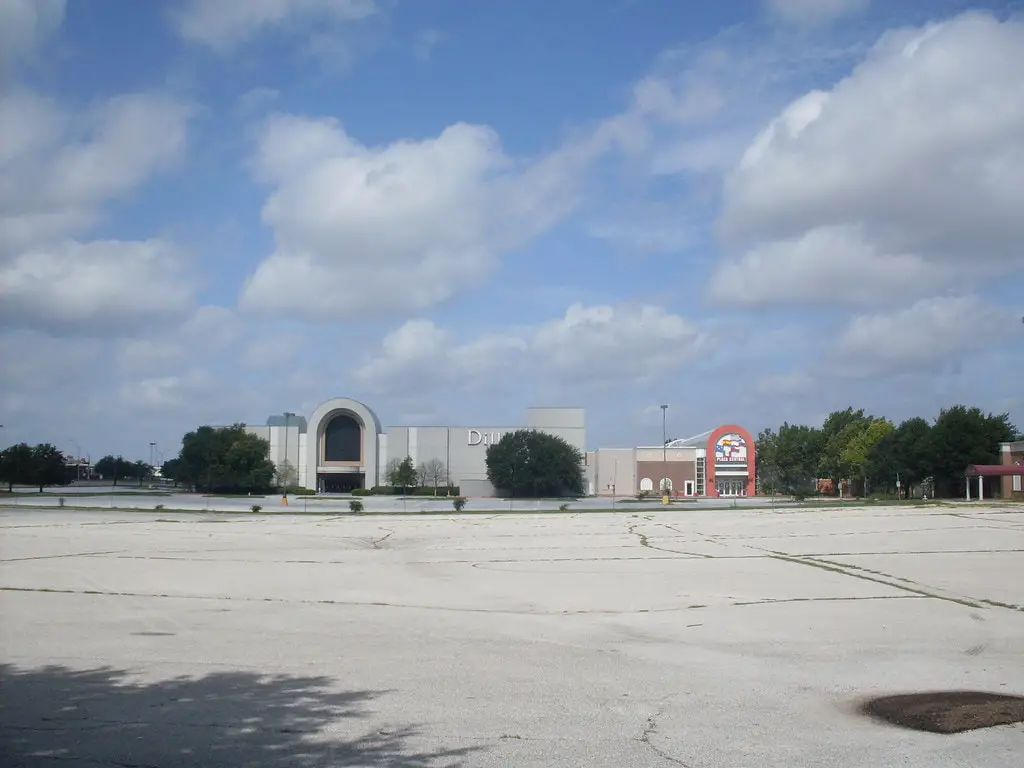
Dillard's reopened its spot as a clearance center in March 2005, relocating the operation from Forum 303 Mall.
That move extended the space's use but didn't reverse the trajectory.
By 2008, interior occupancy had dropped below sustainable levels.
Only about a dozen stores were still operating inside. The mall entered foreclosure that same year.
It held on through auction cycles, but by December 2011, only Cinemark Tinseltown 9 and Dillard's Clearance Center were still active.
The rest of the property had gone quiet.
Acquisition Pitch and Redevelopment Obstacles
In early December 2012, a shift in ownership sparked a round of new filings and public announcements.
Private investor G.L. "Buck" Harris purchased the mall's central portion, including the old JCPenney anchor, with a redevelopment plan in hand.
His concept: reposition the largely vacant Six Flags Mall as a Hispanic-focused commercial center called Plaza Central. The strategy wasn't subtle.
It leaned on demographic trends and aimed to recapture retail activity by introducing businesses aligned with that target market.
But before the redevelopment could move ahead, the deal hit a snag.
Harris's plan ran into replatting and permit complications with the City of Arlington, leading him to file a federal lawsuit.
The property remained mostly dormant through the early stages of litigation.
A major approval came in September 2013, when the Arlington Planning and Zoning Commission approved a replat for the 22.5-acre site.
Once the replat was approved, the redevelopment could move forward.
By October 2014, Plaza Central was open, though much of the mall remained vacant.
Even so, only limited sections reopened. The long permit dispute had already slowed the rollout.
The core mall space never returned to the leasing strength it once held.
Despite Harris's two-year plan to restore profitability, the comeback never reached the scale he had pitched.
Plaza Central closed in February 2016.
Demolition Delays and Fire Incidents
Plans to level the site began shortly after the closure.
Demolition equipment arrived in mid-2016, but the process didn't move fast.
One obstacle was the Cinemark Tinseltown 9 theater, which was still operational as of 2011 and became the source of legal friction.
A lawsuit from Cinemark delayed the full teardown of the remaining mall structure.
Cinemark closed at the end of March 2017.
Meanwhile, the site deteriorated. On February 6, 2017, a two-alarm fire broke out above the old food court while demolition was underway.
That was followed less than a month later by another fire on March 2.
Both incidents drew a two-alarm response, and the March fire prompted an evacuation of the theater.
The damage wasn't total, but it added complications to what had already become a drawn-out process.
By mid-2017, the remaining structure was finally razed.
By June, the cleared site was ready for the new project to break ground.
At that point, city officials said the mall was no longer economically viable. The new plan was industrial.
The property was slotted for redevelopment as part of a supplier complex tied to the nearby General Motors Arlington Assembly Plant.
The city approved the industrial project, and ground preparation began shortly after.
Retail was no longer part of the strategy.
Property Repositioning and Logistics Conversion
Industrial construction began in July 2017 while the last demolition work was still being completed.
City announcements confirmed the plan: a large-scale supplier park designed to support General Motors' Arlington Assembly plant.
The facility was intended to streamline just-in-time manufacturing operations for GM's SUV production, which had been expanding in that part of the city.
Named the Arlington Automotive Logistics Center, the new project broke ground in June 2017.
Construction targeted a fast timeline, with completion slated for May 2018.
The two buildings were divided among three tenants, with space for each to install custom machinery.
The new complex reached 1.2 million square feet across two manufacturing and warehouse buildings with rows of loading bays.
The economic trade-off was clear. The former retail hub gave way to manufacturing and warehouse space.
The project was expected to bring 850 new jobs to Arlington, including 600 jobs brought back to the U.S. from overseas. City officials presented the conversion in terms of jobs, investment, and support for GM.
Public Memory and Commercial Epilogue
By the time the Arlington Automotive Logistics Center opened, the mall itself had already faded from most daily maps.
No marker identified where JCPenney or Dillard's once operated.
The Cinemark Tinseltown 9 theater was gone. The Dillard's Clearance Center had closed less than two years earlier.
What replaced it was a two-building supplier campus, a different kind of throughput.
Still, the name occasionally resurfaced.
In old city council documents, in conversations among residents who remembered the mall's early days, or in blogs and real estate forums cataloging retail properties that had vanished.
Local news stations covered the fires during the demolition.
The mall site changed completely. Automotive suppliers took the place of the old retail anchors.
No branded retail anchor replaced it.
That left Six Flags Mall mostly as a memory, carried by the people who remembered it.
Arlington moved on, and the property moved with it.
🍀
Independent Publisher Notice
BestAttractions is an independent editorial publisher. We are not affiliated with, endorsed by, or acting on behalf of any location, business, property owner, manager, government agency, or organization described in this article.
Comments posted on this page are not forwarded to, reviewed by, or acted upon by any entity mentioned in the article.
For official inquiries, complaints, applications, bookings, or other requests, please contact the relevant entity directly through its official website or other verified channels.
Why not turn that place into a free living shelter to send the homeless? Such a waste.
That kind of large-scale reuse has come up in a few cities. But so far, the mix of zoning, safety retrofits, and cost has made it harder than it sounds.
There are a couple of big issues with this article.
First, you say that Six Flags Mall "had no real rivals when it opened." However, Forum 303 Mall, just 3 miles to the south, opened about 45 days later. While Six Flags Mall may have been first to open to customers, they already had a rival.
Second, you say that Dillard's was an original anchor at Six Flags Mall. They were not. JCPenney, Sears, and Sanger-Harris were the three original anchors. Dillard's was part of Forum 303 Mall after they bought the Leonard's location there around 1974. The department store did not arrive at Six Flags Mall until the mall's remodel and expansion project in the late 80s / early 90s (don't remember the exact year).
Thank you for these detailed corrections. You are right that "no real rivals" gives the wrong impression: Forum 303 was already under development nearby. Sources differ on Forum 303's opening date because it opened in stages. You are also correct about the anchors. Six Flags Mall opened with JCPenney, Sears, and Sanger-Harris; Dillard's was added in 1990.