
Buckeye, Arizona, Became a Growth Story After 2000
In 2000, Buckeye still had 6,537 residents. By May 2025, the city had about 125,000. That jump turned a former farming town on the western edge of metro Phoenix into one of the clearest examples of fast suburban growth in the United States.
The old Buckeye did not carry the "explosive growth" label. The city earned that name in the twenty-first century, when housing demand, open land, freeway access, and large development plans arrived at the same time.
Buckeye had 50,876 residents in 2010. The population reached 91,502 in 2020. The July 2024 federal estimate stood at 114,334. The city grew 24.9 percent between the 2020 count and July 2024.
Buckeye crossed 100,000 residents between 2020 and 2021.
Buckeye's Huge Land Supply Changed the Math
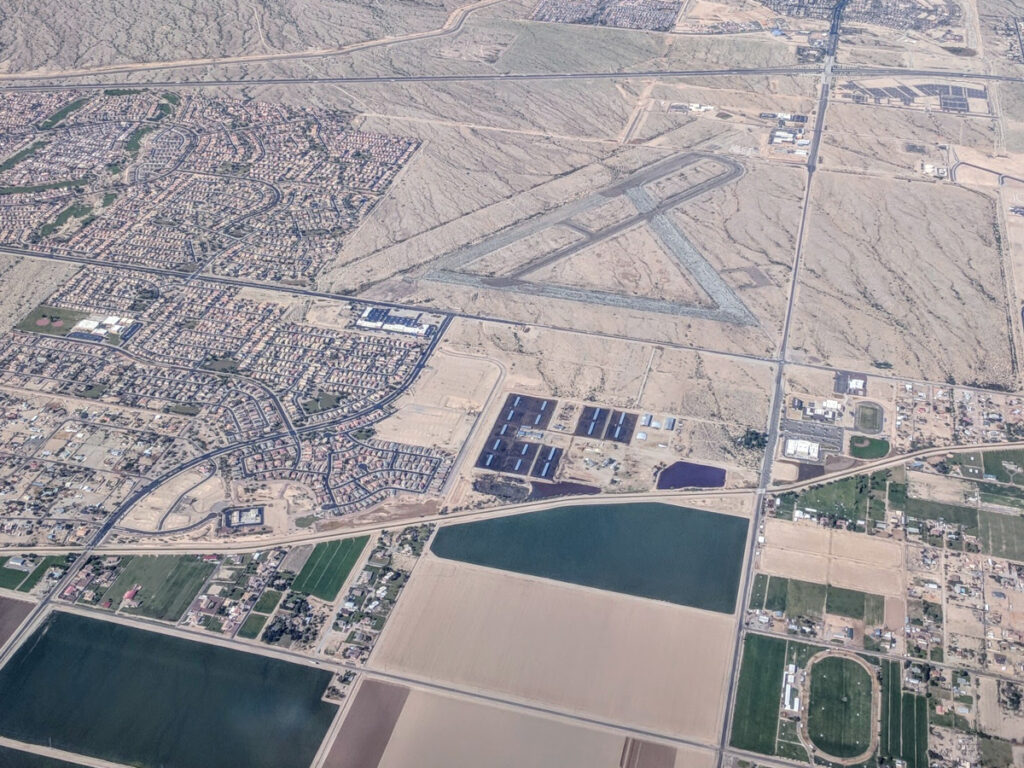
Buckeye had 392.98 square miles of incorporated land in the 2020 federal count. Its broader planning area covered about 640 square miles. Only a minority of that planning area had been built out.
Older Phoenix suburbs had less easy land left. Buckeye still had room for subdivisions, industrial parks, schools, parks, roads, utilities, retail centers, and public buildings.
That land made large-scale development possible. It also made growth harder to manage.
Low-density expansion requires longer roads, wider utility networks, more fire coverage, more police service, more water lines, and more wastewater capacity.
Buckeye's growth advantage came with a service burden measured in hundreds of square miles.
Metro Phoenix Moved West Toward Buckeye
Buckeye sits on the western edge of the Phoenix metropolitan area in Maricopa County.
Its location gives it direct or planned access to Interstate 10, State Route 85, the planned Interstate 11 corridor, the planned State Route 30 corridor, Interstate 8 connections, Loop 303 connections, Union Pacific rail service, and Buckeye Municipal Airport.
Distance from central Phoenix once slowed Buckeye's growth. Rising housing costs closer to Phoenix changed that. Buyers looked farther west for newer homes and lower land costs.
Interstate 10 gave Buckeye a direct route into the regional economy. State Route 85 supported logistics and industrial movement.
Union Pacific rail service and Buckeye Municipal Airport added to the city's pitch for jobs and business sites.
The airport recorded more than 138,000 operations and experienced an increase of 13 percent from 2024 to 2025.
Master-Planned Communities Turned Desert Land Into Homes
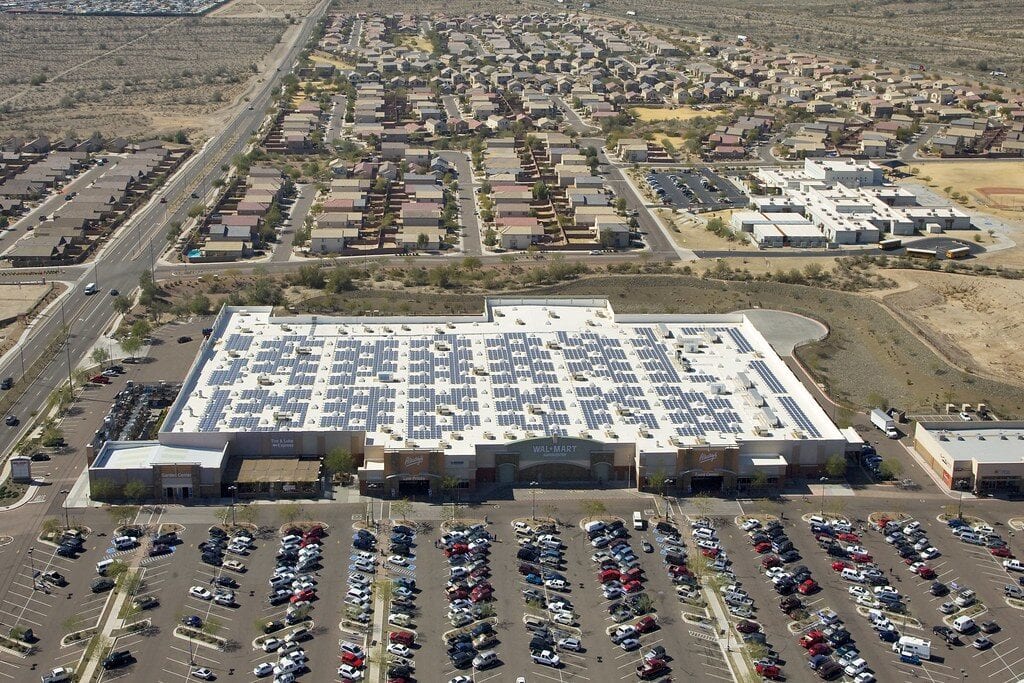
Buckeye's growth did not come from small projects alone. Master-planned communities gave builders enough land to add homes, schools, roads, parks, shops, and utilities in stages.
Teravalis became the largest example. The community covers about 37,000 acres between the White Tank and Belmont mountains.
It is planned for 100,000 homes, 300,000 residents, 55 million square feet of commercial space, and more than 7,000 acres of preserved open space.
Floreo, the first Teravalis village, opened to residents in 2025. Floreo covers more than 3,000 acres and is planned for more than 8,000 homes.
The first phase included Century Communities, Courtland Communities, DRB Homes, KB Home, Lennar, Meritage Homes, and New Home Co. New homes in Floreo began in the low $300,000 range.
Housing Demand Gave Buckeye Its Fastest Years
Buckeye issued about 2,200 single-family permits in 2018. The city later had more than 3,100 single-family and multifamily permits in 2024.
The 2025 projection was about 2,900 permits, with a five-year average of about 2,700 permits per year.
The city repeatedly appeared in national fastest-growing city rankings. Buckeye grew 5.9 percent between July 2016 and July 2017, reaching 68,453 residents.
It reached the top position among large U.S. cities between July 2017 and July 2018, growing 8.5 percent to 74,370 residents.
Between 2020 and 2021, Buckeye ranked fourth among the fastest-growing large U.S. cities, with an 8.6 percent increase.
The owner-occupied housing rate was 86.0 percent. The median value of owner-occupied housing units was $419,800. The median gross rent was $1,963.
Jobs, Roads, and City Services Had to Catch Up
More than 9.2 million square feet of development was under construction or in development in the mid-2020s.
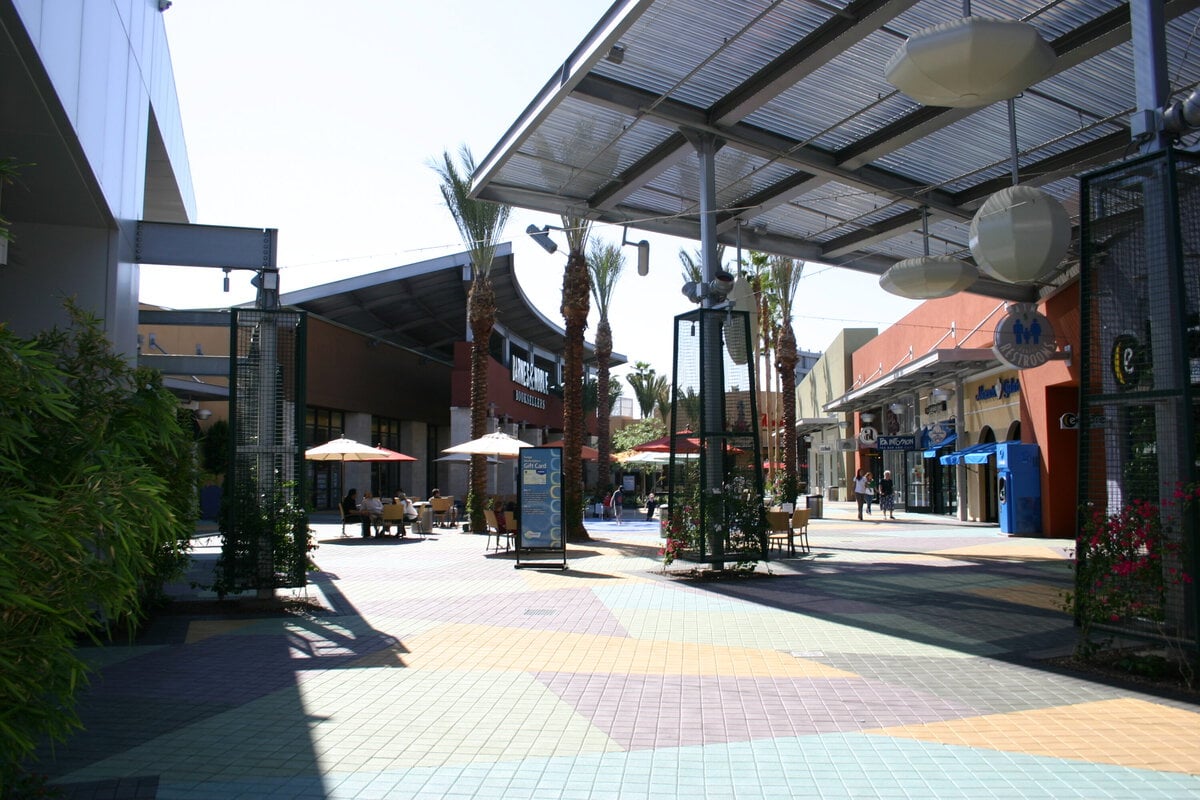
Buckeye added logistics, distribution, manufacturing, retail, aviation, public safety, road, water, wastewater, and civic infrastructure.
A 2 million-square-foot Burlington distribution center near State Route 85 and Broadway was expected to create more than 1,000 jobs.
MayAir became Buckeye's first semiconductor supply company. Verrado Marketplace was expected to open in phases and support more than 750 jobs.
The Landing was planned as a 2,100-acre destination south of Interstate 10 along Verrado Way.
Rehrig Pacific opened a 264,000-square-foot manufacturing facility in 2024 after breaking ground in 2023.
The facility was planned for about 115 full-time positions, with future expansion capacity up to 500,000 square feet.
Buckeye's fiscal year 2025-2026 budget was about $819.7 million.
Water Sets the Hardest Limit on Growth
Buckeye's growth began with irrigation, and water still decides how far the city can go. The city historically relied heavily on groundwater.
It also had a Colorado River allocation of about 2,786 acre-feet per year, equal to about 907 million gallons annually.
The city water system included more than $310 million in water infrastructure assets, about 29,000 customers, more than 10,000 acre-feet of annual delivery, 33 wells, 15 booster stations, 650 miles of water lines, about 10,000 valves, and nearly 3,800 hydrants.
A 2023 groundwater model for the Lower Hassayampa sub-basin found projected groundwater demand above available supplies for the 100-year assured-water-supply program.
The model projected about 14.1 million acre-feet of aquifer storage loss over 100 years and about 4.4 million acre-feet of unmet demand.
Buckeye approved the purchase of Harquahala Valley land and water rights equal to 5,925 acre-feet per year for 100 years in 2023.
In 2025, the state approved the first transportation order allowing groundwater from the Harquahala Groundwater Basin to be imported to Buckeye and Queen Creek.
Buckeye received authorization for up to 5,926 acre-feet per year.
The Growth Label Still Depends on What Comes Next
Buckeye expects 193,600 residents by 2030. The 2040 projection is 295,400. The 2050 projection is 397,000. Full build-out capacity is more than 1,000,000 residents.
The city had 27 public schools, 2 private schools, 10 charter schools, and 8 school districts serving the area. Public safety, roads, parks, water, and wastewater systems became major parts of its capital planning.
Buckeye became known for explosive growth because its population multiplied, its land supply stayed unusually large, and its development pipeline stretched far beyond ordinary suburban expansion.
Teravalis alone is planned for 300,000 residents.
Independent Publisher Notice
BestAttractions is an independent editorial publisher. We are not affiliated with, endorsed by, or acting on behalf of any location, business, property owner, manager, government agency, or organization described in this article.
Comments posted on this page are not forwarded to, reviewed by, or acted upon by any entity mentioned in the article.
For official inquiries, complaints, applications, bookings, or other requests, please contact the relevant entity directly through its official website or other verified channels.