
Miami works well for a family trip because many kid-friendly stops sit close to downtown, and several cluster around Watson Island, Miami Beach, Virginia Key, and Key Biscayne.
You can build a trip around animals, science, beaches, gardens, and the Everglades, though the outlying stops take longer than the downtown and island attractions.
The catch is the heat and the summer storm pattern, so the order you do things in, and the time of day you do them, matters more here than the distance between stops.
This report answers what to actually visit with children, where each place is, what it costs, how long it takes, and the practical issues that change the answer depending on the ages in your group and the time of year.
Direct answer
The strongest family attractions in and around Miami are Zoo Miami, the Phillip and Patricia Frost Museum of Science, the Miami Children's Museum, Jungle Island, Vizcaya Museum and Gardens, Fairchild Tropical Botanic Garden, and a half-day Everglades airboat trip.
For beach days with young children, Crandon Park Beach and Matheson Hammock Park give you calm, shallow water rather than open Atlantic surf.
Bayside Marketplace and the adjacent Bayfront Park give you a central downtown base you can wander without buying a ticket, with paid boat tours and the Skyviews Miami observation wheel right there.
One important correction up front: the Miami Seaquarium closed permanently after 70 years of operation on October 12, 2025, so it is no longer a place you can visit, even though older guidebooks and listings still feature it.
How to think about a Miami family trip
The attractions split into a few natural clusters, which is the most useful way to plan.
Watson Island, a short causeway hop from downtown, holds both the Miami Children's Museum and Jungle Island, so families with younger kids can pair them in a single day.
Downtown's Maurice A. Ferré Park, the former Museum Park, puts Frost Science and the Pérez Art Museum Miami side by side, with Bayside Marketplace within walking distance.
Coral Gables, south of downtown, holds Fairchild and Matheson Hammock close together.
Zoo Miami sits much farther southwest, so it usually earns its own day.
The Everglades stops sit west and south of the city, and the closer airboat parks work as a standalone half-day.
Ages drive the choices. Toddlers and preschoolers do best at the Children's Museum, the calm-water beaches, and Jungle Island's play areas.
Elementary-age kids get the most out of Frost Science, the zoo, and an airboat ride.
Vizcaya and Fairchild suit families who want gardens and open space more than rides, and both reward kids who like spotting wildlife.
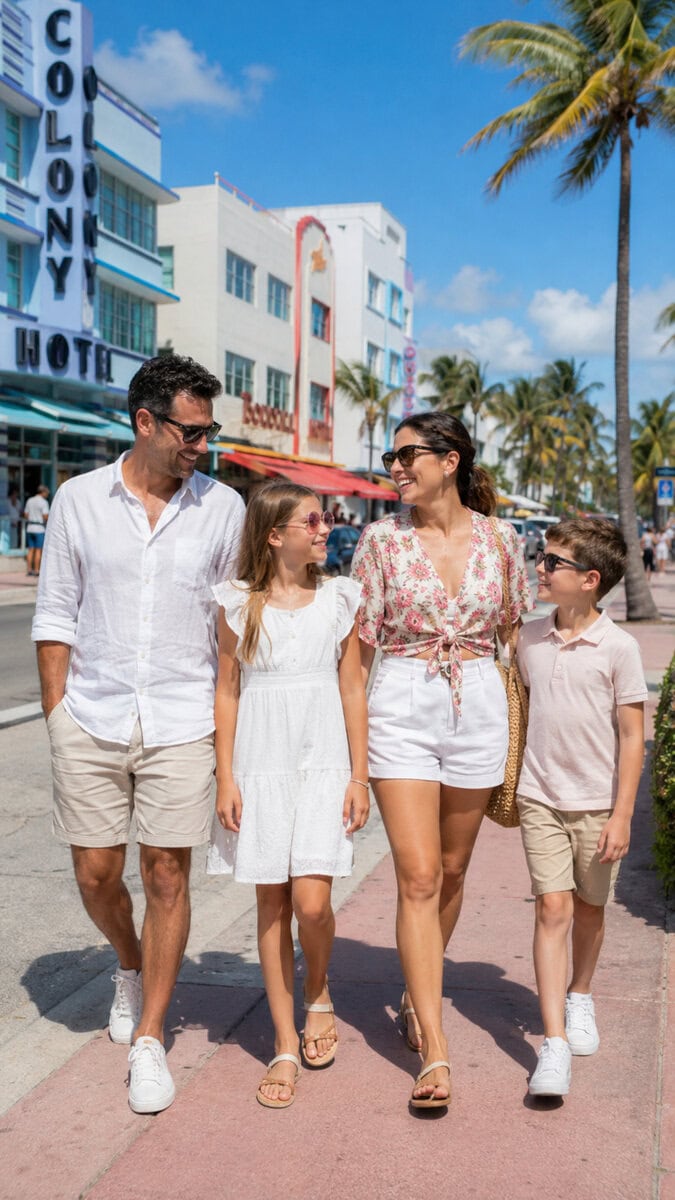
The main attractions
Zoo Miami
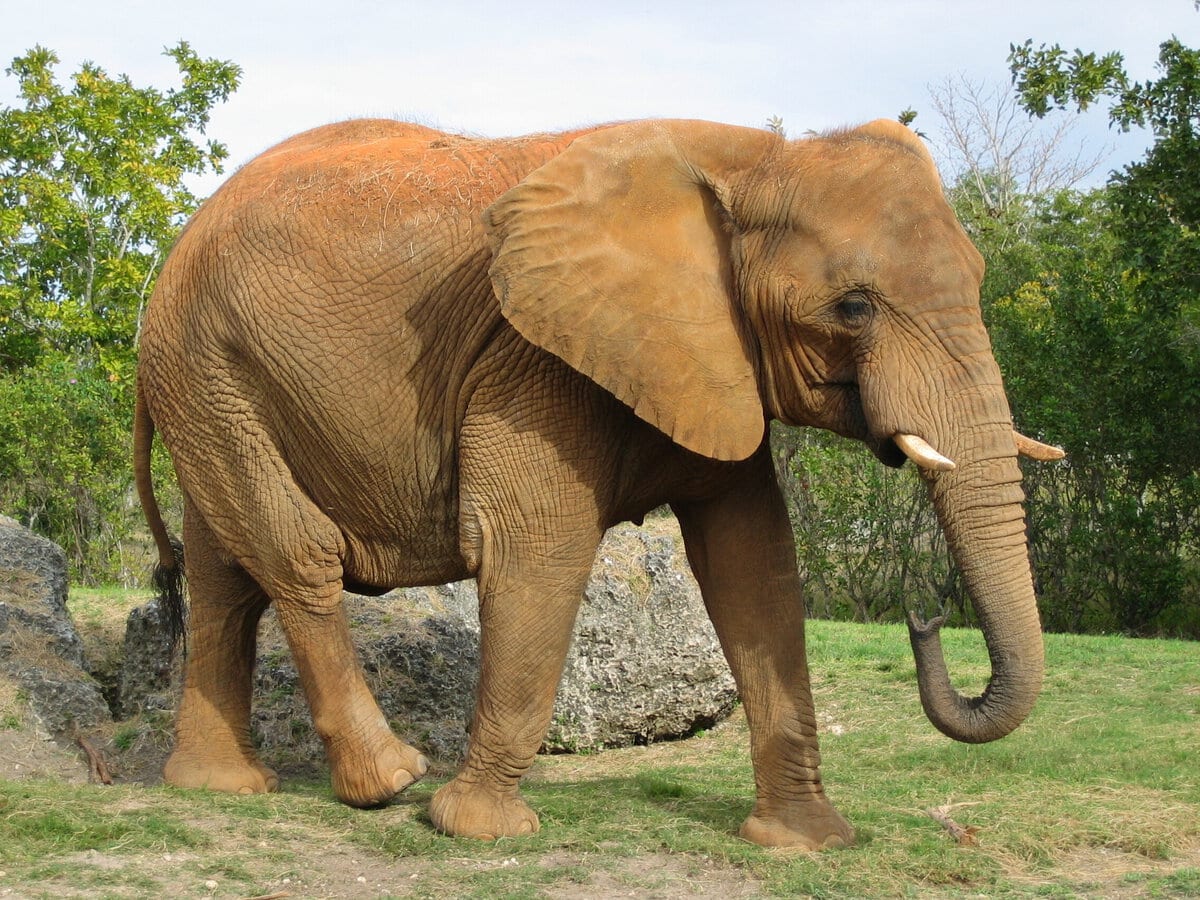
Zoo Miami is the largest zoo in Florida, spread across 340 developed acres with more than 2,000 animals housed in cageless, moated habitats grouped by region: Florida, Asia, Africa, the Amazon, and Australia.
It is open daily, generally 10 a.m. to 5 p.m., with the last ticket sold at 4 p.m. and some animals starting to go in for the night at 4:30 p.m.
General admission runs $25.95 plus tax for adults and $21.95 plus tax for children ages 3 to 12, with children 2 and under free.
Plan on 4 to 5 hours, and know that this is a lot of walking in full sun.
Families with younger kids can break up the heat at the splash pads and playground, and the zoo has Safari Tram Tours and rentable safari cycles to cover ground.
Plan on hats and sunscreen, and check the current water-bottle rule before you go, because much of the day is outdoors.
The trade-off with Zoo Miami is location.
It sits well southwest of the city, roughly 18 km from Coral Gables and farther from the beaches, so it is least convenient if you are based on Miami Beach and don't want to drive.
Phillip and Patricia Frost Museum of Science
Frost Science sits downtown at 1101 Biscayne Boulevard in Maurice A. Ferré Park, on the bay.
It combines a planetarium, a three-level aquarium built around a 500,000-gallon Gulf Stream tank, and floors of hands-on exhibits, which makes it one of Miami's strongest mostly indoor choices for a wide age range.
Admission starts at $29.95 for adults and $24.95 for youth ages 4 to 11, with children 3 and under free, though prices can vary by visit date.
Hours are 10 a.m. to 6 p.m. daily, so arrive in the morning for the smallest crowds and reserve your planetarium time as soon as you walk in.
Live programs and animal encounters can change by day, so check the schedule when you arrive.
Families who do the exhibitions, aquarium, and planetarium should plan up to 3 to 4 hours.
Because much of the visit is indoors and the building is air-conditioned, Frost Science is the best place to park a family during an afternoon thunderstorm or a peak-heat stretch.
The Pérez Art Museum Miami sits right next door, and Bayside Marketplace is a short walk, so you can string the three together.
Miami Children's Museum
On Watson Island at 980 MacArthur Causeway, the Miami Children's Museum is strongest for toddlers, preschoolers, and elementary-age kids, with 14 bilingual, interactive galleries covering everything from a model Port of Miami to an Everglades exhibit.
It is open daily from 10 a.m. to 6 p.m. Admission is $26 for adults and children alike, $20 for Florida residents with ID, and free for children under 12 months.
Parking in the museum lot runs $2 per hour.
The location, minutes from both downtown and South Beach, makes it easy to combine with Jungle Island next door or with a stop at Bayside.
Jungle Island
Jungle Island shares Watson Island with the Children's Museum, at 1111 Parrot Jungle Trail.
It is an outdoor wildlife and adventure park with more than 85 years of history, now built around animal sightings, educational shows, a Treewalk Village of connected treehouses, playgrounds, an aerial adventure course, and seasonal water play.
It is open daily 9:30 a.m. to 5 p.m., with last admission at 4 p.m.
Parking is a flat $20 per day in a covered garage.
Most visits run 2 to 5 hours depending on how many shows and encounters families add.
It is a cashless park, and closed-toe shoes are the right call for the play areas.
Vizcaya Museum and Gardens
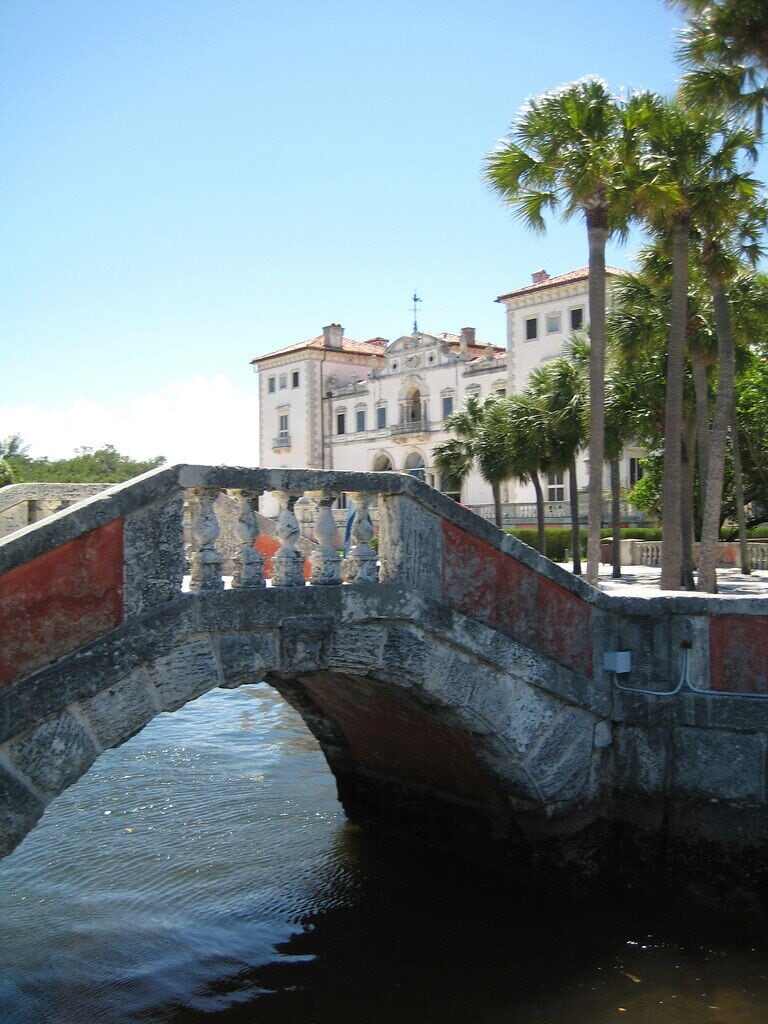
Vizcaya is the early-1900s bayfront estate of industrialist James Deering, at 3251 South Miami Avenue in north Coconut Grove, with a Mediterranean-style main house and 10 acres of formal Italian gardens running down to Biscayne Bay.
It is open Wednesday through Monday, 9:30 a.m. to 4:30 p.m., and closed Tuesdays, Thanksgiving, and Christmas.
During current on-site restoration, adult admission is reduced to $20, and main house guided tours are on hold.
Children 5 and under are free, and children under 14 must be accompanied by an adult.
The Vizcaya Metrorail station is close, with free parking on site.
For families, the gardens are the draw more than the house.
Kids can roam the paths, fountains, and bayfront terraces, and the grounds have uneven stone surfaces and steps, so it suits walking-age children better than strollers in some sections.
Fairchild Tropical Botanic Garden
Fairchild is an 83-acre tropical garden at 10901 Old Cutler Road in Coral Gables, about 10 miles south of downtown.
It is open daily, generally 10 a.m. to 5 p.m.
Adult admission starts at $24.95 online on weekdays and rises on weekends or at the gate; children's tickets start at $11.95 for ages 3 to 11, and children 2 and under are free.
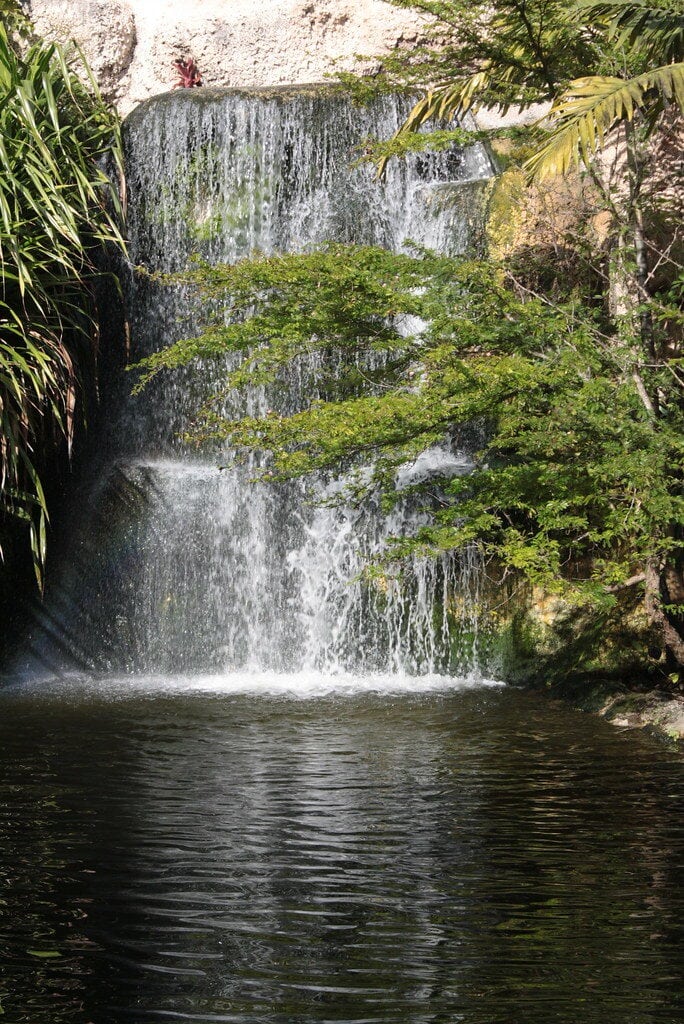
The family highlights are the Wings of the Tropics butterfly conservatory, the two-acre rainforest with mist and waterfalls, a dedicated children's garden, and a free narrated tram tour that loops the grounds and helps with younger kids who tire of walking.
This is an outdoor garden in South Florida, so water, sunscreen, and bug spray are worth packing.
Matheson Hammock Park is right next door, which makes a garden-plus-beach day easy.

Beaches for families
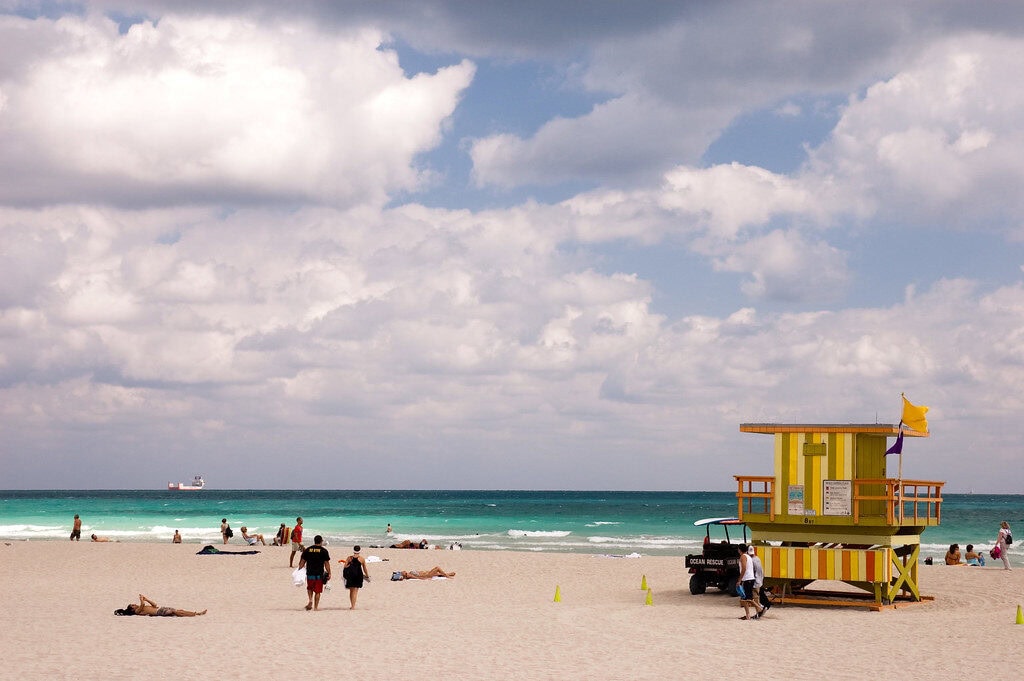
Miami's signature South Beach is open Atlantic surf and a busy scene, which is fine for older kids but not ideal for toddlers.
Two spots give you calmer water and easier conditions for young swimmers.
Crandon Park Beach on Key Biscayne runs about two miles of soft sand, and an offshore sandbar helps protect swimmers from crashing surf, leaving calmer water for young swimmers.
It has lifeguards, picnic areas with grills, a playground, nature trails, and a historic carousel that runs on weekends and holidays.
Reaching Key Biscayne involves a bridge toll, and parking is a per-vehicle fee, so go early on weekends.
Matheson Hammock Park near Coral Gables is built around a man-made atoll pool flushed naturally by the tides of Biscayne Bay, which keeps the water calm and nearly wave-free, one of the easiest options for cautious swimmers and small children.
The 630-acre park has weekend and holiday lifeguards at the lagoon, plus a marina, a restaurant, picnic pavilions, and mangrove nature trails.
Parking runs $7 plus tax on weekdays and $10 plus tax on weekends and holidays.
For older kids who want a livelier beach with a playground attached, South Pointe Park Beach at the southern tip of South Beach and Lummus Park along South Beach both pair sand with green space and play areas.
Bill Baggs Cape Florida State Park, on the far end of Key Biscayne, is quieter and has a historic lighthouse.
Everglades airboat trip
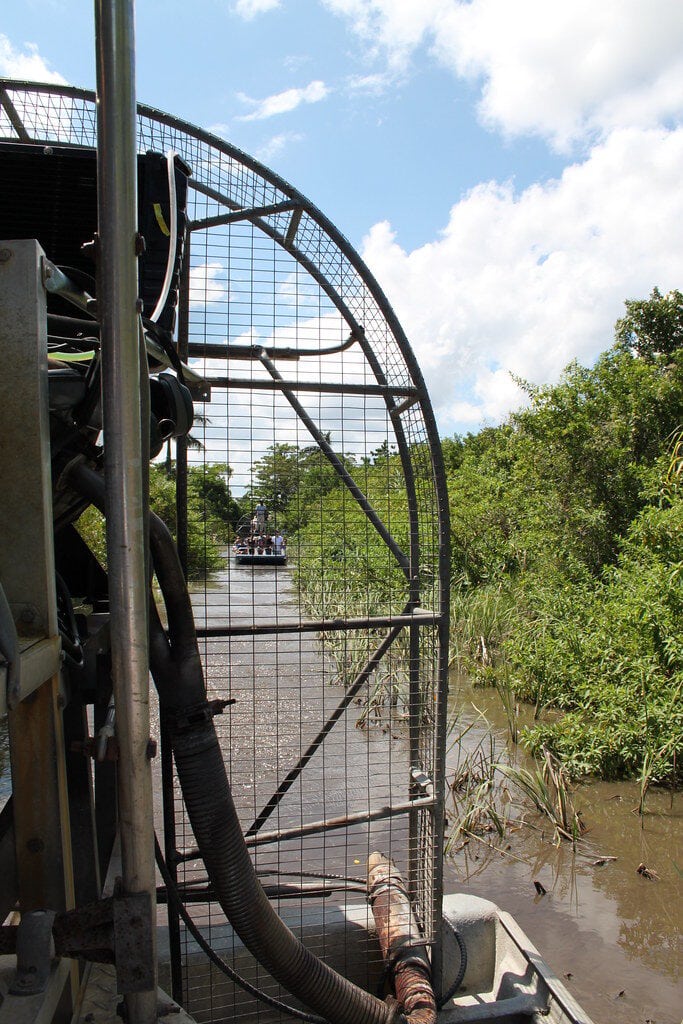
A half-day Everglades airboat trip is the standout day trip from Miami, and it is genuinely kid-friendly: a flat-bottom boat skims the shallow marsh, you may spot alligators, turtles, and birds, and many operators follow the ride with a live wildlife or alligator show.
Some parks also let children hold a small gator.
Several parks sit within easy reach.
Everglades Safari Park and Gator Park lie along Tamiami Trail (SW 8th Street) roughly 40 minutes west of downtown, Everglades Alligator Farm is south near Homestead, and Everglades Holiday Park is about 50 minutes north in the Fort Lauderdale area.
Budget 4 to 5 hours including travel.
Airboats are loud, so use the ear protection the operator provides or sells, and bring child-size earmuffs if your child is sensitive to noise.
If you enter Everglades National Park itself, there is a separate park entry fee.
Downtown base: Bayside and Bayfront Park
Bayside Marketplace at 401 Biscayne Boulevard is a free-to-enter, two-level open-air shopping and dining center on Biscayne Bay downtown, with paid parking in the Bayside garage.
It is a practical anchor: many Biscayne Bay sightseeing cruises and skyline boat tours leave from here, the Skyviews Miami observation wheel rises about 200 feet right beside it, and Bayfront Park next door gives you green space, a fountain, and skyline views.
It works as a low-cost first stop while you decide how the rest of the day shapes up.
Getting around
Miami is a driving city, and a rental car is the most flexible option for families, since Zoo Miami, Fairchild, Matheson Hammock, and the Everglades parks are not well served by transit.
Several attractions do sit on the Metrorail line, including Vizcaya, and the Children's Museum and Jungle Island are reachable by Metrobus, but pairing the southern and western attractions without a car is slow.
Watson Island's two attractions and downtown's Museum Park cluster are the most walkable groupings.
The free downtown Metromover loops the Bayside and Museum Park area.
A rough sense of distances and times from downtown helps with planning.
| Attraction | Area | Approx. distance from downtown | Typical visit |
|---|---|---|---|
| Frost Science | Downtown (Museum Park) | On site | 3 to 4 hours |
| Bayside / Bayfront Park | Downtown | On site | 1 to 2 hours |
| Miami Children's Museum | Watson Island | About 2 miles | 2 to 4 hours |
| Jungle Island | Watson Island | About 3 miles | 2 to 5 hours |
| Vizcaya | North Coconut Grove | About 4 miles from Government Center | 2 to 3 hours |
| Fairchild | Coral Gables | About 10 miles | 2 to 4 hours |
| Matheson Hammock | Coral Gables | About 9 miles | Half day |
| Crandon Park Beach | Key Biscayne | About 8 miles | Half day |
| Zoo Miami | Southwest Miami-Dade | About 18 miles | 4 to 5 hours |
| Everglades airboat parks | West/south of city | 25 to 40 miles | 4 to 5 hours |
Safety and practical notes
The biggest practical issue is heat.
Open-air attractions like Zoo Miami and Fairchild put you outside for much of the visit, so the standard advice is to do outdoor activities early, retreat indoors or to the pool through the midday peak, and come back out in the late afternoon.
At the beaches, swim near lifeguard stations, and prefer the calm lagoon water at Matheson Hammock or the sheltered sandbar at Crandon for younger children rather than open surf.
Glass containers are not allowed on public beaches, and alcohol rules are strict, but picnic food and non-alcoholic drinks are generally fine if you follow the posted rules for coolers, containers, and cleanup.
Several attractions are cashless, so carry a card.
Seasonal factors
Weather shapes a Miami family trip more than crowds do.
The most comfortable stretch is December through April, with warm, drier days and lower storm risk.
It is also the busiest and most expensive period, though April starts to ease into shoulder season.
Hurricane season runs June 1 to November 30, and September carries the highest risk of tropical systems.
Summer brings strong heat, high humidity, and brief, intense afternoon thunderstorms most days, along with lower prices and ocean water that often runs in the mid-80s or warmer.
Families tied to school schedules often travel in summer anyway, and the workable approach is to treat afternoon storms as built-in indoor breaks at places like Frost Science.
May and October are the cleaner shoulder bets, with reasonable weather and better value than peak winter.
November has better weather too, but crowds and rates can rise, especially around Thanksgiving.
If you travel in September or October, flexible booking and travel insurance are worth it because the value comes with real storm risk.
Current status
As of June 2026, Zoo Miami, Frost Science, the Miami Children's Museum, Jungle Island, Fairchild, the beaches, and the Everglades airboat parks are all operating on posted schedules.
Vizcaya is open Wednesday through Monday with reduced adult admission while restoration continues and main house guided tours paused.
The Miami Seaquarium remains closed after shutting on October 12, 2025; a developer has won approval to take over the lease and has outlined plans for a future aquarium on the site without marine mammals, so it should be treated as unavailable for the foreseeable future.
Because hours, prices, and access can change, confirm directly with each attraction before you go, especially during holidays and event weekends like the Miami Marathon, which closes roads near Vizcaya.
References
- Zoo Miami (official), https://www.zoomiami.org/faq
- Phillip and Patricia Frost Museum of Science (official), https://www.frostscience.org/
- Miami Children's Museum (official), https://www.miamichildrensmuseum.org/plan-your-visit
- Jungle Island (official), https://www.jungleisland.com/
- Vizcaya Museum and Gardens (official), https://vizcaya.org/welcome/
- Fairchild Tropical Botanic Garden (official), https://fairchildgarden.org/hours-admission/
- Everglades Safari Park (official), https://www.evergladessafaripark.com/
- Everglades Alligator Farm (official), https://everglades.com/
- Everglades Holiday Park (official), https://www.evergladesholidaypark.com/
- Bayside Marketplace (official), https://baysidemarketplace.com/attractions/
- Matheson Hammock Park (Miami-Dade County parks listing), https://www.travelocity.com/discover/united-states-of-america/florida/miami/matheson-hammock-park.d6239368
- Miami-Dade County agenda memorandum (Seaquarium lease), https://www.miamidade.gov/govaction/legistarfiles/Matters/Y2025/252179.pdf
- The Greater Miami Convention and Visitors Bureau (Miami Children's Museum listing), https://www.miamiandbeaches.com/l/attractions/miami-childrens-museum/2319

Independent Publisher Notice
BestAttractions is an independent editorial publisher. We are not affiliated with, endorsed by, or acting on behalf of any location, business, property owner, manager, government agency, or organization described in this article. Comments posted on this page are not forwarded to, reviewed by, or acted upon by any entity mentioned in the article. For official inquiries, complaints, applications, bookings, or other requests, please contact the relevant entity directly through its official website or other verified channels.