
From the Gulf of Maine to the berry barrens: lobster, wild blueberries, baked beans, whoopie pies, Moxie, red snappers, fiddleheads, and the Italian sandwich that has nothing to do with Italy.
What defines Maine food
For centuries, the Wabanaki relied on the Gulf of Maine for fishing and gathered blueberries from the barrens long before canneries existed. Later, French Canadians moved south to work in the mills.
Portuguese fishermen made a living along the coast. Italian vendors set up food carts in Portland. All of them cooked with what was available nearby - fish, blueberries, potatoes, and beans.
Maine has since recognized this food tradition in state law. The wild blueberry is designated as the state berry. Blueberry pie is the official state dessert.
The whoopie pie is the state treat. Moxie is the state soft drink. The Maine lobster is the state crustacean. In total, there are five official food symbols, more than in most states.
These foods are still closely connected to the land and the seasons. Wild blueberries grow naturally in soil shaped by glaciers around 10,000 years ago, and they cannot simply be grown elsewhere.
Fiddleheads are available only for a short time each spring. Lobster and haddock remain tied to the Gulf of Maine.
Baked beans continue to be served at church suppers and fundraisers throughout the state.
Their appeal has not changed - they are affordable and filling, just as they were when they became a regular Saturday-night meal two hundred years ago.
The red snapper hot dog and the Maine Italian sandwich did not originate in formal restaurant kitchens.
The red snapper came from a Bangor lunch counter, and the Maine Italian from a Portland street cart.
They are still popular today for the same simple reason: people enjoy them and have kept eating them.
Maine seafood: Lobster and haddock
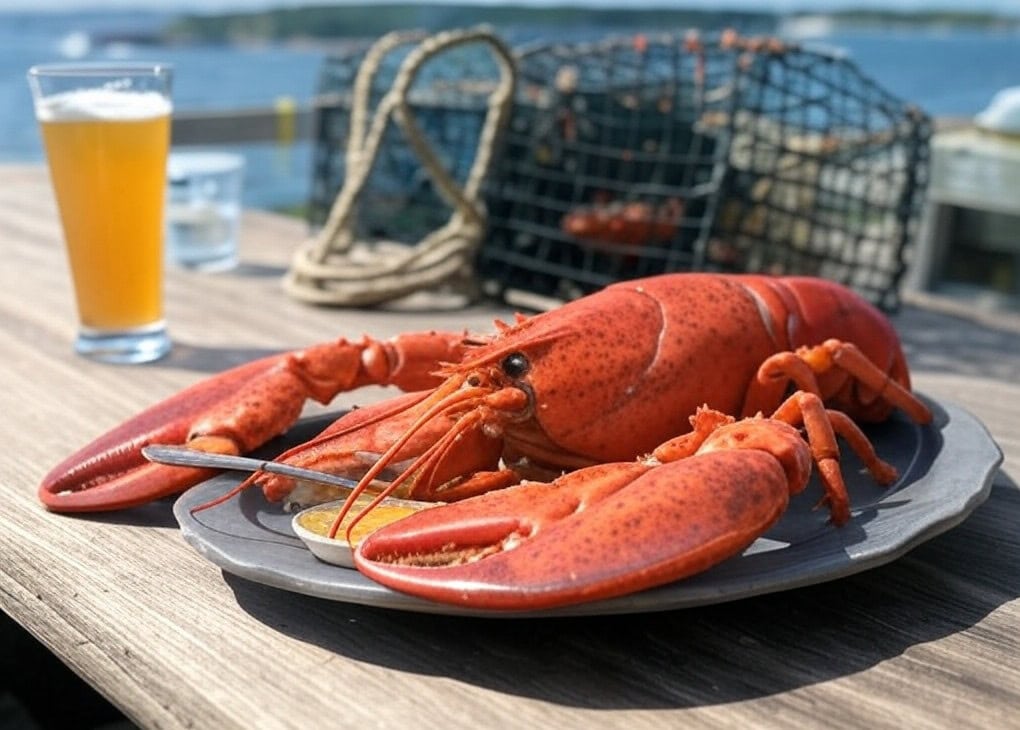
Maine lobster: the fishery behind the world's most famous roll
Lobster was not always a luxury. In the 18th century, it was very common along the Maine coast. People used it as fertilizer, and it appeared often in prison meals.
By the mid-19th century, canning made it possible to send lobster inland. Railroads brought visitors to the coast to eat it fresh. Over time, it became the state's most recognizable food.
The Maine Department of Marine Resources has tracked the lobster fishery for more than 40 years. It collects data on catch amounts, bycatch, discards, and lobster populations along the entire coast.
This is the agency's longest-running study. That long-term tracking is one reason the lobster fishery has not collapsed like the cod.
In Maine, lobster is a regulated industry, a subject of research, and part of daily coastal life.
Lobster is served in many ways: whole steamed, in stew, in pie, in mac and cheese, and at lobster bakes. The lobster roll is the simplest version.
It uses a split-top bun toasted on both sides. The lobster meat is lightly mixed with mayonnaise, lemon, and sometimes chives.
There is an ongoing debate about using drawn butter instead of mayonnaise. Both sides agree that the lobster is the focus, and the bun stays soft so it does not overpower it.
In Maine, lobster rolls and backyard lobster bakes are treated the same as restaurant dishes.
Lobster works as both a global symbol and a common summer food.
Haddock: Maine's fish counter staple that never needed a rebrand
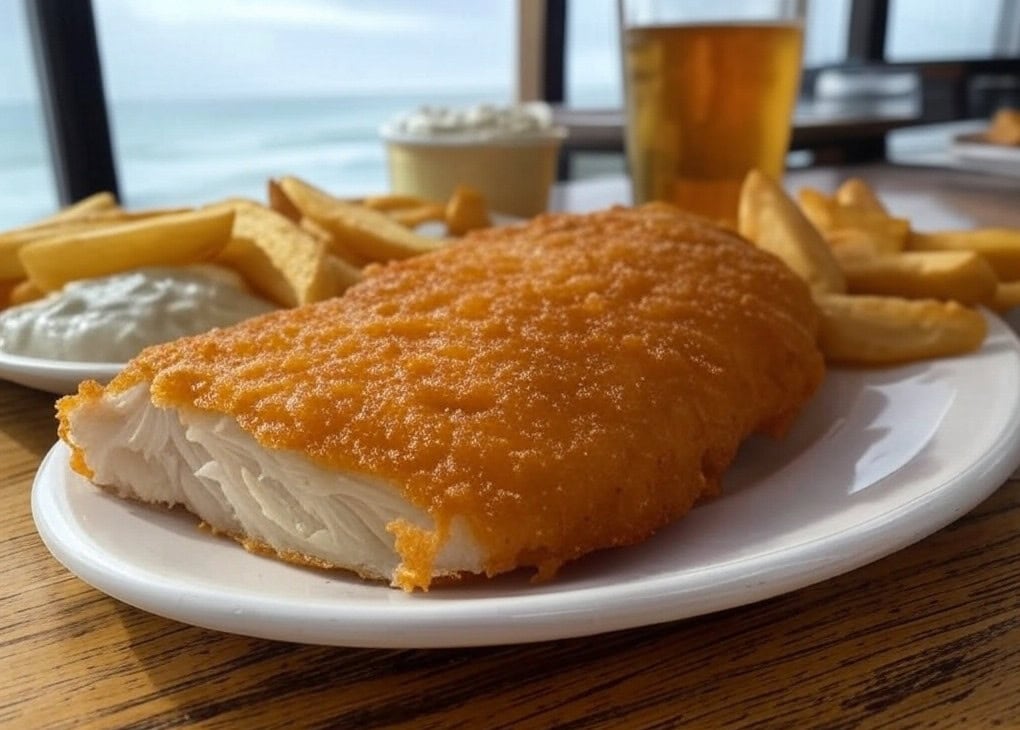
Haddock is a steady, everyday fish in Maine. It is less famous than lobster, but it shows up more often on local plates.
NOAA Fisheries classifies haddock as a North Atlantic groundfish that ranges from Newfoundland to Cape May. It is most common on Georges Bank and in the Gulf of Maine.
Haddock is smaller than cod. It has a dark, thumbprint-like spot on each side. Most adults weigh between 2 and 7 pounds and can live for more than 10 years.
A 2024 stock assessment found that the Gulf of Maine haddock population is not overfished. Cod had a different path, collapsing under heavy fishing in the 1990s and never fully recovering.
In Maine, haddock is used for baked dinners, fish and chips, chowder, and simple diner meals.
In April 2026, Maine set an emergency rule that lowered the recreational minimum size from 18 inches to 17 inches to match NOAA standards.
Commercial fishing methods include otter trawl, gillnet, and hook-and-line. Rules on possession seasons and size limits change from year to year, but cooking habits have stayed the same.
Not every well-known food becomes a souvenir. Some remain part of daily life, cooked the same way for generations.
Wild crops, barrens, and foraging
Wild blueberries: 46,370 acres of a native plant Maine never planted
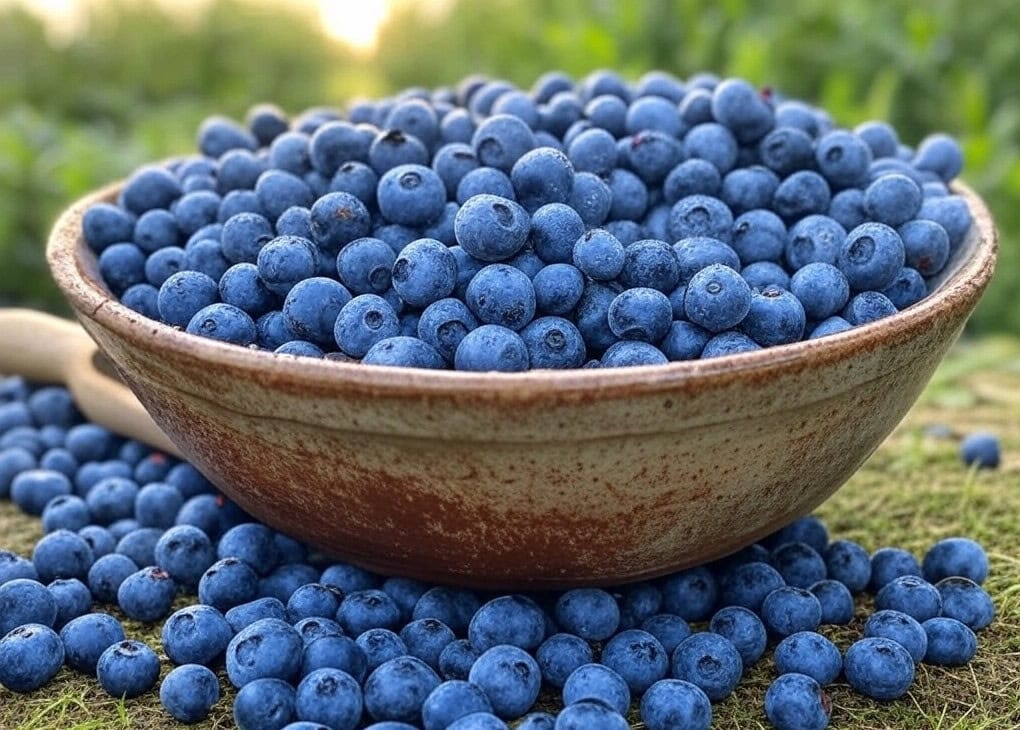
Wild blueberry fields in Maine formed after glaciers retreated around 10,000 years ago.
The University of Maine Cooperative Extension makes it clear that lowbush blueberries are native to northern New England and Atlantic Canada. They are not planted or transplanted.
A single field can include up to 1,500 genetically different plants.
Because of this, wild blueberries are smaller, less uniform in color, and more flavorful than the standard highbush berries found in grocery stores.
The Wabanaki were caring for and harvesting these fields before Europeans arrived.
Modern growers still follow a two-year system. In the pruned year, plants are cut or burned after harvest. In the crop year, they grow, flower, and produce berries.
Governor Janet Mills's 2024 Wild Blueberry Weekend proclamation reported 46,370 acres spread across 512 farms.
Maine now produces almost all of the wild blueberries in the United States. The harvest season runs from late July into early September.
Hand-raking continues on some farms, though machines do most of the picking.
State law names blueberry pie the official state dessert and the blueberry the official state berry.
Wild blueberries appear in many foods, including pies, muffins, jams, and commercial products.
They also represent a landscape, a seasonal cycle, and a long-standing labor tradition that goes back further than the state itself.
Fiddleheads: Maine's three-week spring window
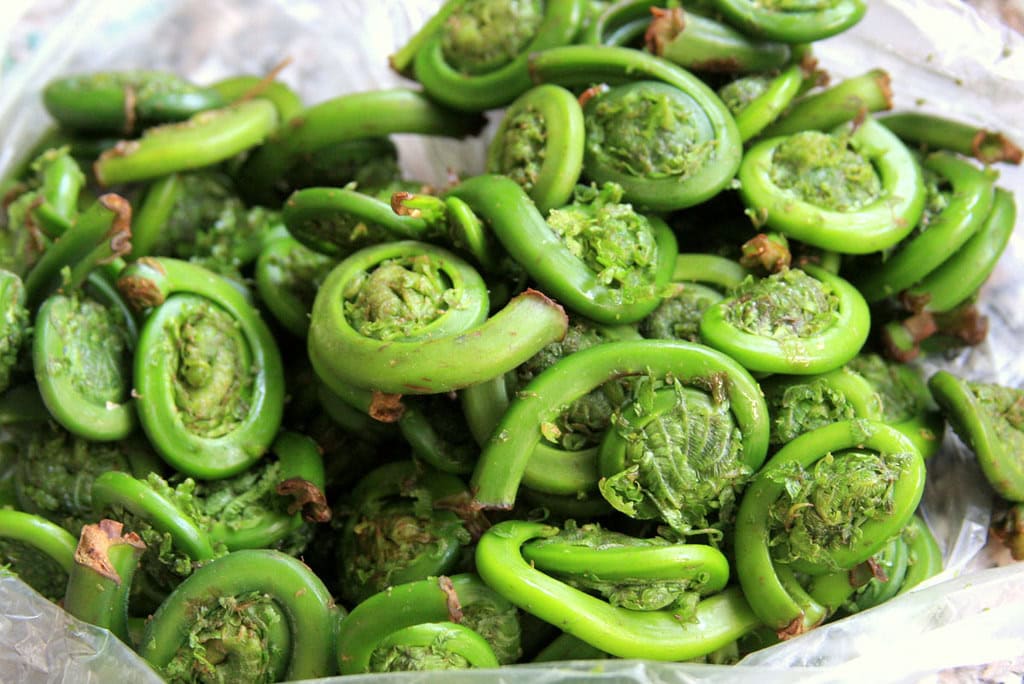
The window for fiddleheads is maybe three weeks. The ostrich fern sends up its coiled fronds - the curl resembles the scroll of a violin, which is where the name comes from - and then the season is over.
UMaine Extension calls them an iconic spring edible. The Passamaquoddy and Maliseet called them "mahsus." The Penobscot called them "mahsosi." Those names predate the farmers' market era by centuries.
Only the ostrich fern is safe to eat. Bracken fern is carcinogenic and shouldn't be touched.
UMaine's food safety materials recommend harvesting when shoots are only an inch or two above ground, brushing off the brown papery scales, then cooking thoroughly - steaming for 10 to 12 minutes or boiling for 15.
The flavor is grassy, slightly nutty, green in the way early spring vegetables are green. The appeal is partly the taste and partly the ritual: finding the right riverbank, cleaning the fronds, cooking them correctly.
People who grew up doing it have strong opinions about all three.
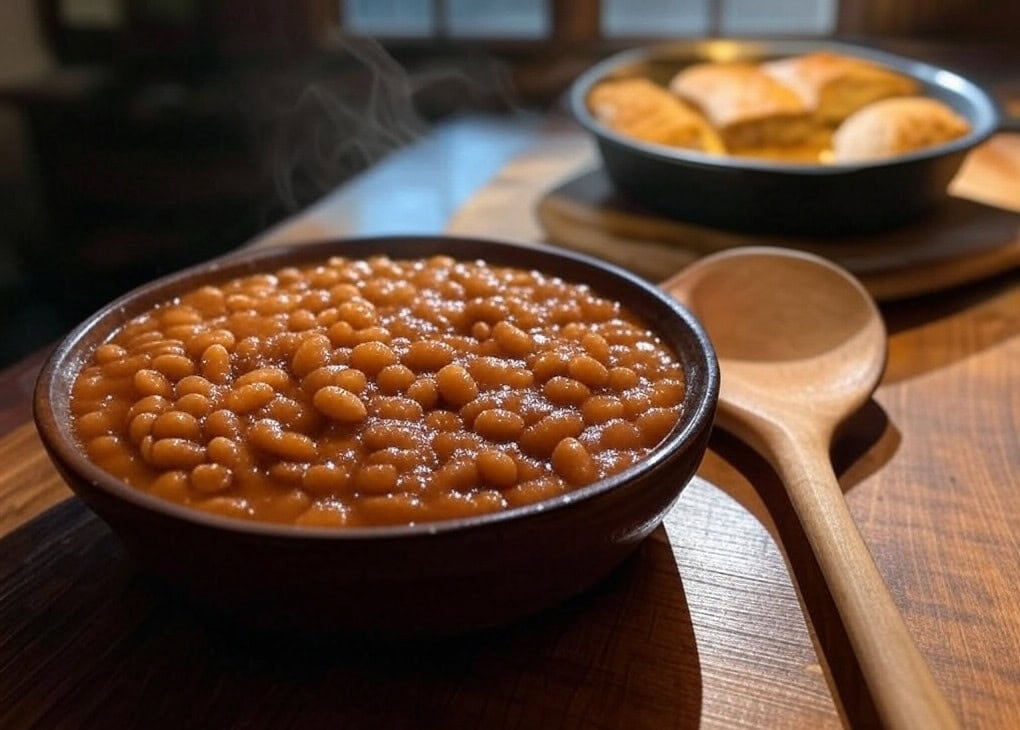
Baked beans: Saturday night in Maine for 200 years
Saturday night, for generations of Mainers, meant beans. The Portland Press Herald puts the tradition at roughly 200 years.
After the American Revolution, churches picked up the Saturday-night meal for community fundraising suppers because it was already what people cooked at home, and it scaled without effort.
Bean pots were standard kitchen equipment. Burnham and Morrill built the Portland factory in 1913 and started canning beans there in 1927 - but the home-cooked version never disappeared.
At community suppers around the state, the combination is still the same: baked beans, brown bread, hot dogs. It stopped being a tradition so long ago that now it's just supper.
Cheap, filling, and easy to serve to a crowd - the same reasons it became church-supper food in the first place.
Sweets and soft drinks
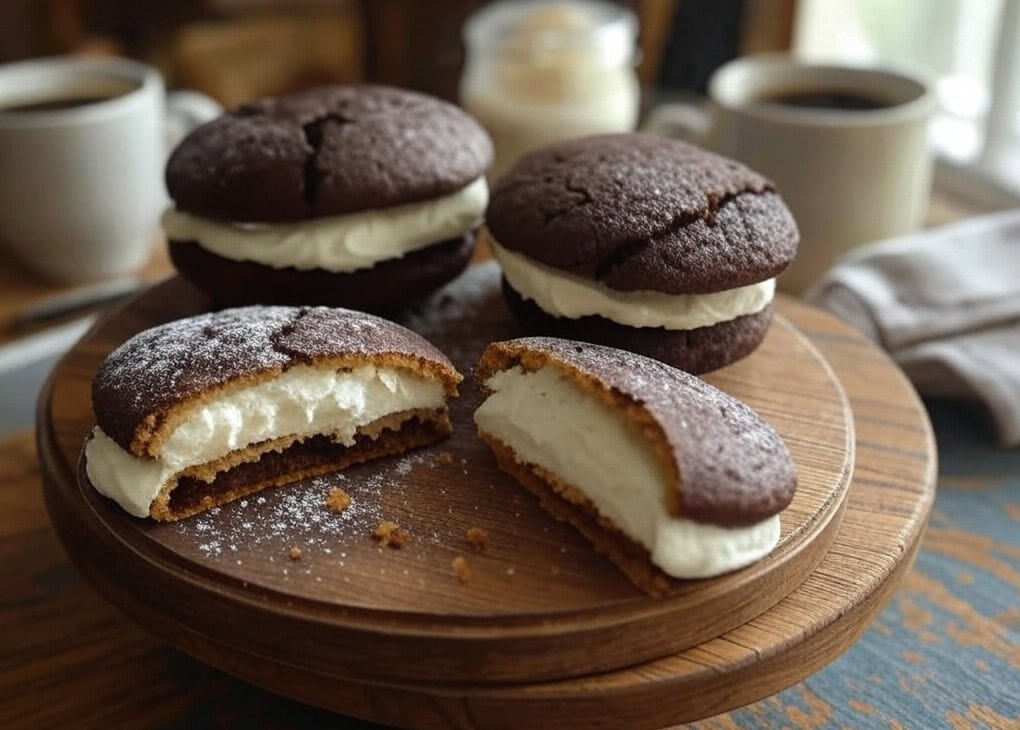
Whoopie pies: the state treat that almost became the state dessert
Labadie's Bakery in Lewiston has made whoopie pies since 1925. Maine law uses that year as the starting point for its history in the state.
The law gives a simple definition: two cake rounds with a layer of creamy frosting in between. It also names the whoopie pie the official state treat. In 2011, the Legislature tried to make it the state dessert, but that effort ran into strong support for blueberry pie.
The final decision split the titles. Blueberry pie became the state dessert, and the whoopie pie remained the state treat. Both sides held their ground, so the state kept both.
The annual Maine Whoopie Pie Festival in Dover-Foxcroft has since turned the dessert into a public event, not just something sold at a bakery counter.
This shift from everyday food to shared events shows up often in Maine. A common item gets official recognition and becomes a reason for people to gather.
Potato donuts: a 1950 Dixfield diner special that became a statewide calling card
Around 1950, the Hi Spot restaurant in Dixfield served a house specialty called a "Spudnut." It was a raised, glazed donut made with potato-based dough.
The idea has been part of Maine's food tradition for decades. What has changed is how widely it is known and sold.
The Holy Donut in Portland, built on recipes developed by founder Leigh Kellis in her Munjoy Hill kitchen, brought potato donuts to a statewide audience.
Using mashed potatoes pushed through a ricer helps keep the dough light and airy instead of heavy.
The shop describes them as "Maine potato donuts, made from scratch daily." The approach may sound more artisanal now, but the donut itself follows the same basic method the Hi Spot used about 75 years ago.
Moxie: the official state soft drink that splits every room
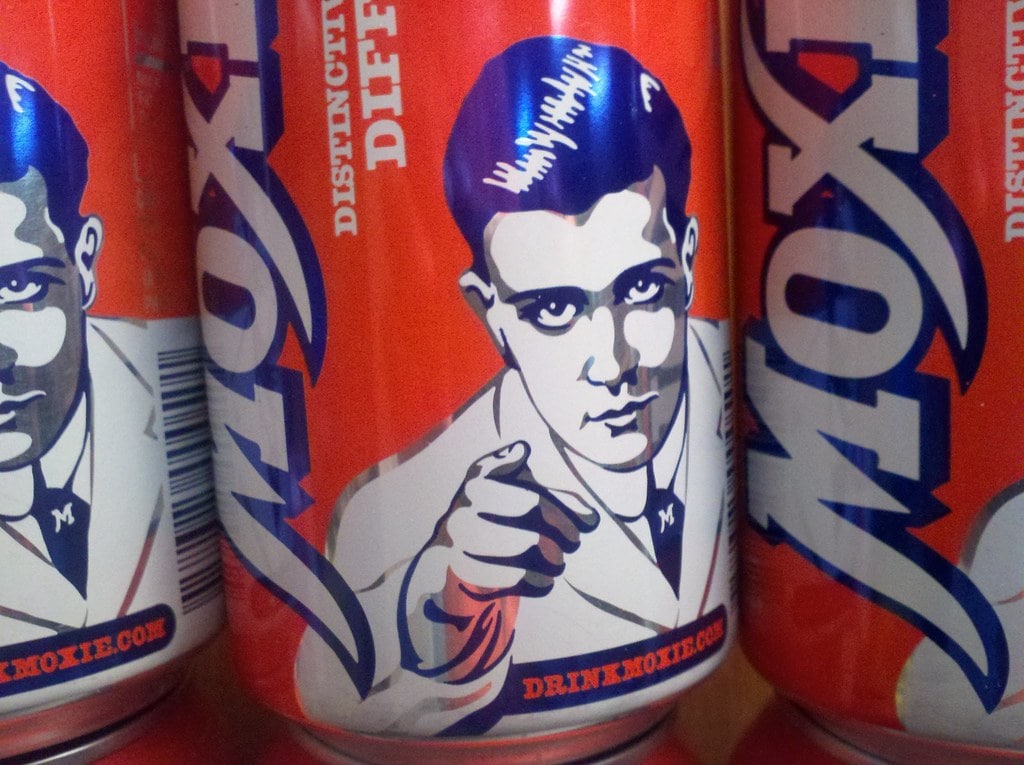
Maine did not choose a typical cola for its state drink. It chose Moxie, a soda with a sweet and bitter flavor made from gentian root extract. People tend to react strongly to it, one way or the other.
Under state law, Moxie is the official soft drink. The same law credits Dr. Augustin Thompson, born in Union, with its creation.
The drink started in the 19th century as "Moxie Nerve Food," sold as a medicinal tonic. By the early 20th century, bottle labels described it as a "clean, sparkling, bittersweet tonic beverage."
Each year, Lisbon hosts the Moxie Festival. In Union, there is a museum dedicated to the drink and its inventor.
The festival reflects more than the drink itself. It shows a local interest in things that are distinctive, long-lasting, and unchanged over time.
The formula, based on gentian root, has not been altered.
Sandwiches, dogs, and everyday classics
Red snapper hot dogs: 500,000 to 700,000 pounds a year from Bangor
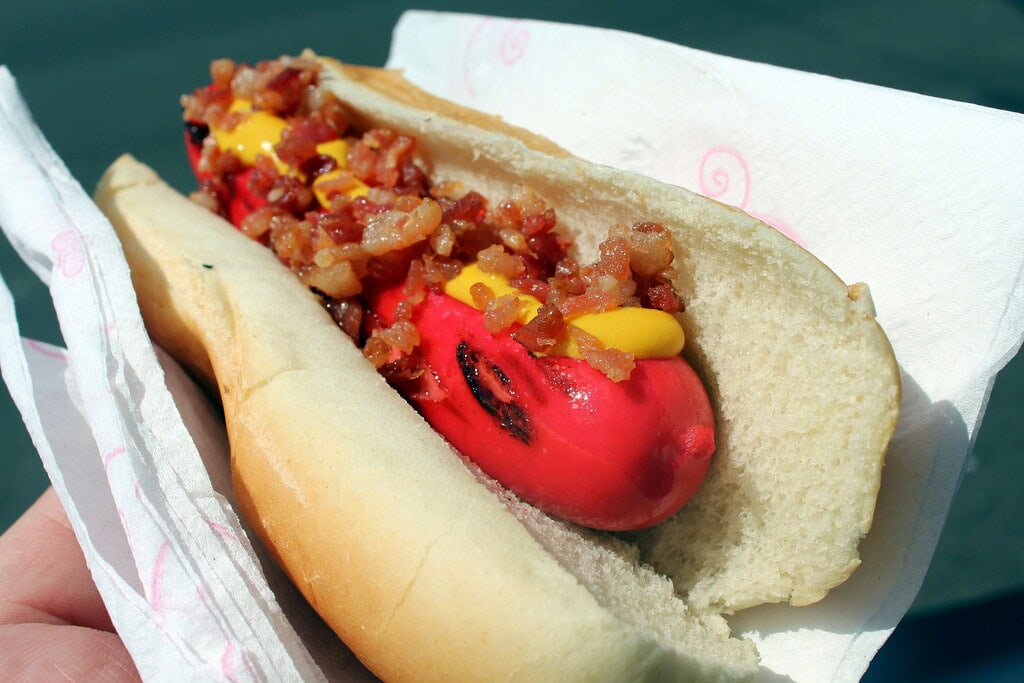
W.A. Bean and Sons in Bangor produces between 500,000 and 700,000 pounds of red snapper hot dogs a year.
Beef and pork, no filler, hand-tied into natural hog-intestine casings. The bright red color is the first thing you notice.
The snap when you bite is where the name comes from. W.A. Bean is the last Maine company making them. Summer production climbs as much as 50 percent.
Federal restrictions on artificial dyes pushed the company to start replacing one of its colorants with a natural alternative in 2025, working toward an all-natural formula while keeping both the color and the taste.
In Maine, the red snapper is not a novelty food or a regional curiosity for visitors.
It's the hot dog at the lunch counter, the roadside stand, and the ballpark - the default local frank, ordered without explanation because no explanation is needed.
The Maine Italian sandwich: Portland dockworkers' lunch that rewrote a word
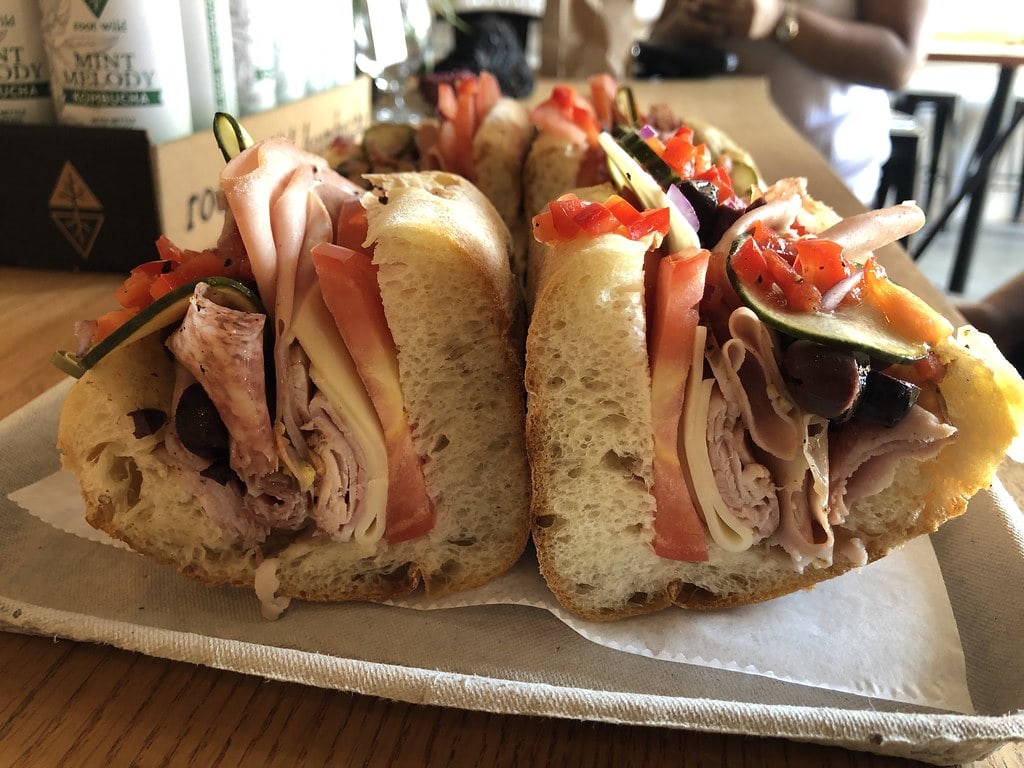
In most places, an Italian sandwich includes meats like salami and capicola with provolone on crusty bread. In Maine, the definition is different.
Giovanni Amato was selling bread from a cart on the Portland waterfront around 1902, serving dockworkers.
By 1910, he and his wife Michillina had begun adding ham, American cheese, and vegetables to those rolls. The ingredients matched what was available locally.
The combination of onions, pickles, tomatoes, green peppers, Greek olives, salt, pepper, and oil became standard because it worked for customers.
Today, Amato's still serves this version as the "Original Real Italian," using the same soft roll and the same fillings prepared in the same way for over 100 years.
In Maine, the term "Italian" refers to this sandwich. The meaning differs from elsewhere, and locally it is treated as the standard definition.
The best restaurants in Maine: ten places worth the trip
The Lost Kitchen, Freedom: $295 a seat, postcard reservations only
Erin French opened The Lost Kitchen at 22 Mill Street in Freedom in the summer of 2014.
Reservations go by postcard - mailed in, drawn randomly, followed by a phone call in April if selected. The 2026 season runs Saturdays from May through October.
Dinner is $295 per person before tax, gratuity, and beverages, lasts more than five hours, and spans many courses. No substitutions. The property has since expanded to include cabins, retail, and seasonal events.
Fore Street, Portland: wood-fire cooking since 1996 with a James Beard kitchen
Fore Street opened at 288 Fore Street in Portland's Old Port in June 1996. The dining room is built around a wood-burning oven, grill, and turnspit visible from most tables.
The menu changes daily and sources from Maine farmers, fishermen, and foragers.
Sam Hayward won the James Beard Best Chef: Northeast award in 2004. Gourmet named it a top 50 US restaurant in both 2002 and 2007. OpenTable's April 2026 data shows 4,590 reviews and a 4.9 rating.
Eventide Oyster Co., Portland: raw bar, granite shellfish display, lobster roll in brown butter
Andrew Taylor, Arlin Smith, and Mike Wiley opened Eventide at 86 Middle Street in Portland in 2012.
The shellfish display is set into a block of Maine granite. Most seating is walk-in; limited reservations open within two weeks of the visit date.
The menu runs oysters from Maine and beyond, raw-bar accompaniments, crudo, and buns - including the Brown Butter Lobster Roll, fried oyster, pastrami, and Maine crab.
Red's Eats, Wiscasset: 14.5 tons of lobster meat per season on Route 1
Red's Eats sits at 41 Water Street in Wiscasset and runs seasonally from late April through mid-October.
The lobster roll arrives piled high on a buttered grilled roll, with butter and mayonnaise on the side - a format Red "Allen" Gagnon is credited with establishing.
The kitchen moves 14.5 tons of fresh lobster meat per season, 4 to 6 gallons of shucked clams, and 20 to 25 pounds of haddock each day at peak season, with roughly five employees working the line.
Duckfat, Portland: Belgian frites in duck fat since 2005, new owners since 2024
Rob Evans and Nancy Pugh opened Duckfat at 43 Middle Street in Portland in 2005 after their years at Hugo's.
The menu runs Belgian frites twice-fried in duck fat, poutine with Pineland Farms cheese curd and duck gravy, pressed sandwiches, and milkshakes made with Gelato Fiasco.
Evans and Pugh sold and retired in May 2024. General manager Trevor Lilly kept the menu and identity in place. No reservations at any location.
Scales, Portland: OpenTable's most-booked Maine restaurant, harbor views included
Scales is at 68 Commercial Street on Maine Wharf, beside a working harbor near the Casco Bay Ferry Terminal.
OpenTable's April 2026 list names it the most-booked restaurant in Maine, with 7,499 reviews and a 4.8 rating. NBC Boston put it on OpenTable's national Top 100 for 2025.
The dinner menu runs chowder, steamers, fried whole-belly clams, raw bar, halibut, scallops, baked haddock, steamed lobster, and a warm buttered lobster roll.
Complimentary valet parking while dining.
Central Provisions, Portland: small plates in a building that survived the Great Fire of 1866
Central Provisions is at 414 Fore Street in a federal-style brick building erected directly on the wharf for West India Trading Company provisioning.
The building survived Portland's Great Fire of 1866. Chris and Paige Gould run it as a small-plates restaurant organized into Raw, Cold, Hot, and Sweet sections, with menus that shift regularly.
The suckling pig crisped in brown butter with almonds and cooked apple is the signature. Chris Gould was a 2026 James Beard semifinalist for Best Chef: Northeast.
Palace Diner, Biddeford: 15 seats, built in 1927, one of two Pollard cars left in America
Palace Diner at 18 Franklin Street in Biddeford was built by the Pollard Company in Lowell, Massachusetts, in 1927 and has spent its entire existence in Biddeford.
It is one of two Pollard diner cars remaining in the country. Greg Mitchell and Chad Conley reopened it in March 2014 as the sixth proprietors.
The counter seats 15. Known for lemon flapjacks, Palace Potatoes made with red potatoes, the Diner Sandwich, and a Tuna Melt.
Primo, Rockland: two James Beard awards, 200 chickens, and three acres of vegetables on-site
Primo sits at 2 Main Street in Rockland on a nearly five-acre working farm.
Chef and proprietor Melissa Kelly runs two greenhouses, over 200 laying chickens, 150 broiler chickens, 15 pigs, and 3 acres of vegetables in rotation.
Kelly won the James Beard Best Chef: Northeast award in 1999 and again in 2013 - the first person to win it twice. The menu changes daily with farm output. Primo operates seasonally, closing for a winter break each year.
Street & Co., Portland: all-seafood since 1989, one block from the working waterfront
Dana B. Street opened Street & Co. at 33 Wharf Street in Portland's Old Port in 1989.
It is an all-seafood restaurant with a Mediterranean and bistro orientation, sourcing from local fishermen and organic farmers.
Walk-in tables are available each evening alongside reservations. Lobster Diavolo for Two, Mussels Marinara, and Shrimp with Butter and Garlic are the most-cited dishes.
Dana Street received a 2026 James Beard Outstanding Restaurateur nomination.

Independent Publisher Notice
BestAttractions is an independent editorial publisher. We are not affiliated with, endorsed by, or acting on behalf of any location, business, property owner, manager, government agency, or organization described in this article. Comments posted on this page are not forwarded to, reviewed by, or acted upon by any entity mentioned in the article. For official inquiries, complaints, applications, bookings, or other requests, please contact the relevant entity directly through its official website or other verified channels.