
Once a year, thousands of runners crawl up Heartbreak Hill on Commonwealth Avenue during the Boston Marathon.
If you live on or near Commonwealth Avenue in Newton, you get fans on both sides of the road every April, then a green trolley nearby to take you home. That trolley matters more than the marathon.
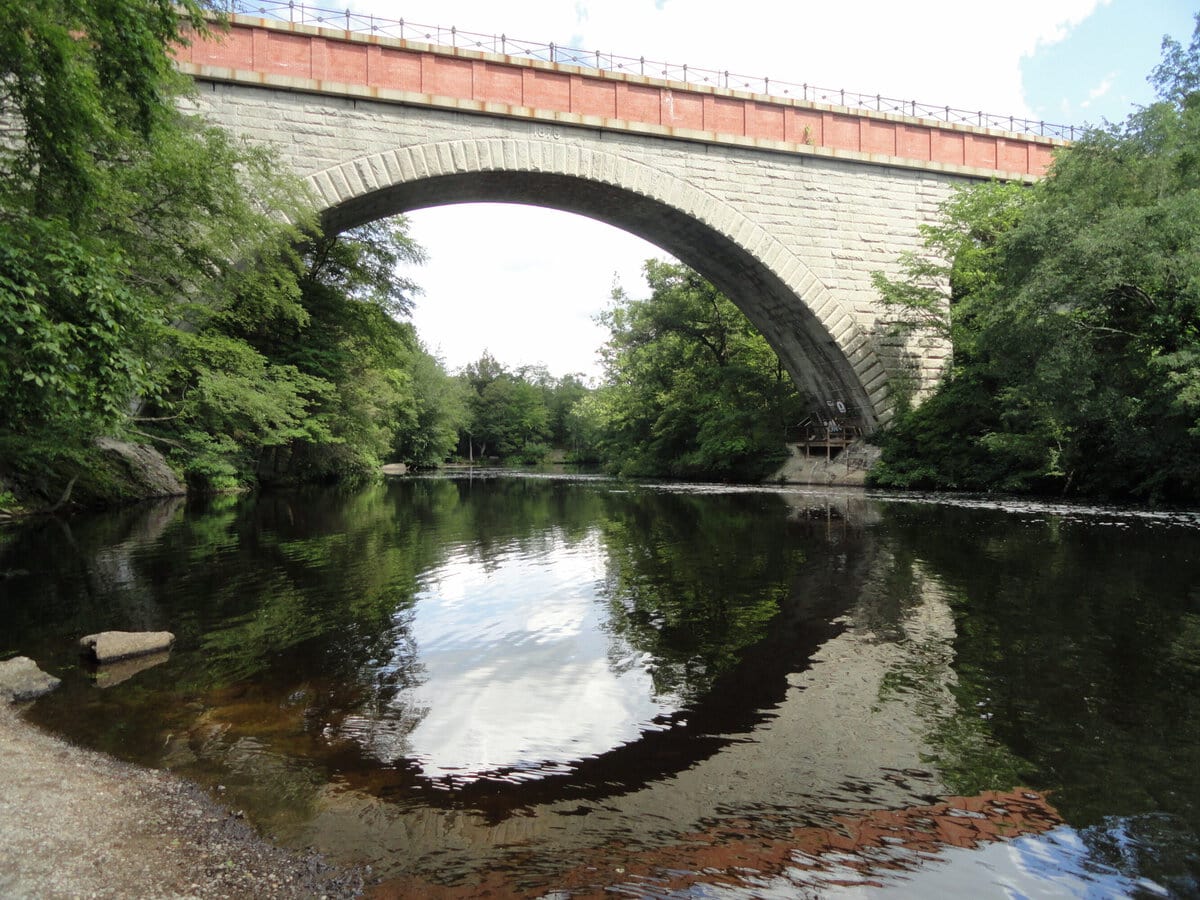
Newton is 13 distinct villages inside one city, many with a small center and a history shaped by railroads, rivers, mills, farms, and houses of worship before Boston grew around them.
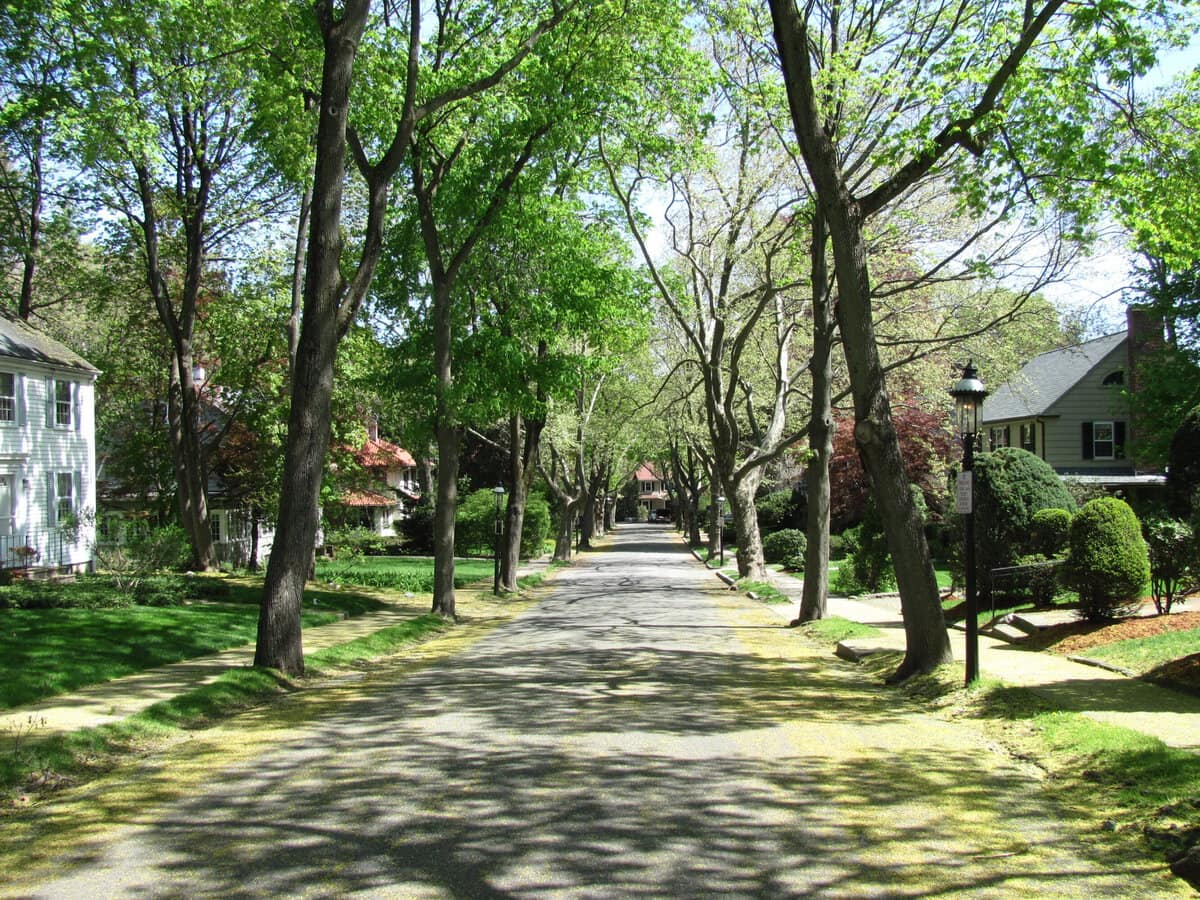
Newton still calls itself the Garden City. The name fits the map: roughly a fifth of the city is still parks, ponds, and open land. None of that tells you whether you can afford to retire here.
Retirement in Newton, Massachusetts: Costs, Housing, and Daily Life
Newton can make sense in retirement for people who want access to the Boston metropolitan area, have room in the budget for expensive housing, and care about access to medical services.
The main appeal is metropolitan access. The hardest constraint is housing.
Census data make the trade-off clear. Newton's 2025 population estimate was 90,741, and 19.1% of residents were 65 or older in the 2020-2024 data.
Older adults are a substantial part of the community, though Newton's 19.1% share is slightly below the Massachusetts figure of 19.9%.
The key decision is whether the numbers and the exact address still work later in retirement, not just on move-in day.
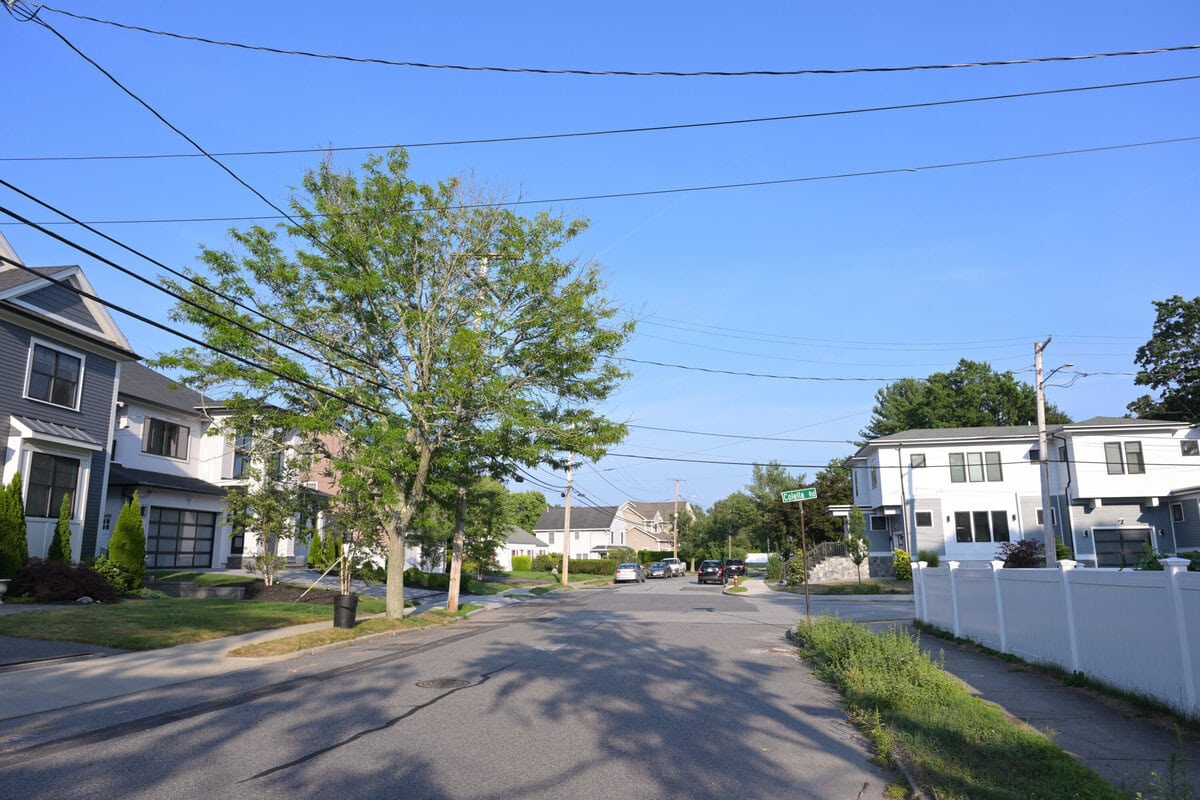
Housing will decide the budget
The Census Bureau reports a 2020-2024 median value of $1,264,900 for owner-occupied homes in Newton, compared with $562,100 statewide.
Newton's figure is about 125% higher, or 2.25 times the Massachusetts median.
Newton's median gross rent was $2,370, versus $1,762 for Massachusetts, a difference of about 35%.
Citywide selected monthly owner costs were reported at $4,000 or more for households with a mortgage and $1,500 or more without one.
The statewide figures were $2,726 and $1,043.
A longtime Newton homeowner may have substantial home equity and no mortgage, so staying can be financially easier than buying into the city today.
A retiree moving into Newton faces a much higher entry price.
Selling a lower-cost home elsewhere and buying a Newton property can turn housing into the largest draw on retirement assets.
The rent-versus-buy comparison deserves attention here. Newton's home-value premium over Massachusetts is far larger than its rent premium.
For someone new to the city, renting for a year can test the neighborhood, winter routine, driving needs, and access to care before buying in a city where the median owner-occupied home value exceeds $1.2 million.
Rent is still expensive, but the smaller relative gap can support a trial period.
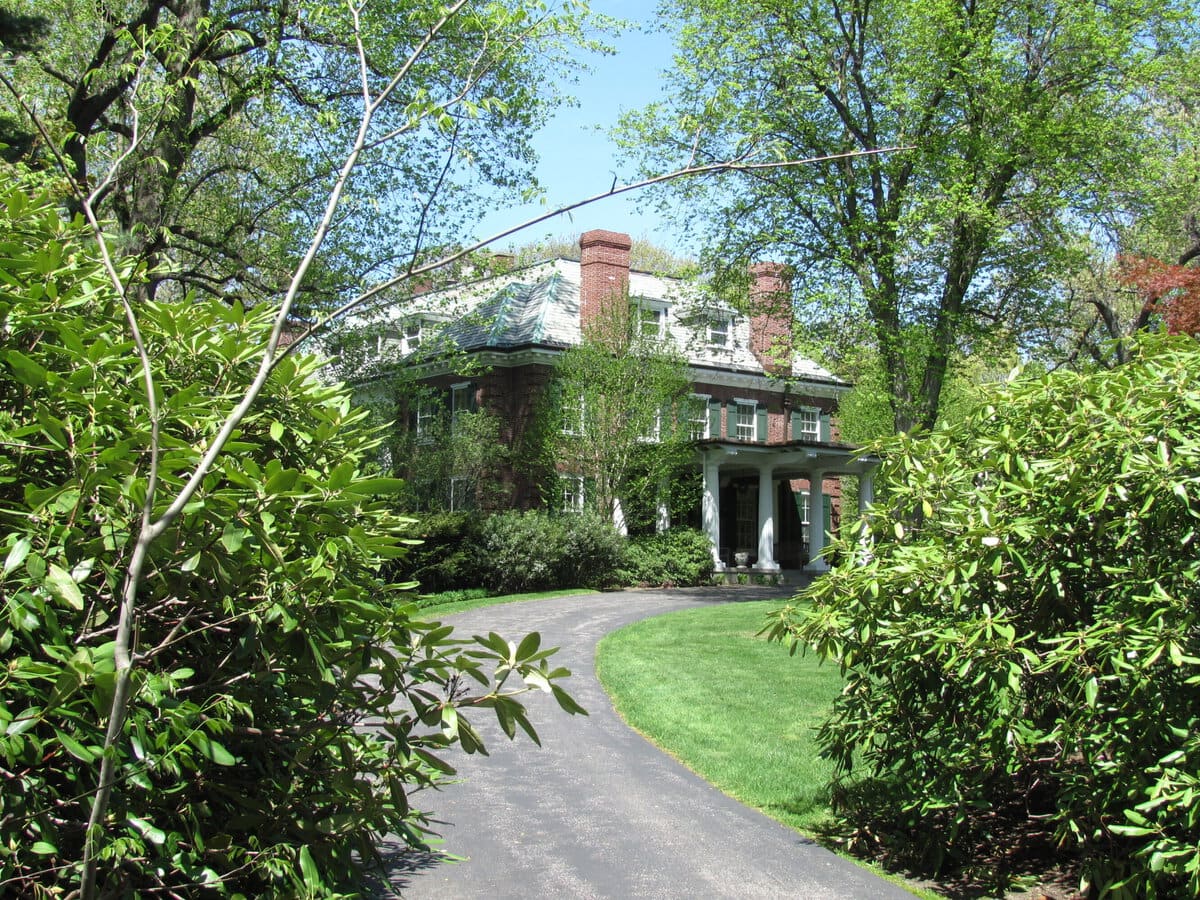
Plan for the possibility of aging alone
Newton has about 17,000 residents age 65 or older in the Census Bureau's 2020-2024 ACS estimate.
The same dataset counts 10,111 households with a householder age 65 or older. Among those households, 37.2% consist of a householder living alone.
That household pattern changes what a good retirement home looks like.
A detached house can work well at 66 and become burdensome at 82 if every grocery trip requires driving, snow clearing becomes difficult, or the main bedroom sits upstairs.
For a couple, the same problem can appear suddenly if one partner becomes a caregiver or stops driving.
Include location in the home decision.
Before choosing a property, run through an ordinary week: groceries, pharmacy, primary care, exercise, social visits, and any regular religious or community activity.
Repeat the exercise assuming one household member cannot drive. A property that still works under that scenario has more retirement value.
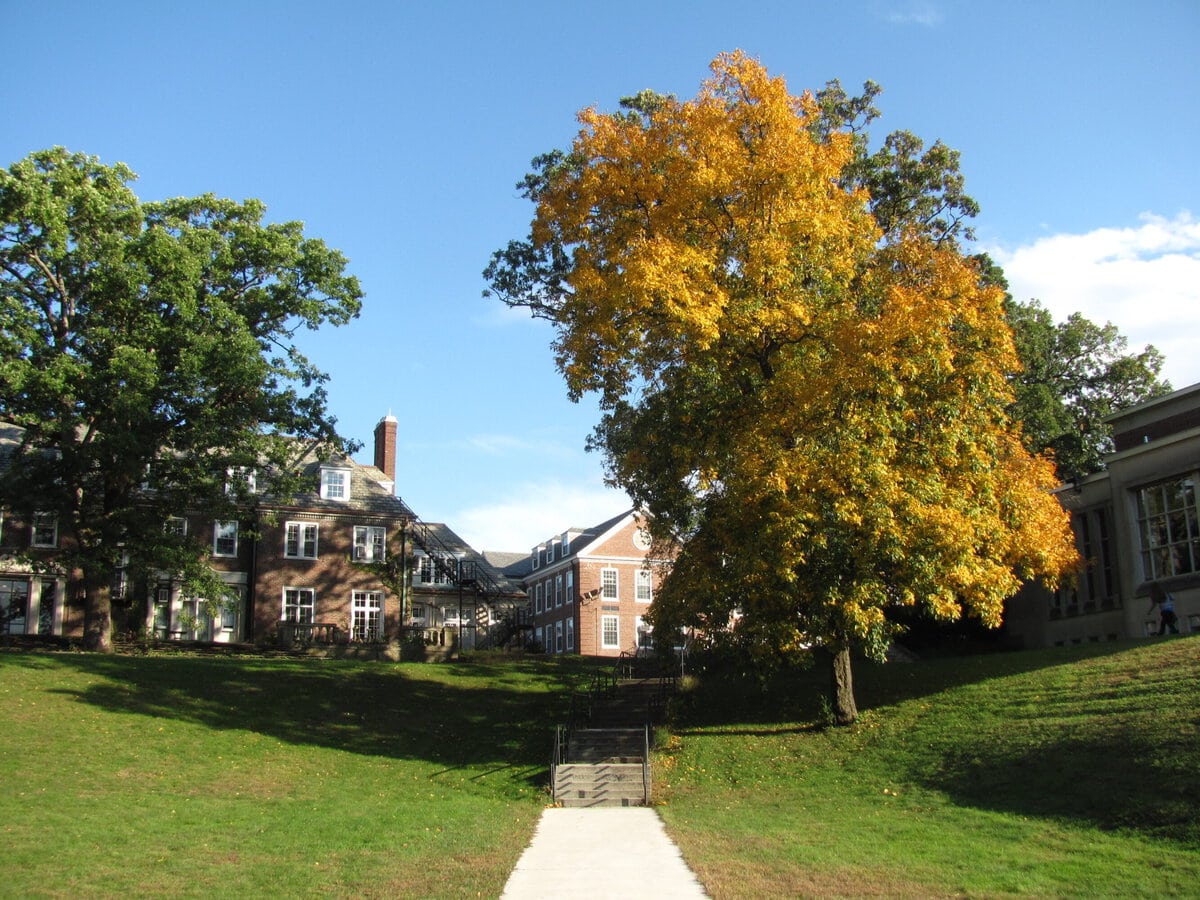
Health care access is a practical advantage
Federal CMS records list Newton-Wellesley Hospital at 2014 Washington Street in Newton.
CMS also maintains Medicare comparison data for hospitals, physicians, nursing homes, home health agencies, hospice providers, and other types of care.
Use those tools during move planning. Start with the doctors and specialists you expect to use.
Check whether a prospective Medicare plan includes them, then look at nearby hospitals, rehabilitation choices, home health agencies, and nursing facilities.
A retirement location works better when the care chain stays manageable as needs change.
CMS updates its hospital data periodically. Treat a provider rating as a current snapshot and recheck it when insurance or health needs change.
Compare measures tied to the care you are likely to use.
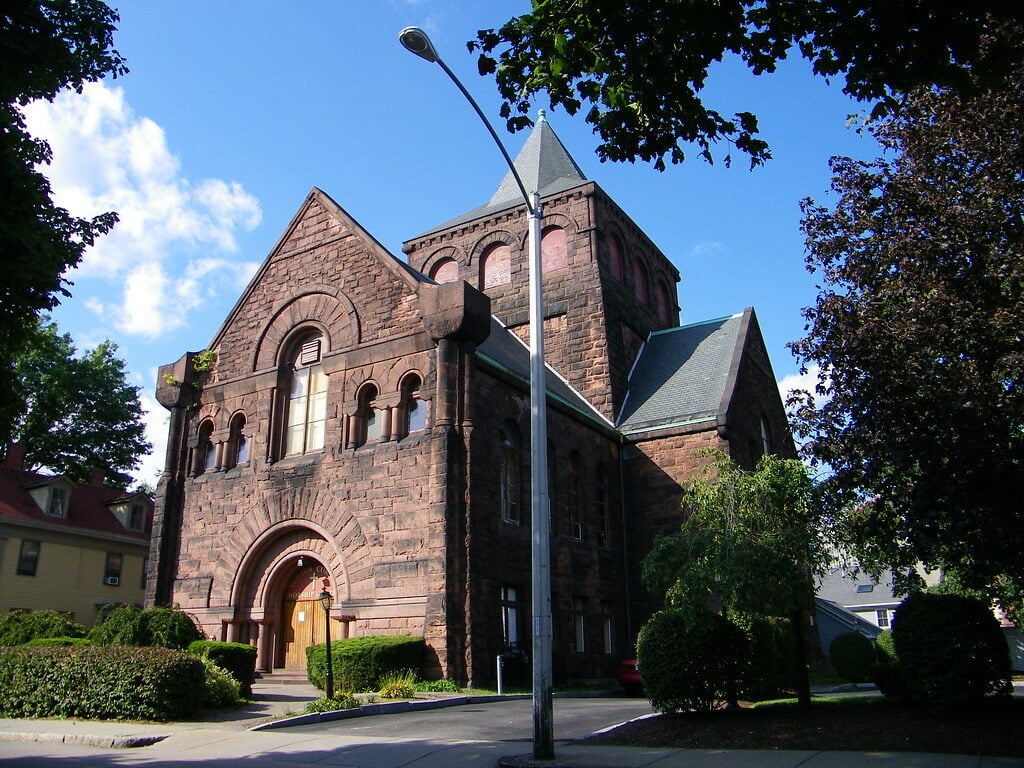
Newton is metropolitan, and the exact address still matters
The Census Bureau includes Newton in the Boston-Cambridge-Newton, MA-NH metropolitan area.
Newton covers 17.83 square miles, with a 2020 population density of nearly 5,000 people per square mile.
Citywide density gives broad context; retirement mobility still depends on the street and the daily destinations around it.
Visit a prospective address on a weekday and a weekend. Walk to the places you expect to use.
Check hills, crossings, lighting, curb cuts, winter exposure, and the distance from parking to the front door.
If you expect to stop driving eventually, price the transportation choices you would actually use.
This check can change the housing choice.
A smaller home near routine destinations may give more independence than a larger property that requires a car for every errand.

Winter belongs in the retirement budget
NOAA uses 1991-2020 as the current standard 30-year climate-normal period and publishes temperature, precipitation, and snowfall normals for stations across the country.
For a Newton retirement plan, snow, ice, heat, and cold belong in the planning equation.
For homeowners, winter affects comfort, cost, and physical workload.
Budget for snow removal, heating, roof and gutter work, and safe access from the sidewalk or driveway to the door.
For aging in place, inspect exterior steps, steep driveways, detached garages, and long walks from parking.
A condo or apartment can shift some of that work to a building or association, with the cost reflected in rent or fees.
Retirees who spend part of the winter elsewhere should also budget for home monitoring, heating, insurance requirements, and property maintenance.
Who is a good fit for retirement in Newton?
Newton fits best when housing costs are manageable without squeezing the rest of the retirement plan.
It is especially plausible for people already living in Newton with manageable housing costs, retirees with family or long-standing social ties nearby, and people who value having a hospital in the city and wider care options across the metro area.
The city becomes harder to justify for someone moving from a much cheaper market on a fixed income.
Retirees focused on warm winters or a low-cost home purchase will find stronger matches elsewhere.
For a newcomer with enough financial flexibility, the smaller rent premium relative to the home-value premium makes a rental trial useful.
Twelve months in the intended part of Newton can reveal daily transportation, winter, and neighborhood friction that a short house-hunting trip may miss.
Stress-test the decision before committing
Build the retirement budget around later-life needs as well as today's routine.
Include housing, insurance, taxes, utilities, maintenance, snow removal, transportation, Medicare and supplemental coverage, paid household help, and a scenario in which one person can no longer drive.
Condo buyers should include association fees and review exactly what those fees cover.
Then test the nonfinancial side.
A workable address should keep medical care, food, social contact, and routine errands reasonably reachable as mobility changes.
For anyone living alone, that test carries extra weight because solo older households are already common in Newton.
State and local tax rules can change, and their effect depends on retirement income and property ownership.
Verify current tax treatment with the relevant official agencies before making a move or sale decision.
Newton can be a strong retirement location when staying close to the Boston metro area has personal value and the housing budget is secure.
Future transportation and the ability to manage daily life through later retirement deserve the same attention as the purchase price.
Sources and useful further reading
- U.S. Census Bureau QuickFacts: Newton city, Massachusetts - Population, housing, income, and demographic data.
- U.S. Census Bureau: Population 65 Years and Over in Newton - 2024 ACS 5-year estimates for older residents and households.
- U.S. Census Bureau QuickFacts: Massachusetts - State comparison data for housing and demographics.
- U.S. Census Bureau TIGERweb metropolitan area file - Boston-Cambridge-Newton metropolitan area designation.
- CMS 2026 Reporting Cycle Teaching Hospital List - Includes Newton-Wellesley Hospital in Newton.
- CMS Provider Data Catalog - Federal comparison datasets covering hospitals and other Medicare provider types.
- NOAA/NCEI U.S. Climate Normals - Standard climate normals for temperature, precipitation, and snowfall.
On the map: Newton, MA


Independent Publisher Notice
BestAttractions is an independent editorial publisher. We are not affiliated with, endorsed by, or acting on behalf of any location, business, property owner, manager, government agency, or organization described in this article. Comments posted on this page are not forwarded to, reviewed by, or acted upon by any entity mentioned in the article. For official inquiries, complaints, applications, bookings, or other requests, please contact the relevant entity directly through its official website or other verified channels.