
The fountain near B. Dalton is gone. So is the B. Dalton. The Fanny Farmer candy counter is gone.
Professor's ice cream is gone, the arcade is gone, and the eleven movie screens that made this the largest theater complex in Minnesota closed in December 2006.
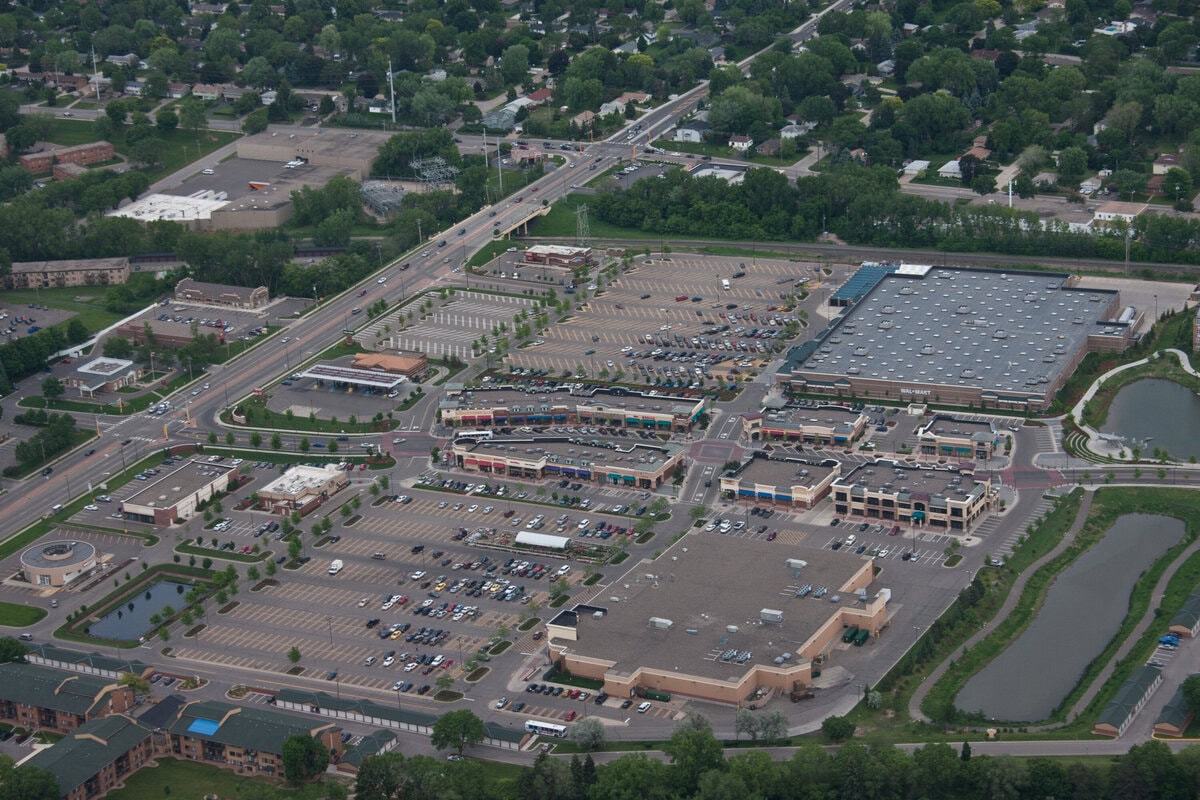
The building at 2100 Snelling Avenue North in Roseville is still open. A Cub Foods, a Barnes & Noble, and a Michaels are still there.
Mall walkers use the corridors on winter mornings because the heat is on and nobody charges admission. HarMar Mall opened in 1963. It has not closed since.
Harold and Marie Slawik Named the Mall After Themselves
Harold Slawik ran a bicycle repair shop in St. Paul in the 1920s, got into car sales, then financing, then insurance, then commercial real estate, accumulating properties along the city's main streets over the next few decades.
In 1940, he and his wife Marie put their business interests under one roof. They called it Har-Mar Inc., the first three letters of each name pressed together.
In 1957, Har-Mar Inc. bought large parcels in Roseville.
New highways were opening, suburbs were filling up, and the land near Snelling Avenue, County Road B West, and Highway 36 was cheap and well-positioned between Minneapolis and St. Paul.
Harold died before construction was finished.
Marie opened the mall in 1963 and went on running Har-Mar Inc. afterward, also becoming the first woman to hold a Ford dealership in Minnesota and helping found Roseville State Bank.
She remained a prominent figure in Roseville business circles until her death in 1989.
The name in the sign, HarMar, outlasted both of them, and most people who shopped there over the following six decades never knew it stood for anyone.
HarMar Mall Was One of the First Enclosed Suburban Malls in the Country
The first Target opened near the HarMar site on May 1, 1962: 68,800 square feet, more than 75 departments, just north along Snelling Avenue.
The suburban retail corridor was already taking shape before HarMar's doors opened.
The architectural contract between Har-Mar Inc. and Thorsen & Thorshov, Inc. was signed in April 1962. The certificate of completion was issued on December 19, 1963.
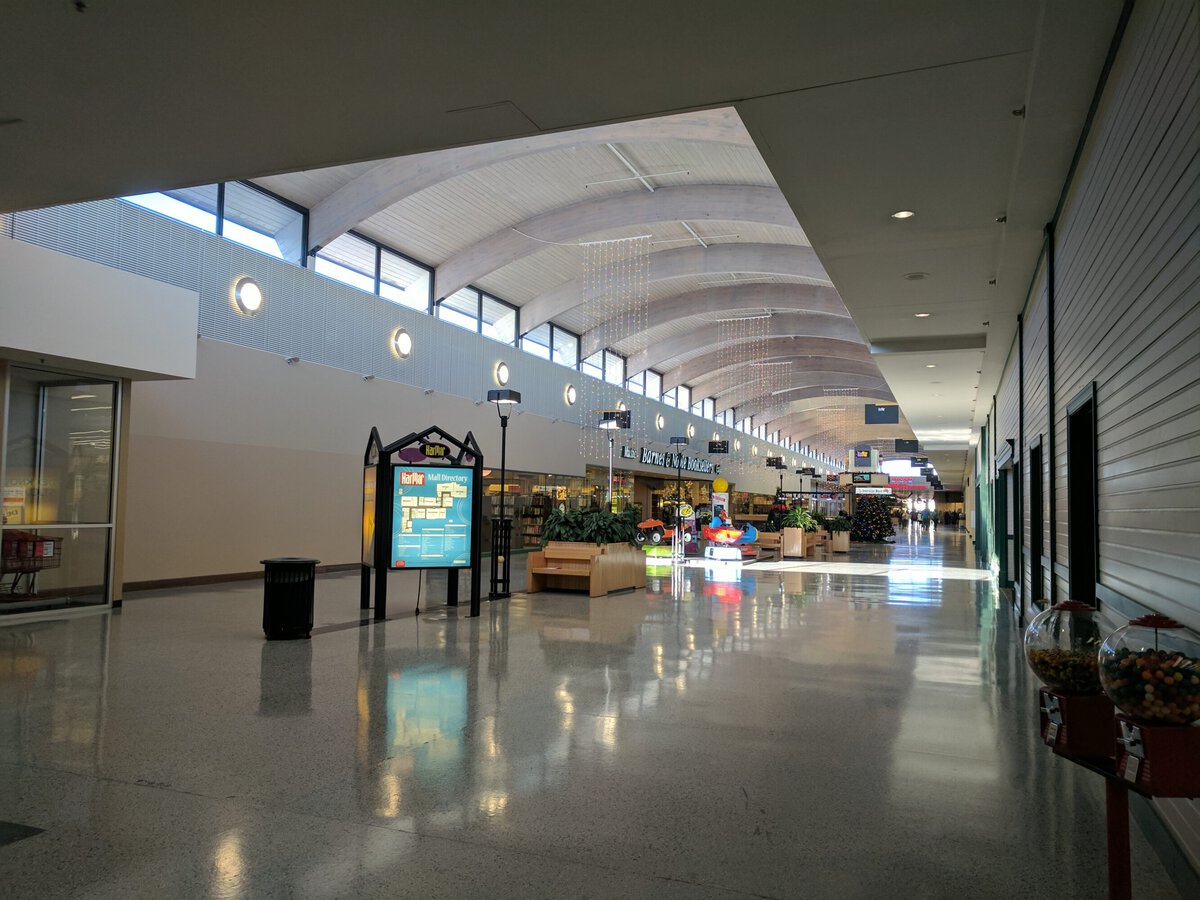
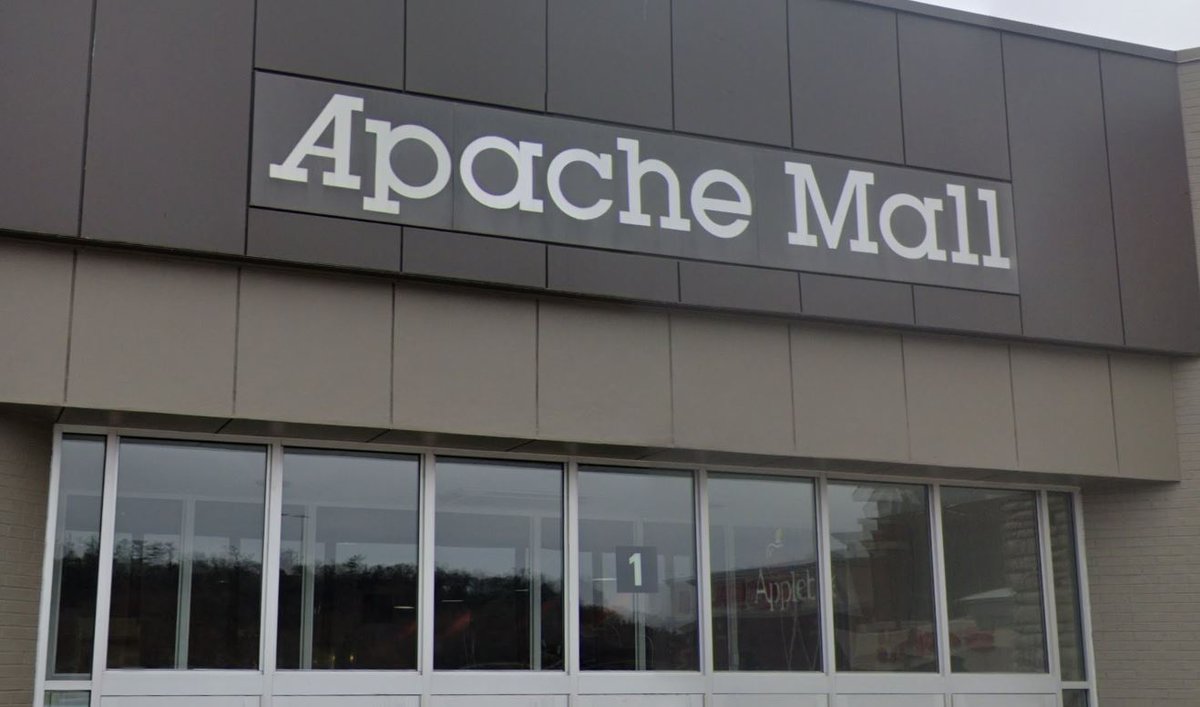
Architect Willard Thorsen, who also designed Apache Plaza in St. Anthony, gave HarMar one story, angled and zigzagging interior corridors, arched ceilings, and large windows that brought daylight in.
In 1963, fully enclosed suburban retail was not yet standard. Most suburban stores were in open-air strips, and shoppers in Minnesota walked between them outside in January.
A dispute over architectural fees and roof defects that developed after completion wound its way to the Minnesota Supreme Court by 1974.
Rosedale Center opened nearby in 1969. HarMar never matched it for size or department-store anchors.
It settled into a different mix, one of grocery, books, crafts, off-price apparel, and eventually eleven movie screens, that sustained it for decades.
The Har-Mar 11 Was the Largest Movie Theater in Minnesota
The Har-Mar Twin opened in 1970. On October 19, 1977, the larger of its two auditoriums was divided, making a triplex.
In late 1981, eight more auditoriums were built into a former grocery space behind the existing theater, bringing the complex to eleven screens, the largest in Minnesota at the time.
Mann Theatres operated it first, then General Cinema, then AMC. On weekends, the corridor near the theater end of the building was never quiet.
Families stopped at Fanny Farmer for candy on the way in, hit Professor's ice cream on the way out, and ate at Cicero's musical pizza restaurant.
Teenagers came for late shows and spent time at the arcade beforehand.
The stretch of corridor near B. Dalton, where a fountain stood that people who shopped at HarMar in those decades still mention, saw steady traffic because the theaters kept pulling people through.
Antique shows, flower shows, art fairs, and school events used the concourse.
For twenty-five years, the Har-Mar 11 was the reason many Roseville families went to that particular building on a given weekend, and whatever else they did while they were there, the candy, the ice cream, the fountain near B. Dalton, came after they checked the movie listings.
A 1981 Tornado Damaged HarMar and Transformed a Neighboring Business
On June 14, 1981, a tornado moved through the northern Twin Cities suburbs. HarMar was damaged and later repaired and updated.
A Sound of Music electronics store in the broader commercial area took a turn for the worse. The company cleared flood-damaged inventory through an improvised parking-lot sale that drew enormous crowds.
Sound of Music rebuilt around what it learned from that sale. It renamed itself Best Buy.
The eight-auditorium addition that brought HarMar's theater to eleven screens was completed the same year.
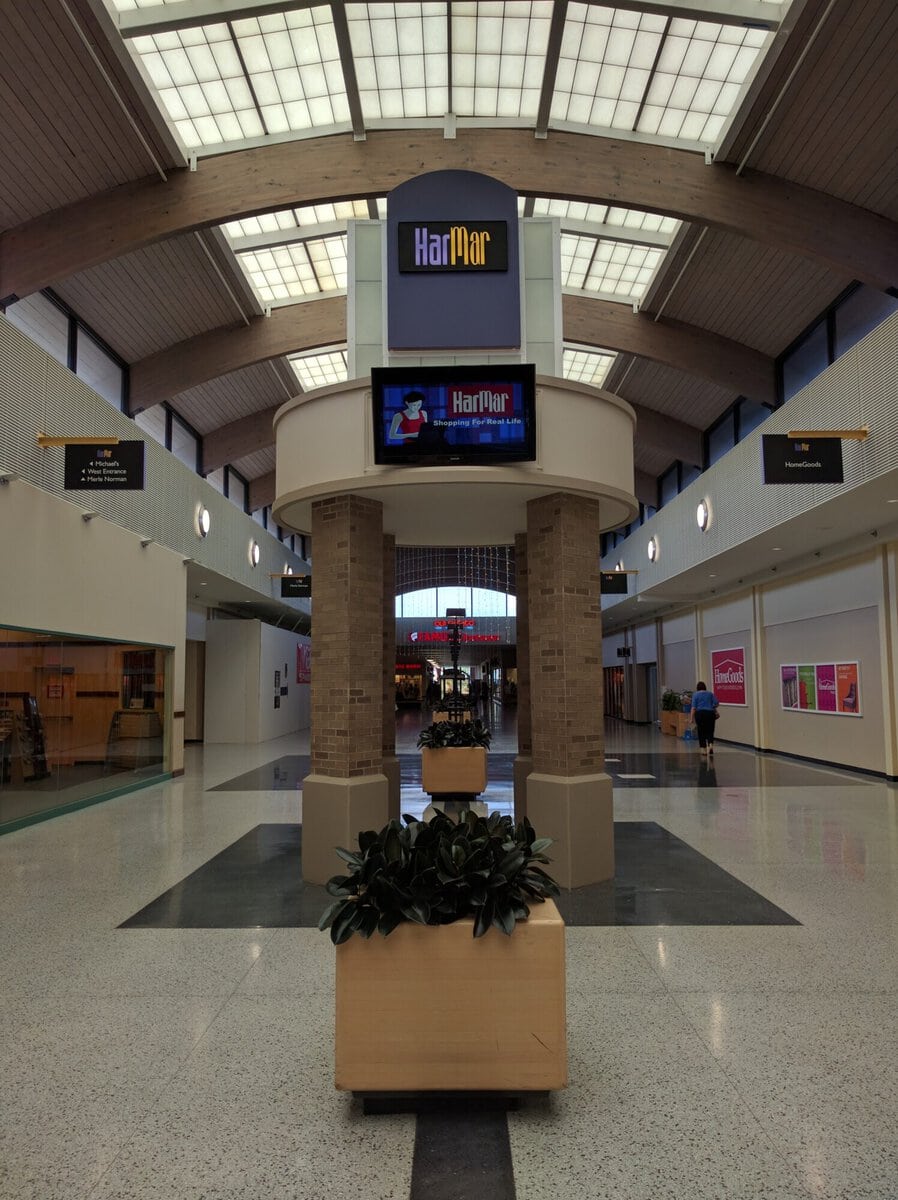
By 2005, HarMar Was 98 Percent Leased With Seven Major Anchors
The mall had more than 430,000 square feet of gross leasable area. In 2005, it was 98 percent leased.
Anchors: Cub Foods, Barnes & Noble, Marshalls, HomeGoods, TJ Maxx, AMC Theatres, Michaels. Smaller stores filled the corridors between them.
HarMar was not a destination mall (Rosedale was the regional draw), but it was full, and the mix of grocery, books, off-price apparel, home goods, crafts, and eleven movie screens was working.
AMC Closed the Har-Mar 11 in December 2006
Rosedale Center opened new theaters. AMC shut the Har-Mar 11.
The families who had spent weekend evenings at HarMar, buying candy before the show, ice cream after, browsing stores in between, went to Rosedale for movies instead.
The corridor near the old theater entrance, where the fountain had been, went quieter on Friday and Saturday nights than at any point since 1970.
Staples took over the renovated space in 2008. Burlington leased a large space that had been Northwestern Books in 2014. The mall was sold in 2007 for $47 million.
Fidelis Realty Paid $50.25 Million for HarMar in 2022, Then the Anchors Started Leaving
On September 13, 2022, Fidelis Realty Partners of Texas paid $50.25 million, roughly $112 per square foot, for the 446,300-square-foot property, their first Minnesota acquisition.
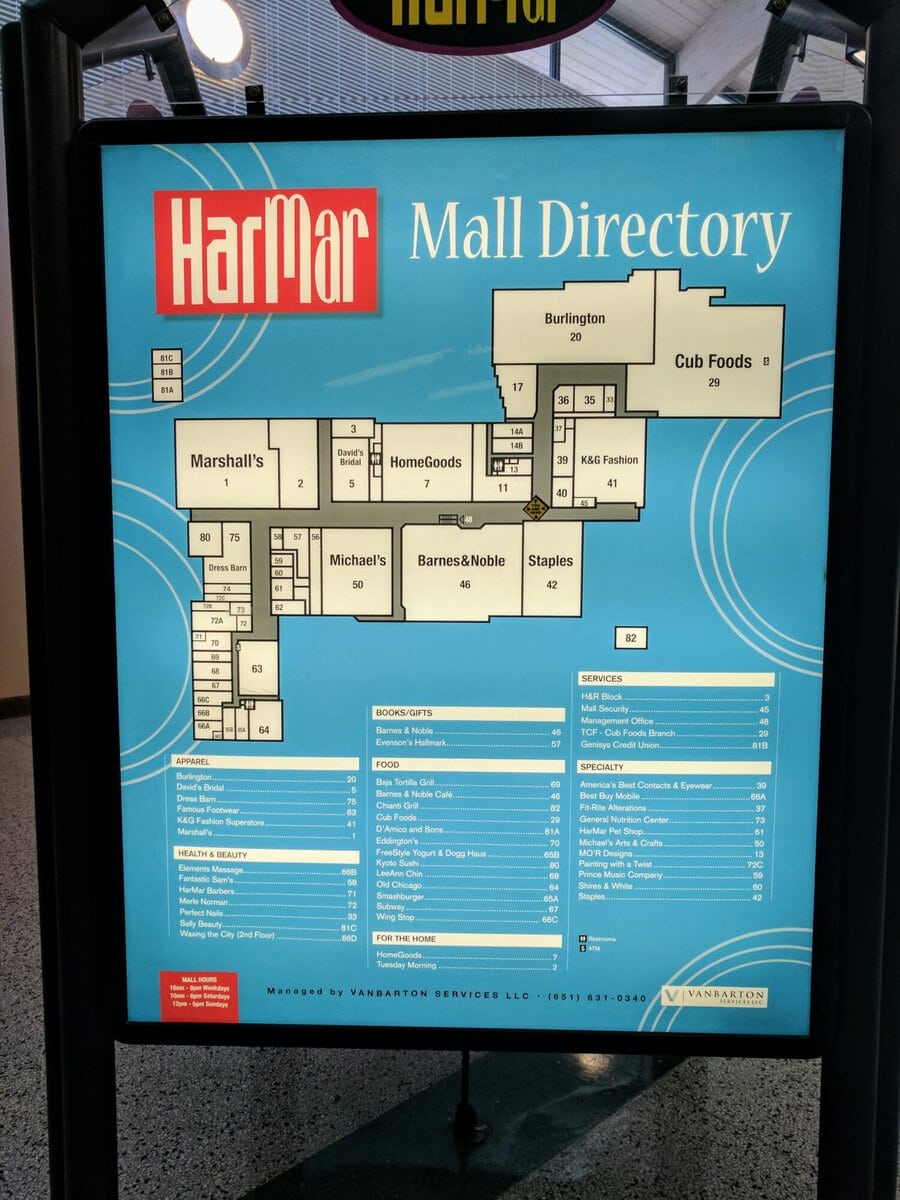
Occupancy at closing was 79 to 83 percent. Active tenants included Cub Foods, Burlington, Barnes & Noble, Marshalls, HomeGoods, Michaels, K&G Fashion Superstore, and Famous Footwear.
JLL took over property management.
HomeGoods left in 2024 for Rosedale Commons at 2480 Fairview Avenue, the former Bed Bath & Beyond space. H&R Block left in 2024 and moved across the street.
Subway closed April 30, 2025. Marshalls left in December 2025 for Rosedale Marketplace at 2439 Fairview Avenue North, the former Hobby Lobby space.
Burlington ran close-out sales through February 2026 and shut down at the end of the month.
Stores Started Locking Their Interior Entrances and Admitting Customers One at a Time
Shoplifting cases at HarMar rose from 98 in 2021 to 420 in 2024. Roseville police logged more than 1,500 proactive visits and foot patrols over five years.
Burlington posted a security guard at its entrance. Merle Norman Cosmetic Studio locked its front door; customers rang the doorbell and were let in one at a time.
Other tenants pulled their interior-facing gates shut and directed customers to the parking lot.
In May 2025, 23 of 58 retail spaces showed active tenants. By May 2026, HarMar's leasing page showed 38 spaces available totaling about 219,900 square feet.
Walkers still came through every morning, the same corridor, quieter, a different reason for being there.
HarMar in Early 2026: Barnes & Noble, Cub Foods, Michaels, and a Long List of Empty Storefronts
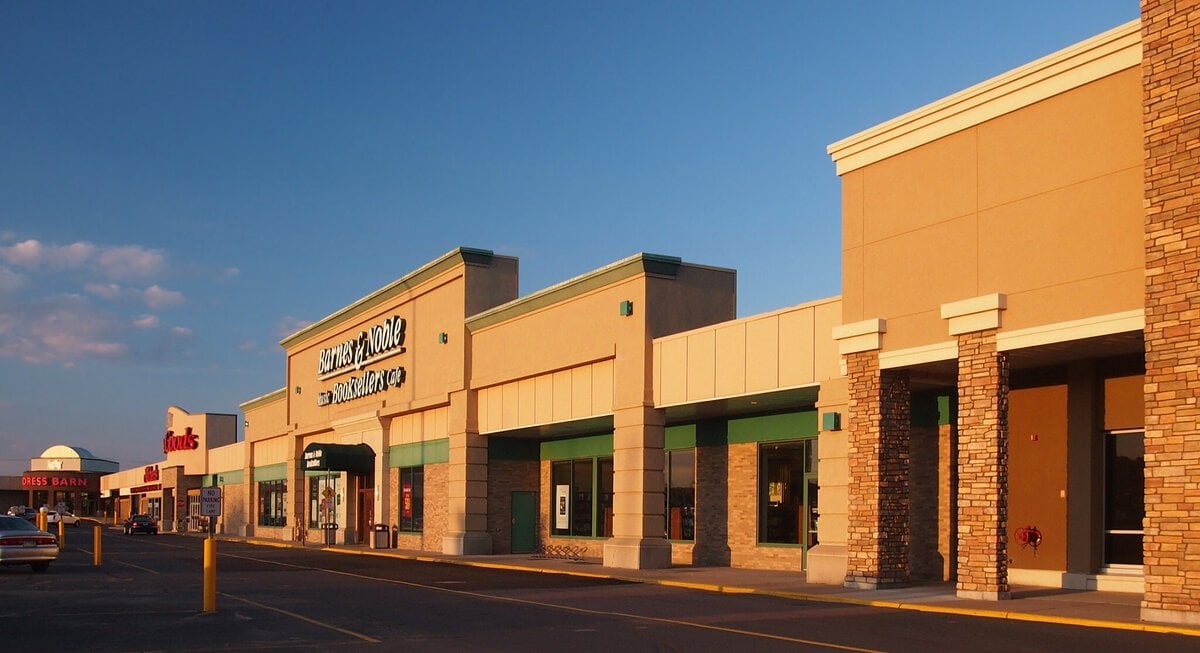
As of early 2026, the active tenants inside the mall were Barnes & Noble, Cub Foods, Cub Wine & Spirits, Michaels, K&G Fashion Superstore, Famous Footwear, Chase Bank, Kyoto Sushi, Merle Norman Cosmetics, MO'R Designs, America's Best, Ichiddo Ramen, Brow Threading Center, and Elements Massage, with Chick-fil-A, Sally Beauty, and Chianti Grill operating out of the outbuildings.
The property is zoned Community Mixed Use under Roseville's 2040 Comprehensive Plan, permitting retail, housing, office, and civic uses in combination.
Fidelis has described redevelopment as under consideration. No permits filed. No demolition scheduled. No project announced. City officials had not been told anything imminent as of early 2026.
The building Marie Slawik opened in 1963 is still there, with the same angled corridors Willard Thorsen drew, the same one-story footprint, the same corner of Snelling and County Road B. The fountain is gone, the eleven screens are gone, the candy, the ice cream, and the arcade are gone.
Burlington and Marshalls both left in three months.
What comes next on a 430,000-square-foot retail site with highway access in one of the Twin Cities' busier suburban corridors is, as of May 2026, still an open question.
Independent Publisher Notice
BestAttractions is an independent editorial publisher. We are not affiliated with, endorsed by, or acting on behalf of any location, business, property owner, manager, government agency, or organization described in this article. Comments posted on this page are not forwarded to, reviewed by, or acted upon by any entity mentioned in the article. For official inquiries, complaints, applications, bookings, or other requests, please contact the relevant entity directly through its official website or other verified channels.