
A local map tells the story before the statistics do. A full-service hospital sits inside the city.
Park Avenue West carries older buildings and institutions, while the Ohio Theatre and former Ohio State Reformatory remain two of the most recognizable landmarks.
The population is 47,381, almost unchanged from the 2020 census.
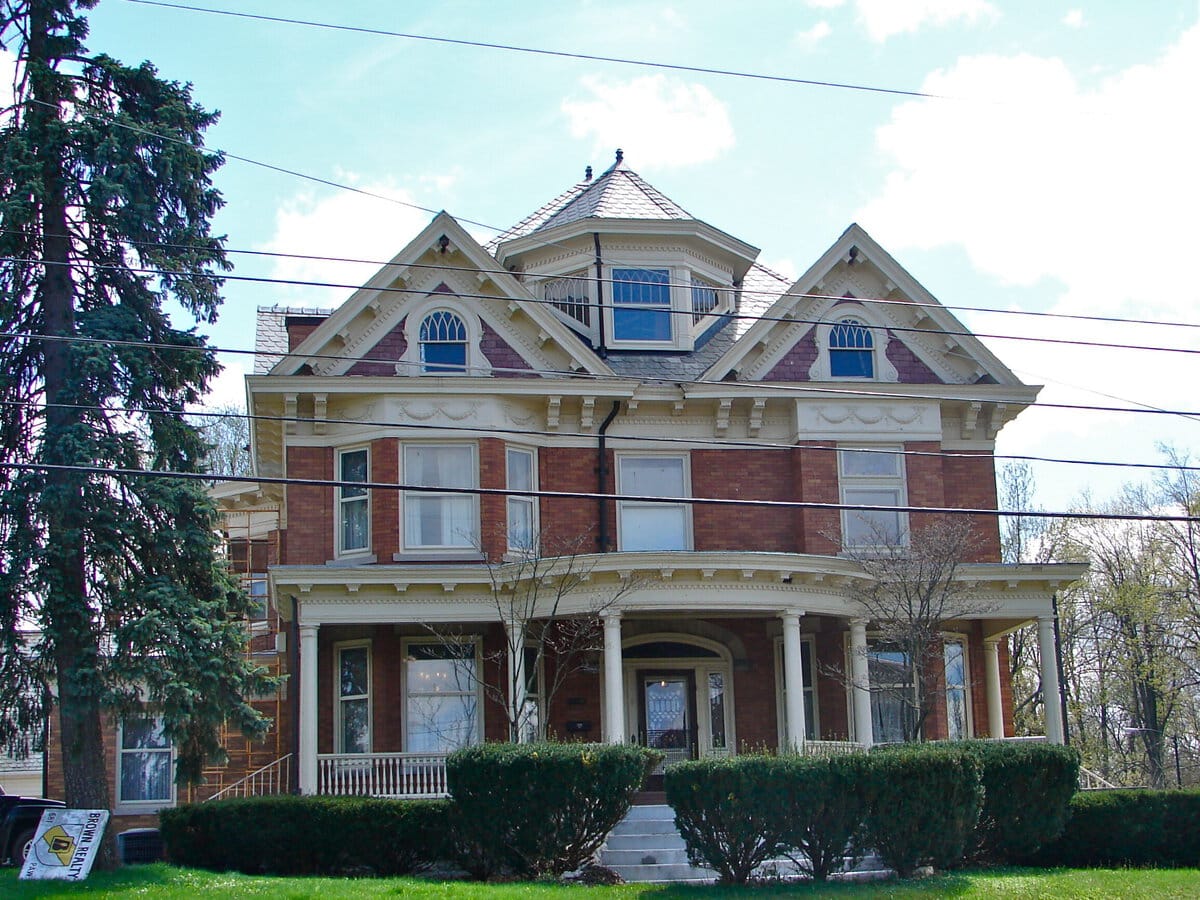
The typical home value reached $157,092 in June 2026.
That is the number likely to pull a distant buyer toward a real-estate search.
It is low enough to make a garage, a spare bedroom, or a manageable mortgage feel possible again.
The bargain has a local shape.
Wages run below national averages, manufacturing still matters, most households will find a car difficult to avoid, and nearly 50 inches of snow arrives in a normal year.
Ordinary life may cost less, provided the household arrives with a realistic plan.
The House Price Changes the Conversation
The typical home value was $157,092 in June 2026, up 6 percent from a year earlier.
The typical observed market rent was $865.
Those figures place the city in a category that has nearly vanished from many parts of the country: a regional center where homeownership can still be considered by households without unusually high incomes.
The longer-view numbers are even lower. From 2020 through 2024, the median value of owner-occupied housing was $119,600.
Median monthly owner costs for households with a mortgage were $1,095, while median gross rent was $814.
Just over half of occupied homes were owner-occupied.
Lower prices often bring more variation in condition.
A house with generous rooms and solid masonry may also have an aging furnace, dated wiring, a damp basement, or years of delayed exterior work.
The inspection needs to be read as a future budget.
The advantage is strongest when a buyer keeps cash for repairs, winter utilities, insurance, and vehicle costs.
A smaller, better-maintained house can beat a larger property carrying several quiet emergencies.
Work Still Has a Factory Floor
The metropolitan economy employed roughly 9,400 people in education and health services, 9,300 in trade, transportation, and utilities, and 9,200 in manufacturing in preliminary May 2026 data.
Unemployment stood at 3.2 percent, although total nonfarm employment was slightly lower than a year earlier.
Manufacturing is not a nostalgic footnote.
Production occupations represented 12.3 percent of area employment in May 2024, more than twice the national share.
The workforce included assemblers, fabricators, inspectors, computer numerically controlled tool operators, and tool and die makers.
The area's mean hourly wage across all occupations was $25.45, compared with $32.66 nationally.
Healthcare practitioners and technical workers averaged $43.35 per hour, while production workers averaged $21.48.
Computer and mathematical occupations made up only 1 percent of local employment.
That mix creates a clear fit.
Nurses, technicians, machinists, maintenance workers, logistics employees, and public-sector workers can find a recognizable market.
Remote workers can bring a larger salary base into a cheaper housing market.
Someone seeking a deep ladder in technology, finance, media, or corporate management may find the local options thin long before the mortgage becomes uncomfortable.
Short Drives Shape the Weekday
The average commute is 20.7 minutes. The city covers 30.83 square miles and has about 1,542 residents per square mile.
In practice, that combination produces a daily routine built more around short drives than around one dense center where every need sits within walking distance.
That can feel easy.
A parent may leave work, collect a child, stop for groceries, and still reach home without losing the evening to traffic.
Hospital care with emergency services is available inside the city.
The cost is dependence. Two adults working different shifts may need two vehicles.
Teenagers remain reliant on rides. Older residents who stop driving can lose independence.
Nearly one resident in five is 65 or older, and 16 percent of people under 65 report a disability.
A short commute is a benefit, but it should not be confused with a car-light lifestyle.
Households comparing this city with a denser place need to add insurance, fuel, repairs, and winter wear to the monthly calculation.
Low Prices Do Not Remove Overhead
The median household income is $44,540, and 23.5 percent of residents live below the poverty line.
Cheap housing exists inside that income reality.
It is not evidence that every household feels financially comfortable.
The headline home price also leaves out the expenses that decide whether ownership remains manageable.
Property taxes vary by address and school district.
Insurance depends on the house, the insurer, and the owner's history.
Heating costs can change sharply between two houses that appear similar from the curb.
Municipal income tax, vehicle expenses, and repairs continue after the closing photographs are taken.
Renters face their own version of the same arithmetic.
An $865 market-rent index is low by national standards, but it still takes a meaningful share of a local paycheck.
Deposits, utility setup, transportation, and basic household costs do not shrink in proportion to rent.
The city rewards buyers and renters who arrive with a stable income plan.
Moving first and assuming the right job will appear later is less convincing.
The housing market offers breathing room, not immunity from a weak month or an expensive repair.
" by Smallbones is licensed under CC CC0 1.0
Schools Begin With the Exact Address
The city school district enrolled 3,183 students across eight schools in 2023-2024.
It employed 248.44 full-time-equivalent classroom teachers, producing a student-teacher ratio of 12.81.
Those figures describe the system's size, not whether a particular classroom or program will suit a child.
A districtwide number cannot answer questions about transportation, special education, advanced coursework, career-technical programs, athletics, or discipline.
Families should verify the assigned district and school before making an offer.
A mailing address that uses the city name does not necessarily settle the school assignment.
The practical research happens at the address level: current state report cards, graduation outcomes, chronic absenteeism, transportation arrangements, and a visit during an ordinary weekday.
This is one place where a low house price can encourage bad speed.
A buyer sees space, a porch, and a manageable payment, then treats the school question as something to solve later.
It belongs near the beginning of the search, especially when several surrounding districts may be within a short drive.
Winter Tests the House
The local airport records 49.2 inches of snow in a normal year.
January alone averages 14.5 inches.
July's normal high is 82.8 degrees, so summer is warm without carrying the long, punishing heat common in many southern relocation markets.
Winter exposes the property.
A tired furnace stops being an inspection note, drafty windows become a monthly bill, and poor drainage appears during freeze-thaw cycles.
Snow needs to leave the driveway before work, while older roofs reveal whether maintenance was postponed.
Buyers should ask for utility histories when available and inspect insulation, gutters, roof edges, windows, drainage, and heating equipment.
The lowest purchase price can lose its advantage quickly if the house demands several systems at once.
The other seasons are easier to enjoy. Fall suits the older streets and substantial trees.
Spring can be muddy and indecisive, but it breaks the winter routine.
Summer leaves room for outdoor time without turning every afternoon into a negotiation with extreme heat.
" by RegulusAlpha is licensed under CC BY-SA 2.0
The Weekend Follows an Older Map
The city does not need a manufactured entertainment district to prove that it has an identity.
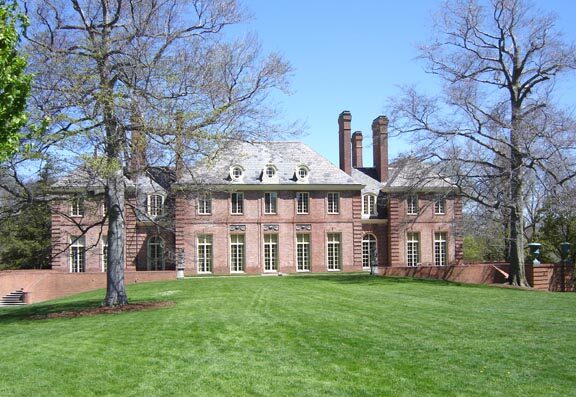
Park Avenue West carries several properties listed on the National Register of Historic Places.
Kingwood Center was listed in 1976. The Ohio Theatre and Ohio State Reformatory followed in 1983.
These places give the weekend a physical backdrop.
Residents may attend an event or visit a landmark, but the buildings also remain part of ordinary routes through town.
That presence gives the city a sense of accumulated time that newer low-cost suburbs cannot easily imitate.
Population stability reinforces the feeling.
The 2025 estimate was only 0.2 percent below the revised 2020 base.
Streets and institutions are not being reinvented every construction season.
For some people, that continuity feels settled and manageable.
Others will read the same pace as stagnation, especially if they want constant openings, rapid development, and a larger social scene.
A typical weekend may mean one local destination, practical errands, time at home, and no long battle with traffic.
The city offers room for routine, not novelty on demand.
What Living in Mansfield, Ohio, Actually Means
The city is Mansfield, a north-central Ohio regional center shaped by manufacturing, healthcare, older housing, short drives, and a population that has barely changed in recent years.
It fits a skilled trades worker who wants ownership without a heroic mortgage.
It can work for a healthcare employee, a remote worker, or a retiree who values space and nearby hospital care.
Families may gain useful financial margin, but only after checking school assignments and the condition of the house rather than buying from a citywide impression.
Safety also demands address-level research.
The available federal city table is from 2019, too old to support a responsible verdict about conditions in 2026.
A current decision should rely on recent local records, visits at different times of day, and the exact block rather than an old ranking.
The weaker matches are equally clear. Living without a car will require more planning than the short commute suggests.
A professional seeking a deep white-collar job market may outgrow the local options.
A buyer who dislikes snow, maintenance, or uneven property conditions should not let the headline price make the decision.
Mansfield's strongest promise is modest but increasingly rare.
Ordinary life can still fit inside an ordinary income.
The city does not remove risk or deliver reinvention through lifestyle branding.
It gives careful households a housing market they can still negotiate with, enough local infrastructure to manage daily life, and a pace that leaves more room for home than for spectacle.
References
Zillow, Mansfield, OH Housing Market, Housing data source: Zillow Home Value Index and Zillow Observed Rent Index, June 2026. Data Provided by Zillow Group.
U.S. Census Bureau, QuickFacts: Mansfield City, Ohio, 2025 population estimate and 2020-2024 housing, income, demographic, and commuting data.
U.S. Bureau of Labor Statistics, Mansfield, OH Economy at a Glance, preliminary May 2026 employment and unemployment data.
U.S. Bureau of Labor Statistics, Occupational Employment and Wages in Mansfield - May 2024, employment concentrations and mean hourly wages.
National Center for Education Statistics, District Detail for Mansfield City, 2023-2024 enrollment and staffing data.
Centers for Medicare & Medicaid Services, OhioHealth Mansfield Hospital, current hospital and emergency-service information.
National Centers for Environmental Information, Mansfield Lahm Municipal Airport Monthly Climate Normals, 1991-2020 temperature and snowfall normals.
National Park Service, Ohio National Register List View, historic-property listings for the city.
Federal Bureau of Investigation, Ohio Offenses Known to Law Enforcement by City, 2019, historical city-level crime data not used as a current safety rating.
Independent Publisher Notice
BestAttractions is an independent editorial publisher. We are not affiliated with, endorsed by, or acting on behalf of any location, business, property owner, manager, government agency, or organization described in this article.
Comments posted on this page are not forwarded to, reviewed by, or acted upon by any entity mentioned in the article.
For official inquiries, complaints, applications, bookings, or other requests, please contact the relevant entity directly through its official website or other verified channels.