
Lloyd Center Mall and Ralph Lloyd's Eastside
Lloyd Center Mall started, as Portland often does, with a plot of land that kept getting re-described, until it finally agreed to cooperate at all in the end.
In 1868, Ben Holladay - the California transportation magnate nicknamed the "Stagecoach King" - arrived in Oregon, built the first part of railroad between Portland and California, and bought real estate just north of Sullivan's Gulch.
He lost those holdings in the depression of 1874, but his name stayed behind, stapled to the map.
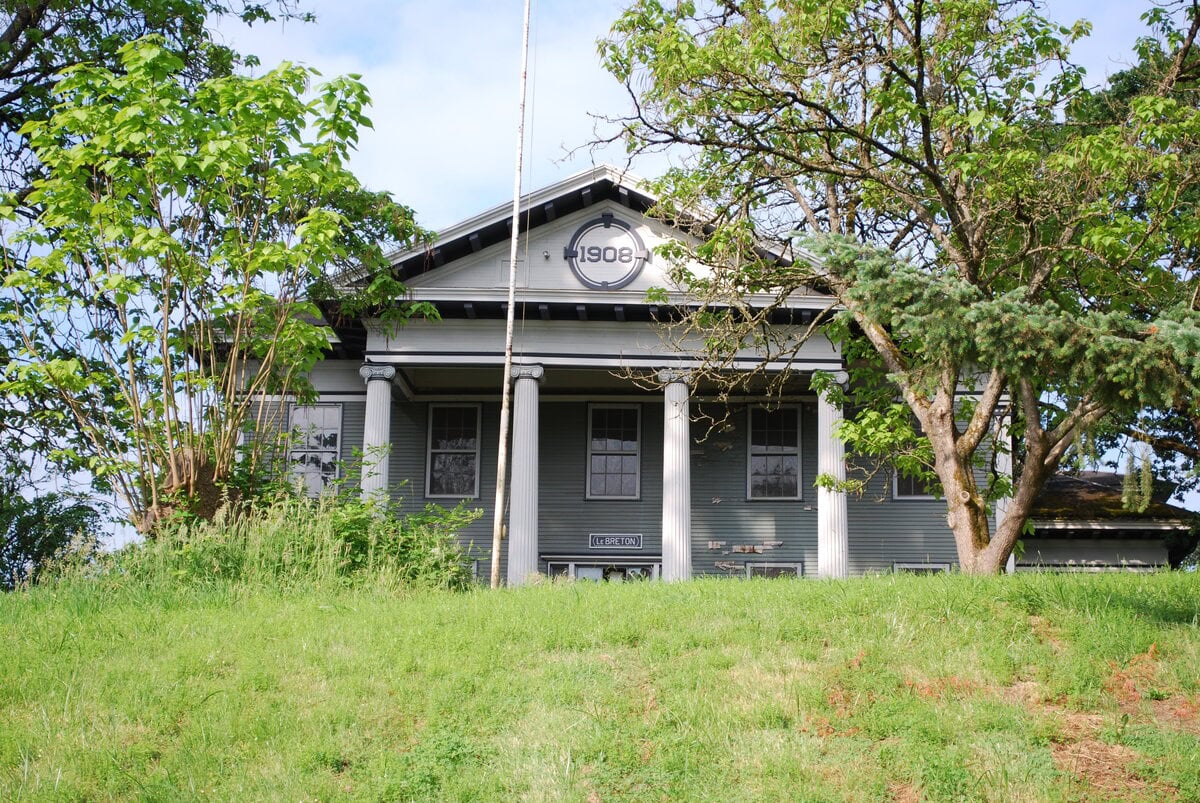
Ralph B. Lloyd came later, in 1905. He was a rancher and businessman from California who liked to plan big things and was willing to wait for results.
In 1913, he found oil on his ranch in California and became a millionaire in just a few years, the kind of quick wealth that often leads to big ideas.
In 1926, he bought Holladay's Addition for more than a million dollars and then quietly collected another 170 parcels, until he owned roughly a hundred blocks in northeast Portland by the time he died in 1953.
His ambition was not just to build a project but to relocate a city's habits.
He wanted to shift Portland's "center of gravity" from downtown to the east side, creating a self-sufficient district of retail, entertainment, and residences.
This second downtown would make the first one look, if not obsolete, at least nervous.
From Railroad Ravine to Nine-Hole Promise
Lloyd's ideas were bold and hopeful, as if he thought he could convince the land to do what he wanted.
He suggested building a baseball stadium near where the Rose Quarter is now, and a big hotel and apartment building just east of Holladay Park.
He even dreamed of making Sullivan's Gulch nicer by covering the railroad and building a one-mile park between Grand Avenue and NE 12th, turning the tracks into a tunnel with a walkway and plants on top.
It was an early example of the kind of big city idea that comes up when someone sees a ditch and wonders, "What if this could be nice?"
The Great Depression, World War II, and the rise of the automobile intervened, but Lloyd did manage a telling rehearsal of his larger idea.
On October 1, 1932, his company opened a "sporty" nine-hole golf course and driving range in the bottom of Sullivan's Gulch between NE 12th and NE 21st.
People at the time talked about how much the area had changed. The gulch, once called an "unsightly" railroad ravine, became a landscaped place for recreation.
The clubhouse on NE 12th lasted into the late twentieth century, a small reminder of a bigger dream.
The idea to build a park over the railroad tracks never really happened. The golf course did, and it lasted until January 1956, when building the Banfield Expressway, now carries I-84, changed the gulch for good.
In Portland, the freeway did what freeways usually do: it removed one place to make room for something new.
1960: A Hundred Shops, Eight Thousand Cars
Decades of delay followed, blamed variously on economic collapse, war, and Portland's famously cautious posture toward large-scale development.
Lloyd did not live to see the centerpiece, but his heirs pursued the property "in response to his dream to make East Portland grow and prosper."
The chosen site was a roughly fifty-acre tract about a mile northeast of downtown, near Holladay Park and adjacent to the Banfield Expressway.
It was configured for a new civic deity: the car. The late 1950s construction was described in terms that suggested urban renewal.
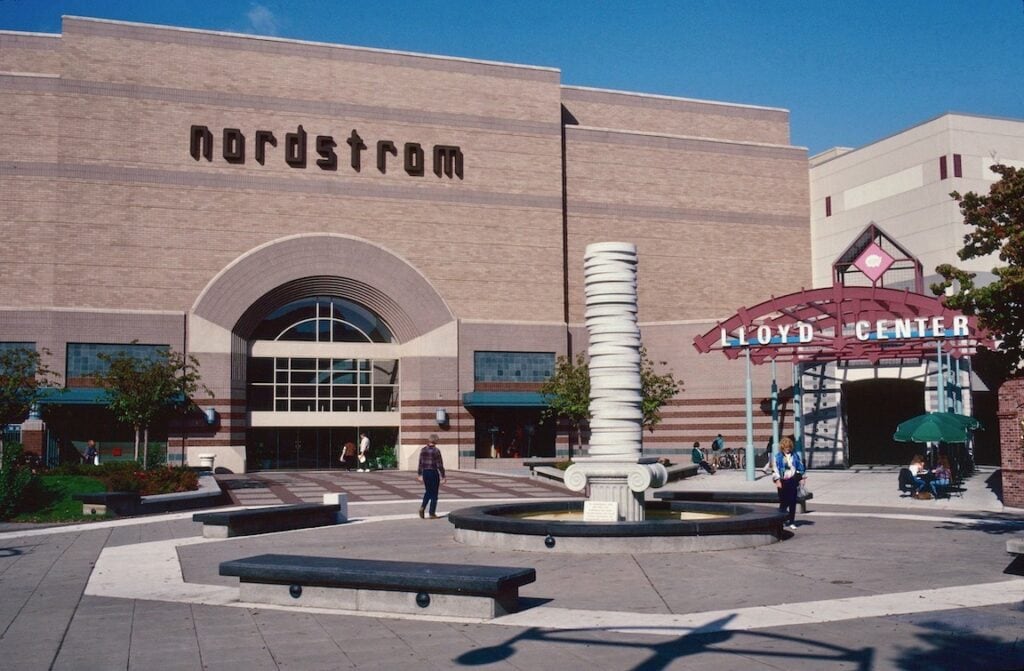
When Lloyd Center officially opened on August 1, 1960, it arrived at a reported cost of about $100 million, with 1.2 million square feet of rentable space.
Portland Mayor Terry Schrunk presided, Oregon Governor Mark Hatfield attended, and several thousand people showed up to witness the novelty and the scale.
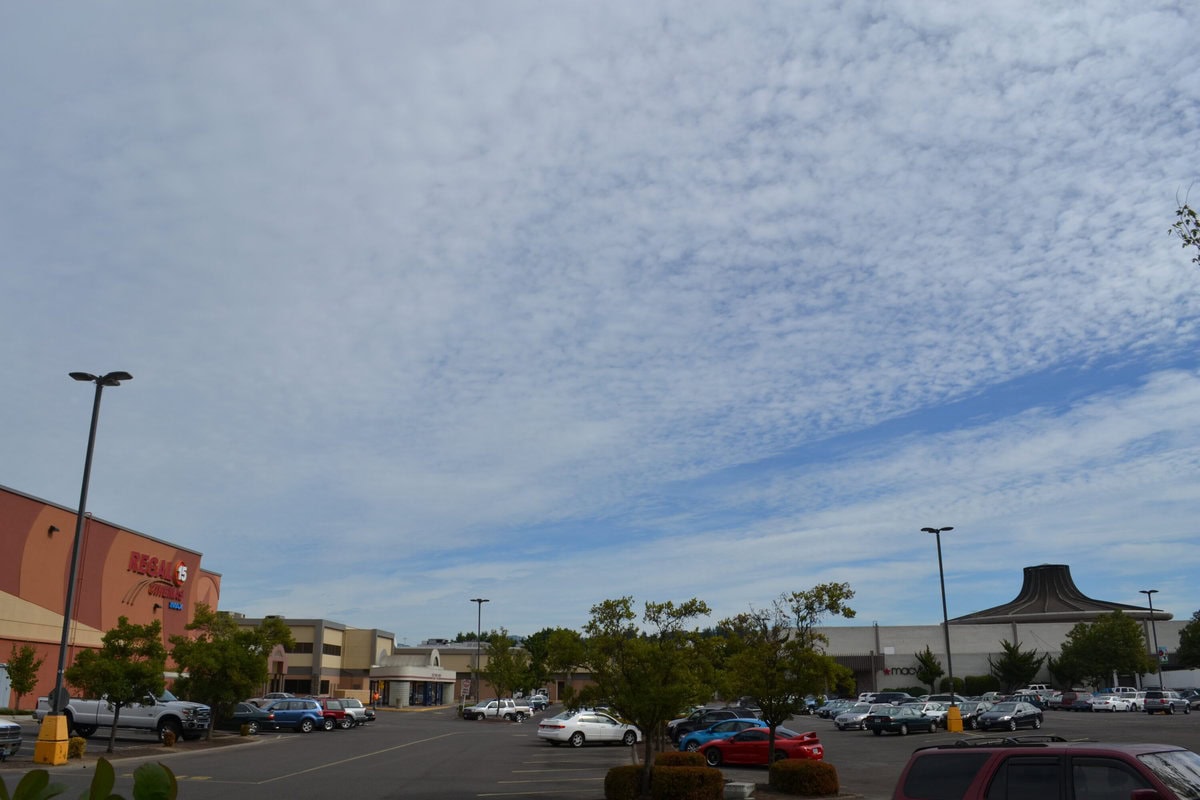
The original complex was open-air, with two principal tiers of shops and services and around 8,000 paved surface parking spaces.
Meier & Frank held the center; Best's and Nordstrom's Shoes anchored the west; JCPenney and Woolworth the east; J.J. Newberry the north, its Lloyd Center store the largest in the chain.
The design did not so much court downtown as challenge it, offering freeway convenience, easy parking, and a promise that shopping could be a destination rather than a duty.
The Ice Rink as Stage, Memory, Argument
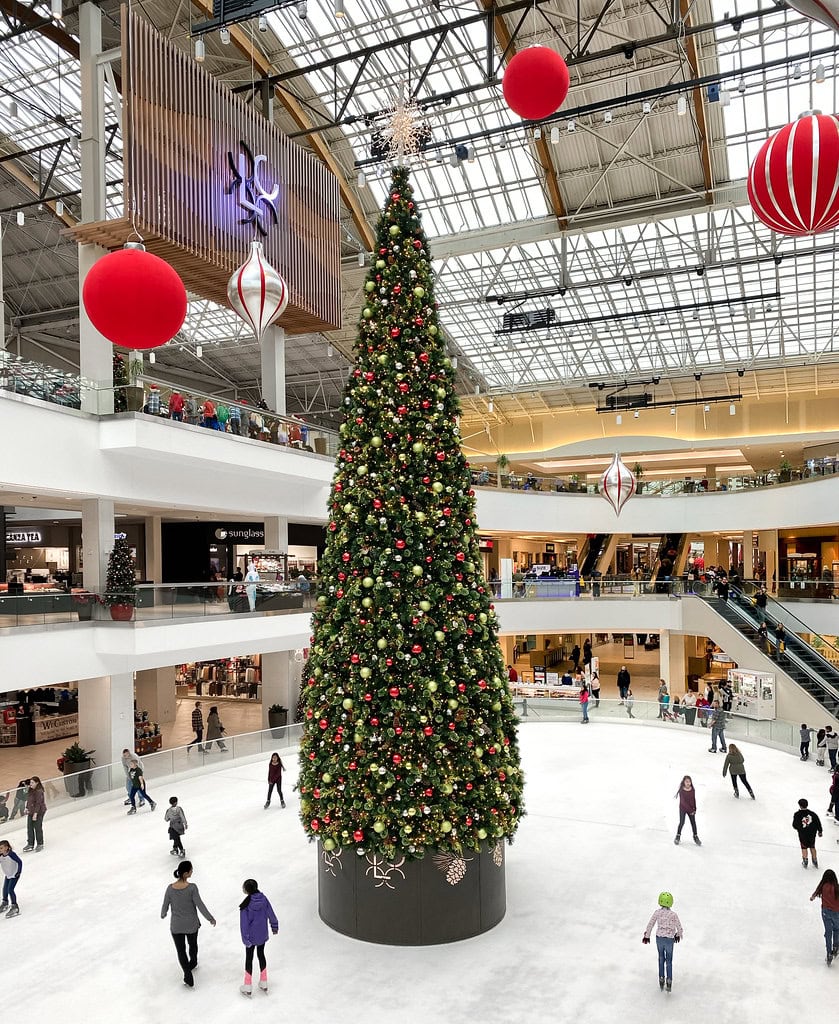
If the mall's parking fields were its logic, the ice rink was its poetry.
Opened in 1960 at the center of Lloyd Center, it is described as the world's first shopping-center ice rink (however there was an ice rink in Roosevelt Field, Long Island, NY opened in 1956), an open-air sheet of ice embedded in commerce.
In its first two years, it drew more than a million visitors, which meant that a trip for shirts and a trip for skating could become the same trip, and often did.
The rink also worked as a civic stage, the sort of place where the mall could borrow glamour and return it as a local story.
Actor Jim Backus, the voice of "Mr. Magoo," performed a couple's routine there with a bear, a sentence that belongs to a different insurance era.
About a 10 days before his assassination in June 1968, Robert F. Kennedy and Ethel Kennedy skated at Lloyd Center. That moment of public fun now feels like a delicate memory.
Tonya Harding also started learning to skate there when she was three, beginning her journey to the Olympics while shoppers watched.
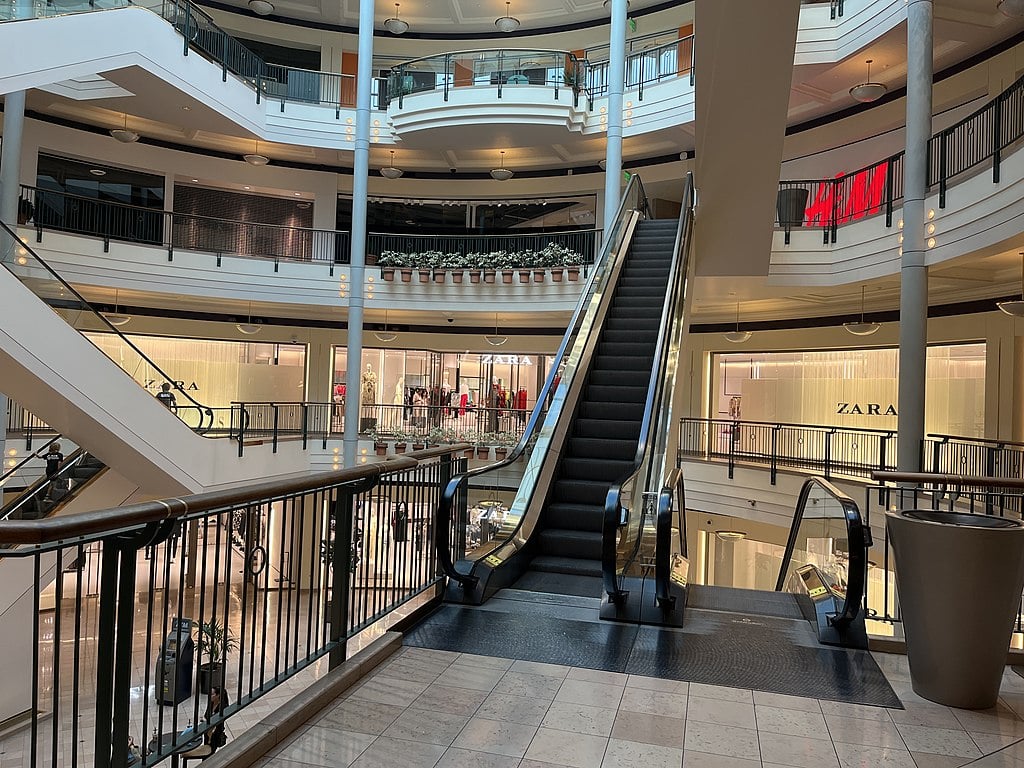
When Lloyd Center was enclosed between 1988 and 1991, the rink traded open air for an atrium roof.
A big renovation finished around 2016 moved the rink a little and made it smaller, changing it from a full-size rectangle to a smaller oval in the center so people could see it better and get more sunlight, with better views from the food court and upper floors.
The adjustment landed softly but not silently. Skaters pointed out that the rink, at less than four-fifths its old size, made some activities harder now, thanks to a new shape.
Rebrands, Add-ons, and the New Rivalry
The early years of Lloyd Center were not unchanging; the mall kept making small changes, always trying to stay up-to-date.
Nordstrom's story is one example of this.
In 1963, Nordstrom's Shoes from Seattle bought Best's clothing stores. In 1967, Best's stores were renamed Nordstrom Best.
By 1973, the name was shortened to "Nordstrom," and the Lloyd Center store did the same. This small name change showed a bigger change in which stores were most important in the area.
The mall expanded physically, too.
By 1971, the scale of the major stores was already part of the mall's mythology: Meier & Frank at 314,000 square feet, Newberry's at 100,000, Penney at 97,370, Woolworth at 62,730, Nordstrom Best at 52,890.
In fall 1972, about 75,000 square feet were added, including six new stores and a 50,000-square-foot Lipman's (Lipman & Wolfe).
In 1973, JCPenney remodeled and enlarged its Lloyd Center location to about 144,000 square feet.
Lipman's, meanwhile, became a case study in department store impermanence. Frederick & Nelson acquired the Lipman chain in 1979 and converted the store.
In 1987, the Lipman's name resurfaced elsewhere in the north part of the mall, then the space shifted to Spokane-based The Crescent, and by March 1988, it passed to Lamonts of Bellevue.
Outside the mall, more competitors appeared, like Eastport Plaza, Mall 205, Vancouver Mall, and Clackamas Town Center.
When downtown's Pioneer Place opened in 1990, it made it clear that shoppers' loyalties in the region were changing.
Enclosing the Air: 1988-1991 Reinvention
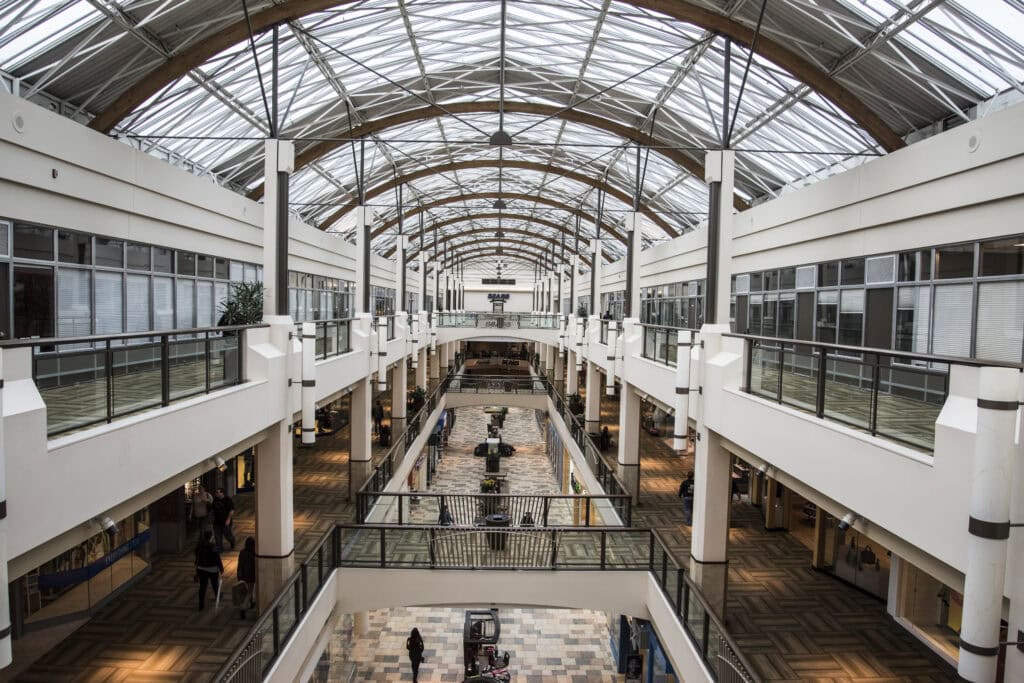
By the mid- to late 1980s, Lloyd Center was widely regarded as an aging property, not because it had stopped working, but because the national idea of what a mall should be had changed.
The standard was now enclosed and climate-controlled. Lloyd Center, still open-air, carried an earlier vocabulary: breezeways, weather, and the faint suggestion that shopping might require a jacket.
The response was a major renovation and enclosure project carried out between 1988 and 1991.
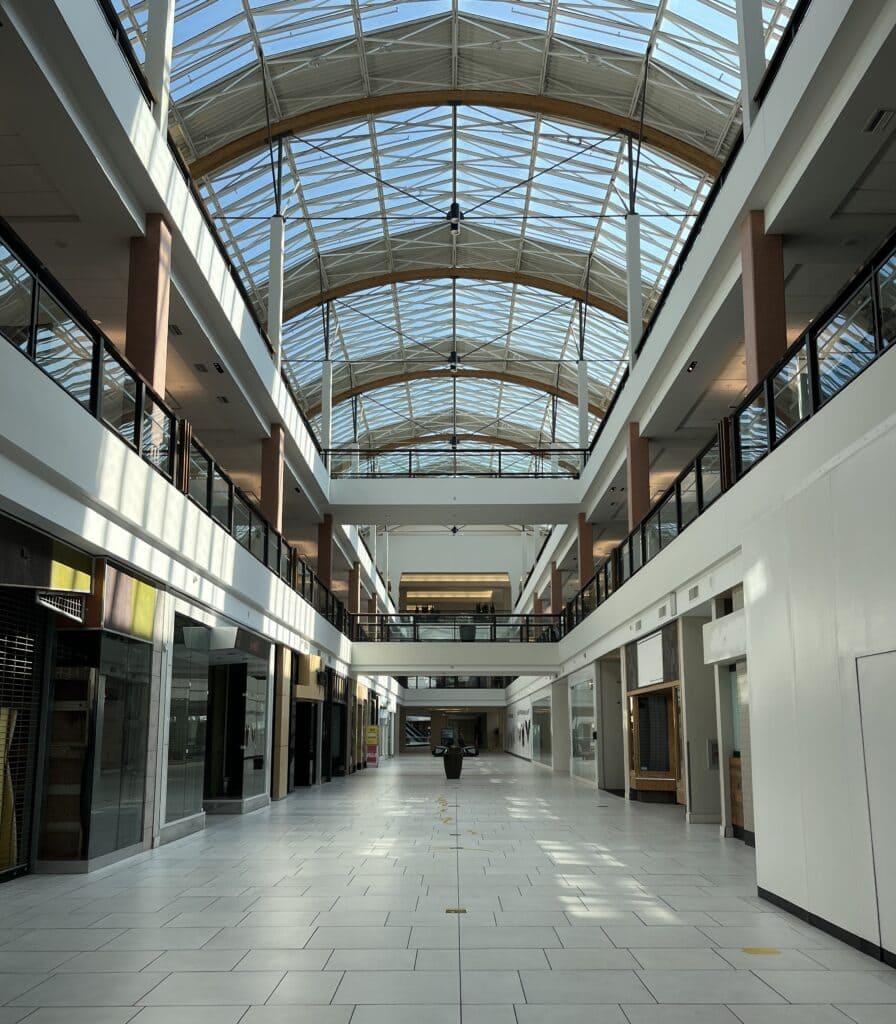
The work changed the walkways, rebuilt some main store areas, updated the look and basic systems, and added a new food court upstairs.
The project ended with a public reopening in August 1991, showing off a "new look" meant to match what people expected from modern indoor malls.
Nordstrom became the main highlight of the changes. By the late 1980s, it chose to build a bigger, more modern store at Lloyd Center.
The old Lipman/Frederick & Nelson building was torn down and replaced with a new three-story Nordstrom that opened in August 1990.
The old Nordstrom spaces in other parts of the mall were cleared out and turned into smaller shops, a kind of reuse that made the mall feel newly organized.
At first, the renovation was expected to cost tens of millions of dollars, but later reports said it was much more expensive.
No matter the final amount, this shows how big the project was.
Entertainment was added too: Act III opened an eight-screen cinema inside the mall (Lloyd Mall  in December 1991, and a separate ten-screen theater nearby (Lloyd Center 10) had already opened in December 1986 (later operated by Act III).
Together, the two multiplexes helped position Lloyd Center as an evening destination, not just a daytime shopping stop.
From Anchors to Absences: 1998-2013
The years after the mall was enclosed did not bring stability. Instead, there were frequent changes in who owned the mall and the big stores that anchored it.
By 1995, investors led by Hank Ashforth bought seventeen blocks in the Lloyd District, showing that the area around the mall was being changed, whether the mall was ready or not.
In 1998, Glimcher Realty Trust acquired Lloyd Center for $167 million. That same year, JCPenney closed at Lloyd Center. Sears moved into the former JCPenney space in 1999 and remained for many years.
J.J. Newberry's Lloyd Center store closed in 2001 as the chain collapsed and ultimately went out of business shortly after.
The department store era was beginning to loosen its grip.
In 2006, Meier & Frank was rebranded as Macy's, the original flagship anchor turning into a national nameplate.
After a plan to sell the whole mall did not work out in 2009, Glimcher sold 60% of it to Blackstone Real Estate Partners in 2010.
This move, after the financial crisis, made the mall feel more like a business deal than a shopping center.
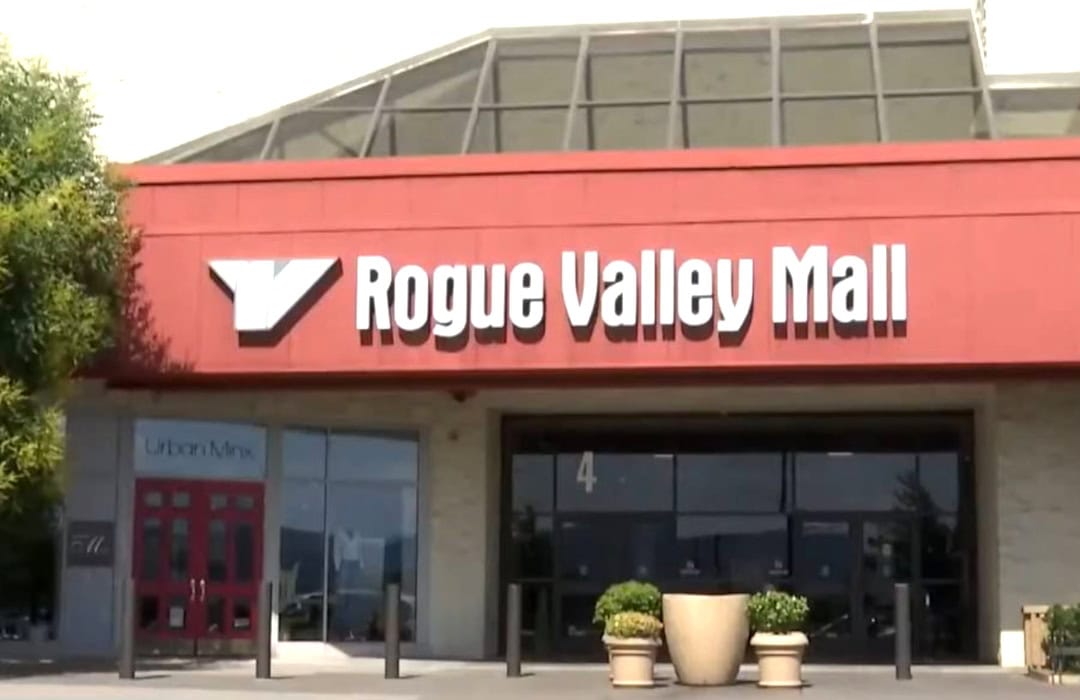
In June 2013, Cypress Equities bought the property for $148 million and announced a major renovation in January 2014.
Renovations, exits, and 2015-2021 unraveling
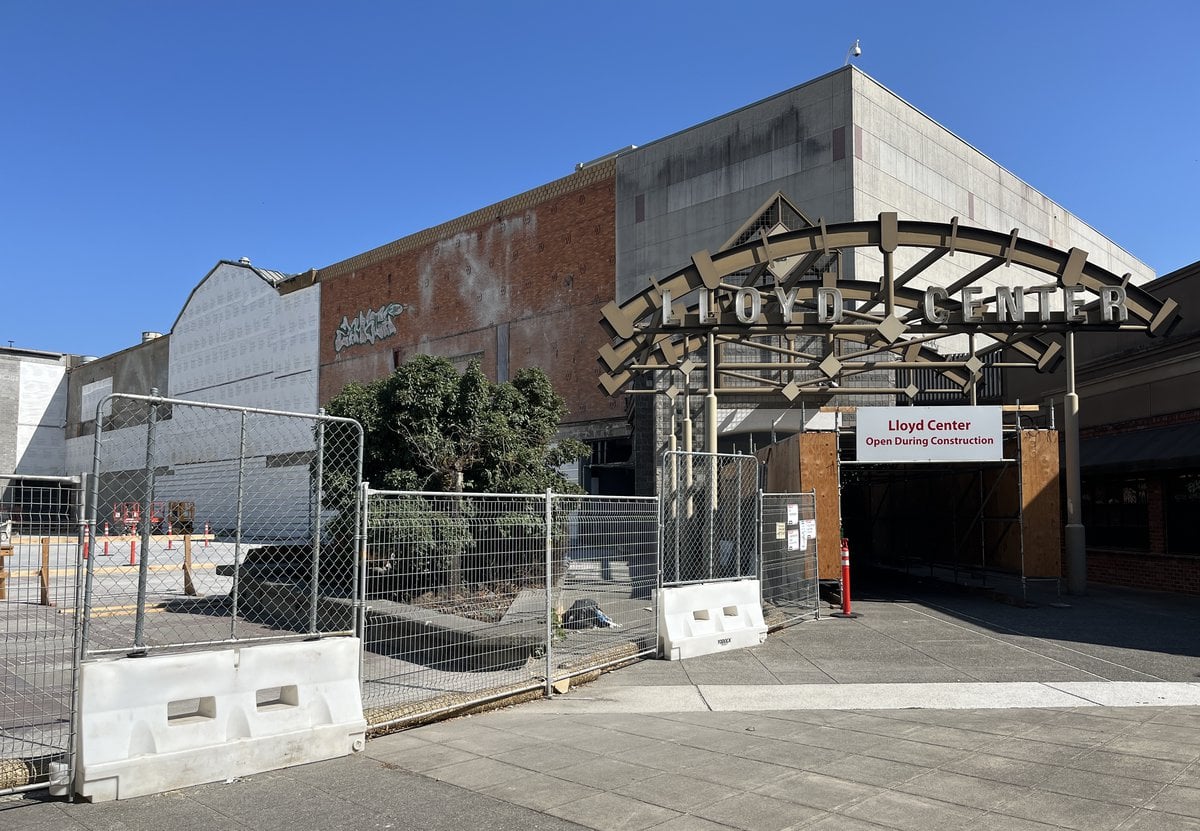
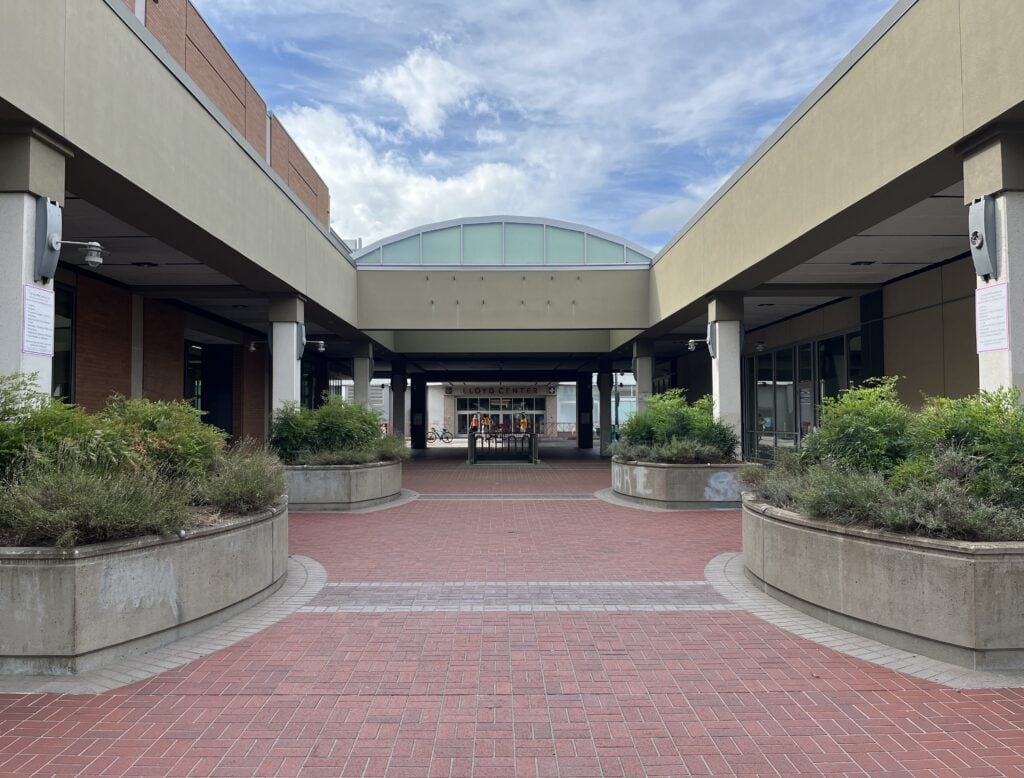
Work began in March 2015, with goals that seemed to fix the mall's old-fashioned design: easier entrances for people walking, brighter inside spaces, a main spiral staircase, better and combined food areas, and more shops facing the street to make the building more open and welcoming.
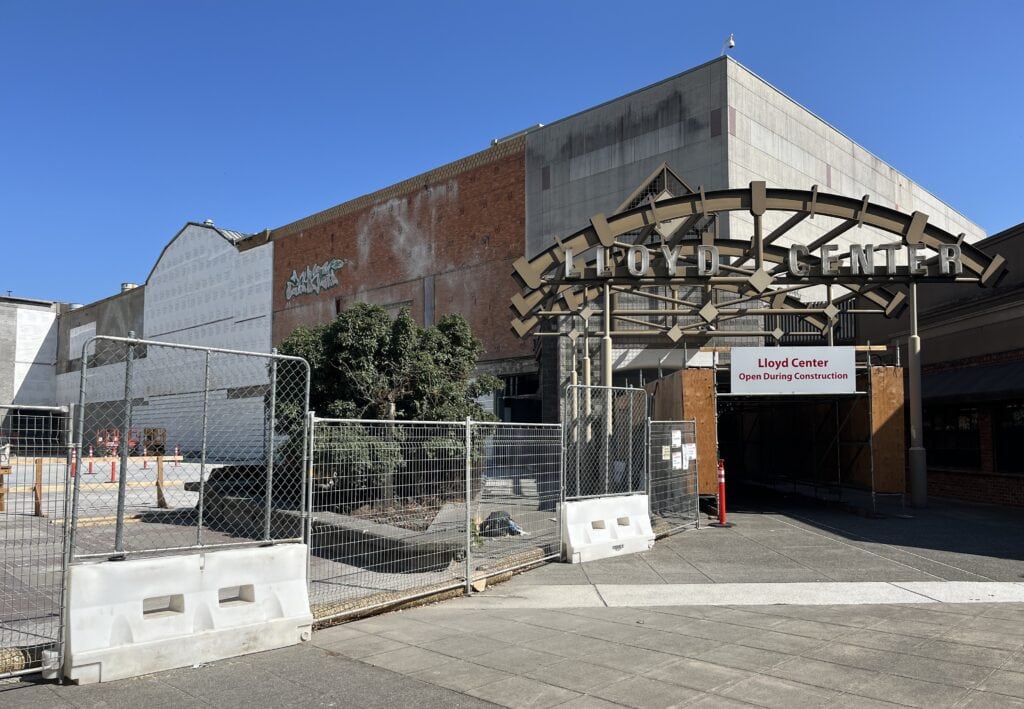
Nordstrom, however, closed on January 10, 2015, just as redevelopment started, removing a longstanding anchor at the precise moment the mall was trying to look confident.
The late 2010s brought a cascade. Sears sold its 143,000-square-foot space to the owner in 2016; it announced closure on January 4, 2018, and closed in early April.
Marshalls announced it would close by the end of January 2019.
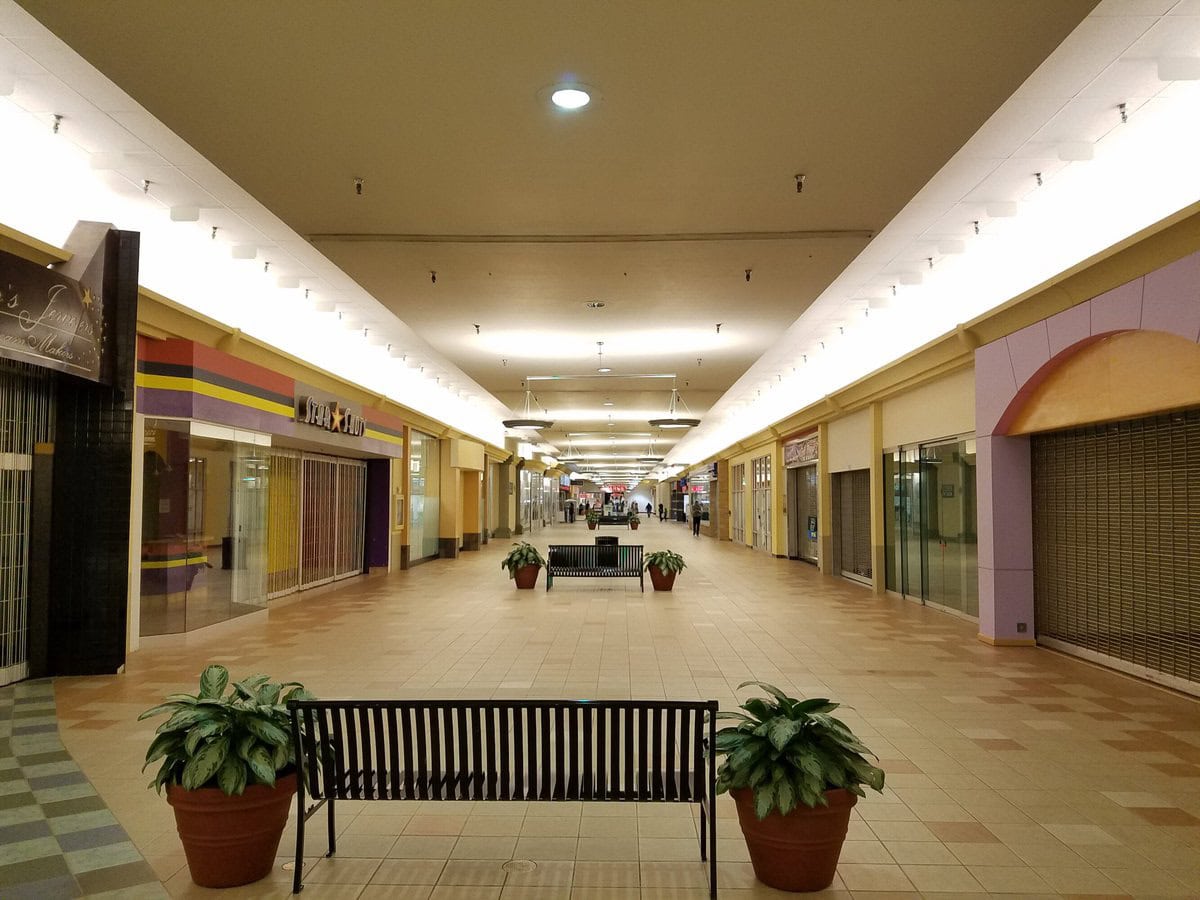
Reports of theft, cars being broken into, and used needles left in restrooms and other areas made people lose trust, while more and more stores stood empty.
The early 2020s compressed every pressure at once: retail decline, debt, and the pandemic. Macy's announced in 2020 that it would close the Lloyd Center store in 2021, leaving no traditional department store anchors.
In January 2021, Old Navy announced it would close by the end of the month, and the first-floor stretch near the former Sears and Marshalls became a corridor of vacancies.
On August 6, 2021, a two-alarm fire in the basement damaged the electrical system and shut the mall for more than three weeks.
On November 1, 2021, foreclosure was reported: KKR Real Estate Finance Trust would foreclose by year's end over nonpayment on an approximately $110 million loan, unpaid since October 2020.
On December 20, 2021, Urban Renaissance Group teamed up with KKR Real Estate Finance Trust to become the new owner and manager.
They promised to listen to tenants, neighbors, and city officials.
Public messages said "creative workspaces" would remain, the rink would still be a main feature, and Lloyd Center would stay open as changes happened gradually, with stores staying open when possible.
2022–2024: Pop-ups, indie tenants, and the redevelopment master plan
Instead of a big return to shopping, the types of businesses changed completely. In 2022, small businesses focused on art and culture moved in, attracted by low rent.
Vacant large spaces became laboratories: immersive art like "Painted Pines," Trackers Earth in the former Marshalls, bringing children and families in daily, local theater, pop-up art, and even performance work around the dry fountain sculpture Capitalism.
Jumbo's Pickleball moved into former Regal Cinema space in 2024, turning recreation into a new kind of tenant. Longtime small businesses like Joe Brown's Carmel Corn kept a connection to the mall's past.
The operators said they signed dozens of new leases and renewed over ninety percent of existing tenants as a way to keep things stable while planning for the future.
In September 2023, that plan was unveiled as a conceptual master plan: a transformation of the 29.3-acre site into a mixed-use neighborhood integrated into Portland's street grid, with thousands of housing units at varied affordability, experiential retail and workspaces, potential office capacity, and roughly twenty percent of the site devoted to open spaces.
ZGF Architects led, with Field Operations designing the parks and public realm, joined by DOWL, KPFF, DKS Associates, Radler White Parks & Alexander, and engagement consultants.
The process included a citywide public opinion poll and more than eighty opinion-leader interviews, and drew endorsements from figures including Congressman Earl Blumenauer and city commissioners.
They mentioned talks about maybe building a Major League Baseball stadium, but the plan was made to work even if that does not happen.
The changes are expected to take a long time, probably more than ten years.
Concert venue, permits, and 2025 moves to 2027
Entertainment redevelopment became the most visible early move. Live Nation had explored plans in 2018. By 2024, Anschutz Entertainment Group advanced a live-music venue proposal on the former Nordstrom footprint.
On October 18, 2024, the Portland Design Commission unanimously approved the land use application and two code modifications, clearing demolition of the former Nordstrom building and skybridge.
Demolition began in late June 2025, alongside public descriptions of a roughly 68,000-square-foot venue with seating for about 2,000 to 4,250 people and a projected first-quarter 2027 opening.
Demolition was reported complete in September, with crews moving to foundation work at 901 NE Multnomah Street; costs were estimated at $80 to $90 million.
On November 10, 2025, a City of Portland land use review intake listed a pending voluntary Central City Master Plan for the site, describing a framework to redevelop the roughly 27.1-acre mall property (including the Regal Cinemas parcel) into fourteen areas with about seven million gross square feet of development, new public rights-of-way, and 6.18 acres of publicly accessible open space.
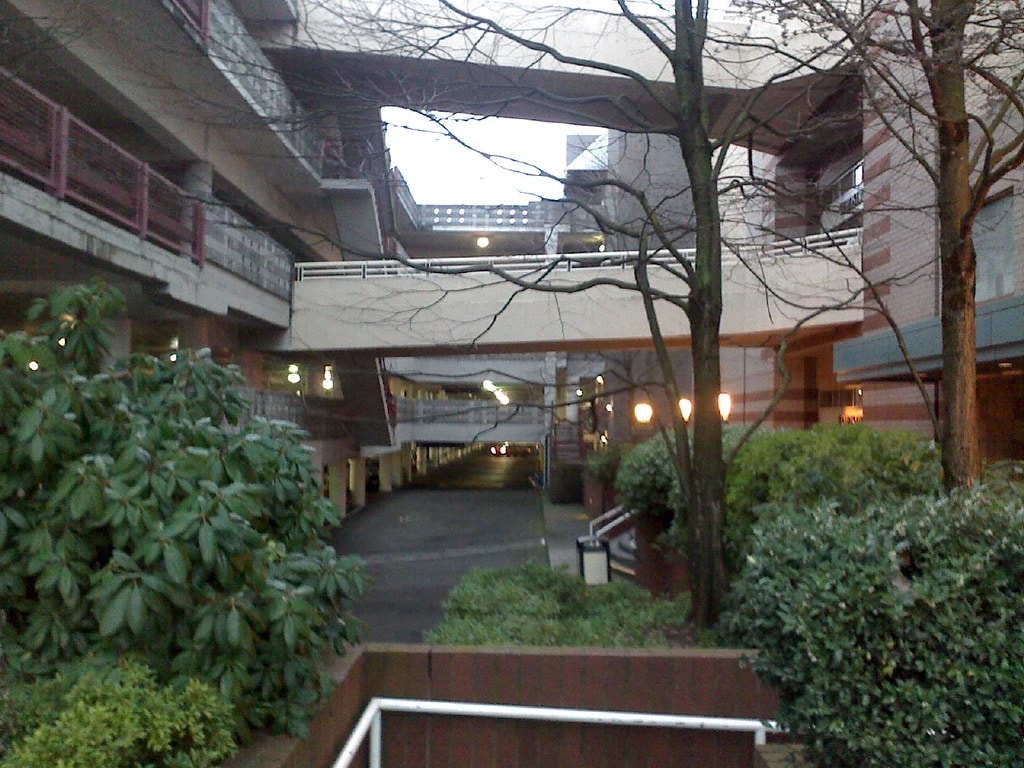
In late 2025, ZGF described the core strategies with disarming clarity: remove the parking walls that isolate the site, re-establish smaller blocks that reconnect to the grid, and center the neighborhood around parks and open space.
Lloyd's old idea of a second downtown is finally being pursued at full scale. The twist is that it will not be anchored by department stores.
It will be anchored by housing, parks, and a crowd filing into a venue where Nordstrom once stood.
And if you listen closely enough, somewhere under the new foundation work, you can almost hear a skate blade.
I used to go to Lloyd Center as a kid in the early 90's I would skip school with my friends to go Lloyd Center in the late 90's. It should not be torn down to put up expensive apartments that no body can afford.
I understand the frustration. When longtime community spaces change, it can feel personal. Those memories matter.