
The Johnstown Galleria arrives, already ahead
The Johnstown Galleria sits at 500 Galleria Drive in Johnstown, Pennsylvania, in Richland Township, a two-level enclosed mall built as a regional announcement.
Zamias Services, Inc., founded by mall developer George D. Zamias, developed it with fresh optimism.
The location was marketed as easy: roughly seventy miles east of Pittsburgh, with its own exit off US-219, and the implied promise that the drive would end in warmth, light, and shopping.
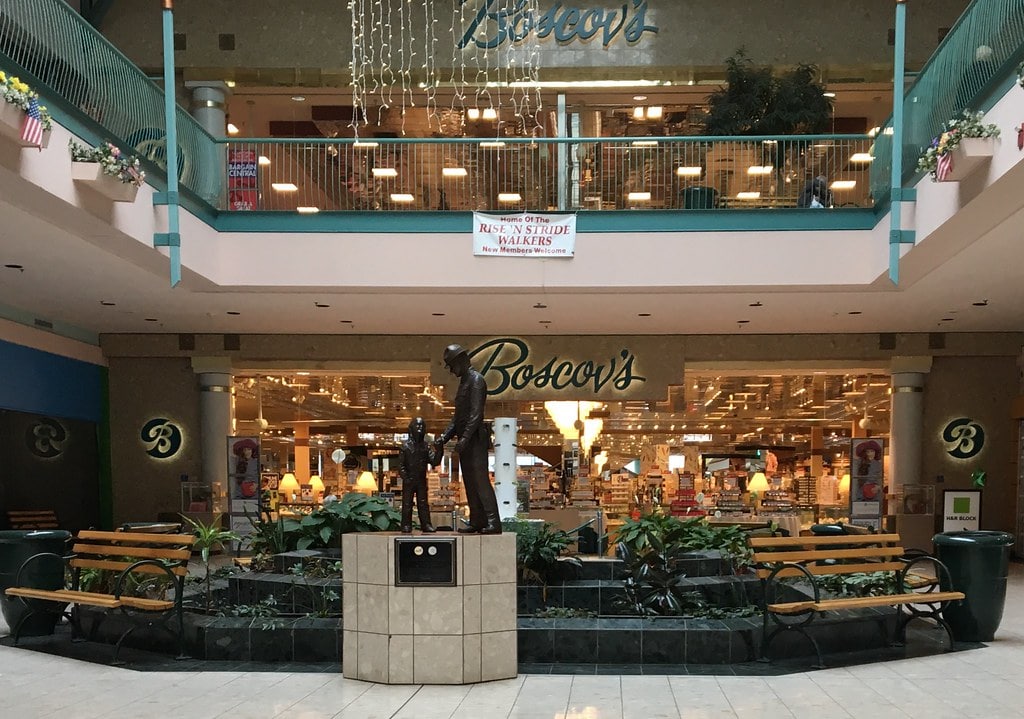
The opening came in two acts. Boscov's arrived first, on September 19, 1992, before the mall itself, and it mattered that this was the chain's first store constructed in Central and Western Pennsylvania.
Then, on October 22, 1992, Johnstown Galleria opened with seventy-two stores.
The numbers, then as now, were part of the romance: 894,600 square feet of retail floor area across two levels, four anchors at the corners, and a trade-area portrait that declared a ten-mile radius dense enough to sustain it.
Blueprints, anchors, and an empty promise
In the early nineties, a mall's reputation depended on its big stores, and Johnstown Galleria had plenty: Bon-Ton, Boscov's, JCPenney, and Sears.
The leasing plan went into detail down to each square foot, as if being exact could keep things from falling apart.
Sears was labeled at 125,800 square feet, plus a 6,000-square-foot Sears Auto Center. JCPenney was 101,000. Bon-Ton was 81,200.
Boscov's was 101,300. Around them sat the quieter math of a two-floor, climate-controlled building meant to turn errands into wandering.
The plan also included space for a fifth anchor store that never came. In 1992, that empty spot seemed like room to grow, a parking space waiting for a future tenant. Later, it felt more like a warning.
Complicating matters, some of the largest pieces of the complex were never part of one clean deed.
Boscov's, the Bon-Ton building, and the Sears building were independently owned, a fact that stayed invisible until it became the story.
A newer mall arrives; an older one closes
The Johnstown Galleria's real competition was not theoretical. Richland Mall, opened in 1974 nearby, had long served the area with a familiar set of anchors: Sears, Kmart, and Penn Traffic.
After October 1992, it faced a newer, bigger neighbor that was built for the era when retail wanted to feel like a civic institution.
Johnstown Galleria offered a two-level experience and the intangible advantage of being the place people were curious about.
Richland Mall became obsolete with startling speed. By 1998, it was shuttered. The site did not linger as a ruin.
It was later torn down and redeveloped as Richland Town Center, a power center with anchors that represented the next retail grammar: Walmart, TJ Maxx and HomeGoods, Best Buy, Ulta.
The irony, patiently stored, would return decades later when some Galleria tenants migrated to that redeveloped ground, returning to the scene of the mall that Johnstown Galleria had helped end.
The trade area, the outparcels, the pitch
Zamias's materials presented Johnstown Galleria as the main retail hub in the area, backing up this claim with a map showing many well-known brands.
The mall's orbit included not just its own anchors but the surrounding commercial constellation: Aldi, Applebee's, Sheetz, Burger King, McDonald's, Red Lobster, and other outparcel and nearby brands that turn a shopping trip into a day of errands.
The demographic snapshot was equally confident. Within ten miles: population 91,870; households 42,920; average household income $79,180; median age 45.1. Traffic was listed at thirty thousand on Route 219.
The mall had its own exit off US-219, which was seen as a key advantage. The idea was that easy access would bring in shoppers, and strong retail would support the mall's size.
For years, the thesis held. Johnstown Galleria read as the region's modern center, an indoor place where national chains arrived and where local shopping could feel current.
A $57 million sale and the split reality
From opening through 2008, Zamias Services remained the mall's operator, a continuity that helped the place feel stable through the era when enclosed malls were still a default.
In July 2008, Zamias sold the Johnstown Galleria to Gemini Real Estate Advisors for $57 million. Yet, Zamias continued to manage it, as if the building preferred familiar hands.
The sale also clarified what "the mall" meant in legal terms. A commercial real-estate account described Gemini's purchase as a 354,600-square-foot enclosed regional mall anchored by a 101,000-square-foot JCPenney.
It then underlined the exclusions: Sears, Bon-Ton, and Boscov's were not part of the deal, despite being physically and psychologically essential to the property.
In 2014, ADAR Johnstown LLC purchased the property on which the mall was located, adding another layer to the ownership stack.
For shoppers, it was still one building. For everyone trying to repair or redevelop it later, it was a collection of aligned but not identical interests.

Tax fights, Bon-Ton falls, Sears follows
By the late 2010s, the national mall downturn began to take on local accents.
In 2017, Pax Mall Realty settled a tax dispute with Cambria County over the valuation of the Boscov's anchor store, a small but telling flare of financial pressure.
In early 2018, the Bon-Ton chain began its collapse in public. Bon-Ton Stores filed for Chapter 11 bankruptcy protection in February and then liquidated.
The Johnstown Galleria's Bon-Ton, one of the mall's oldest anchor, closed in late April.
The closure window was spelled out with retail cruelty: liquidation sales slated to run ten to twelve weeks.
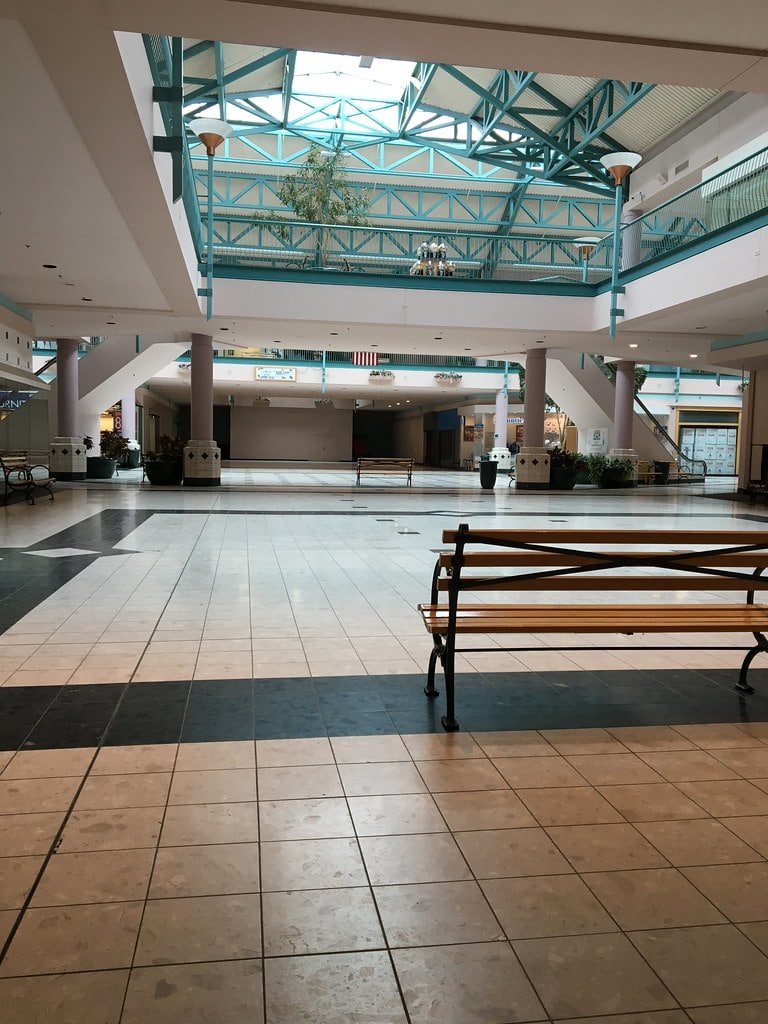
Sears closed in summer 2018, with August 5 given as the closing date. The loss of two original anchors in the same year re-shaped the mall's silhouette, leaving only Boscov's and JCPenney as operating anchors.
That year, the mall's owners won a tax reassessment case that reduced the assessed value from $6.5 million to $3 million.
Potholes, paperwork, and the slide into crisis
Decline is often felt in small embarrassments before it becomes big news.
By March 2019, the mall's parking lots and entrance roads were reported as being in bad shape, showing that repairs had been put off and people were less willing to spend money on the future.
The damage to the building matched the money problems.
In October 2019, ADAR Johnstown, owning the mall's property, stopped making mortgage payments on a debt reported at $14.6 million.
Receivership followed, and on February 1, 2020, Spinoso Real Estate Group took over management from Zamias Services.
The mall was scheduled for a tax sale on September 14, 2020, because it owed $1.1 million in taxes, but it was removed from the sale after a payment plan was established.
A sheriff's sale was scheduled for December 11, 2020, and then delayed.
Johnstown Galleria kept operating, but the question hovering over every open gate was whether the mall was still a property or merely an obligation.
Pandemic use, then a low-bid takeover
COVID-19 made shopping dangerous and malls vulnerable, and Johnstown Galleria took the hit. Pandemic-era closures compounded existing problems, and long-standing tenants were not immune.
Victoria's Secret, once a dependable marker of mall normalcy, closed during this period, another gate pulled down in a corridor already thinning out.
Yet the building also became useful in a different way. In early 2021, the Johnstown Galleria served as a COVID-19 vaccination site.
Clinics were held on March 22 and March 29, on the lower level between Boscov's and Shoe Dept.
Encore. More than 1,800 people were inoculated there, the mall briefly acting as a public service corridor.
On September 10, 2021, the property was sold at sheriff's sale to U.S. Bank National Association for $238,718, the opening bid amount reflecting sale costs, with no other bidders.

A lean income statement and tenants in retreat
Even while sliding toward foreclosure, the mall still produced the kind of numbers that keep doors unlocked.
Between July 2019 and July 2020, it generated $1.4 million in revenue and incurred $1.3 million in expenses, leaving net operating income of about $100,000.
In 2022, the mall kept running while the people it owed money to were in charge and got ready to sell it again. This time also saw a meaningful loss.
Bath and Body Works, American Eagle, and Spencer's left the Galleria for Richland Town Center six months before the 2022 auction.
The move had a particular twist: the stores were relocating to the site of the older mall that the Galleria had helped render obsolete in 1998.
This was when the mall's past and present came together. Johnstown Galleria had once succeeded by being the newest option. Now, it was compared to even newer types of retail and to its own former success.
A repaved comeback with legal tripwires
In August 2022, the mall proper, excluding separately owned anchors, went to auction. Leo Karruli bought it for over $3 million at about 30 percent occupancy and offered flexible leases.
By late 2024, he claimed over forty occupied spaces and occupancy above 70 percent; by December 2025, the directory listed over 70 stores.
Basics followed: repaving from summer 2023 into 2025, two HVAC units in 2024 with another planned for 2025, repairs to escalators, lighting, the fountain, and the children's play area, plus a touchscreen directory.
Tenants mixed anchors and locals: Boscov's stayed, JCPenney renewed, and Maurice's, Shoe Dept. Encore, AT&T, and Claire's signed on.
Food court added Gotham Bakery (July 2024) and King's Flavor II; locals included Mister Jays, Gardners Candies (September 2023), Yacko Art (June 2024), Sweat RX (open since April 12; ribbon cutting August 20, 2025), plus soap and tattoo, a veterans space, and a UPJ study area.
The renovated Bon-Ton (Galleria Drive LLC) has two interested tenants; the separately owned Sears storage plan was denied on May 7, 2024, and appealed on June 6.
Fireworks drew crowds on July 4, 2025; Black Friday, November 28, 2025, surprised shopkeepers; October 2025 added Stat Tech and Leo's Market.
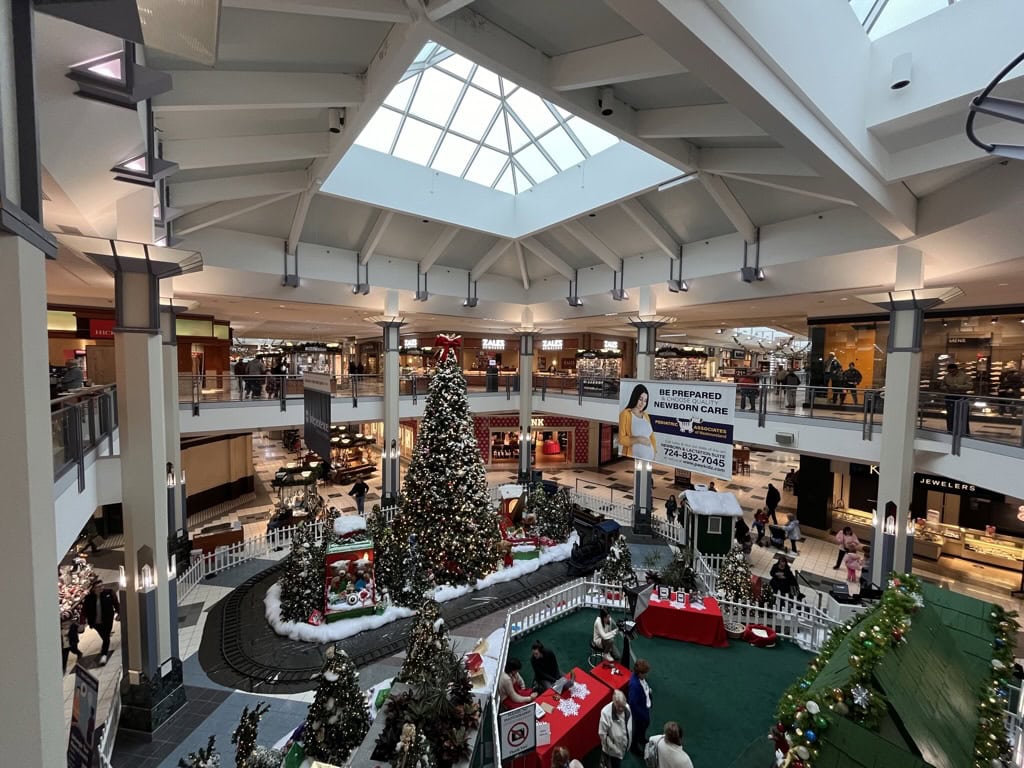
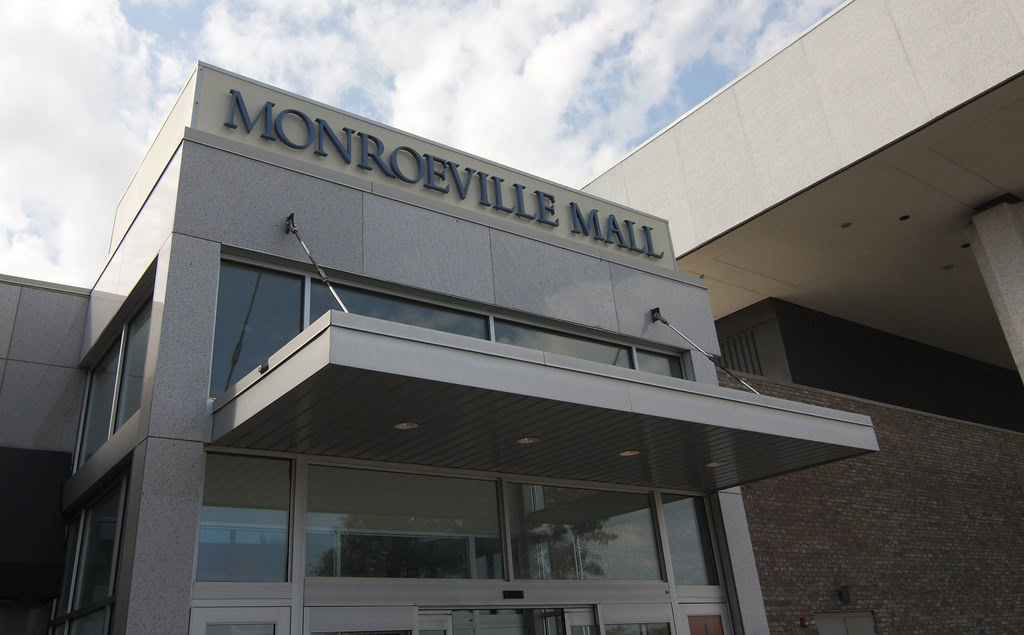
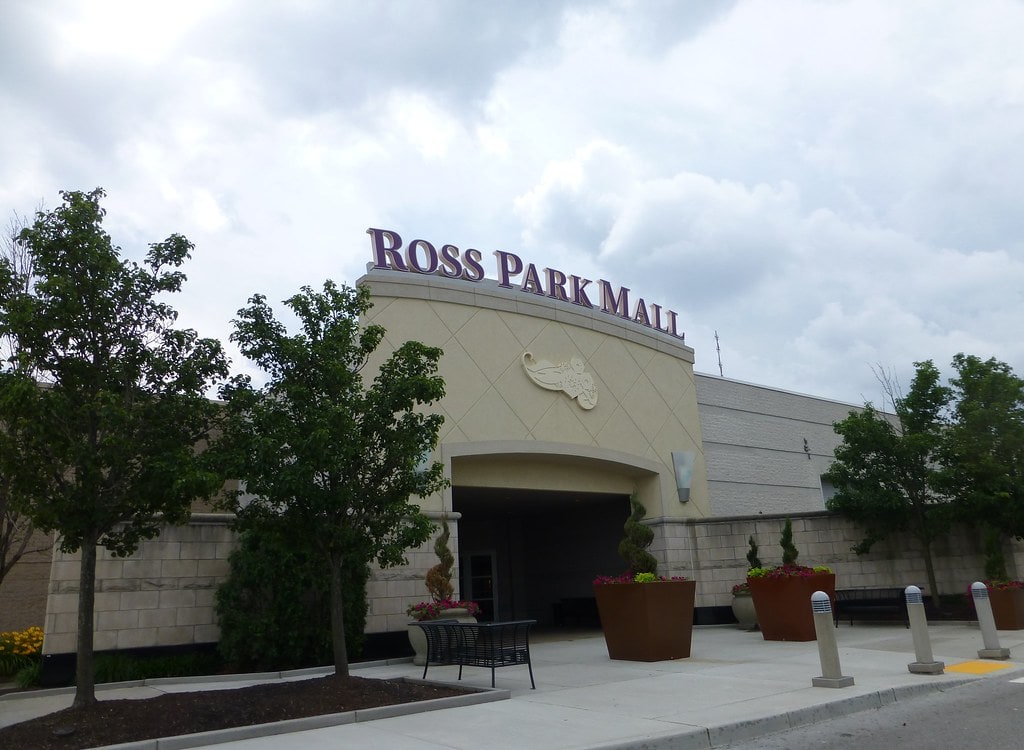
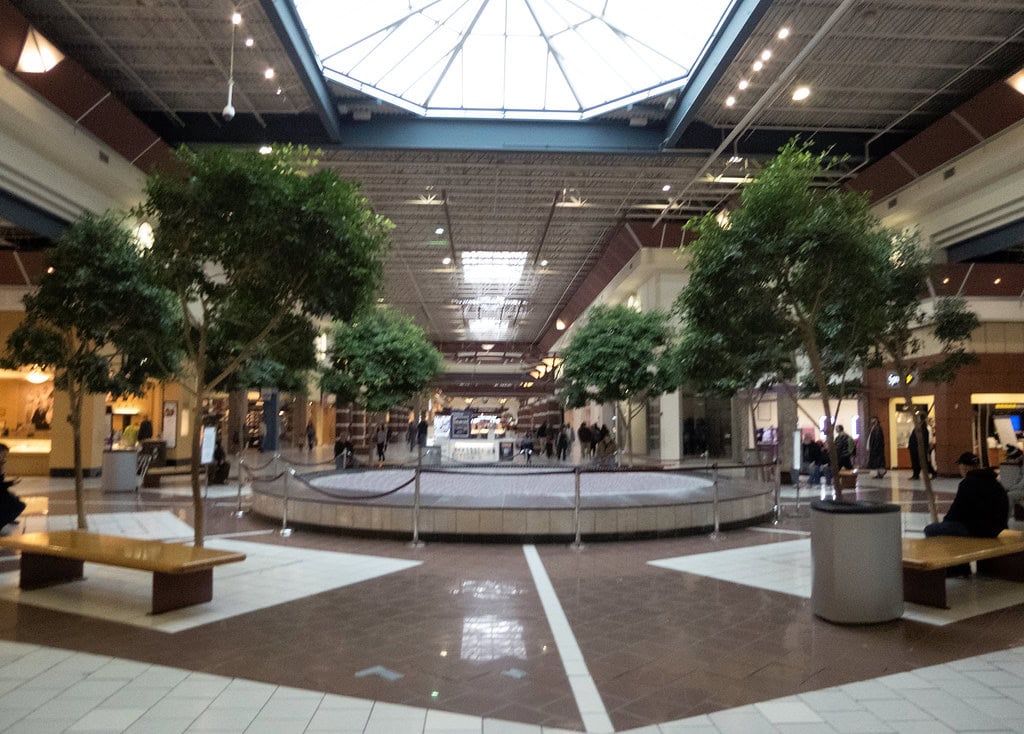
This area needs this mall. another anchor store is needed. Kohl's would great. Not everyone is comfortable shopping online. Footwear needs to be tried on on. Same sizes vary so much, even if you follow size charts.
You're making the most practical argument for keeping a mall alive: it fills real-world needs, not just nostalgia.