
Most enclosed regional malls that opened in the 1960s no longer operate as malls. Memorial City Mall in west Houston still does, and the reason has less to do with luck than with a single family's refusal to sell.
The mall opened in 1966 along the Katy Freeway, developed by MetroNational, a family-controlled company that began assembling the surrounding district in 1959 and now owns roughly 300 acres of it.
It has outlasted every original anchor. Sears, the store that existed on the site before the mall itself was built, closed in 2018. The building was demolished two years later. The mall kept going.
What MetroNational is building on that empty land is what Houston's west side has watched for five years.
The Mall That West Houston Built Around Itself
On an August day in 1966, shoppers entered a new air-conditioned mall at Interstate 10 and Gessner Road. Outside, Houston was in late summer.
Inside Memorial City Shopping Center, cooled corridors connected Walgreens, Florsheim, Orange Julius, and a 35-foot artificial waterfall in the center court.
The waterfall used nylon and glycerin to create the effect of falling water.
Called the "Wonderfall," it served as a visible sign of the developer's investment in the site, the expected traffic from the Katy Freeway, and the assumption that west Houston would develop around the building rather than move past it.
The Katy Freeway corridor became one of the most commercially active stretches in the American Sun Belt, and Memorial City Mall grew with it, adding wings, anchors, hotels, a hospital, an ice rink, and eventually a skybridge to a full medical campus across the street.
The center that opened in 1966 with about 516,500 square feet of leasable space now operates within a 300-acre mixed-use district holding more than 10 million square feet of developed real estate.
The waterfall is long gone. The building it anchored is still being rebuilt.
Memorial City Mall's Origins: Land, Vision, and Early Construction
Joseph Johnson founded Metro National Corporation in 1954. Five years later, he acquired roughly 200 acres off Gessner Road near the Katy Freeway, land that was still well outside Houston's dense commercial core.
In 1962, MetroNational began developing Memorial City as a full mixed-use district, not just a shopping center.
Retail construction started before the enclosed mall existed. In October 1963, workers broke ground on a two-level Sears store of 218,400 square feet and a Weingarten's supermarket.
Both were dedicated in fall 1964, standing as freestanding buildings on what would become the mall's eventual footprint.
Construction on the enclosed shopping center itself began in 1965, built around and north of the existing Sears and incorporating Weingarten's into the project.
The enclosed center followed the standard mid-century Sun Belt mall format: climate-controlled corridors, surface parking fields, department-store anchors, and direct freeway access.
Houston's heat and humidity pushed developers toward the enclosed format across the region.
When Memorial City Shopping Center formally opened on August 25, 1966, Sears was already the oldest and most central piece of the building.
It would remain part of the property for more than five decades.
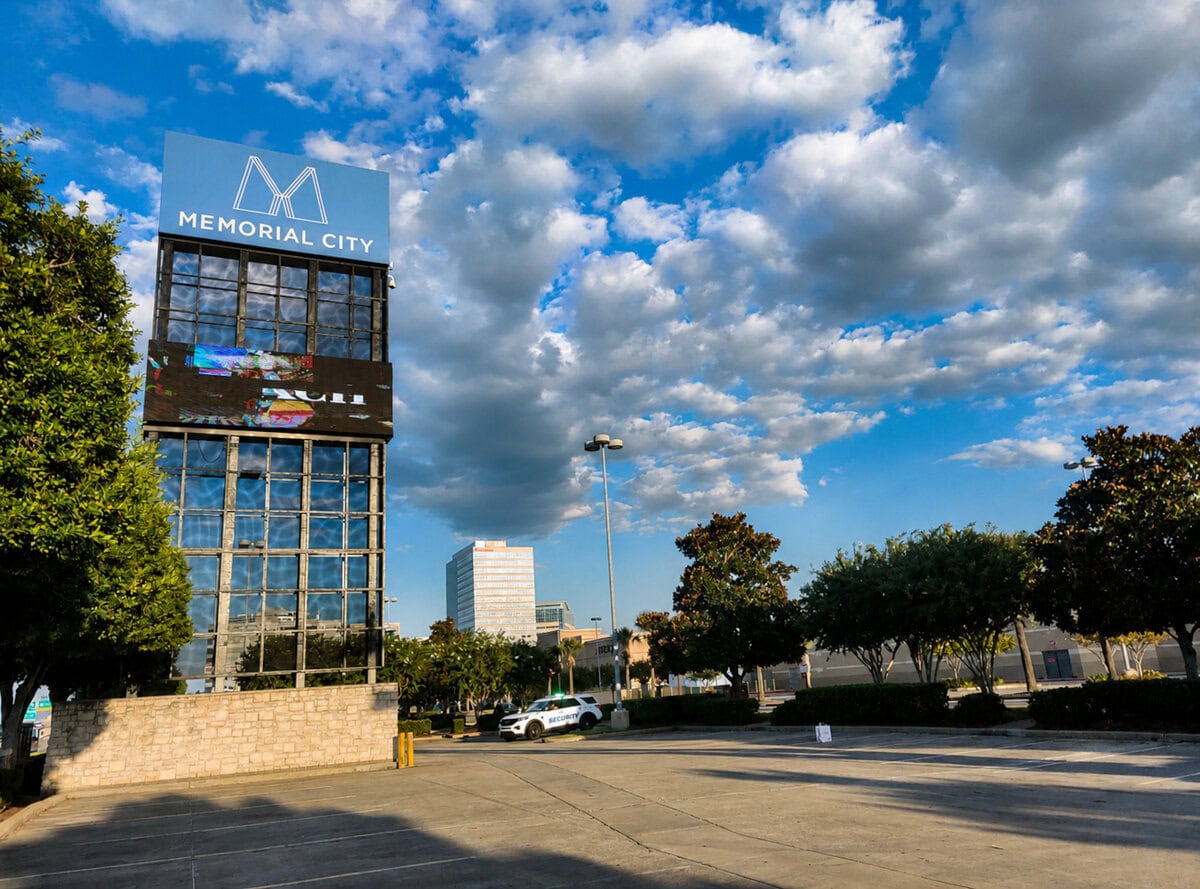
How Memorial City Mall Grew Through the 1970s
In 1972, a north wing opened with a Montgomery Ward store of 183,400 square feet across two levels, pushing the property to roughly 700,000 square feet and more than 80 stores.
Two years later, on February 21, 1974, Foley's opened a one-level store of 263,000 square feet in an east-wing expansion.
New tenants in the east wing included J. Riggings, Casual Corner, Hickory Farms, York Steakhouse, and Battelstein's, a Houston-based department store later acquired by Frost Brothers.
Lord & Taylor arrived in 1977 with a two-level store of 120,300 square feet.
By the late 1970s, the mall held approximately 1.3 million square feet of leasable space and roughly 126 stores.
Four department-store anchors occupied the property at once: Sears, Montgomery Ward, Foley's, and Lord & Taylor.
In the west Houston retail market of that period, Memorial City's main competitors included Sharpstown Mall and Northwest Mall.
Town & Country Center, about a mile west, was still in an earlier format.
It was converted into an enclosed mall in the early 1980s, bringing Neiman Marcus and Marshall Field's to within a mile of Memorial City's front door.
Competition, Closures, and Entertainment Experiments in the 1980s
Town & Country Mall's new anchors drew west Houston shoppers who had been Memorial City's.
Frost Brothers closed its Memorial City store (operating in the former Battelstein's space) in 1988. Lord & Taylor closed its original store at the mall in February 1989.
Mervyn's took over that space and opened on August 15, 1989, where it would operate until closing in January 2006.
The mall's response included a roughly $6 million refurbishment that began in early 1989 and added entertainment uses.
The original Memorial Theatre had closed in 1985, and part of that space became Fame City, an arcade and teen-entertainment concept that also included a mini-raceway and roller-skating component.
Fame City opened in June 1989. A new Loews Memorial City 8 multiplex opened on September 29, 1989, replacing the single-screen era.
Fame City was rebranded Exhilarama in December 1993 and eventually removed during a later renovation.
The bigger reconstruction, the one that would bring four new or rebuilt anchors, an ice rink, and a domed rotunda, did not begin until 2000.
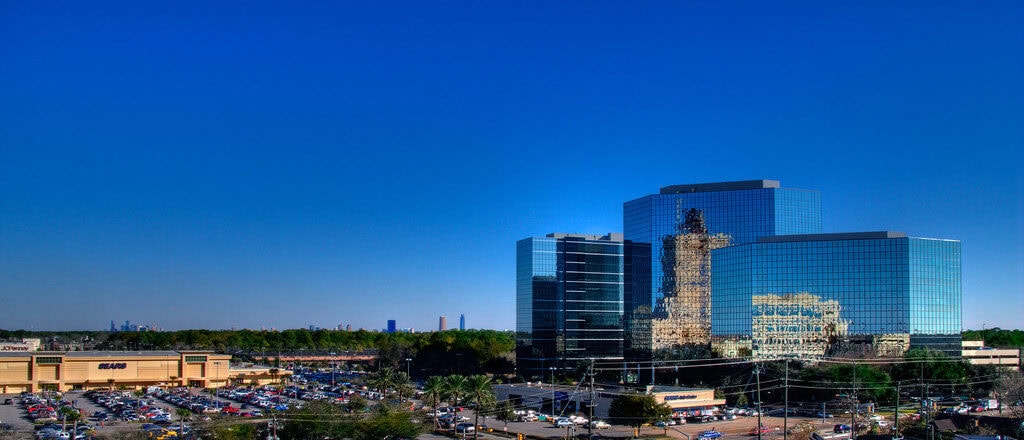
The $157 Million Rebuild That Remade Memorial City Mall
Montgomery Ward closed in 2001 after the national chain collapsed. The Mars Music store that briefly occupied part of that building also closed in 2002.
At the same time, MetroNational was executing a master plan linking the mall to the Memorial Hermann Memorial City Medical Center campus, hotels, and new office development.
The total value of that broader plan reached about $500 million. The mall renovation component alone carried an estimated cost of $157 million.
A new Foley's store of 300,000 square feet opened in November 2001 on the north side, replacing the older 1970s structure while keeping Foley's as an anchor.
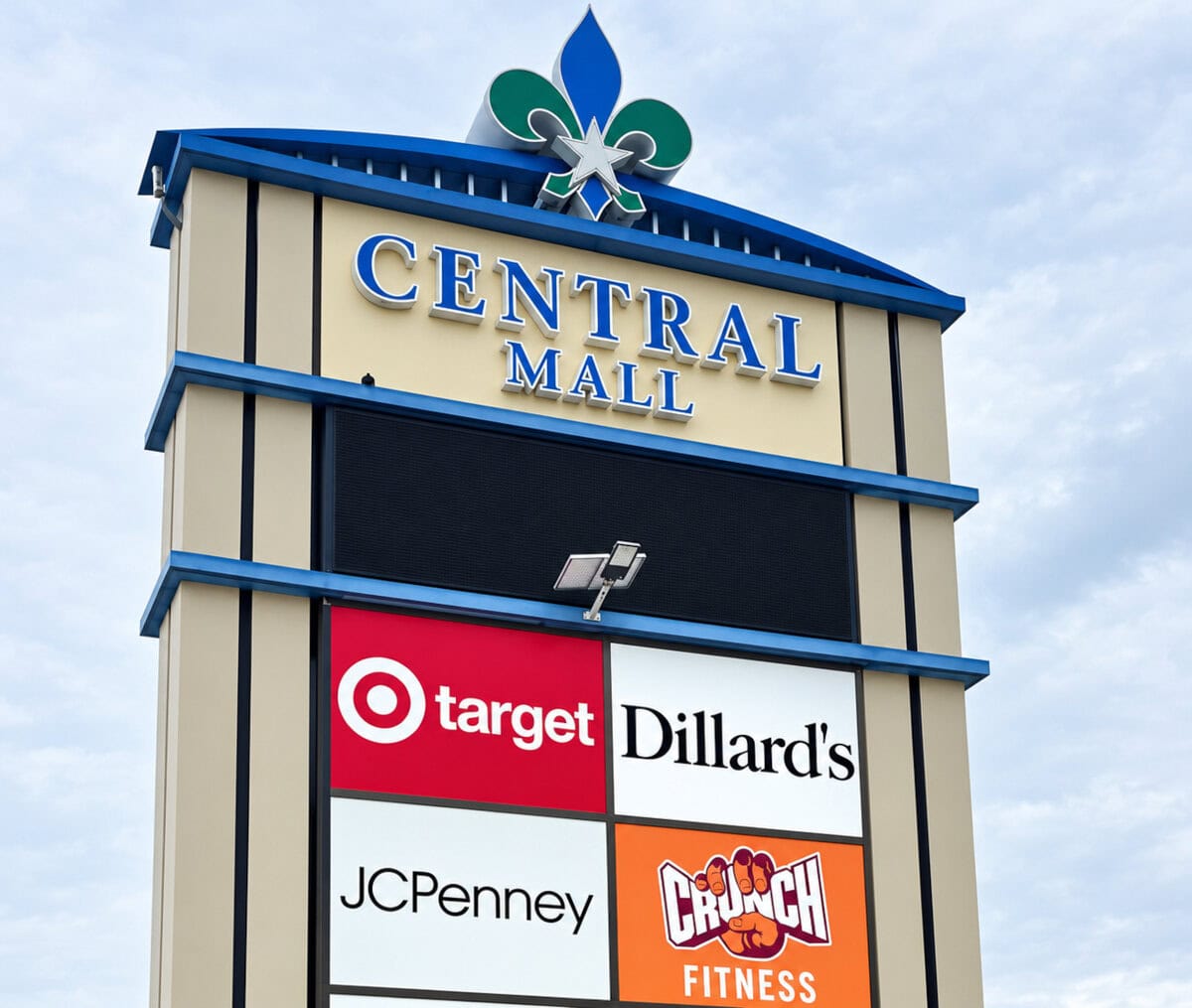
Lord & Taylor returned in a new 140,000-square-foot store in March 2002. Dillard's opened a 249,000-square-foot store in October 2003, having relocated from Town & Country Mall.
The former Montgomery Ward building was demolished and replaced by a 143,000-square-foot Target, which opened on October 12, 2003.
The renovation also installed a 55-foot domed rotunda with a glass oculus, an expanded multi-bay food court, interior streetscape elements, water features, a two-story Venetian-style Italian carousel, and a skybridge across Gessner Road to the medical campus.
Foley's converted to Macy's on September 9, 2006. The Cinemark Memorial City Mall 16 opened May 25, 2007, with stadium seating and digital sound.
The Ice Rink, the Carousel, and What Made the Mall a Destination
The NHL-size indoor ice rink opened on November 21, 2003, as part of the early-2000s renovation. For more than two decades, it served public skating, figure skating, hockey programs, lessons, and freestyle sessions.
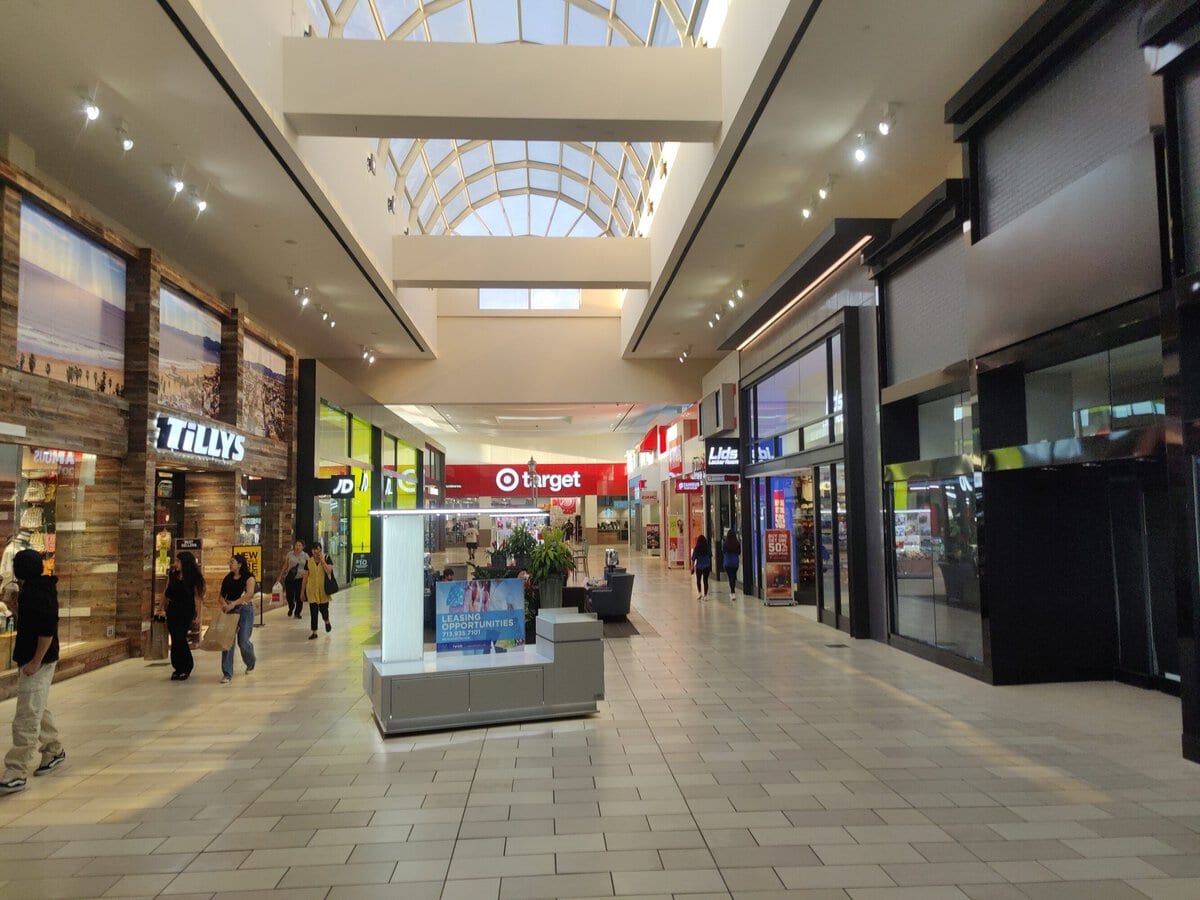
Frolic's Castle opened in October 2014 as a multi-level medieval-themed soft-play area for children.
The Houston Tinplate Operators Society ran a public model-train exhibit at the mall for about 20 years.
The Venetian carousel, the food court, California Pizza Kitchen in 2003, The Cheesecake Factory at an exterior-facing location in 2011, and Maggiano's Little Italy in 2016 added restaurant and entertainment layers to the property.
Macy's at Memorial City became the highest-grossing Macy's store in Texas, and the mall's listed sales reached more than $800 per square foot.
The broader Memorial City district added The Square outdoor public area in November 2016, the Westin Memorial City in 2011 with 289 rooms and about 30,000 square feet of meeting space, and Hotel ZaZa in 2017.
The 300-acre district held more than 10 million square feet of developed real estate, with Memorial Hermann Memorial City Medical Center occupying a large portion of the campus across Gessner Road.
Sears Closes, and the 20-Acre Question Opens Up
Sears filed for bankruptcy in 2018 and began closing stores nationally. The Memorial City location, the building that had predated the enclosed mall by two years, closed in late October 2018, affecting about 100 jobs.
The building stood vacant through the following year. MetroNational brought in Trademark Property Company in May 2019 for redevelopment work tied to the former Sears site.
In August 2020, the Sears building was demolished, opening roughly 20 acres for redevelopment on the mall's western edge.
In May 2022, MetroNational unveiled Memorial Town Square, a proposed 27-acre urban infill development at Barryknoll Lane and Gessner Road.
The first phase called for approximately 190,000 square feet of retail and restaurants, with more than 40 brands, about 35 percent food-and-beverage space, green space, valet parking, electric-vehicle charging, and services.
Later phases were expected to include residential units and office space. Gensler was named as design architect, OJB as landscape architect.
By late 2025, that 2022 concept remained under evaluation while construction crews were already being organized for a separate, more immediate renovation of the existing mall building.
The 2026 Renovation, the Ice Rink's Final Season, and What Comes Next
On January 13, 2026, an ammonia leak connected to the ice rink's mechanical system forced a full mall evacuation. Houston firefighters contained the leak, ventilated the building, and confirmed no injuries.
Three months later, the mall announced the ice rink would close permanently on July 31, 2026, citing the coming entrance construction and its effect on the rink's ice-maintenance conditions.
A public petition opposing the closure gathered more than 6,000 signatures by late April 2026.
The renovation driving that decision covers 215,862 gross square feet of existing mall space.
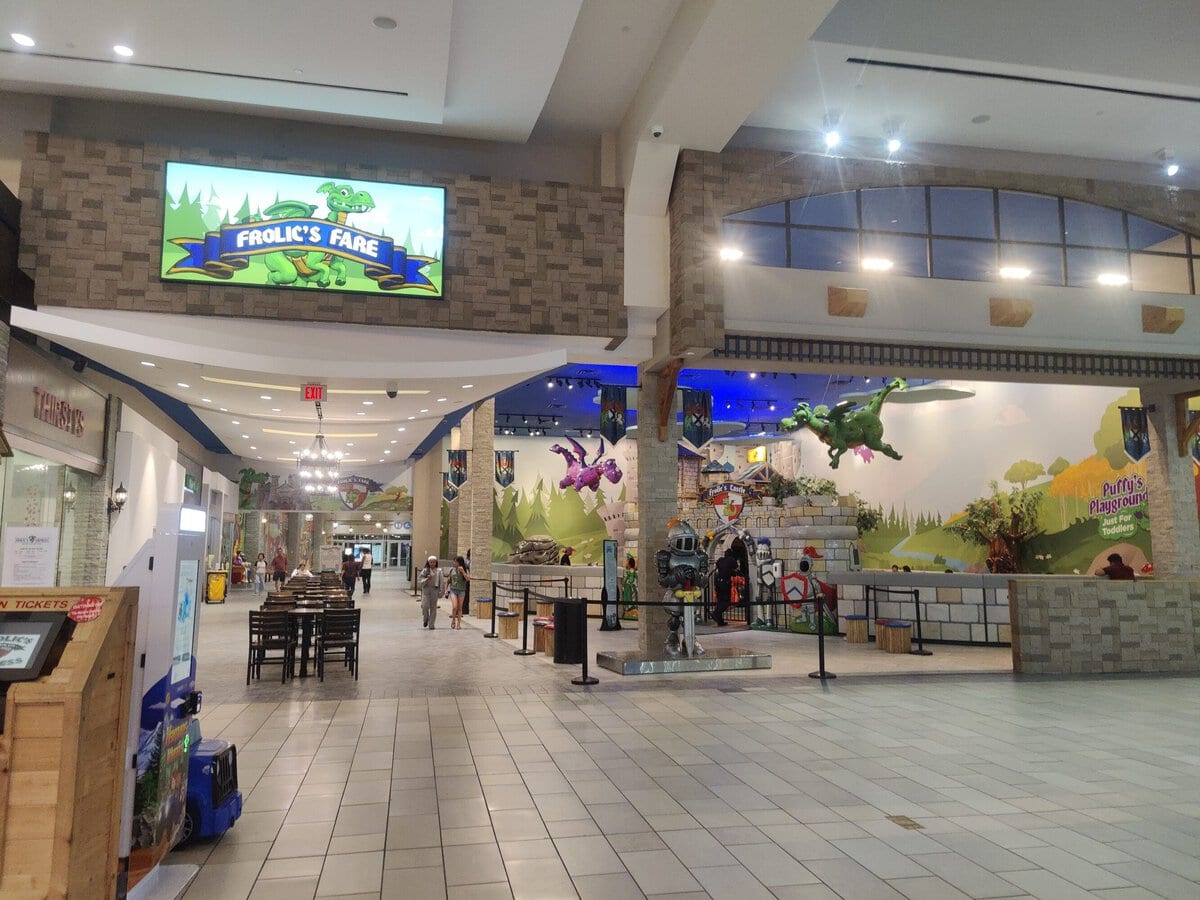
The scope includes demolition within that area, a new exterior enclosure, relocation of the main entrance, a new ground-floor lobby, and new tenant spaces, at an estimated construction cost of $8.75 million.
A related site project covering about 189,700 square feet of parking-lot reconstruction carries a separate estimated cost of $4.5 million.
Both projects were scheduled to begin on May 1, 2026. Spring skating programs were to continue through July 31, and usable rink equipment was pledged to other rinks and community organizations.
The Houston Tinplate Operators Society model-train exhibit closed to the public on March 31, 2026, and began looking for a new home.
Greenside, a MetroNational project at 1085 Gessner Road, is scheduled to open in 2026 as a 35,000-square-foot adaptive-reuse retail and dining destination with three buildings and about one acre of outdoor space.
The mall renovation itself is scheduled for completion on April 1, 2027. The Wonderfall is gone. Sears is gone. The ice rink will be gone by August.
If you grew up going to Memorial City, the version you remember probably does not exist anymore, and the version your kids will remember is being built right now.
That has been true at this address since 1966.
Independent Publisher Notice
BestAttractions is an independent editorial publisher. We are not affiliated with, endorsed by, or acting on behalf of any location, business, property owner, manager, government agency, or organization described in this article. Comments posted on this page are not forwarded to, reviewed by, or acted upon by any entity mentioned in the article. For official inquiries, complaints, applications, bookings, or other requests, please contact the relevant entity directly through its official website or other verified channels.