The best Big Island attractions are not all near one resort strip. Hawaiʻi Island is large enough that the place you choose to visit can determine most of a day.
A strong first trip usually combines one volcano day, one Kona or South Kona day, one Kohala or Maunakea day, and one Hilo or Hāmākua day rather than trying to circle the island and stop everywhere.
For a first visit, put Hawaiʻi Volcanoes National Park, Puʻuhonua o Hōnaunau, Kealakekua Bay, Maunakea, ʻAkaka Falls, and Waipiʻo Valley Lookout near the top of the list, and add Hāpuna Beach once State Parks confirms normal post-storm access.
Add a manta-ray trip, Kona coffee stop, or another historic site according to what you care about most.
Current travel note for August 2026: Hurricane Lala affected Hawaiʻi Island on August 15. Recovery is still underway, with road, power, water, and park access changing in some areas.
Hawaiʻi Volcanoes National Park has reopened only selected areas after the storm, and Kaʻū was among the districts with significant recovery work.
Check same-day county, state park, and National Park Service notices before making a long cross-island drive.
Big Island attractions at a glance
| Attraction | Region | Best for | Time to allow | Main planning issue |
|---|---|---|---|---|
| Hawaiʻi Volcanoes National Park | Volcano / Kaʻū | Volcanic terrain, hiking, geology | Half day to full day | Current storm and eruption-related closures |
| Punaluʻu Black Sand Beach | Kaʻū | Black sand, coastal scenery | 30-60 minutes | Ocean conditions; check post-storm access |
| Puʻuhonua o Hōnaunau | South Kona | Hawaiian history and culture | 1.5-3 hours | Hot, exposed grounds |
| Kealakekua Bay | South Kona | History, snorkeling, boat trips | Half day | Water access and commercial kayak rules |
| Kona manta-ray experience | Kona / Keauhou | Night ocean wildlife experience | 2-3 hours | Advance booking and ocean conditions |
| Kona coffee country | Kona uplands | Farms, tastings, agricultural history | 1-3 hours | Tour schedules vary |
| Historic Kailua Village | Kailua-Kona | Walkable waterfront history | 1-3 hours | Best combined with nearby Kona stops |
| Hāpuna Beach State Recreation Area | Kohala Coast | White sand and swimming in calm seas | 2-5 hours | Confirm post-Lala reopening before driving |
| Puʻukoholā Heiau NHS | Kawaihae | Hawaiian Kingdom history | 1-2 hours | Hot, dry conditions |
| Maunakea Visitor Information Station | Saddle Road | High-elevation scenery and stargazing | 2-4 hours | Altitude, cold, summit vehicle rules |
| ʻAkaka Falls State Park | Hāmākua Coast | 442-foot waterfall and short walk | 1-1.5 hours | Entrance/parking fees; restroom limitations |
| Rainbow Falls and Boiling Pots | Hilo | Easy-access waterfalls | 1-2 hours | Reopened Aug. 18; water conditions still matter |
| Waipiʻo Valley Lookout | Hāmākua Coast | Valley and sea-cliff views | 30-60 minutes | Valley road remains restricted |
| Hawaiʻi Tropical Bioreserve & Garden | Hāmākua Coast | Tropical plants and coastal scenery | 1.5-3 hours | Paid attraction |
| ʻImiloa Astronomy Center | Hilo | Astronomy and Hawaiian perspectives | 2-4 hours | Closed Mondays under current schedule |
| Kekaha Kai State Park | North Kona | Beaches and volcanic coastline | 2-4 hours | Rougher access roads and state park fees |

Volcano and Kaʻū attractions
1. Hawaiʻi Volcanoes National Park
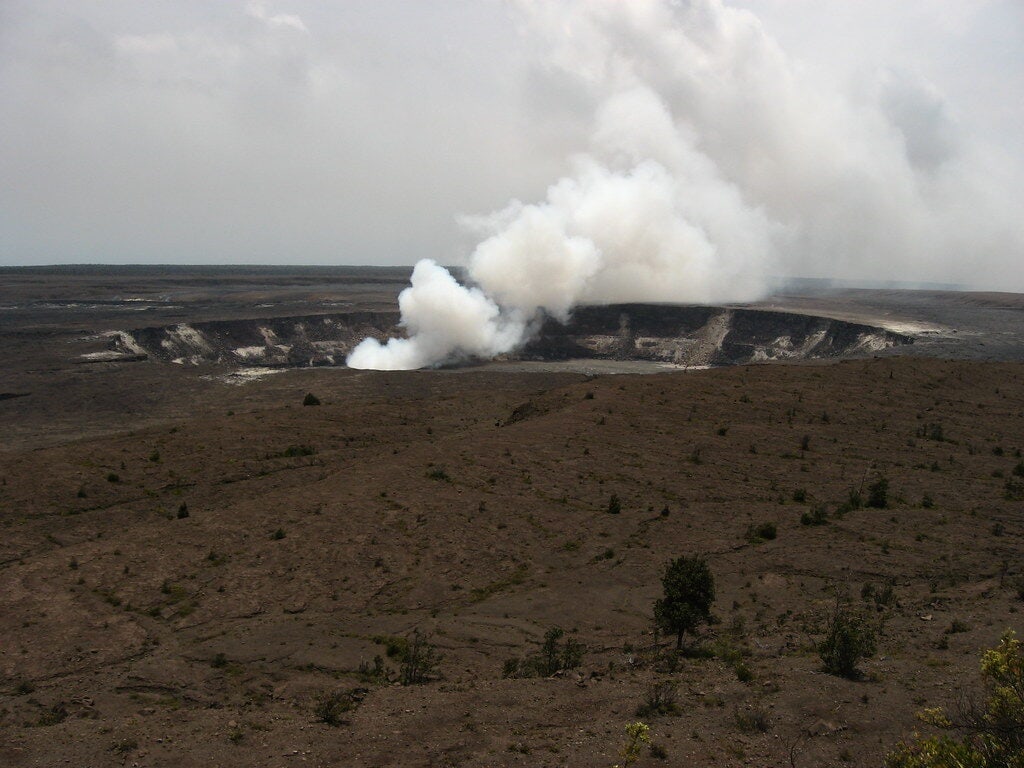
Hawaiʻi Volcanoes National Park is the island's strongest single attraction because it is not just a viewpoint over a volcano.
The park contains Kīlauea and Mauna Loa, lava fields from different eruptions, native forest, crater terrain, trails, cultural sites, and a road system that can fill most of a day even when no lava is visible.
The most important expectation to set is this: visible lava is never guaranteed.
Kīlauea has been erupting intermittently during 2026, but activity can pause with little notice, and eruptive areas are closed for safety.
When an eruption is active, the National Park Service directs visitors to legal viewpoints along the caldera rim rather than into closed ground.
The second issue is unusually important right now. Hurricane Lala caused widespread damage across the island in mid-August 2026.
The park closed for storm safety, and a National Park Service update on August 19 listed only selected areas as reopened, including the Welcome Center, Crater Rim Trail West from Volcano House to Uēkahuna, and part of Halemaʻumaʻu Trail.
Other areas remained closed or affected by recovery work. The normal pre-storm attraction list is therefore not a reliable same-day itinerary.
When access is broader, a first visit usually includes crater-rim viewpoints, a short walk through volcanic terrain, and one longer trail or scenic road segment.
During the current recovery period, build the day from the park's live conditions page instead.
Allow: at least half a day. A full day is better when more roads and trails are open.
Best for: first-time visitors, geology, hiking, photography, and anyone who wants the island's defining natural attraction.
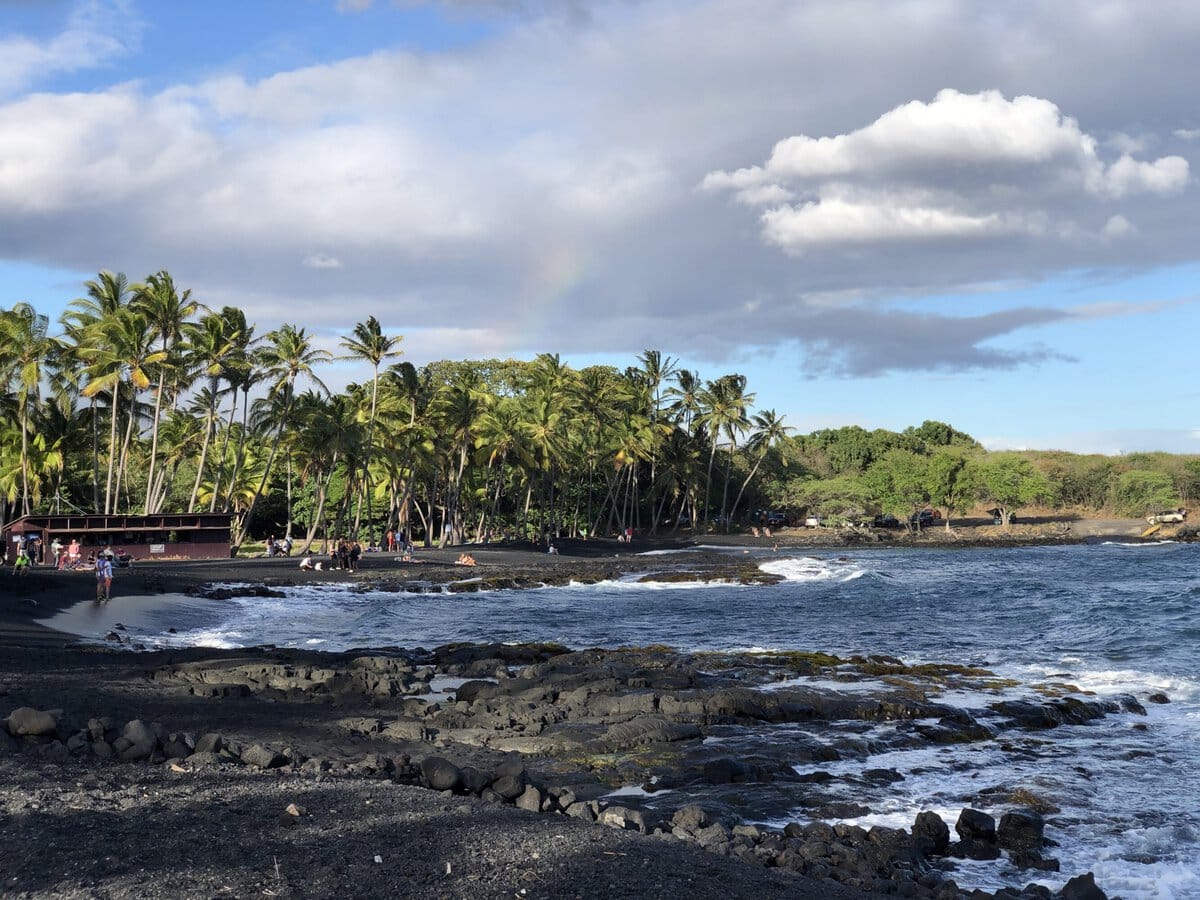
2. Punaluʻu Black Sand Beach
Punaluʻu is the classic black-sand beach stop on the drive between South Kona and Hawaiʻi Volcanoes National Park.
The dark shore comes from volcanic material, and the coconut-backed setting makes it one of the easiest places to see how recent volcanic geology shapes the coast.
This is primarily a sightseeing and picnic stop, not a beach to choose because you need calm swimming.
The official visitor bureau warns that swimming conditions can be poor, while sea turtles are often seen in the area.
Give wildlife room and follow posted rules rather than walking up to resting animals for a close photo.
Punaluʻu sits in Kaʻū, one of the districts hit hard by Hurricane Lala.
Because road and utility recovery is still active in August 2026, check current access before making it a fixed stop on a Volcanoes day.
Allow: 30 to 60 minutes for a simple stop.
Pair with: Hawaiʻi Volcanoes National Park, South Point area drives when conditions allow, or a Kona-to-Volcano transfer day.
South Kona and Kona attractions
3. Puʻuhonua o Hōnaunau National Historical Park
Puʻuhonua o Hōnaunau is one of the most important places to visit if you want the trip to include Hawaiian history rather than only scenery.
The National Historical Park preserves the Royal Grounds and the puʻuhonua, a place of refuge with deep political, religious, and cultural meaning.
The site works best when you slow down enough to understand what you are looking at.
The reconstructed structures, heiau platforms, fishponds, carved images, shoreline, and interpretation make much more sense with the visitor center and self-guided material than they do as a photo stop.
The park is currently listed as open daily, with visitor-center services from 8:30 a.m. to 4:30 p.m. and parking from 8:15 a.m. until sunset.
It can be hot and exposed, so morning or late afternoon is more comfortable than the middle of the day.
Allow: 1.5 to 3 hours.
Pair with: a South Kona coffee stop, Kealakekua Bay, or a Kona resort day.
4. Kealakekua Bay State Historical Park
Kealakekua Bay combines clear water, dramatic cliffs, marine life, and major Hawaiian and European-contact history.
It is one of the island's best examples of a place where a snorkeling stop and a historical site occupy the same place.
The key planning issue is access. The Captain Cook Monument side is not a simple roadside beach.
Visitors commonly reach the bay by licensed boat tour, permitted commercial kayak trip, or a strenuous trail.
State rules regulate commercial kayak operations, so the easiest first-time plan is often to book a legal operator rather than assume you can arrive and rent a kayak at the shoreline.
If you care more about the history than the water, the viewpoints and nearby cultural sites still make South Kona worth a day.
If snorkeling is the main goal, choose a morning trip because ocean conditions are often better earlier.
Allow: half a day for a boat or snorkeling trip.
Pair with: Puʻuhonua o Hōnaunau and Kona coffee country.
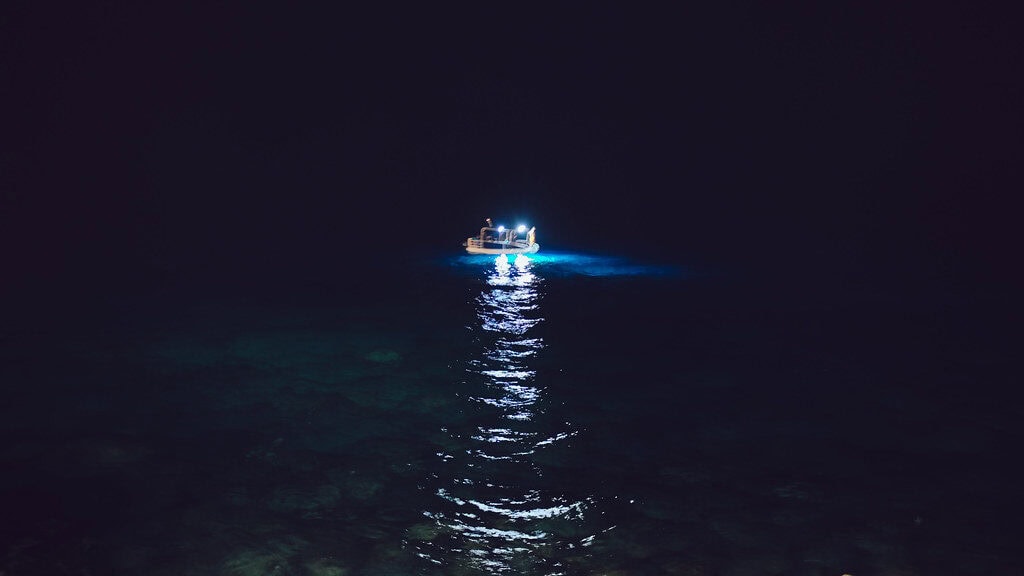
5. Night manta-ray viewing off Kona
The Kona Coast is one of the best-known places in Hawaiʻi for organized nighttime manta-ray snorkeling and diving.
Trips commonly leave from the Kona and Keauhou areas and turn an evening into a dedicated wildlife experience rather than another driving day.
This is an activity rather than a fixed landmark, but it belongs on an attractions list because it can be the most memorable single evening on the island.
It also solves a scheduling problem: it uses nighttime hours instead of taking another full sightseeing day.
Choose a permitted, established operator and treat the trip as weather-dependent.
Even on a confirmed booking, ocean conditions can lead to cancellation or a rougher ride than expected.
Allow: roughly 2 to 3 hours including check-in and boat time.
Best for: confident swimmers, wildlife-focused travelers, divers, and visitors looking for an evening activity.
6. Kona coffee country
Coffee farms cover the uplands above the Kona Coast, especially around Holualoa, Kealakekua, Captain Cook, and Hōnaunau.
Farm tours range from quick tastings to more detailed walks through growing, harvesting, processing, and roasting.
The best reason to stop is not simply to buy coffee.
A good tour explains why elevation, rainfall, slopes, processing choices, and labor all matter to what ends up in the cup.
That turns a familiar souvenir into a piece of the island's agricultural story.
Tour schedules vary sharply by farm. Some accept walk-ins, while others require reservations or only run tours at set times.
Allow: 1 to 3 hours.
Pair with: Kealakekua Bay or Puʻuhonua o Hōnaunau rather than driving up into coffee country as a stand-alone cross-island trip.
7. Historic Kailua Village
Kailua-Kona is the rare Big Island stop where you can park once and see several historic and waterfront sites on foot.
Aliʻi Drive runs past Huliheʻe Palace, Mokuaikaua Church, Kailua Bay, and the sea wall, with restaurants and shops between them.
This is a better choice for a light arrival day than another long drive.
It also works before an evening manta-ray trip when you are already staying on the Kona side.
Do not confuse the town with the whole Kona Coast.
Many resort properties are north of Kailua-Kona, while coffee country and major South Kona sites lie south.
Allow: 1 to 3 hours.
Best for: an easy first or last day, dinner plus sightseeing, or travelers who want a walkable break from driving.
Kohala and Maunakea attractions
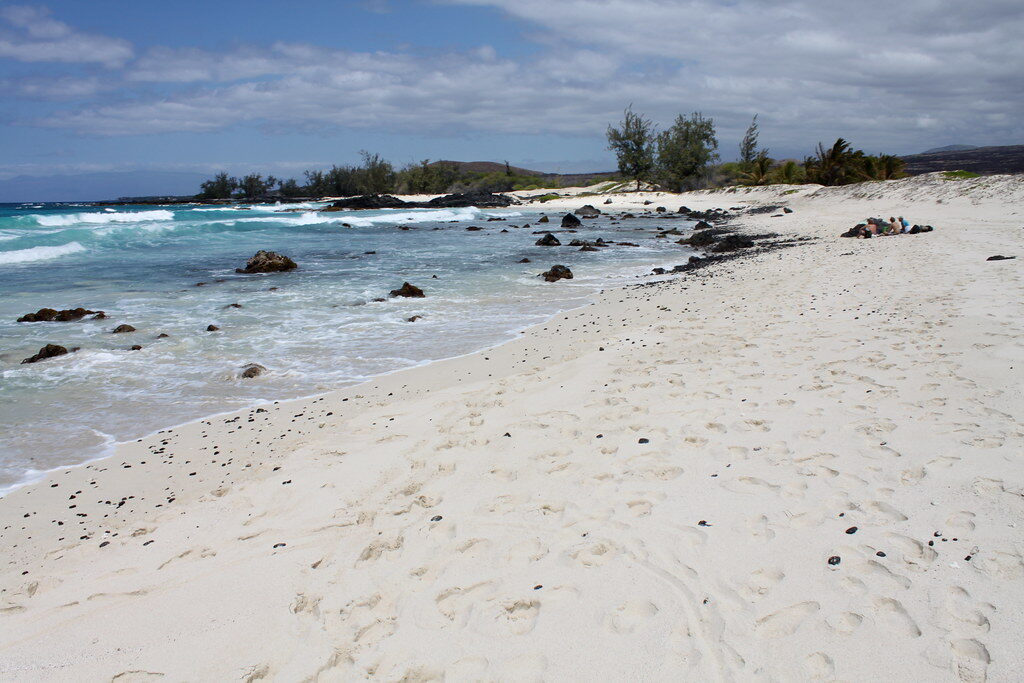
8. Hāpuna Beach State Recreation Area
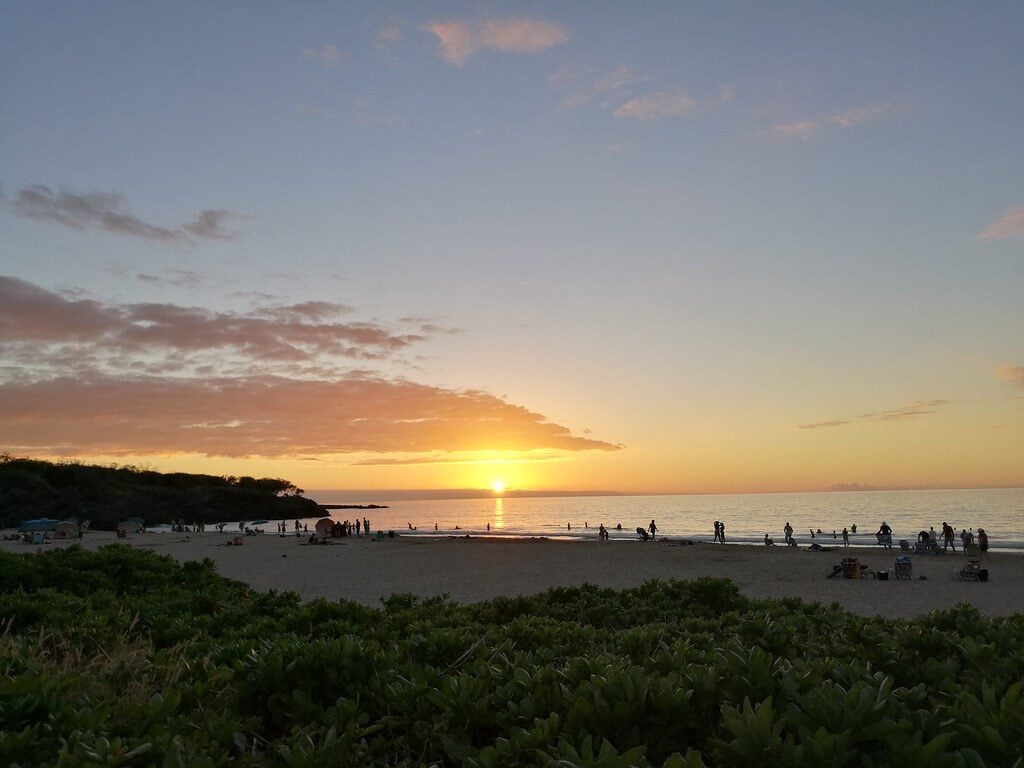
Hāpuna is one of the island's clearest choices when you want a classic white-sand beach rather than volcanic sightseeing.
In calm conditions, the broad beach is good for swimming, sunbathing, and a long beach afternoon.
The word "calm" matters. State Parks warns of dangerous rip currents and pounding shore break during high surf.
Lifeguards are present, but that does not make rough water harmless.
Under the park's normal 2026 schedule, nonresidents pay both an entrance fee and a vehicle parking fee, and daily hours are 7 a.m. to 7:30 p.m., with gates closing at 8 p.m. The concession is temporarily closed.
More importantly for an August 2026 trip, the state's August 19 hurricane-recovery notice did not list Hāpuna among the Hawaiʻi Island parks confirmed reopened.
Treat the beach as a check-before-you-drive stop until State Parks posts a clear reopening update.
Allow: 2 to 5 hours when the park is open.
Pair with: Puʻukoholā Heiau, Waikoloa, or another Kohala Coast stop.
9. Puʻukoholā Heiau National Historic Site
Puʻukoholā Heiau is one of the strongest history stops on the northwestern side of the island.
Kamehameha I ordered the temple built in 1790-91, and the site is tied directly to the political events that preceded the unification of the Hawaiian Islands.
A half-mile loop links the visitor center with views of several heiau and Pelekane Bay.
The park is free, and its museum and interpretive material make it much easier to understand why the site matters.
This is a very different attraction from the resort beaches only a short drive away.
If your itinerary is otherwise heavy on water and scenery, it adds historical context without requiring a full day.
Allow: 1 to 2 hours.
Pair with: Hāpuna Beach or a Kohala Coast resort day.
10. Maunakea Visitor Information Station
Maunakea is both a sacred mountain in Hawaiian culture and one of the world's best-known astronomical sites.
For most visitors, the practical destination is not the summit observatories. It is the Visitor Information Station at about 9,200 feet.
The University of Hawaiʻi Center for Maunakea Stewardship currently lists the station as open daily from 9 a.m. to 9 p.m. The area offers high-elevation scenery, short walks, cultural and safety information, and stargazing.
It is already high enough to cause altitude symptoms in some people.
Going above the visitor station is a separate decision.
The summit road rises another roughly 4,600 feet, includes unpaved sections, and requires a dependable 4WD or AWD vehicle under current rules.
The university advises visitors to acclimate at the station and check road conditions before going higher.
The official visitor bureau discourages casual visitors from proceeding beyond the VIS and suggests a permitted commercial tour for a fuller summit experience.
The summit is not an ordinary roadside lookout.
Rental-car restrictions, altitude, weather, cold, and road conditions can all make a self-drive inappropriate.
Allow: 2 to 4 hours for the VIS and nearby stargazing; longer for a permitted summit tour.
Best for: astronomy, high-elevation scenery, sunset planning, and a break from beach-focused days.
Hilo and Hāmākua Coast attractions
11. ʻAkaka Falls State Park
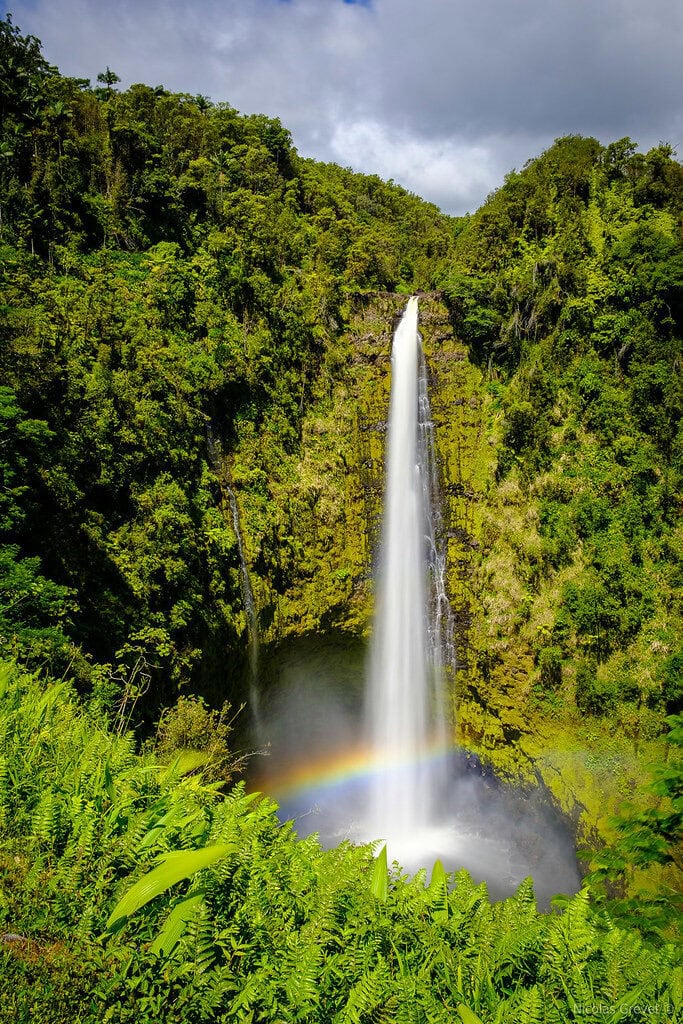
ʻAkaka Falls is one of the island's easiest major waterfall visits.
A paved 0.4-mile loop passes tropical vegetation and viewpoints before reaching the 442-foot free-falling waterfall.
The trail has steps and is not wheelchair accessible.
In 2026, nonresidents pay an entrance fee and a separate vehicle parking fee. The park lists hours of 8:30 a.m. to 5 p.m.
One current limitation is easy to miss: the state park notice says water and the permanent comfort station remain closed, with portable toilets in use.
The park itself is open.
Allow: 1 to 1.5 hours.
Pair with: Hilo, the Hāmākua Coast drive, Hawaiʻi Tropical Bioreserve & Garden, or Waipiʻo Valley Lookout.
12. Rainbow Falls and Boiling Pots
Wailuku River State Park gives Hilo visitors two easy-access waterfall and river stops without requiring a long hike.
Rainbow Falls is the better-known viewpoint, while Boiling Pots shows the river moving through a series of pools and lava formations upstream.
The current state park page lists both areas open daily, with hours from 7 a.m. to 5:30 p.m. and gates locking at 6 p.m. Entry and parking fees for nonresidents now cover both Rainbow Falls and Boiling Pots.
These are sightseeing stops, not invitations to enter the river.
Water levels can change quickly after heavy rain, and the aftermath of Hurricane Lala makes current conditions more important than usual.
Allow: 1 to 2 hours for both.
Pair with: downtown Hilo, ʻImiloa, or a Hāmākua Coast day.
13. Waipiʻo Valley Lookout
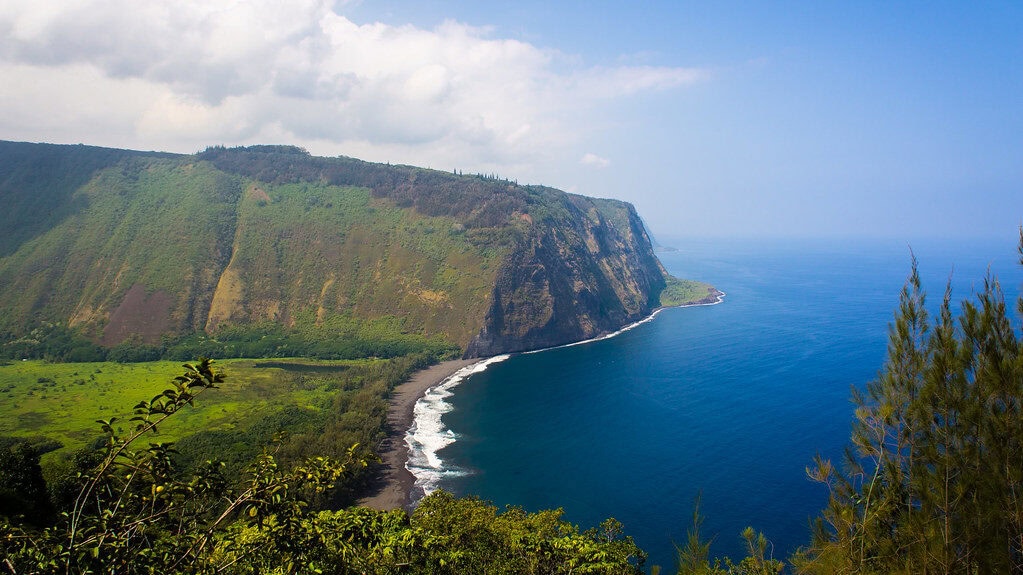
Waipiʻo Valley Lookout gives you a high view over one of Hawaiʻi Island's most dramatic valleys, with black-sand shoreline, steep cliffs, and a deep green valley floor below.
The main planning rule is firm: the valley road is not open to ordinary visitor traffic or pedestrian use.
A July 2026 Hawaiʻi County emergency rule continues the road restriction.
Access is limited to specific groups, including Hawaiʻi County residents and permitted licensed tour operators under set conditions.
Visitors should not plan to hike down the road.
That means the lookout itself is the normal independent-visitor attraction.
If you want to enter the valley, use a permitted operator and verify current conditions, especially after major weather.
Allow: 30 to 60 minutes for the lookout.
Pair with: Honokaʻa and the Hāmākua Coast rather than driving all the way north only for a quick photo.
14. Hawaiʻi Tropical Bioreserve & Garden
Just north of Hilo, the Hawaiʻi Tropical Bioreserve & Garden is a nonprofit botanical attraction set in a lush coastal valley.
The walk passes dense tropical plantings, streams, ocean views, and collections that feel very different from the dry Kona and Kohala sides of the island.
This is a good choice when weather makes beach time uncertain or when you want an attraction that does not depend on volcanic activity.
It also fits naturally between Hilo and ʻAkaka Falls.
Because it is a commercial attraction, check the current hours and admission directly before visiting.
Allow: 1.5 to 3 hours.
15. ʻImiloa Astronomy Center
ʻImiloa in Hilo connects astronomy with Hawaiian wayfinding, language, culture, and the story of Maunakea.
It is the best indoor companion to a Maunakea visit because it gives context before or after you drive into the high country.
The Center for Maunakea Stewardship notes that ʻImiloa operates Tuesday through Sunday and is closed Mondays under the current schedule.
This is also one of the better rainy-day choices around Hilo.
Unlike a summit drive, it does not depend on high-elevation road conditions or clear skies.
Allow: 2 to 4 hours.
Pair with: Rainbow Falls, downtown Hilo, or a Maunakea evening.
16. Kekaha Kai State Park
Kekaha Kai State Park protects a stretch of North Kona coastline with beaches, lava fields, and access to the Ala Kahakai National Historic Trail.
It gives you a less resort-like beach day than Hāpuna and sits conveniently between Kailua-Kona and the Waikoloa area.
The tradeoff is a more basic park setting.
The Mahaiʻula section is dry and hot and has no drinking water, while the state charges nonresident entrance and parking fees.
The park lists daily hours from 8 a.m. to 6:30 p.m., with gates closing at 7 p.m. State Parks listed Kekaha Kai as reopened on August 18 after Hurricane Lala.
Choose it when you want a half-day coastal outing rather than another major historic or volcanic attraction.
Allow: 2 to 4 hours.
Attractions to treat carefully in 2026
A good Big Island guide needs a "not right now" list as much as a bucket list.
Lapakahi State Historical Park: A March 25 State Parks closure notice said the park was closed until further notice because of unsafe trails and water bars, and Lapakahi was not named on the August 19 Hawaiʻi Island reopening list.
Check the current notice before building a north Kohala day around it.
Kīholo State Park Reserve: An earlier 2026 erosion closure restricted vehicle access, but State Parks listed Kīholo as reopening on August 19 after Hurricane Lala.
Camping and lodging on Hawaiʻi Island remain suspended under the same storm-recovery notice, so check the current park notice if an overnight stay or road access is central to your plan.
Hawaiʻi Volcanoes National Park: Hurricane Lala caused a major temporary closure in August 2026.
Only selected areas had reopened in the most recent National Park Service update available for this guide.
Check the current conditions page on the day you go.
Kaʻū drives and beaches: County recovery work after Hurricane Lala has focused heavily on the southern part of the island.
Road and utility conditions can change faster than a travel article.
Waipiʻo Valley Road: The lookout remains the independent-visitor option; the road into the valley is restricted under a county emergency rule.
How to group Big Island attractions by region
The Big Island rewards regional days because driving back and forth across the island can consume the time you thought you had for sightseeing.
Kona and South Kona day
A strong west-side day could include:
- a Kona coffee farm in the morning
- Puʻuhonua o Hōnaunau
- Kealakekua Bay or a coastal viewpoint
- Kailua-Kona for dinner
- a manta-ray trip at night
That is already a full day. Adding Hilo or Volcanoes usually makes the schedule worse, not better.
Kohala and Maunakea day
Combine:
- Hāpuna Beach
- Puʻukoholā Heiau
- an early dinner or food stop
- Maunakea Visitor Information Station for sunset or stargazing
This works because the day moves inland from the Kohala Coast instead of crossing the island twice.
Hilo and Hāmākua day
Combine:
- Rainbow Falls
- Hawaiʻi Tropical Bioreserve & Garden
- ʻAkaka Falls
- Honokaʻa
- Waipiʻo Valley Lookout
You can reverse the order if the valley looks clearer in the morning.
Volcano day
Normally, Hawaiʻi Volcanoes National Park deserves the day to itself, with Punaluʻu added only if your starting point and current road conditions make the detour sensible.
In August 2026, use the park's live reopening information rather than a fixed attraction sequence.
Which Big Island attractions are best for a first trip?
If you only have time for six, choose attractions that show different sides of the island.
- Hawaiʻi Volcanoes National Park - the defining geology and scenery, subject to current reopening status.
- Puʻuhonua o Hōnaunau - the strongest cultural-history stop for many first-time visitors.
- Hāpuna Beach - an easy contrast to lava fields and black-sand coast once State Parks confirms normal post-Lala access.
- Maunakea Visitor Information Station - high-elevation scenery and astronomy without making a summit drive mandatory.
- ʻAkaka Falls - the easiest major waterfall attraction on a Hilo-side day.
- Waipiʻo Valley Lookout - a dramatic Hāmākua Coast endpoint with the valley-road restriction clearly understood.
If ocean wildlife is a priority, replace one of the scenic stops with a Kona manta-ray trip.
If snorkeling matters most, prioritize Kealakekua Bay. If history is the main reason for traveling, add Puʻukoholā Heiau rather than another beach.
How many days do you need for the main attractions?
Three days is enough to see a few major attractions, but it forces hard choices.
Four to five days is a better minimum for a first trip with both Kona-side and Hilo-side sightseeing.
Six or seven days lets you keep a beach afternoon, a weather buffer, and a slower cultural or agricultural day without sacrificing the volcano region.
The island does not reward a plan that looks impressive on a spreadsheet but leaves you driving through every attraction at speed.
Pick a few region-defining sights and let each day stay mostly on one side of the island.
Sources and further reading
- Go Hawaii - Island of Hawaiʻi official visitor guide
- Hawaiʻi Volcanoes National Park - current conditions
- Hawaiʻi Volcanoes National Park - Hurricane Lala reopening update
- Puʻuhonua o Hōnaunau National Historical Park - plan your visit
- Hawaiʻi State Parks - current park notices
- Hāpuna Beach State Recreation Area
- ʻAkaka Falls State Park
- Wailuku River State Park
- Hawaiʻi County - Waipiʻo Valley Road emergency rule
- Center for Maunakea Stewardship - visitor information
Independent Publisher Notice
BestAttractions is an independent editorial publisher. We are not affiliated with, endorsed by, or acting on behalf of any location, business, property owner, manager, government agency, or organization described in this article.
Comments posted on this page are not forwarded to, reviewed by, or acted upon by any entity mentioned in the article.
For official inquiries, complaints, applications, bookings, or other requests, please contact the relevant entity directly through its official website or other verified channels.