
In 1974, Decatur's city council voted, by one vote, to keep a regional mall out. The developers built it anyway, four miles north, in Forsyth.
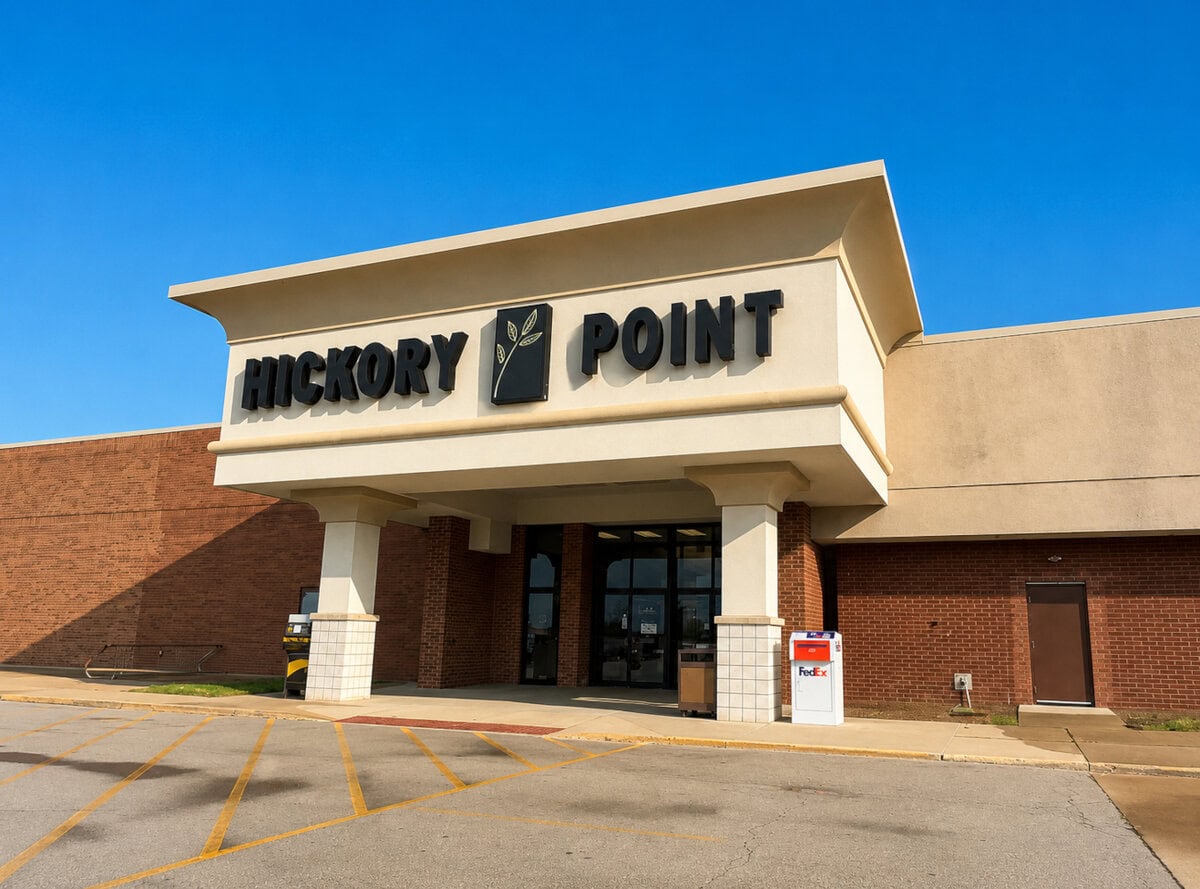
Hickory Point Mall opened in 1978. The downtown department stores Decatur had been trying to protect moved up to anchor it within a decade.
Forsyth's annual sales-tax revenue went from about $6,000 to $500,000 over six years. The boundary between the two places was a few miles long. The economic distance turned out to be much longer.
What that arrangement built, and what it took from the city next door, is what the next fifty years documented.
When Three Downtown Stores Moved North
The old Bergner's downtown was more than a store people went to. For Decatur shoppers, it was part of what downtown meant.
It was where people handled errands, bought school clothes, shopped for Christmas, and followed the normal routine of going into town.
By the late 1970s, much of that downtown shopping activity was moving north. JCPenney was going there too. So was Carson Pirie Scott.
They all went to the same place: a new enclosed mall in the village of Forsyth, several miles north of downtown Decatur, near the interchange of Interstate 72 and U.S. Route 51.
Hickory Point Mall opened in October 1978. Its three original anchors had all operated downtown before. Their departure did not happen quietly or by accident.
It was the outcome of a specific political decision made four years earlier, one that still shapes the Decatur area's retail geography today.
The mall was built by Copaken, White & Blitt.
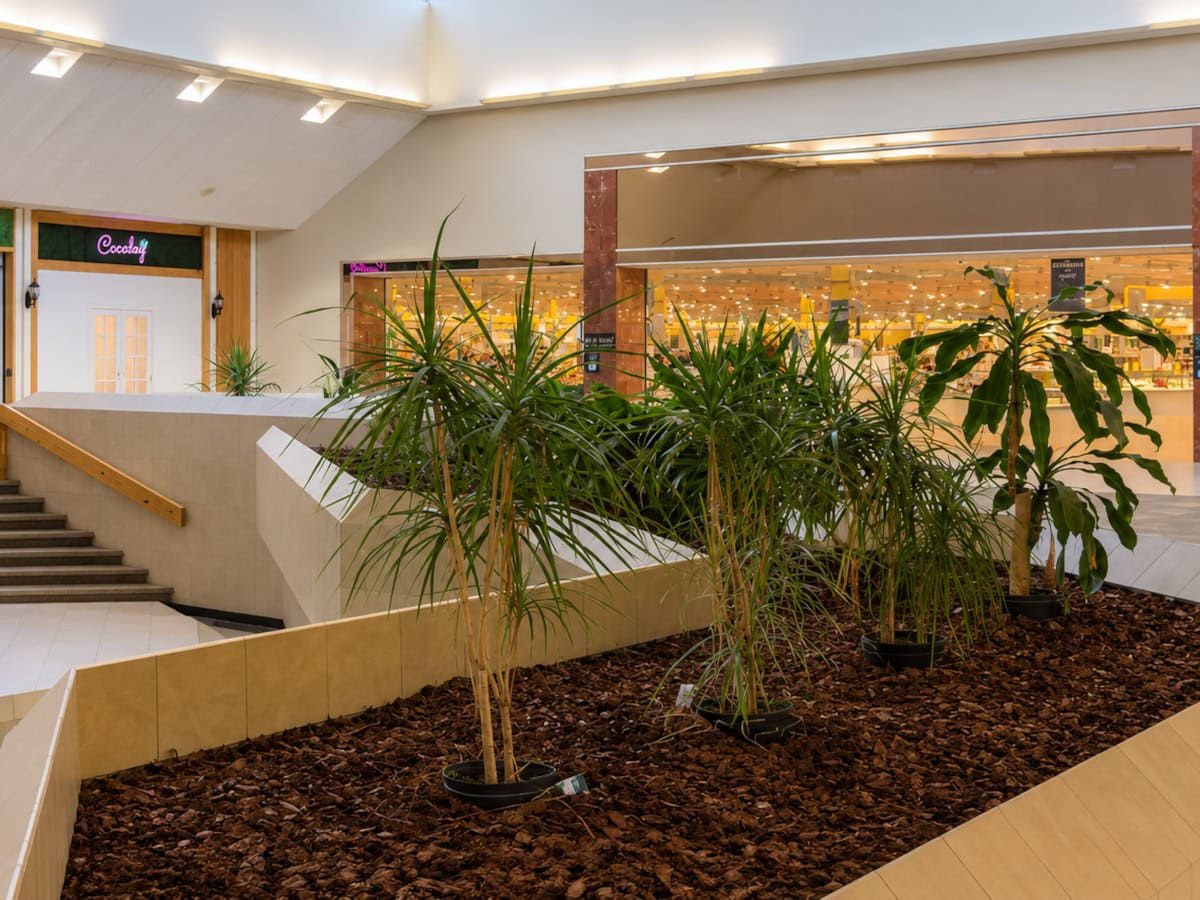
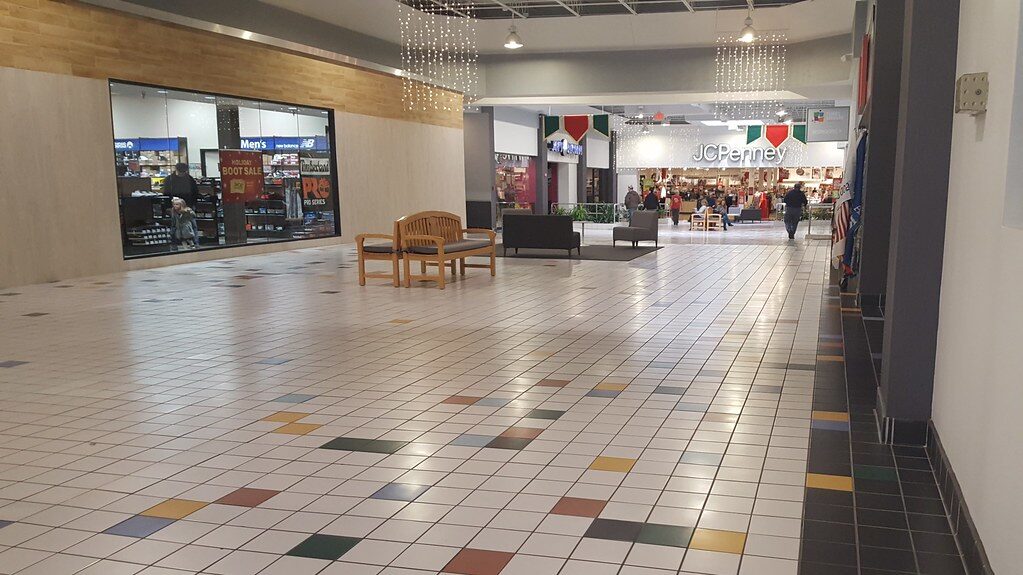
The corridor was enclosed and climate-controlled, with large surface parking fields surrounding the building on all sides and highway access that downtown could not offer.
The former Bergner's wing was two levels, distinct from the otherwise single-level configuration.
The rest was a standard Midwest regional mall floor plan: anchor boxes at the ends, in-line shops filling the middle, and a food area where you could eat cheaply before the drive home.
It felt, to the people who went there in those first years, like the future had been moved to the suburbs and left a forwarding address.
One Vote That Shifted Decatur's Retail Core to Forsyth
The project had started in Decatur. In the early 1970s, Copaken, White & Blitt pursued a regional mall site north of the city, on land Decatur would have had to annex.
The negotiations went on for roughly a year and involved questions about land, annexation, and what a large suburban-style mall would do to the merchants already operating downtown.
Those merchants made their position known. A mall north of the city center would pull shoppers, department stores, and tax revenue away from the blocks they depended on.
On July 8, 1974, the Decatur City Council voted on the proposal. The margin was one vote against. About a month later, Forsyth approved a nearly identical proposal without significant opposition.
At the time, Forsyth was a small village. Its annual sales-tax revenue was about $6,000. By 1980, two years after Hickory Point Mall opened, that figure had climbed to roughly $500,000.
The village had not changed. The mall had arrived, and the economic activity that Decatur's downtown merchants had been trying to protect had followed it north.
The 1974 vote was later described by local observers as one of the most consequential retail-development decisions in the Decatur area's postwar history.
That assessment is hard to argue with.
The council protected downtown in July 1974 and watched, over the next several years, as the department stores it was protecting walked out anyway, to a location that the council's vote had not been able to prevent.
The Department Store Peak: Four Anchors, Full Corridors
By 1983, Kohl's had joined the original three anchors.
Four anchor stores in an enclosed mall near a mid-sized Illinois city were a serious retail configuration, and through the 1980s, the mall functioned the way its developers had intended: as the dominant regional shopping destination for Decatur and the surrounding area.
The in-line corridor offered the standard national mall lineup of that decade. Apparel stores, shoe stores, a jewelry counter, a bookstore carrying paperback bestsellers, and a place to buy something for a birthday.
Waldenbooks was there, in the space that would eventually become Book World, before that chain collapsed in 2017. The food options were cheap enough that teenagers could split something and stay for hours.
In 1989, Carson Pirie Scott sold its Hickory Point location to Von Maur, in a transaction that also involved College Hills Mall in Normal.
The store remained open, the space stayed filled, and the name changed. Von Maur would prove more durable than any of the original three anchors: it is still there.
The bigger expansion came in 1998, when Sears and MC Sports were both added.
The Sears addition was roughly 101,000 square feet, and the store relocated from downtown Decatur, continuing the long pattern of downtown retail following shoppers rather than leading them.
With Sears in place, the mall had five anchor-level tenants, meaning five large stores big enough to draw shoppers on their own.
The surrounding commercial corridor was filling in at the same time: Lowe's across the road, Applebee's nearby, and a Texas Roadhouse that opened on May 17, 1999.
The enclosed mall had become the center of something larger than itself.

Middle Years: The Renovation, the Film Crew, and Steve & Barry's
In 2000, Copaken, White & Blitt renovated the mall interior. New flooring, updated lighting, and refreshed common areas. The kind of work that signals a landlord still believes in the asset.
Kohl's expanded its store in 2003. Old Navy had arrived and operated until 2010, when it closed and Cohn Furniture moved into the space. The in-line mix was shifting, but the mall still felt occupied.
In late 2007, Steve & Barry's opened in a large space. The chain sold cheap licensed apparel and occupied big footprints.
It closed less than a year later in 2008, part of the chain's broader collapse. Shoe Dept. Encore eventually moved into a portion of the vacated area.
Also in 2008, a film crew arrived. "The Informant!," a dark comedy with Matt Damon about a corporate whistleblower at an Illinois agribusiness company, used the mall's interior for period scenes.
The film was released in 2009. The mall's corridors appeared on screen for a few minutes, playing a version of 1990s middle-American commercial space.
MC Sports moved across the hallway later in 2008. The mall was rearranging itself around its tenants, which is what enclosed malls do when they still have enough tenants to rearrange.
2014: The Year Hickory Point Mall Lost JCPenney and Sears
JCPenney announced in January 2014 that it would close 33 stores nationally. The Hickory Point location was on the list.
The store had been there since 1978, one of the three reasons the mall had been built in the first place. It closed by May.
Sears followed before the end of the year, scheduled to close in early December.
The anchor had relocated from downtown Decatur in 1998 and occupied roughly 101,000 square feet. It was gone in 2014, its lease running far past its actual operating period.
Two of the mall's largest spaces were vacant within a single calendar year.
The mall moved quickly on replacements. Ross Dress for Less and Ulta Beauty opened in September 2014.
Hobby Lobby signed a 60,000-square-foot lease in October for the former JCPenney space and relocated from Pershing Road.
T.J. Maxx announced a relocation to the property in October 2016. Hibbett Sports arrived in fall 2017.
The replacement anchors were not department stores. They were an off-price chain, a craft store, a beauty retailer, and a sporting goods shop.
Each served a genuine retail purpose, but none anchored a mall the way JCPenney or Sears had.
Those stores had been reasons to come. The replacements were reasons to stop in if you were already coming.
The Last Original Anchor Closes After 40 Years
Bergner's held on. While JCPenney and Sears left in 2014, the store that had moved from downtown Decatur to Forsyth in 1978 kept operating.
Its parent company, Bon-Ton Stores, filed for bankruptcy in February 2018. The liquidation moved quickly. Bergner's permanently closed its Hickory Point location on August 29, 2018, after 40 years at the property.
With that closure, the original department-store configuration of the mall was finished. The original JCPenney and Bergner's were gone. Sears was gone.
Carson Pirie Scott had become Von Maur in 1989, and Von Maur remained, but as the sole surviving thread connecting the property to the department-store era that had defined its first two decades.
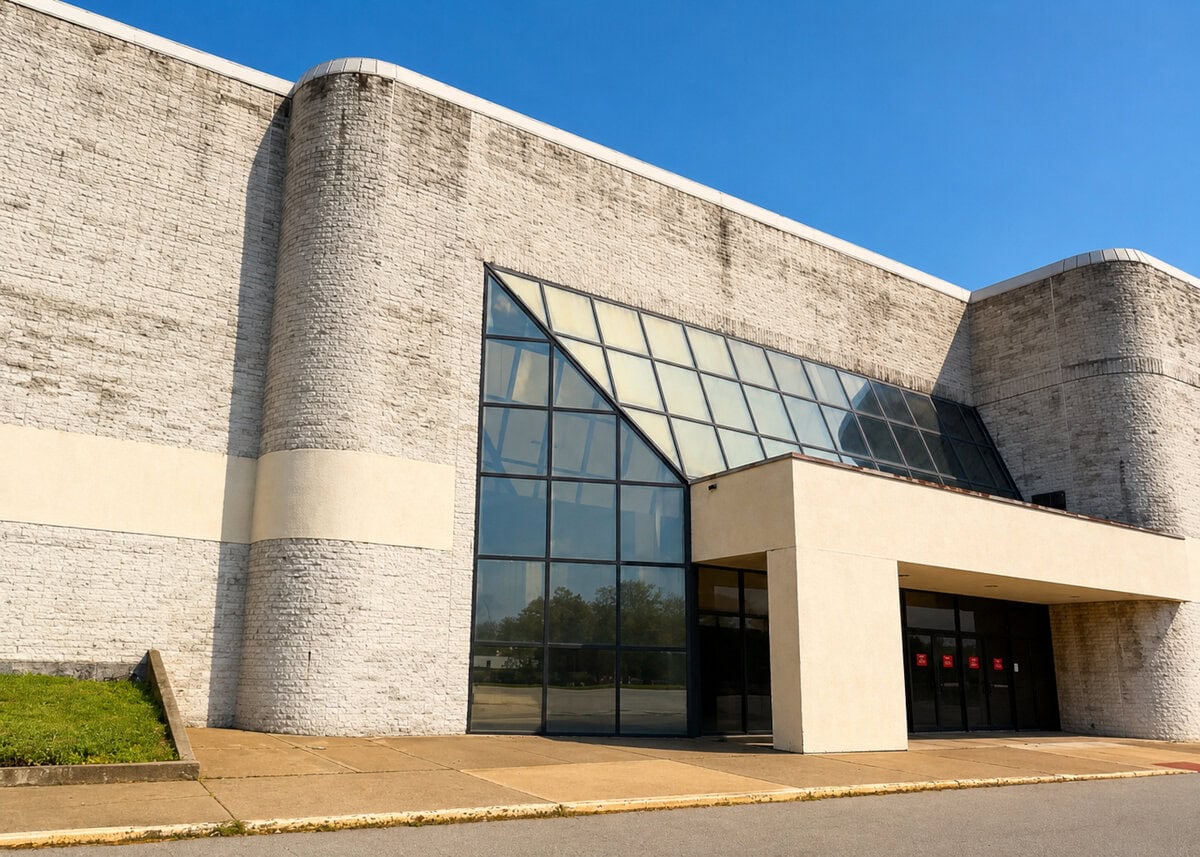
The two-level Bergner's wing, the only part of the building with a second floor, was now the mall's most prominent vacancy.
People who had first come to Hickory Point as children in the late 1970s or early 1980s, who had waited outside a dressing room while a parent tried on coats, who had eaten at the food area and then walked the corridor end to end without any particular purpose, would have understood what was missing.
Not abstractly. The anchor that had organized one end of the building was gone, and the corridor it had given people a reason to walk toward was now a corridor that ended in nothing.
The Debt, the Default, and the 2020 Sale
CBL & Associates Properties acquired Hickory Point Mall in November 2005 as part of a three-mall portfolio transaction totaling about $517 million.
The Hickory Point portion of the financing included a $33.2 million non-recourse mortgage at 5.85 percent interest.
At the time, the mall still had all its anchor-era tenants and was being managed as a conventional regional shopping center.
By September 2017, CBL recorded a $24.5 million impairment loss on the property and put its fair value at $14.1 million.
Reduced occupancy, reduced cash flow, and a weakening market.
By 2018, Hickory Point was being carried as a repositioning mall. In 2019, it reclassified the property again as a lender mall.
The $27.4 million mortgage matured in December 2019 and was in default as of December 31 of that year.
CBL grouped Hickory Point with a small number of other properties facing lender negotiations and possible conveyance, separate from the company's stable same-center reporting.
The sale came in 2020. A partnership involving Mason Asset Management, Namdar Realty Group, and CH Capital Group acquired the mall from CBL, with the transaction announced publicly in October.
The group managed a large portfolio of older malls, using a strategy built around continued leasing and gradual repositioning rather than immediate demolition. The mall stayed open.
Hickory Point Mall in 2026: Open, Anchored, and Waiting
The 2026 leasing materials show Kohl's with 90,500 square feet, Von Maur with 83,300 square feet, and Hobby Lobby with 60,000 square feet.
Ross Dress for Less, T.J. Maxx, Ulta Beauty, and Shoe Dept. Encore are also major tenants.
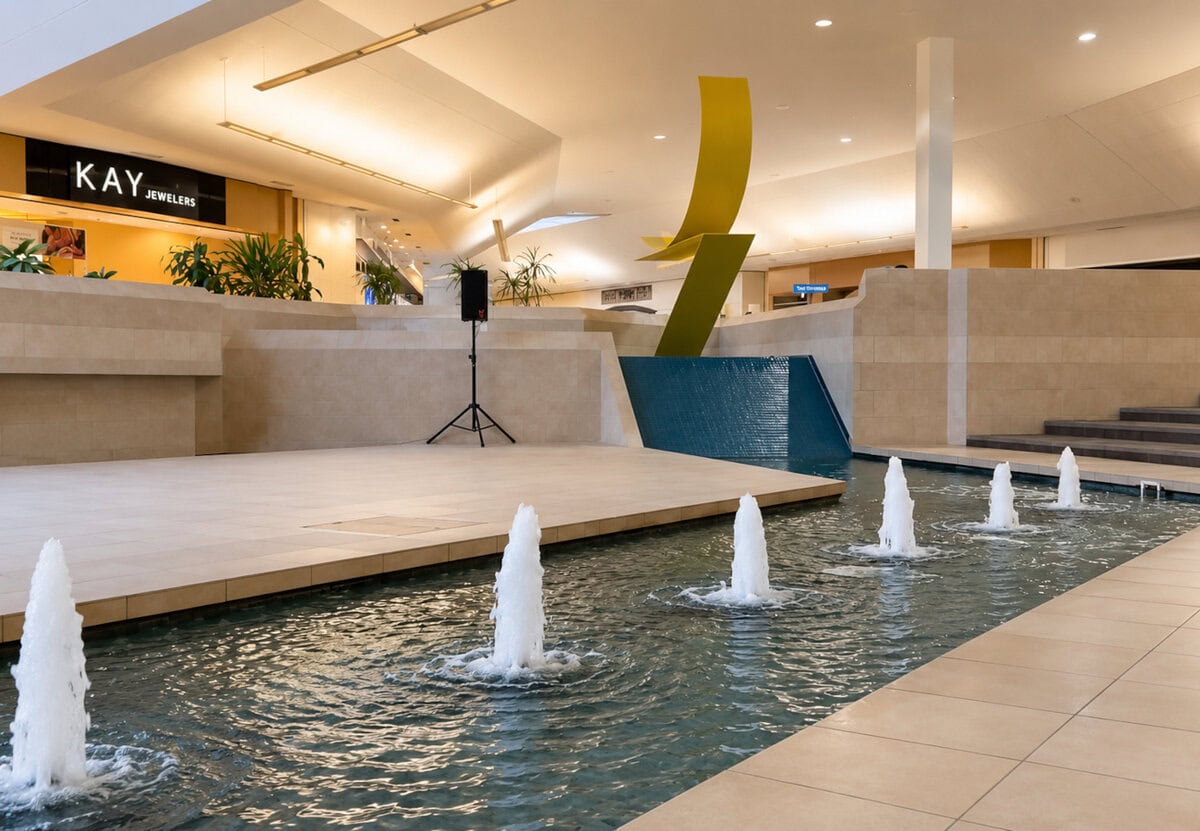
Inside the mall corridor, Bath & Body Works, Hibbett Sports, Maurices, Kay Jewelers, Finish Line, Auntie Anne's, Tilt, Jumpin' Addiction, and a group of smaller service and food tenants are still open.
Claire's closed its Hickory Point store in August 2025 during the chain's Chapter 11 bankruptcy case.
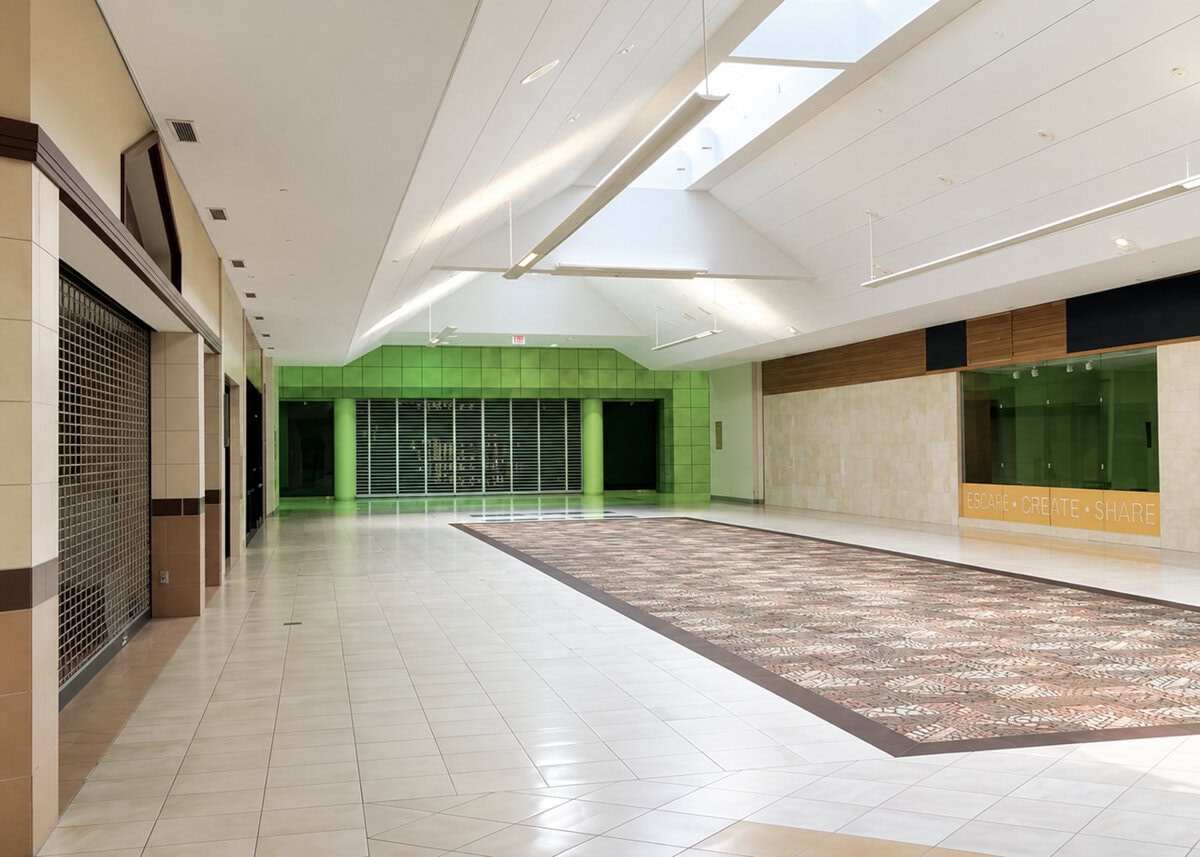
The empty spaces show another side of the mall. Three large spaces, of 125,500 square feet, 100,100 square feet, and 40,700 square feet, are available.
Together, they add up to one-third of the 808,600-square-foot building.
On the night of March 30, 2026, according to local reporting on the incident, Macon County deputies responded to a burglary at the abandoned AMC Theater inside the mall.
They found two people removing copper pipes, electrical wiring, and breaker boxes. The theater had been closed long enough that its parts had become more useful to strip out than to serve moviegoers.
That is Hickory Point Mall in 2026. Von Maur anchors the former Carson Pirie Scott space. Hobby Lobby fills the space JCPenney left behind.
Farther inside the building, a closed movie theater was being taken apart. The mall was redirected from Decatur to Forsyth by one city council vote in 1974, and that redirection still holds.
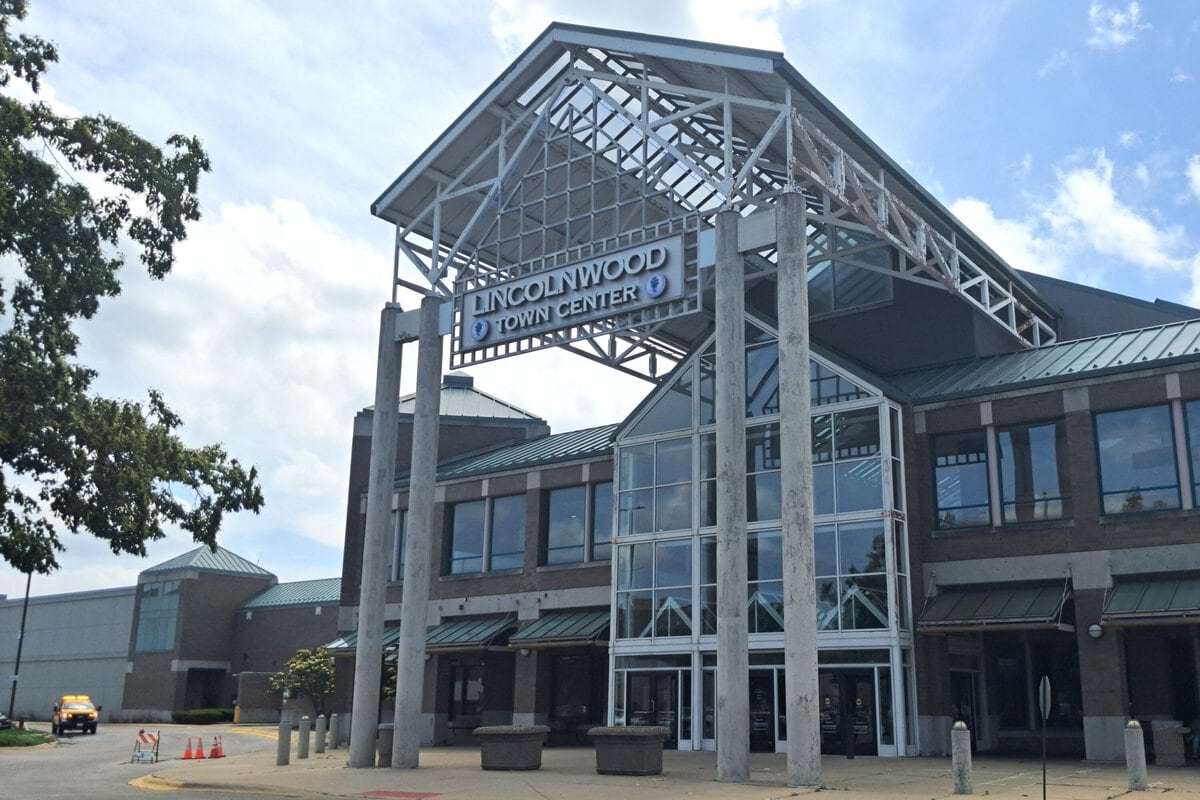
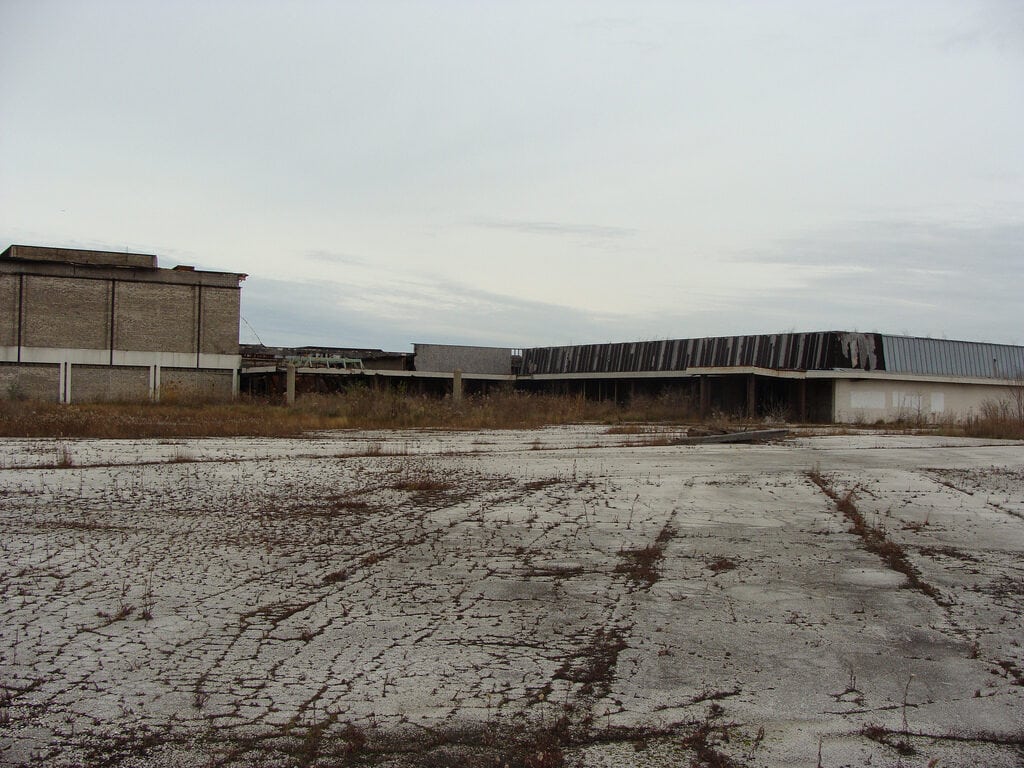
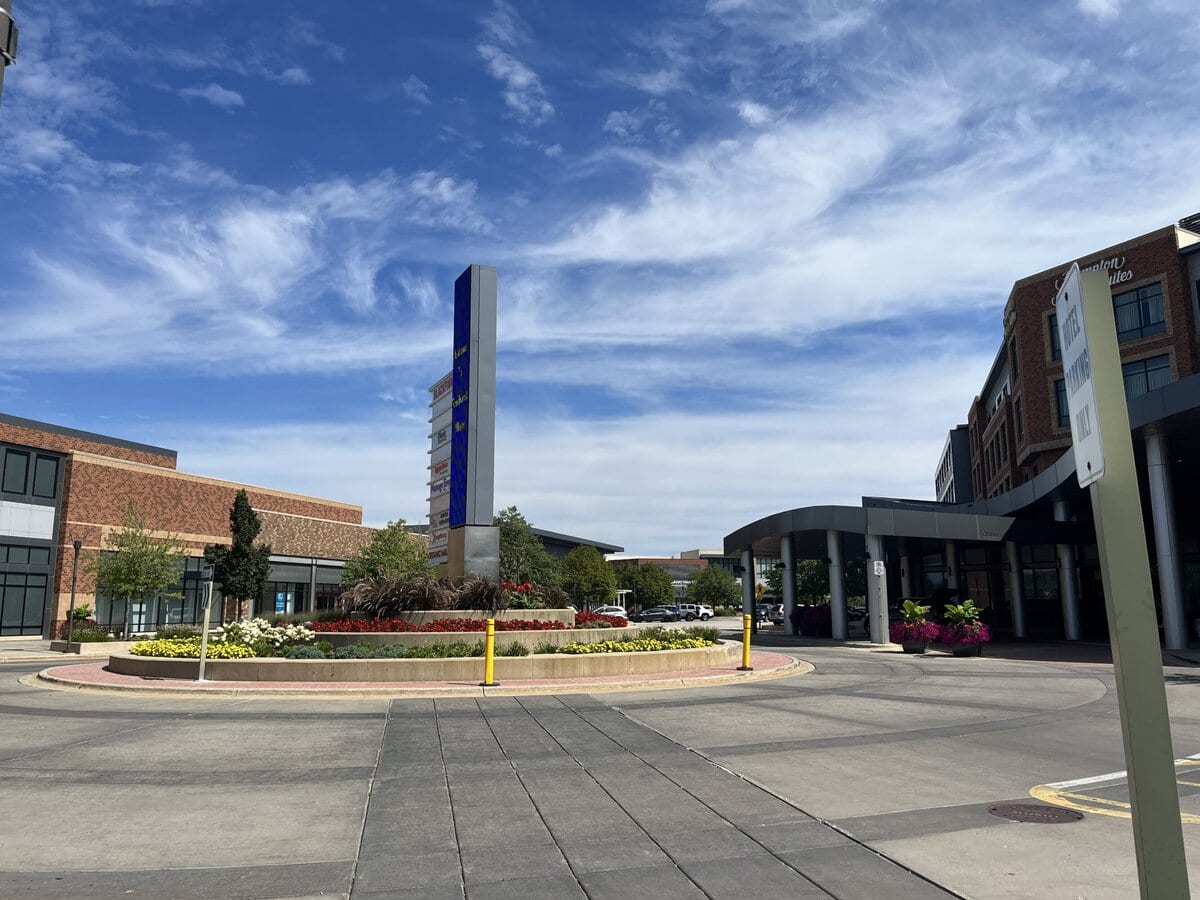
It is still the largest enclosed retail center serving the area, and it still brings in shoppers. It is also a quiet building in some wings and at some hours.
Independent Publisher Notice
BestAttractions is an independent editorial publisher. We are not affiliated with, endorsed by, or acting on behalf of any location, business, property owner, manager, government agency, or organization described in this article.
Comments posted on this page are not forwarded to, reviewed by, or acted upon by any entity mentioned in the article.
For official inquiries, complaints, applications, bookings, or other requests, please contact the relevant entity directly through its official website or other verified channels.