
Security Square Mall has lived through almost every big change that hit American malls from 1972 to 2025. You can still see that history inside: a church now uses space where a department store once stood, a health clinic serves people where shoppers once browsed, and the food court is still there after the major anchor stores that were meant to fill the mall with customers are gone.
The mall is in Woodlawn, in western Baltimore County, near two of the region's largest federal employment campuses. That location helped it keep people coming even after many national chains left.
Independent shops, local businesses, community groups, and bus riders continued to use the mall after Sears closed and after Baltimore County started buying parts of the site for redevelopment.
Baltimore County now controls about 39 acres of the property. The future of the rest is still being worked out.
Security Square Mall Opened With Big Stores and Big Parking Fields
Security Square Mall began with big doors, big parking fields, and department-store names that once made a full shopping trip feel complete.
It opened on September 29, 1972, at 6901 Security Boulevard in Woodlawn, near the routes that brought shoppers from western Baltimore County, Baltimore City neighborhoods, Catonsville, Windsor Mill, and Randallstown.
Edward J. DeBartolo Corporation developed the mall during the years when enclosed suburban centers were changing how people shopped around Baltimore.
Sears and Hochschild Kohn's were among the early anchors. JCPenney and Woolworth also became major large-format stores.
The building followed the retail habits of its time: an inward-facing mall, interior corridors, department stores at the edges, and wide surface lots around the building.
The larger property has been described as roughly 88 to 93 acres, depending on which parcels and outparcels are counted.
For shoppers, the boundaries mattered less than the routine. Security Square was a place where the west side could park, enter, walk the corridors, browse, eat, and leave with bags from stores that once defined the mall.
Security Square Mall Added Hecht's and a Food Court
Hecht's opened in a new anchor building in August 1979. The addition gave Security Square another major department store and strengthened the mall among Baltimore-area regional shopping centers.
The same period carried a complicated structure beneath the regular shopping trip. The mall and anchor buildings did not all share one owner.
Separate parcels operated together through agreements for parking, access, common areas, and mall operations.
The arrangement worked while the big stores still drew customers.
The site also had entertainment. A General Cinema theater operated inside during the early years.
Later, the theater moved to a standalone building in the south parking area. The former interior cinema space became a food-court area.
The change altered the pace of a visit. Security Square was no longer only a row of stores leading to department-store entrances.
It had a defined dining area where shoppers could stop between stores, movies, and errands. The mall kept adapting.
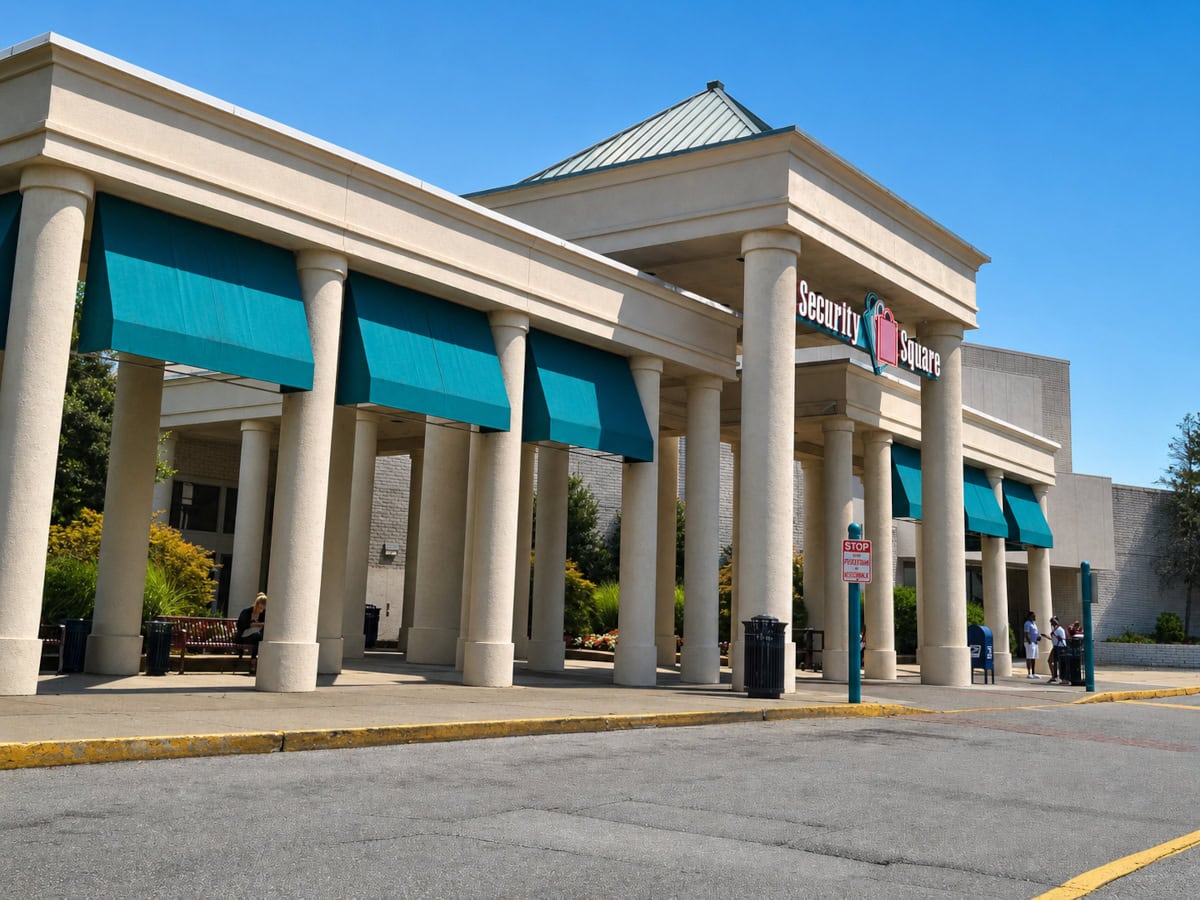
Ownership Changes Followed the Mall's Strong Years
Security Square was sold to JMB Urban Realty in 1983. By then, the mall had moved beyond its opening period and into the era when enclosed malls were treated as large investment properties.
The department-store lineup kept changing. The space associated with Hochschild Kohn's later shifted to Hutzler's in the 1980s.
Hutzler's closed in 1989, and the tract later became part of Montgomery Ward's footprint at the mall.
In the late 1990s, Security Square went through another repositioning period.
Capital Investment Associates became tied to ownership and repositioning efforts, while Hicks & Rotner Retail Inc. handled management and leasing.
The work included new retailers, a redesigned food court, restroom improvements, landscaping upgrades, and more visible security operations.
In 1999, the security offices moved to the center court. That detail suggests how the mall's later life was changing.
The center of the building was no longer only a place for passing through, meeting up, and looking into stores. It also became a place where management wanted to be seen.
Security Square was still open and active, but the straightforward department-store era had already begun to fade.
Anchor Closures Changed the Daily Mall Trip
JCPenney and Montgomery Ward both closed in 2001. Those closings removed two large reasons for shoppers to enter the mall and walk its interior corridors.
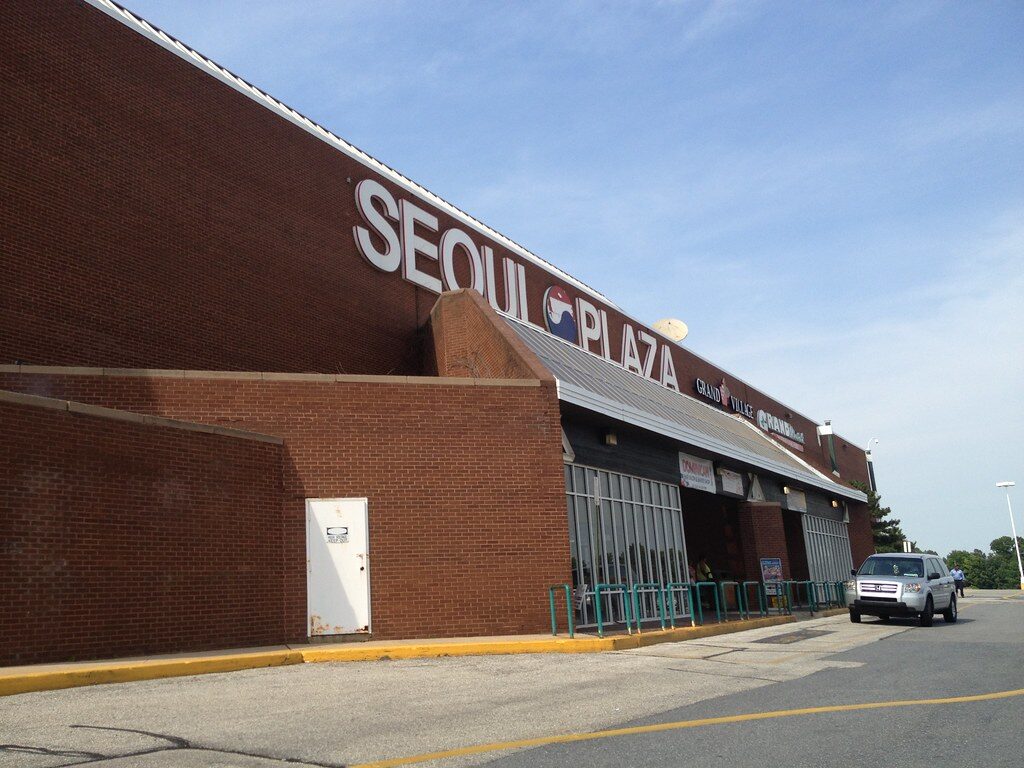
The former JCPenney space became the mall's most unusual reuse story. Seoul Plaza was planned in 2003 and opened in 2004 as a Korean and Asian-oriented marketplace.
It used roughly 160,000 square feet and was designed as a mall-within-a-mall, with Grand Mart on the first floor and smaller tenants upstairs.
Those tenants included food, furniture, a tea shop, a pool hall, a beauty salon, clothing stores, jewelry, and other small retail and service businesses.
The concept was meant to draw Korean and Asian customers from western Baltimore County, Howard County, Catonsville, Ellicott City, and nearby communities.
The idea struggled. Grand Mart closed in 2008 and was replaced by International Mart. By 2010, Seoul Plaza was put up for sale because of slow sales and high vacancy.
The old JCPenney space did not sit still. It kept changing, but replacing a department store with the same daily traffic remained difficult.
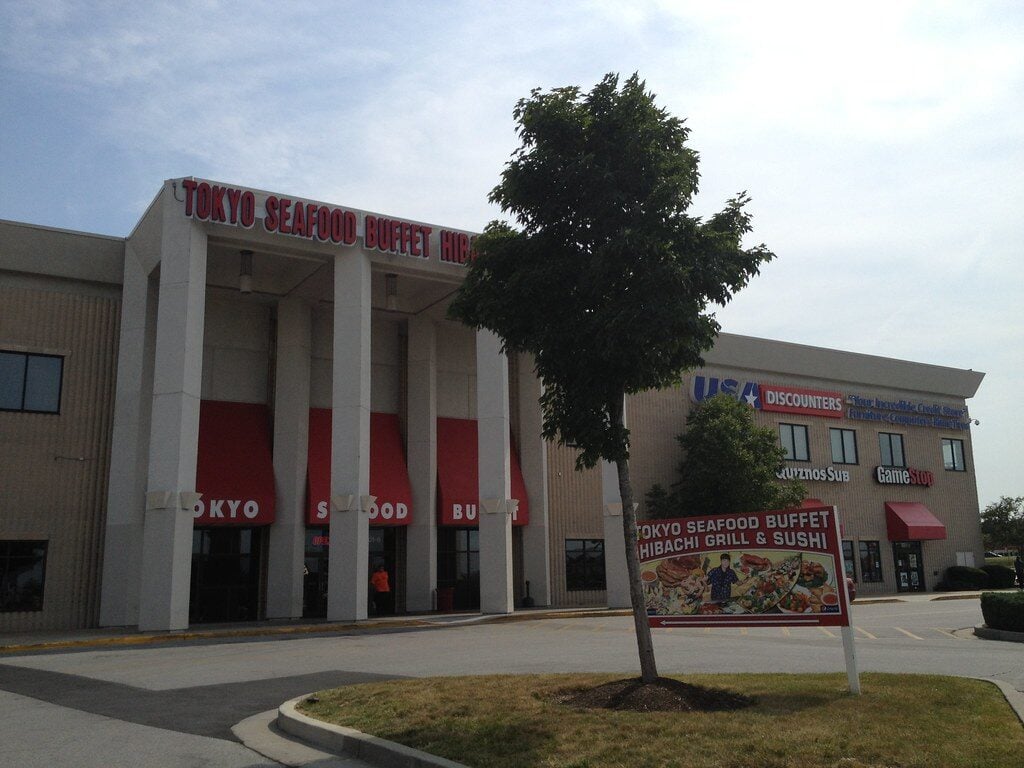
Sears, Macy's, Burlington, and the Anchor Loss Era
Sears lasted longer than most of the old anchors. It had been part of Security Square's opening-era identity and stayed until October 2019, after a national round of Sears and Kmart closures was announced that August.
Hecht's became Macy's in 2006, when Hecht's stores were converted under the national Macy's name. For years after Sears left, Macy's remained Security Square's last conventional national department-store anchor.
That ended in 2025. Macy's announced in January that the Security Square store would close, and the store closed by late March. Baltimore County then moved to acquire the former Macy's property for $6.5 million.
Woolworth had already closed in 1997. Burlington Coat Factory later occupied the former Woolworth space.
It stayed for many years, but Burlington announced in 2024 that it would leave Security Square for a new Catonsville location at 40 West Plaza.
The old anchor map was gone. Sears, Macy's, JCPenney, Woolworth, and Montgomery Ward had all closed, changed use, or become part of redevelopment planning.
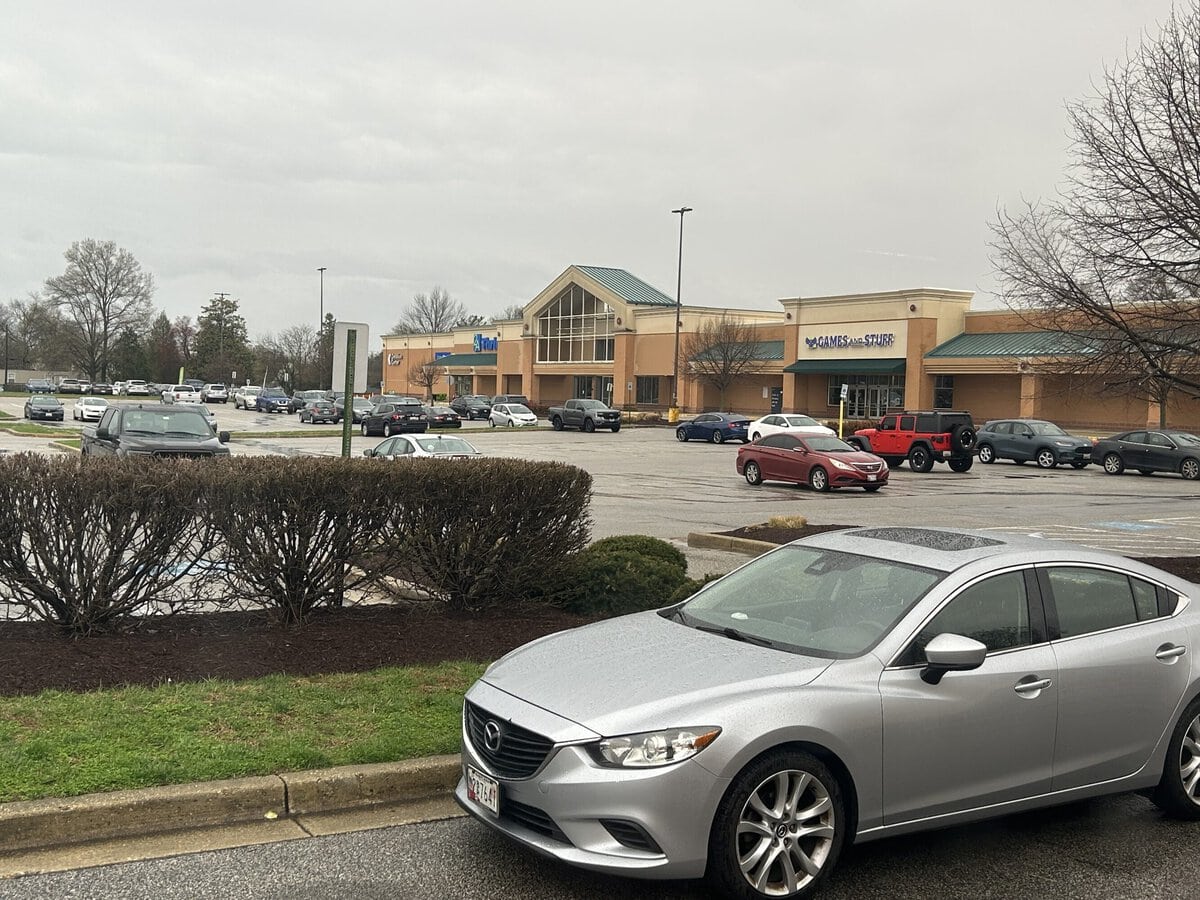
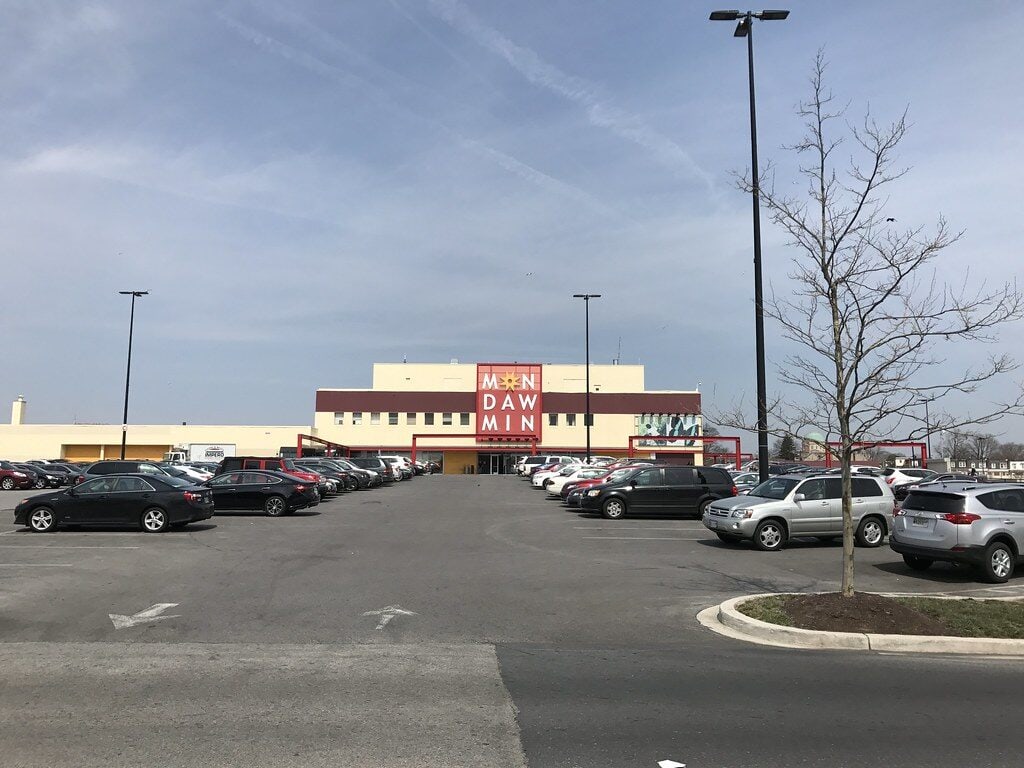
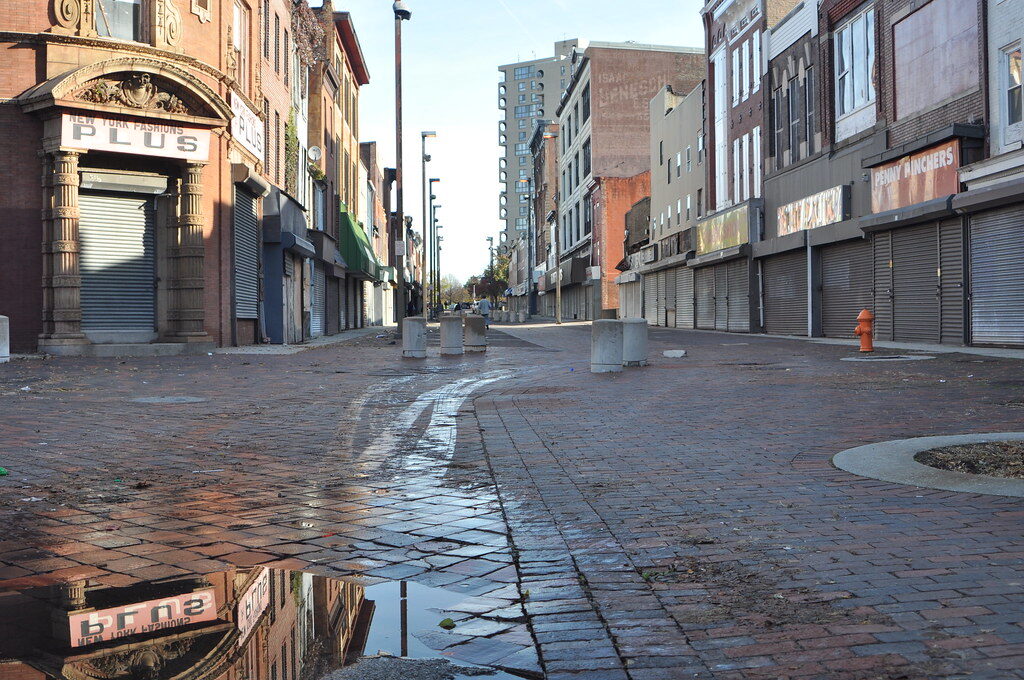
The Mall Became a Place for Services Too
The former JCPenney space later became tied to Set the Captives Free and the O.W.E. Center.
Set the Captives Free acquired roughly 160,000 square feet at the mall in 2018 and built a community-oriented reuse around church, health, food pantry, youth, workforce, and service functions.
The Woodlawn Health Center opened there on July 20, 2021. The 8,800-square-foot facility more than doubled the size of the former Woodlawn Health Center below the Woodlawn Branch Library.
Public-health services moved into a mall setting that had once depended on department-store shoppers.
Chase Brexton Health Care also operates a Security Square Center location at 6901 Security Boulevard, Suite 200, with access arranged from outside the enclosed mall.
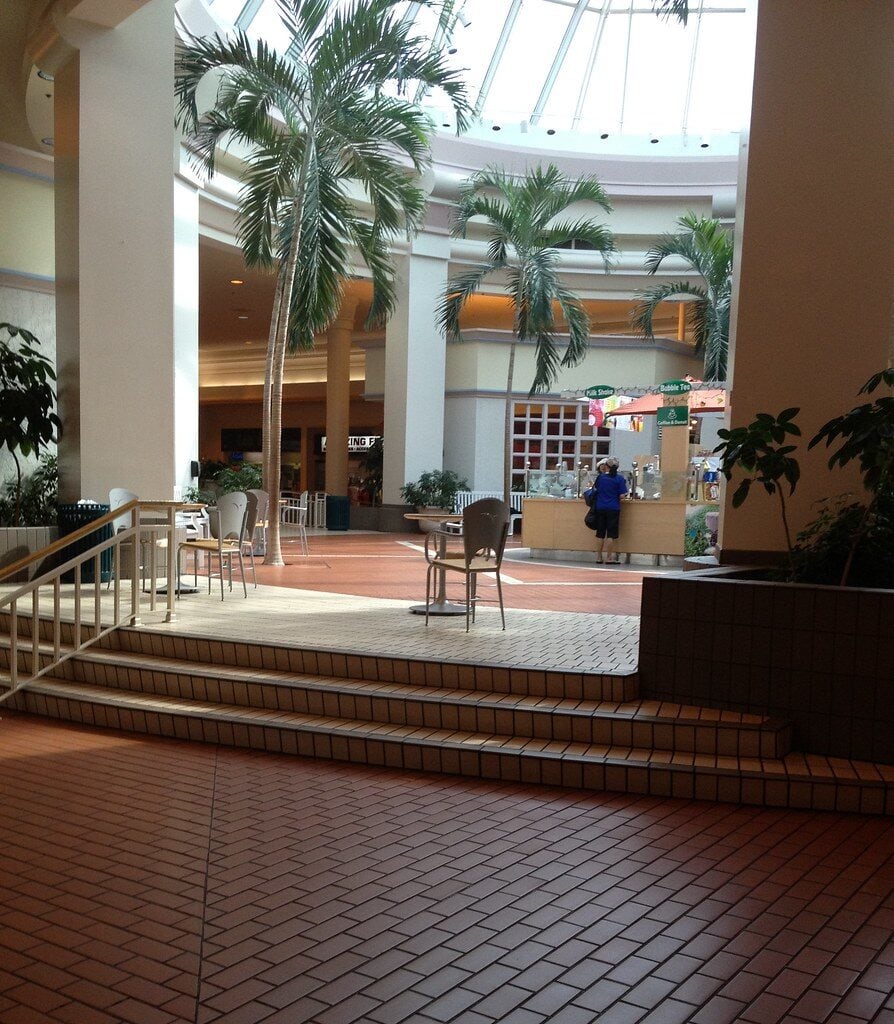
Security Square still has retail, food, beauty, apparel, entertainment, and service tenants. Public mall materials identify more than 100 stores and restaurants, along with a food court. AMC Theatres remains part of the site.
The mall did not become empty. It became mixed, patched, and harder to describe in one phrase.
Parking Lots, Outparcels, and Public Pressure
Before the mall looked troubled inside, it looked troubled from the asphalt.
Security Square had been built with parking fields large enough for department-store Saturdays, movie trips, food-court stops, and cars coming in from Security Boulevard, Rolling Road, I-695, and I-70.
Those lots once helped make the mall work. By the 2020s, they made the decline hard to miss.
The pavement carried problems people could name without a planning study: trash, potholes, illegally parked cars, tractor-trailers, and after-hours use of the property.
That kind of neglect changes how a mall feels before a shopper reaches the first door.
Even with stores, food, services, and a theater, the old routine starts to fray if the approach feels unmanaged.
The edges of Security Square were being remade one pad at a time. The former Bennigan's building was razed for a Chick-fil-A, which opened at 6975 Security Boulevard in December 2022 under operator William Barge III.
The former IHOP building was also targeted for removal.
These were small changes beside a mall of roughly 1 million square feet, but they showed where the visible cleanup had begun: not in the old corridors, but along the frontage everyone passed first.
In 2023, mall management and the Randallstown NAACP reached an agreement for an outdoor security vehicle and personnel, stronger lighting, and gates to close parts of the property after hours.
The pressure around Security Square was no longer only about closed anchors. It was about whether the public edges of the mall could feel cared for again.
Reimagine Security Square and the County's Role
Baltimore County's first major step was the former Sears property.
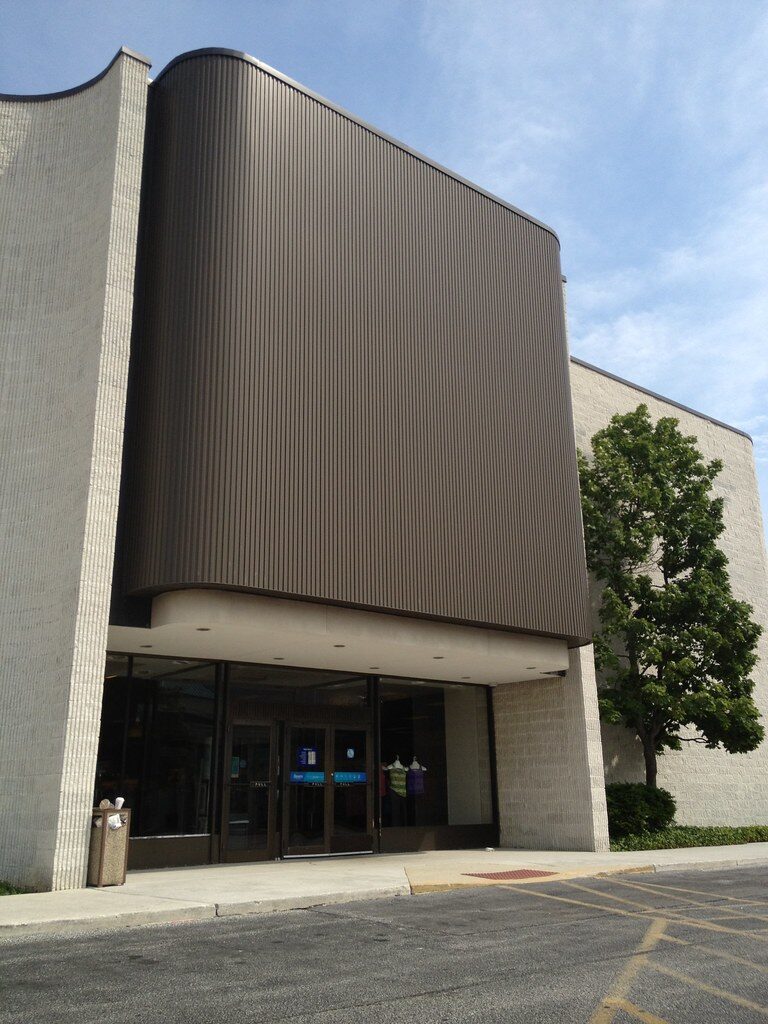
In 2022, the county moved to buy the former Sears building and about 18 acres attached to the mall. The building was about 202,700 square feet. It was one of the largest empty pieces at Security Square.
That purchase gave the county more control over a site that had long been split among different owners.
The mall building, old anchor stores, parking lots, outparcels, church space, health uses, and service areas were not all controlled by one party.
The county and state also committed $20 million in 2022 for revitalization around the mall. The funding included $10 million from Baltimore County and $10 million from the state.
The Reimagine Security Square meetings were held at Set the Captives Free Outreach Center at the mall. More than 1,000 residents took part. The location fit the issue.
Security Square was already being used for more than retail, including church services, health care, workforce programs, youth services, a food pantry, small businesses, food, and entertainment.
In 2023, Baltimore County bought another 12-acre parcel for $6.9 million.
The final Reimagine plan called for a walkable mixed-use district with open space, a greenway, roads, trails, bike lanes, better entrances, housing, workspaces, restaurants, retail, entertainment, and recreation.
The plan did not settle everything. Some buildings may stay for a time. Others may be removed. The next question is what parts of Security Square can survive as the county tries to remake the property.
Security Square Mall's Future Is Still Being Written
By early 2026, Security Square is still operating, but its future is tied to redevelopment.
Baltimore County controls about 39 acres after moving on the former Sears, Macy's, and parking parcels. Security Square Holding LLC controls about 30 acres.
Together, they put about 69 acres on the market through a redevelopment request for proposals issued on October 23, 2025.
Two redevelopment proposals have been received and are under review.
Negotiations with a selected development team are expected to move forward later in the year, with full redevelopment likely to happen in phases over many years.
Not every part of the larger property is included.
Separately controlled uses such as Chick-fil-A, Set the Captives Free O.W.E. Center, some health-care and storage facilities, AMC Theatres, and other outparcel uses remain outside parts of the main redevelopment offering.
Security Square's old department-store world is gone. What remains is a working but changed mall, a large public redevelopment site, and a place western Baltimore County still has a practical reason to use.
Independent Publisher Notice
BestAttractions is an independent editorial publisher. We are not affiliated with, endorsed by, or acting on behalf of any location, business, property owner, manager, government agency, or organization described in this article. Comments posted on this page are not forwarded to, reviewed by, or acted upon by any entity mentioned in the article. For official inquiries, complaints, applications, bookings, or other requests, please contact the relevant entity directly through its official website or other verified channels.
I remember when security square mall was a really good mall. I used to shop there and eat there and just relax. now I gave up on it. so sorry to see it going.that was my childhood mall
Security Square still holds decades of memories for people who shopped, ate, and spent time there. The current redevelopment plan could reuse parts of the mall or replace them, depending on which proposal is chosen.