
A train reaches the platform while the foothills are still holding the last of the morning shade.
Students step off with backpacks and coffee. Commuters wait on the opposite side.
A few blocks away, parents are already working through school traffic, and farther south, delivery trucks move between warehouses and broad commercial streets.
The view encourages a tidy conclusion: mountains at the end of the road, regional rail through town, and housing that should be easier to afford than in the better-known foothill communities nearby.
The first two points are real. The third has become complicated.
This is a compact, heavily Latino city with an established immigrant community, a private university, a neighboring community college, older residential blocks, newer planned housing, and an industrial southern edge.
It offers more texture than a master-planned suburb and more access than its size might suggest.
It also comes with inland heat, uneven walkability, wildfire exposure, and a housing market that no longer behaves like a bargain.
What It Costs to Move In Now
Zillow placed the typical home value at $718,131 in June 2026, only 0.8 percent higher than a year earlier.
The slow annual increase matters less than the level itself.
A buyer arriving now is entering a market already settled above $700,000, before property taxes, insurance, repairs, or association fees enter the budget.
Renters face a sharper change. Zillow's Observed Rent Index reached $2,626 in June, up 7 percent over the year.
That figure represents a typical market rent across the local rental stock, not the price of every apartment currently advertised.
Older Census figures describe a different group: people already living in their homes.
For 2020 through 2024, the median owner-reported home value was $641,400, median gross rent was $1,887, and median household income was $90,721.
A longtime owner with an older mortgage and a newcomer searching this summer can live on the same street while experiencing entirely different housing costs.
Condos, townhomes, apartments, and detached houses give buyers more choices than a city made almost entirely of single-family subdivisions.
The useful question is no longer whether the market is cheap.
It is which type of housing leaves enough room in the monthly budget for cooling, transportation, insurance, and repairs.
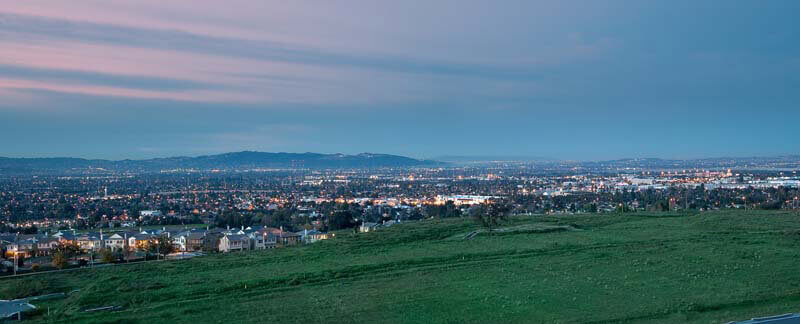
A Few Miles, Several Versions of Daily Life
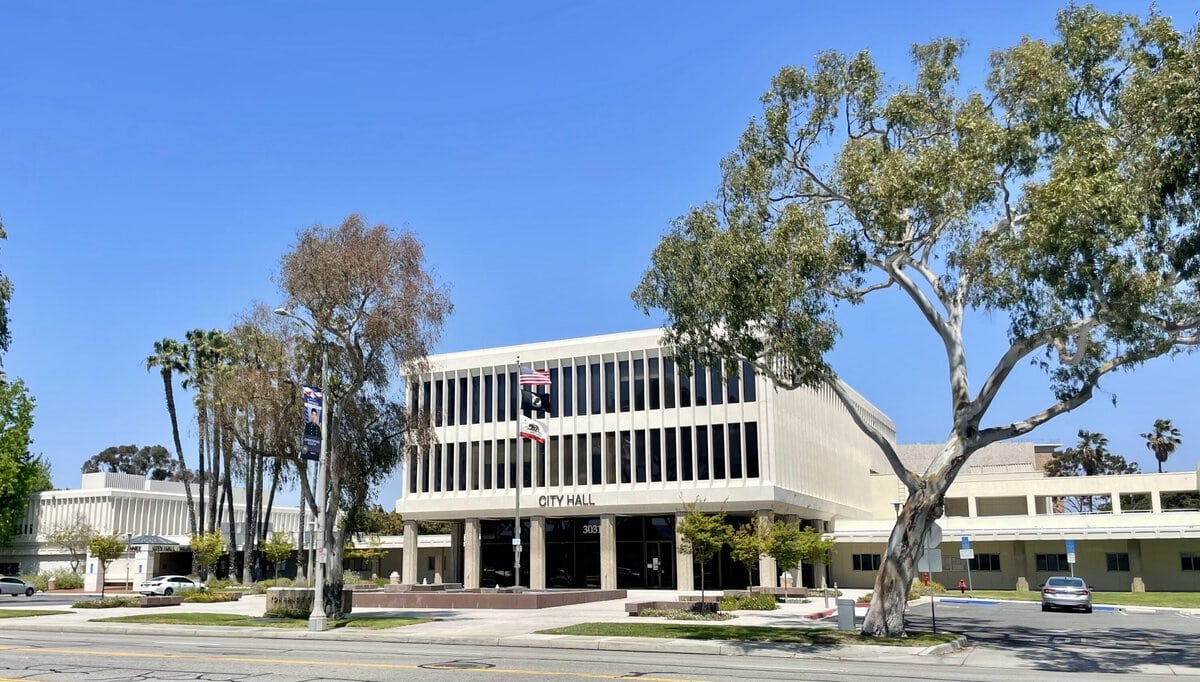
Near the traditional center, older houses and apartments sit among civic buildings, small storefronts, and the downtown station.
This is the easiest part of town in which to imagine walking to the train, a library, or a neighborhood business without planning the entire day around a car.
The eastern side moves to a different clock.
The university and nearby community college bring students, faculty, events, rentals, and heavier traffic at predictable hours.
Newer housing pushes farther into the foothill side of the city, where the streets feel more conventionally suburban.
Northward, the canyon becomes part of the view and part of the household calculation.
A quiet street near the slopes may also require closer attention to fire exposure, drainage, vegetation, and insurance.
South of the central corridors, the landscape becomes more industrial: warehouses, service businesses, truck traffic, older housing, and quick access to regional roads.
No official neighborhood line can tell a buyer how a block feels at 7 a.m. or 10 p.m. The city changes quickly enough that touring only one subdivision gives a false impression of the whole place.
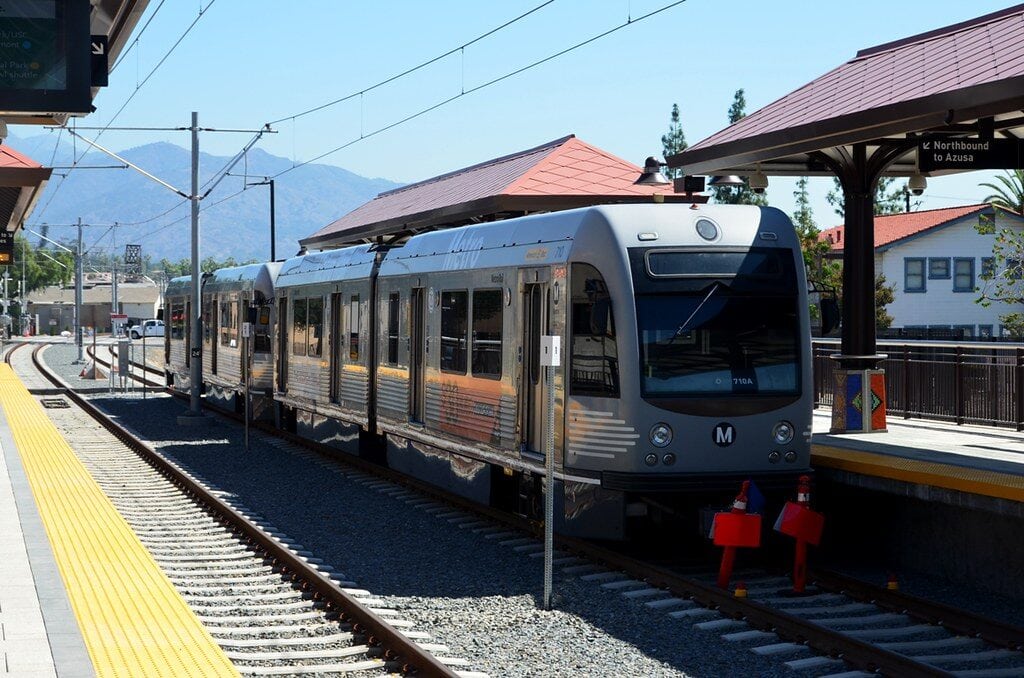
The Train Helps When the Routine Fits
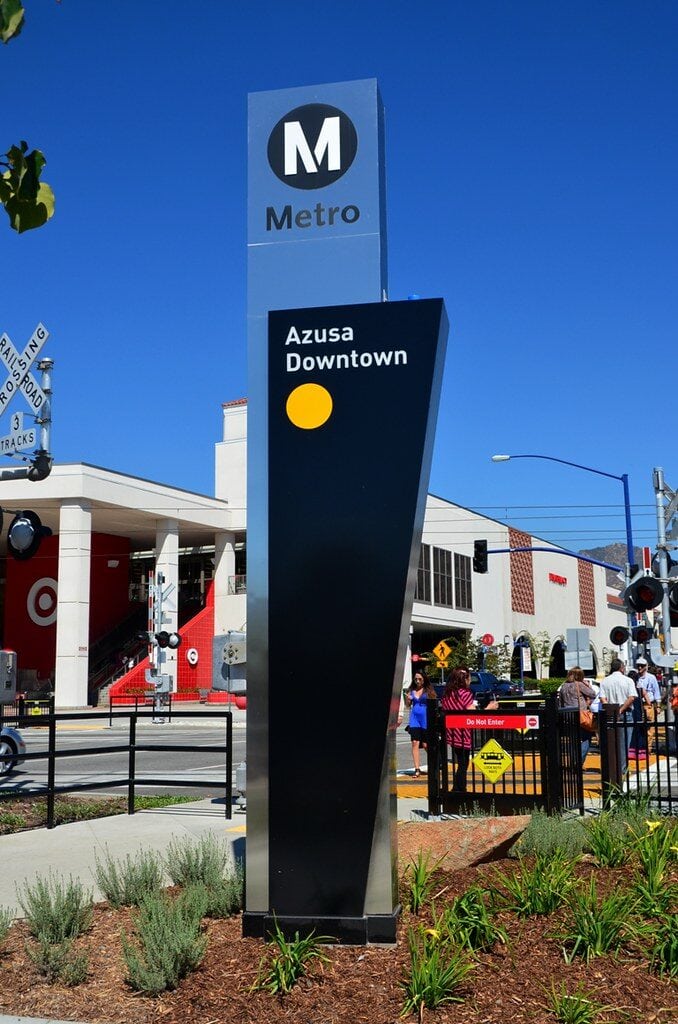
Two light-rail stations have operated here since 2016.
One serves downtown; the other sits beside the university area and near Citrus College.
For students and workers whose destinations line up with the A Line, living close to a station can remove real miles from the weekly driving total.
Distance from the platform changes the benefit quickly.
Families in the foothill neighborhoods, workers headed away from the rail corridor, and anyone making large grocery runs will still rely heavily on a car.
The average commute was 30.1 minutes in the 2020-2024 Census period, but that number blends many destinations and travel modes.
It does not promise a half-hour trip to central Los Angeles.
Local transportation programs add Dial-A-Ride, a station shuttle, and transit-pass support.
Those services matter, particularly for older residents and people with limited mobility, but they do not create a citywide high-frequency network.
The local economy is equally mixed.
Retail sales reached about $682 million in 2022, while health and social assistance, food service, transportation, and warehousing all had a visible presence.
The colleges and public institutions provide jobs, yet many residents still leave town each morning for work elsewhere in the San Gabriel Valley and Los Angeles County.
Schools Are Better Read in Layers
The local district's 2025 graduation-rate indicator was 88 percent, up from 84.1 percent the year before.
California classified the result as Green, with a Medium status and an Increased change.
That is useful, but it is not a single grade for every campus.
Families still need to verify the assigned school for a particular address, check current state indicators, ask about transfers and special programs, and drive the actual route during the morning rush.
There are specific strengths worth noticing.
The comprehensive high school received a 2026 California Exemplary Dual Enrollment Award for its partnership with Citrus College.
Sierra High School, the district's continuation campus, was named a 2024 Model Continuation High School.
One recognition concerns access to college coursework; the other concerns students who need a different path to graduation.
The university presence gives the eastern side an academic rhythm without turning the entire place into a college town.
Campus life shares the streets with school drop-offs, warehouse shifts, retail work, and long commutes.
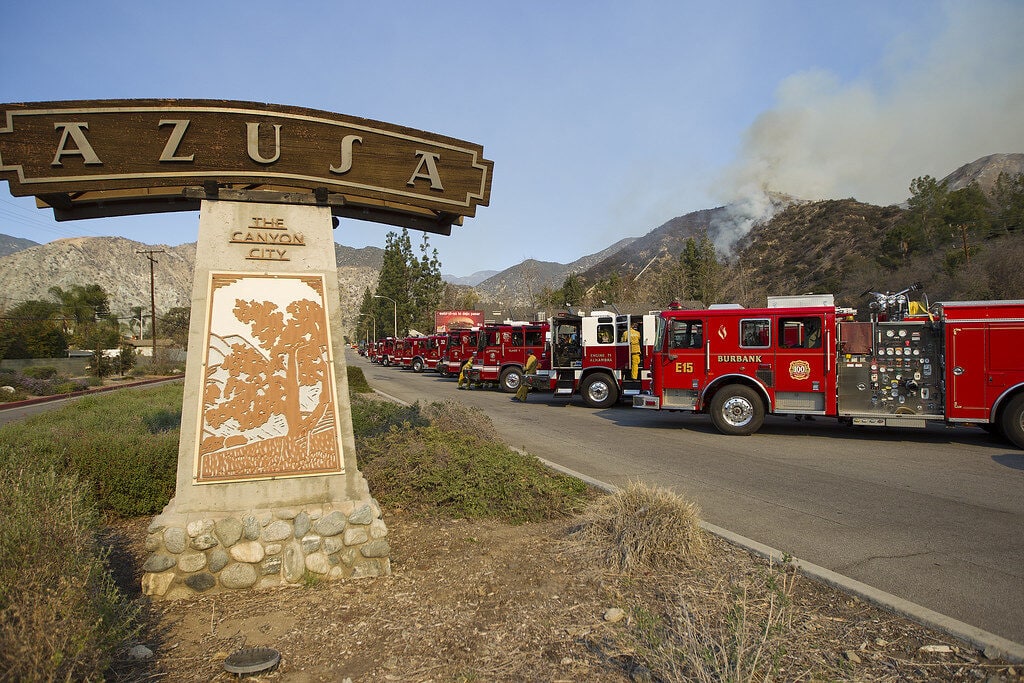
The Canyon Is Not Just Scenery
The northern road leaves the street grid and enters Angeles National Forest quickly enough for hiking, cycling, camping, or a simple drive into higher ground to become an ordinary weekend choice.
That proximity carries conditions.
On June 12, 2026, the Forest Service raised the fire-danger level for Angeles National Forest to High.
Roads and recreation sites can close after fire, storms, snow, or damage.
Smoke can settle into the valley, and burned slopes can change how water and debris move during later rain.
Heat is more routine than dramatic. Summer afternoons regularly make air conditioning part of the household budget.
In an older house, insulation, shade, window quality, electrical capacity, and the condition of the cooling system can matter more than a newly remodeled kitchen.
A foothill home therefore needs two inspections.
One is the usual examination of the building.
The other is a look outward: vegetation, drainage paths, nearby slopes, road access, and the availability and price of insurance.
The mountain backdrop is real, but so is the paperwork attached to it.
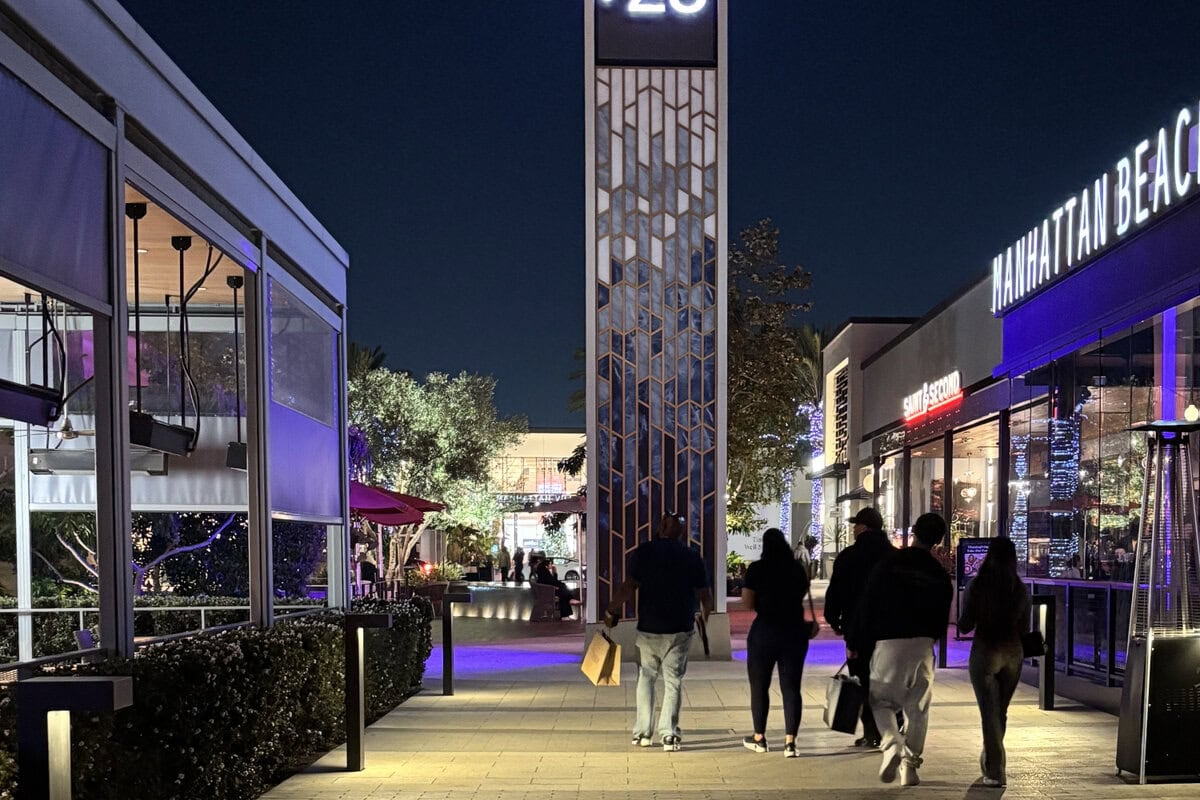
Safety, Health Care, and the Block After Dark
California's 2024 agency-level data recorded 129 violent crimes and 708 property crimes reported by the local police department, excluding arson from the property total.
The categories included four homicides, 42 robberies, 90 burglaries, and 154 motor-vehicle thefts.
These figures come from the California Department of Justice Crimes and Clearances database, which compiles offenses submitted by local law-enforcement agencies.
They are citywide reported-offense totals, not neighborhood forecasts or counts of unique victims.
A more useful household check is local and physical: visit the block after dark, look at lighting and parking, listen for traffic, and see how residents secure cars and packages.
Hospital care also works regionally.
General acute-care hospitals with basic emergency departments operate in nearby Glendora and Covina.
That is close enough for ordinary access, but households managing frequent treatment should test the trip from the exact address they are considering.
Older properties deserve a similarly specific review.
Roofs, sewer lines, electrical panels, foundations, cooling systems, drainage, and unpermitted additions can turn a lower purchase price into an expensive first year.
In a city where larger and multigenerational households are common, converted garages and added rooms deserve more than a quick glance.
Who Is Likely to Feel at Home
This place works best for households that value access and character more than visual uniformity.
It can suit people connected to the colleges, commuters who can genuinely use the train, families comfortable in a bilingual and multigenerational community, and buyers prepared to examine an older property carefully.
It is a weaker match for someone expecting coastal weather, nightlife within walking distance, the same neighborhood feel from one end of town to the other, or an easy drive to every major Los Angeles employment center.
The right choice depends less on the city's general reputation than on whether one address fits the household's actual map.
So, Is Azusa a Good Place to Live?
Azusa makes sense when its strongest features match daily life.
The two light-rail stations provide a useful regional connection.
Azusa Pacific University and nearby Citrus College give the eastern side an educational center of gravity.
The San Gabriel Canyon brings the mountains unusually close, while the city's Latino and immigrant communities give local life an identity that was built over decades rather than designed for a brochure.
The compromises are equally concrete. A typical home value above $700,000 is difficult to reconcile with local incomes.
Most households will still need a car.
Summer cooling, wildfire exposure, insurance, property condition, and block-by-block differences can change both the cost and comfort of living here.
The sensible test is practical: stand at the station during the hour you would use it, drive the school route, visit the street after dark, obtain the insurance quote, and inspect the cooling and drainage systems before falling for the mountain backdrop.
The train still runs beneath the foothills.
The price of the view arrives later.

References
Zillow Research, Azusa, California Housing Market, Zillow Home Value Index and Zillow Observed Rent Index data through June 30, 2026. Data Provided by Zillow Group.
Zillow Research, Housing Data, ZHVI and ZORI definitions and methodology.
U.S. Census Bureau, QuickFacts: Azusa city, California, 2025 population estimate and 2020-2024 demographic, housing, income, business, and commuting data.
City of Azusa, Transportation Division, Dial-A-Ride, shuttle, and transit-pass programs.
City of Azusa, General Plan Update Request for Proposals, 2024 municipal context and the two A Line stations.
California Department of Education, Graduation Rate Indicator - 2025, district graduation status and performance classification.
California Department of Education, 2026 California Exemplary Dual Enrollment Schools, high-school and college partnership recognition.
California Department of Education, 2024 Model Continuation High Schools, Sierra High School recognition.
U.S. Forest Service, Fire Danger Level Elevated to High, effective June 12, 2026.
California Department of Justice, Crime Data, official agency-submitted crime-data system.
California Department of Justice, CJSC Databases, Crimes and Clearances database definitions.
California Department of Justice, Crimes and Clearances With Arson, 1985-2024, 2024 local police-agency offense totals.
California Department of Health Care Access and Information, Emanate Health Foothill Presbyterian Hospital, facility type, emergency service level, licensed beds, and operating status.
California Department of Health Care Access and Information, Emanate Health Inter-Community Hospital, facility type, emergency service level, licensed beds, and operating status.
Independent Publisher Notice
BestAttractions is an independent editorial publisher. We are not affiliated with, endorsed by, or acting on behalf of any location, business, property owner, manager, government agency, or organization described in this article.
Comments posted on this page are not forwarded to, reviewed by, or acted upon by any entity mentioned in the article.
For official inquiries, complaints, applications, bookings, or other requests, please contact the relevant entity directly through its official website or other verified channels.