
At 6:04 on a weekday morning, the westside commuter bus pulls away from a Walmart parking lot.
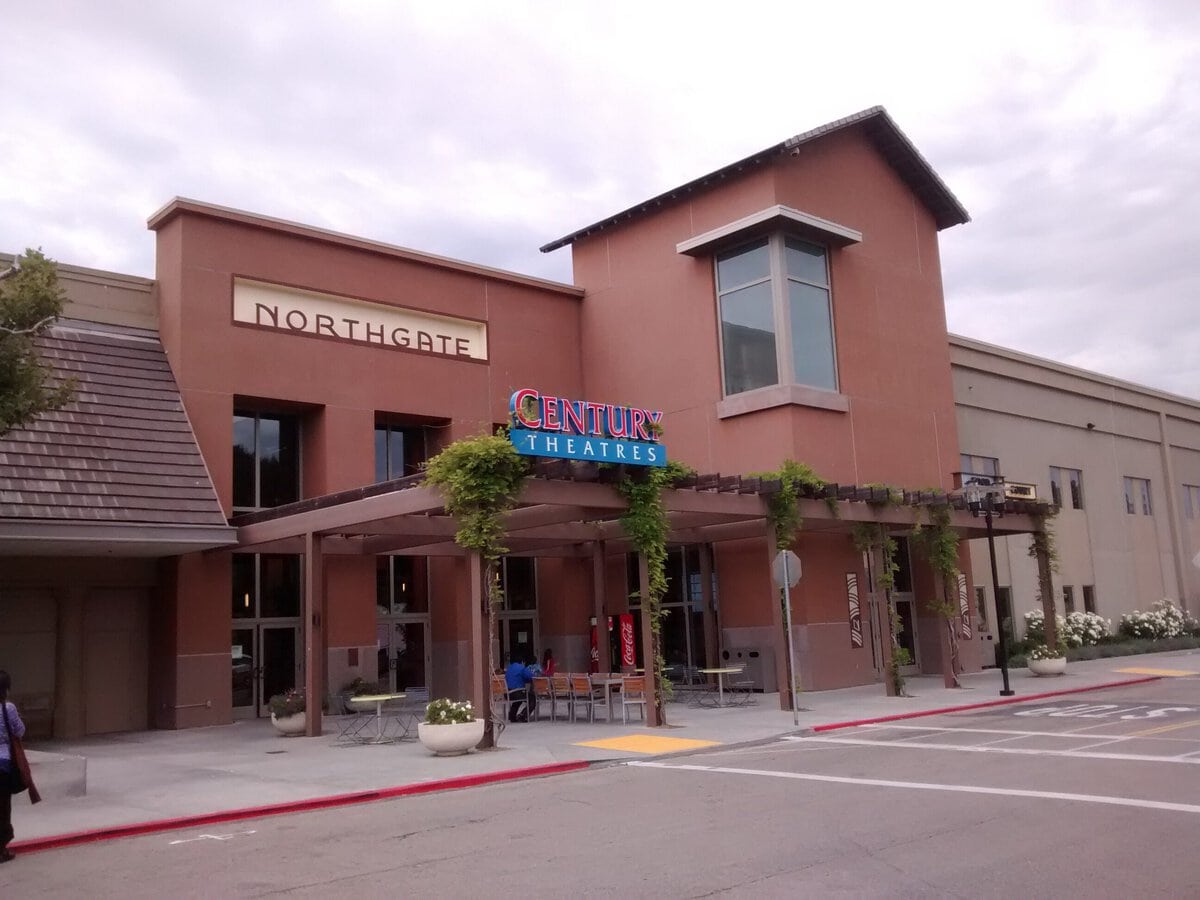
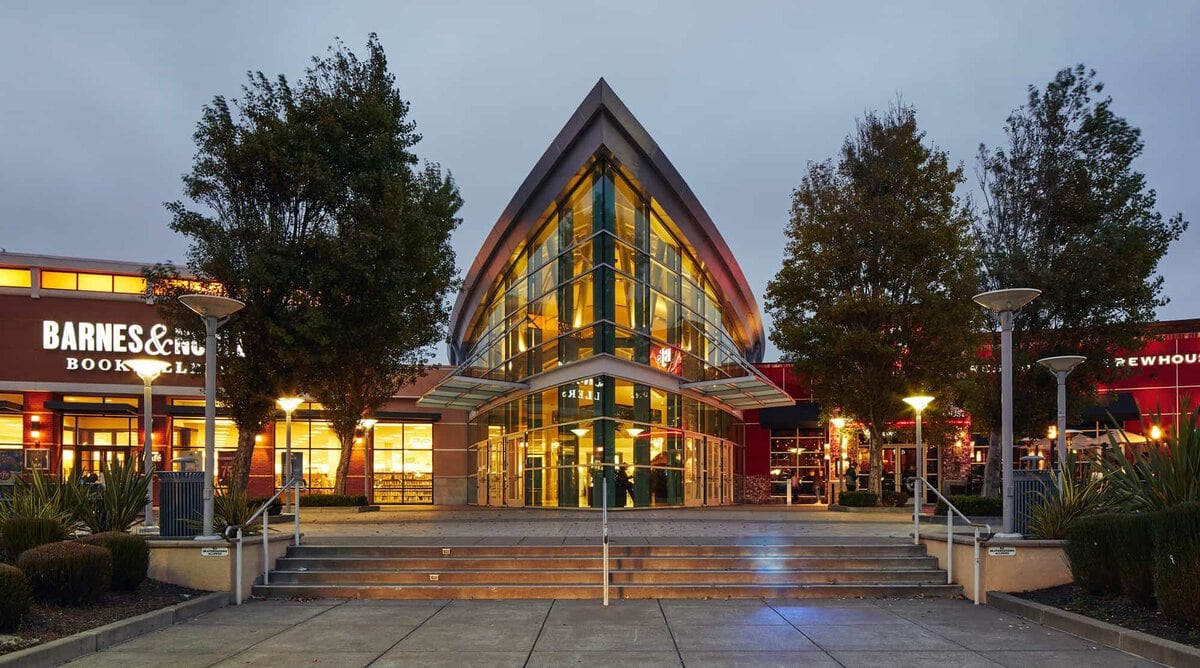
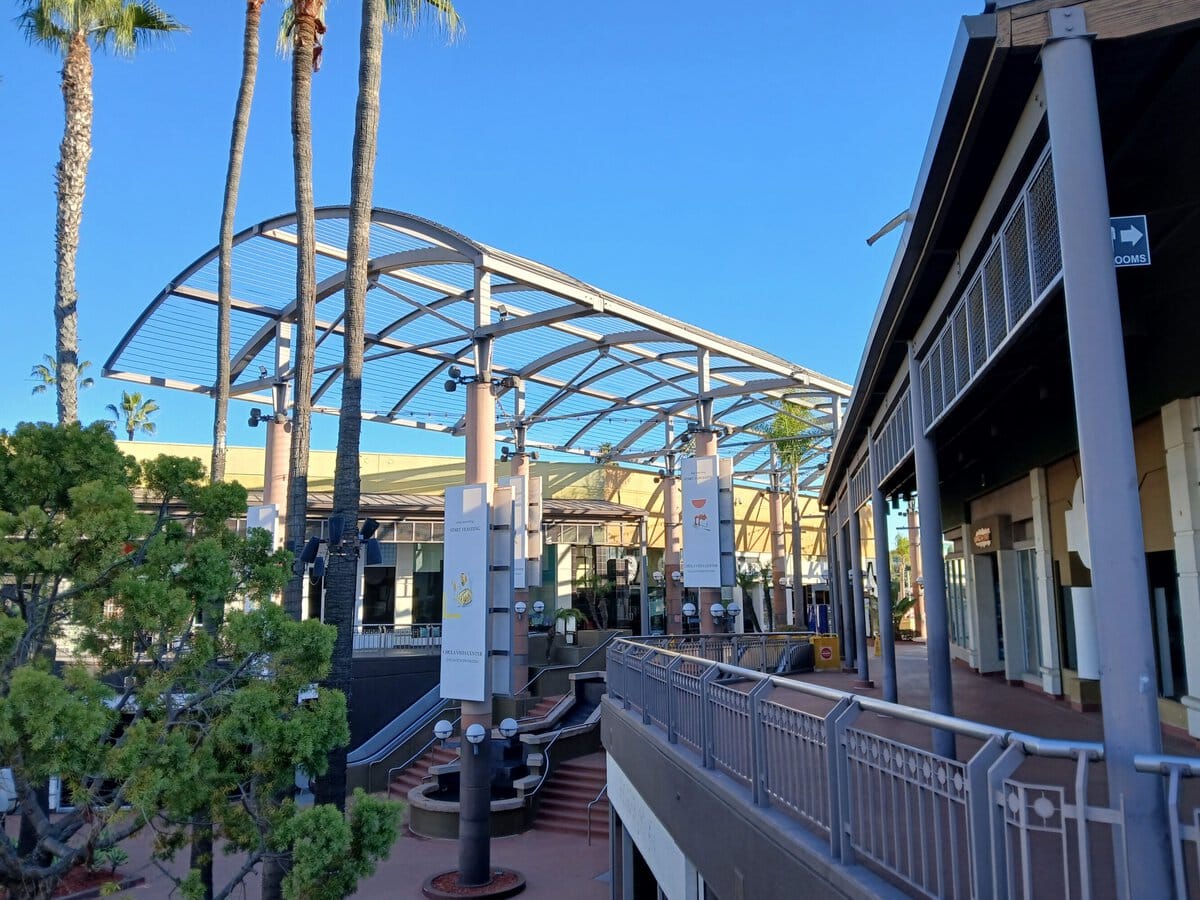
Before turning north, it passes a shopping plaza, the local hospital, the fairgrounds, the community center, and a discount store.
It reaches Merced at 7:15. The route reads like a compressed account of life in this western Merced County city.
Shopping, medical care, public events, and recreation sit within a short local circuit.
Work, specialized services, and the wider region may be an hour or more away.
Daily life here is young, family-centered, and locally rooted.
It is also car-dependent, intensely hot in summer, and shaped by commutes long enough to become household decisions rather than ordinary drives.
This is not a polished commuter suburb with a decorative old town and a train platform.
It is a working valley city where the week revolves around schools, youth sports, shopping corridors, relatives, and the question of how far someone must travel for what the city cannot provide.
A Young City Runs on Household Logistics
The population reached an estimated 49,614 in July 2025, an increase of 8.8 percent from the 2020 estimate base.
Nearly one resident in three is under 18, and the average household contains 3.54 people.
Those numbers explain the city's tempo better than a list of attractions would.
A school-day morning can require several people moving in different directions at once: children heading to class, adults leaving for work, relatives exchanging pickups, and someone trying to finish a grocery run before the afternoon heat settles over the parking lots.
After-school schedules pull families toward fields, gyms, parks, stores, and family homes.
A missed pickup or late shift can rearrange the evening.
The local unified school district enrolled 10,910 students in the 2025-26 school year.
More than one in five were English learners.
Those figures do not tell a parent whether a particular campus is right for a particular child, but they show the scale and multilingual reality of the system around which much of the week is organized.
Hispanic or Latino residents make up 73.4 percent of the population, and 52.5 percent of residents age five or older speak a language other than English at home.
Spanish-language Zumba, morning Loteria, and Aztec dance classes appear beside basketball, soccer, volleyball, and pickleball in the recreation schedule.
Bilingual life is not an occasional festival theme here.
It runs through schools, stores, public programs, churches, family gatherings, and the ordinary exchange of information between generations.
The Geography of an Ordinary Errand
The commuter timetable names the city's practical landmarks in sequence: Walmart, San Luis Plaza, the hospital, the fairgrounds, the community center, and Dollar Tree.
That is how much of the city works.
Not as a collection of sharply defined urban neighborhoods, but as a chain of useful stops connected by broad roads and short drives.
With a car, the routine is straightforward.
Without one, it becomes an exercise in timing.
The regional Micro Bus offers on-demand rides within the westside communities and connects with the fixed commuter route.
Trips can be booked by app or phone. The general one-way fare is $1.50, while the intercity commuter bus costs $3.
That service matters. It gives residents who do not drive a way to reach local destinations and connect toward Merced.
But it does not make the city effortlessly car-free.
Reservations, virtual stops, transfers, operating hours, and the location of a final destination still determine what is practical.
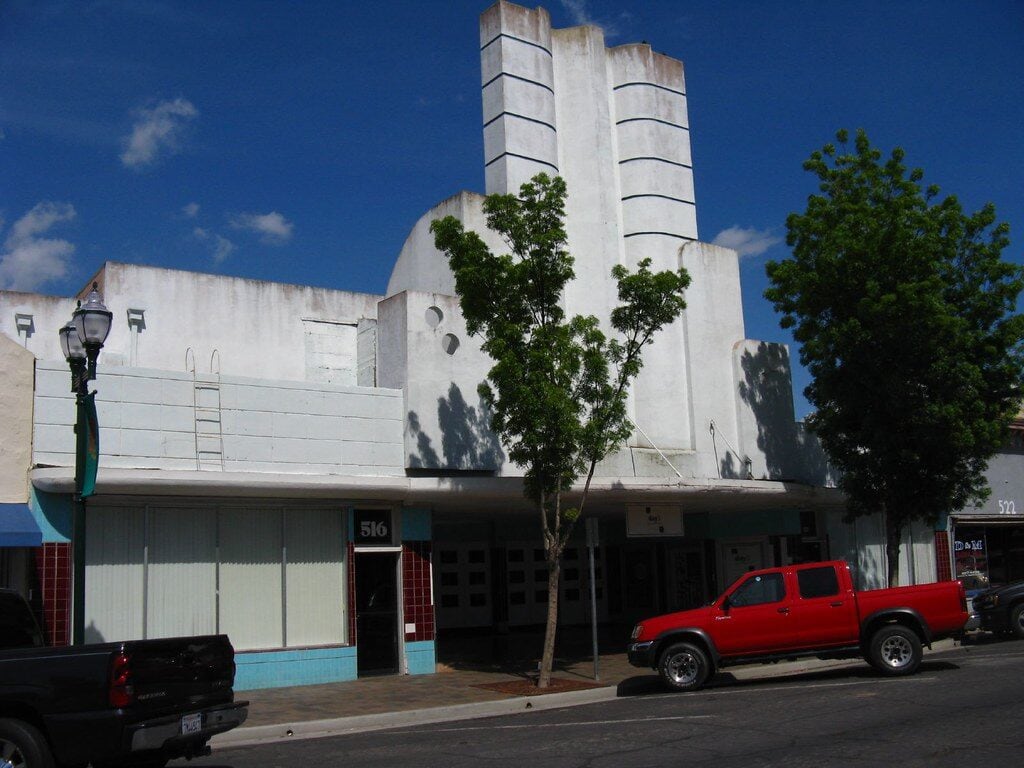
Downtown operates at a smaller scale than the newer commercial corridors.
National Night Out, seasonal events, recreation programs, and community gatherings periodically bring people into the civic core.
On most days, however, errands remain dispersed enough that households tend to plan them as a driving loop.
The distance between individual stops may be modest.
The larger geography is not.
Housing Buys Stability, Not Escape
Almost 60 percent of occupied homes are owner-occupied, and 93 percent of residents age one or older were living in the same home as a year earlier.
This is not an unusually transient place.
The physical housing stock helps explain that stability.
In the 2017-21 American Community Survey, 83.2 percent of housing units were detached single-family homes.
Nearly half of all units had three bedrooms, while another quarter had four.
Housing here therefore tends to produce a particular kind of routine: more bedrooms, garages, driveways, yard work, and space for larger households.
It also spreads daily destinations farther apart than they would be in a compact apartment district.
Newer residential growth extends beyond the older center, but the city has not become a seamless suburban landscape.
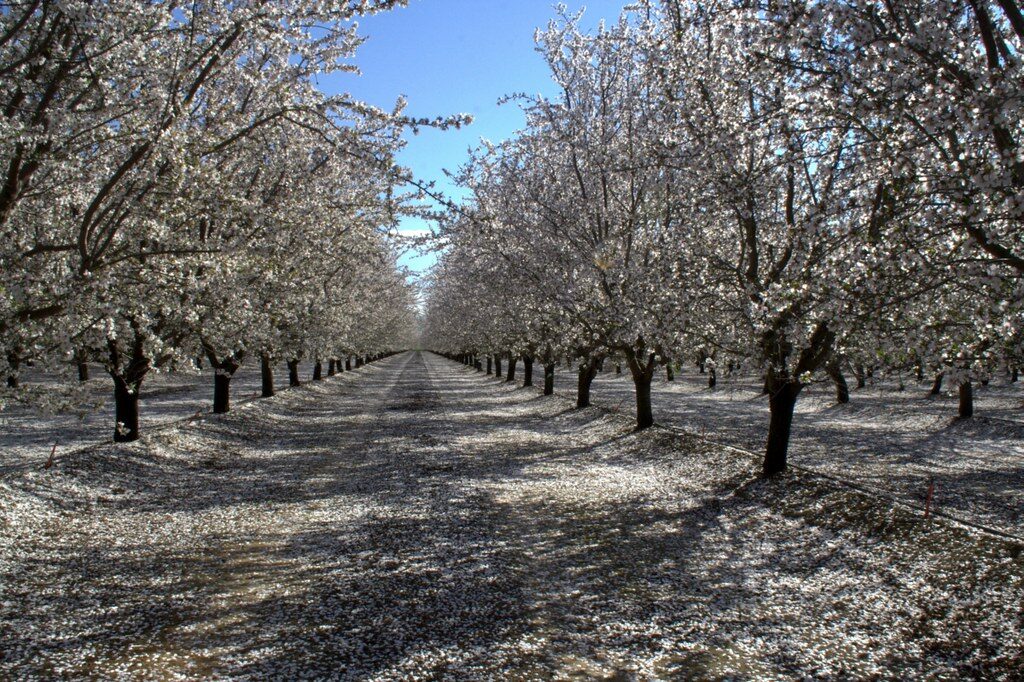
Agricultural edges, commercial strips, older blocks, newer subdivisions, and open land remain close enough to appear during the same ten-minute drive.
Calling the city "cheap California" would be lazy.
For the 2020-24 Census period, median gross rent was $1,557, while median monthly owner costs for households with a mortgage were $2,025.
Median household income was $68,171.
These are survey-period figures rather than today's listing prices, but they show why affordability feels conditional rather than effortless.
A household may gain another bedroom, a conventional family routine, or a realistic path toward ownership.
It may also accept substantial transportation costs and a commute that removes hours from the week.
The housing decision cannot be separated from the map.
After School, the City Gets Social
The strongest community infrastructure is ordinary.
Children move through basketball, tee ball, volleyball, and soccer.
Adults use open gyms, pickleball courts, fitness classes, cultural programs, and CPR training.
Older residents gather for walking, arts and crafts, quilting, bingo, and social clubs.
None of this is glamorous. That is precisely why it matters.
A city becomes usable through places people can return to without turning every outing into an expensive production.
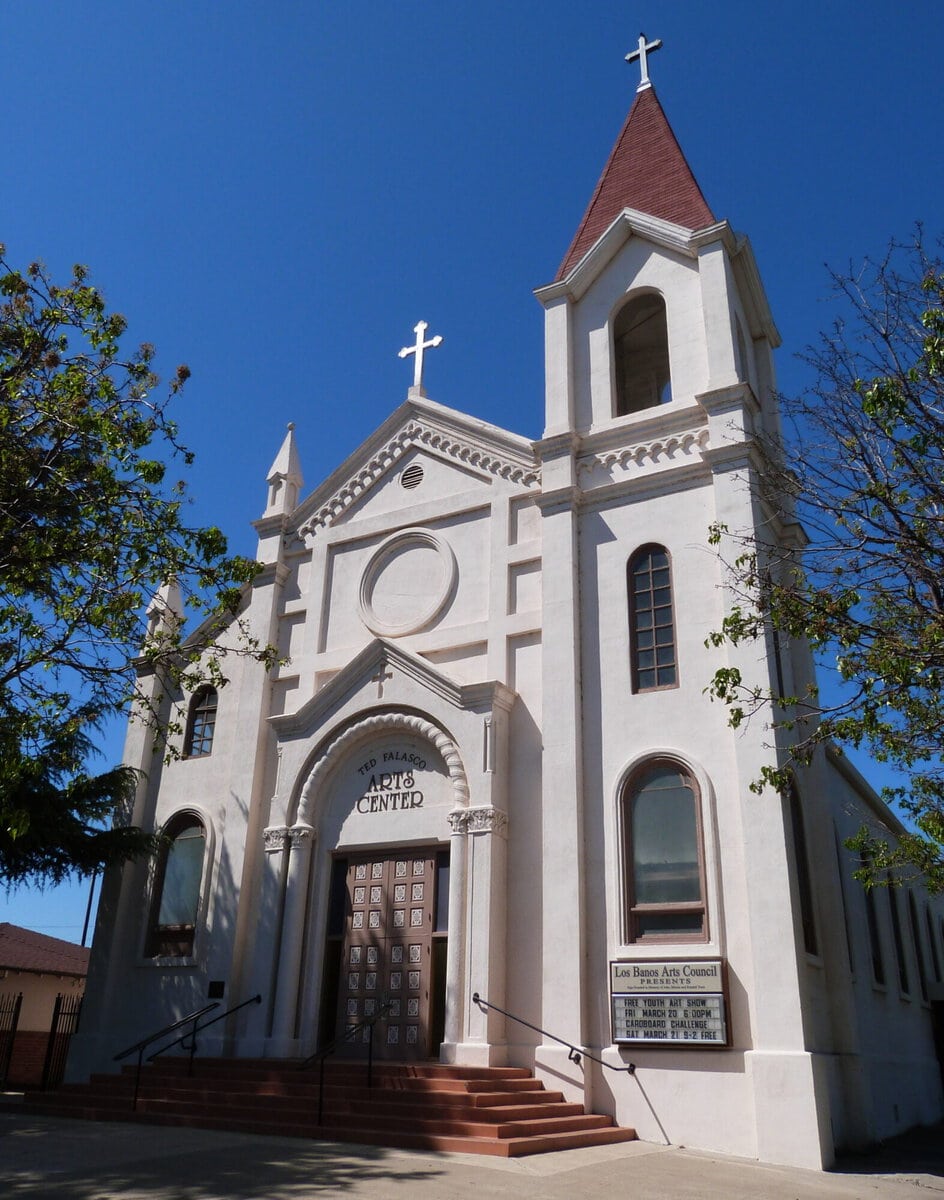
The community center, sports complex, soccer fields, parks, library, museum, and fairgrounds create a circuit of familiar destinations.
The annual calendar reinforces that pattern.
Recurring programs have included park movie nights, an egg hunt at Oliveira Park, National Night Out downtown, a Halloween event at the sports complex, senior celebrations, and Breakfast with Santa.
After-school programs and recreation do more than occupy children.
They create repeated points of contact among parents, coaches, grandparents, teachers, and neighbors.
In a city without a large professional or nightlife scene, those repeated encounters carry much of the social load.
Late-night abundance is not the city's strength.
Evenings lean toward family dinners, practices, school events, church activities, home gatherings, and planned civic programs.
For many households, that quiet is a benefit.
Others eventually find it restrictive.
Weekends Open Westward
Drive toward the pass and the landscape changes before the metropolitan world arrives.
San Luis Reservoir gives residents access to open water, shoreline recreation, boating, fishing, camping, and wind-dependent sports.
At the Romero Overlook, the reservoir stretches across a dry, exposed landscape that looks almost austere until the light changes.
Nearby, the San Luis National Wildlife Refuge covers more than 26,800 acres.
Visitors can follow more than 15 miles of auto-tour routes or use over 10 miles of walking trails.
Migratory waterfowl and shorebirds arrive seasonally, while one driving route passes through tule elk habitat.
This access changes what a normal Saturday can look like.
A family can finish youth sports, load a cooler, and reach open water or wetlands without organizing a full vacation.
Someone who has spent the week on commercial roads can be watching birds cross a flooded landscape before dinner.
The outdoors here is not the evergreen California of tourism brochures.
Summer hills turn gold. Shade can be scarce. Wind may rescue a hot afternoon or ruin a plan on the water.
Wildlife varies with the season, and reservoir conditions change.
Still, the scale is real. During the workweek, the city's location can feel like distance from opportunity.
On the weekend, the same geography opens into unusually large public landscapes.
Heat Edits the Day
By July, the parking lots announce the season before the forecast does.
At the local NOAA climate station, the normal July daily maximum is about 95 degrees Fahrenheit, and normal rainfall for the month is close to zero.
August is much the same.
That pattern rearranges ordinary life.
Grocery runs happen earlier. Practices move toward evening. A shaded playground matters more than its equipment.
People learn which side of a parking lot will protect the car from the afternoon sun, and air-conditioning becomes basic household infrastructure rather than a comfort upgrade.
The heat does not make daily life impossible.
It makes poor timing memorable.
A newcomer who imagines California weather as permanently mild will need to adjust quickly.
Summer here belongs to the interior valley, not the coast.
The Parts That Wear on People
The highest long-term cost is time.
The mean journey to work was 54.6 minutes during the 2020-24 Census period.
An average that high means the long commute is not an unusual personal choice.
It is part of the city's economic structure.
Some residents work locally. Others travel to jobs elsewhere in the valley or cross the pass.
The destination changes, but the household consequences are familiar: early alarms, fuel costs, less flexible childcare, and evenings shortened by travel.
Transit softens the problem without removing it.
The commuter bus and Micro Bus provide genuine options, especially for residents who cannot drive.
They still operate through service areas, schedules, bookings, and transfers rather than the flexibility of a private vehicle.
Healthcare presents a smaller version of the same calculation.
The local hospital operates as a 38-bed general acute-care facility with a basic emergency department.
That is meaningful infrastructure in a city of this size.
Households that depend on a particular specialist should check whether that care is available locally or requires travel.
Population growth also raises the stakes of ordinary municipal decisions.
School capacity, traffic management, housing supply, recreation space, and medical access become more consequential as more households rely on the same local systems.
The city is large enough to provide real services, yet still small enough that one congested corridor or inconvenient schedule can affect a substantial portion of the population.
Who Settles in Well
This place works best for households that value family routines more than urban variety.
It suits people whose jobs are local, regional, remote, or flexible enough that distance does not consume the week.
It can work well for multigenerational families, households comfortable moving between English and Spanish, parents who expect parks and youth programs to carry much of the social calendar, and residents who value nearby fishing, wildlife, and open landscapes.
It is harder for someone determined to live without a car.
It is also a difficult bargain for a five-day commuter who already resents driving, a household that needs frequent specialized medical care, or anyone who expects major performances, broad restaurant variety, and spontaneous nightlife close to home.
Families should evaluate schools by address, program, and student needs rather than treating district-wide enrollment or demographics as a quality score.
Renters and buyers should calculate transportation and cooling costs alongside the monthly housing payment.
A detached house may offer more room. It does not shorten the commute.
The central question is whether the exchange makes sense: close family and civic routines in return for heat, driving, and distance.
The Name Is Los Banos
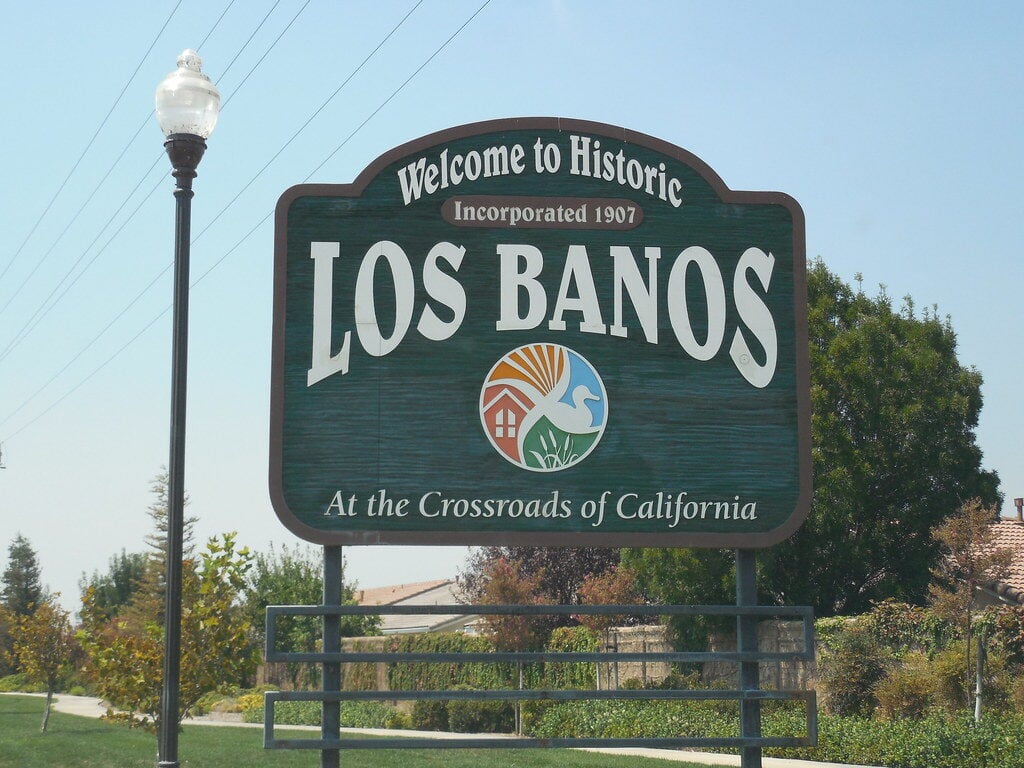
This is Los Banos, California.
Is Los Banos a good place to live? For the right household, yes.
It offers a young and multilingual community, stable family networks, extensive recreation programs, local hospital access, practical transit services, and unusual proximity to reservoirs and wildlife lands.
Detached homes dominate the housing stock, and the city's recurring programs give families places to build routines rather than merely pass through.
But Los Banos does not hide its price.
The cost appears in the 54.6-minute average commute, in summer afternoons that dictate the schedule, in the practical need for a car, and in the distance to jobs, specialists, or experiences the city cannot supply.
The 6:04 bus was telling the truth.
Life here can be close-knit. The obligations beyond it are often far away.
References
U.S. Census Bureau, QuickFacts: Los Banos city, California, population, housing, household, income, demographic, and commute estimates.
U.S. Census Bureau, ACS Table B25024: Units in Structure, 2017-21 housing structure data for Los Banos.
City of Los Banos, Parks and Recreation Department, recreation programs, facilities, classes, and recurring community events.
Merced Transit Authority, LB Commuter, weekday schedule, stops, connections, and fare information.
Merced Transit Authority, The Micro Bus, on-demand westside service, booking methods, transfers, and fares.
California Department of Education, District Profile: Los Banos Unified, 2025-26 district enrollment and English learner data.
California Department of Health Care Access and Information, Memorial Hospital Los Banos, facility status, hospital type, emergency service level, and licensed beds.
California Department of Water Resources, San Luis Reservoir Recreation, reservoir access, recreation, visitor facilities, and operational context.
U.S. Fish and Wildlife Service, San Luis National Wildlife Refuge, refuge size, habitats, wildlife, and public access.
U.S. Fish and Wildlife Service, Visit San Luis National Wildlife Refuge, auto-tour routes, walking trails, seasonal wildlife, and visitor information.
National Centers for Environmental Information, 1991-2020 Monthly Climate Normals for Station USC00045118, official temperature and precipitation normals for the local climate station.
Independent Publisher Notice
BestAttractions is an independent editorial publisher. We are not affiliated with, endorsed by, or acting on behalf of any location, business, property owner, manager, government agency, or organization described in this article.
Comments posted on this page are not forwarded to, reviewed by, or acted upon by any entity mentioned in the article.
For official inquiries, complaints, applications, bookings, or other requests, please contact the relevant entity directly through its official website or other verified channels.