
Westminster is easiest to understand through a normal week. The car is still part of daily life, but the payoff for that driving shows up after work and on weekends.
A Westminster week can break into a string of short trips. Groceries, dinner, work and parks often sit in separate parts of the day, followed by longer drives when Denver, Boulder or the foothills call.
That can feel convenient and flexible if you are comfortable planning around roads. If you want most errands to happen on foot, the exact address matters much more.
Monday: the morning commute sets the tone
At 7:30 on a weekday, the city name alone leaves the commute unresolved.
Your experience changes according to which side of the city you live on, where your job is and which road you need first.
The Census Bureau puts the mean one-way travel time to work for Westminster commuters age 16 and older at 27 minutes for 2020-2024.
Individual trips vary widely, so the number works best as a reminder to treat the commute as part of the housing decision.
Westminster covers 34 square miles, with daily life spread across multiple parts of the city.
That makes "close to Westminster" and "close to my routine" very different tests.
A hybrid schedule softens that trade, but regular commuters should test an exact address at the actual hour they expect to travel.
Tuesday: groceries become another short drive
By Tuesday evening, the refrigerator needs attention. This is where car dependence stops feeling like a planning issue and starts feeling ordinary.
A grocery run often makes the most sense as part of a driving loop: stop after work, pick up dinner on the way, then head home.
The routine favors bundling errands, especially from addresses where shops sit beyond a comfortable walk.
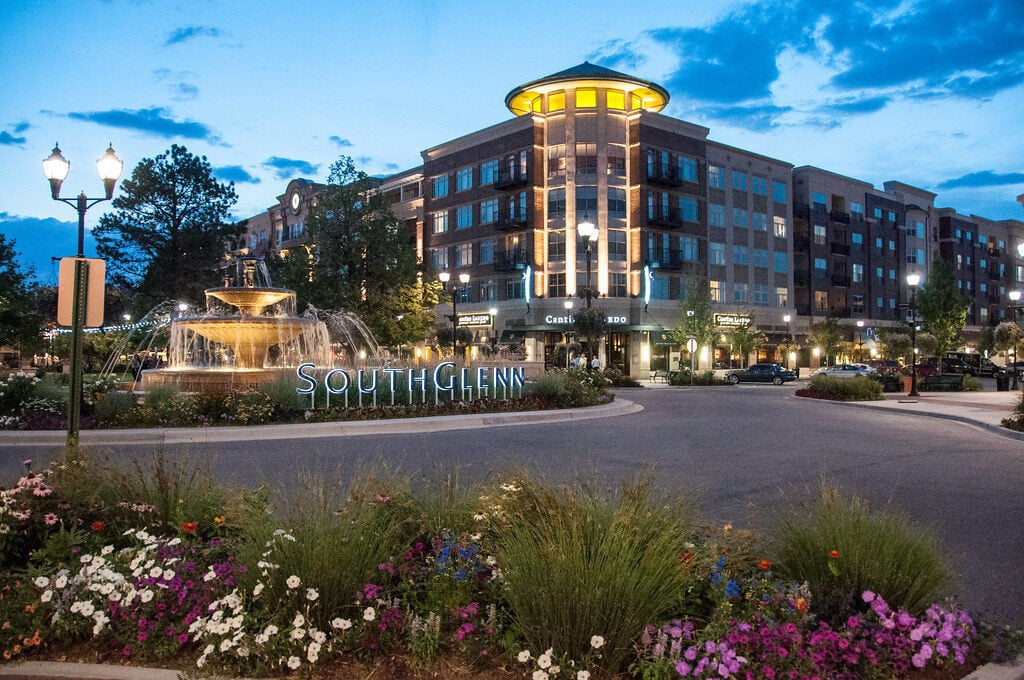
Some Westminster addresses make errands much more compact than others. Use a block-level test here; citywide labels are too broad.
A store can look close on a map and still be inconvenient on foot because of distance, street crossings or the way commercial areas are laid out.
If walking to groceries matters to you, try the route before assuming you will do it regularly.
Wednesday: parks and open space fit after work
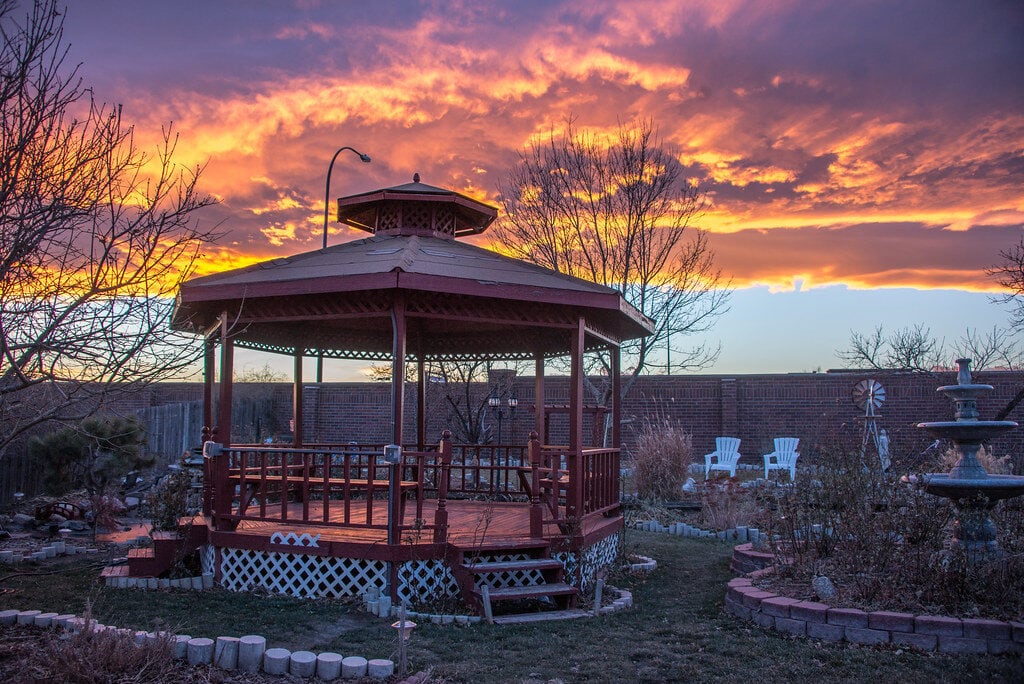
Midweek is where Westminster starts paying back some of the driving. After a day at work, an outdoor hour can stay local.
Standley Lake is a useful west-side reference point.
U.S. Geological Survey records place the reservoir in Jefferson County, and older USGS work identifies it with Westminster and Big Dry Creek.
USGS records also identify Westminster City Park along the Big Dry Creek system.
For a weekday, those names matter because they turn "go outside after work" into a local option you can plan around.
An outing may still begin with a short drive.
Choose a home near the park or open space you will actually use, and an hour outside can fit between work and dinner.
Thursday: July changes the timing of errands
Summer changes when you want to be outside.
National Weather Service Denver normals put early-July highs around 88-89°F, rising to about 90-91°F through much of the middle and later part of the month.
Normal lows move from the upper 50s into the low 60s.
Westminster conditions vary from the Denver station, so those figures work as a regional benchmark.
That means a July grocery load-in, dog walk or playground stop can feel much better in the morning or evening than late afternoon.
Those temperatures push small outdoor tasks toward the cooler ends of the day.
Summer evenings are the counterweight.
Driving home, changing clothes and heading back out works well when there is still plenty of daylight for an outdoor hour after dinner.
Friday: winter turns errands into judgment calls
Winter has two modes. On an ordinary dry day, the weekly loops continue, only colder.
During snow or a freeze, the commute, grocery run or school pickup becomes something you may move earlier, combine with another stop or postpone.
For regional context, National Weather Service Denver normals put January highs mostly in the mid-40s and lows around 18-19°F, with a January mean of 31.7°F. Snow is a regular part of Front Range winter, although totals vary across the metro.
The 1991-2020 seasonal snowfall normal at Denver's Central Park/Stapleton climate site is 49.0 inches.
For a car-dependent household, that makes winter driving competence part of everyday convenience.
A storm can temporarily add friction to every small trip, from the commute to an evening grocery run.
Keeping the tank reasonably full and a snow brush in the car soon becomes routine; road conditions get a quick check before leaving.
Saturday: Denver, Boulder or the mountains
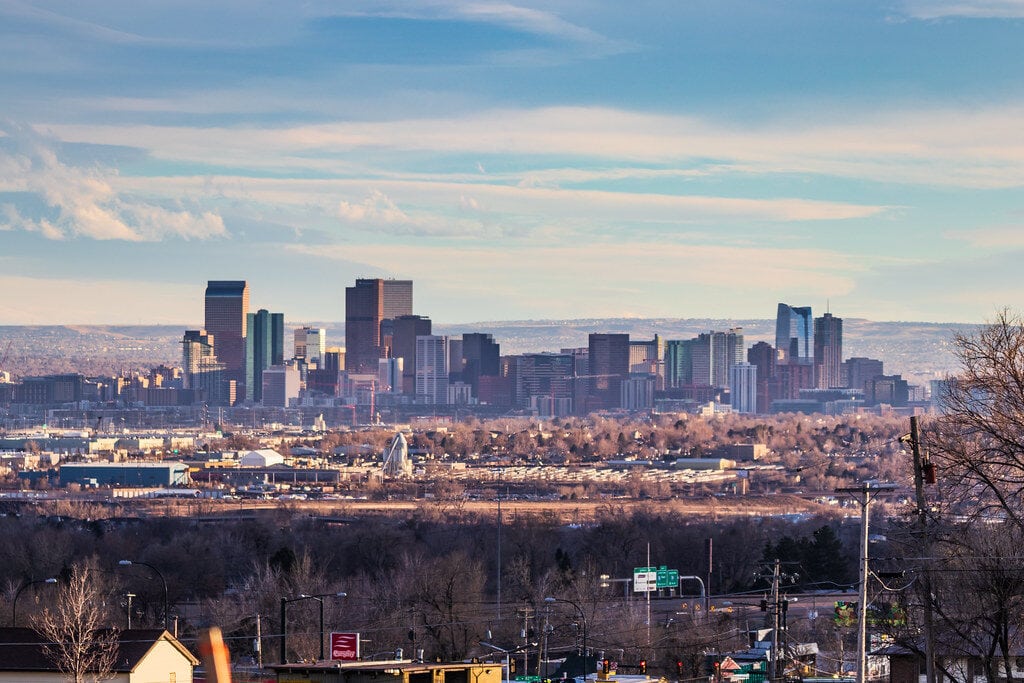
The weekend is where Westminster's regional position pays off most. Denver can be the choice for a bigger-city day.
Boulder offers a different downtown and a foothills direction. Or you can skip both and aim for higher country.
Mountain access here usually means packing the car and driving to a trailhead. Westminster functions as a suburban base for those trips.
From that base, real Front Range recreation fits into a normal day trip.
The U.S. Forest Service's West Magnolia Trailhead, in the Boulder Ranger District south of Nederland, provides access to eight miles of singletrack plus seasonal forest roads, with hiking, mountain biking and winter recreation listed there.
That is the kind of Saturday Westminster makes plausible: leave suburbia in the morning, spend the day in higher country and come home that evening.
The limitation matters. Weather can change the plan, and a "quick mountain day" still takes preparation.
Its regional reach still often comes with a drive to the trailhead.
Sunday: count how many times you reached for the car keys
By Sunday, the week's pattern is clear. The car may have taken you to work, groceries, an after-work outdoor stop and a weekend destination.
Remote work, cycling, transit or a carefully chosen mixed-use location can reduce that. Car-light routines depend heavily on the exact address.
A better moving test is simple: count the trips you expect to drive from the exact address, then decide whether that weekly total suits you.
If you are considering a move, rehearse the week. Check the work trip at commute time. Try the grocery run on a tired evening.
See what an after-work outdoor stop requires at 5:30. Imagine the same errands with snow on the road and on a 90°F afternoon.
Then look at how naturally Denver, Boulder and your preferred mountain direction fit into Saturday.
If those trips feel acceptable, Westminster can feel unusually flexible: suburban space during the week, outdoor relief after work and several different weekend directions.
If every short errand behind the wheel feels like a compromise, the same geography can wear on you.
By the end of a normal week, Westminster tends to feel like a suburban base with several directions available to you.
The deciding factor is how comfortable you are making the car part of that rhythm.
Sources and further reading
- U.S. Census Bureau QuickFacts: Westminster city, Colorado
- National Weather Service Denver/Boulder: July normals and records
- National Weather Service Denver/Boulder: January normals and records
- National Weather Service Denver/Boulder: History of snowfall observations at Denver
- U.S. Forest Service: West Magnolia Trailhead, Boulder Ranger District
- U.S. Geological Survey: Standley Lake monitoring location
- U.S. Geological Survey: Standley Lake study area report
- U.S. Geological Survey: South Platte River Basin monitoring sites, including Westminster City Park
Independent Publisher Notice
BestAttractions is an independent editorial publisher. We are not affiliated with, endorsed by, or acting on behalf of any location, business, property owner, manager, government agency, or organization described in this article. Comments posted on this page are not forwarded to, reviewed by, or acted upon by any entity mentioned in the article. For official inquiries, complaints, applications, bookings, or other requests, please contact the relevant entity directly through its official website or other verified channels.