
Landover Mall was an enclosed shopping center just inside the Capital Beltway in Landover, Maryland.
Lerner Enterprises opened it in 1972 with four anchor department stores: Hecht's, Garfinckel's, Woodward & Lothrop, and Sears.
It was the largest mall in Prince George's County and never got a single major renovation. White Flint, owned by the same company, got renovated in 1988.
Landover kept the dated interior and a widening vacancy problem. Garfinckel's was gone by 1990. Woodie's followed mid-decade.
By 1997, the place was a quarter empty, and when Hecht's left for Bowie in 2002, the enclosed mall went dark. Sears, which had owned its own land, stayed open until 2014.
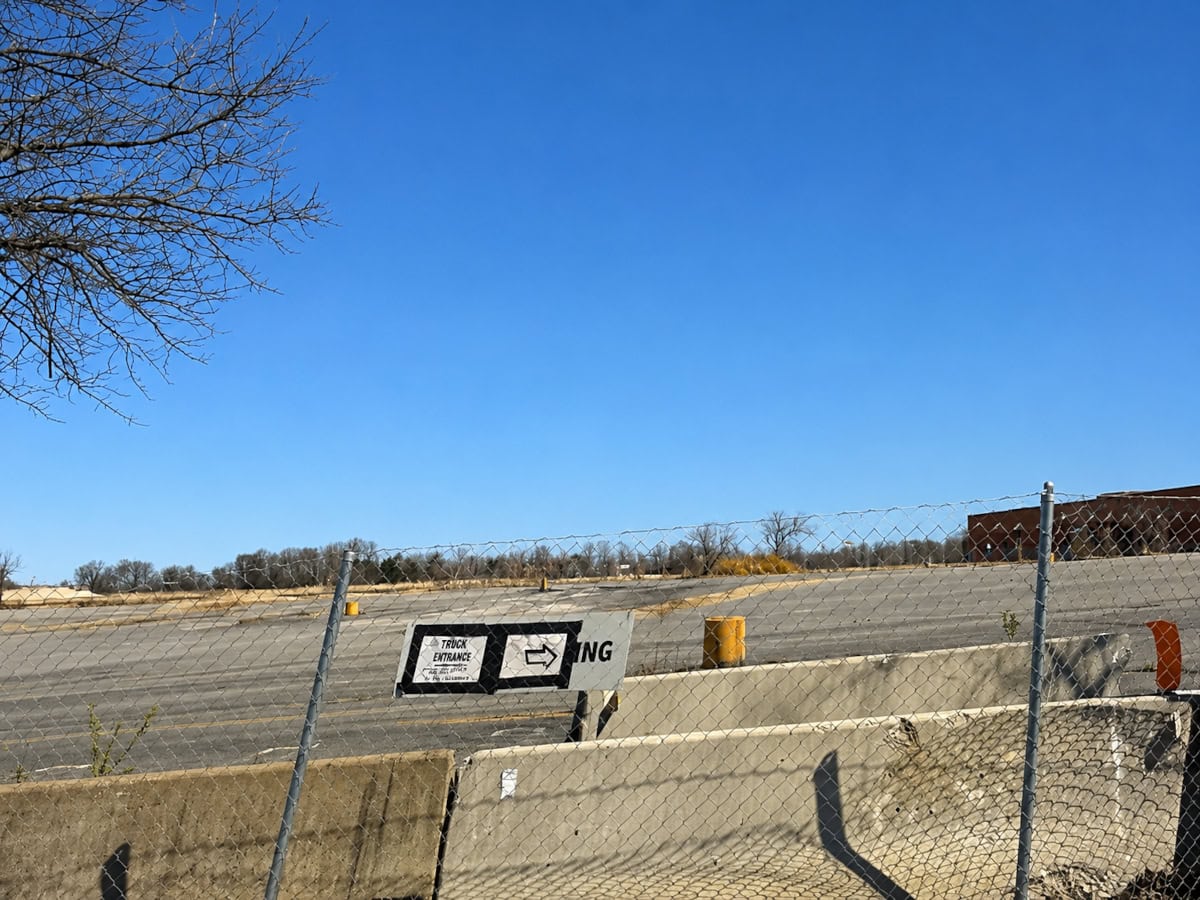
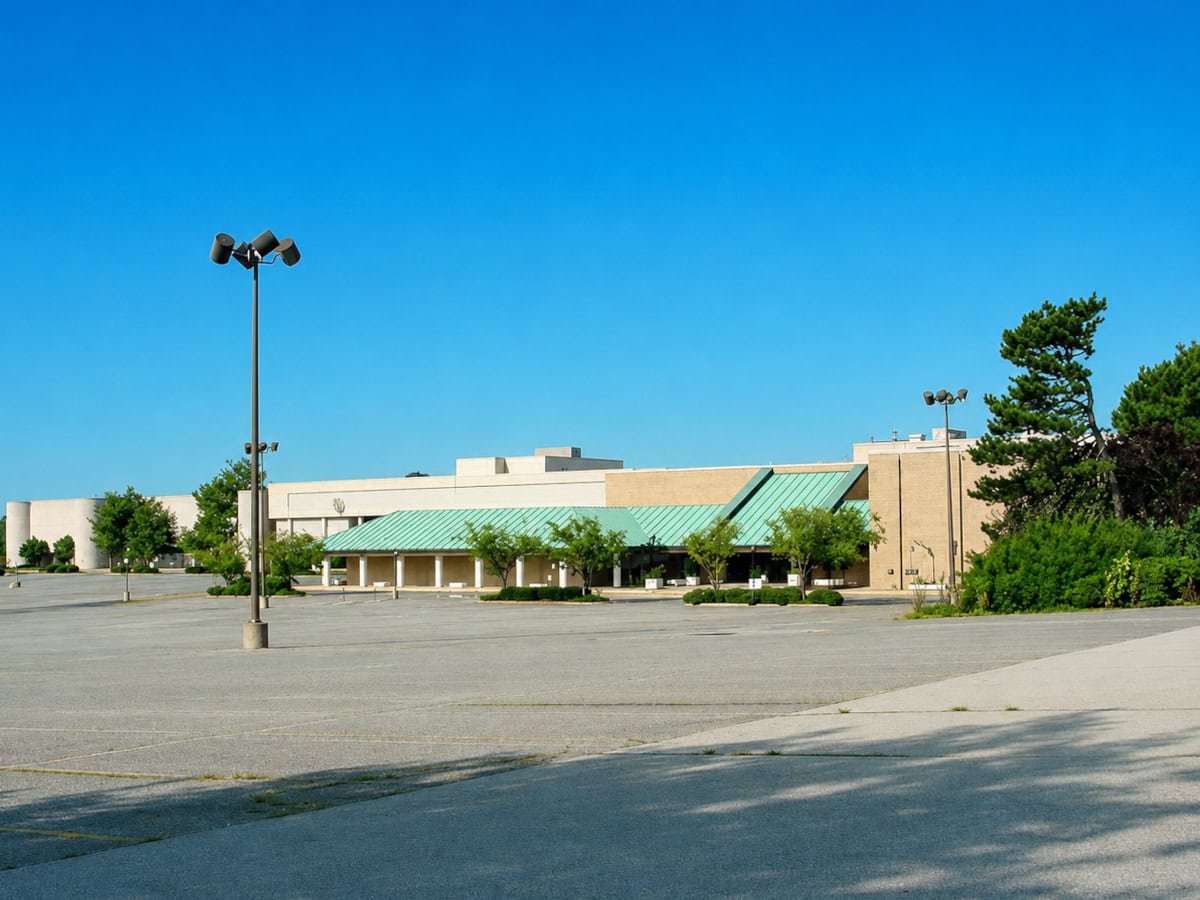
The building came down in 2006, with the old Garfinckel's sign still hanging on a dead wing. What's left is a cleared lot caught in a fight over a proposed $5 billion data-center campus.
A 1.3-million-square-foot mall opens off the Beltway
In 1972, Lerner Enterprises opened a two-level enclosed mall on a tract just inside the Capital Beltway in Landover, Prince George's County.
It had 1.3 million square feet of retail.
When it opened, only Tysons Corner Center was bigger in the whole Washington market.
The company knew how to build at this scale.
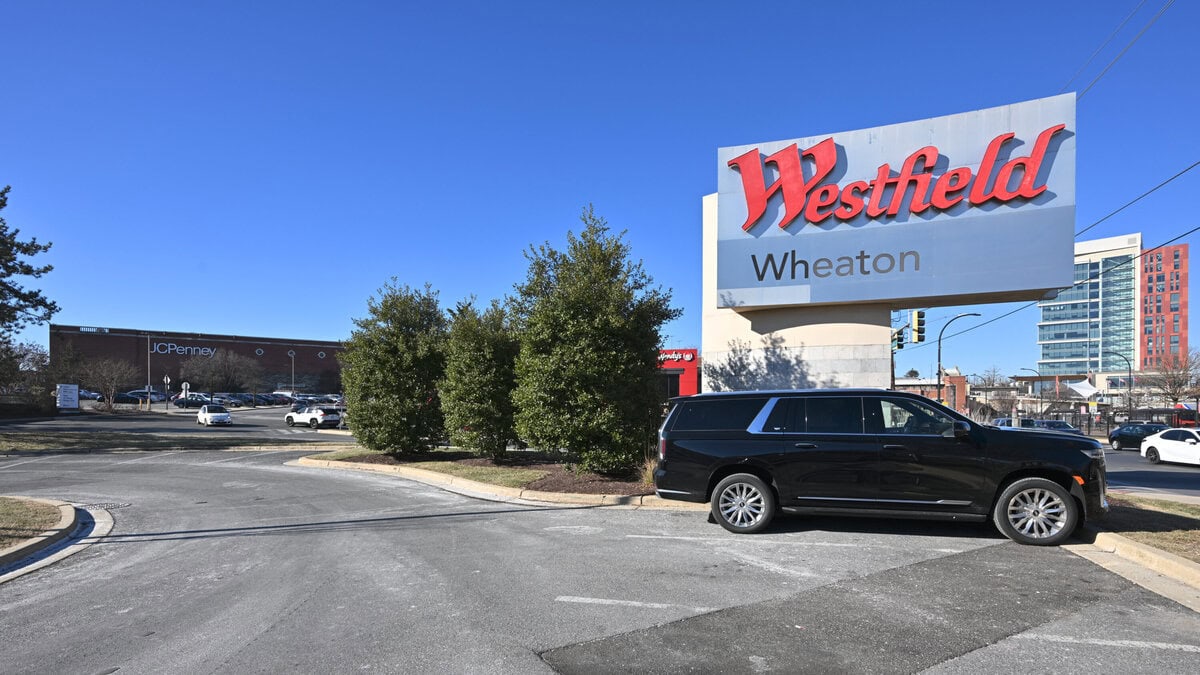
Theodore N. Lerner's firm had already put up Tysons Corner and Wheaton Plaza, and would soon build White Flint.
Landover was the same playbook on a different side of the region: big anchors, a deep field of specialty shops, and a parking lot built for more than 6,000 cars.
What made it matter was where it sat. Prince George's County had nothing like it.
While Fairfax and Montgomery counties piled up the region's best-known shopping, Landover gave the east side a full-line regional center off the Beltway and Landover Road.
Four department stores under one roof
The opening lineup read like a roll call of Washington retail.
Hecht's, Garfinckel's, Woodward & Lothrop, and Sears anchored the mall, and Raleighs joined the top tier in the strong years.
Hecht's ran a 155,000-square-foot store with a sit-down restaurant inside it called The Castle Keep.
Garfinckel's brought the upscale fashion name.
Woodward & Lothrop added a second Washington department store, and Sears covered the mass-market base with its catalog-and-appliance crowd.
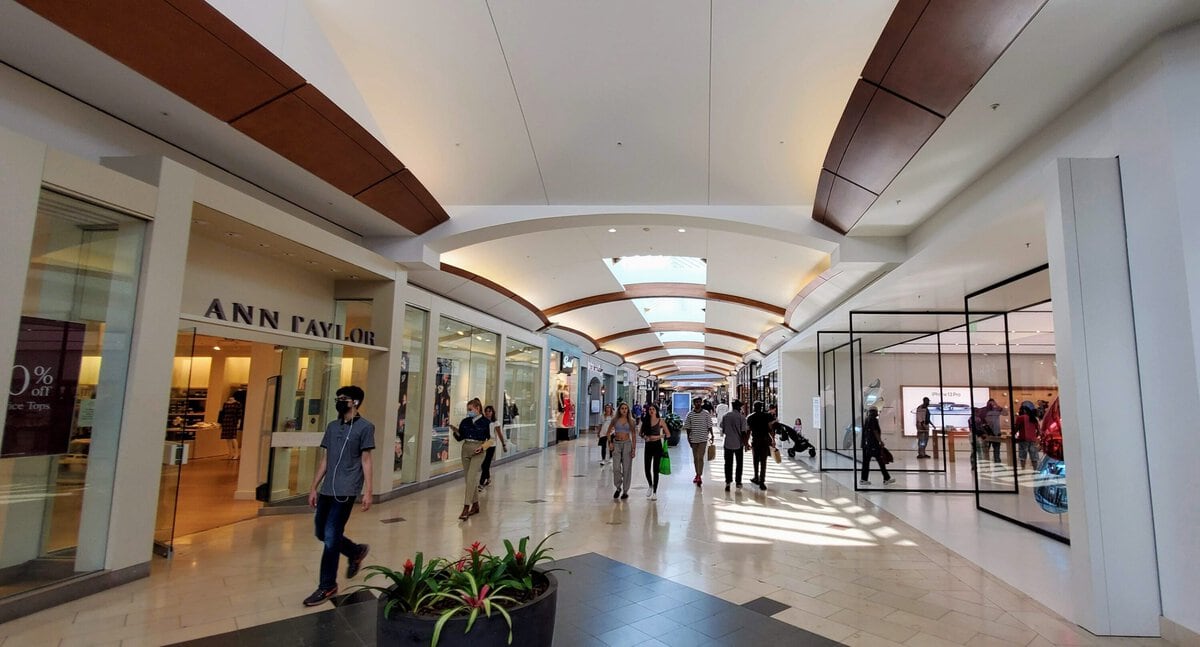
The interior had fountains, a movie house, and two retail levels of stores.
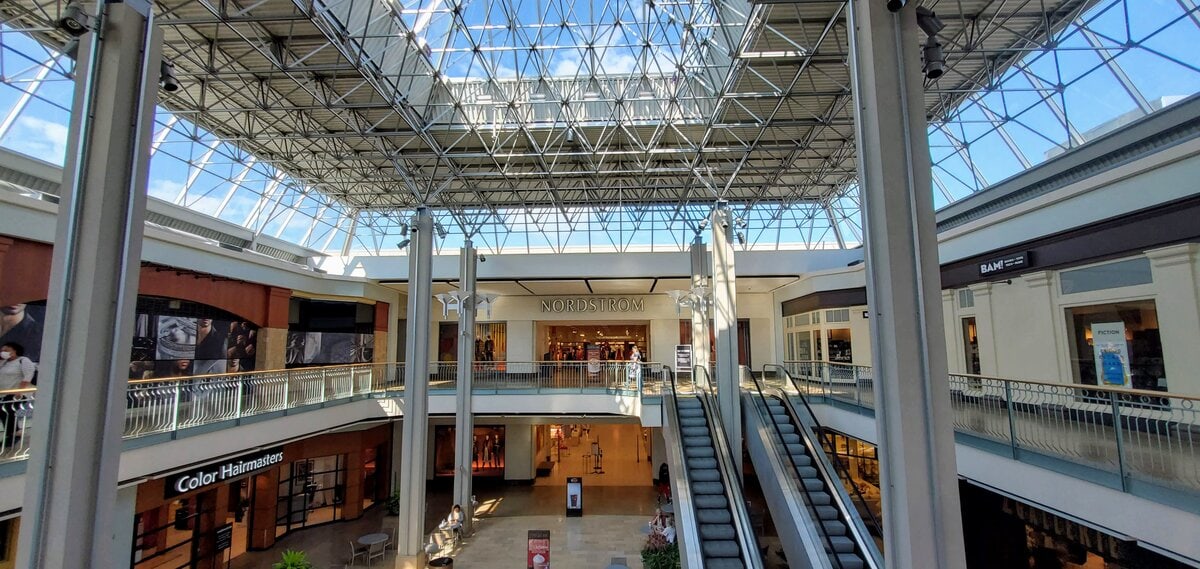
By the late 1980s, the common areas were finished in blond wood and stucco-colored tile, the look of a 1970s mall that hadn't been touched since.
140 stores and the biggest mall in the county
By 1987, Landover had all four anchors and about 140 other stores.
That made it the largest enclosed mall in Prince George's County, full of shoes, jewelry, fashion chains, food, and the national tenants every mall carried.
The address was 1713 Landover Road, and the Beltway fed it directly.
By the late 1980s, two lanes ran straight off the highway approach into the parking field.
The whole thing was built for the car, with surface lots wrapped around the building and nothing covered.
Its strengths were obvious: size, anchor depth, visibility, highway access.
The weakness took longer to show.
Landover leaned almost entirely on its department stores, and it never got a real renovation after the doors first opened.
The anchor that owned its own dirt
Here's a detail that decided how the whole story ended.
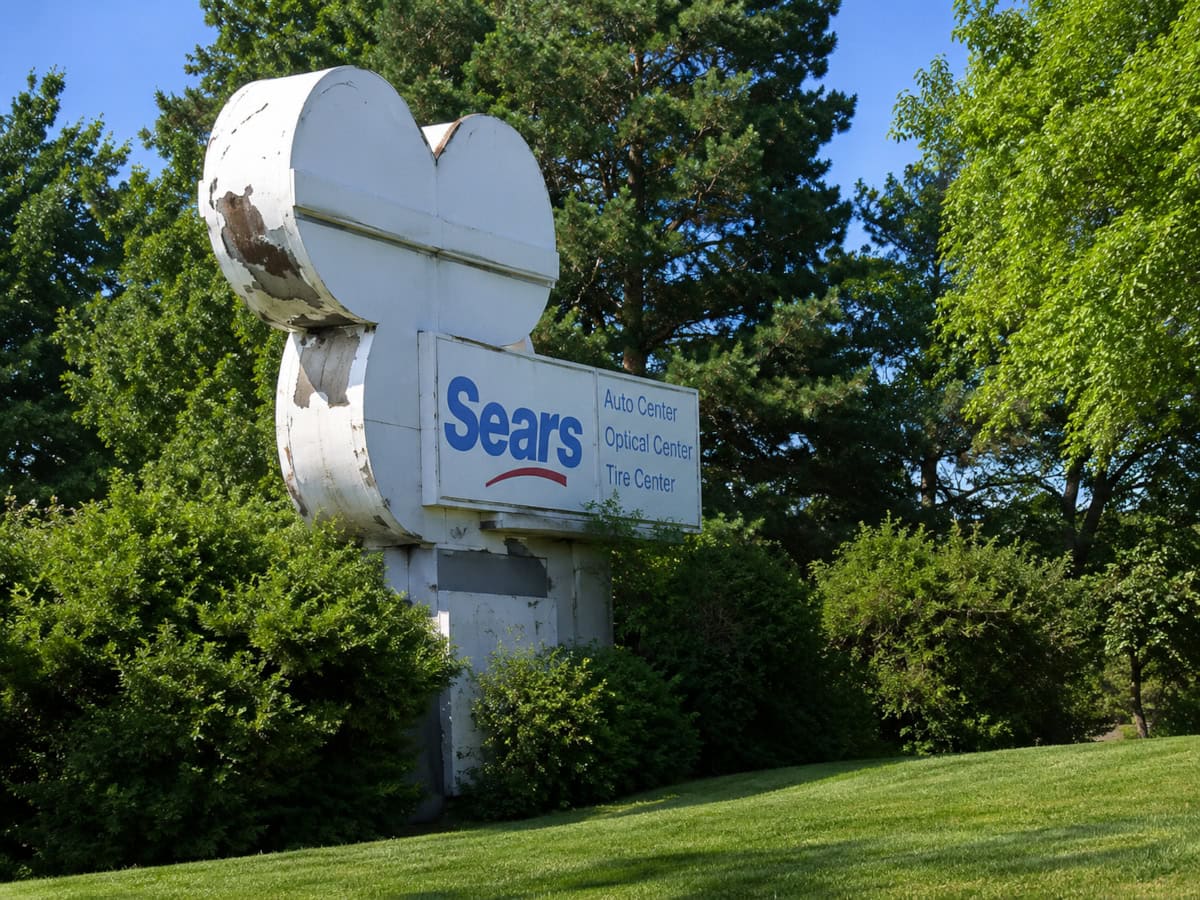
Sears didn't lease its store. It owned the parcel under it.
The rest of the mall was tied to Lerner development and management, and later reporting identified Landover Mall Limited Partnership as the mall-property owner.
But the Sears land was Sears land.
That single split meant that when the enclosed mall eventually went dark, one anchor could keep its lights on while the rest of the building emptied around it.
The 1987 mall guides were still talking about stores, parking, and blond wood.
The land split would matter later.
When the prestige names started closing
Garfinckel's went first. The chain filed for bankruptcy in 1990 and closed its stores, Landover included.
The upscale space sat there without a real department store to fill it, a hole in a mall built around department stores.
Woodward & Lothrop followed in the mid-1990s when that chain collapsed too.
JCPenney took the old Woodie's box in 1996, but a Penney's didn't pull the shoppers a full Washington department store once had.
Raleighs faded out in the same stretch. The Landover 6 cinema appears to have closed in 1991.
By 1997, the mall was about 25% vacant. For a regional center, that's a number you can see from the parking lot.
Shoppers started saying the Hecht's and JCPenney at Landover stocked weaker goods than the same chains carried elsewhere in the region.
The anchors were still there on the directory.
The pull was draining out of them.
The stadium next door, and a fight with the county
The football stadium opened nearby in 1997.
For a mall that needed every advantage, the timing landed wrong.
In 1997, mall management went to county officials complaining that game-day stadium traffic was hurting sales.
The county didn't take the owner's side.
Then-County Executive Wayne K. Curry responded that the county had not ignored the mall and said he was unaware of comparable marketing or capital investment at Landover, while pointing to White Flint as a contrast.
That argument followed Landover for the rest of its life.
Two Lerner-linked malls, one renovated and one criticized by county officials as lacking comparable investment, and a county that wouldn't let Lerner forget it.
JCPenney leaves, and then so does Hecht's
JCPenney slid first. By the fall of 1998, it was running the old Woodward & Lothrop space as an outlet.
By the end of 2001, it was gone.
Then came the one that ended it.
In December 2001, Hecht's parent confirmed the store would leave by mid-February, after the chain opened a new Hecht's at Bowie Town Center.
The newer mall pulled one of Landover's last real anchors right out the door.
The store ran regular operations until February 2, closed, reopened for liquidation, and shut for good.
That left Sears as the only major department store still trading at Landover.
The enclosed mall goes dark
On May 19, 2002, the enclosed Landover Mall closed.
The owners kept the 85-acre property and said it was being studied for other uses.
Sears stayed open.
Its store and its parcel were separate from the dead interior, so the company sealed off the old mall connections and kept selling from a building that was now an island in an empty lot.
For four years the mall just sat.
By 2006 the marquee was covered over, the grass had grown tall across the lots, and the only steady use beyond Sears was football overflow parking on game days.
A 1.3-million-square-foot building beside the Beltway, dark except for one store.
Excavators and the last Garfinckel's sign
Demolition started in January 2006.
The county had been making the owner keep the sprinklers and heat running in a closed building, an expensive way to babysit empty steel.
By May 2006, the work was underway, excavators chewing through the steel-and-concrete frame and piling up rubble where the corridors used to run.
On one old wing, the Garfinckel's sign was somehow still hanging, the name of a store that had been gone for 16 years, watching the rest of the building come down.
When the dust settled, the enclosed mall was gone, and Sears was still standing on its own parcel, open for business.
The store that finally turned off the lights
Sears outlasted the building by eight years.
It kept running as a freestanding store through the demolition and the long stretch of cleared dirt that followed.
In March 2014, it closed. With that, the former Landover Mall had no department store and no retail tenant left.
The thing that had owned its own dirt and used that to survive everything finally lost the dirt's only job.
Now the whole tract was just land.
Big land, inside the Beltway, which turned out to be the most interesting thing about it.
The FBI almost moved in
For a while, the empty site had a shot at becoming the most secure address in the region.
The federal government wanted a single consolidated FBI headquarters, and in 2014 the old Landover Mall made the finalist list alongside Greenbelt and Springfield, Virginia.
Landover had a real case: large, inside the Beltway, mostly cleared, and held by one private owner who could hand over a unified tract.
The first effort stalled in 2017 over a funding gap, then a 2022 federal law restarted the three-way contest.
Greenbelt won in November 2023.
It sat next to Metro and commuter rail, and the federal estimate to acquire and prep Landover ran above $100 million against $26 million for Greenbelt.
The cleared mall site lost another future.
A $5 billion data center and a wave of angry signatures
The current plan is Brightseat Tech Park, and it doesn't involve a single shopper.
An affiliate of Lerner and The Tower Companies wants to build a data center campus on the 86.6-acre tract.
In March 2024, the county planning board approved a preliminary subdivision splitting it into three parcels for 4.1 million square feet of industrial space.
By October 2024, the plan was being described as many as five data centers, 820 megawatts of power, and a possible $5 billion investment.
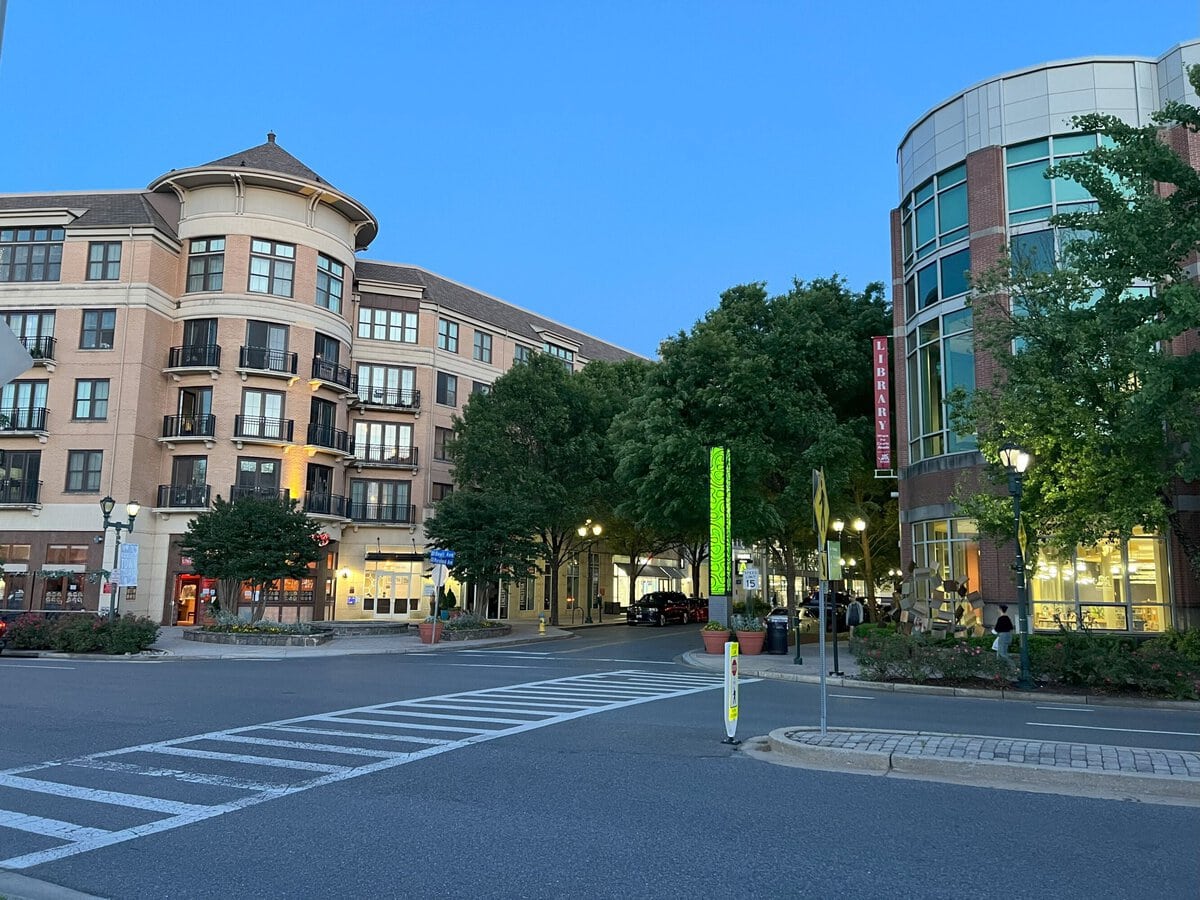
The old sector plan had imagined a dense mixed-use district here, with a library, a fire station, streets, and transit.
A staff review flagged that warehouses full of servers would make it harder to hold space for any of that.
Residents pushed back hard. A petition against the data center passed 20,000 signatures.
The county built a task force, which published a 462-page report in November 2025, and the county executive froze qualified data center permit applications, extending the hold through June 30, 2026.
As of June 2026, the former mall is a cleared lot with an approved subdivision, a data center plan stuck behind that permit freeze, and 54 years of history that started with four department stores and a fountain.
Independent Publisher Notice
BestAttractions is an independent editorial publisher. We are not affiliated with, endorsed by, or acting on behalf of any location, business, property owner, manager, government agency, or organization described in this article. Comments posted on this page are not forwarded to, reviewed by, or acted upon by any entity mentioned in the article. For official inquiries, complaints, applications, bookings, or other requests, please contact the relevant entity directly through its official website or other verified channels.
Make all the excuses that you want, but one thing, and one thing only killed Landover Mall - crime. It was practically a war zone where families felt threatened and retailers lost millions due to theft.
You raise a valid point, thank you. Crime did play a role, but I hope the area gets the investment and attention it needs to become more welcoming again.
I absolutely loved The Landover Mall. It was beautiful, friendly, and I felt safe being there for my walks and shopping . I didn’t ever experience all the negative things that was reported was happening. Even the mall has been closed for a long time I still miss it every time I’m in that area . I hope something wonderful is coming to fill that space.
Thank you for your kind words! It’s lovely to hear that you had such positive experiences at Landover Mall. Hopefully, something just as great will come to fill that space.
Spencer - thank you for your excellent overview of Landover Mall. There was no place like it. I used to shop there weekly with my three young daughters and we bought everything we needed for our home and wardrobe from Landover Mall. We were heartbroken as it deteriorated and eventually closed. I’m actually going to print your article and keep it for future reference. Might you by chance have a list of all the stores?
Regarding the pathway to eventual closure of the mall, you did a great job of detailing what happened from a different perspective.
Phyllis, thank you so much for sharing your beautiful memories of Landover Mall. It’s really touching to hear how those weekly shopping trips with your daughters became such a special part of your lives. While I don’t have a list of all the stores, I can understand how revisiting those names would bring even more nostalgia. I hope someone out there has that information for you—it would be amazing to reconnect with the full picture of what Landover Mall once was.
I too remember Landover Mall being a great place to shop. Crime did exist. I worked part time at one of the retail stores and saw first hand stealing sad to say. If you have something that is of value, you should take pride in it or it will not florsh.
Thanks for sharing your experience. It's sad to hear about the crime, but you're right—places need care and attention to last.
Can they focus on a recreational facility or a Gated Senior Living Facility?
I like this suggestion! Creating a space for seniors or recreation would be a great way to use the area. Thanks for sharing.
As a senior resident of the area, who's family was there for its opening in 1972, I remember the glory days with great fondness. At that time, the former Landover Mall was iconic, the mecca of DMV shopping. Nothing else came close. Prior to its doors opening, shopping pedestrian. But, with Landover Mall, you had the advent of the shopping/tourism destination. Shoppers and families - far and wide - from DC, Maryland and Virginia made it a regular adventure due to its broad and inviting selection of retail, dine options, entertainment, beautiful holiday themes, and ahead-of-its-time decor. Over time, it couldn't survive competitive, political, demographic, and social changes. And, not to mention ownership's disregard and disrespect for the center and the area that was once the pinnacle of its portfolio). Often overlooked, it was the DMV's first elite of shopping centers.
Thanks for sharing your story! It’s fascinating to hear about the early days of Landover Mall and its impact on the community.
The mall was no more crime ridden than any other mall some people just didn’t want to shop there and made disparaging comments about it.
Sometimes, rumors or negative opinions can overshadow what a place really had to offer. Thanks for sharing your thoughts.
I just happened upon this article and can't tell how old it is. The press helped with the demise of Landover Mall. Whenever anything happened within the surrounding area, or miles away, Landover Mall was used as a marker. Example: a car was stolen in Bowie, seven miles from Landover Mall, a man was robbed in SE DC, eight miles from Landover Mall, a crash on the beltway happened at Landover Mall Exit 18 .
I and my family loved that Mall and always felt safe there.
Your comment helps capture why so many former shoppers remember the mall fondly. Its actual atmosphere inside often clashed with the stories written about it.