
Briarwood Mall Opens as an enclosed shopping hub
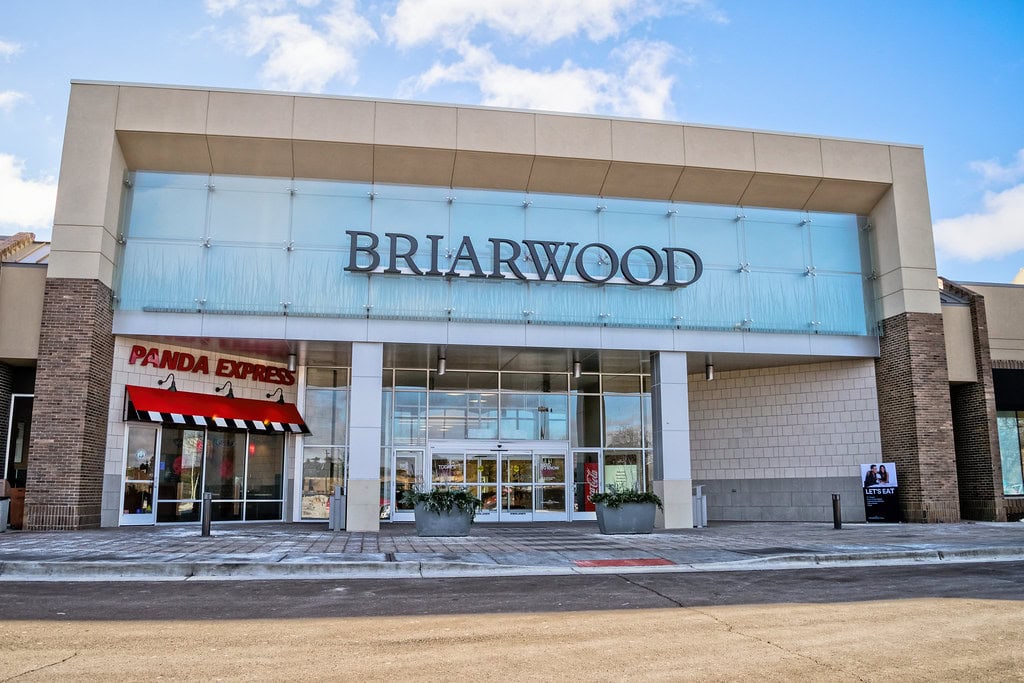
Briarwood Mall opened on October 3, 1973, about three miles south of downtown Ann Arbor, right by State Street and I-94. It was built as an enclosed regional mall, so visitors could forget about Michigan's unpredictable weather.
A. Alfred Taubman developed the mall and knew that if the space felt comfortable, people would stay longer than they planned.
At the start, the lineup was straightforward. JCPenney and Sears were there on day one, and Hudson's joined in 1974.
Two days after the mall opened, on October 5, 1973, a movie theater started operating inside the complex, which gave the place a second life after dinner and, not incidentally, gave teenagers a reason to show up, wander, and linger without buying much of anything.
The location did a lot of the work. With offices and other commercial development around it, Briarwood Mall settled into the role of Washtenaw County's main shopping destination.
It would get challenged and reshaped over the years, but it never really stopped being the default.
Courts, fountains, and Taubman's indoor town
Taubman was born in Pontiac in 1924 and started The Taubman Company in 1950.
In 1973, the same year Briarwood Mall opened, he started Taubman Centers, setting up the way of doing business that made indoor malls feel less like plain buildings and more like organized spaces.
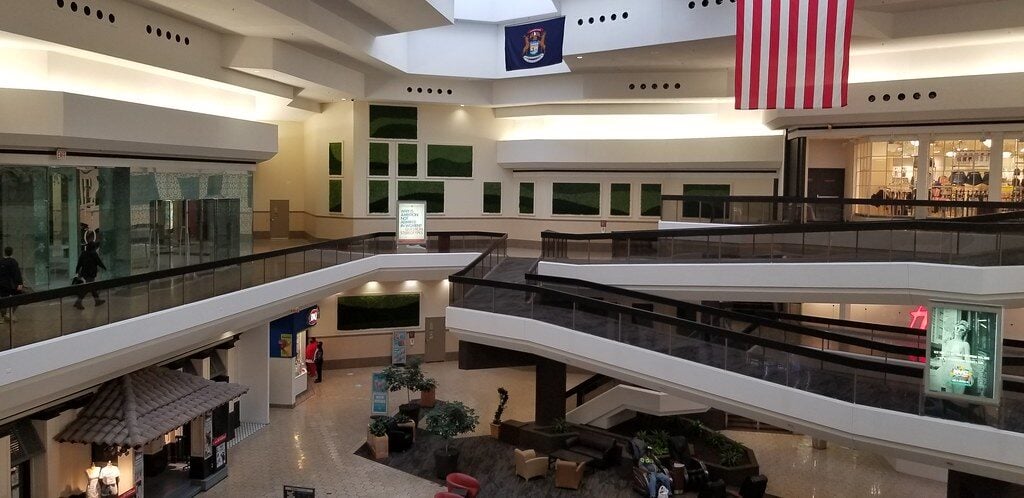
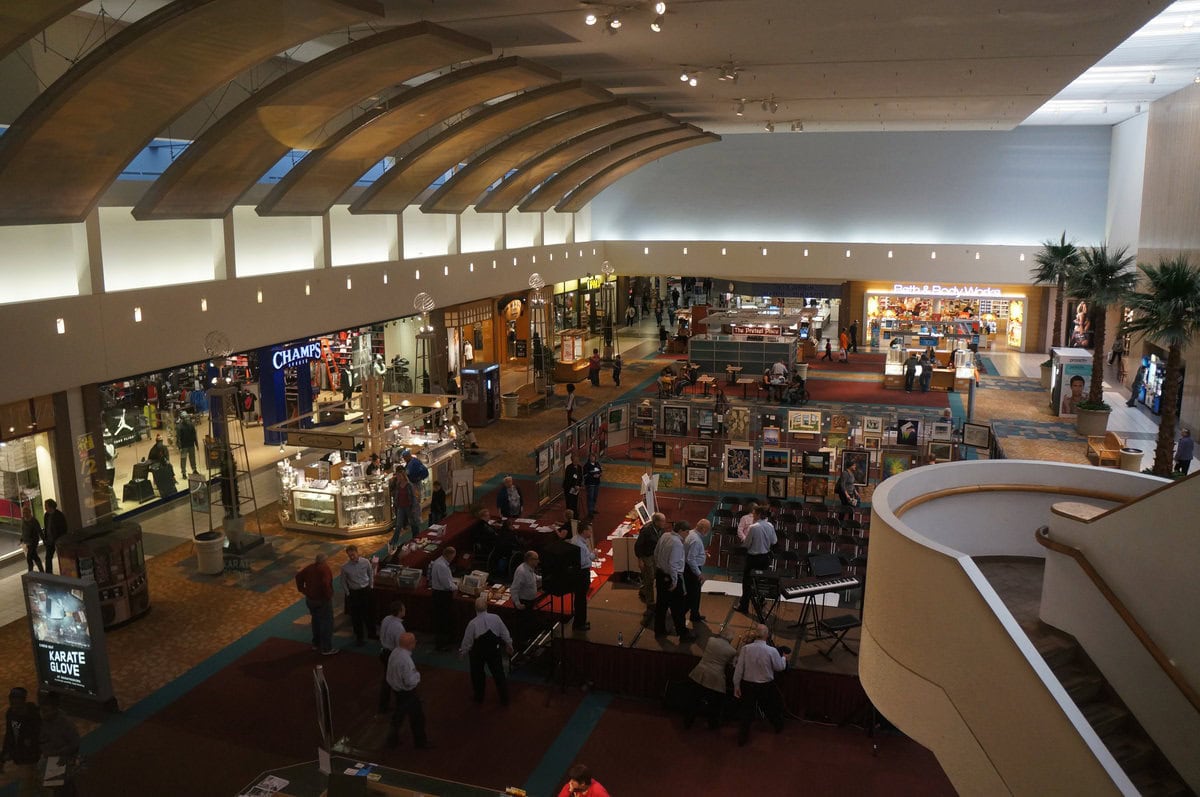
If you control the temperature, the lights, and how people move around, you can make shopping feel relaxing and fun. Briarwood Mall's early inside design followed that idea.
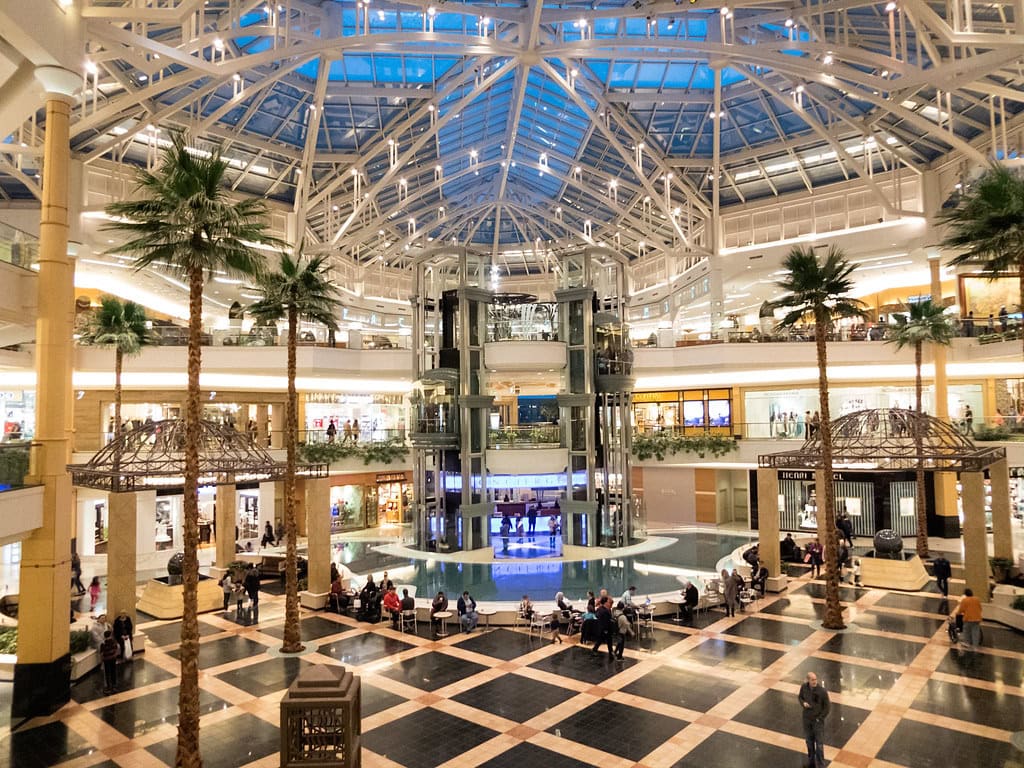
The main area tried to borrow the aura of a park or plaza, offering fountains, flowers, and a place to sit and rest, as well as a straight-lined pool that used water as ornament, not an obstacle for once.
The size was very exact, 163 feet at its longest and 156 feet wide, big enough so that walking around felt like something to do, not just a way to get somewhere.
Along the sides were white, square blocks that matched the look of the mall and were meant to be taken out and replaced with stores as new shops opened.
In 1980, Lord & Taylor became the fourth main store, finishing the original plan to have a big store at each corner.
The mall was about 2.5 miles south of the University of Michigan campus. It was close enough to share in the city's energy, but still had its own separate parking area.
Movies at Briarwood Mall: seven screens, last show
The theater opened with the mall as United Artists Briarwood, a four-screen operation that treated movies as an anchor for evenings and weekends.
On July 1, 1983, it expanded to seven screens, the classic response to a simple truth: people liked choices.
During 1977-1978, it ran the original "Star Wars" for 33 weeks, and for 13 of those weeks the film occupied two screens.
Later, the venue tracked the industry's instability. United Artists operated until 2000, when financial trouble shut it down.
After two dark years, Madstone Theatres reopened the space in 2002, leaning into art house programming.
Madstone went bankrupt in 2004, and the experiment ended as quickly as it began.
On October 8, 2004, MJR reopened it as "Village Theatre at Briarwood Mall 7," but it ran four screens. Three of the original seven had already been converted into retail space, including a Pottery Barn.
In 2005, Teichert Theaters took over and turned it into "Dollar Movies at Briarwood Mall," a budget cinema that lasted until June 2010.
After nearly 37 years, the theater closed for good. MC Sports later occupied the space, followed by Colby Bounce and Extreme Fun.
Anchors change hands: Lord, Jacobson's, Macy's
The mall's main stores followed a familiar pattern: long histories, sudden departures, and different names on the same building.
Lord & Taylor opened in 1980, but Jacobson's, a high-end Michigan store that started in the 1800s, wanted to move its main Ann Arbor store from downtown into the mall.
Lord & Taylor closed its Briarwood Mall store in 1993, and what once seemed permanent started to feel temporary. In the same year, Jacobson's moved into the old Lord & Taylor spot.
Jacobson's sold nice clothes, jewelry, and home goods with a sense of tradition, but in the late 1990s and early 2000s, shoppers preferred big national chains.
Jacobson's went out of business, and the Briarwood Mall store closed in 2002.
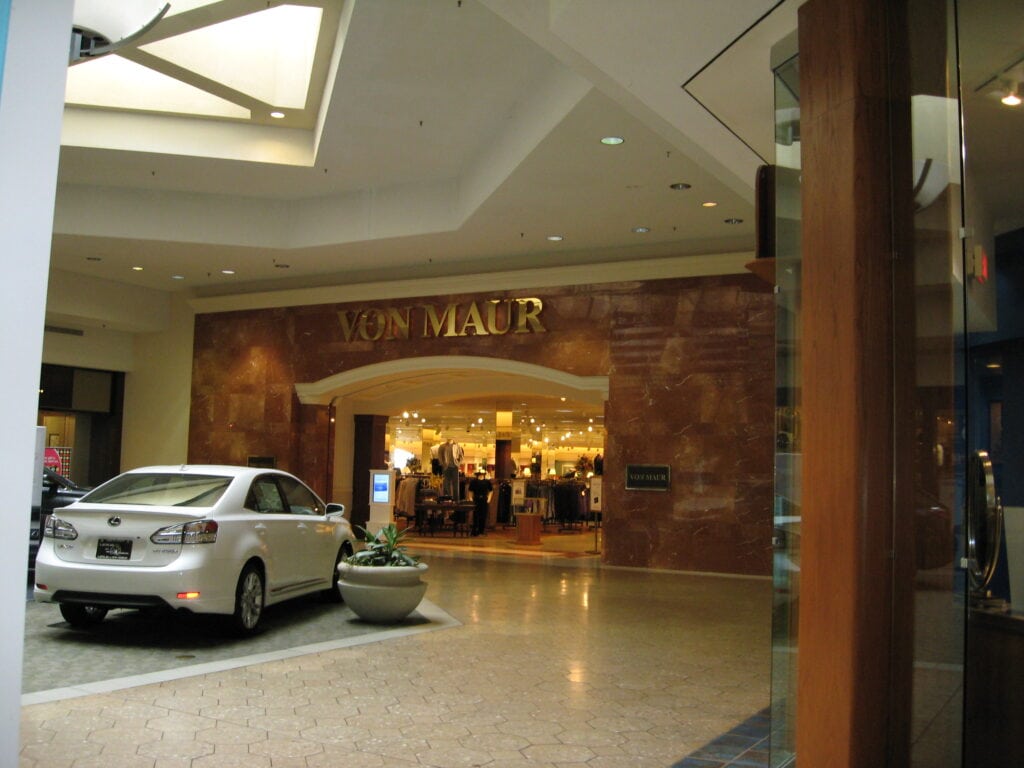
In September 2003, Von Maur, a company from Davenport, Iowa, opened its first Michigan store in that spot, focusing on good service and quality.
It has been the mall's most reliable replacement for a traditional high-end store.
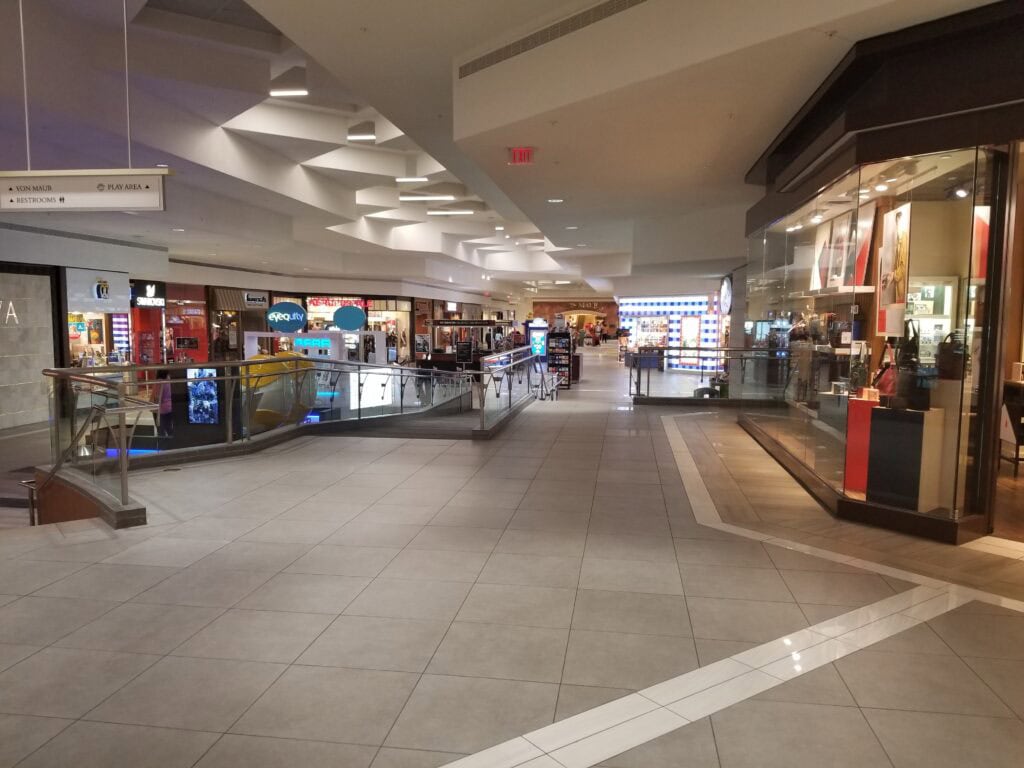
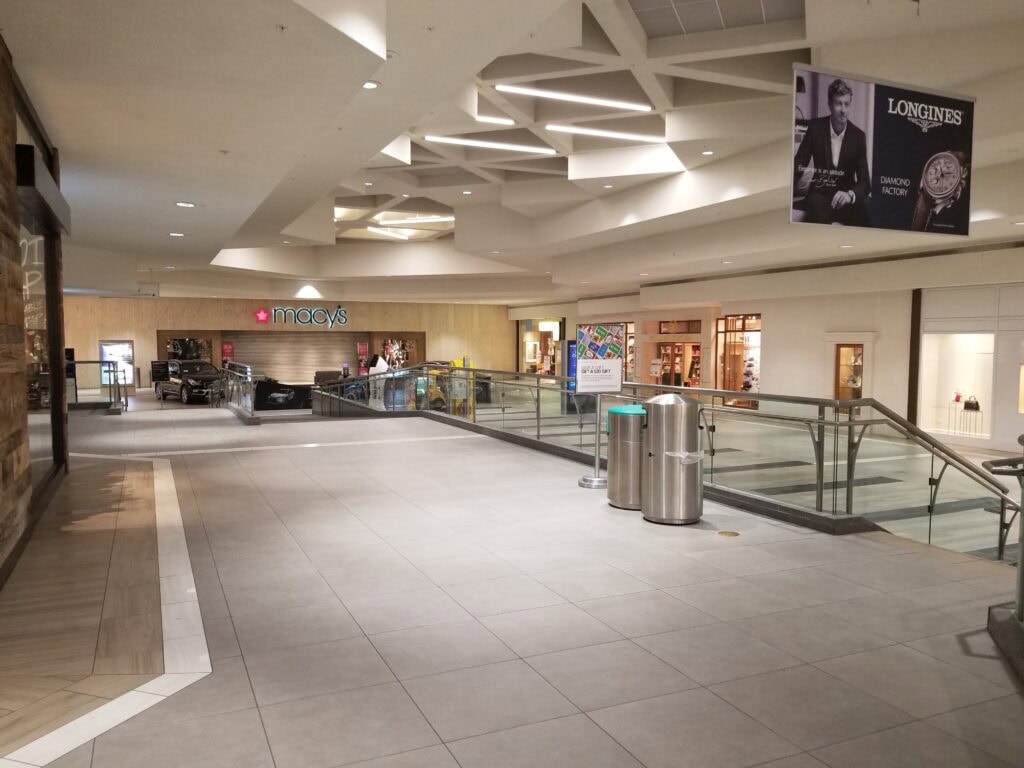
Hudson's, which opened in 1974, changed to Marshall Field's in 2001. After Federated bought May Department Stores in 2005, the store became Macy's on September 9, 2006.
Many fans of Field's saw the change as a step down, and at first, some of the new stores did not do as well after they offered fewer designer brands.
Still, Macy's stayed. So did JCPenney, the original 1973 anchor that never left.
Ownership shifts: REIT logic and pension money
Briarwood Mall's ownership story is a good example of how American real estate changed in the late 1900s.
In 1992, Taubman Centers went from being privately owned to being a company you could buy shares in on the stock market, using a setup that made it easier to combine different business partners into one company.
In 1998, Taubman Centers sold Briarwood Mall and eight other properties to the General Motors Pension Trust, which already owned $5 billion worth of real estate and wanted to spread out its investments.
Taubman continued to run the properties until 2004, so things stayed the same for shoppers even though a big organization now owned the mall.
In 2004, The Mills Corporation bought half of Briarwood Mall and started managing it together with the GM Pension Trust.
Mills focused on very large malls and was buying a lot of them. In early 2007, Simon Property Group bought Mills for $1.64 billion, making Briarwood Mall the first Michigan property that Simon managed.
By December 2024, Simon owned half of the mall directly, showing how the mall business had changed from being run by its original builders to being owned by big companies.
Renovations, churn, and the Sears dead zone
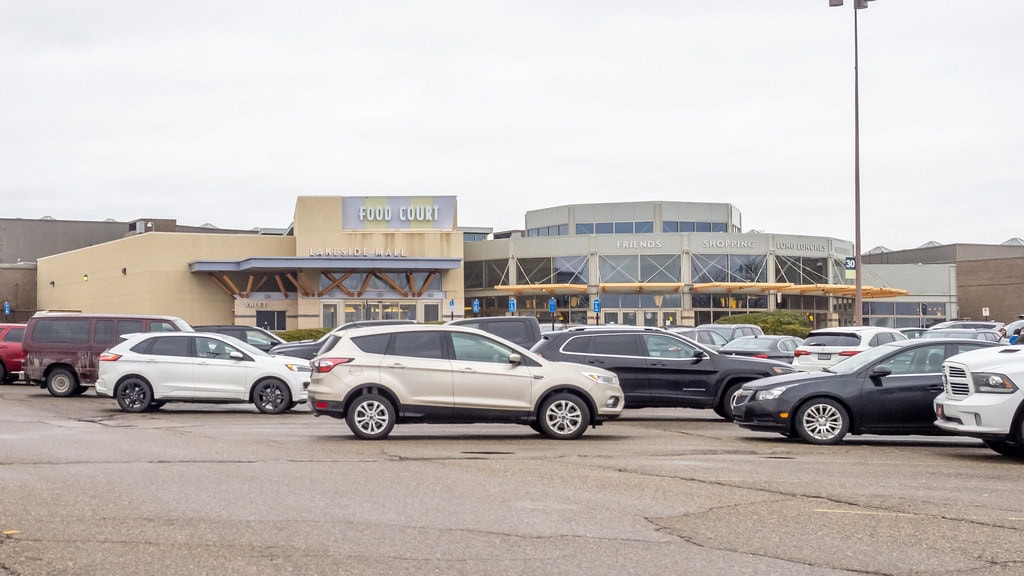
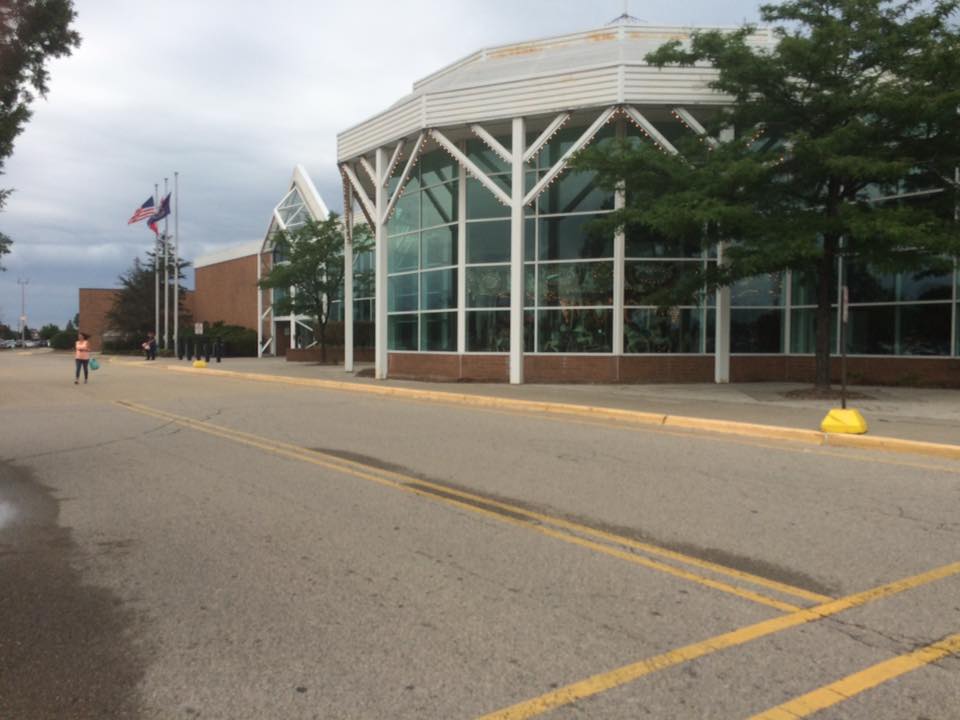
In 2013, the interior was remade with new flooring, upgraded lighting with LEDs, redesigned entrances, improved seating, and renovated bathrooms.
In August 2014, Forever 21 opened a larger 57,000-square-foot store in the JCPenney wing, absorbing space that had held Payless ShoeSource, Zales, GameStop, Icing by Claire's, a salon, and a vacant Arby's.
The harder problem was Sears. One of the original 1973 anchors, the roughly 185,000-square-foot store slid into steep decline in the 2010s.
On October 15, 2018, after filing for Chapter 11 bankruptcy, Sears announced the Briarwood Mall location would close, leaving a dead zone that represented about eighteen percent of the mall's anchor space.
In 2022, Simon bought the former Sears building for $2.2 million.
JCPenney stayed put, even as Brookfield and Simon acquired the chain out of bankruptcy in late 2020 in a deal valued at around $1.75 billion.
By late 2024, the mall listed about 85 shops and 14 eateries and operated at 84.7% occupancy across 869,500 square feet, below Simon's broader portfolio average of about 96.5%.
Texas de Brazil opened in July 2023, Totally Tea opened in June 2023, and The M Den closed in August 2024. H&M and Williams-Sonoma also closed.
Sephora closed in January 2025 after seventeen years, relocating to Arbor Hills while keeping a smaller location inside the Kohl's at 3160 Lohr Rd.
Sears demolition and the Hines-Simon blueprint
By the early 2020s, the empty Sears building was no longer just an empty space; it was a plan waiting to happen. In February 2023, Simon shared ideas for rebuilding the site and held a public meeting on February 16.
Ann Arbor had already set things up: in 2022, the city changed the rules for building around State and Eisenhower to allow taller buildings with a mix of homes, shops, and offices.
Tearing down the old Sears store, which was about 166,000 square feet, started in February 2024 and went on through 2024, clearing about eight to ten acres when the parking lot was included.
In December 2023, the City Council gave full approval to the new plan.
Over the next year, the design was updated, turning one planned store into two, and adding a parking garage with 325 spaces and a lively outdoor plaza.
In 2024, Simon teamed up with Hines, a real estate company from Houston that manages about $93.2 billion.
The money for the project came from private investors and a big construction loan, with the total cost estimated at about $100 million.
Construction started in September 2024, with the project expected to take about two years and apartments ready to rent in 2026.
The idea of combining stores and homes in a small village-like setting is now seen as a safer choice.
Harvest Market and 370 homes take the stage
The redevelopment's retail anchor is Harvest Market, an employee-owned concept operated by Niemann Foods, a 107-year-old family company based in Quincy, Illinois.
Planned at roughly 57,000 square feet, it is designed to feel like an outing: produce, deli, bakery, meat and seafood, a Farmhouse Restaurant, coffee bar, patio, and wine and spirits, plus a mezzanine with a dining lounge, bar, live-music stage, and cooking school.
It plans on-site sweet-cream butter made with a local Michigan dairy, with the buttermilk routed into biscuit production, and it promises to stock both local-forward products and the staples people actually buy.
The store expects about 250 associates and includes an ESOP and profit sharing.
A company executive described Ann Arbor as "a progressive community that believes in itself." The opening was scheduled for Fall 2025, but it was still not open by the end of the year.
The east-end redevelopment is also filling in a gap that was left in the plans for a while: the unnamed large sporting goods store.
A later update to the site plan finally gave it a name - Dick's Sporting Goods. Reports say it could open around September 2026, which matches the overall timing of the project.
Above it, two four-story residential buildings will add 370 units.
Amenities include two 13,000-square-foot courtyards, a dog run and pet spa, fitness space, co-working areas, and a golf simulator, plus a private 325-stall parking structure.
Sustainability targets include LEED certification, all-electric systems, about 20,000 square feet of rooftop solar for common-area power, and EV charging.
Two additional two-story retail buildings and a 100,000-square-foot sporting goods tenant are planned.
Nearby, other developers have pitched corridor-scale transformations, including a proposal by Oxford Properties that would redevelop about 20 acres and add roughly 1,200 condominium units and apartments, plus retail.
are the apartments at Briarwood going to be for low income or upscale renters?
Thank you for your question regarding the Briarwood Mall apartments. The proposed development suggests a certain level of exclusivity, but as with any project, there might be changes as it progresses. For more details, you can check this article: https://www.mlive.com/