
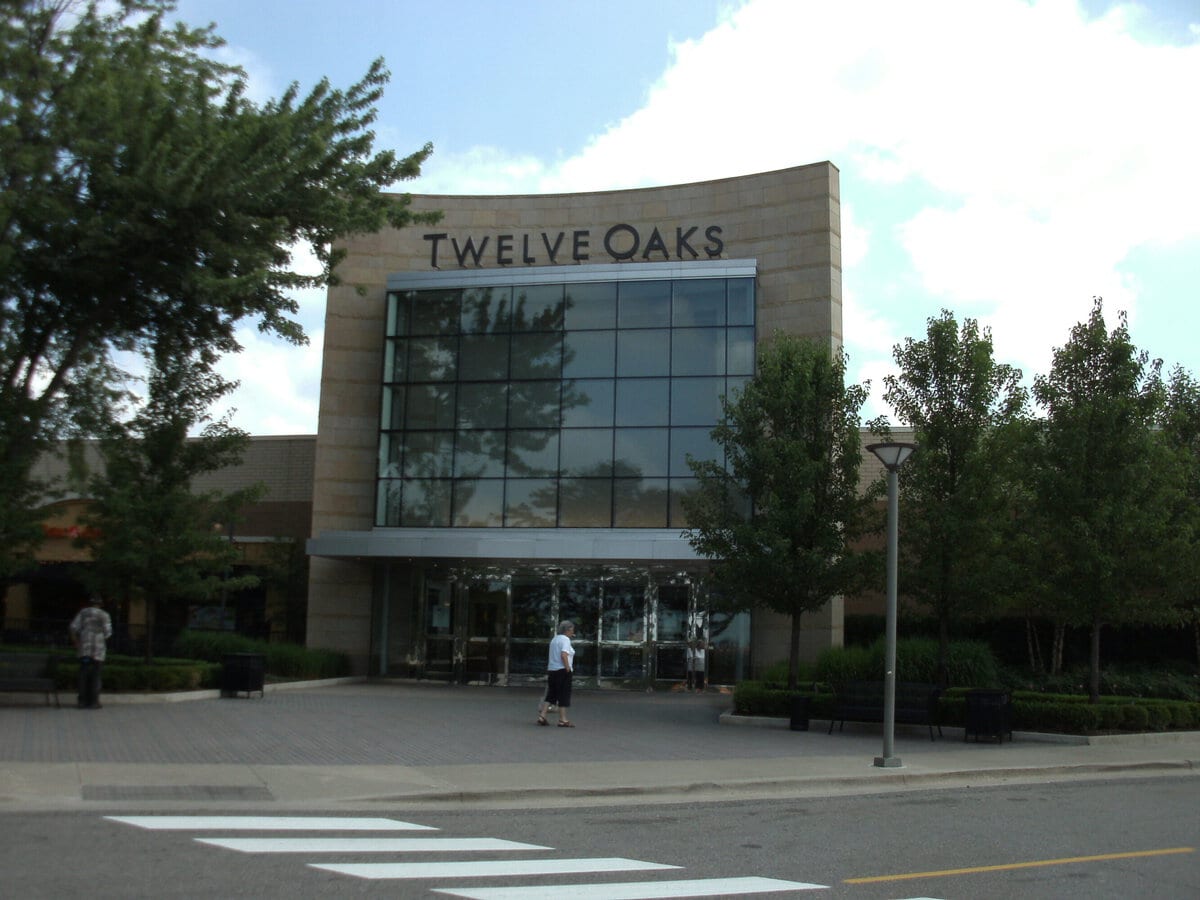
Twelve Oaks Mall opened in Novi, Michigan, on August 2, 1977. This August, it turns 49, with more than 160 stores and restaurants inside its 1.5 million square feet.
The anchors tell the age. Macy's started here as Hudson's, on three levels. JCPenney has held its corner since May 1978. Nordstrom, the newcomer, is 18 years old. The other two original anchors are gone.
Sears closed in 2019, and its building is being divided among Dick's House of Sport, Primark, and Round1.
Construction began in 2025, and Simon currently lists all three tenants as coming soon without opening dates. Lord & Taylor liquidated in 2020.
Its 121,800-square-foot building remains listed as available, and no public redevelopment plan was identified in the sources reviewed.
Simon Property Group acquired the Taubman family's remaining interest in Taubman Realty Group on October 31, 2025, giving Simon full control and ending the family's direct ownership stake.
What 49 years did to the place, anchor by anchor, is below.
Twelve Oaks began with a landfill nobody wanted
In 1967, the J.L. Hudson Corporation bought land at Twelve Mile and Novi roads in Novi, Michigan, 25 miles northwest of downtown Detroit.
Before any shopping-center plan advanced, the site had been floated as a landfill.
Residents and the Village of Novi fought that idea and stopped it.
The mall itself almost happened somewhere else.
A. Alfred Taubman's development group and Homart, the real-estate arm of Sears, were planning a regional mall near Thirteen Mile Road in Farmington Township, with Sears attached and Hudson's discussed as a second anchor.
Locals fought that site too, and the plan stalled.
Taubman and Homart later joined Hudson's on the Novi land it already held.
So Twelve Oaks Mall took shape after two earlier plans fell apart: a landfill that never opened and a mall that never broke ground.
Three companies, one project
The Novi deal joined three parties with three different jobs.
Taubman brought the mall-building experience.
Homart brought Sears and its development operation.
Dayton-Hudson brought Hudson's, the biggest department-store name in Detroit, plus the land.
Work on the site began in 1975.
Twelve Oaks became the third big Taubman center to open in southeast Michigan in two years: Fairlane Town Center in Dearborn in 1976, Lakeside Mall in Sterling Heights the same year, then Novi in 1977.
All three used enclosed multi-level plans with department stores wrapped around the common areas.
Nine months of grand openings
Hudson's opened on August 2, 1977. Then the rest of the place arrived in pieces.
Sears opened on October 1. A five-screen United Artists cinema started showing movies on December 15.
Lord & Taylor opened March 6, 1978, and JCPenney finished the lineup on May 3, 1978.
The mall ran for nine months before all four department stores were open at once.
Hudson's stood out physically, with three selling levels.
The other anchors used two, matching the two-level common mall designed by Gruen Associates and architect Richard Prince.
The finished center held 1.2 million square feet.
Terrazzo floors and a catch in the deeds
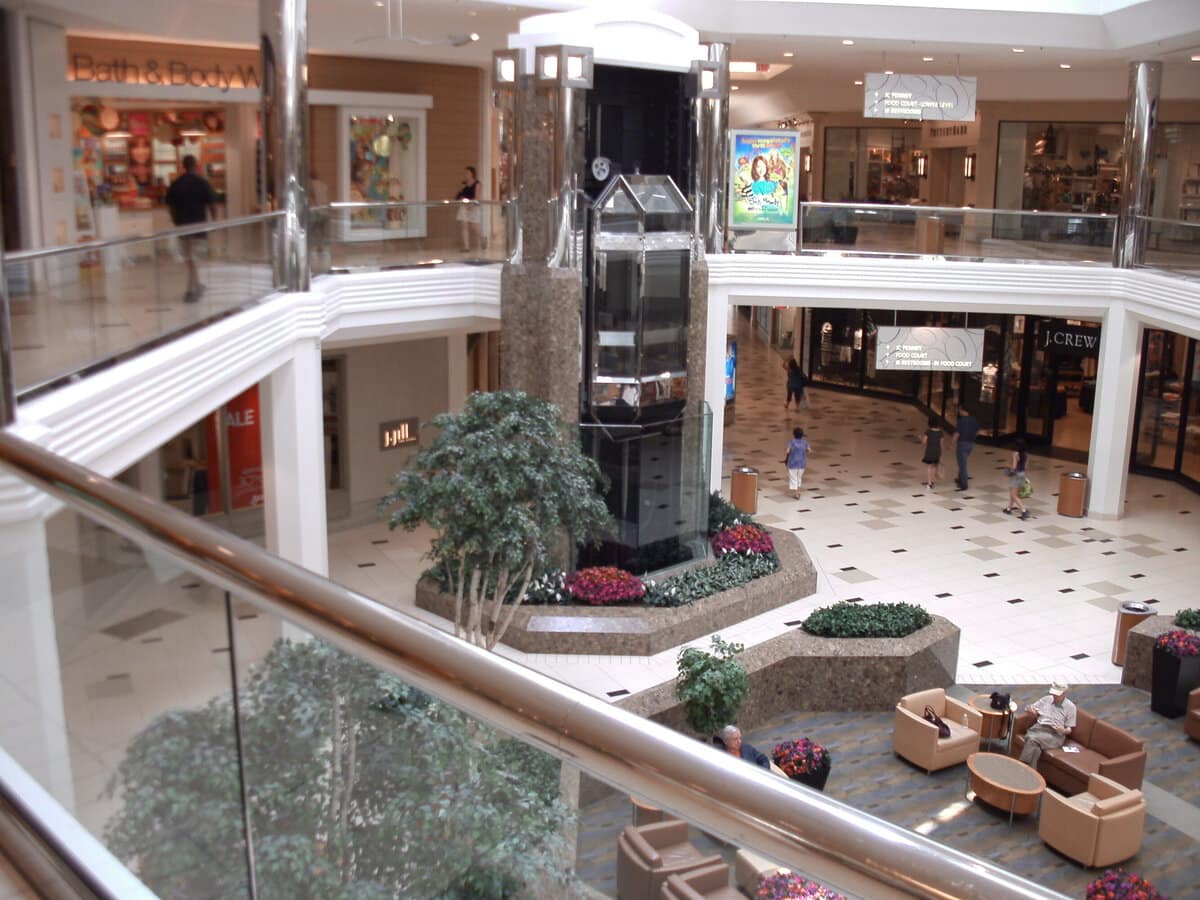
The original interior used wood railings with steel bars, terrazzo flooring, sculptures, modern art, and trees.
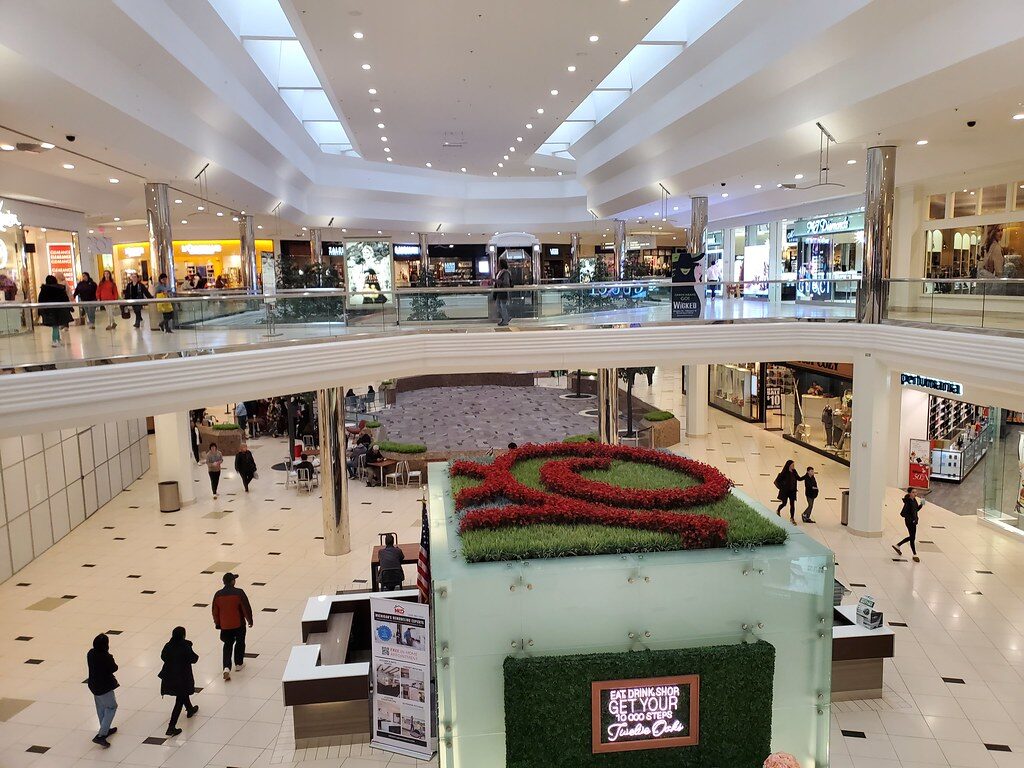
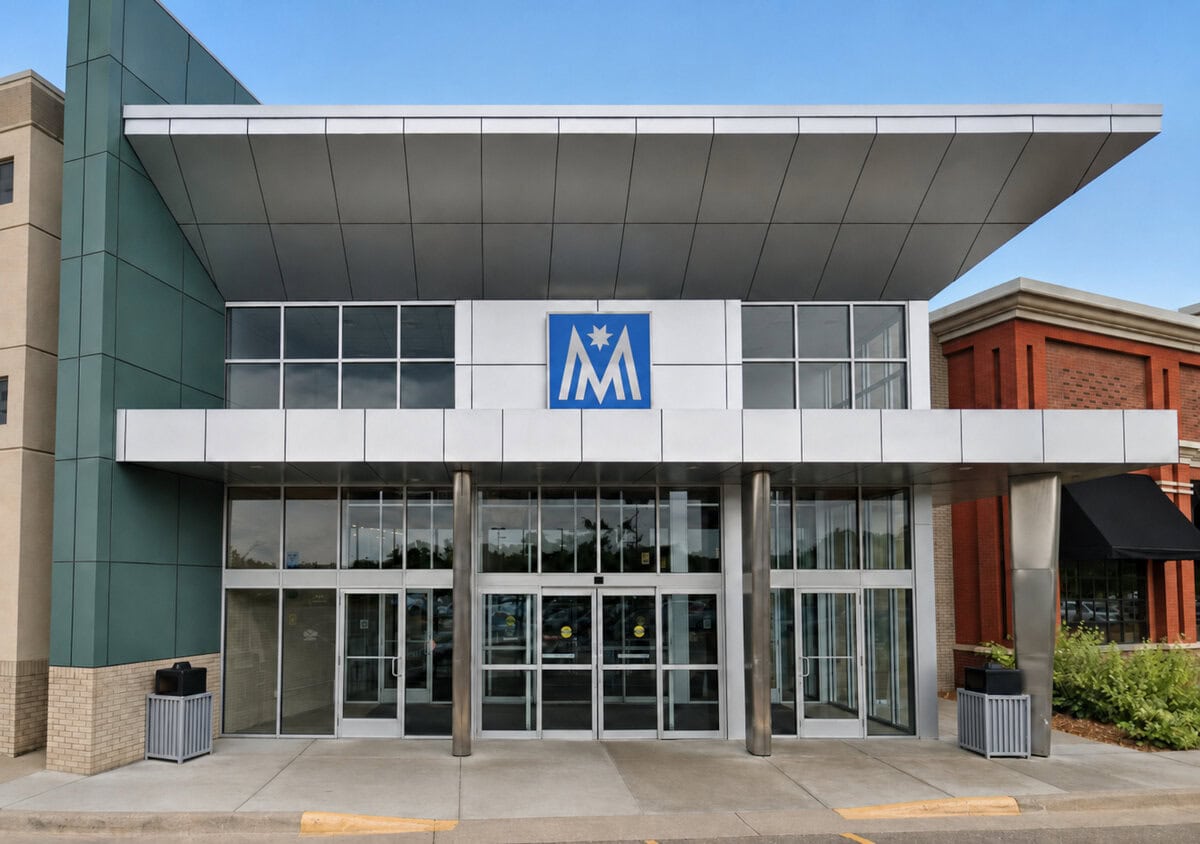
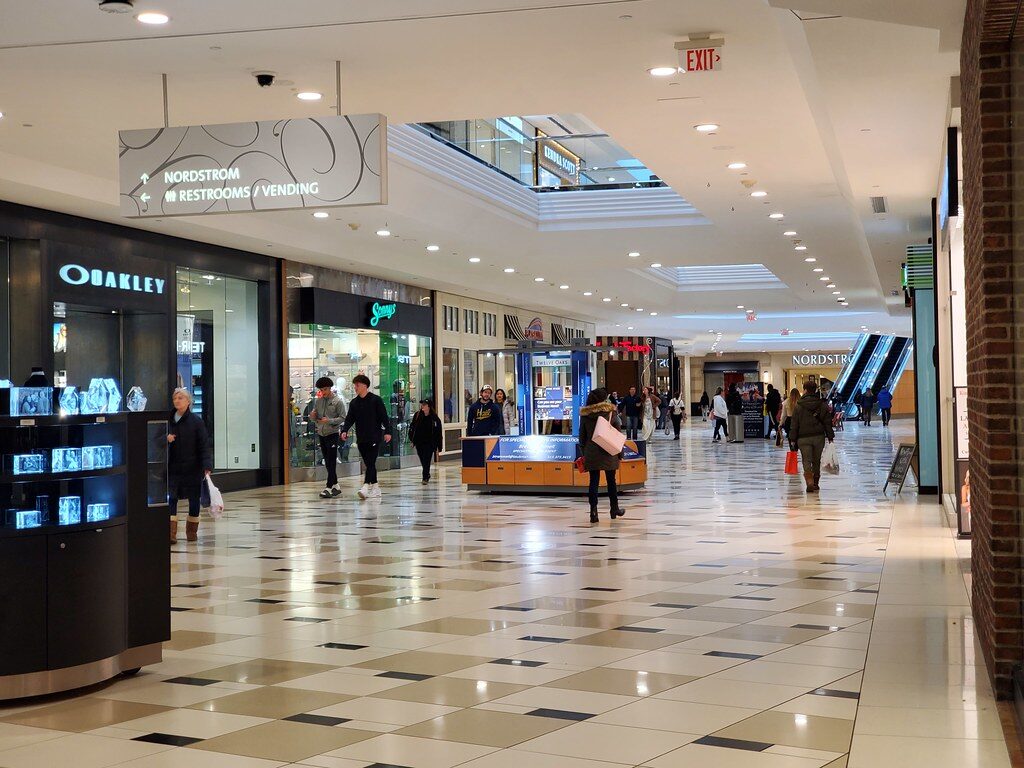
A 1996-97 renovation removed the trees and sculptures, covered the terrazzo with tile, built new entrances, and added an elevator.
The paperwork under the buildings mattered more in the long run.
The mall operator did not control every anchor property.
That became important when Sears and Lord & Taylor closed: the future of each box depended on whoever controlled it, not solely on the operator of the enclosed mall.
The district grows up around it
For over 20 years, the anchor lineup didn't move.
Hudson's, Sears, Lord & Taylor, and JCPenney covered the middle and upper-middle of the market while national chains filled the space between them.
Novi changed around the mall. Novi Town Center opened south of I-96 in 1987.
Fountain Walk added big-format stores and a cinema south of Twelve Mile Road in 2001 and 2002.
Furniture showrooms, hotels, and restaurants filled the corridor.
More stores meant more competition, and also more reasons to drive to Novi.
In a 2012 city survey, 95 percent of residents rated Novi's shopping opportunities as good or excellent.
A closed cinema and the first Apple store in Michigan
Ownership got simpler first.
In January 2000, Taubman and Dutch investor Rodamco swapped mall stakes: Taubman took full ownership of Twelve Oaks, and Rodamco took full ownership of Lakeside.
Then the names started changing. Hudson's became Marshall Field's in 2001.
In 2002, the shuttered United Artists cinema came out, and the Lifestyle Cafe food court went in.
Kiosks appeared in the concourses.
On August 31, 2002, Apple opened its first Michigan store here.
It moved to a larger space in July 2005 and remains on the upper level.
The $63 million bet on a fifth anchor
In April 2005, Nordstrom signed a letter of intent for a two-level store at the southeast corner, its second full-line Michigan location after Somerset Collection in 1996.
Taubman built a whole new wing around it.
Construction started in February 2006.
The project cost $63 million and pushed the mall from 1.2 million square feet to 1.5 million.
It added 97,000 square feet of two-level shop space, room for 35 to 40 new tenants, and a 60,000-square-foot addition that brought Macy's to 300,000 square feet.
Marshall Field's had become Macy's in September 2006, mid-project.
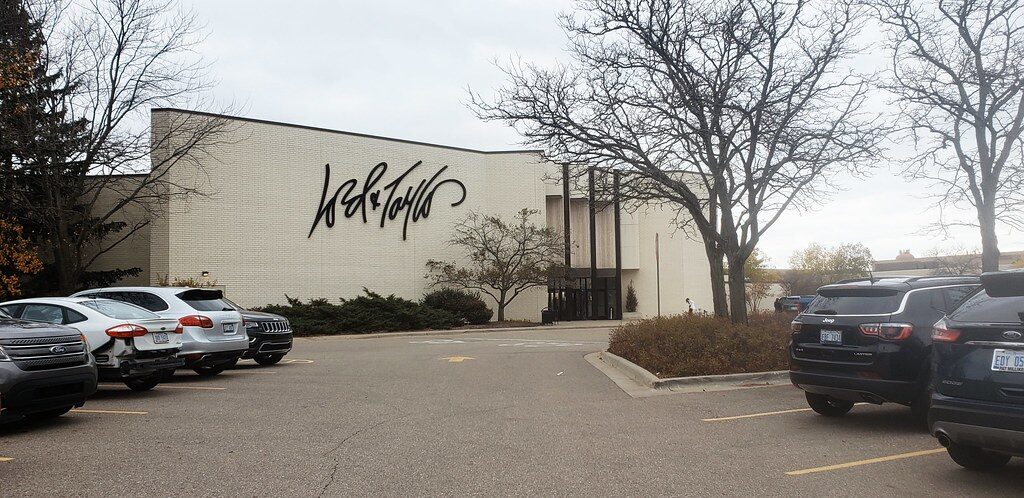
Nordstrom opened on September 28, 2007, with Cafe Bistro and Ebar, behind a structural-glass entrance and a canopy over a valet drive.
The broader project also added seating, new flooring, an elevator, and redesigned entrances.
For the first time, the mall had five department stores running at once.
The full-house years
The five-anchor stretch lasted from 2007 into 2019.
California Pizza Kitchen opened near the new wing in 2008.
The Cheesecake Factory picked the mall for its first Michigan restaurant, an 8,400-square-foot location with seating for 225 that opened on August 13, 2013, with its own exterior entrance.
In 2018, H&M moved into a two-level store in the Sears wing.
By the next spring, the department store beside it went dark.
Sears goes dark and keeps the keys
Sears Holdings filed for Chapter 11 in October 2018.
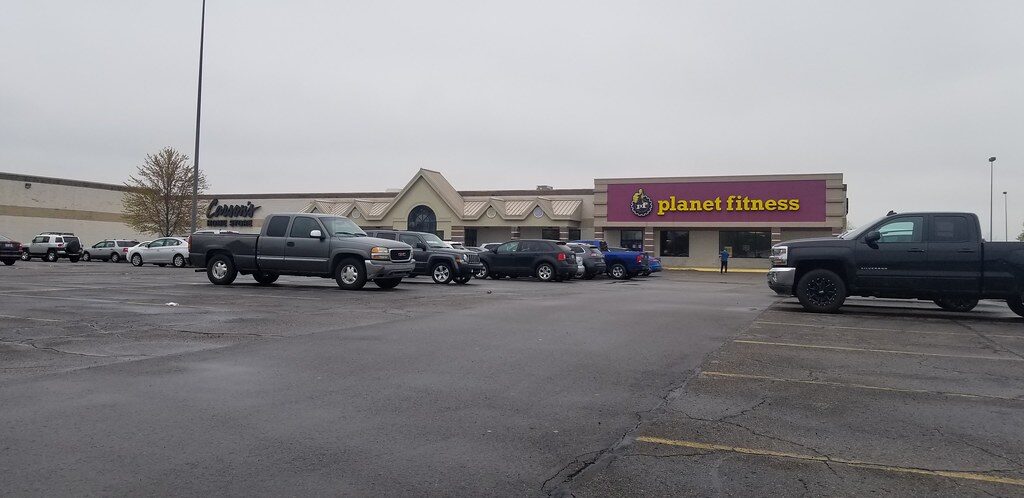
On December 28, the Novi store landed on a closure list, and by late March 2019 the doors were shut after 41 years.
Transformco, the company formed from Sears assets, kept the building and marketed the two-level property at 27600 Novi Road as 236,000 square feet on a 12-acre site.
The 17.79-acre figure used in Novi's later review covered the area included in the special land use request, not the 12-acre site described in Transformco's listing.
The pandemic year came with a lawsuit
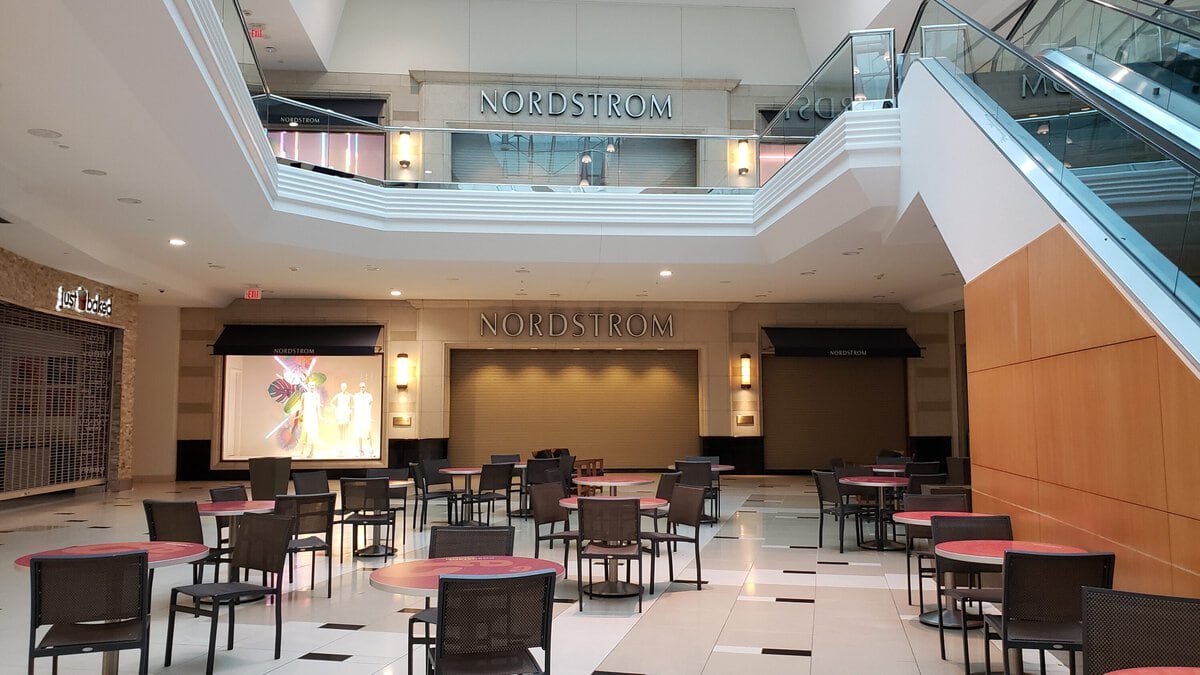
Lord & Taylor and its owner went bankrupt in 2020, and the chain liquidated all 38 stores.
The Novi store closed with it, leaving a 121,800-square-foot building on the east side empty.
Two of the four original anchors were now gone.
Michigan's public-health orders shut indoor malls that spring.
Twelve Oaks reopened with capacity limits and shorter hours, and stayed closed on Thanksgiving 2020, dropping the late-night holiday openings malls had leaned on through the 2010s.
The bigger fight was in court.
Simon Property Group agreed in February 2020 to acquire 80 percent of Taubman Realty Group, paying $52.50 per Taubman Centers share in a cash deal valued at about $3.6 billion.
In June, Simon tried to terminate the agreement and sued in Oakland County.
The two sides settled in November at $43 per share, and the deal closed December 29, 2020.
Simon buys out the builder
The rest of Taubman came in slices.
Simon bought another 4 percent on September 7, 2023, for $199.6 million, another 4 percent in the fourth quarter of 2024 for $266.7 million, and the final 12 percent on October 31, 2025, in exchange for 5.06 million Simon partnership units.
That last purchase ended the family's direct stake in Taubman Realty Group, the company A. Alfred Taubman built.
The Bloomfield Hills headquarters was scheduled to close, with 105 layoffs starting in January 2026.
The mall Taubman opened in 1977 kept operating without a pause, now fully inside the Simon portfolio.
One empty Sears, three new tenants
Transformco filled its box three ways.
By mid-2025, it had leases splitting the old Sears among Dick's House of Sport, Primark, and Round1.
The current leasing plan assigns 101,350 square feet to Dick's House of Sport on the lower level, with a climbing wall, golf simulator bays, sports-testing areas, and an outdoor field and track that can convert to an ice rink.
Primark takes 47,825 square feet upstairs, near Apple, as its second Michigan store after Great Lakes Crossing Outlets.
Round1 takes 58,350 square feet of the upper level for bowling, arcade games, karaoke, and food.
The project went to the city in December 2024.
Novi's Planning Commission reviewed it on April 23, 2025; the City Council approved the special-land-use and preliminary site plan on June 2, and the city listed the House of Sport project as under construction in its June 12, 2026 update.
A department store that ran on one set of hours becomes three destinations with different ones, all inside the shell Sears left behind.
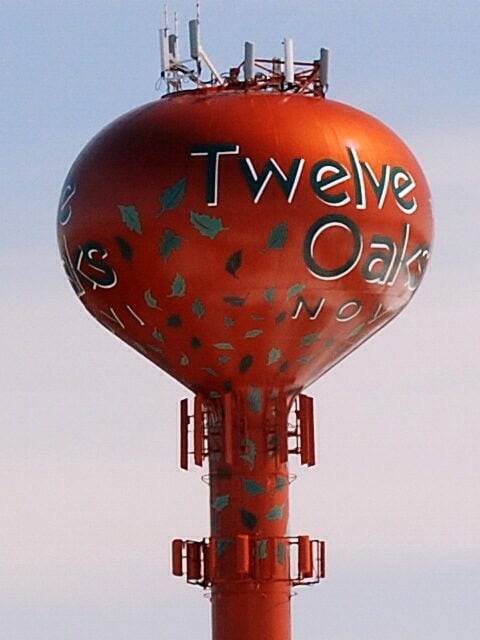
Twelve Oaks in July 2026
The mall runs with more than 160 stores and restaurants under Simon management.
Macy's, JCPenney, and Nordstrom are open.
Crate & Barrel moved its Detroit-area store here from Somerset Collection and opened a permanent 26,000-square-foot location in June 2021, with a kitchen department and design studio.
Pottery Barn was operating in a larger Twelve Oaks space by 2026.
Some storefronts emptied too: Forever 21's U.S. operator filed for Chapter 11 in March 2025 and began closing stores, including its 23,000-square-foot Twelve Oaks location.
The former Sears redevelopment is an active construction project.
A May 2025 report projected openings for the three tenants by fall 2026, while Simon's current pages list Dick's House of Sport, Primark, and Round1 as coming soon without dates.
The last open question sits on the east side.
The former Lord & Taylor building remains listed as available, and no public redevelopment plan was identified in the sources reviewed.
Among the major anchor spaces, every other box is open or under redevelopment.
Independent Publisher Notice
BestAttractions is an independent editorial publisher. We are not affiliated with, endorsed by, or acting on behalf of any location, business, property owner, manager, government agency, or organization described in this article. Comments posted on this page are not forwarded to, reviewed by, or acted upon by any entity mentioned in the article. For official inquiries, complaints, applications, bookings, or other requests, please contact the relevant entity directly through its official website or other verified channels.