
Every storefront at The Streets at Southpoint was filled ahead of Black Friday 2025, a rare position for a large regional mall in the current retail market.
The Durham property still has Nordstrom, Macy's, Belk, JCPenney, AMC Theatres, Apple, restaurants, and newer names such as Aritzia, Alo Yoga, Vuori, and Gorjana.
The mall sits at 6910 Fayetteville Road in southern Durham, near Interstate 40 at Exit 276 and Renaissance Parkway. It serves Durham, Chapel Hill, South Durham, Research Triangle Park, and the wider Triangle area.
Southpoint's question is not whether it still matters. The harder question is how long a 2002 mall can stay on top while shopping habits change, newer mixed-use centers such as Fenton and Raleigh Iron Works compete for attention, and Brookfield prepares the surrounding land for a much larger future.
The Streets at Southpoint Opens to Crowds in Durham
On March 8, 2002, a large number of cars headed toward 6910 Fayetteville Road, suggesting that the mall's opening was a significant local event.
The Streets at Southpoint appears to have drawn about 300,000 visitors over its first three days.
Durham had not seen a major new mall open in nearly three decades. Early shoppers entered a 1.3 million-square-foot property that was designed to connect visually with the surrounding region.
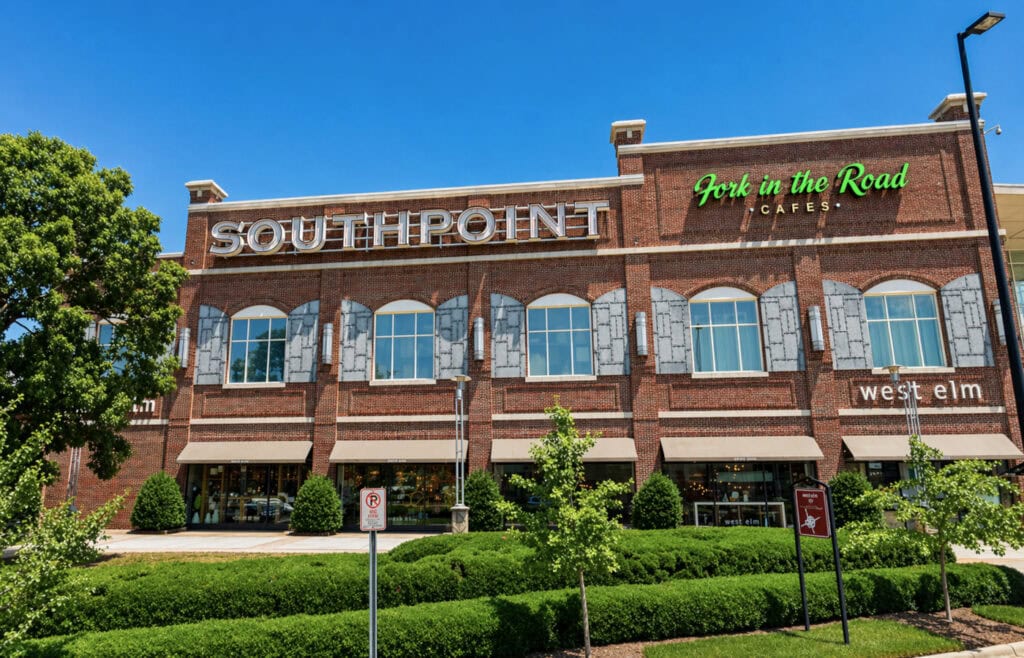
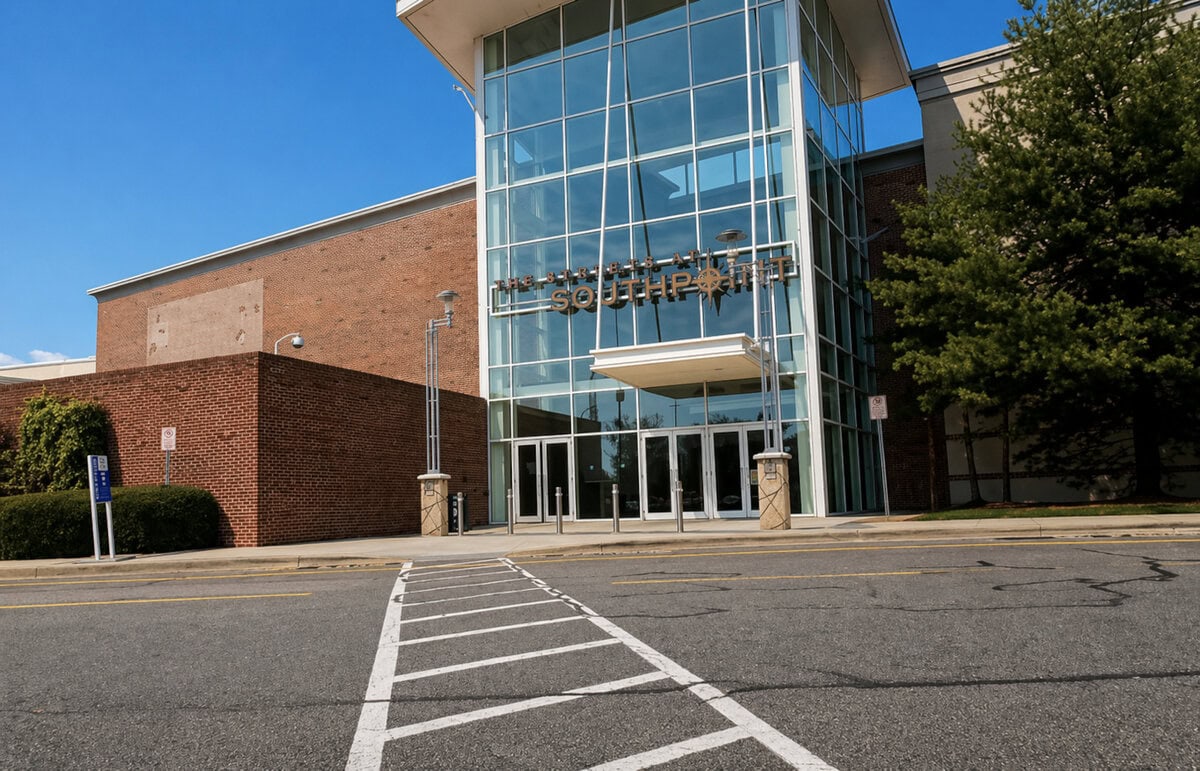
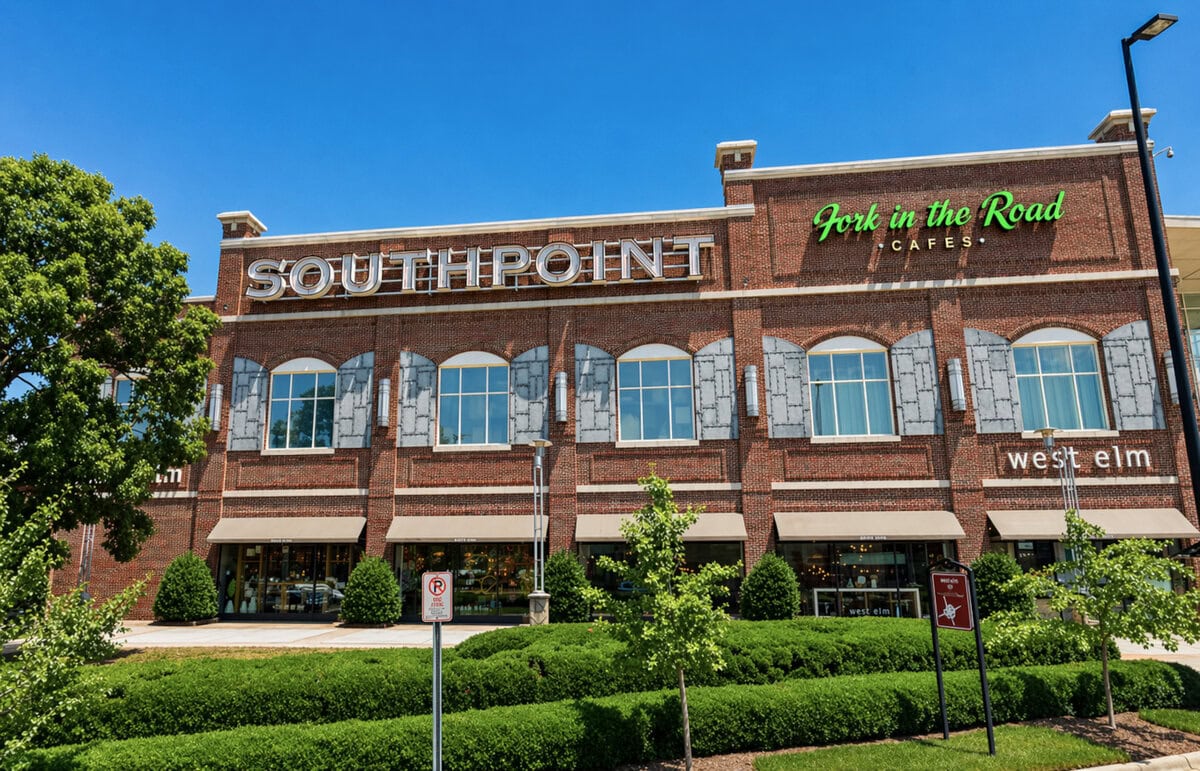
Red brick covered the walls, storefronts lined an outdoor pedestrian street, and a 70-foot glass wall separated the enclosed shopping area from the open-air section.
The mall's anchor stores were Hecht's, Sears, JCPenney, Belk, and Nordstrom. Southpoint included North Carolina's first Nordstrom and one of Apple's early retail stores.
Aveda, California Pizza Kitchen, Hollister Co., and Pottery Barn Kids added several brands and restaurants that were new to the Research Triangle.
The opening was treated as Durham's leading business story of 2002.
The Streets at Southpoint Took Years to Become Real
The first full shopping bags at Southpoint followed four years of planning and more than two years of construction. Groundbreaking began in June 2000.
Urban Retail Properties developed the mall. RTKL Associates designed it.
The project used a hybrid format during a period when older enclosed malls were losing market share to lifestyle centers and town-center projects.
Southpoint kept the climate-controlled indoor mall and added an outdoor street, a feature newer retail projects were using to draw shoppers away from traditional enclosed corridors.
In January 2002, The Rouse Company reached a deal with Simon Property Group and Westfield Group to acquire Rodamco's North American assets. Those assets included The Streets at Southpoint.
The deal put Southpoint within a larger national mall-ownership structure shortly before the mall opened.
The site was positioned between Durham, Chapel Hill, Research Triangle Park, and the wider Triangle region. Access from Interstate 40 gave it a customer base beyond one city.
Near the time of opening, the mall was expected to draw 12 million to 15 million visitors each year.
Southpoint's Main Street Design Echoed Durham's Brick Heritage
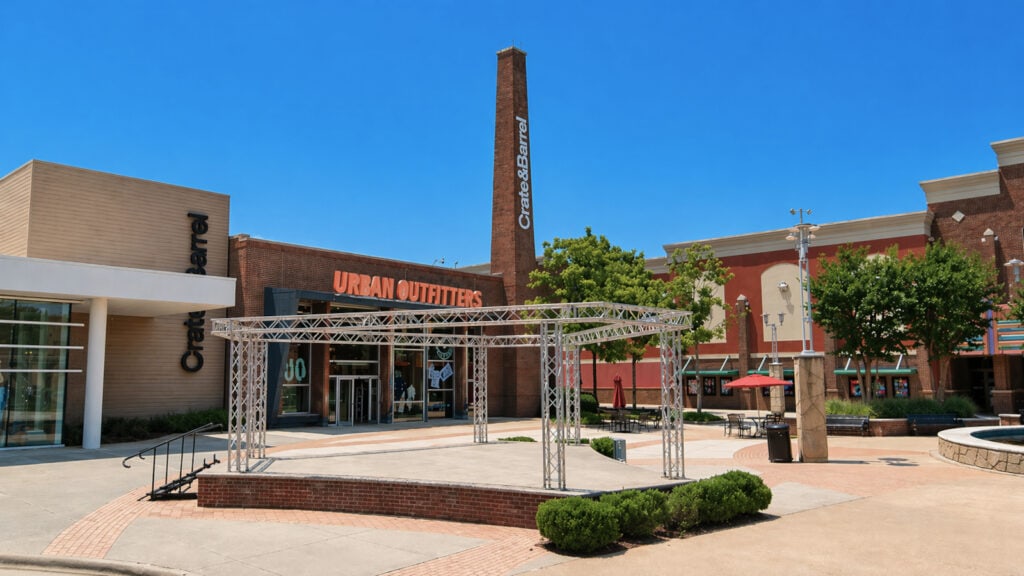
The mall used more than 2 million red bricks on both the outside and inside of the building. This gave the new shopping complex a visual link to older streets in Durham.
The brick design referred to several nearby places: downtown Durham, buildings at UNC, and Franklin Street in Chapel Hill.
The Streets at Southpoint was not organized as one long enclosed hallway.
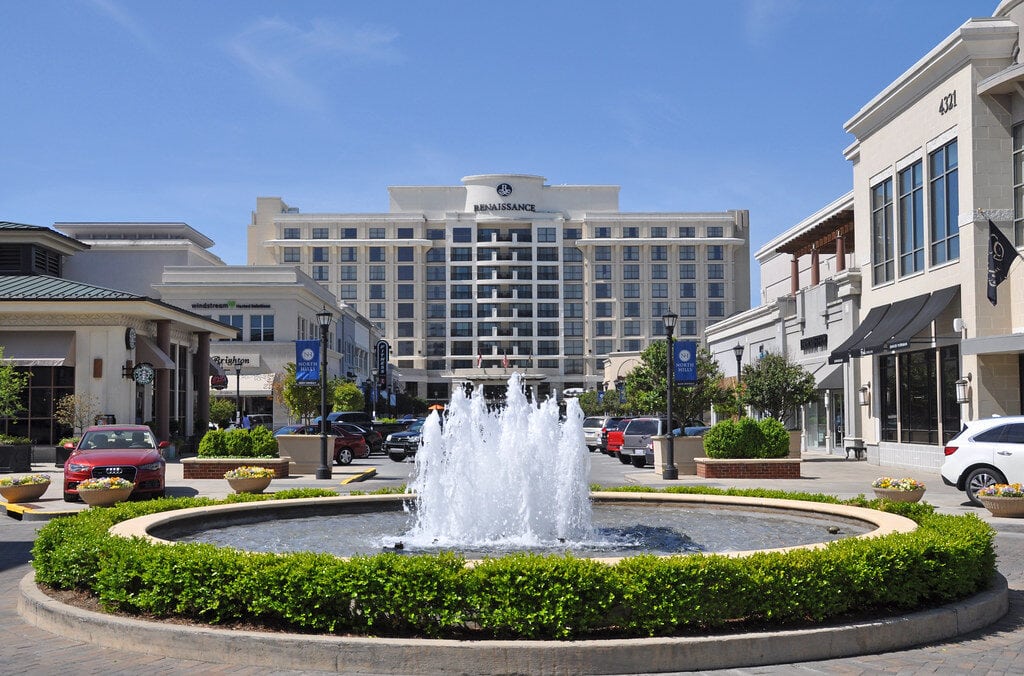
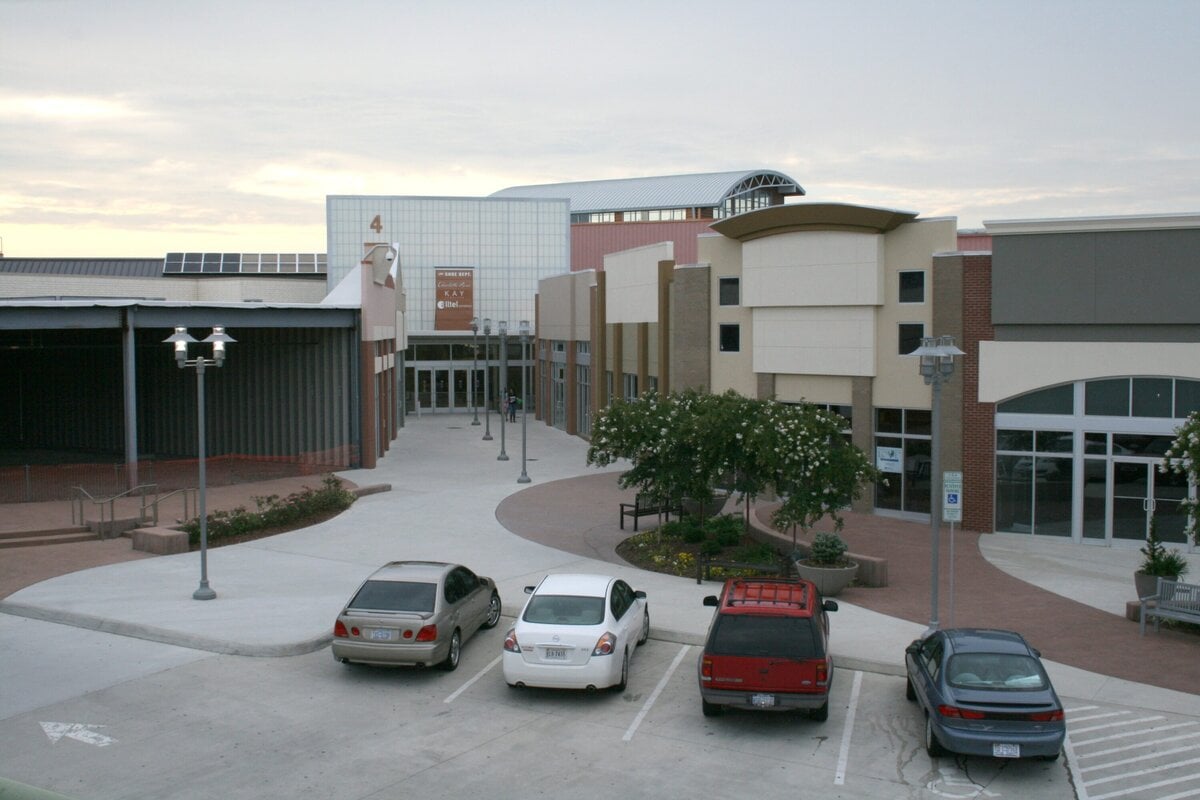
The design joined a two-level indoor mall with an outdoor street. Along that street, restaurants such as The Cheesecake Factory, larger stores, seating areas, and pedestrian space occupied the same walkway.
The food court was called "Fork in the Road." Its brick walls, industrial details, and warehouse-like design referred to Durham's older tobacco buildings.
The mall's handrails included sections of Durham maps. Mature trees and shrubs were installed before opening, which gave the property a finished landscape rather than the look of a recently cleared construction site.
The design included 23 statues that became one of the mall's best-known features. The statues were based on the children of local leaders, and A.R.T. Design Group created them over three years.
First Stores Made Southpoint a Triangle Destination
Southpoint's first group of stores gave shoppers reasons to travel from other counties.
The early lineup included Nordstrom, Apple, Aveda, California Pizza Kitchen, Hollister Co., and Pottery Barn Kids. These stores helped make the mall a regional destination rather than only a shopping place for South Durham.
Hecht's later changed to Macy's as part of department-store consolidation.
Sears stayed open for years before the company's national pullback reached Southpoint.
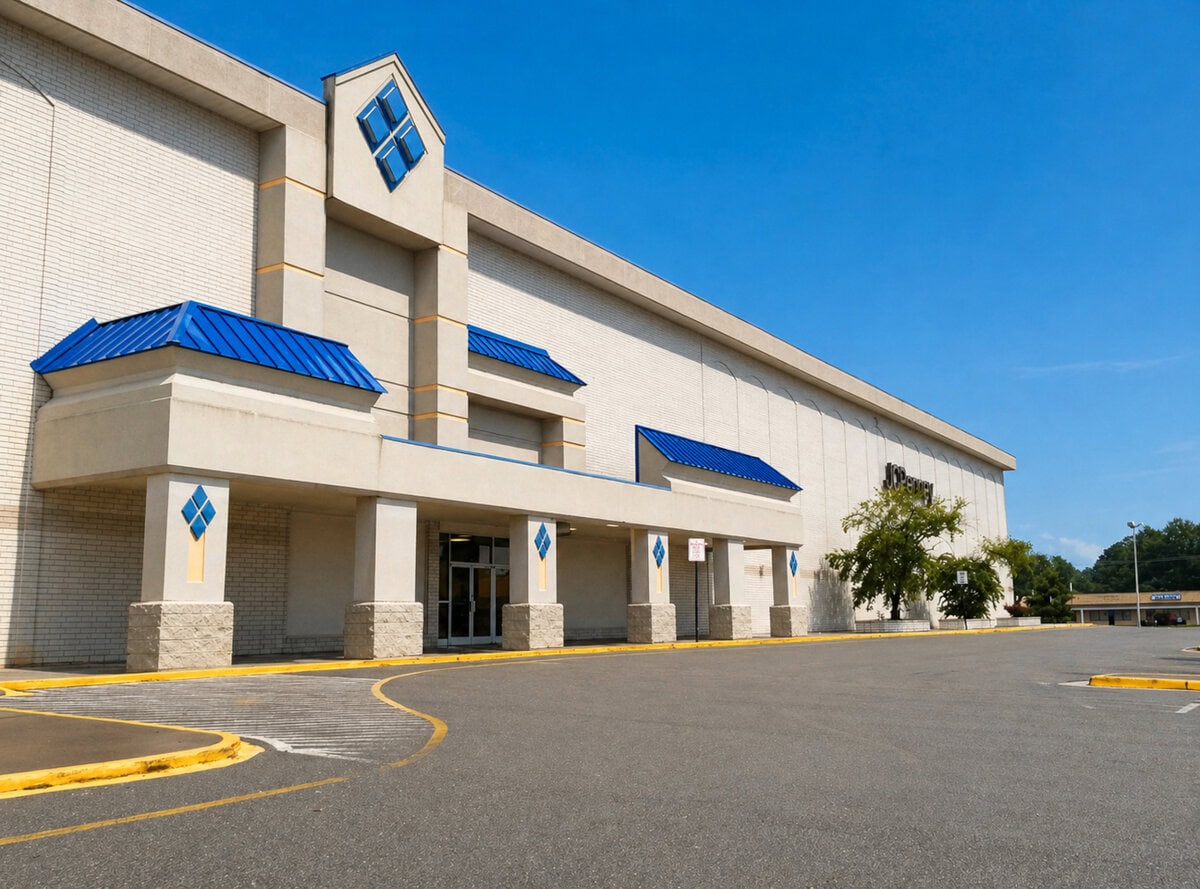
JCPenney, Belk, and Nordstrom continued as major anchor stores.
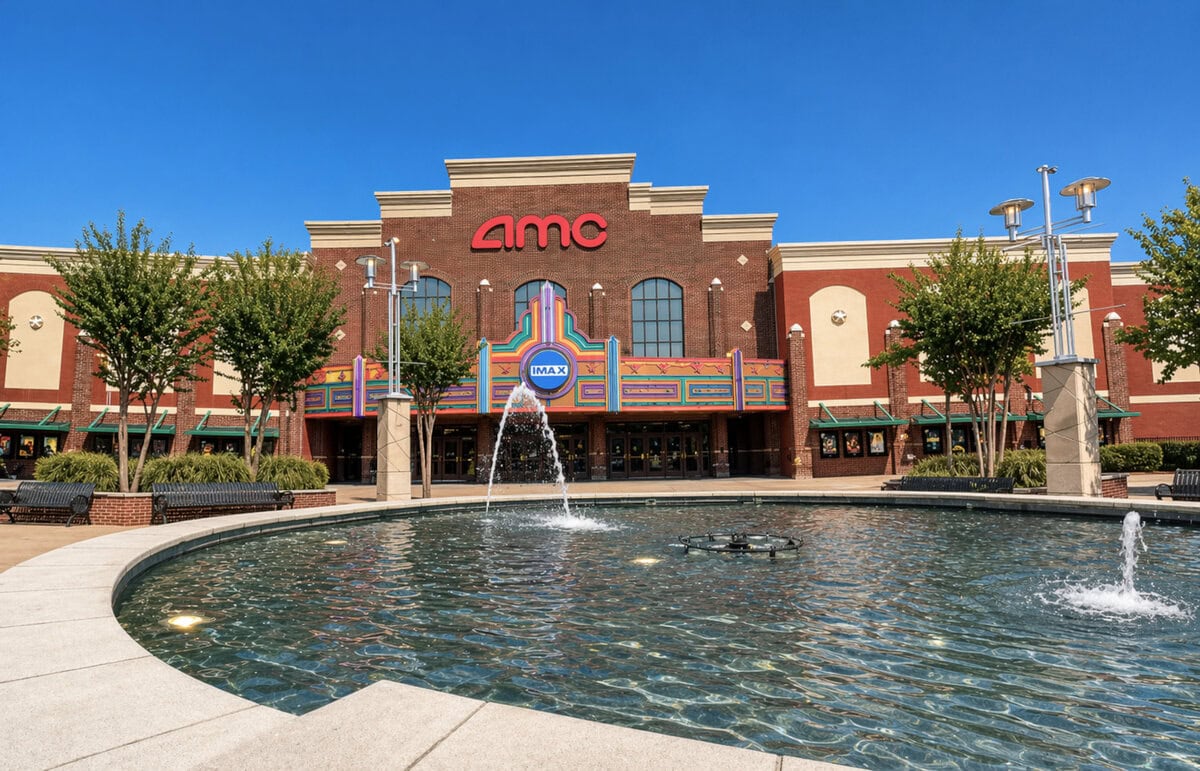
The mall included entertainment and dining as well as shopping. AMC Theatres and IMAX drew visitors to the outdoor section in the evening.
Barnes & Noble and full-service restaurants gave people reasons to stay on the property after short shopping trips ended.
South Square Mall had once been a major retail center in Durham. After Southpoint opened, South Square declined and was eventually demolished.
Southpoint had several advantages over older local malls: newer stores, a larger site, access from Interstate 40, and a mixed indoor-outdoor format.
By 2023, the mall had averaged more than 1 million visitors each month since it opened.
Brookfield Took Over a Mall That Still Had Strong Numbers
General Growth Properties became one of the main companies connected to Southpoint during the 2000s. It owned many large regional malls across the United States.
In 2009, General Growth Properties filed for Chapter 11 bankruptcy protection during the financial crisis after years of expansion built on heavy debt.
The company came out of bankruptcy in 2010 and kept running major retail properties.
Brookfield later became the controlling owner after acquiring and restructuring the companies that followed General Growth.
The Streets at Southpoint became part of Brookfield's retail portfolio.
The mall's operating numbers stayed strong for a regional shopping center. Total gross leasable area sat near 1.3 million square feet.
Retail occupancy was 99.2 percent in 2014, 98.7 percent in 2015, 99.6 percent in 2016, and 99 percent in 2019.
By 2025, Southpoint had an asset value of $667 million, an equity value of $382 million, and sales of $818 per square foot.
The sales figure measured store productivity, not total mall revenue.
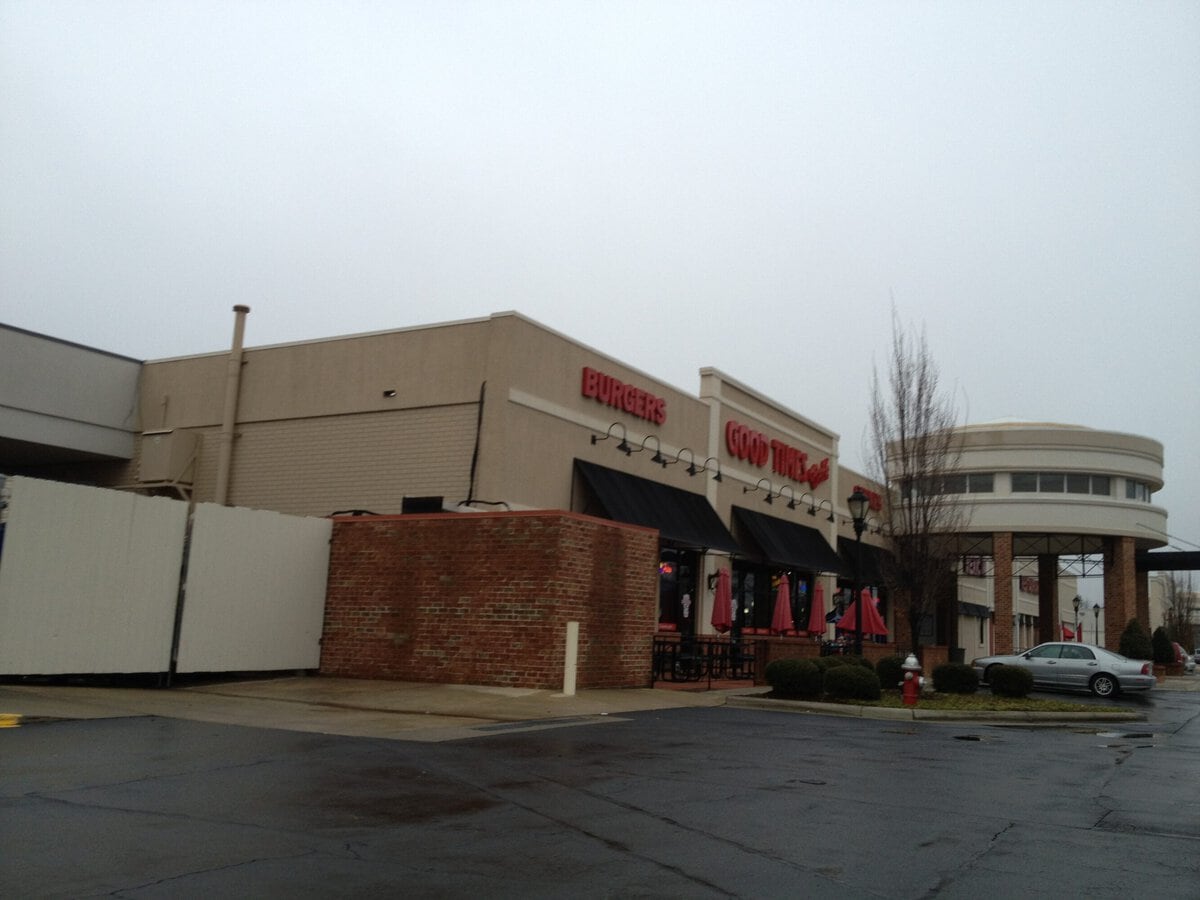
Sears Closed, and the Old Box Became a Test
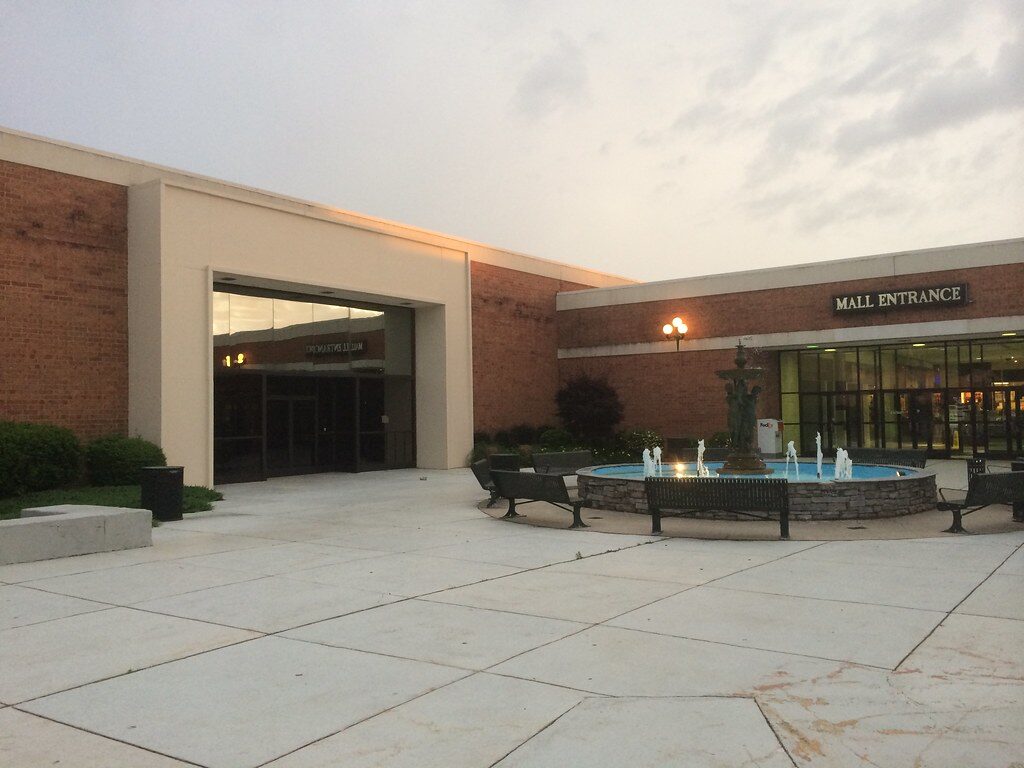
Sears included its Southpoint store in a larger retreat from traditional brick-and-mortar retail on December 28, 2018.
The former anchor space soon became one of the clearest tests of what Southpoint could do with an old department-store box.
By February 1, 2019, the Sears space was part of discussions about a future enhanced development for the property. It did not remain only a leftover shell from a shrinking chain.
In October 2025, Dick's House of Sport opened in the old Sears space.
The mall replaced a conventional anchor with an interactive sports store carrying athletic gear, a climbing wall, golf areas, and a multi-sport cage for baseball, softball, lacrosse, and soccer.
It was the second Dick's House of Sport location in North Carolina. Grant Hill attended the opening event. Julius Peppers was also scheduled to make grand-opening appearances.
The former Sears property at 6930 Fayetteville Road sold for $17.65 million on November 17, 2025.
Southpoint's Tenant Mix Kept Changing After 2020
By 2023, Southpoint had added several tenants: Peloton, Warby Parker, Offline by Aerie, Evereve, LoveSac, Lovisa, and a much larger Apple store format.
The mix of stores changed from the older department-store model to a lineup focused more on lifestyle, technology, and brands that began online.
The changes continued in 2025. Vuori opened in the former Peloton space near Lululemon. Aritzia opened in the former Victoria's Secret space as its first Triangle location and its second store in North Carolina.
Victoria's Secret moved to the former J.Crew space. J.Crew reopened across from Madewell. Alo Yoga became the brand's third location in North Carolina.
Gorjana opened on September 8, 2025, as the jewelry brand's second North Carolina store. By Black Friday, every storefront at Southpoint was occupied.
The fully occupied storefronts answered a common question about vacancy at the mall.
The remaining question was whether Southpoint could continue attracting new tenants as shoppers had more options for spending a day outside a traditional mall.
Rezoning Opened the Door to a Larger Southpoint
The next area for development was not inside The Streets at Southpoint. It was the mall's parking lots.
Brookfield requested zoning changes for seven parcels near Renaissance Parkway and Fayetteville Road.
The parcels covered about 132.6 acres in total. The approved plan allowed up to 1,945,000 square feet of total non-residential floor area.
The allowed uses included commercial space, office space, hotel space, up to 200 hotel rooms, and up to 1,382 apartments. The purpose was not limited to new construction.
The larger purpose was to change a mall surrounded by parking into a mixed-use district. That type of district combines shopping, dining, housing, and outdoor public space, and it can compete with newer developments built around those uses.
The proposal received objections because it did not include commitments for affordable housing on the site.
Critics also identified concerns about design details, parking, pedestrian and trail areas, electric vehicle charging stations, and the long timeline for completing the project.
In March 2023, the Durham Planning Commission voted 10 to 3 against the rezoning. In June 2023, the Durham City Council approved the rezoning by a 5 to 2 vote.
The vote did not immediately produce apartments, a hotel, offices, or new retail space. It created the legal framework that allowed Brookfield to pursue those parts of the plan in phases.
Capital One Cafe, Pop Mart, and Southpoint's Next Test
The former California Pizza Kitchen space had a new use by April 10, 2026.
Capital One Cafe opened at 6910 Fayetteville Road, Suite 154, near Altar'd State and across from Pottery Barn. The space combined coffee with banking services.
Pop Mart was coming to The Streets at Southpoint as of April 15, 2026.
An opening date and exact mall location had not been released. The store would join The Lego Store and other newer tenants at the property.
Pop Mart had Robo Shop vending machines in Fayetteville and Concord, but no permanent brick-and-mortar store in North Carolina at that time.
Loft closed at Southpoint in 2026 after the landlord did not renew the lease.
Fogo de Chao planned to open at 8030 Renaissance Parkway in the former Uncle Julio's space. The location was planned as the chain's first North Carolina restaurant.
Southpoint now has two jobs. It has to keep the mall full, and it has to prove that the land around it can become more than parking.
The approved zoning allows up to 1,382 apartments, 200 hotel rooms, 300,000 square feet of offices, and more than 1 million square feet of commercial space.
Notable Milestones
2000 - Groundbreaking began after four years of planning.
March 8, 2002 - The Streets at Southpoint opened with Hecht's, Sears, JCPenney, Belk, and Nordstrom.
2002 - The mall drew about 300,000 visitors in its first three days.
2002 - North Carolina's first Nordstrom and Apple Store opened at Southpoint.
2006 - Hecht's converted to Macy's during department-store consolidation.
2009 - General Growth Properties entered Chapter 11 bankruptcy protection.
2010 - General Growth Properties emerged from bankruptcy.
December 28, 2018 - Sears included the Southpoint store in a national closure round.
June 2023 - Durham City Council approved rezoning for a major mixed-use redevelopment plan.
2024 - A social district launched at the mall.
October 2025 - Dick's House of Sport opened in the former Sears space.
November 17, 2025 - The former Sears-related parcel at 6930 Fayetteville Road sold for $17.65 million.
April 2026 - Capital One Cafe opened in the former California Pizza Kitchen space.
April 15, 2026 - Pop Mart was announced for The Streets at Southpoint.
Independent Publisher Notice
BestAttractions is an independent editorial publisher. We are not affiliated with, endorsed by, or acting on behalf of any location, business, property owner, manager, government agency, or organization described in this article.
Comments posted on this page are not forwarded to, reviewed by, or acted upon by any entity mentioned in the article.
For official inquiries, complaints, applications, bookings, or other requests, please contact the relevant entity directly through its official website or other verified channels.