
Leave Southgate Mall and drive west. You won't reach a comparable enclosed mall for more than three hours, and when you do, you'll be in Spokane, Washington.
That empty map is Southgate's quiet advantage: a trade region of 13 counties and 400,000 people within 170 miles with one regional mall in it, the one on Brooks Street in Midtown Missoula, open since 1978.
Geography kept the shoppers coming through a long run of anchor losses since 1987. Refilling the buildings required Dillard's, Scheels, a movie theater, and a Hobby Lobby.
The mall changed hands twice between 2018 and 2025 and still runs at 89 percent occupancy. What the distance bought, and what Missoula did with it, runs through five decades.
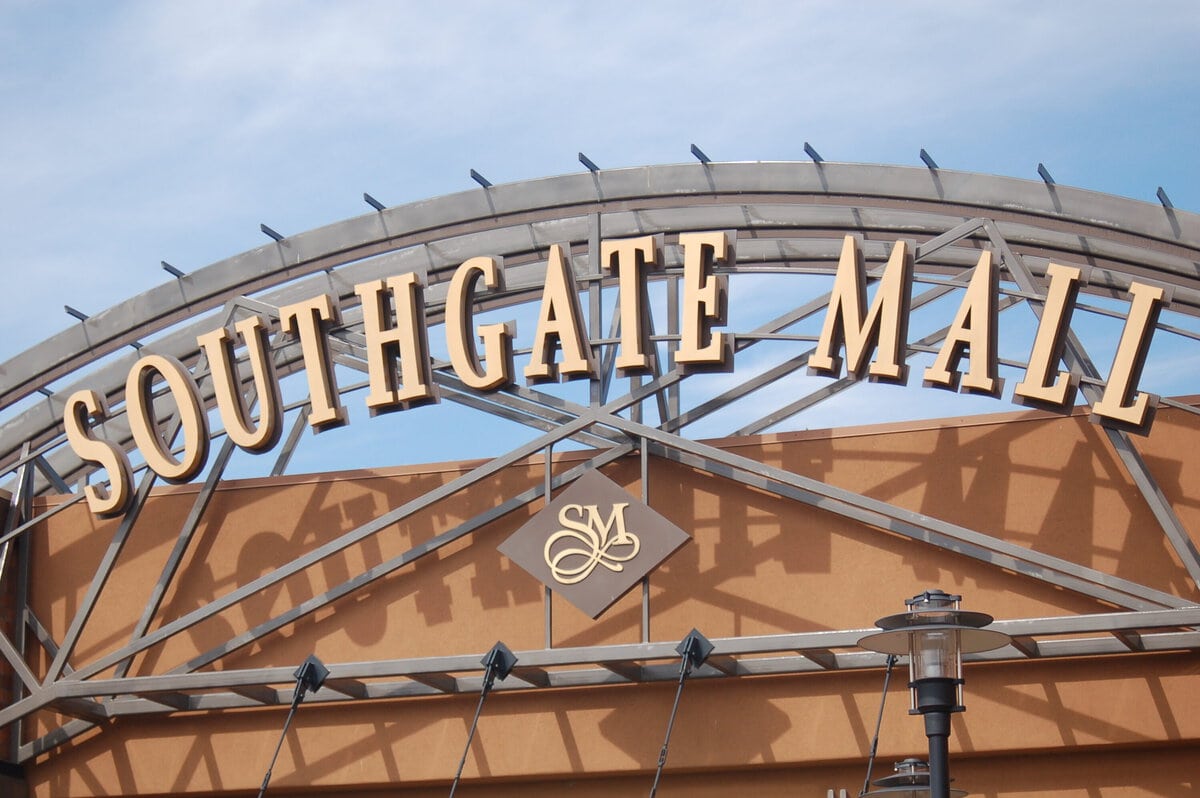
A restaurant opened at Southgate Mall five weeks before the mall did
Kings Table Restaurant started serving on June 28, 1978, inside a shopping center that hadn't officially opened yet.
Sears opened on July 12. Hart-Albin followed on July 27.
The grand opening came on August 2, 1978, and Missoula had its mall.
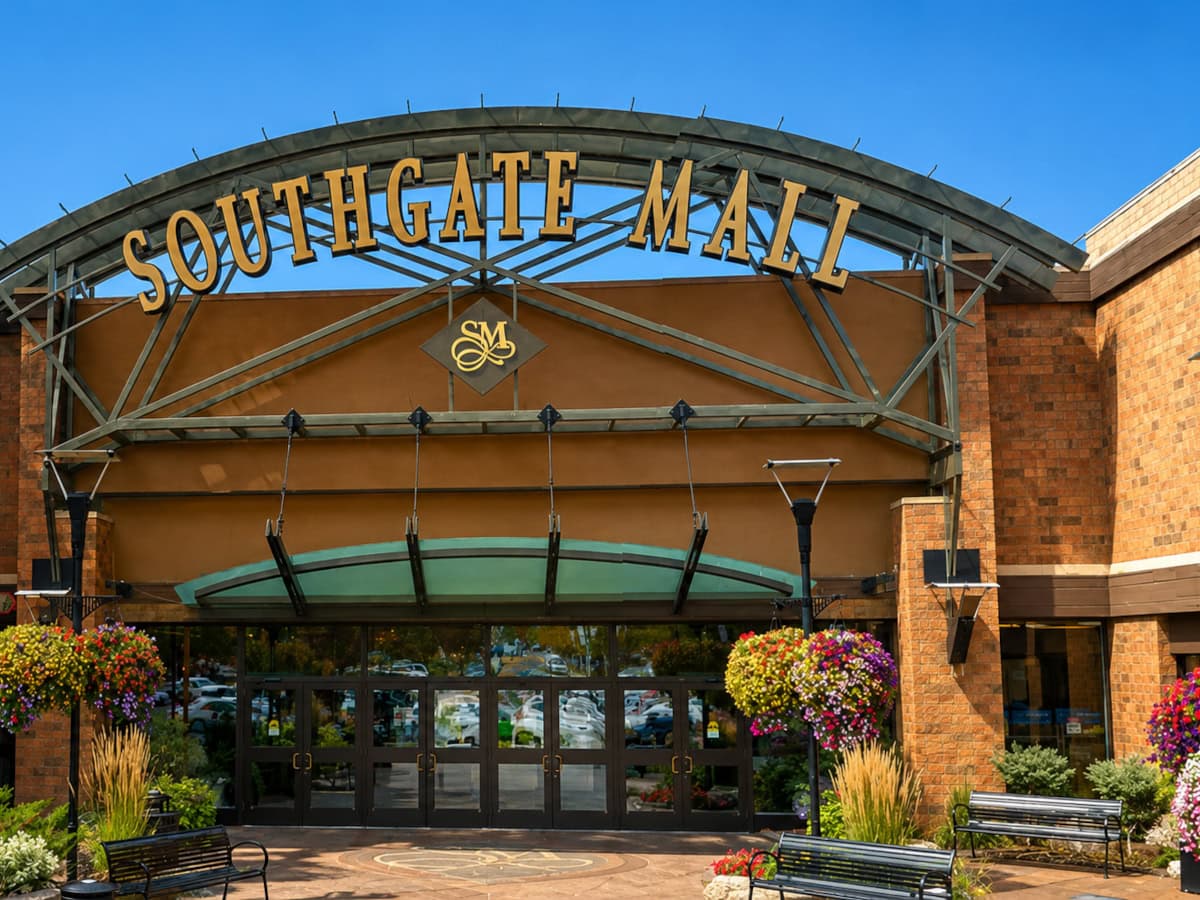
Southgate Mall is a one-level enclosed regional shopping center at 2901 Brooks Street in Midtown Missoula, Montana.
It opened with four department-store anchors: Hart-Albin, Hennessy's, Nordstrom Place Two, and Sears.
Today it's western Montana's largest shopping center, 602,500 square feet of retail under and around one roof.
All four original anchor names are gone.
What happened to them, and what moved into their buildings, is most of this story.
Southgate Mall cleared the Missoula City Council in five days
A big mall in south Missoula was first pitched in 1973, when a Minnesota firm proposed a $15 million shopping center south of Buckhouse Bridge along U.S. Highway 93.
That version stayed on paper.
The one that got built came from a local.
On February 9, 1977, developer George Lambros presented plans for a 398,000-square-foot mall on 68 acres between U.S. 93 and South Avenue.
The city council cleared it on February 14.
Five days from presentation to approval, with construction set for April 1.
Hart-Albin, Hennessy's, and Sears signed on by May 1977.
The two-level Nordstrom Place Two was confirmed in March 1978, months before opening day.
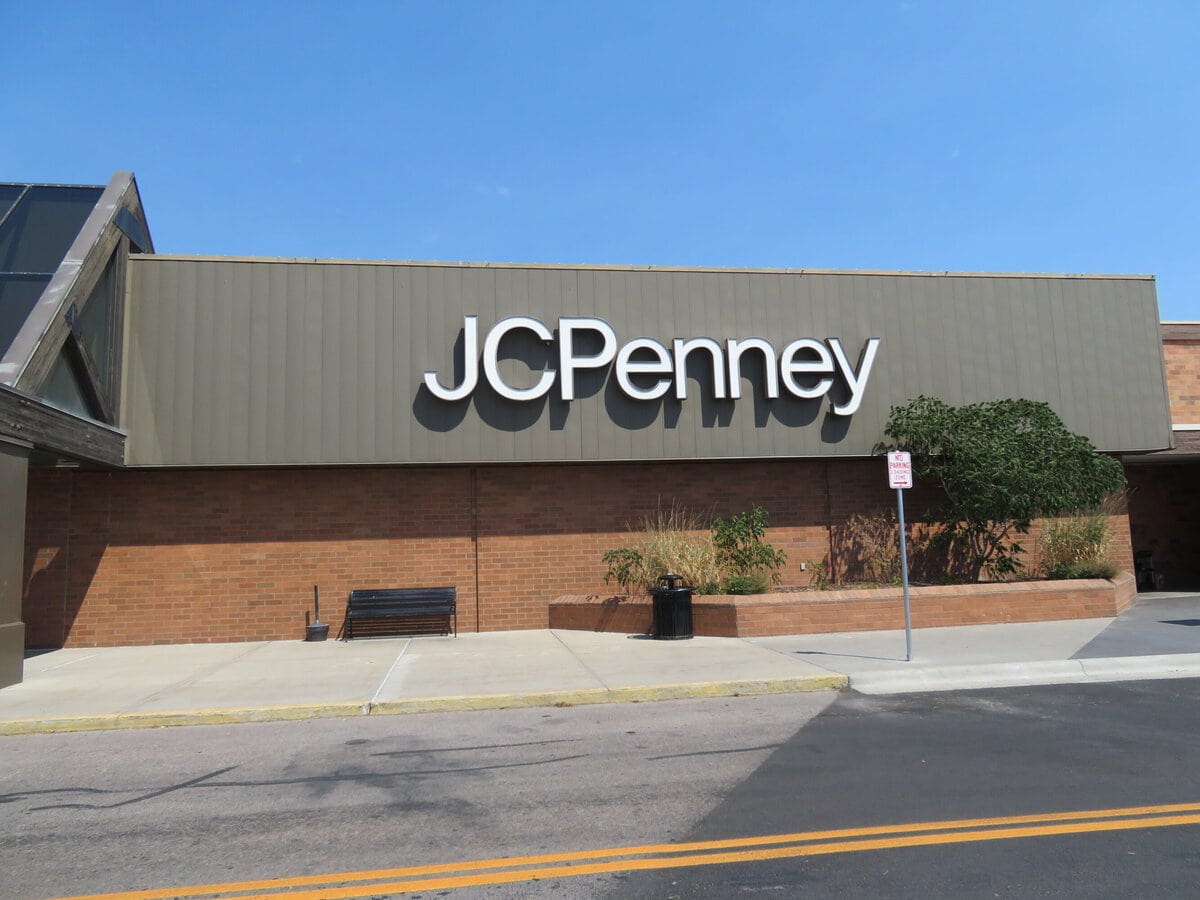
Growth came quickly. A second phase, finished in November 1979, added J.C. Penney and two dozen more stores.
In 1983, Pay 'n Save and Ernst Home Centers opened in a detached building south of the main structure.
Through all of it, the property stayed with the Lambros family's Southgate Mall Associates.
The 1989 shuffle: an anchor moved across the mall and closed in three months
Pay 'n Save went first, closing its Southgate store in 1987.
Nordstrom Place Two closed in early 1989.
Then came the strangest move in the mall's history.
Hart-Albin relocated into the empty Nordstrom space in April 1989.
By July, the relocated store had closed too.
Three months in the new spot, and a name that had anchored the mall since opening day was gone.
The holes filled fast. Lamonts opened in the original Hart-Albin space in August 1989.
Fabricland took the former Pay 'n Save building in 1990.
By spring 1990, every space in this run had a tenant again, a pattern Southgate would repeat for decades.
The 1990s swapped Montana store names for national chains
Lamonts closed in 1996 during its Chapter 11 reorganization.
Ernst liquidated the same year. Fabricland left in 1998.
The biggest change arrived through a corporate deal made far from Missoula.
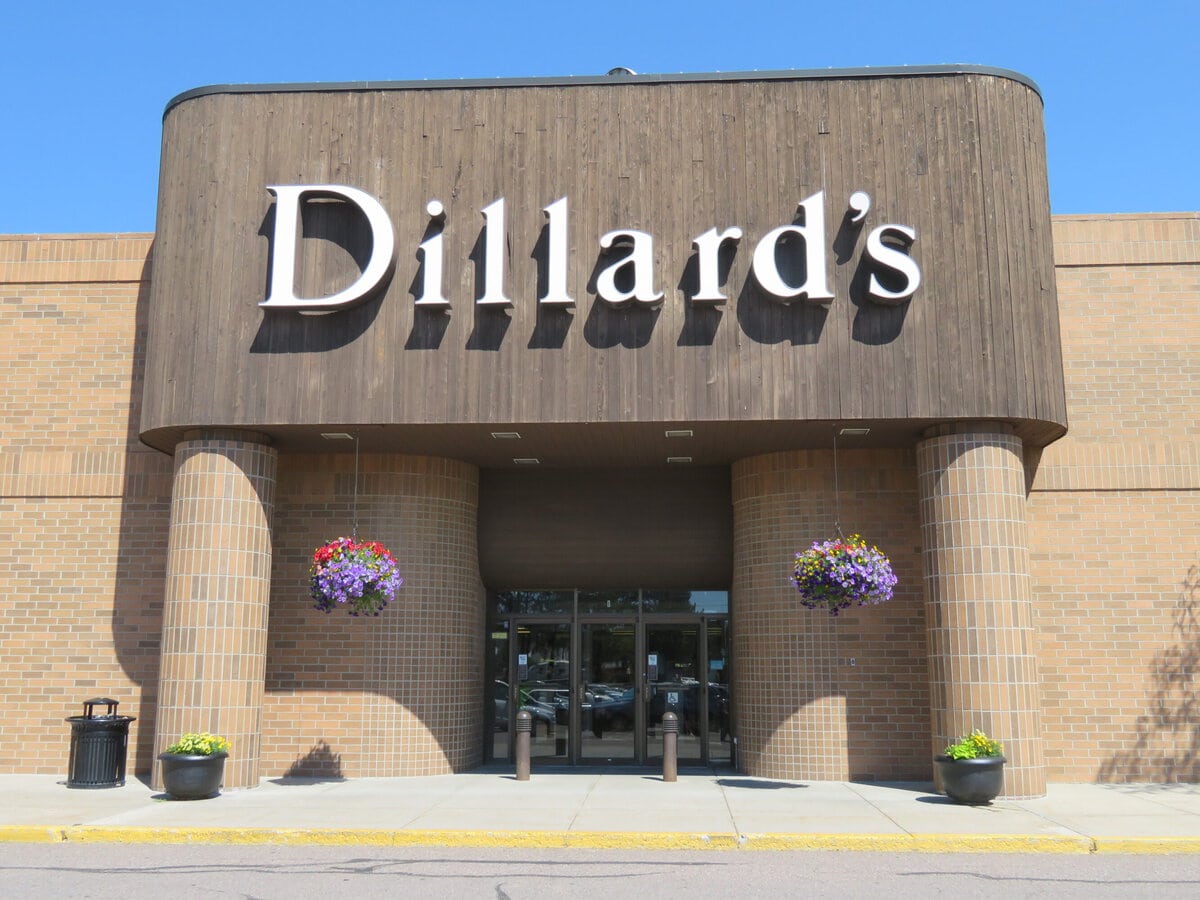
Dillard's acquired Mercantile Stores, the parent of Hennessy's, and the Hennessy's at Southgate became a Dillard's in 1998.
By that December, Herberger's had opened two stores in former anchor spaces.
The district around the mall thickened too.
Bob Ward's sporting goods went up near the Ernst complex in 1996.
Bed Bath & Beyond replaced Fabricland in 2007, and Cost Plus World Market arrived in the adjacent retail complex in 2014.
Tenants kept rotating. The building itself barely changed for 35 years. Then Sears left.
Sears closed in 2015, and Southgate cut windows into its own walls
In March 2015, Sears set its Southgate store for closure, ending a run that started before the mall's own grand opening.
Southgate Mall Associates answered with $64 million in private investment, the kind of physical reset that turned parts of an inward-facing building outward.
Exterior storefront windows were cut into solid walls, with asbestos abatement where the openings went in, plus dining, lifestyle retail, and new entries tied to the street network.
Curley's Broiler and the old Val-U-Inn came down.
Part of Paxson Plaza was dismantled in early 2016, and crews tore out parking lots, asphalt, trees, and irrigation to make room.
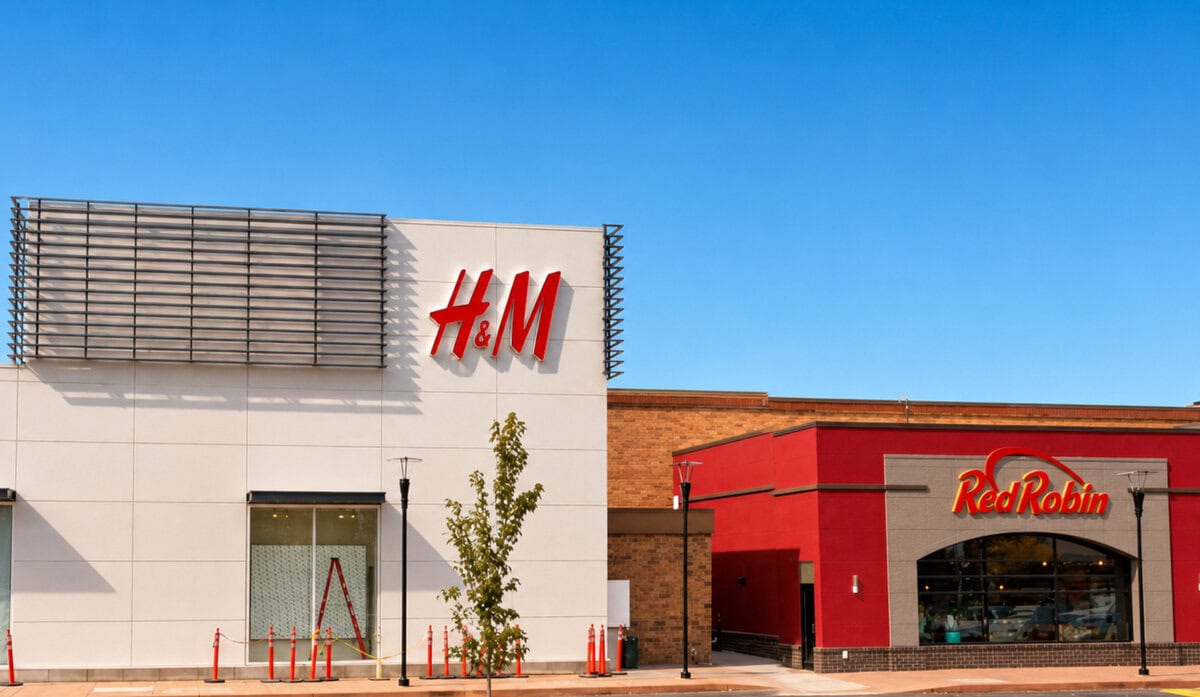
H&M opened its first Montana store at Southgate in September 2015, mid-construction.
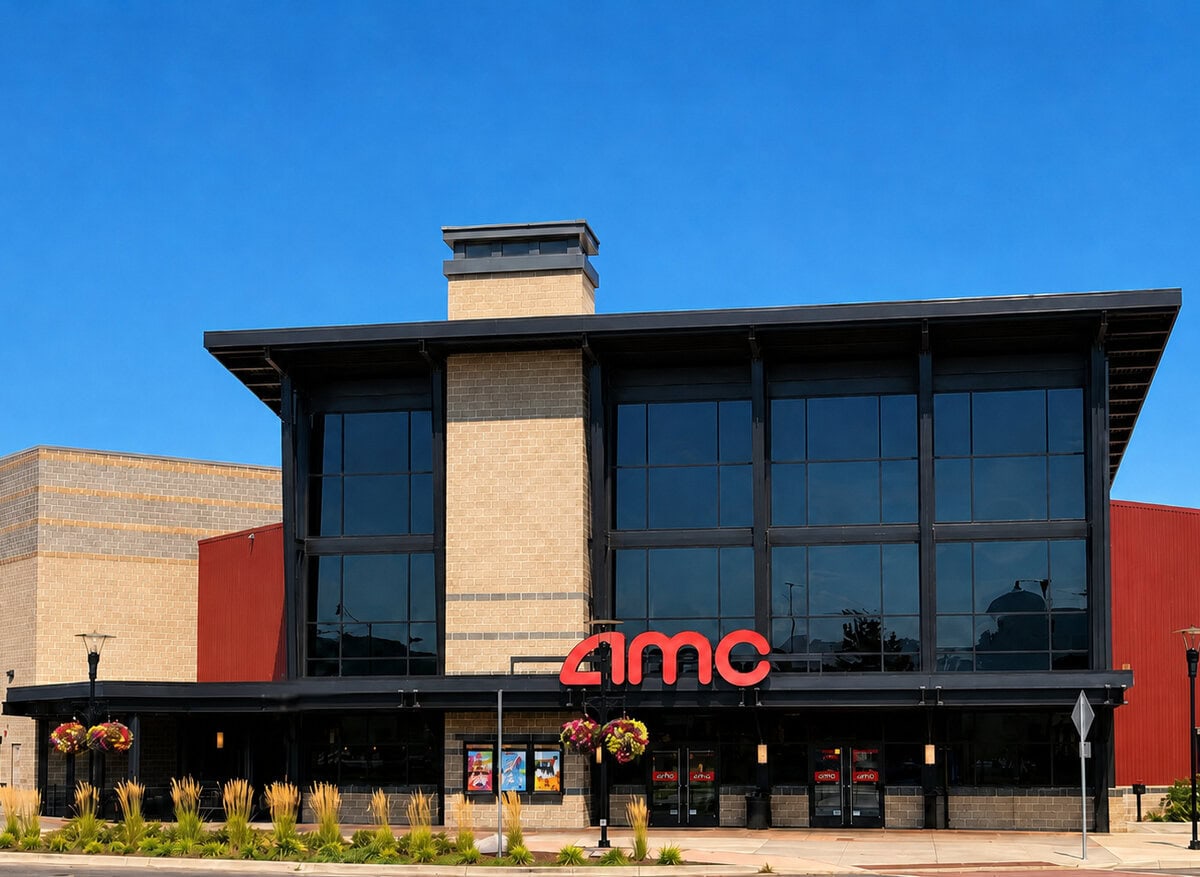
A 45,000-square-foot, nine-screen, 900-seat dine-in theater rose beside the former Sears space, and AMC Dine-In Southgate 9 opened in 2018.
Lucky's Market took 32,000 square feet of the old Sears building.
A 1970s overlay had capped buildings at 40 feet; the theater needed 50.
So in 2016 the city reworked zoning on 64 acres around the mall.
Public money went in too, and that's where the arguing started.
The $8.5 million public street through the mall property
The redevelopment carried a public piece: extending Mary Avenue through and near the mall site to link Brooks Street toward Reserve Street, cross the railroad corridor, and carry pedestrians and bikes along with cars.
The city put $7 million into the road from Brooks Street through the mall property to the tracks and $1.5 million into the segment from the railroad through to Reserve, funded with tax-increment dollars.
The route needed coordination with JCPenney, Bob Ward & Sons, and Montana Rail Link for the railroad crossing.
The 2015 debate was blunt: should public money build a street that also helps a private mall?
The funding request was narrowed that year to the street and utilities.
Supporters called it long-term infrastructure for drivers, cyclists, and schoolchildren.
Skeptics called it a subsidy with extra steps.
The street got built. The argument waited for its moment.
JCPenney and Lucky's Market both closed in early 2020
First came an ownership change.
Washington Prime Group bought Southgate on April 24, 2018, for $58 million, ending four decades of Southgate Mall Associates control just as the theater and grocery store opened.
Herberger's parent company, The Bon-Ton Stores, liquidated that same year and closed both Herberger's locations.
Dillard's absorbed part of the loss, announcing a second Southgate store in a former Herberger's space in February 2019.
Local businesses arrived around the same stretch: Dram Shop Central, Retros Pizza, Big Sky Arcadia, Big Dipper, and other food and entertainment tenants.
Early 2020 hit harder. JCPenney entered its closing process in January.
Lucky's Market shut that winter too, less than two years after opening, as the chain pulled back nationally.
For critics of the street funding, the empty boxes made the old question louder: what had the public money bought?
One answer came almost immediately.
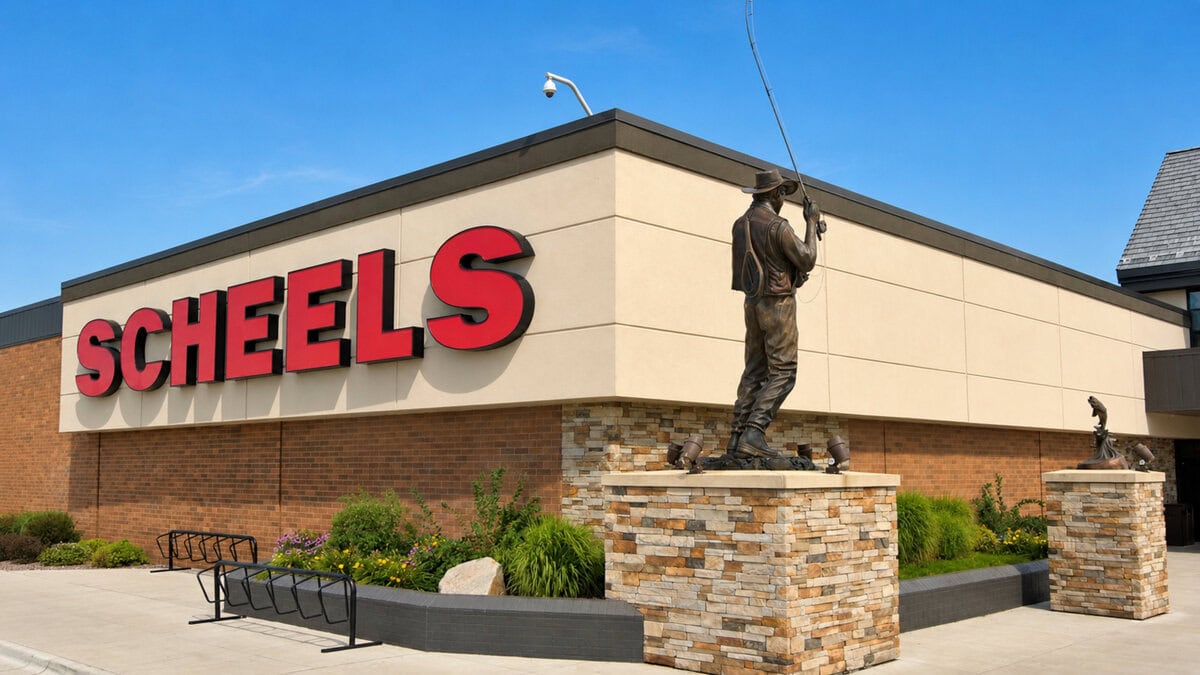
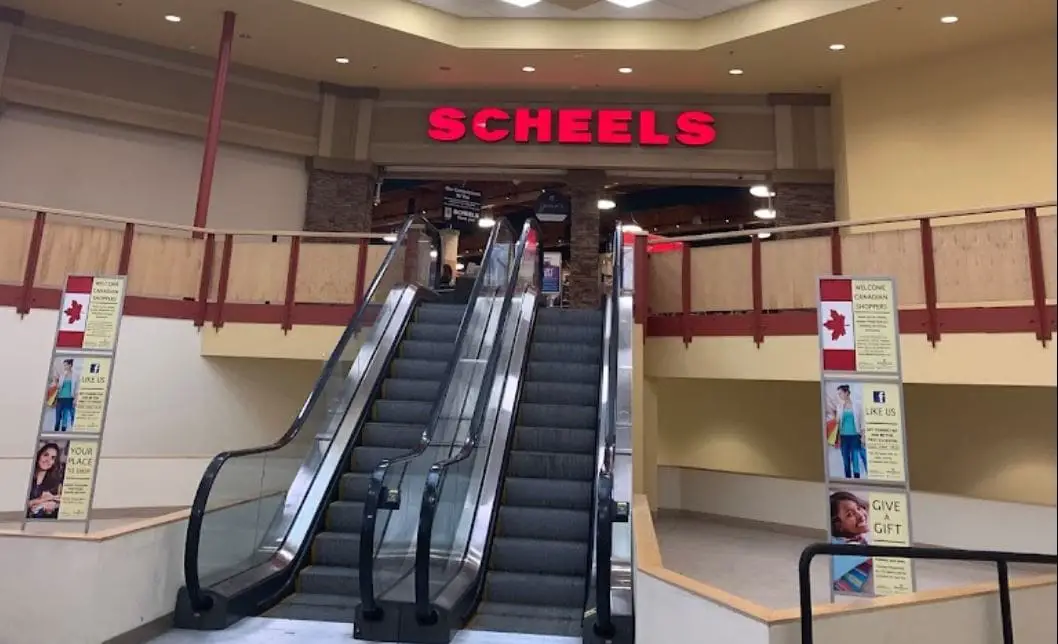
Scheels committed to the former JCPenney space that same January and opened on October 2, 2021.
Hobby Lobby later moved into the former Lucky's space.
CBL bought a mall with no rival within three hours
CBL Properties acquired Southgate from Washington Prime in July 2025, part of a four-mall portfolio purchase worth $178.9 million that also included malls in Kentucky, Colorado, and Florida.
The Missoula numbers in that deal: 544,000 square feet of leasable space, 89 percent occupancy, and $394 in sales per square foot.
The trade area holds 99,500 people, with a wider regional draw across 13 counties and 400,000 residents.
That regional draw holds up because the competition is so far away, and that distance explains a lot of Southgate's persistence.
Since 1987, the mall has lost Pay 'n Save, Nordstrom Place Two, Hart-Albin, Lamonts, Ernst, Fabricland, Sears, Herberger's, JCPenney, and Lucky's.
Every box got refilled.
Homes, a park, and a health center are rising around the mall
The newest growth near Southgate Mall has little to do with shopping.
The city bought the 13.5-acre Southgate Crossing site behind Bob Ward's in late 2024 for $5.9 million.
It publicly named Miramonte Companies as developer in August 2025, then on May 18, 2026, approved the agreements for what's now called Midtown Commons.
The plan: 234 homes, four commercial buildings, a 1.6-acre public park, new streets and sidewalks, and Bitterroot Trail connections, a $100 million project on a seven-year buildout.
Part of that ground ran as a sawmill in the 1950s and 1960s, then sat mostly idle for decades.
An $18 million Providence health center opened on Paxson Street in January 2026, with urgent care running 8 a.m. to 8 p.m.
Inside the mall, the first-in-Montana streak continues.
JD Sports opened its first store in the state there on February 14, 2026, a decade after H&M did the same thing.
People keep coming: 70 stores, a split Dillard's, Scheels in the old Penney box, a craft store, dinner and a movie at the old Sears corner.
The mall logged 4.9 million visits in 2025, nearly five decades after a restaurant served its first meal in a building that wasn't quite finished.

Independent Publisher Notice
BestAttractions is an independent editorial publisher. We are not affiliated with, endorsed by, or acting on behalf of any location, business, property owner, manager, government agency, or organization described in this article. Comments posted on this page are not forwarded to, reviewed by, or acted upon by any entity mentioned in the article. For official inquiries, complaints, applications, bookings, or other requests, please contact the relevant entity directly through its official website or other verified channels.
this article failed to mention the Garden City Duplicate Bridge Club, which hosts five games every week, three annual tournaments, and other events, bringing people into the mall almost every weekday and some weekends.
I appreciate your insight on the Garden City Duplicate Bridge Club's presence at Southgate Mall. It's beautiful to have such an active organization fostering a sense of community and friendly competition. For those interested in joining or learning more, kindly explore https://www.bridgewebs.com/gardencity/
Why isn't Hennessey's mentioned in the article? Did I miss something?
Your inquiry reflects a keen interest in the details of the article, which is commendable. Hennessy's presence in the Southgate Mall was acknowledged in the piece in the first paragraph and the anchors' table.