
Winfield can make a strong retirement base for someone who wants a quiet western Chicago suburb, close medical care, Metra access, and a small-community feel.
Its biggest drawback is financial: housing is not cheap, and DuPage County property taxes can take a meaningful bite out of a fixed retirement budget.
That makes Winfield less of a "low-cost retirement" choice and more of a "pay for location and convenience" choice. The right home matters as much as the town itself.
A lower-maintenance property near Central DuPage Hospital and the Winfield Metra station may age much better than a larger house with high taxes, stairs, snow-removal work, or flood exposure.

Is Winfield a good place to retire?
For the right retiree, yes.
Winfield is about 28 miles west of downtown Chicago and has a small-village setting rather than an urban one.
The retirement case rests on four things: Central DuPage Hospital is in town, Metra's Union Pacific West Line stops in Winfield, DuPage County has senior services and transportation programs, and Illinois gives favorable state tax treatment to many common retirement-income sources.
The trade-off is that Winfield is not a bargain market. Current housing data puts typical sale prices in the mid-to-high $400,000s.
Winters also add real maintenance demands, and day-to-day errands are easier with a car even if you live near the station.
Winfield is a better fit if you want:
- A quiet suburban setting near Chicago
- Major medical services close to home
- Rail access for trips into the city
- Parks, fitness classes, local events, and nearby forest preserves
- To stay in Illinois without paying state tax on many qualifying retirement distributions
Think twice if you want:
- A warm-weather retirement
- Very low housing or property-tax costs
- A fully walkable, car-free lifestyle
- A large entertainment or restaurant district outside your front door
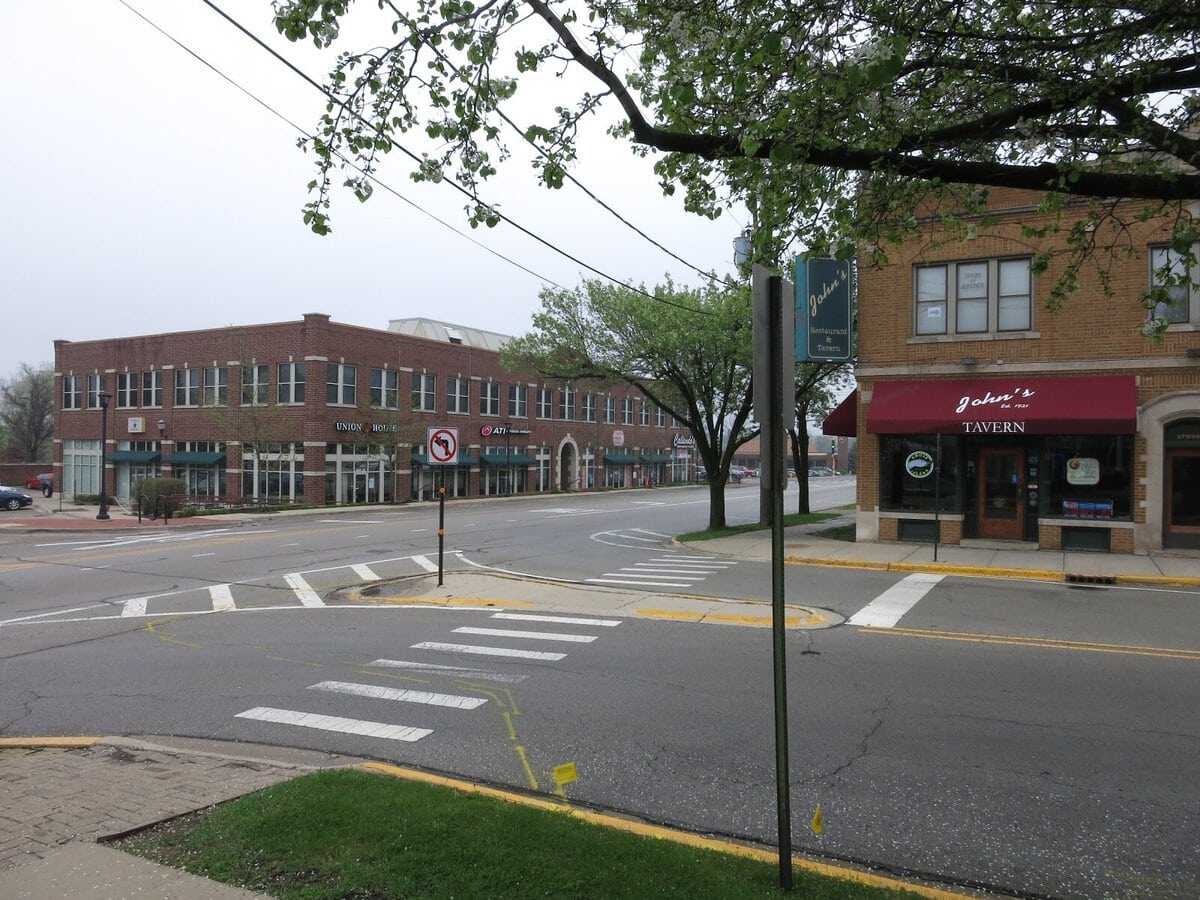
Housing is the first budget test
As of mid-2026, Winfield is a relatively expensive small suburb. Zillow reported a median sale price of $488,675 as of May 31, 2026.
Those figures are planning benchmarks, not a prediction of what any particular home should cost.
Winfield has everything from smaller older houses and townhomes to larger single-family homes, so purchase price alone is a poor retirement filter.
A better question is: What will this property cost and require when you are 75 or 85?
Before buying, compare:
- The actual latest property-tax bill for the parcel
- Homeowners association fees, if any
- Snow removal and landscaping responsibilities
- Number of steps from driveway to living space
- First-floor bedroom and full-bath options
- Roof, windows, furnace, air conditioning, and driveway age
- Flood-zone or drainage issues
- Distance to groceries, pharmacy, medical care, and the train station
A modest townhome with an association handling exterior maintenance may cost more per month than a small detached house today, but it can reduce physical work later.
The reverse can also be true if association fees are high. Compare the full annual cost, not just the listing price.

Property taxes deserve their own retirement calculation
Property tax is one of the main reasons to run the numbers carefully in Winfield.
DuPage County says there is no single "average" property-tax bill that represents what an individual homeowner will pay.
A parcel's bill depends on its assessed value, exemptions, and the combination of taxing districts serving that address.
For retirees age 65 or older, two programs are especially relevant.
The Senior Citizens' Homestead Exemption can reduce equalized assessed value by as much as $8,000.
DuPage County gives an example in which that reduction saves about $584 at an average tax rate of 7.297%.
The Low-Income Senior Citizens Assessment Freeze Homestead Exemption, commonly called the Senior Freeze, is different.
It can limit increases in the property's assessed value for qualifying seniors, but it does not freeze the tax bill itself because tax rates can still change.
For the 2026 application, covering taxes payable in 2027, the household-income limit is $75,000.
Other ownership, occupancy, age, and timing rules apply.
If you are comparing two homes, pull the latest tax bill for each address from DuPage County rather than applying one countywide percentage to both.
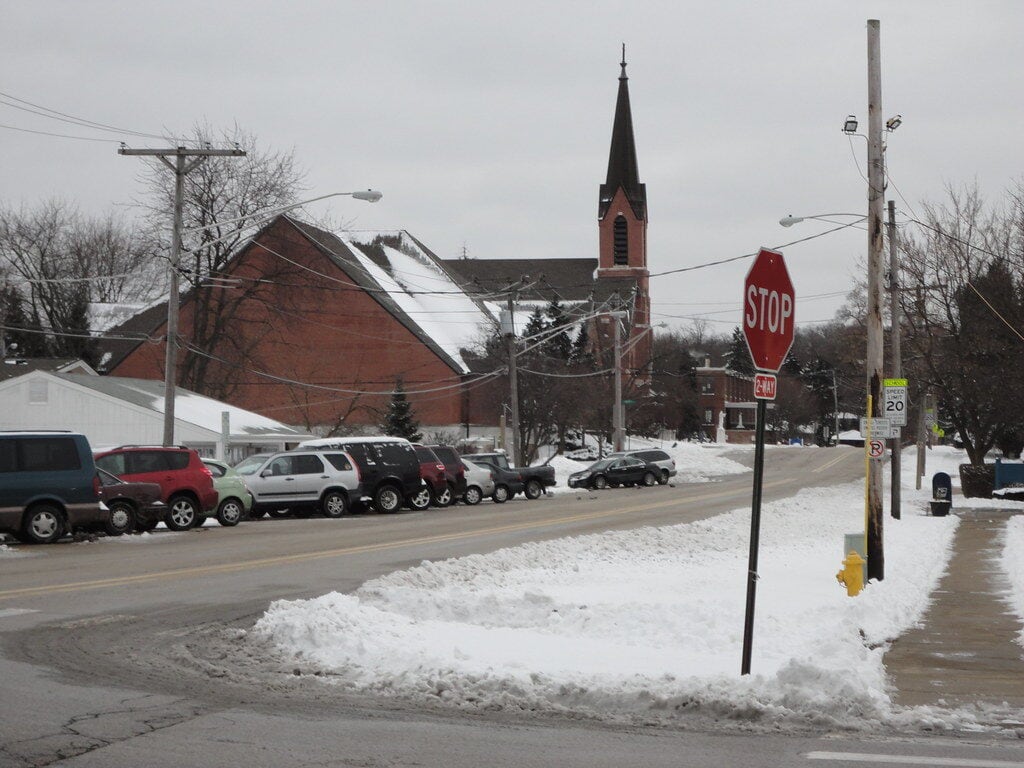
Illinois has a real retirement-income tax advantage
Illinois' individual income-tax rate is 4.95%, but the state allows taxpayers to subtract the federally taxed portion of several common retirement-income sources from Illinois income.
Qualifying sources include Social Security benefits, traditional IRA distributions, qualified 401(k) distributions, certain pensions, railroad retirement, and some government retirement plans.
That can be a substantial benefit for a retiree whose cash flow comes mainly from Social Security, a pension, an IRA, or a 401(k).
It does not mean every dollar a retiree receives is free of Illinois income tax.
Interest, dividends, wages, business income, capital gains, and other income can be treated differently.
For a household deciding between Winfield and a lower-property-tax state, compare both sides of the ledger.
Illinois may be favorable on retirement income while Winfield is expensive on home ownership.
Healthcare access is Winfield's strongest retirement asset
Central DuPage Hospital is not merely nearby. It is in Winfield.
Northwestern Medicine's Central DuPage campus includes a 24-hour emergency department and services in areas such as cardiovascular care, neurosciences, cancer care, orthopaedics, rehabilitation, primary care, imaging, palliative care, and outpatient services.
That matters more with age because medical access is not just about emergency distance.
It is also the number of routine appointments, specialist visits, imaging sessions, rehabilitation appointments, and follow-ups that can accumulate over time.
A retiree with an established Northwestern Medicine care team may find this especially convenient.
Someone with doctors tied to a different health system should check network participation and travel time before treating "hospital nearby" as a complete answer.

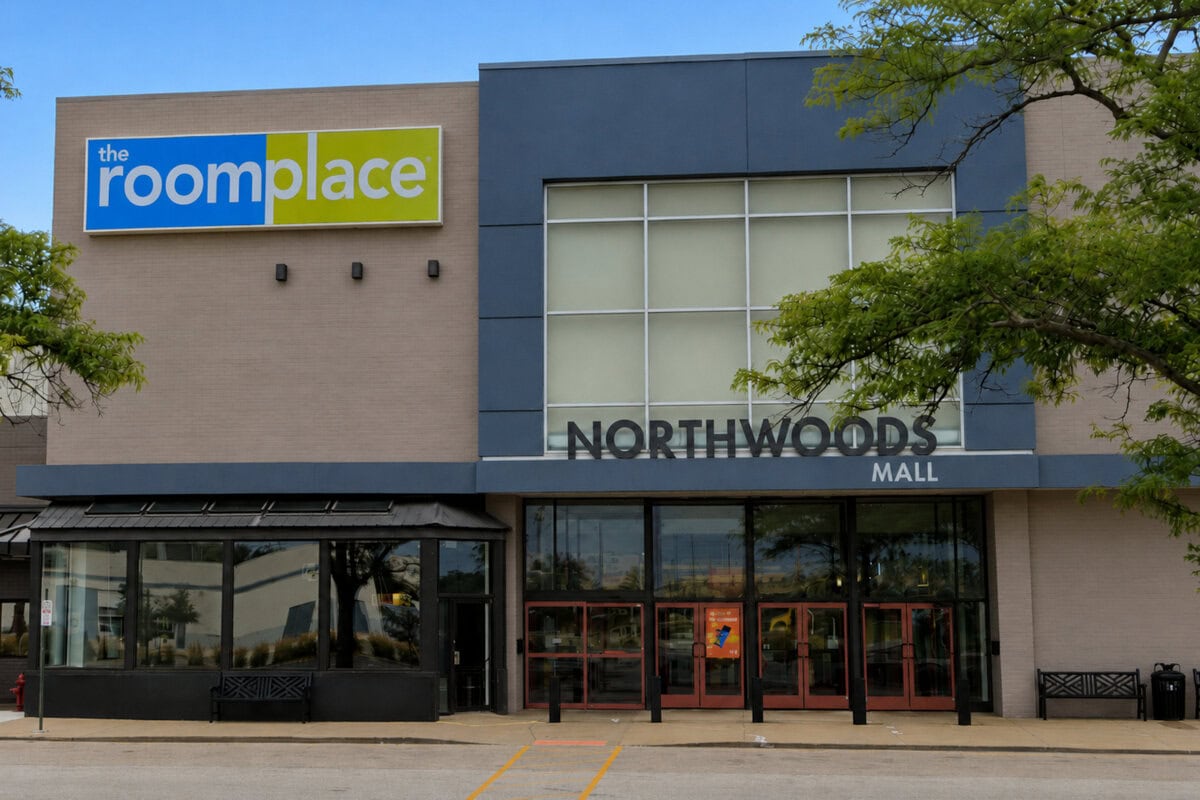
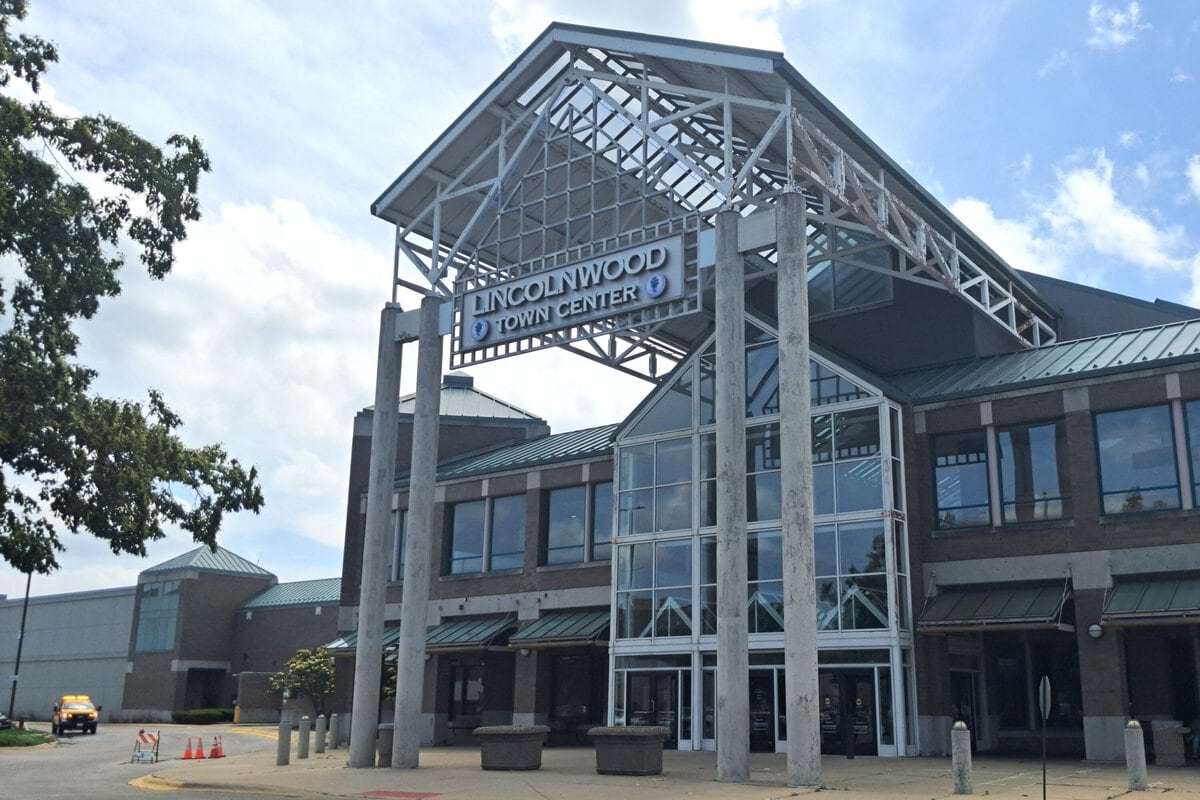
You can reduce driving, but do not assume you can give up the car
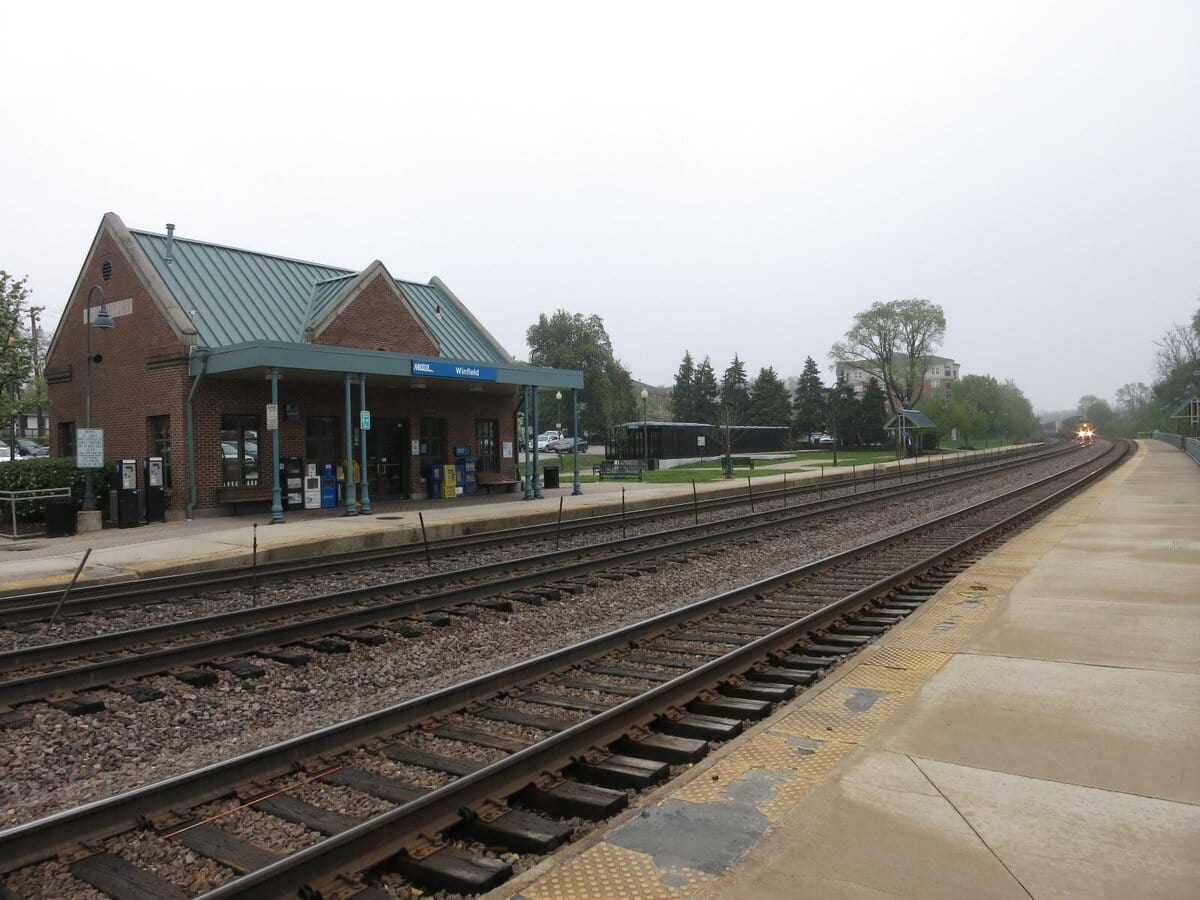
Winfield has a Metra station on the Union Pacific West Line, giving residents direct rail access toward Chicago.
For retirees who still want museums, restaurants, concerts, or family visits in the city, that is a meaningful advantage.
Local transit is more limited.
Pace operates Wheaton-Winfield On Demand service on weekdays from 6:30 a.m. to 6:45 p.m. Riders book trips within the service zone.
DuPage County and Pace also support transportation programs for some older adults and people with disabilities.
For most retirees, the practical conclusion is simple: Winfield can support a less car-dependent routine, especially near the station and hospital, but it is not a place to assume every errand will work on foot or transit.
If reducing driving is part of your retirement plan, test the exact address.
Time a trip to your grocery store, pharmacy, primary-care office, Metra station, and favorite social activities before buying.
Daily life is quiet, local, and suburban
Winfield's appeal is not built around a major downtown entertainment district. It is built around a smaller community rhythm.
The Winfield Park District runs adult and active-adult programs, including fitness and recreation.
The village also schedules community events such as Riverwalk Music Nights, farmers markets, and cruise nights.
Nearby DuPage forest preserves and trails add options for walking and outdoor time.
That can suit retirees who want regular activities without living in a busy city center.
If dining, theater, nightlife, or extensive shopping within a few blocks is a priority, spend time in Winfield at different times of day before deciding.
The village can feel pleasantly calm to one person and too quiet to another.

Do not ignore flood and winter risk
Winfield is inland, but that does not make every property free of water risk.
Winfield Creek drains about nine square miles of western Wheaton and surrounding areas through Winfield to the West Branch of the DuPage River.
The village maintains floodplain-management rules and has participated in flood-mitigation and property-buyout efforts.
That makes flood exposure a property-level question.
Before buying, check the parcel's flood designation, drainage history, basement history, insurance implications, and seller disclosures.
Winter is the other aging-in-place issue.
Snow, ice, freezing temperatures, and short winter days can turn an otherwise comfortable house into a maintenance burden.
A long driveway, exterior steps, steep walkways, or an aging furnace deserves more weight in a retirement purchase than it might at age 45.

A practical Winfield retirement checklist
Before committing to a home, do these six things:
- Pull the actual DuPage County tax bill for the property and confirm which senior exemptions you may qualify for.
- Price the home as an annual retirement expense, including taxes, insurance, HOA fees, utilities, snow removal, landscaping, and major maintenance.
- Check whether the property is in or near a floodplain and ask about past basement or drainage problems.
- Drive the route to Central DuPage Hospital, your doctors, grocery store, pharmacy, and Metra station.
- Inspect the home for future mobility needs: entry steps, stairs, bathroom layout, bedroom location, and driveway maintenance.
- Spend a weekday and a weekend in town before buying. Test the pace of daily life rather than judging Winfield from a showing alone.
Bottom line
Winfield is a strong retirement candidate for someone who wants a quiet Chicago-area suburb and places healthcare access near the top of the list.
Central DuPage Hospital, Metra service, local recreation, and Illinois' treatment of qualifying retirement income all work in its favor.
The financial test is harder.
Home prices are substantial, property taxes need parcel-by-parcel review, and winter maintenance can add both cost and physical work.
The best retirement purchase in Winfield is therefore not necessarily the nicest house you can afford.
It is the home whose taxes, layout, maintenance load, flood exposure, and location still make sense later in retirement.
On the map: Winfield, IL 60190
Sources and useful further reading
- Illinois Department of Revenue - Publication 120: Retirement Income
- DuPage County - Senior Citizens' Homestead Exemption
- DuPage County - Low-Income Senior Citizens Assessment Freeze
- Northwestern Medicine - Central DuPage Hospital
- Zillow - Winfield, IL Housing Market - Zillow Home Value Index and Zillow Observed Rent Index data through June 30, 2026. Data Provided by Zillow Group.
- Metra - Winfield Station
- Pace - On Demand Service
- Village of Winfield - Stormwater and Floodplain Management
Current information last reviewed: August 9, 2026

Independent Publisher Notice
BestAttractions is an independent editorial publisher. We are not affiliated with, endorsed by, or acting on behalf of any location, business, property owner, manager, government agency, or organization described in this article.
Comments posted on this page are not forwarded to, reviewed by, or acted upon by any entity mentioned in the article.
For official inquiries, complaints, applications, bookings, or other requests, please contact the relevant entity directly through its official website or other verified channels.